• Post Reply Bookmark Topic Watch Topic
  • New Topic
permaculture forums growies critters building homesteading energy monies kitchen purity ungarbage community wilderness fiber arts art permaculture artisans regional education skip experiences global resources cider press projects digital market permies.com pie forums private forums all forums
this forum made possible by our volunteer staff, including ...
master stewards:
  • Carla Burke
  • John F Dean
  • Nancy Reading
  • r ransom
  • Jay Angler
  • Timothy Norton
stewards:
  • paul wheaton
  • Pearl Sutton
  • Anne Miller
master gardeners:
  • Christopher Weeks
  • M Ljin
gardeners:
  • Jim Garlits
  • thomas rubino
  • William Bronson

Fava bean cover crop

 
gardener
Posts: 5718
Location: Cincinnati, Ohio,Price Hill 45205
1319
forest garden trees urban
  • Likes 19
  • Mark post as helpful
  • send pies
    Number of slices to send:
    Optional 'thank-you' note:
  • Quote
  • Report post to moderator
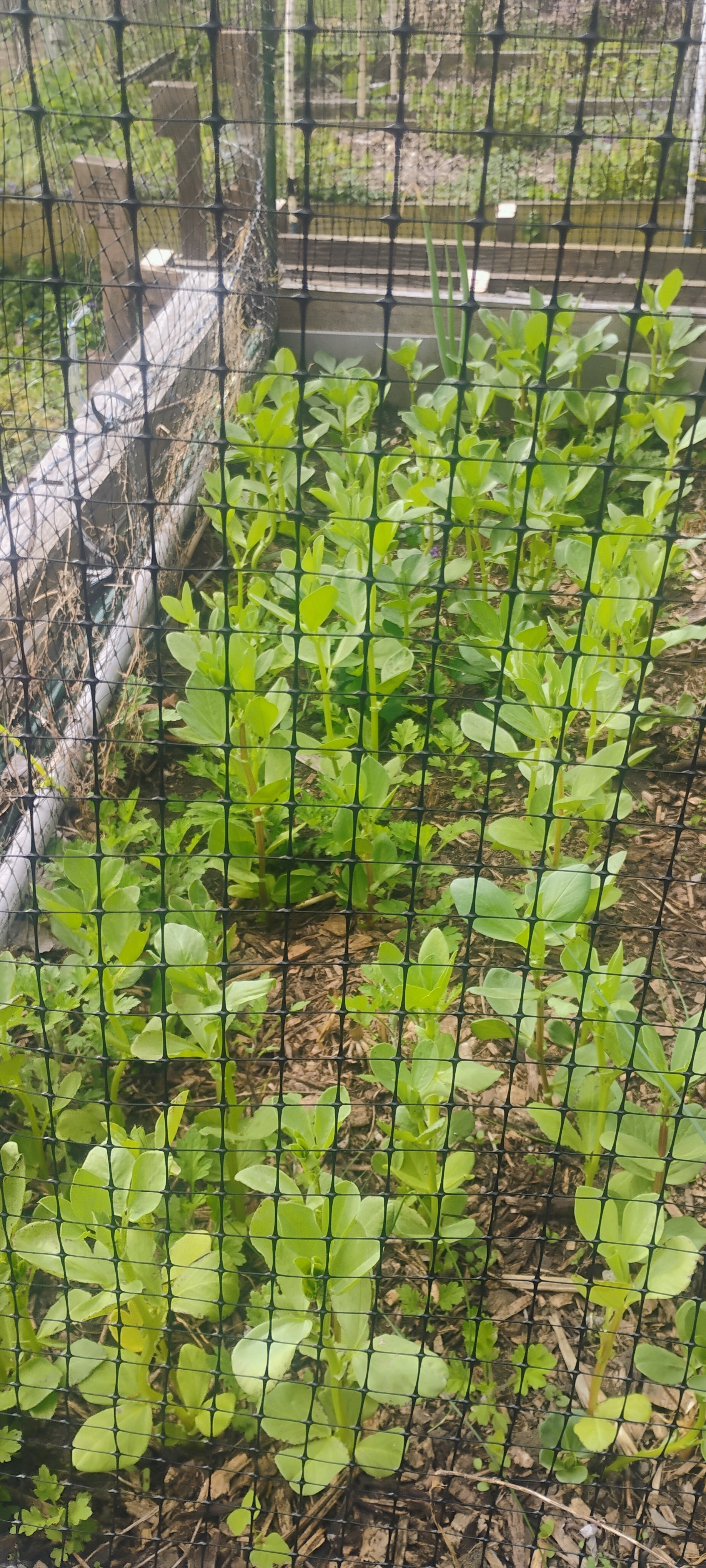
This bed is dedicated to peppers this year, but almost 2 months ago I planted out fava beans that I got from an African grocery store.
They are coming up nicely and the foilage tastes good too!
IMG_20260412_103735425_AE.jpg
Beautiful bean footage!
 
pollinator
Posts: 1582
Location: Milwaukie Oregon, USA zone 8b
192
  • Likes 12
  • Mark post as helpful
  • send pies
    Number of slices to send:
    Optional 'thank-you' note:
  • Quote
  • Report post to moderator
When are you going to chop and drop the favas and plant your peppers?  Last year I tried planting in late April (zone 8b) and nothing happened, it might have been because I was using seeds from grocery store peppers, both javanero and seranos.

I'll try again this year.  I like trying something twice before giving up on it, in this case "it" being those seeds saved from grocery peppers.
 
William Bronson
gardener
Posts: 5718
Location: Cincinnati, Ohio,Price Hill 45205
1319
forest garden trees urban
  • Likes 14
  • Mark post as helpful
  • send pies
    Number of slices to send:
    Optional 'thank-you' note:
  • Quote
  • Report post to moderator
Apparently some pepper are picked before they are mature as fruit, so the seed isn't viable,even though they are delicious.
Many pepper growers seem to grow transplants and use seed starting heat mats to get the seed to germimate.

That plot is being worked in collaboration with my friend, and she has some superhot peppers she is going to plant there, and also some tomatillos.
We grew them in netted low tunnels last year ,and they both grew through the roofs of the tunnels!
These beds have net fences around them but they remain open on top.


My friend is feeling reluctant about termination these beautiful plants, and wants to keep some.
I feel similarly, but I don't want to compromise the yield on her main crop.
I think we can transplant some of them, and terminate others.
Going forward,if we plant fava in the fall, they will be more mature by its time to plant the main crop.
I think the foliage and the green beans will be the parts we eat, with the dried beans being seed for the next year and a fall back food source
 
Riona Abhainn
pollinator
Posts: 1582
Location: Milwaukie Oregon, USA zone 8b
192
  • Likes 6
  • Mark post as helpful
  • send pies
    Number of slices to send:
    Optional 'thank-you' note:
  • Quote
  • Report post to moderator
William that may be the case here, thank you for letting me know this.  Just in case I'll try again but if it doesn't work this year those seeds are getting dumped in compost and I won't try store peppers again for seed.
 
pollinator
Posts: 96
Location: Haarlem, The Netherlands
70
forest garden fungi trees urban writing ungarbage
  • Likes 9
  • Mark post as helpful
  • send pies
    Number of slices to send:
    Optional 'thank-you' note:
  • Quote
  • Report post to moderator
Hi William,

What would happen if you would plant the peppers in between the beans? The bean plants won't last verry long anymore, would they?
(That is something I want to try for years, but someting eats my beans all the time, so I have never arrived at this point. Maybe fencing is a good idea).
 
William Bronson
gardener
Posts: 5718
Location: Cincinnati, Ohio,Price Hill 45205
1319
forest garden trees urban
  • Likes 8
  • Mark post as helpful
  • send pies
    Number of slices to send:
    Optional 'thank-you' note:
  • Quote
  • Report post to moderator
Yeah, they take 80 to 100 days to mature, and they get big,like 2 feet on up to 6 feet or bigger, but leaving them grow and cutting them on the regular could be ideal.
 
Riona Abhainn
pollinator
Posts: 1582
Location: Milwaukie Oregon, USA zone 8b
192
  • Likes 5
  • Mark post as helpful
  • send pies
    Number of slices to send:
    Optional 'thank-you' note:
  • Quote
  • Report post to moderator
At least I'm okay at growing favas, did it last year and growing more this year, our summers are pretty dry so they dry on the stalk.
 
William Bronson
gardener
Posts: 5718
Location: Cincinnati, Ohio,Price Hill 45205
1319
forest garden trees urban
  • Likes 11
  • Mark post as helpful
  • send pies
    Number of slices to send:
    Optional 'thank-you' note:
  • Quote
  • Report post to moderator
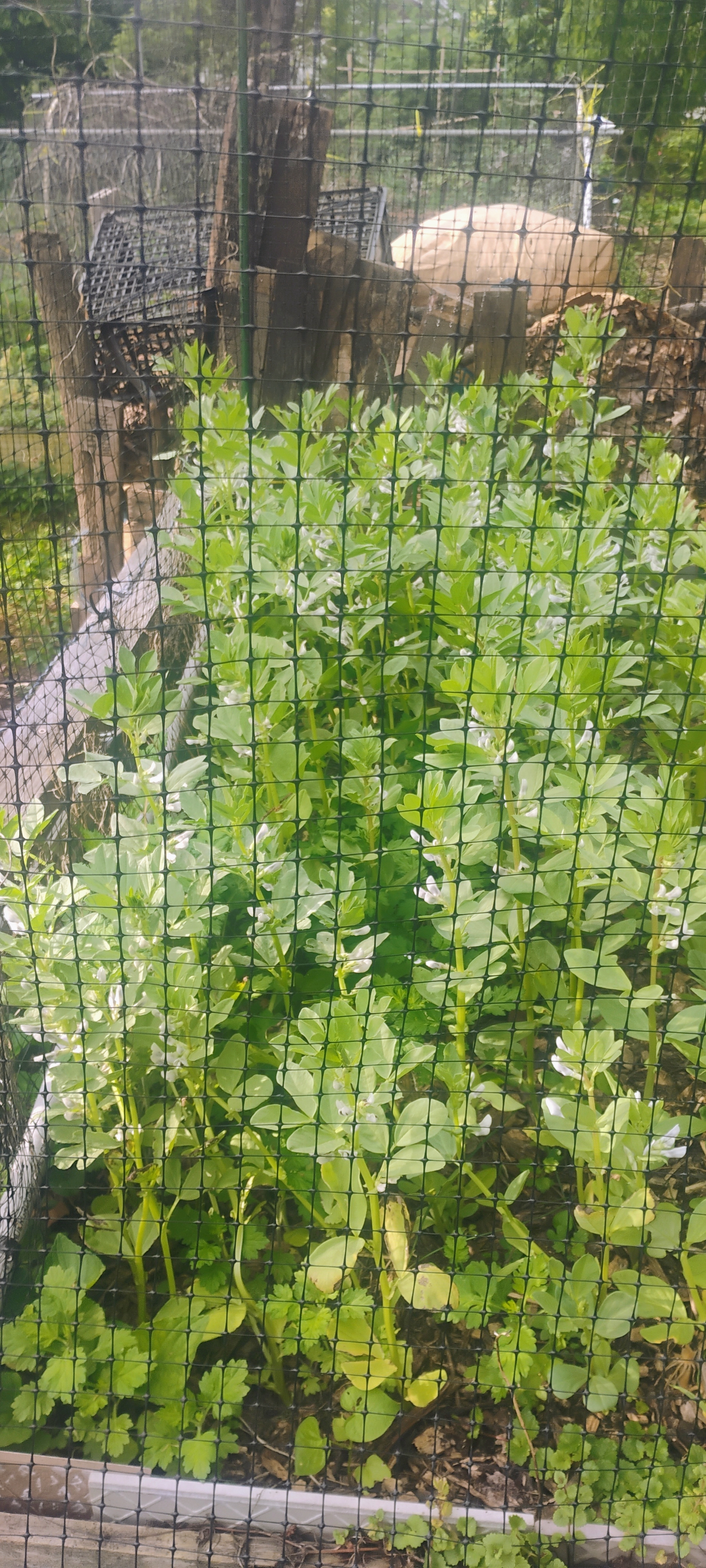
I went by the garden today, the fava are about a foot tall and flowering!
The foliage is already not as tasty, but I think it's still desirable  as a pot green.
So far I think I like them as well or better than peas for a cover crop/ green manure.
They seem very robust.

Today at my momma's house I thinned out the cilantro I had sowed in the turnip greens bed.
It didn't sprout before the turnip seeds, even with a considerable head start, and it's kinda hard to separate from the smaller turnip sprouts, so I'm not loving them as a cover crop.
By comparison , I planted some fava just a few weeks ago,in the crack between a bed and the pavers, and they are doing fabulously.
The crushed up bundle of cilantro sitting tucked in my overall chest pocket all day did provide good aromatherapy.
Maybe it would be better to sow cilantro under established plants?


Riona, how tall and stout did your fava beans get?
 
Riona Abhainn
pollinator
Posts: 1582
Location: Milwaukie Oregon, USA zone 8b
192
  • Likes 6
  • Mark post as helpful
  • send pies
    Number of slices to send:
    Optional 'thank-you' note:
  • Quote
  • Report post to moderator
They were in a pot, so they got about 18 in. tall, and maybe 5 in. diameter.  It was my first time growing them so I think they'll do better this year.
 
pollinator
Posts: 271
75
kids urban seed
  • Likes 6
  • Mark post as helpful
  • send pies
    Number of slices to send:
    Optional 'thank-you' note:
  • Quote
  • Report post to moderator
Favas are great for this. I use them over winter in beds that are getting tomatoes or peppers the following year and the difference in the soil is noticeable, much darker and easier to work after they've been chopped in. Flowering at a foot tall is quick though, might be worth letting them bulk up a bit more before you chop them if you want the full nitrogen fix.
 
Posts: 11
Location: Oregon
2
  • Likes 9
  • Mark post as helpful
  • send pies
    Number of slices to send:
    Optional 'thank-you' note:
  • Quote
  • Report post to moderator
I like to plant corn when I chop the favas since favas fix the nitrogen that the corn craves.  I plant Crimson Favas in the fall (Zone 7) and enjoy the red flowers and leaves in winter salads. I lose a few plants to the cold but most survive.
 
pollinator
Posts: 1648
Location: zone 4b, sandy, Continental D
448
  • Likes 4
  • Mark post as helpful
  • send pies
    Number of slices to send:
    Optional 'thank-you' note:
  • Quote
  • Report post to moderator

Riona Abhainn wrote: Last year I tried planting in late April (zone 8b) and nothing happened, it might have been because I was using seeds from grocery store peppers, both javanero and seranos.

I'll try again this year.  I like trying something twice before giving up on it, in this case "it" being those seeds saved from grocery peppers.


Don't give up! I bought some sweet peppers earlier this year (January) and saved the seeds. I figured that I had better plant a whole bunch, because, coming from a grocery store, they probably wouldn't grow.
Well, they all came! I like the yellow, red and orange the best, so that's what I planted. I put 2-3 seeds in each little pot... and they all came. I have 18 of each, which is probably way more than we'll need (Hubby doesn't like sweet peppers... Oh, darn!)
 
Posts: 42
Location: Güéjar Sierra, Granada, Spain
29
kids purity chicken rocket stoves homestead
  • Likes 9
  • Mark post as helpful
  • send pies
    Number of slices to send:
    Optional 'thank-you' note:
  • Quote
  • Report post to moderator
I plant favas in late october and let them overwinter in the sunny spot of my garden. My plan is to have a crop of beans before the summer fruits go in. I have 2nd generation seed now, i hope they get a bit more winter hardy with the years. I bought the most cold resistant once, the store bought, first generation, had a lot of loses i  the winter eventhough the weather was pretty ok. This year, the 2nd generation, survived way better with more extreme winter weather.

I also have fava beans that i bought as chicken feed, i will use these in the fall this year to grow a covercrop in my perrenial potatoe plot. That spot has no sun in winter, so they will most likely winter kill. But they will still have some months of growing season.
 
Posts: 5
3
  • Likes 8
  • Mark post as helpful
  • send pies
    Number of slices to send:
    Optional 'thank-you' note:
  • Quote
  • Report post to moderator

“I think the foliage and the green beans will be the parts we eat, with the dried beans being seed for the next year and a fall back food source ”

I think the best part to eat are the young green pods, although the young leaves also taste excellent. I have also dried the pods successfully for later use. They are excellent in stews and casseroles. I am not a fan of the dried beans. When I was a kid my grandmother would roast some beans on the stove top of the wood stove and I loved them but now I don’t have teeth for this type of snack.

 
Cécile Stelzer Johnson
pollinator
Posts: 1648
Location: zone 4b, sandy, Continental D
448
  • Likes 6
  • Mark post as helpful
  • send pies
    Number of slices to send:
    Optional 'thank-you' note:
  • Quote
  • Report post to moderator

Katya Zaimov wrote:
“I think the foliage and the green beans will be the parts we eat, with the dried beans being seed for the next year and a fall back food source


I think the best part to eat are the young green pods, although the young leaves also taste excellent. I have also dried the pods successfully for later use. They are excellent in stews and casseroles. I am not a fan of the dried beans. When I was a kid my grandmother would roast some beans on the stove top of the wood stove and I loved them but now I don’t have teeth for this type of snack.


I would not have thought of roasting dried fava beans. In fact, I've never even tried favas. This year, however, I bought fava bean seeds, so I'm grateful for the idea. I got this recipe:
https://www.fearlessdining.com/roasted-fava-beans-recipe/
Does that sound like the beans your grandma made for you? In the fall of the year, I figure on yanking the vines and tossing them to my chickens.
 
William Bronson
gardener
Posts: 5718
Location: Cincinnati, Ohio,Price Hill 45205
1319
forest garden trees urban
  • Likes 6
  • Mark post as helpful
  • send pies
    Number of slices to send:
    Optional 'thank-you' note:
  • Quote
  • Report post to moderator
Today I added two fava beans to each pot of where I have planted Dwarf Jerusalem Artichokes.
I figure more living roots in the growing medium is good, the jchokes are very competitive ,and when I terminate the beans, they will contribute nitrogen and organic matter to the soil.
Plus, I fill in an empty space faster this way.


I think I might plant some in square pots, let them grow till root bound, terminate them, and then trial the root bound potting soil as soil blocks.

 
William Bronson
gardener
Posts: 5718
Location: Cincinnati, Ohio,Price Hill 45205
1319
forest garden trees urban
  • Likes 6
  • Mark post as helpful
  • send pies
    Number of slices to send:
    Optional 'thank-you' note:
  • Quote
  • Report post to moderator
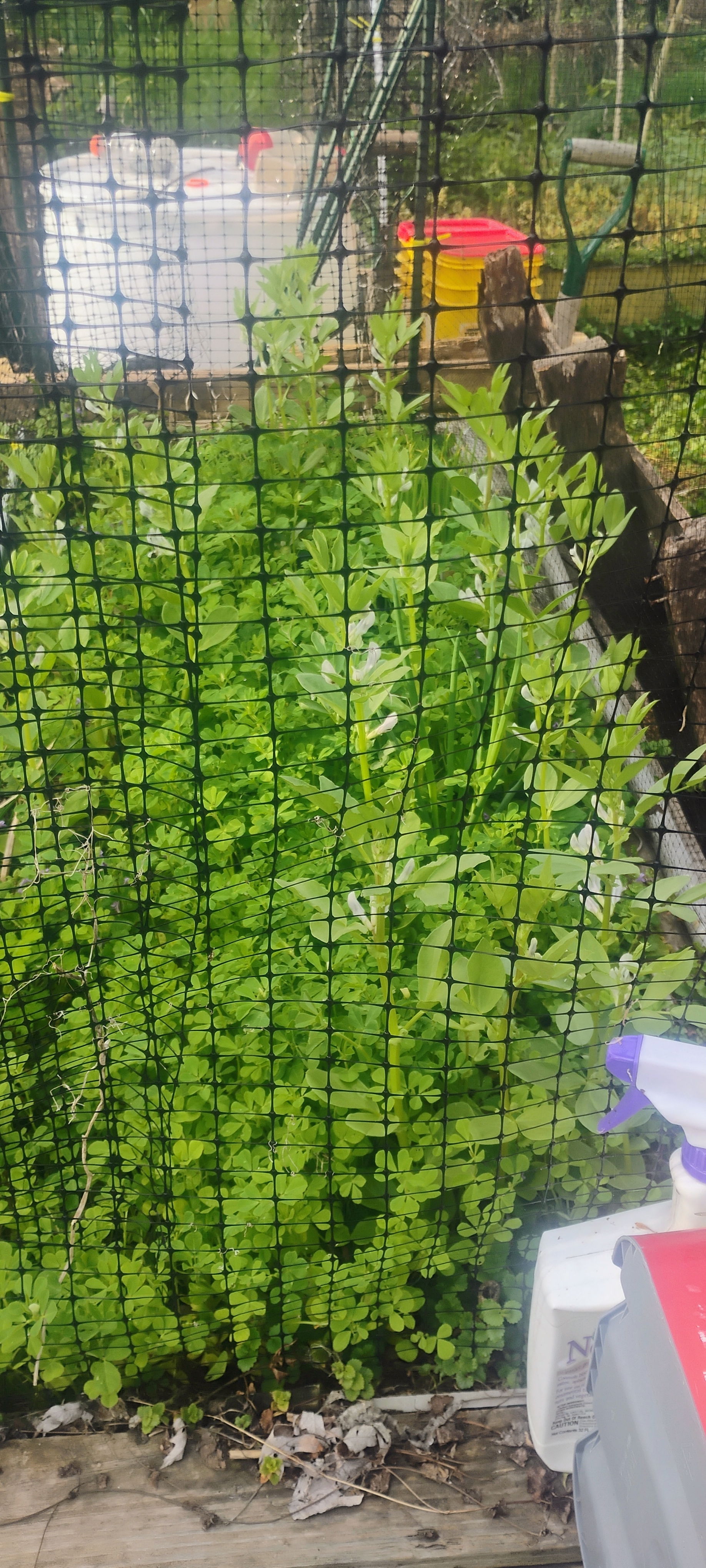
Stopped by the community garden:
IMG_20260427_084853341_AE.jpg
Fava Beans going crazy!
IMG_20260427_084842552_HDR_AE.jpg
Fava beans with garden cress(I think)
 
Posts: 207
Location: Southwest Washington 98612
44
2
  • Likes 5
  • Mark post as helpful
  • send pies
    Number of slices to send:
    Optional 'thank-you' note:
  • Quote
  • Report post to moderator
I've planted fava beans for a winter cover crop; even tho I started them quite late in the fall they germinated and grew through the winter. The valley I am in is colder than the rest of southwest Washington and they still over-wintered which also then gave me very early flowers for the pollinaters.  I'd forgotten mostly about this so  I will try to remember to do this again this fall. I have a fairly large raised bed (4x12 feet wide and long by 30" high) in which I do most of my non-perennial greens (that are not vining  or root crops) so I like to have it ready quite early in the spring.
 
William Bronson
gardener
Posts: 5718
Location: Cincinnati, Ohio,Price Hill 45205
1319
forest garden trees urban
  • Likes 4
  • Mark post as helpful
  • send pies
    Number of slices to send:
    Optional 'thank-you' note:
  • Quote
  • Report post to moderator
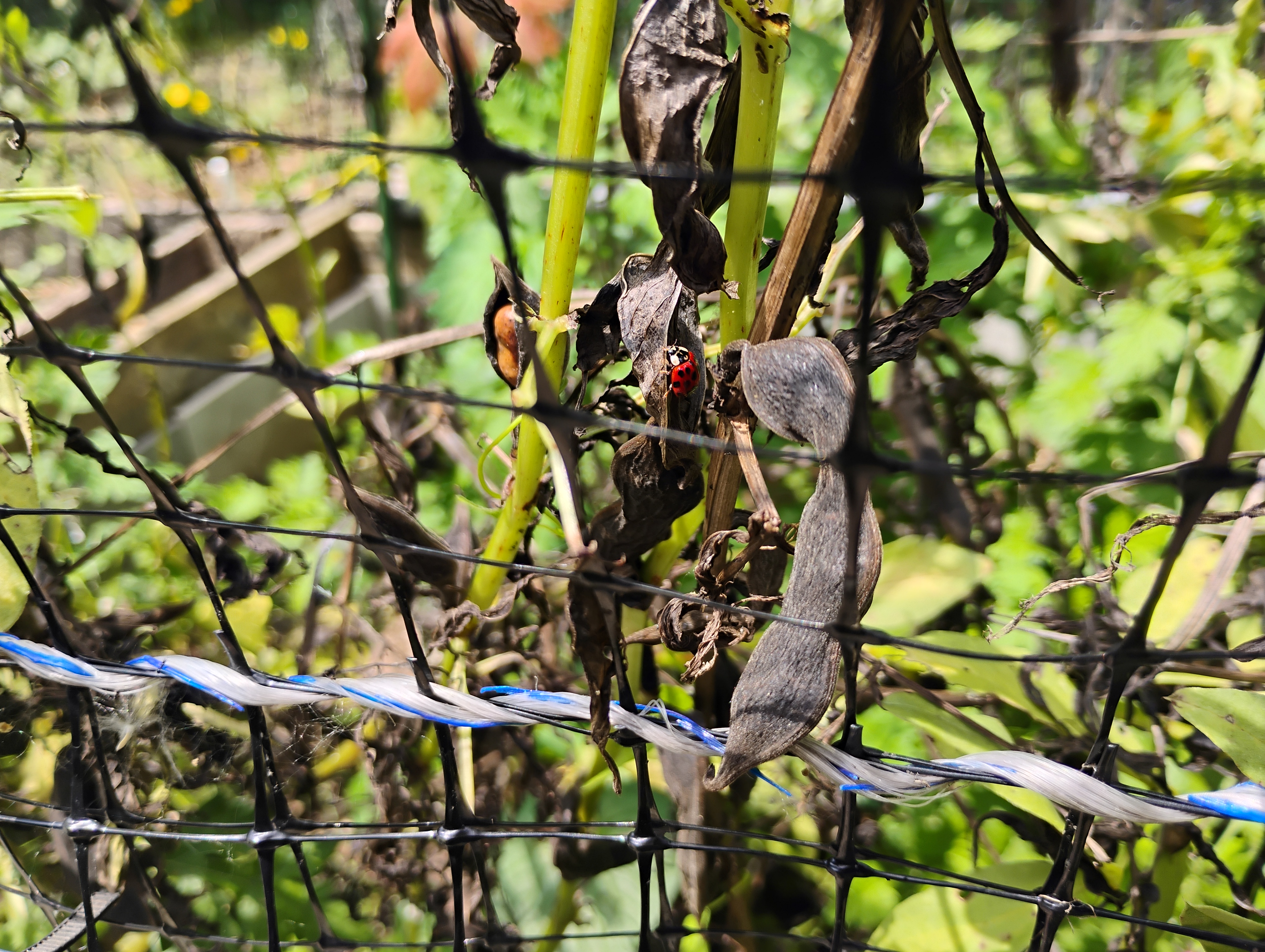
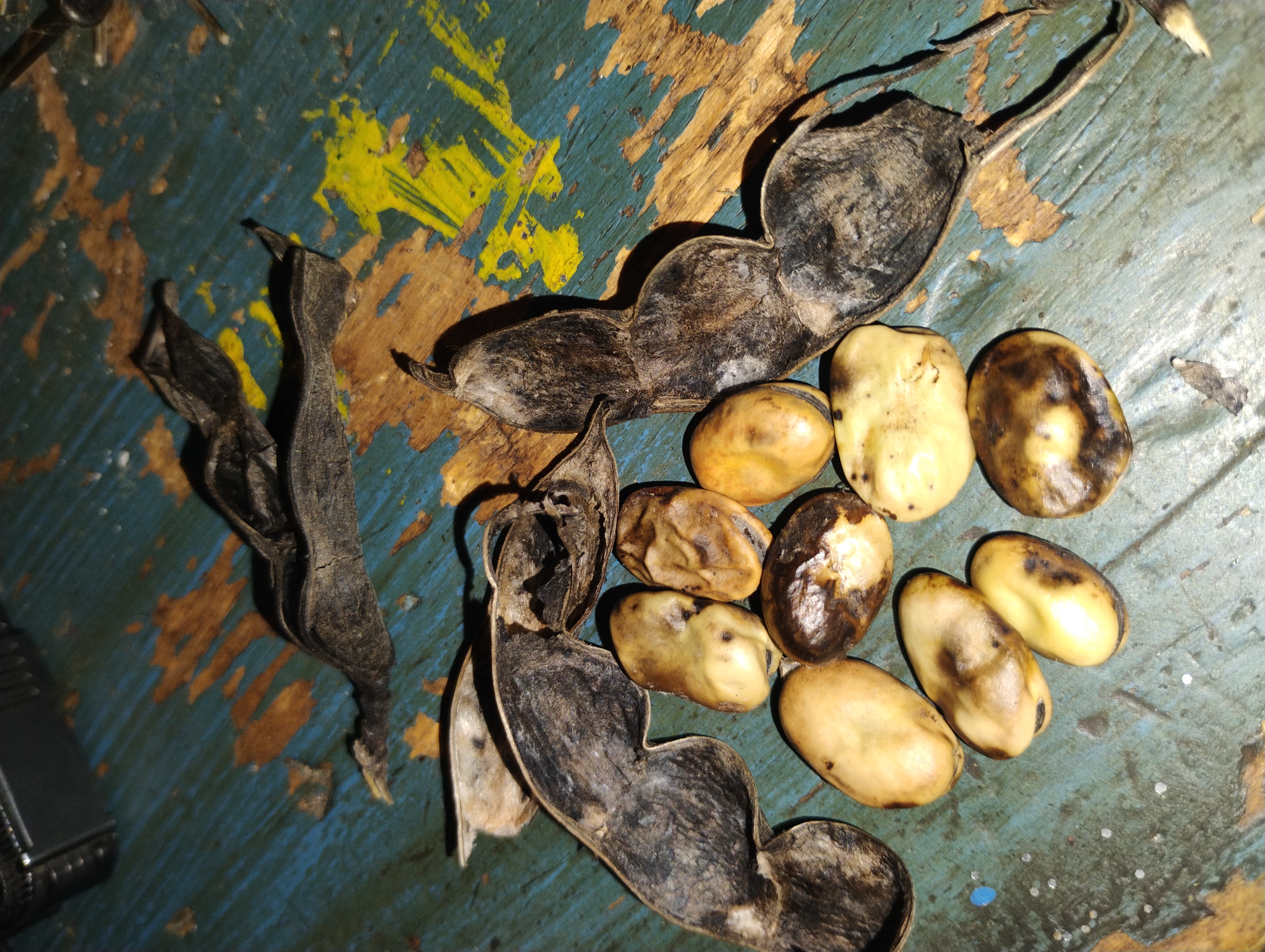
We let this crop continue hoping for a seed crop.
We have had a lot of rain, heat, and unusually cool periods.
Now it's started rotting, black spots everywhere.
I'll be cutting it out and composting it.
IMG_20260620_125457028_HDR.jpg
Gone to rot 😔
Gone to rot 😔
 
Posts: 53
Location: Southeastern Norway, half coastal - half inland climate
18
  • Likes 6
  • Mark post as helpful
  • send pies
    Number of slices to send:
    Optional 'thank-you' note:
  • Quote
  • Report post to moderator

William Bronson wrote:We let this crop continue hoping for a seed crop.
We have had a lot of rain, heat, and unusually cool periods.
Now it's started rotting, black spots everywhere.
I'll be cutting it out and composting it.


I'm not sure those are rotting. Broad bean pods do turn black and sad-looking when they're completely ripe, and just before they turn all black (or dark brown) they are quite spotty.

Open a couple of pods and have a look at the beans! If they are fine but not completely dry you can either leave them to dry out on the plant, or if wet weather is coming get them under roof. Either the whole plants or just the pods, whichever is easier in your situation. If they are already completely dry just harvest them whenever convenient, but sooner rather than later - the pods may start to split, and the beans may fall out or go bad if rain gets into the split pods.

The whole plant will often look diseased when the seeds are ripe, in my experience. I usually find the seed looks just as good or better when harvested late, from shabby looking plants, and I have always had more than 90 % of seed I saved myself sprout when planted. Close to 100% actually, I can basically count on any broad bean that I harvested myself to sprout and grow well.

Broad beans are generally very tolerant of bad weather, and even if the seeds end up looking a bit spotty or wrinkly they are likely to be perfectly fine to resow. Especially for green manure or a cover crop!  

If you do open a few pods, and the seed is actually bad, I'll be very curious - I realise we likely have very different climates, but apart from drought when they are flowering they seem to cope with nearly any conditions. Maybe you'd show us what you find?
 
William Bronson
gardener
Posts: 5718
Location: Cincinnati, Ohio,Price Hill 45205
1319
forest garden trees urban
  • Likes 3
  • Mark post as helpful
  • send pies
    Number of slices to send:
    Optional 'thank-you' note:
  • Quote
  • Report post to moderator

With no previous experience I was ready to dump these plants.
Now I know better,thank you!
 
William Bronson
gardener
Posts: 5718
Location: Cincinnati, Ohio,Price Hill 45205
1319
forest garden trees urban
  • Likes 5
  • Mark post as helpful
  • send pies
    Number of slices to send:
    Optional 'thank-you' note:
  • Quote
  • Report post to moderator
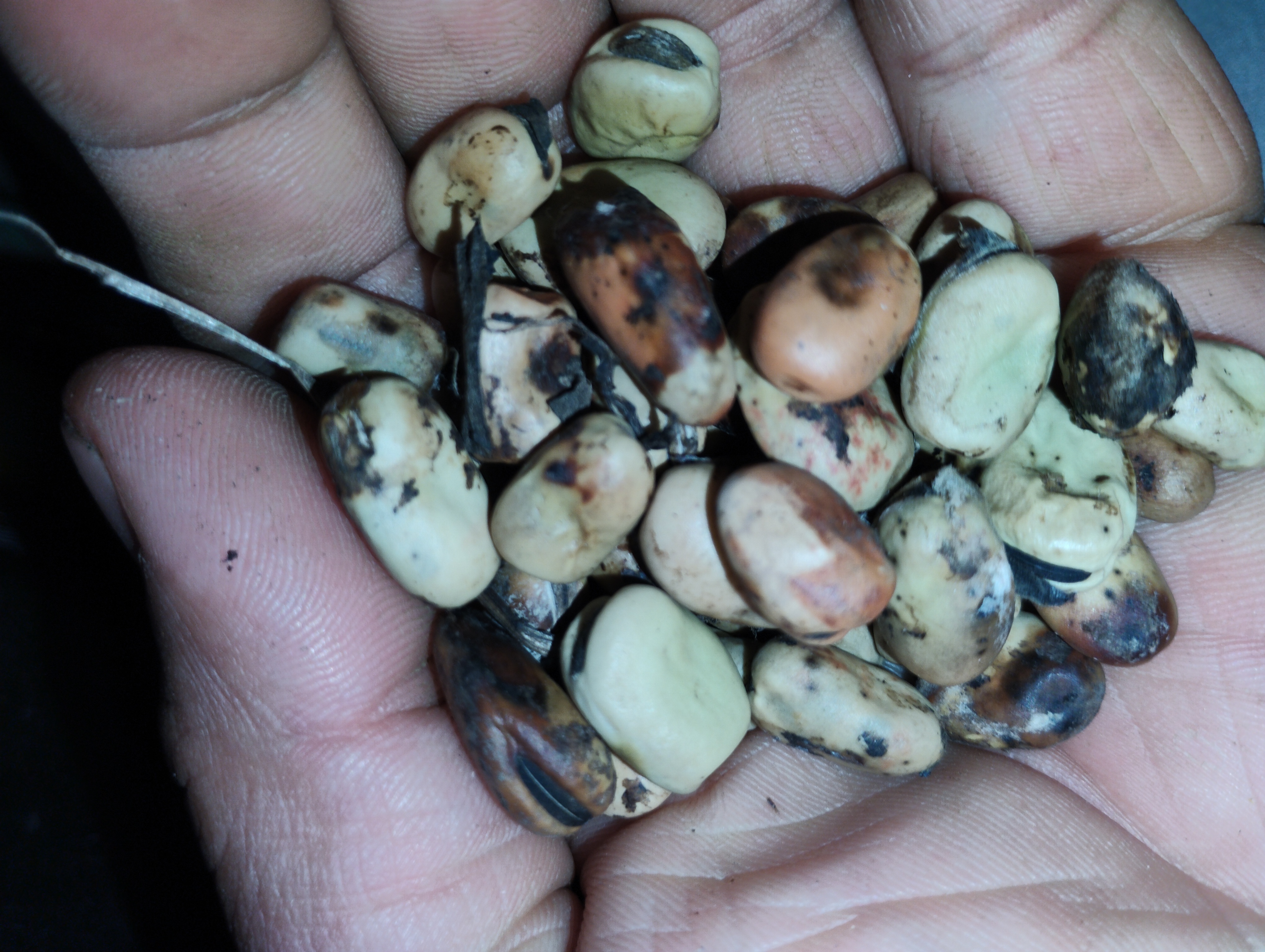
Well I swung by and harvested some of the beans.
I hope to plant them this fall and begin my landrace.
Thank you again for sharing this knowledge with me!
17822482344725895135357159464132.jpg
Looking rough, but now I have hope!
 
E Nordlie
Posts: 53
Location: Southeastern Norway, half coastal - half inland climate
18
  • Likes 4
  • Mark post as helpful
  • send pies
    Number of slices to send:
    Optional 'thank-you' note:
  • Quote
  • Report post to moderator

William Bronson wrote: Well I swung by and harvested some of the beans.
I hope to plant them this fall and begin my landrace.
Thank you again for sharing this knowledge with me!


You're welcome! Broad beans seem to lend themselves pretty well to landracing; based on seed colour, shape and size crosses happen regularly. Impossible to quantify exactly, but it is noticeable!
 
gardener
Posts: 1244
Location: France, Burgundy, parc naturel Morvan
588
forest garden fish fungi trees food preservation cooking solar wood heat woodworking homestead
  • Likes 3
  • Mark post as helpful
  • send pies
    Number of slices to send:
    Optional 'thank-you' note:
  • Quote
  • Report post to moderator
They have very hard coating and those shells seem to dye the seedcoat. If they're under developed or soft i'd worry, otherwise, good start for a landrace, plenty of diversity to chose from on this globe.
favagrex.jpg
[Thumbnail for favagrex.jpg]
 
William Bronson
gardener
Posts: 5718
Location: Cincinnati, Ohio,Price Hill 45205
1319
forest garden trees urban
  • Mark post as helpful
  • send pies
    Number of slices to send:
    Optional 'thank-you' note:
  • Quote
  • Report post to moderator
I cleared the bed and harvested the beans.
Shelling by hand was easy.
I do wish they were more stout, by the end  the plants only stood up because they were crowded together.
Maybe another variety would be shorter, with thicker stems?
IMG_20260706_210533570.jpg
There is more than this, but not a huge amount
 
Then YOU must do the pig's work! Read this tiny ad. READ IT!
try homesteading without the stress and anxieties of buying a homestead
https://wheaton-labs.com/bootcamp
reply
    Bookmark Topic Watch Topic
  • New Topic