

|

|
|
|
|

|

|

|

|

|
 17
17


Creating edible biodiversity and embracing everlasting abundance.
7
Invasive plants are Earth's way of insisting we notice her medicines. Stephen Herrod Buhner
Everyone learns what works by learning what doesn't work. Stephen Herrod Buhner


 8
8


 14
11
14
11
Hugo Morvan wrote:
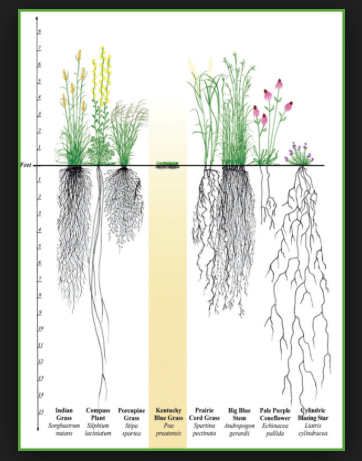
I wonder if something similar goes for grasses? ... and have to say about it.
9
Creating edible biodiversity and embracing everlasting abundance.
7
Leaftide - garden planner w/ 1228 plant types. Need permaculture testers for fruit trees & perennials. Free Pro month for detailed feedback, even just suggesting plants


 9
9
- Tim's Homestead Journal - Purchase a copy of Building a Better World in Your Backyard - Purchase 6 Decks of Permaculture Cards -
- Purchase 12x Decks of Permaculture Cards - Purchase a copy of the SKIP Book - Purchase 12x copies of Building a Better World in your Backyard


 8
10
8
10
Creating edible biodiversity and embracing everlasting abundance.
7
Best luck: satisfaction
Greatest curse, greed

|
Straws are for suckers. Now suck on this tiny ad!
A rocket mass heater is the most sustainable way to heat a conventional home
http://woodheat.net
|


