|
|

|

|

|

|
|
|
|
|
|
|
|

|

|
.png)
|

|

|
 6
6


 2
2
Invasive plants are Earth's way of insisting we notice her medicines. Stephen Herrod Buhner
Everyone learns what works by learning what doesn't work. Stephen Herrod Buhner


 5
5
How Permies works: https://permies.com/wiki/34193/permies-works-links-threads
My projects on Skye: The tree field, Growing and landracing, perennial polycultures, "Don't dream it - be it! "
4
Nancy Reading wrote:If the eaves are open it is not surprising that the temperature varies so much. I suspect that if you blocked gaps and insulated the roof you might find the temperature range was much more suitable for cool food storage - a slightly damp coolish place is ideal for many vegetables and drier shelves for pantry items and seeds perhaps.
Blazing trails in disabled homesteading
3
5
“Not everyone can be a truffle. Most of us are potatoes. And a potato is a very good thing to be.” Massimo Bottura, Never Trust A Skinny Italian Chef
7
2
How Permies works: https://permies.com/wiki/34193/permies-works-links-threads
My projects on Skye: The tree field, Growing and landracing, perennial polycultures, "Don't dream it - be it! "
6
3
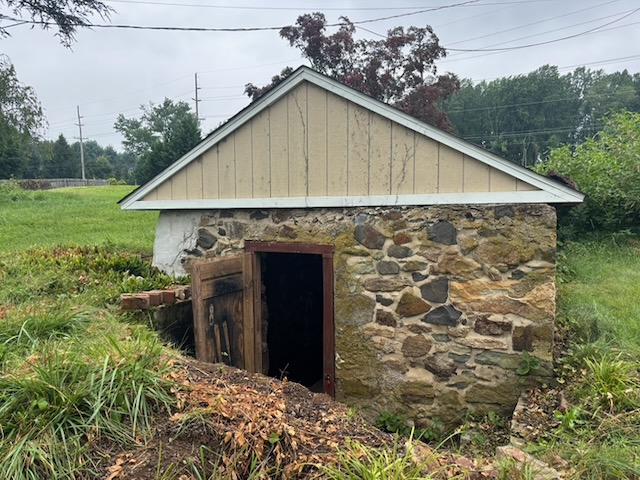
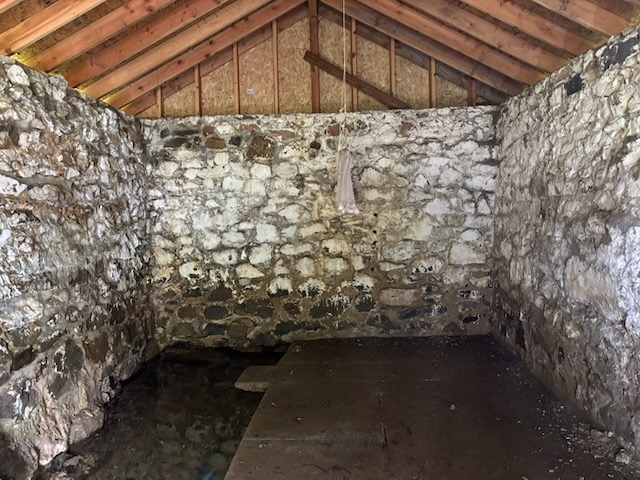
Richard Henry wrote:A quick glance at the roof indicates it is far newer than the original one. I wonder if the original roof was, perhaps sod? That would allow for cooler inside temperatures than this chipboard and shingle one. I would be careful and regularly test any water seeping in as this is shallow enough to allow seepage of surface water. Any animals around the lawn could be providing bacteria that would not be helpful. Placing closed cell foam on the outside of the walls would be much less picturesque, but good to keep out surface seepage with associated fungi, bacteria, etc. and maintaining temperatures more in a continuous range. The zone indicates much of NC and the upland region of SC, North Georgia (outside taller mountainous areas) and much of north Alabama. Current soil temps at 8" down are showing temps in the mid-to upper 70's. I would not suggest this would work as a decent tornado shelter. That roof is not likely structurally attached to the walls and even then, the cement on what appears to be limestone looks quite old and showing its age. Does the home have a basement? I would guess not or it would be wetter than this. In the areas most commonly identified as zone 8a, tornadoes have a bad habit of hiding until they pounce. It is not a good idea to have a shelter outside the home in such areas, too much exposed travel in potentially deadly conditions.
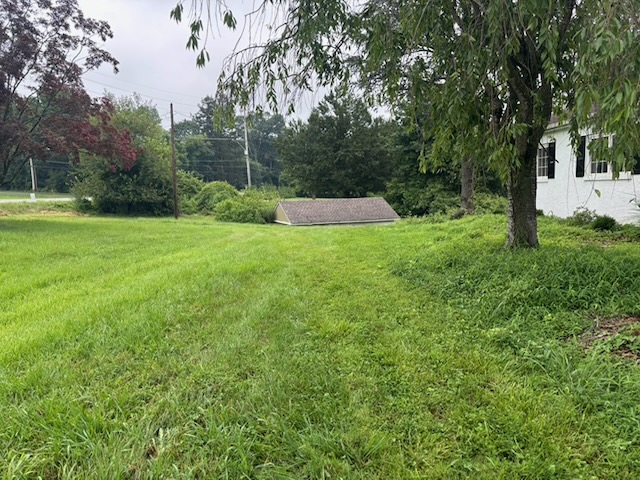
The vegetation beyond the springhouse in the first picture with the home appears to be heading down into a channel. That would indicate potential for flooding and if so, the remnants of a flood in a building like this are less than desirable.
It definately looks cool and I really wish it could be easily modified to be worth the upkeep. Perhaps there are other homes with such structures in the area? If so, ask the owners if they know what they were used for. On meditating on the photo of the interior, what if the roof was modified to a greenhouse and then used for starting plants in the spring. I could really see that as a use since drought would be past the plant starting portion of the season, but the chances of frost past February inside would be minimal. Any open water on the floor would help to maintain a frost-free growing area with favorable humidity. Just a wild thought.
1
2
Richard Henry wrote:If the roof pitch is east-west, then I would suggest using a lean to roof. Placing a winter night/storm cover of metal over foam would allow decent insulation during the coldest periods. Placing closed cell foam over at least the upper three feet of the wall would be useful and I would double the foam on the north side. Placing barrels of water in strategic locations could allow a decent thermal buffer. The barrels along the north wall could serve as supports for a table for holding plants. As a secondary thought, along the south wall, construct a cold frame below ground level with insulated panels to cover the clear ones similar to the roof. Design the cold frame to allow placing fresh horse manure in the fall. The composting of that manure should provide some good heat and against the thermal mass of the south wall of the spring house, would add some longevity to the growing season for curcibars at least. While the system may not withstand the rigors of a full Pennsylvania winter, I would bet you could harvest till nearly January and restart around March for hardened plants. Just some thoughts.