

• Post Reply Bookmark Topic Watch Topic
  • New Topic
permaculture forums growies critters building homesteading energy monies kitchen purity ungarbage community wilderness fiber arts art permaculture artisans regional education skip experiences global resources cider press projects digital market permies.com pie forums private forums all forums
this forum made possible by our volunteer staff, including ...
master stewards:
  • Carla Burke
  • Anne Miller
  • Nancy Reading
  • John F Dean
  • r ransom
  • paul wheaton
  • Timothy Norton
stewards:
  • Jay Angler
  • Pearl Sutton
  • Andrés Bernal
master gardeners:
  • Christopher Weeks
gardeners:
  • M Ljin
  • Thekla McDaniels
  • May Lotito

collecting rainwater in a concrete septic tank

 
pollinator
Posts: 387
Location: ukraine
243
forest garden books woodworking
  • Likes 14
  • Mark post as helpful
  • send pies
    Number of slices to send:
    Optional 'thank-you' note:
  • Quote
  • Report post to moderator
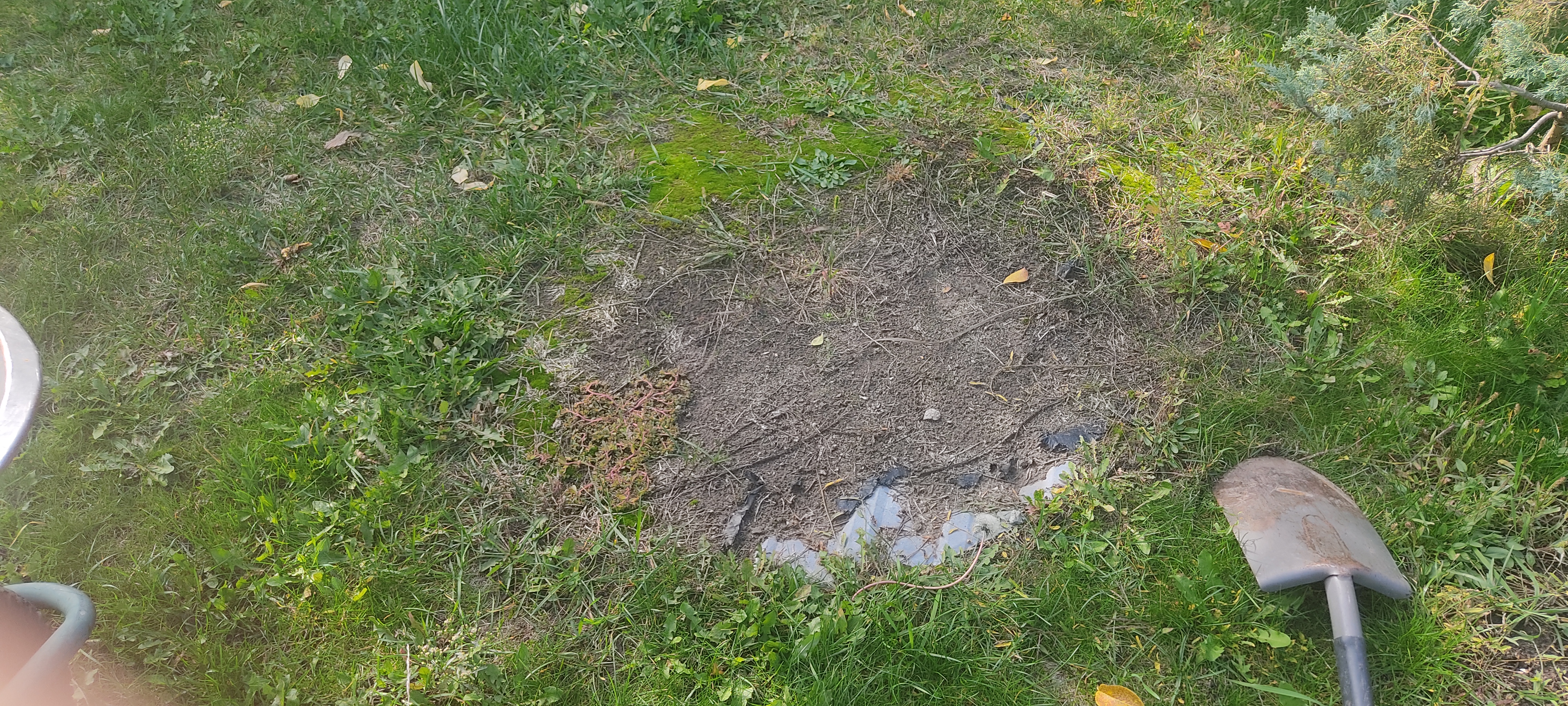
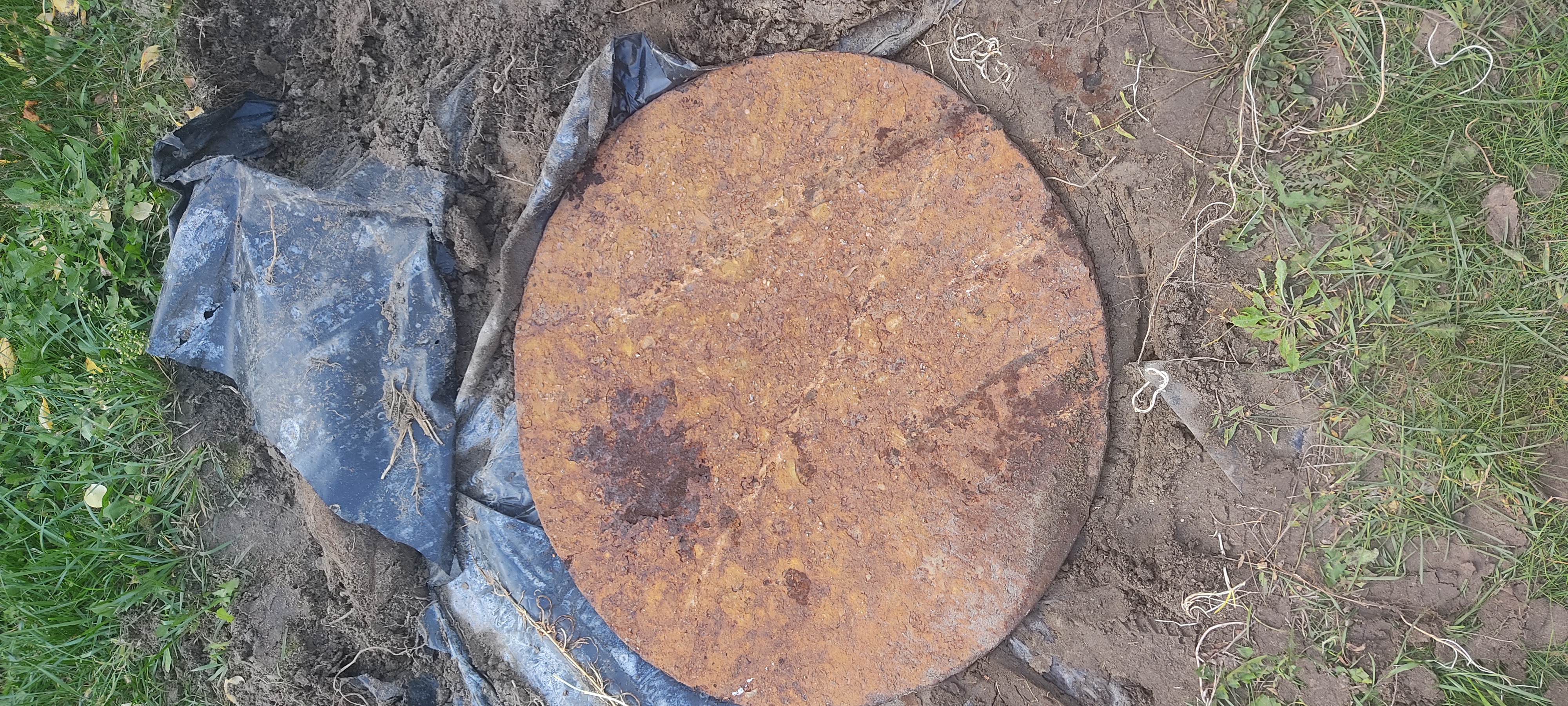
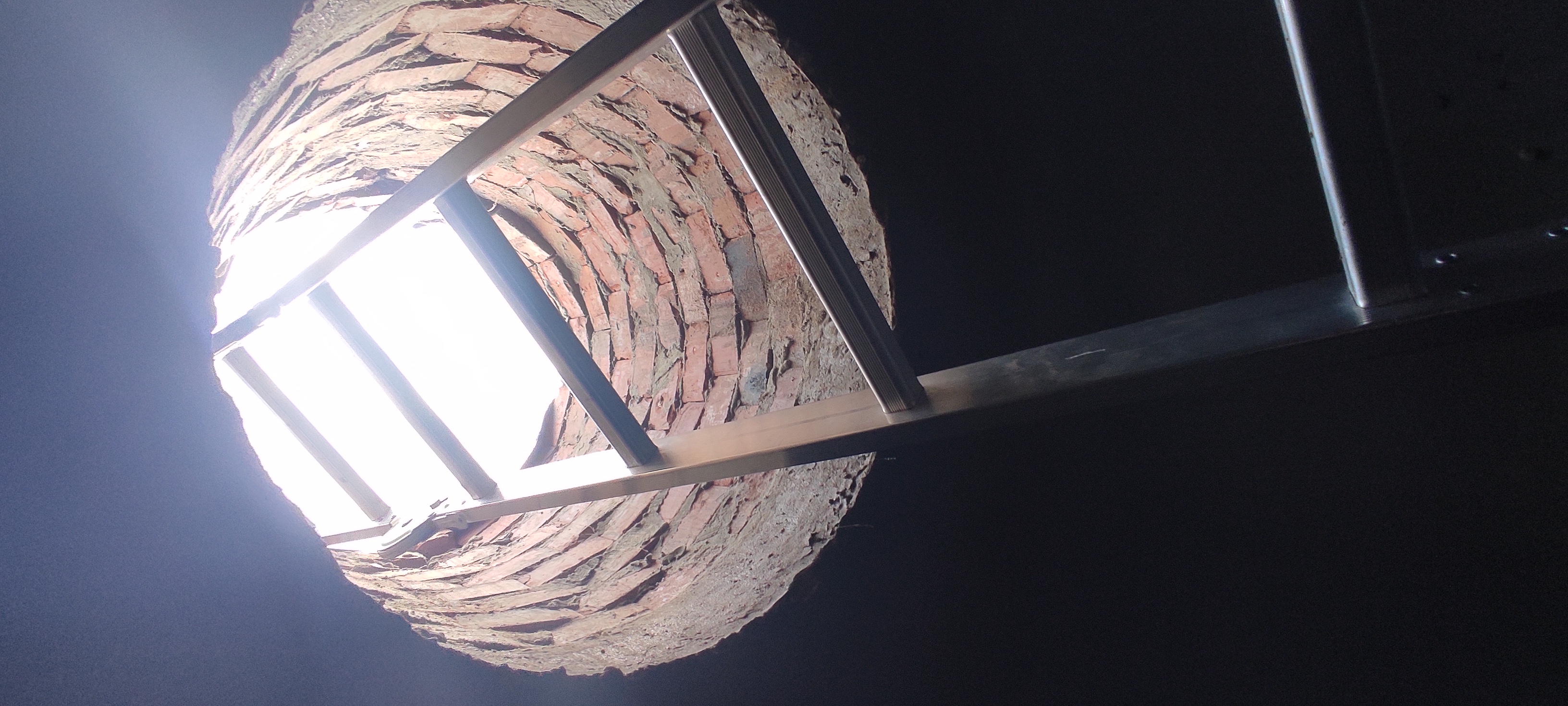
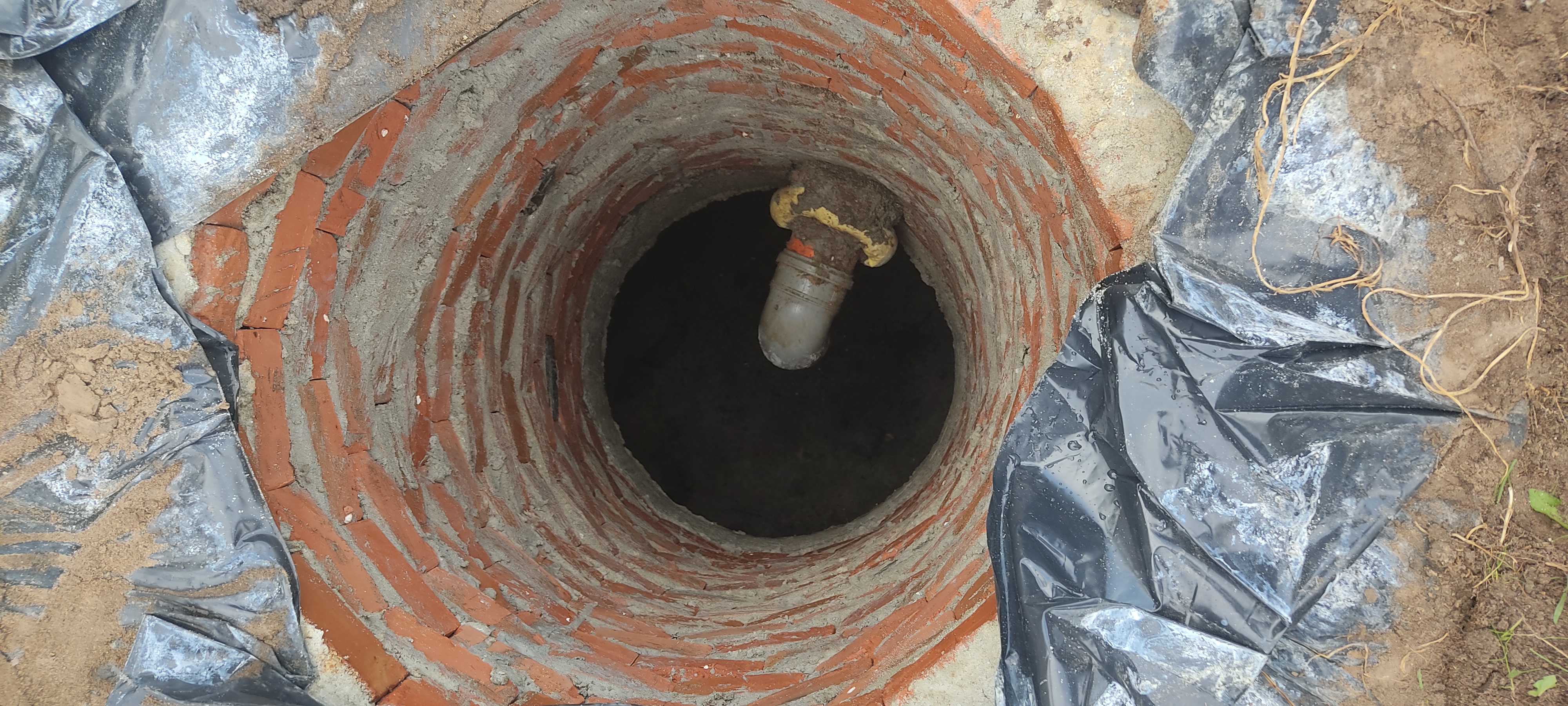
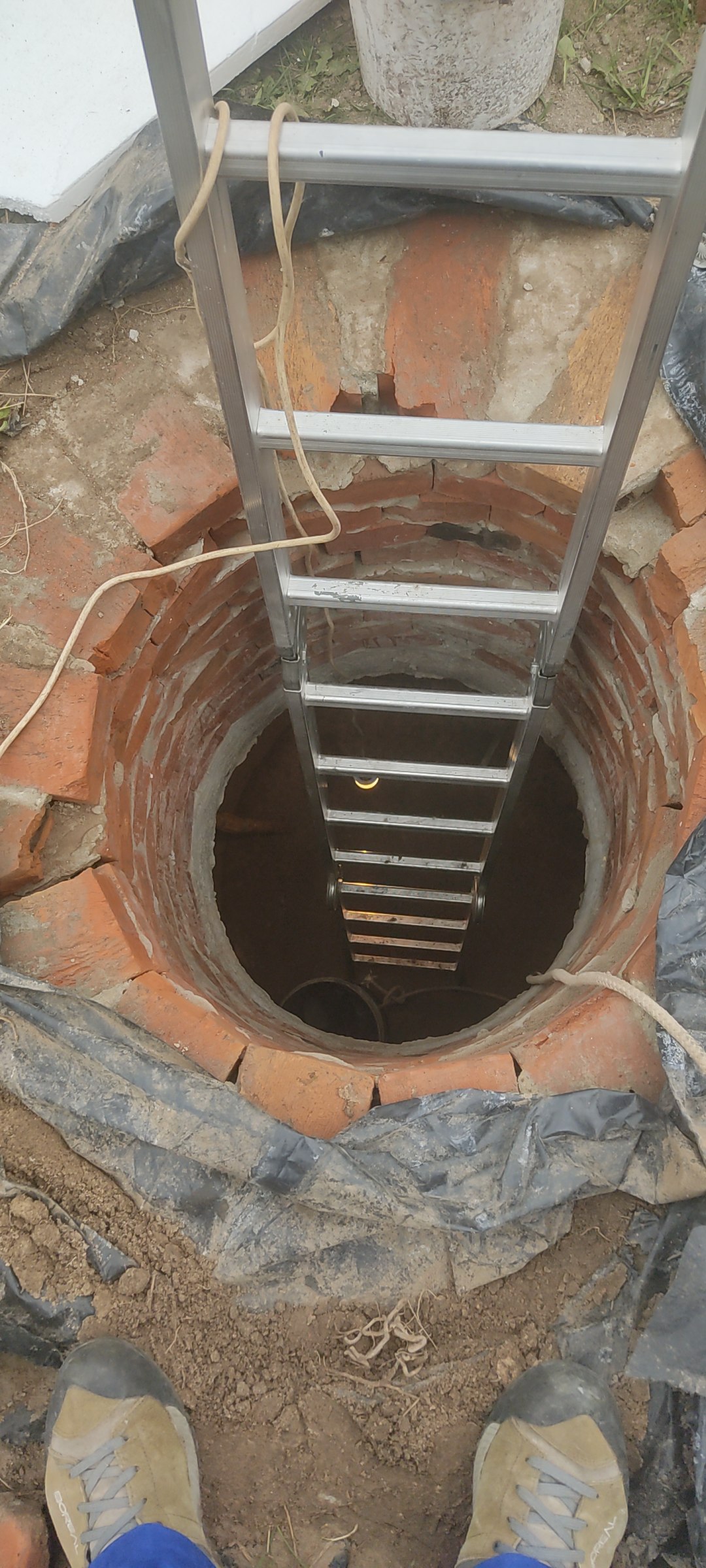
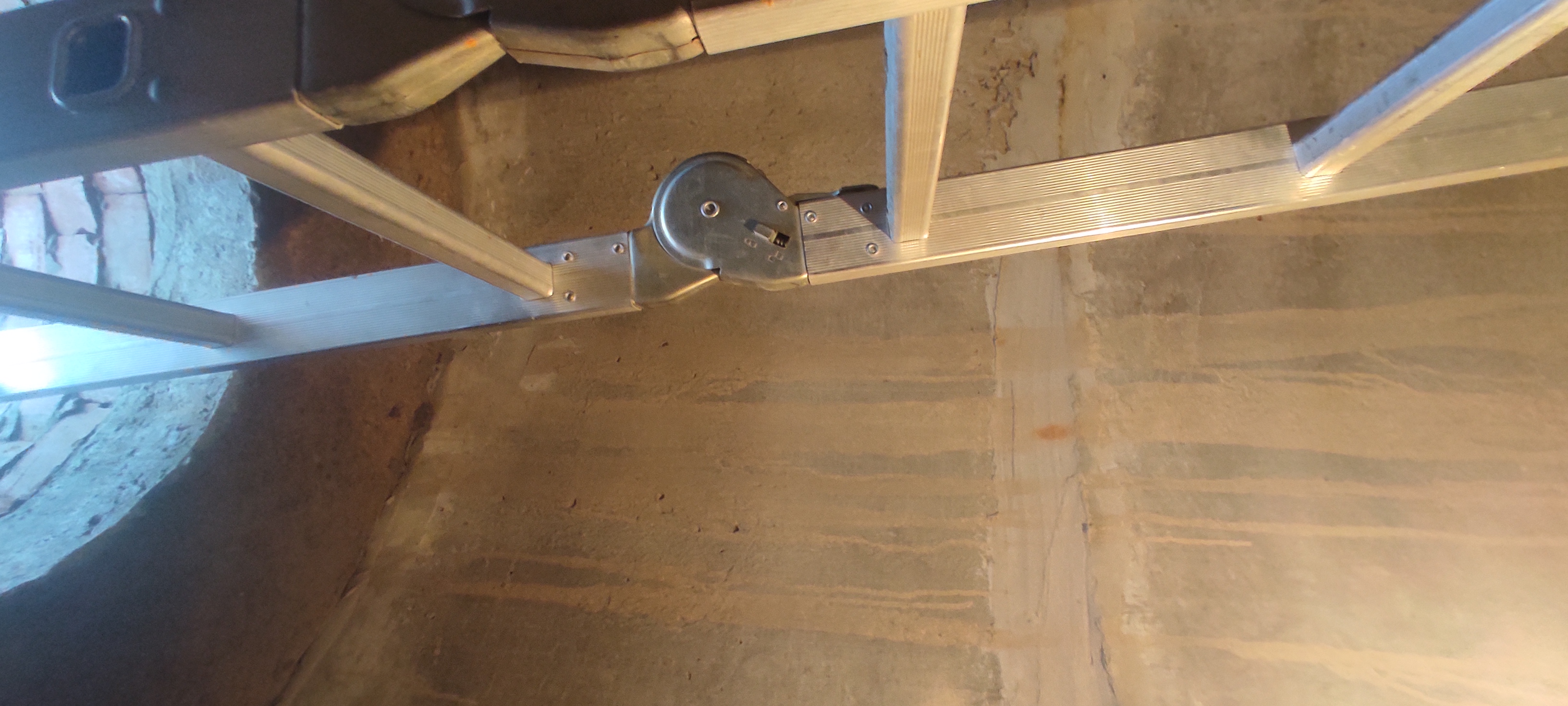
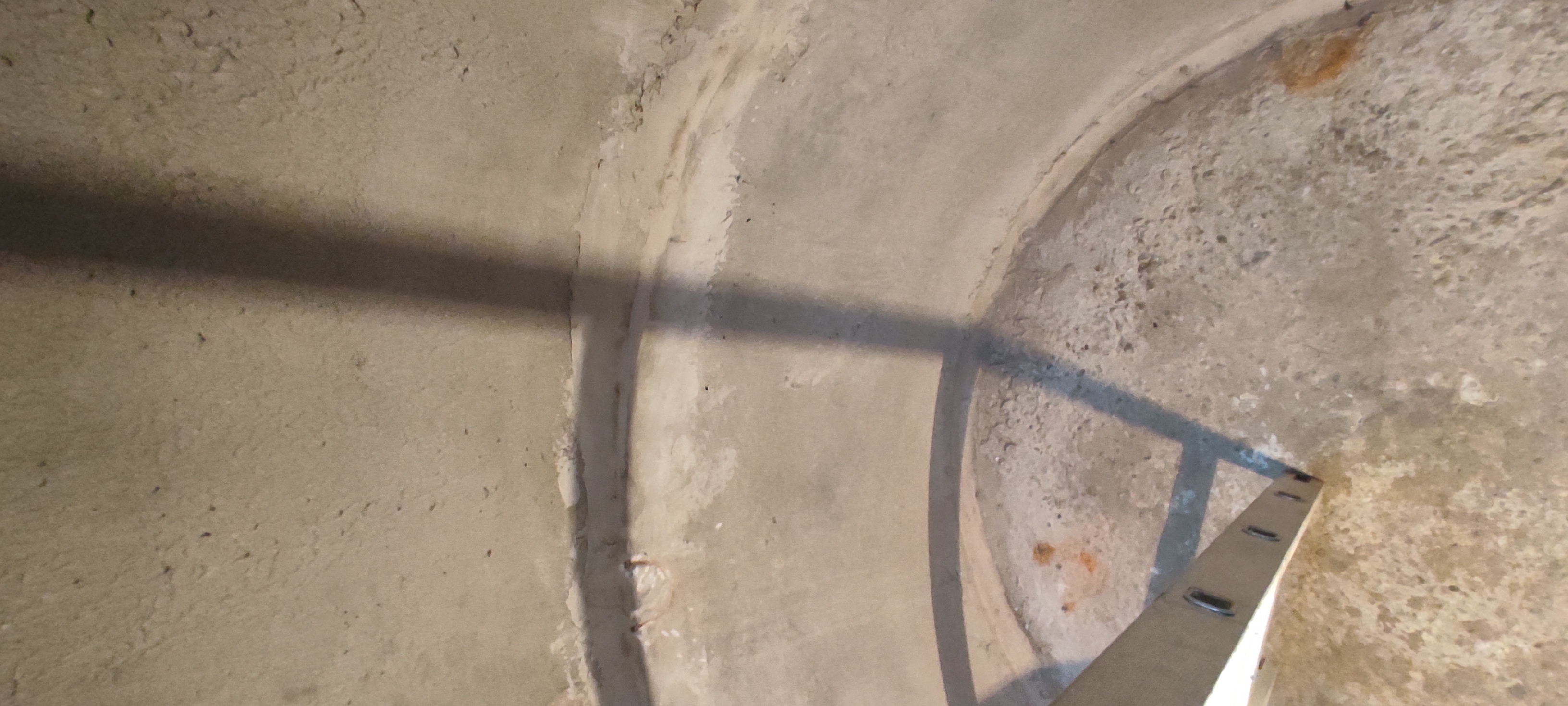
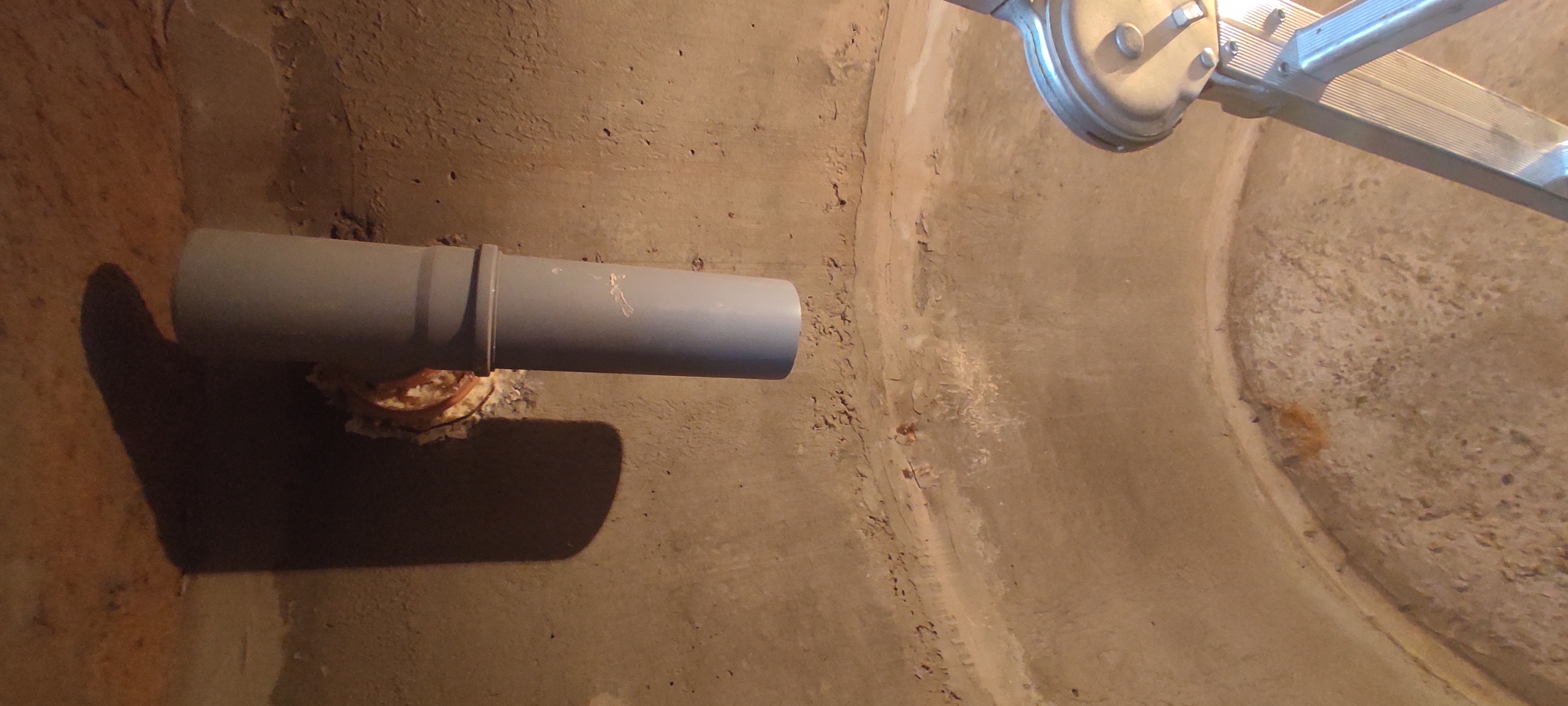
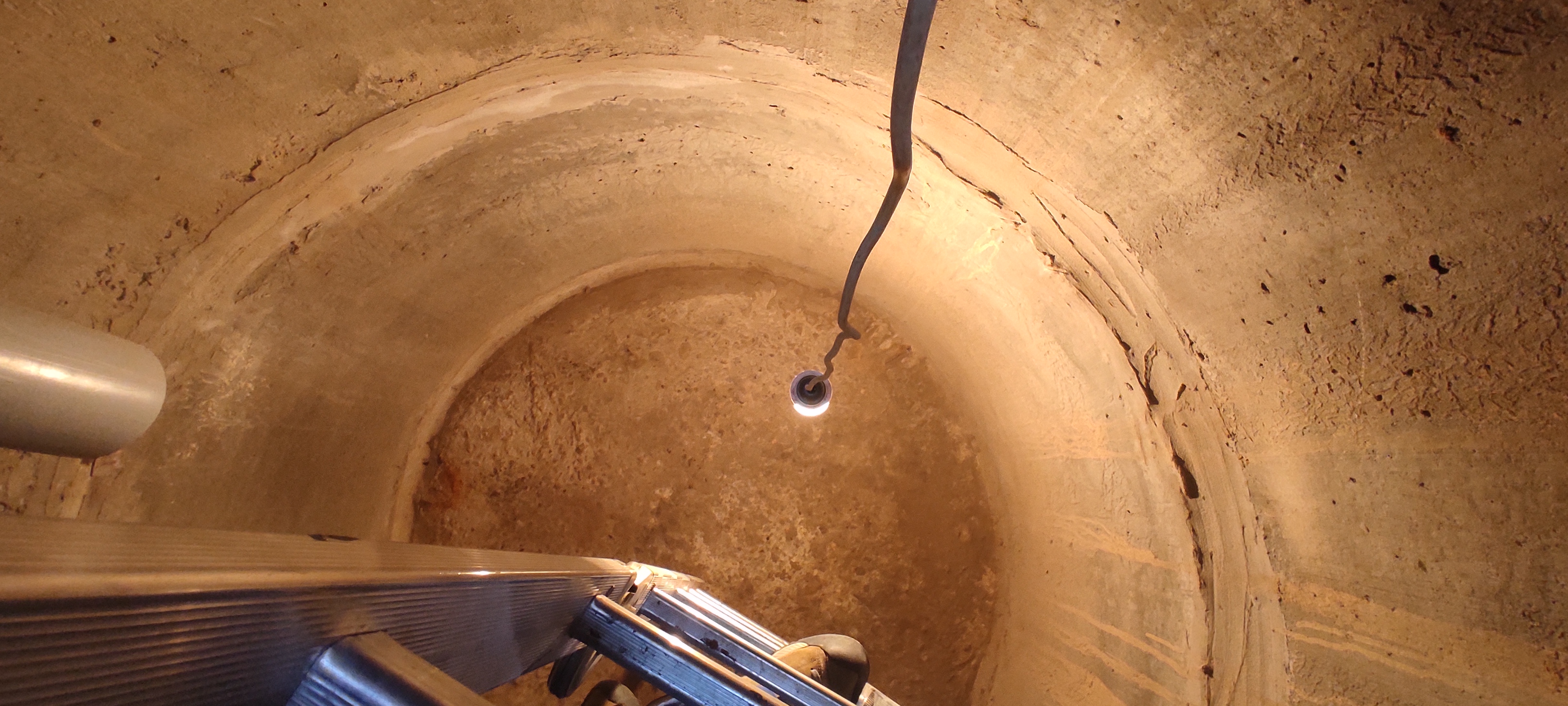
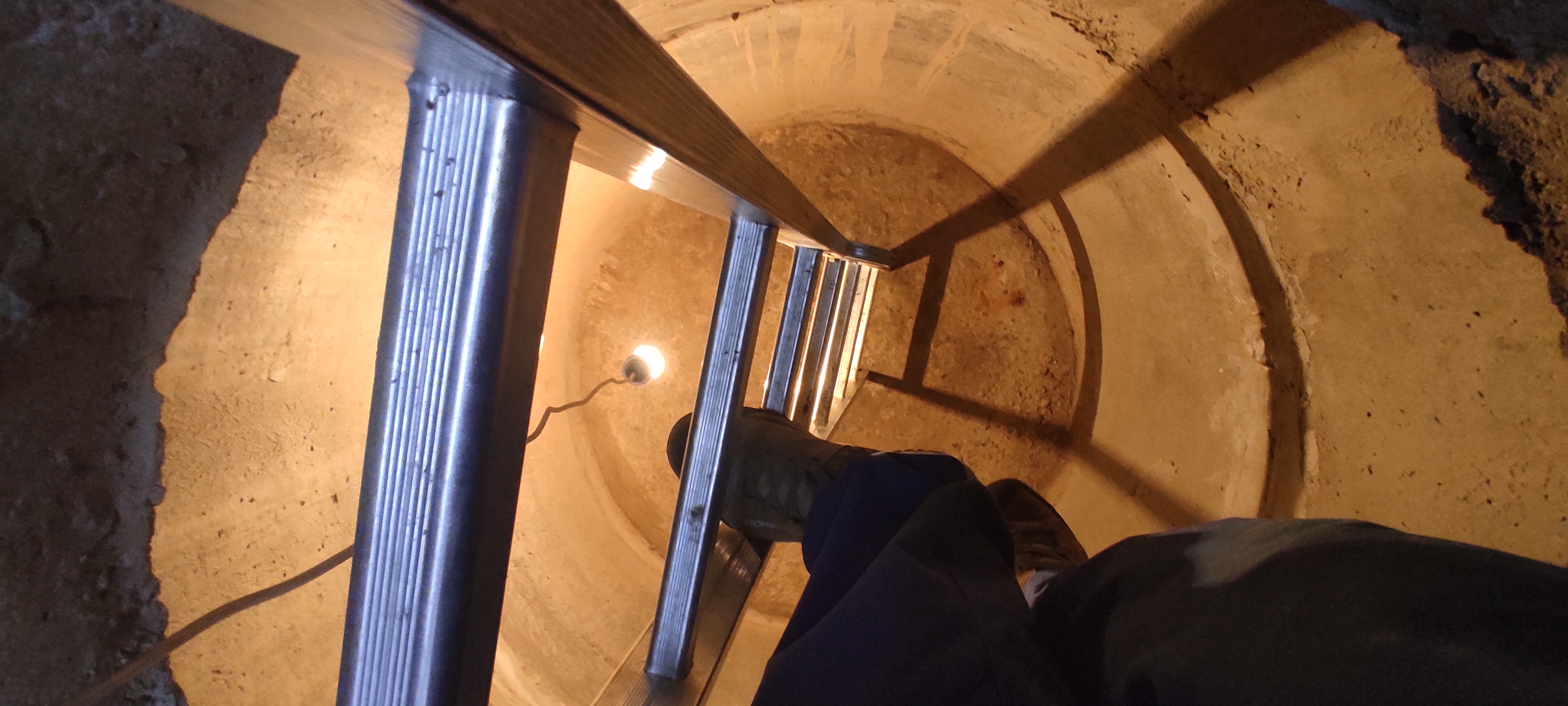
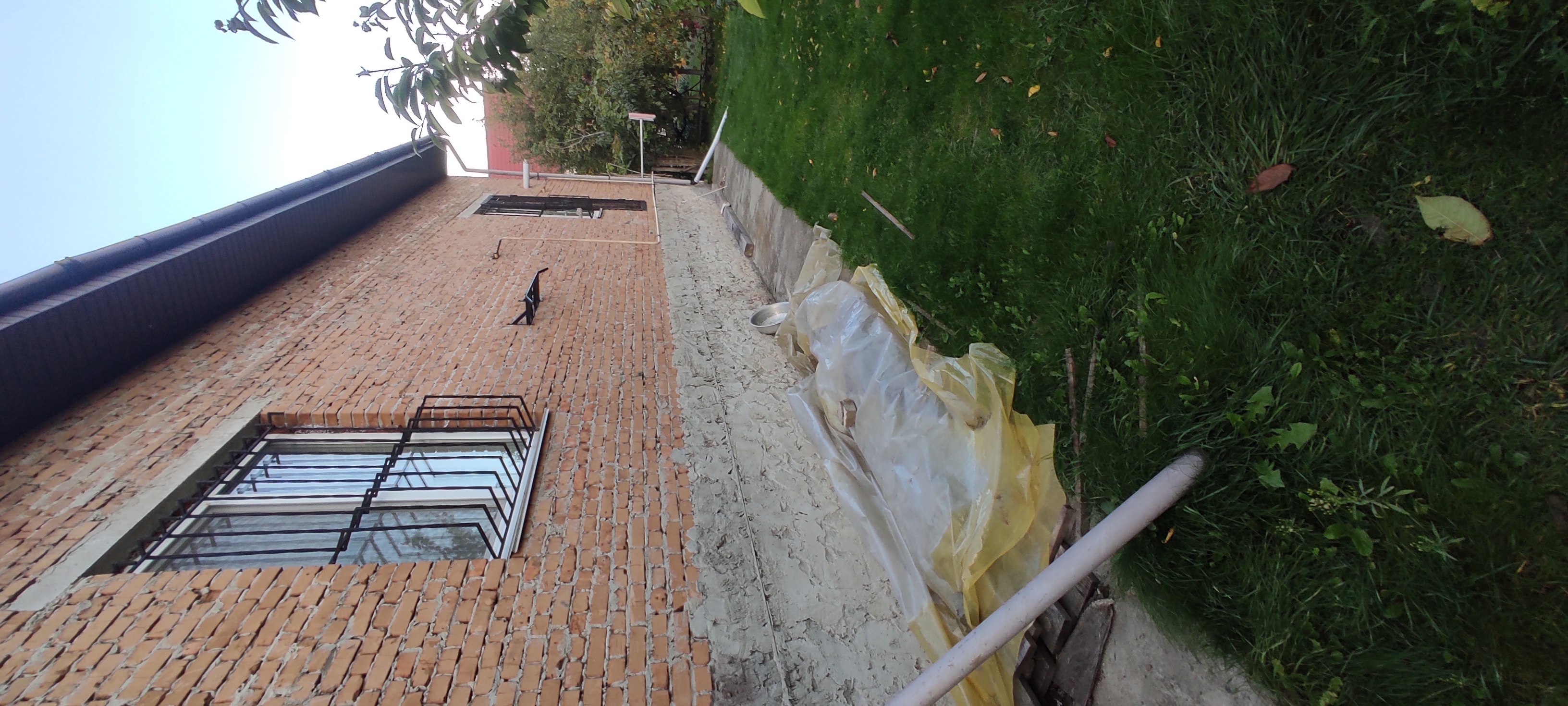
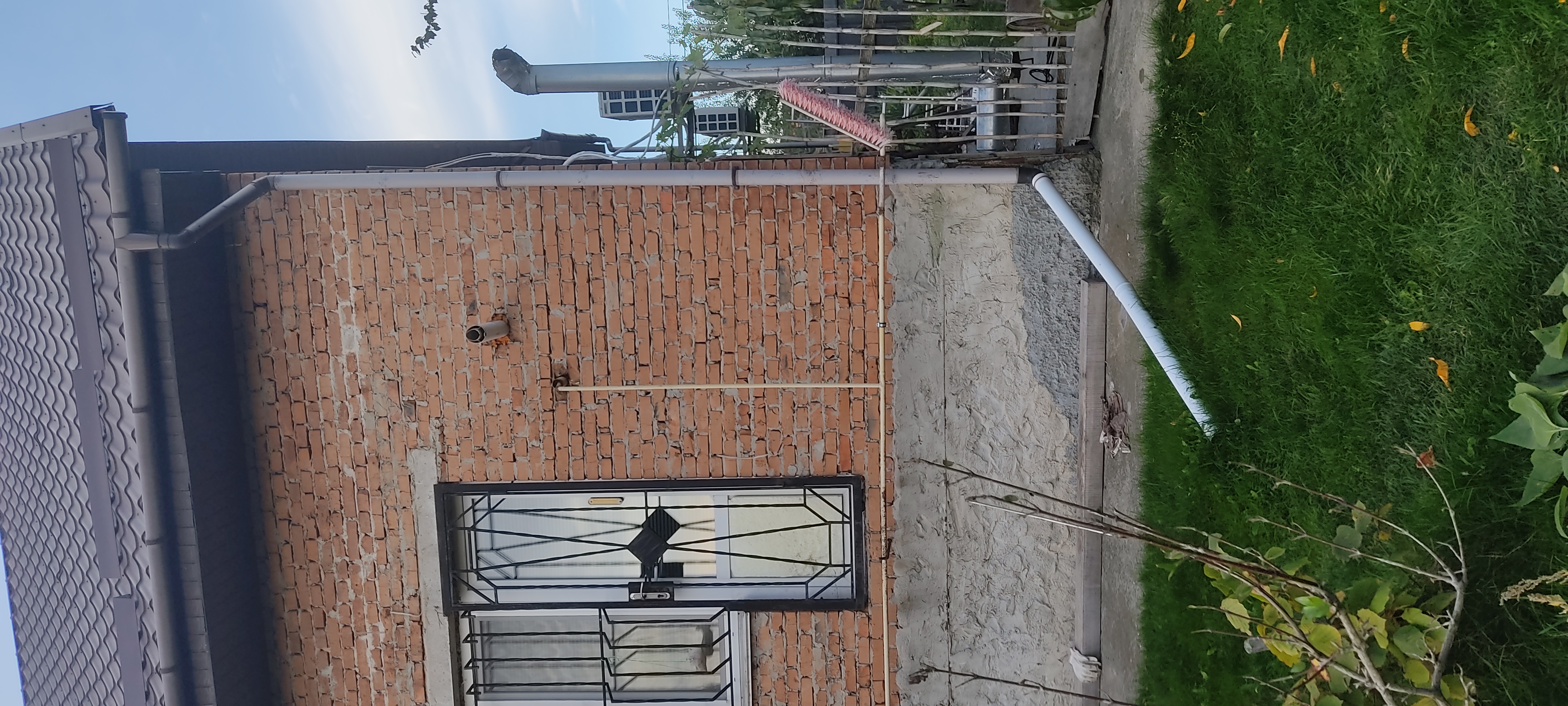
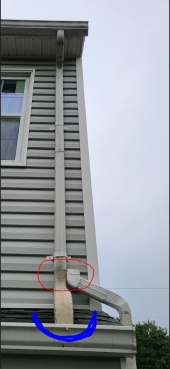
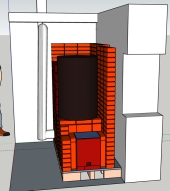
A risk of water supply interruption has arisen, so I plan to create a water reserve. I’m going to install a 300-liter tank in the basement. I had an abandoned septic tank; I dug it up and found it to be in excellent condition—it consists of two chambers. The first chamber has a concrete base, two concrete rings (1 m x 2 m), a concrete lid, and a brick access shaft. The second chamber consists of two concrete rings (1 m x 2 m) with a concrete lid and a brick access shaft, but no base. The soil is sandy, and the tank is located 7 meters from the house. There is a sloped overflow pipe connecting the two chambers. I want to divert rainwater from two downspouts into the first chamber; if there is a heavy downpour and the first chamber fills up, the overflow will direct the water into the second (drainage) chamber. Now I need to figure out how to divert the water from the downspouts and how to plaster the brick shafts. .
IMG_20261014_113826.jpg
[Thumbnail for IMG_20261014_113826.jpg]
IMG_20261014_122731.jpg
[Thumbnail for IMG_20261014_122731.jpg]
IMG_20261014_131723.jpg
[Thumbnail for IMG_20261014_131723.jpg]
IMG_20261014_163158.jpg
[Thumbnail for IMG_20261014_163158.jpg]
IMG_20261015_135204.jpg
[Thumbnail for IMG_20261015_135204.jpg]
IMG_20261015_163630.jpg
[Thumbnail for IMG_20261015_163630.jpg]
IMG_20261015_163620.jpg
[Thumbnail for IMG_20261015_163620.jpg]
IMG_20261015_163642.jpg
[Thumbnail for IMG_20261015_163642.jpg]
IMG_20261015_163710.jpg
[Thumbnail for IMG_20261015_163710.jpg]
IMG_20261015_163729.jpg
[Thumbnail for IMG_20261015_163729.jpg]
IMG_20261015_141455.jpg
[Thumbnail for IMG_20261015_141455.jpg]
IMG_20261014_080436.jpg
[Thumbnail for IMG_20261014_080436.jpg]
IMG_20261014_080428.jpg
[Thumbnail for IMG_20261014_080428.jpg]
IMG_20261014_080411.jpg
[Thumbnail for IMG_20261014_080411.jpg]
 
Steward of piddlers
Posts: 8512
Location: Upstate New York, Zone 5b, 43 inch Avg. Rainfall
5177
monies home care dog fungi trees chicken food preservation cooking building composting homestead
  • Likes 6
  • Mark post as helpful
  • send pies
    Number of slices to send:
    Optional 'thank-you' note:
  • Quote
  • Report post to moderator
My main concerns relate to how the septic tank was utilized in the past. If, for some reason, it may of ended up getting chemicals/sewage/ick in it in the past that the porous concrete may be holding some of that. Depending on what you want to use the water for, you should consider it may not be potable after being in the chamber.
 
bogdan smith
pollinator
Posts: 387
Location: ukraine
243
forest garden books woodworking
  • Likes 15
  • Mark post as helpful
  • send pies
    Number of slices to send:
    Optional 'thank-you' note:
  • Quote
  • Report post to moderator

Timothy Norton wrote:My main concerns relate to how the septic tank was utilized in the past. If, for some reason, it may of ended up getting chemicals/sewage/ick in it in the past that the porous concrete may be holding some of that. Depending on what you want to use the water for, you should consider it may not be potable after being in the chamber.


It is a septic tank that has never been used. I built it 15 years ago due to issues with the home's sewage system, but I resolved the problem using bacteria, so the septic tank turned out to be unnecessary. Therefore, you could say it is brand new.
 
bogdan smith
pollinator
Posts: 387
Location: ukraine
243
forest garden books woodworking
  • Likes 9
  • Mark post as helpful
  • send pies
    Number of slices to send:
    Optional 'thank-you' note:
  • Quote
  • Report post to moderator
Right now, I’m considering what kind of pipes to run from the downspouts to the storage tank—whether to use pipes with the same diameter as the downspouts or something smaller. I’m weighing two options: either burying them and breaking through into a brick well, or running them along the ground. The problem with the latter is that they would lie directly on the soil, and if water freezes inside, it could burst the pipes. I’m also trying to decide whether to use a single pipe or connect two separate downspouts.
 
master pollinator
Posts: 6100
Location: Canadian Prairies - Zone 3b
1885
  • Likes 8
  • Mark post as helpful
  • send pies
    Number of slices to send:
    Optional 'thank-you' note:
  • Quote
  • Report post to moderator
I think it would be a good idea to filter the water going in, and have some sort of method of aerating it. Rainwater is not biologically inert.
 
master pollinator
Posts: 2237
Location: Ashhurst New Zealand (Cfb - oceanic temperate)
805
duck forest garden fungi trees chicken cooking solar sheep wood heat woodworking rocket stoves
  • Likes 12
  • Mark post as helpful
  • send pies
    Number of slices to send:
    Optional 'thank-you' note:
  • Quote
  • Report post to moderator
If the volume of water is big enough (at least several hundred litres) and it starts off relatively pure, there will be a background population of benign bacteria that keep it clean enough by metabolising organic matter and outcompeting pathogens. John Daley talks about this a lot. We have thousands of households here and in Australia who use plain unfiltered tank water and have no issues.

Concrete tanks are the best for enhancing this process because they also raise the pH of the water (and improve the taste).
 
bogdan smith
pollinator
Posts: 387
Location: ukraine
243
forest garden books woodworking
  • Likes 2
  • Mark post as helpful
  • send pies
    Number of slices to send:
    Optional 'thank-you' note:
  • Quote
  • Report post to moderator

Douglas Alpenstock wrote:I think it would be a good idea to filter the water going in, and have some sort of method of aerating it. Rainwater is not biologically inert.


Well, right now I’m thinking about primary filtration.
 
bogdan smith
pollinator
Posts: 387
Location: ukraine
243
forest garden books woodworking
  • Likes 11
  • Mark post as helpful
  • send pies
    Number of slices to send:
    Optional 'thank-you' note:
  • Quote
  • Report post to moderator

Phil Stevens wrote:If the volume of water is big enough (at least several hundred litres) and it starts off relatively pure, there will be a background population of benign bacteria that keep it clean enough by metabolising organic matter and outcompeting pathogens. John Daley talks about this a lot. We have thousands of households here and in Australia who use plain unfiltered tank water and have no issues.

Concrete tanks are the best for enhancing this process because they also raise the pH of the water (and improve the taste).


The more I read about using rainwater, the more I like the idea. If everything works out, I could repurpose these reservoirs later on—for instance, by pouring a concrete floor for the second one or installing a PVC liner to create an additional, smaller, and simpler drainage basin. In this setup, rainwater would first collect in the primary reservoir; once that’s full, it would overflow into the second one, and if that also fills up, the excess would drain away. Given that each concrete ring is 2 meters in diameter, the combined capacity of both reservoirs would be around 10,000 liters. The tricky part, however, will be constructing the concrete floor correctly.
 
Douglas Alpenstock
master pollinator
Posts: 6100
Location: Canadian Prairies - Zone 3b
1885
  • Likes 7
  • Mark post as helpful
  • send pies
    Number of slices to send:
    Optional 'thank-you' note:
  • Quote
  • Report post to moderator
Have you seen any evidence of shallow groundwater entering the tank? This can be a source of contamination.
 
bogdan smith
pollinator
Posts: 387
Location: ukraine
243
forest garden books woodworking
  • Likes 10
  • Mark post as helpful
  • send pies
    Number of slices to send:
    Optional 'thank-you' note:
  • Quote
  • Report post to moderator

Douglas Alpenstock wrote:Have you seen any evidence of shallow groundwater entering the tank? This can be a source of contamination.


Absolutely not. The groundwater level here is very deep; when the excavation pit was dug, it was completely dry, with sand at the bottom. I believe that if there were any issues, there would be signs of moisture after 15 years—but the interior is completely dry.
 
Posts: 179
Location: PA
23
  • Likes 7
  • Mark post as helpful
  • send pies
    Number of slices to send:
    Optional 'thank-you' note:
  • Quote
  • Report post to moderator
Yea have at it. You should be fine. Build redundancy in your lines so that you could always divert or bypass tanks for cleaning servicing. The first initial wash of the rain is the worst quality, then it gets better until it stops raining lol.

Gravity is your friend here. Store first then purify. If you're able to, create a pond for extra reserve and to help the ecosystem. Liners are really popular and cheap nowadays. They have calculators to scale your system tanks and pipes. Aim for flow vs pressure, let the pumps or air tank guide you for pressure.

Brad lancaster has good info to your approach. Use the orientation of the sun and your home to your advantage for freezing pipes etc. build a compost pile around even lol, run hot water lines, get creative bud. Have fun with it, but keep timelessness and practicality in mind with your creations and you will be fine. Best of luck.
 
Phil Stevens
master pollinator
Posts: 2237
Location: Ashhurst New Zealand (Cfb - oceanic temperate)
805
duck forest garden fungi trees chicken cooking solar sheep wood heat woodworking rocket stoves
  • Likes 4
  • Mark post as helpful
  • send pies
    Number of slices to send:
    Optional 'thank-you' note:
  • Quote
  • Report post to moderator
First flush diverters are relatively easy to make from pipe fittings. The most common design uses a hollow ball:

Example
 
bogdan smith
pollinator
Posts: 387
Location: ukraine
243
forest garden books woodworking
  • Likes 8
  • Mark post as helpful
  • send pies
    Number of slices to send:
    Optional 'thank-you' note:
  • Quote
  • Report post to moderator

Phil Stevens wrote:First flush diverters are relatively easy to make from pipe fittings. The most common design uses a hollow ball:

Example

Thank you; this junction is important to me because I need to route a pipe underground, and I must include a provision to divert flow so that it bypasses the reservoir—this is necessary because we sometimes experience heavy downpours.
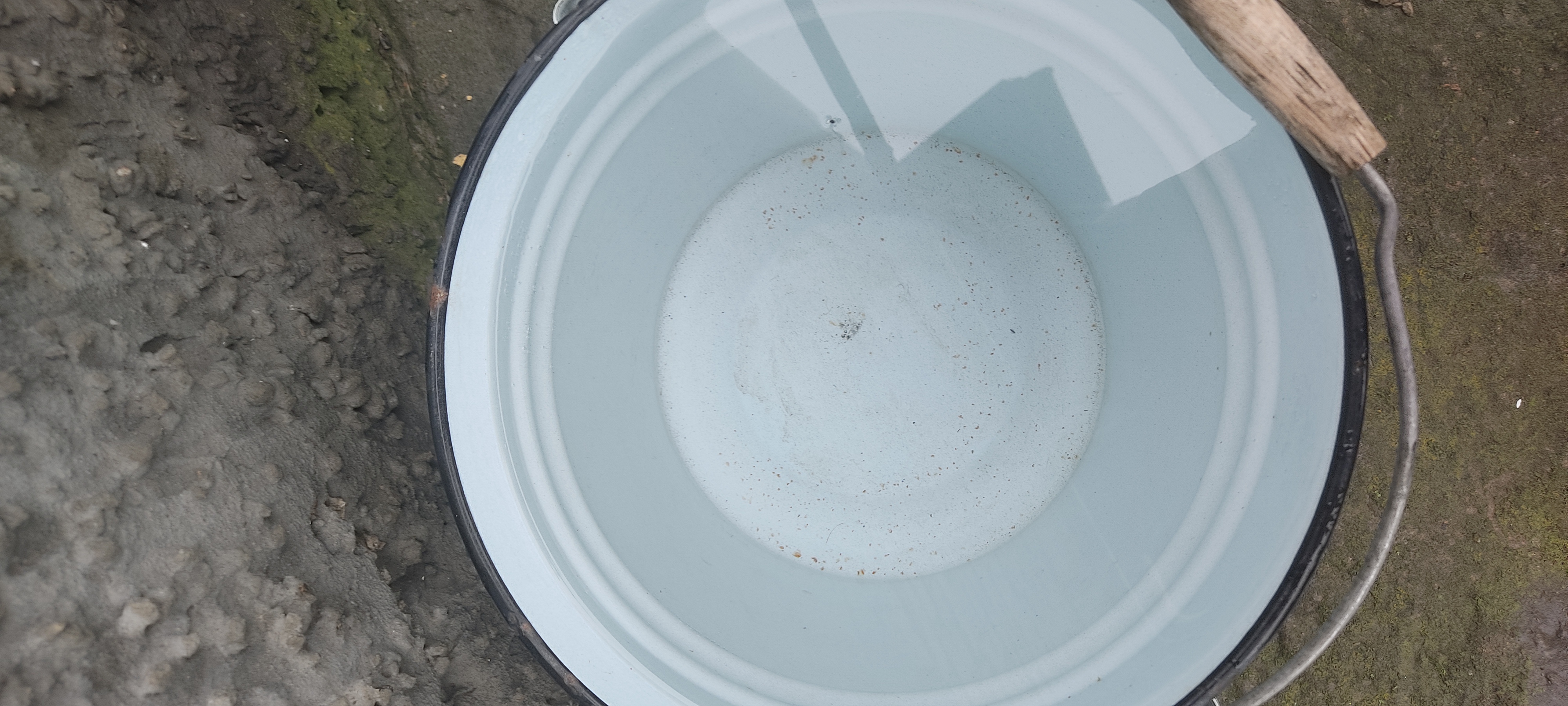
I need some kind of settling tank or filter. I collected water from a downspout during the rain; the water is clear, but there’s a bit of debris at the bottom. There are no trees nearby. I didn't quite follow the part about the hollow sphere; I'll look into it using the link.
IMG_20261017_113327.jpg
[Thumbnail for IMG_20261017_113327.jpg]
IMG_20261017_113350.jpg
[Thumbnail for IMG_20261017_113350.jpg]
IMG_20261017_113335.jpg
[Thumbnail for IMG_20261017_113335.jpg]
 
bogdan smith
pollinator
Posts: 387
Location: ukraine
243
forest garden books woodworking
  • Likes 3
  • Mark post as helpful
  • send pies
    Number of slices to send:
    Optional 'thank-you' note:
  • Quote
  • Report post to moderator

Rad Anthony wrote:Yea have at it. You should be fine. Build redundancy in your lines so that you could always divert or bypass tanks for cleaning servicing. The first initial wash of the rain is the worst quality, then it gets better until it stops raining lol.

Gravity is your friend here. Store first then purify. If you're able to, create a pond for extra reserve and to help the ecosystem. Liners are really popular and cheap nowadays. They have calculators to scale your system tanks and pipes. Aim for flow vs pressure, let the pumps or air tank guide you for pressure.

Brad lancaster has good info to your approach. Use the orientation of the sun and your home to your advantage for freezing pipes etc. build a compost pile around even lol, run hot water lines, get creative bud. Have fun with it, but keep timelessness and practicality in mind with your creations and you will be fine. Best of luck.


Thanks, Rad; I’ll look into all the options and put them to use.
 
Rad Anthony
Posts: 179
Location: PA
23
  • Likes 6
  • Mark post as helpful
  • send pies
    Number of slices to send:
    Optional 'thank-you' note:
  • Quote
  • Report post to moderator
That's what the ball is for,

https://www.youtube.com/shorts/8tUXD5IfQ14
 
bogdan smith
pollinator
Posts: 387
Location: ukraine
243
forest garden books woodworking
  • Likes 3
  • Mark post as helpful
  • send pies
    Number of slices to send:
    Optional 'thank-you' note:
  • Quote
  • Report post to moderator

Rad Anthony wrote:That's what the ball is for,

https://www.youtube.com/shorts/8tUXD5IfQ14


thanks, that’s cool
 
pollinator
Posts: 1854
Location: Victoria BC
355
  • Likes 8
  • Mark post as helpful
  • send pies
    Number of slices to send:
    Optional 'thank-you' note:
  • Quote
  • Report post to moderator
I really hate those ball style first flush diverters.

The idea is neat, but you need a sizable first flush reservoir for it to be a meaningful amount on even a medium sized roof. Worse, in my experience the little drain thingie at the bottom clogs up despite having a nice fine screen at the entrance point.. then it  stays full and no diversion happens until you clean it out. Then it clogs again.. rinse and repeat..

Then things freeze and the damn thing explodes. Then no rainwater collection happens.

Then you say a lot of VERY rude words, startling the cat and annoying your wife,  and buy a different system. In my case a Graf Optimax Pro, there's also the Wisy Vortex, among other options. Both are STUPID, like surely you are joking, expensive. I found a deal on Ebay or would have tried DIYing with these 2 as inspiration.

That's as far as I've gotten, can't report on how well the Graf works as it's not installed yet.
 
Phil Stevens
master pollinator
Posts: 2237
Location: Ashhurst New Zealand (Cfb - oceanic temperate)
805
duck forest garden fungi trees chicken cooking solar sheep wood heat woodworking rocket stoves
  • Likes 8
  • Mark post as helpful
  • send pies
    Number of slices to send:
    Optional 'thank-you' note:
  • Quote
  • Report post to moderator
I'd put the ball design in the category of "cost effective, works great if you make it a monthly or quarterly habit to check the drain and blow it out if it's got schmutz in it" and also add the caveat that one reason they're popular here is the mild climate. In most of the North Island it just doesn't get cold enough to freeze one of these things...and if it's full of water on a night that is that cold, the rain stopped a long time ago and you should have checked the drain. Another motivating factor for keeping on top of this is that a blocked drain means it's not diverting and you're getting bird poop, pollen, and who knows what in your tanks.

Rainwater harvesting is not a set and forget system, in my experience. Gutters need to be cleared, screens washed, valves inspected, and tanks vacuumed out from time to time. If you're used to outsourcing all the operational overhead to the municipal water works, then providing your own supply requires a shift in mindset and a reasonable maintenance schedule.
 
bogdan smith
pollinator
Posts: 387
Location: ukraine
243
forest garden books woodworking
  • Likes 5
  • Mark post as helpful
  • send pies
    Number of slices to send:
    Optional 'thank-you' note:
  • Quote
  • Report post to moderator
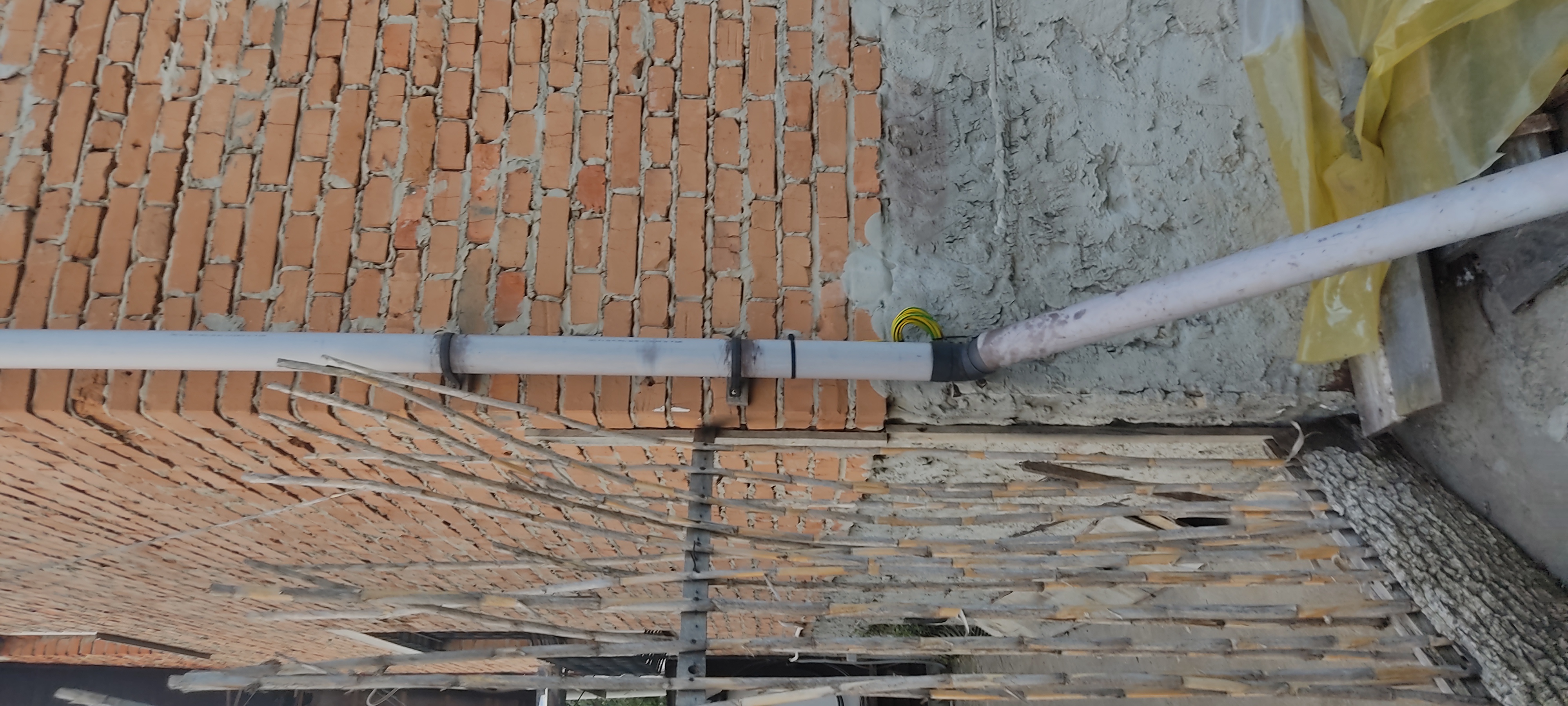
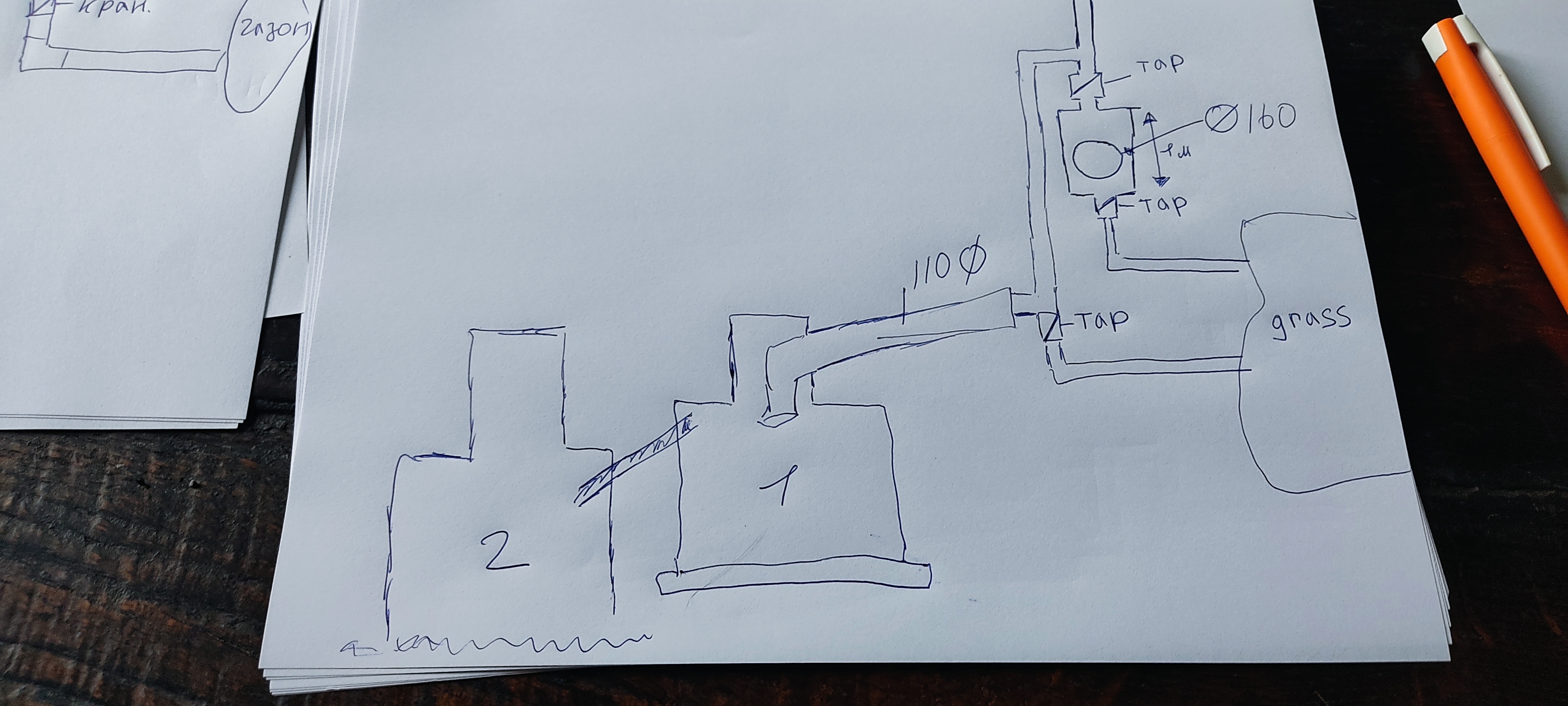
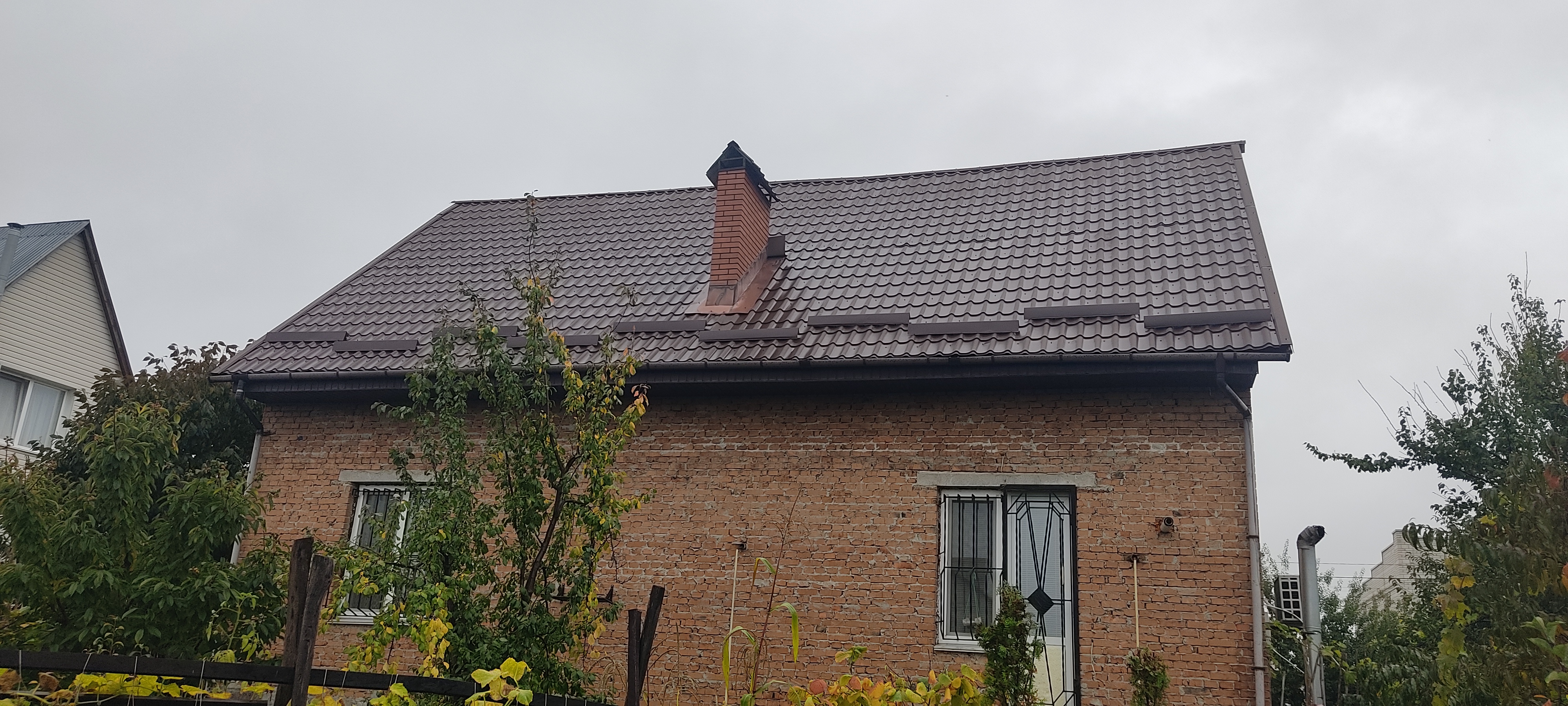
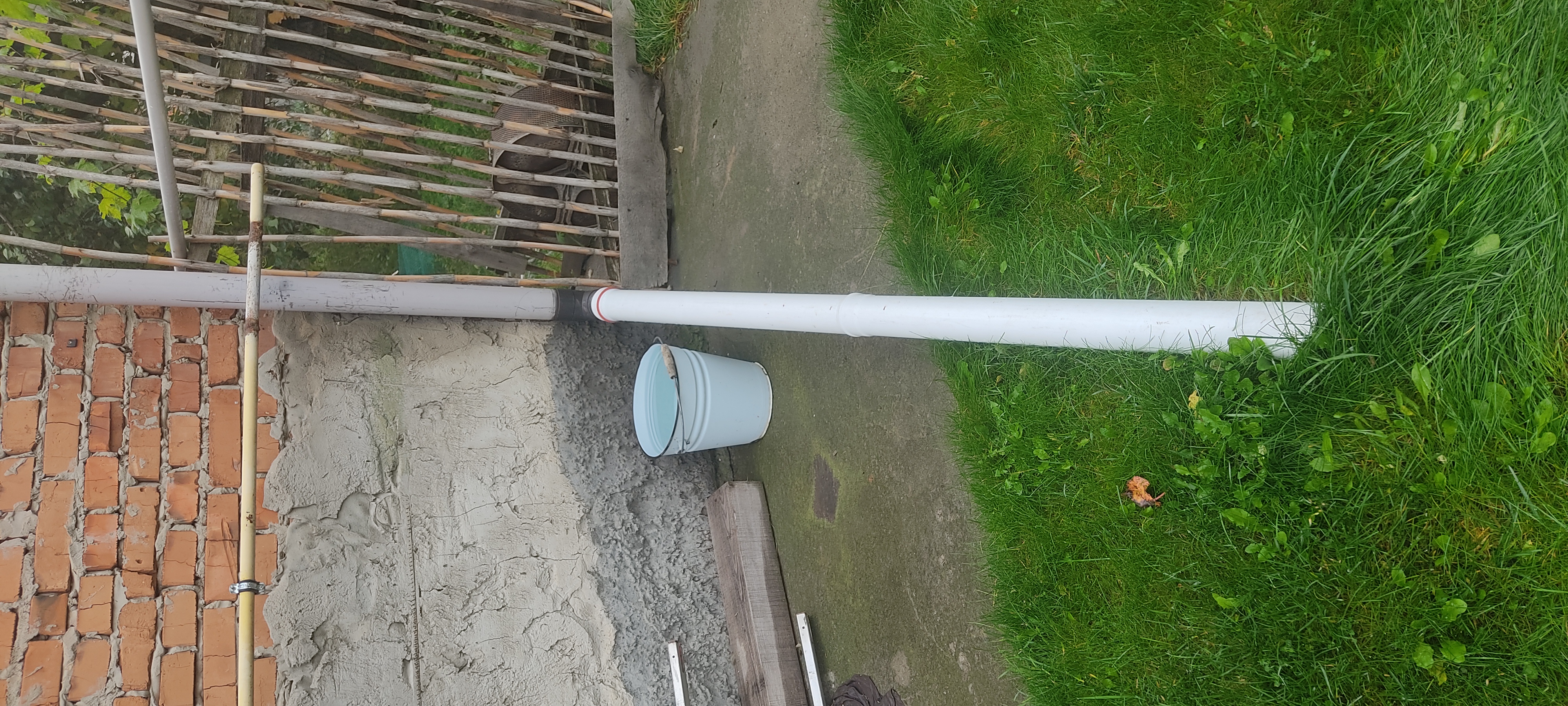
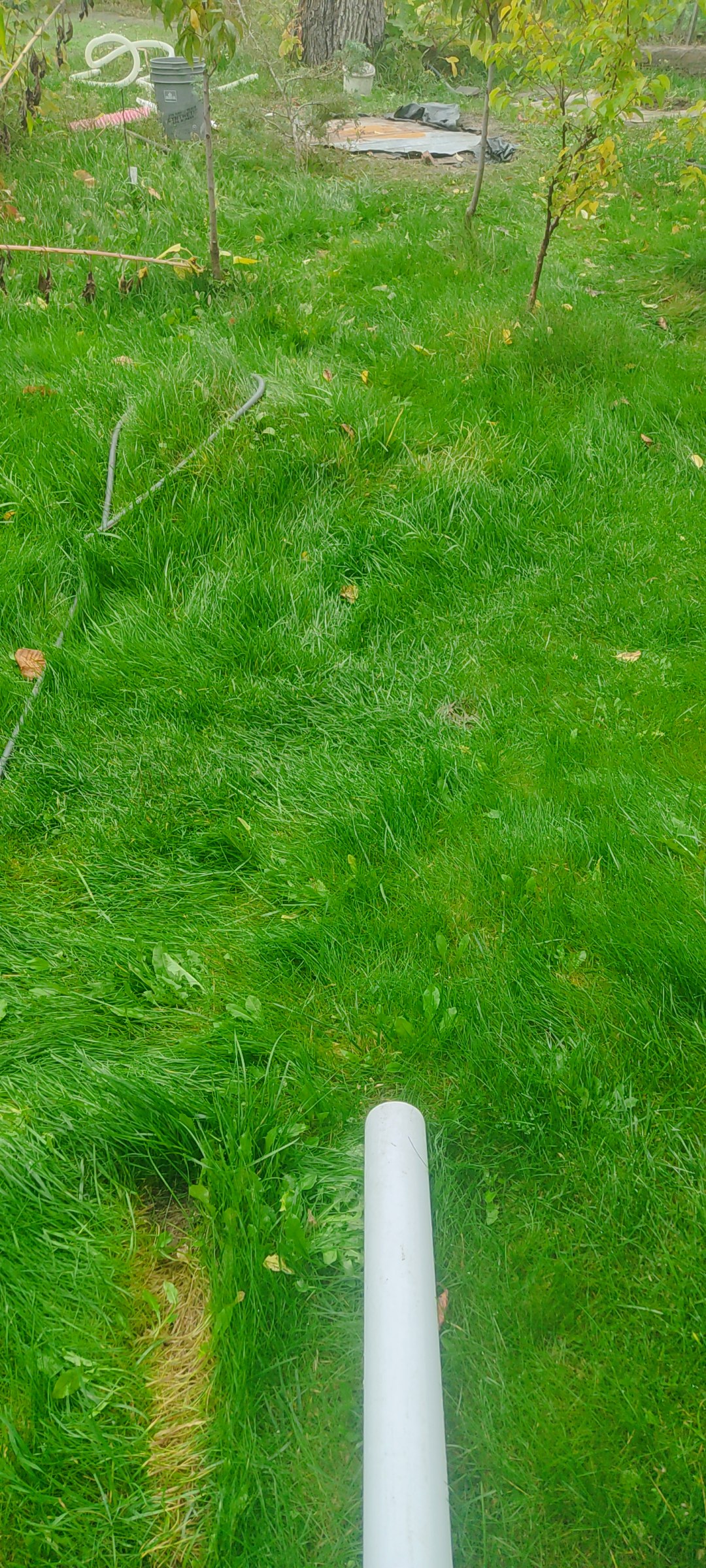
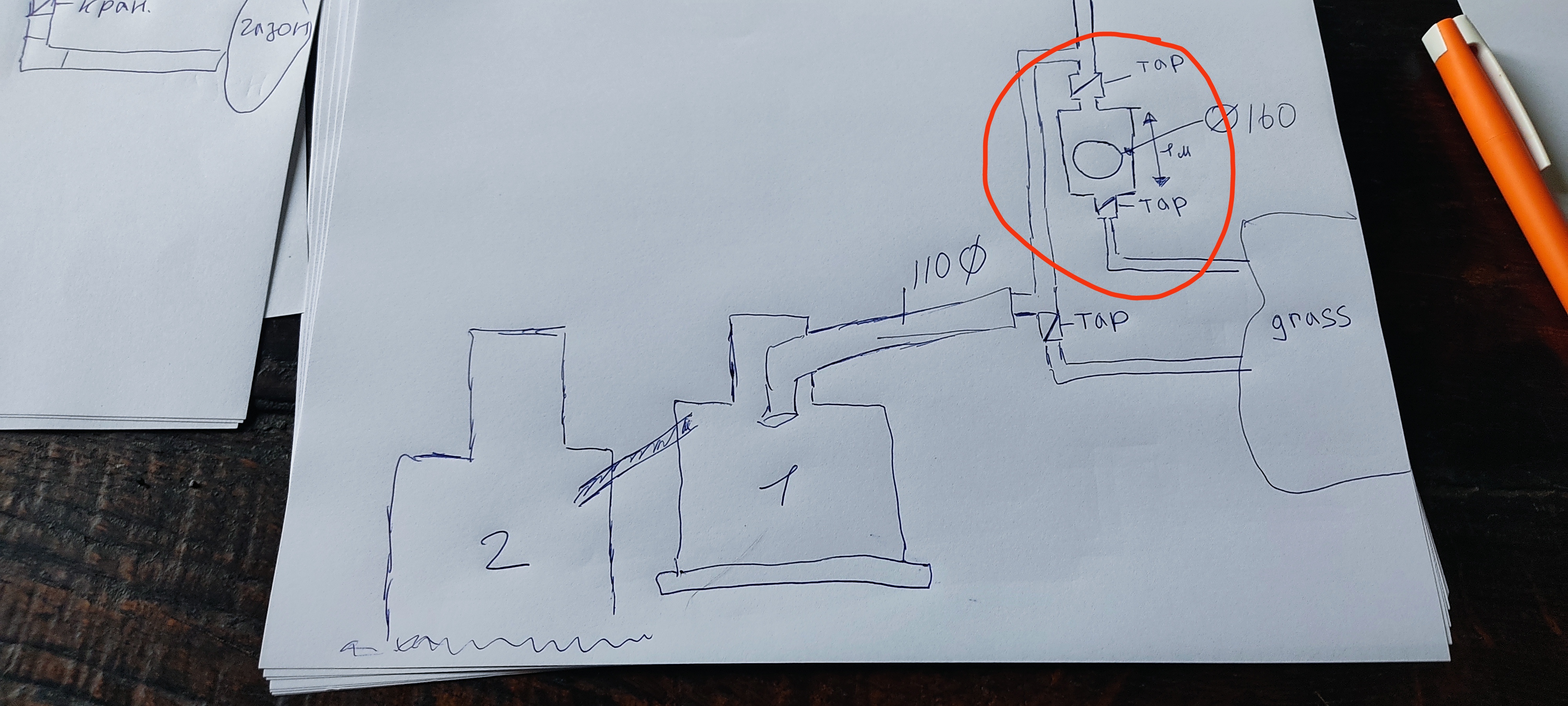
The roof area is up to 70 square meters, with two 80 mm diameter downspouts at the edges of the house. A rainwater collection system is installed on the right-hand downspout. Water flows down the pipe into a 1-meter-long settling chamber (made from a 160 mm pipe); the bottom of this chamber is fitted with a cap and a 3/4-inch outlet, allowing water to be drained via a hose onto the lawn. A valve is installed on the 80 mm pipe upstream of the settling chamber, making it possible to shut off the chamber and drain it during the winter. As the settling chamber fills, a float ball shuts off the inlet, causing the water to continue flowing down the 80 mm pipe; at the bottom, a standard downspout outlet directs the water onto the lawn, just as it does currently. A valve is located on this section—if closed, the water is diverted into a line that transitions into a 110 mm underground pipe, leading to a primary reservoir with a concrete base. Once this reservoir is full, an overflow mechanism directs water into a second, bottomless reservoir. During winter or heavy downpours, the valve above the settling chamber can be closed and the chamber drained, while the valve at the base of the downspout is opened, allowing the water to bypass both the settling chamber and the reservoirs entirely.
IMG_20261018_120312.jpg
[Thumbnail for IMG_20261018_120312.jpg]
IMG_20261018_102235.jpg
[Thumbnail for IMG_20261018_102235.jpg]
 
bogdan smith
pollinator
Posts: 387
Location: ukraine
243
forest garden books woodworking
  • Likes 8
  • Mark post as helpful
  • send pies
    Number of slices to send:
    Optional 'thank-you' note:
  • Quote
  • Report post to moderator
The system is assembled from plastic sewer pipes that are subsequently painted; the valves—located before the settling tank and used to divert flow either to the lawn or into storage containers—are 3D-printed.
https://makerworld.com/ru/models/1900408-rainwater-diverter-valve-80mm-gutter-selector?utm_source=chatgpt.com#profileId-2036655
 
bogdan smith
pollinator
Posts: 387
Location: ukraine
243
forest garden books woodworking
  • Likes 11
  • Mark post as helpful
  • send pies
    Number of slices to send:
    Optional 'thank-you' note:
  • Quote
  • Report post to moderator

Phil Stevens wrote:I'd put the ball design in the category of "cost effective, works great if you make it a monthly or quarterly habit to check the drain and blow it out if it's got schmutz in it" and also add the caveat that one reason they're popular here is the mild climate. In most of the North Island it just doesn't get cold enough to freeze one of these things...and if it's full of water on a night that is that cold, the rain stopped a long time ago and you should have checked the drain. Another motivating factor for keeping on top of this is that a blocked drain means it's not diverting and you're getting bird poop, pollen, and who knows what in your tanks.

Rainwater harvesting is not a set and forget system, in my experience. Gutters need to be cleared, screens washed, valves inspected, and tanks vacuumed out from time to time. If you're used to outsourcing all the operational overhead to the municipal water works, then providing your own supply requires a shift in mindset and a reasonable maintenance schedule.


I absolutely agree with you. Currently, I have to devote a great deal of extra attention to tasks like stoking the stove, maintaining the solar energy system, and servicing the heating system—which includes flushing it out and maintaining the heat exchangers in the gas boiler. Managing the rainwater collection system also requires discipline and effort, but for me, this is now a matter of actual survival, and I am prepared for it.
 
bogdan smith
pollinator
Posts: 387
Location: ukraine
243
forest garden books woodworking
  • Likes 8
  • Mark post as helpful
  • send pies
    Number of slices to send:
    Optional 'thank-you' note:
  • Quote
  • Report post to moderator

D Nikolls wrote:I really hate those ball style first flush diverters.

The idea is neat, but you need a sizable first flush reservoir for it to be a meaningful amount on even a medium sized roof. Worse, in my experience the little drain thingie at the bottom clogs up despite having a nice fine screen at the entrance point.. then it  stays full and no diversion happens until you clean it out. Then it clogs again.. rinse and repeat..

Then things freeze and the damn thing explodes. Then no rainwater collection happens.

Then you say a lot of VERY rude words, startling the cat and annoying your wife,  and buy a different system. In my case a Graf Optimax Pro, there's also the Wisy Vortex, among other options. Both are STUPID, like surely you are joking, expensive. I found a deal on Ebay or would have tried DIYing with these 2 as inspiration.

That's as far as I've gotten, can't report on how well the Graf works as it's not installed yet.


I agree. Yesterday, I was also thinking about how to drain the water from the settling tank, so I included a valve before it—this way, it can be shut off for the winter. I also agree that it needs to be cleaned periodically; you’ll be able to remove the end cap (which will have a valve fitted into it) at the bottom, scrub the inside of the settling tank pipe with a brush, and clean the ball, which will likely get dirty as well.
 
pollinator
Posts: 6350
Location: Bendigo , Australia
609
plumbing earthworks bee building homestead greening the desert
  • Likes 9
  • Mark post as helpful
  • send pies
    Number of slices to send:
    Optional 'thank-you' note:
  • Quote
  • Report post to moderator
 I dont think you will need to clean the settling tank, if you clean it with a pump.
I have seen a tank cleaning service, where they poke a vacuum type nozzle into the tank and remove a small amount of water with any sediment.
It seems to use about 20L of water.
That may work for you.
As mentioned bacteria build up does not appear to be an issue.

Thinking about your second tank, perhaps a plastic tank liner is the best system.
Its a heavy duty flexible liner that would be made to size.
My concern with that tank will be hard to make impervious.
Do you have a trick for that issue?
I have seen them plastered with a mixture, it may be available to you.
The total volume is great.
 
D Nikolls
pollinator
Posts: 1854
Location: Victoria BC
355
  • Likes 8
  • Mark post as helpful
  • send pies
    Number of slices to send:
    Optional 'thank-you' note:
  • Quote
  • Report post to moderator

Phil Stevens wrote:I'd put the ball design in the category of "cost effective, works great if you make it a monthly or quarterly habit to check the drain and blow it out if it's got schmutz in it" and also add the caveat that one reason they're popular here is the mild climate. In most of the North Island it just doesn't get cold enough to freeze one of these things...and if it's full of water on a night that is that cold, the rain stopped a long time ago and you should have checked the drain. Another motivating factor for keeping on top of this is that a blocked drain means it's not diverting and you're getting bird poop, pollen, and who knows what in your tanks.

Rainwater harvesting is not a set and forget system, in my experience. Gutters need to be cleared, screens washed, valves inspected, and tanks vacuumed out from time to time. If you're used to outsourcing all the operational overhead to the municipal water works, then providing your own supply requires a shift in mindset and a reasonable maintenance schedule.


I agree that they are usable, but I wouldn't use them again in most circumstances. I would invest the money in another storage tank, and set up the collection to be manually switched between a dirty tank, clean tanks, and discharge. In the dry season if tanks are low, I would rather collect all the water. In the wet season I don't see any need for a first flush unless it has been dry for a while, plus missing the occasional bit of water in the wet season is not a problem.

I think, in my current climate, that this would be more effective than the ball style. If the Graf/Wisy style works well, it should be very low maintenance while providing some degree of automatic first flush.. we will see.


Some aspects of off grid living involve more labour.. but not all such labour is necessary. For example, I heat with wood, in a good stove with a perfectly straight insulated doublewall chimney.

A friend uses an older and much more affordable stove, and a terrifying arrangement of single wall pipe, including a long run of nearly horizontal pipe, to avoid going out the roof.

Not only does this stove eat a lot more wood, he needs to clean that flue every week or two, or burn the place down. It works, but the extra labour is due to the design choices, not inherent to wood heating.
 
bogdan smith
pollinator
Posts: 387
Location: ukraine
243
forest garden books woodworking
  • Likes 8
  • Mark post as helpful
  • send pies
    Number of slices to send:
    Optional 'thank-you' note:
  • Quote
  • Report post to moderator

John C Daley wrote:  I dont think you will need to clean the settling tank, if you clean it with a pump.
I have seen a tank cleaning service, where they poke a vacuum type nozzle into the tank and remove a small amount of water with any sediment.
It seems to use about 20L of water.
That may work for you.
As mentioned bacteria build up does not appear to be an issue.

Thinking about your second tank, perhaps a plastic tank liner is the best system.
Its a heavy duty flexible liner that would be made to size.
My concern with that tank will be hard to make impervious.
Do you have a trick for that issue?
I have seen them plastered with a mixture, it may be available to you.
The total volume is great.


Thank you! I was referring to cleaning the settling tank at the primary discharge point. As for cleaning the concrete reservoirs, that’s not an issue—as you mentioned, it can be done either with a pump or a specialized vehicle, and there is enough space for one to pull up.
IMG_20261019_205125.jpg
[Thumbnail for IMG_20261019_205125.jpg]
 
Posts: 1620
142
  • Likes 4
  • Mark post as helpful
  • send pies
    Number of slices to send:
    Optional 'thank-you' note:
  • Quote
  • Report post to moderator
all my drinking water goes through a berky.
 
I agree. Here's the link: http://stoves2.com
reply
    Bookmark Topic Watch Topic
  • New Topic