• Post Reply Bookmark Topic Watch Topic
  • New Topic
permaculture forums growies critters building homesteading energy monies kitchen purity ungarbage community wilderness fiber arts art permaculture artisans regional education skip experiences global resources cider press projects digital market permies.com pie forums private forums all forums
this forum made possible by our volunteer staff, including ...
master stewards:
  • Carla Burke
  • Nancy Reading
  • John F Dean
  • r ransom
  • Jay Angler
  • Timothy Norton
stewards:
  • paul wheaton
  • Pearl Sutton
  • Tereza Okava
master gardeners:
  • Christopher Weeks
  • M Ljin
gardeners:
  • thomas rubino
  • Jeremy VanGelder
  • Megan Palmer

Foraging 200,000 Calories from 10 Different Species

 
master gardener
Posts: 6213
Location: Carlton County, Minnesota, USA: 3b; Dfb; sandy loam; in the woods
3692
8
forest garden trees books chicken food preservation cooking fiber arts seed woodworking homestead ungarbage
  • Likes 10
  • Mark post as helpful
  • send pies
    Number of slices to send:
    Optional 'thank-you' note:
  • Quote
  • Report post to moderator
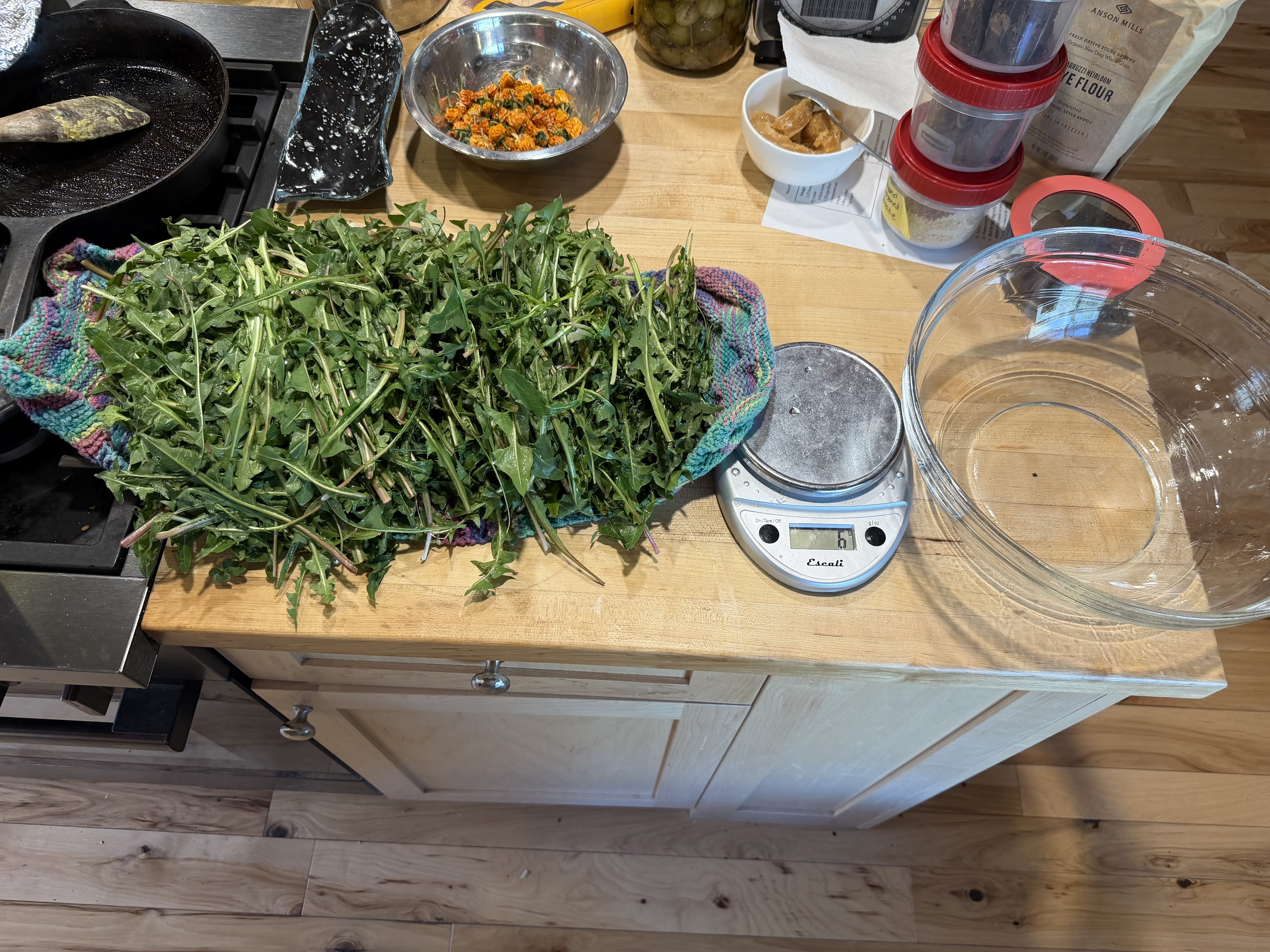
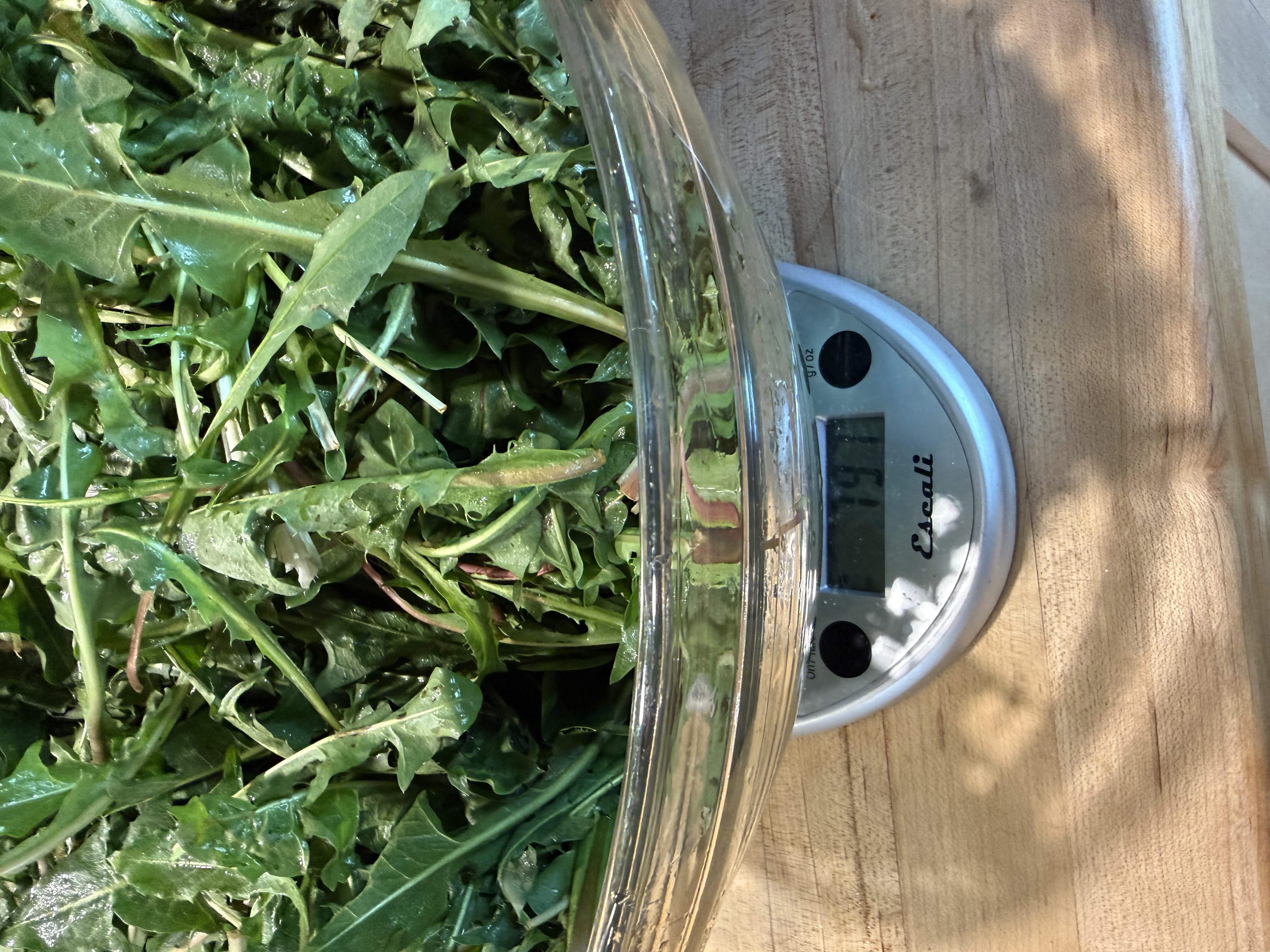
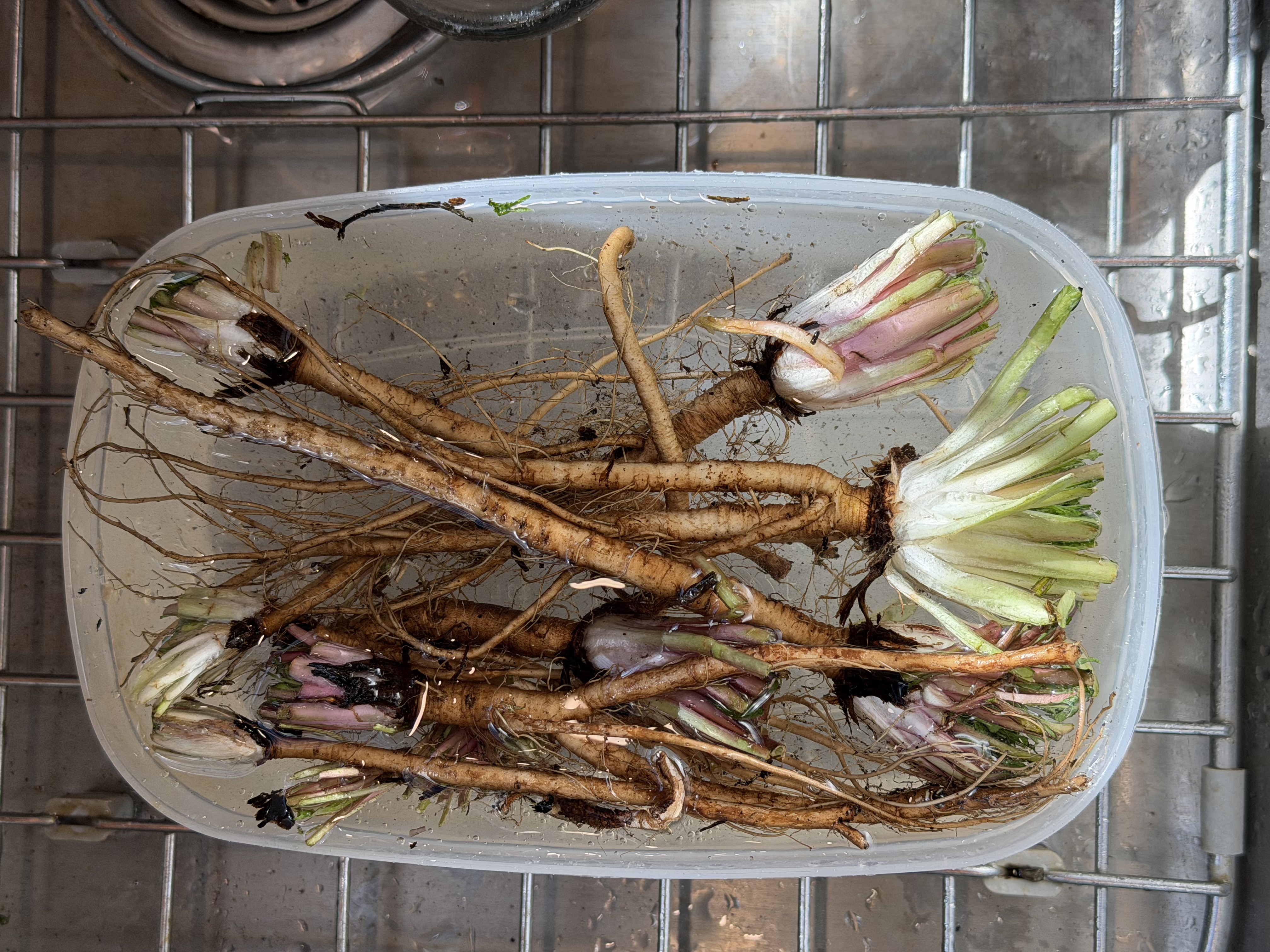
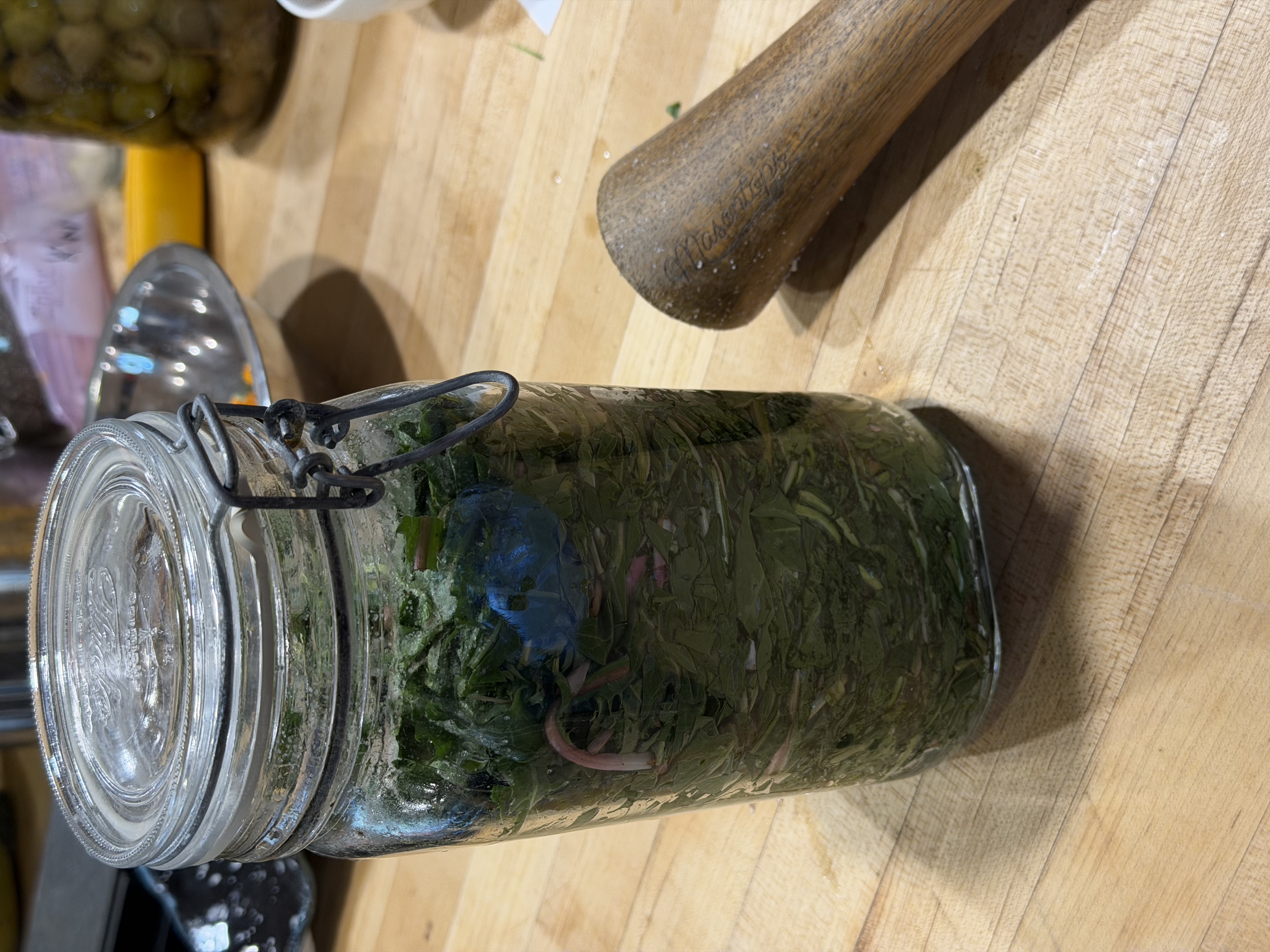
I'm thinking about tackling this bigger PEP BB: https://permies.com/wiki/150764/pep-foraging/Forage-Calories-Species-foraging-wood but I'm kind of a soft-core forager and so this'll take some planning. This thread is where I'll do my planning out loud and also document my actual forage so that if I meet the BB's criteria, I can just point back here.

I need to acquire 200,000+ Calories from 10+ species. 10%+ of those need to be canned. 50%+ of those need to be dehydrated to a shelf-stable point. (I can maybe satisfy this food-preservation BB at the same time: https://permies.com/wiki/150148)

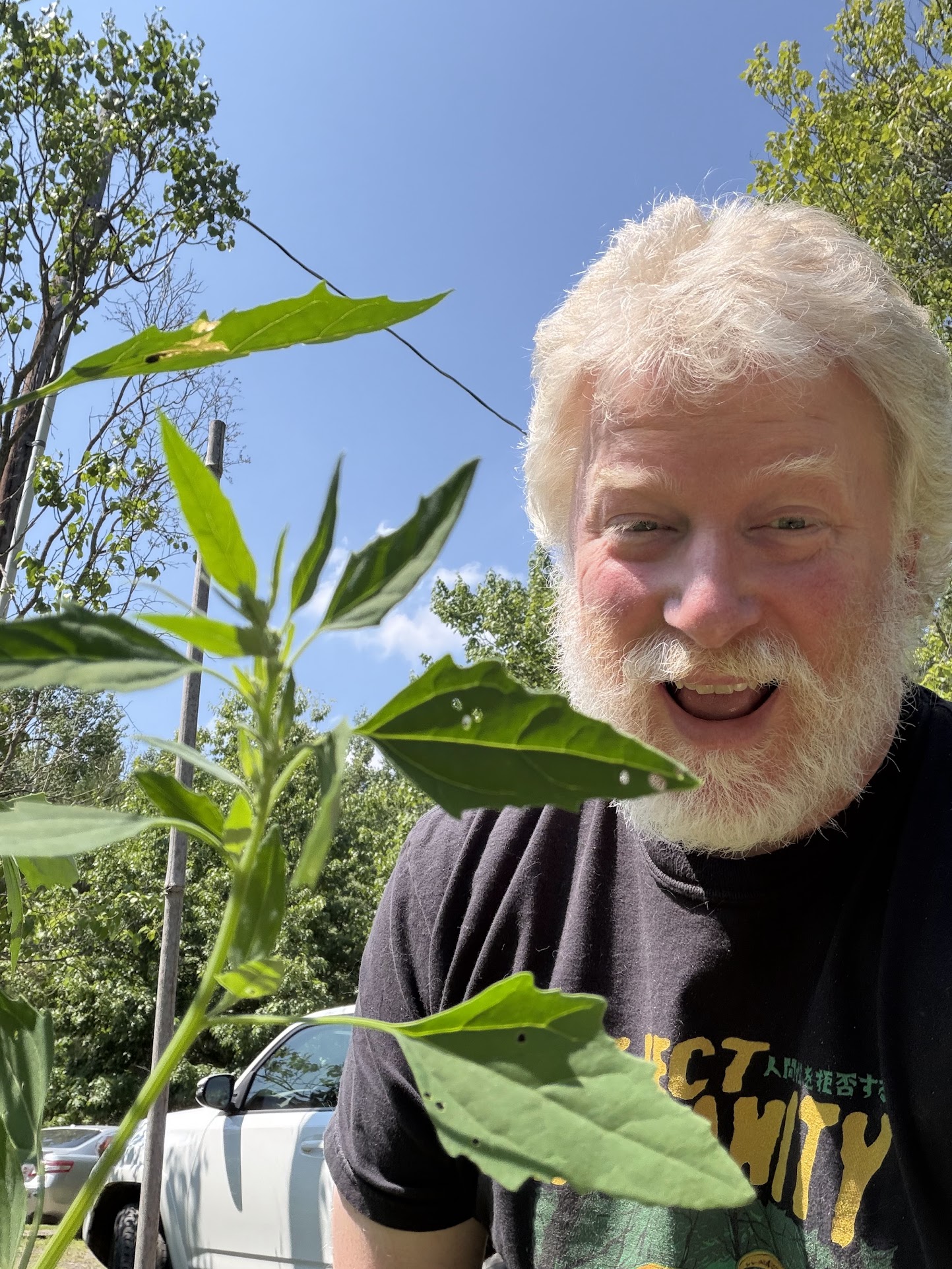
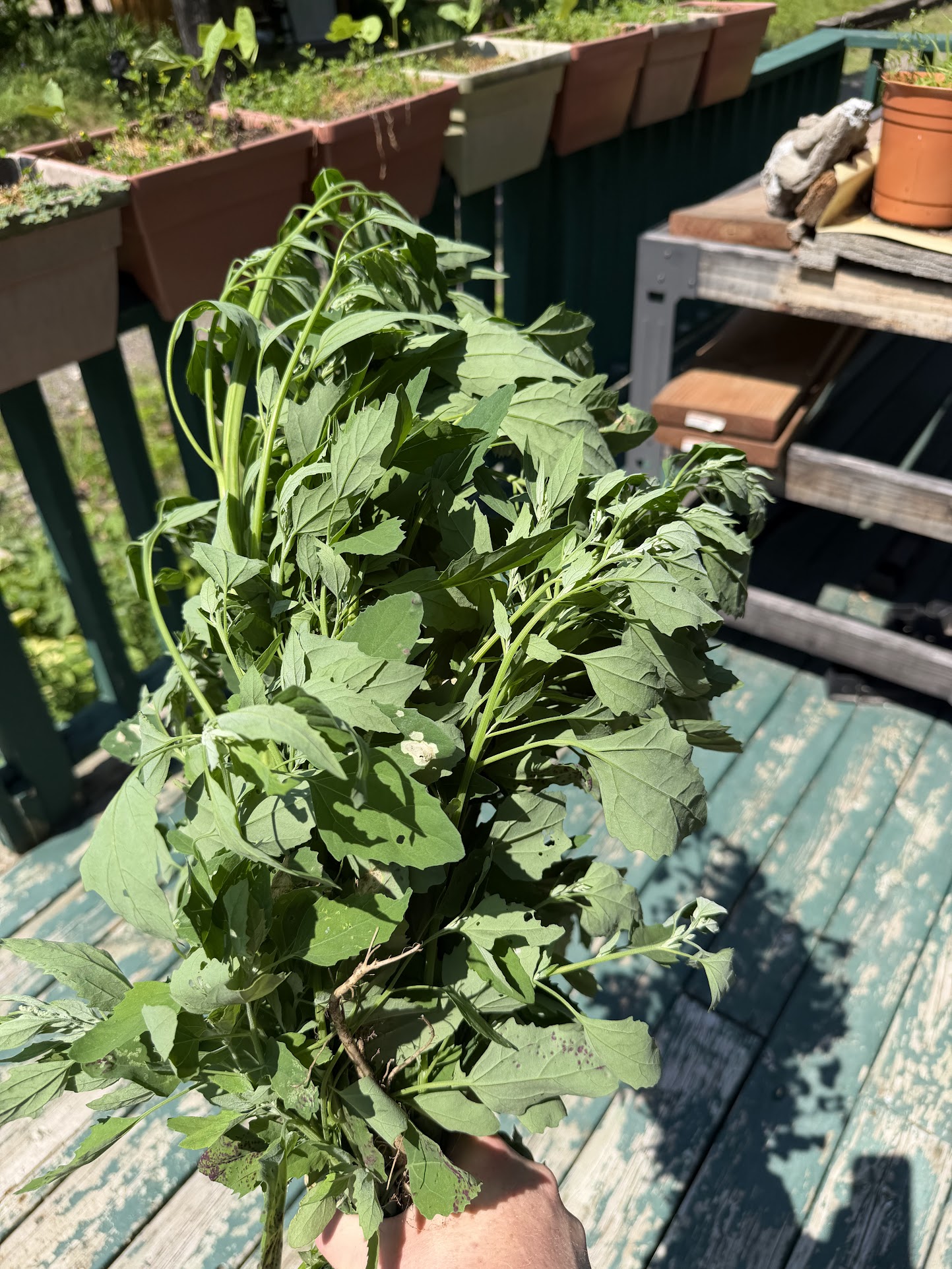
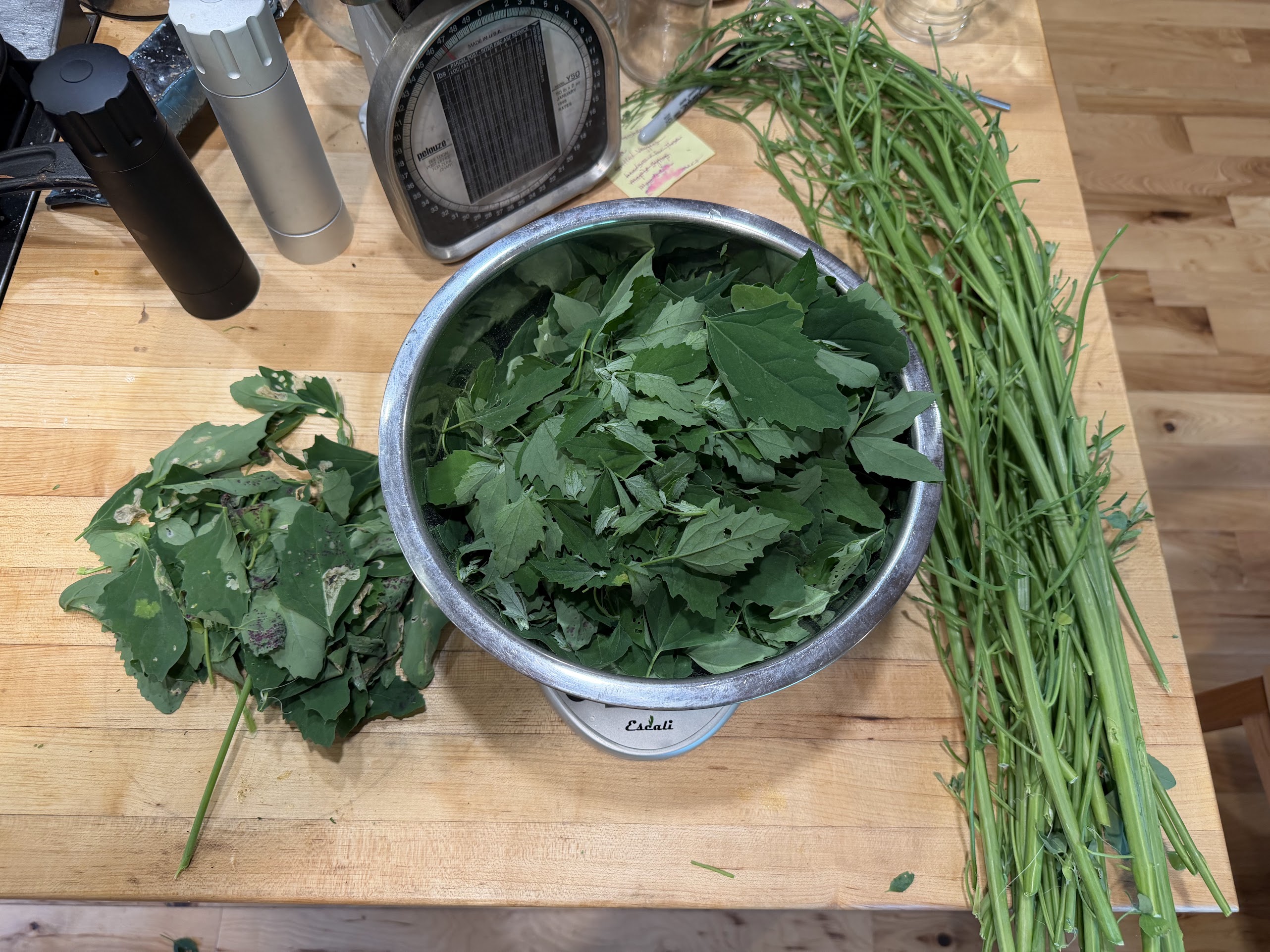
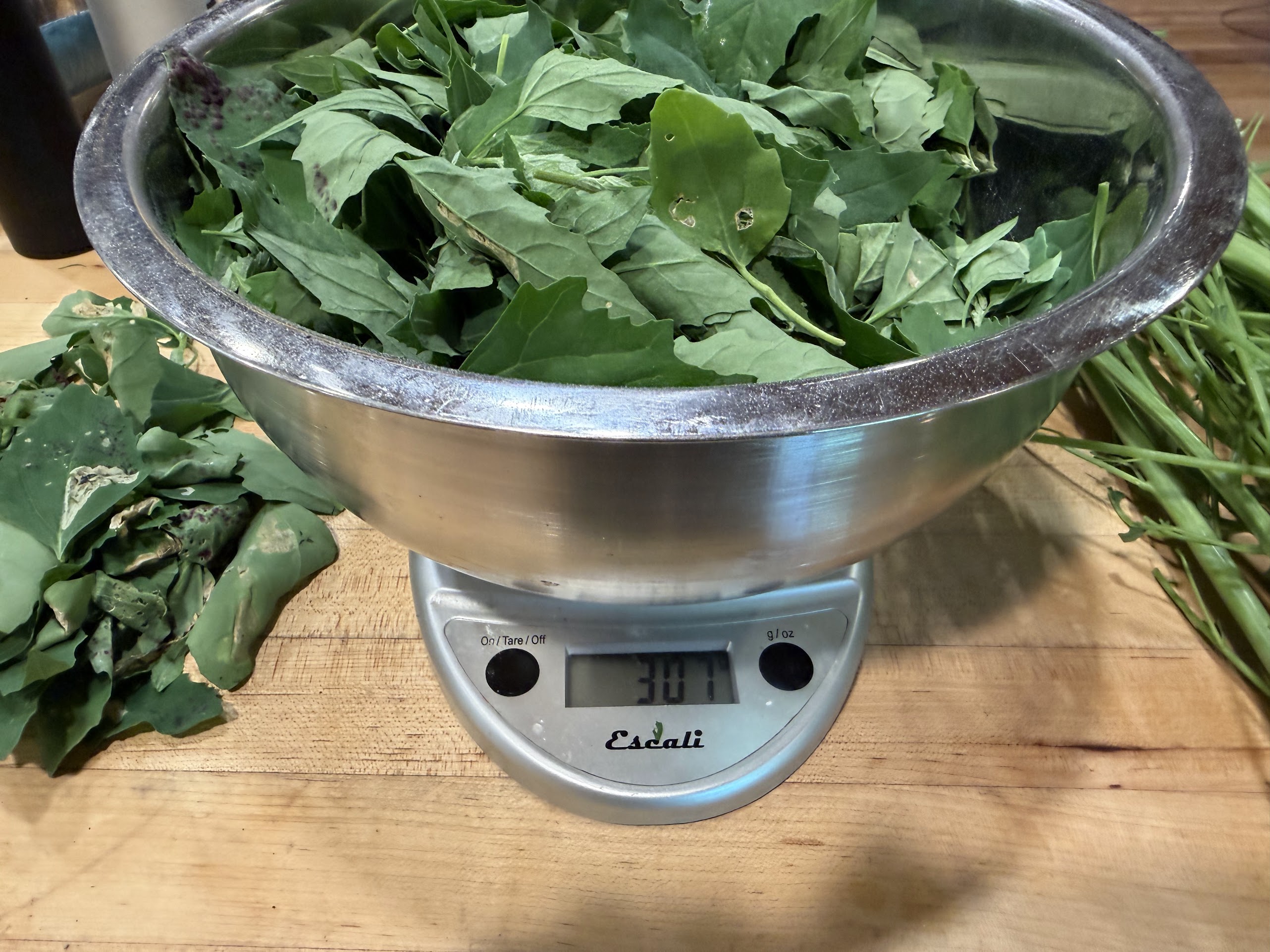
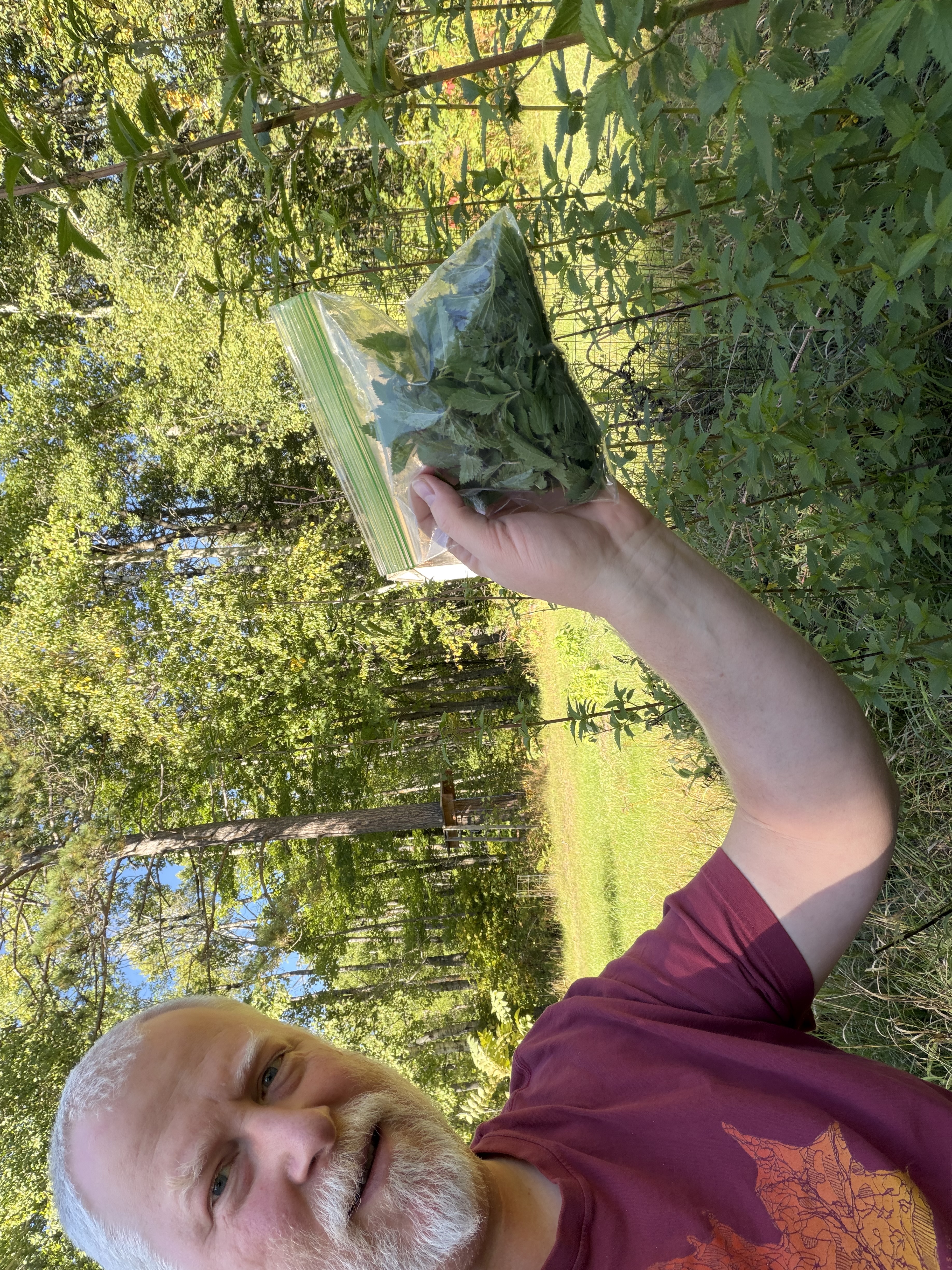
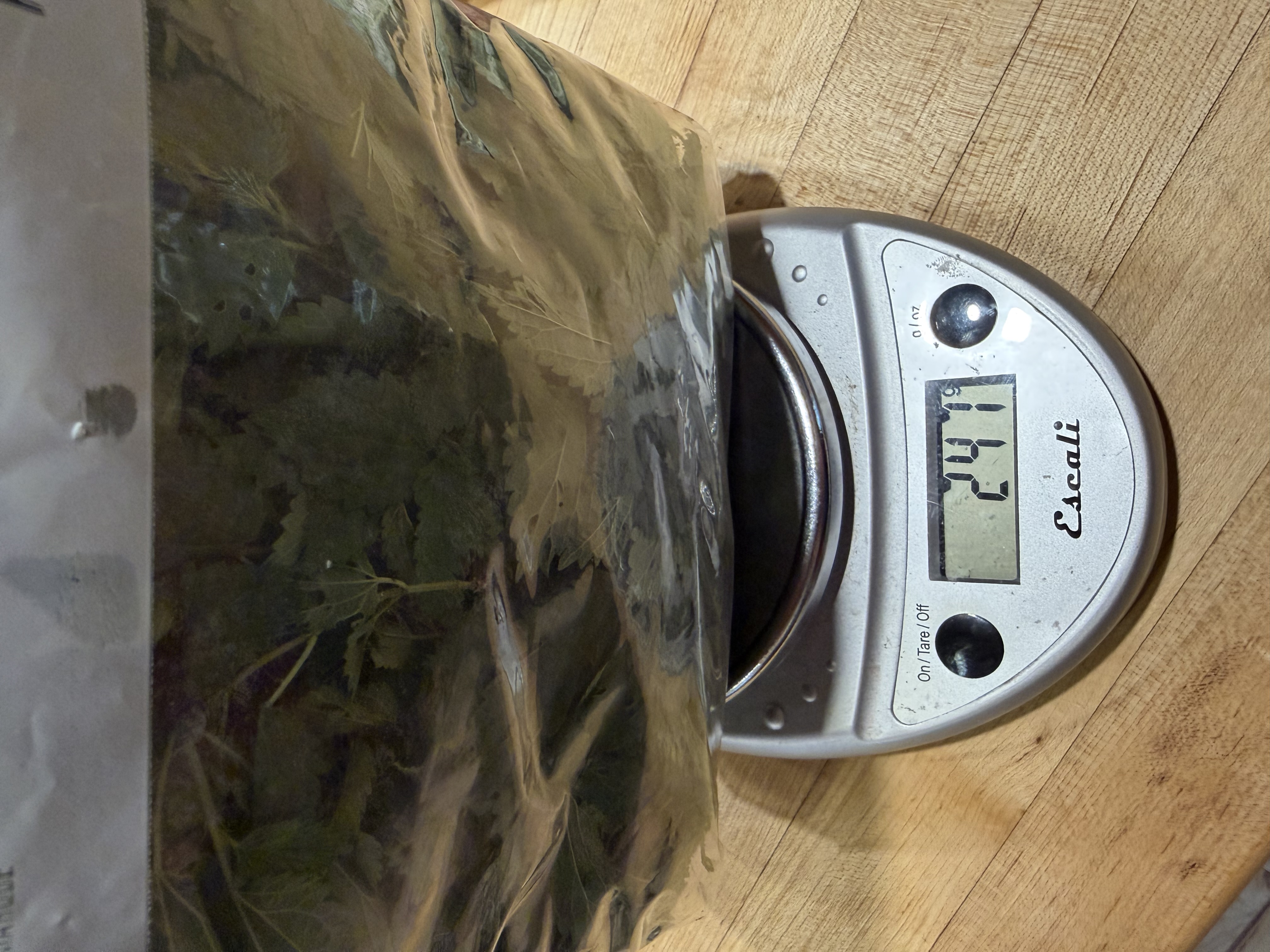
For each thing that rolls up into this, I need to provide photo evidence of:
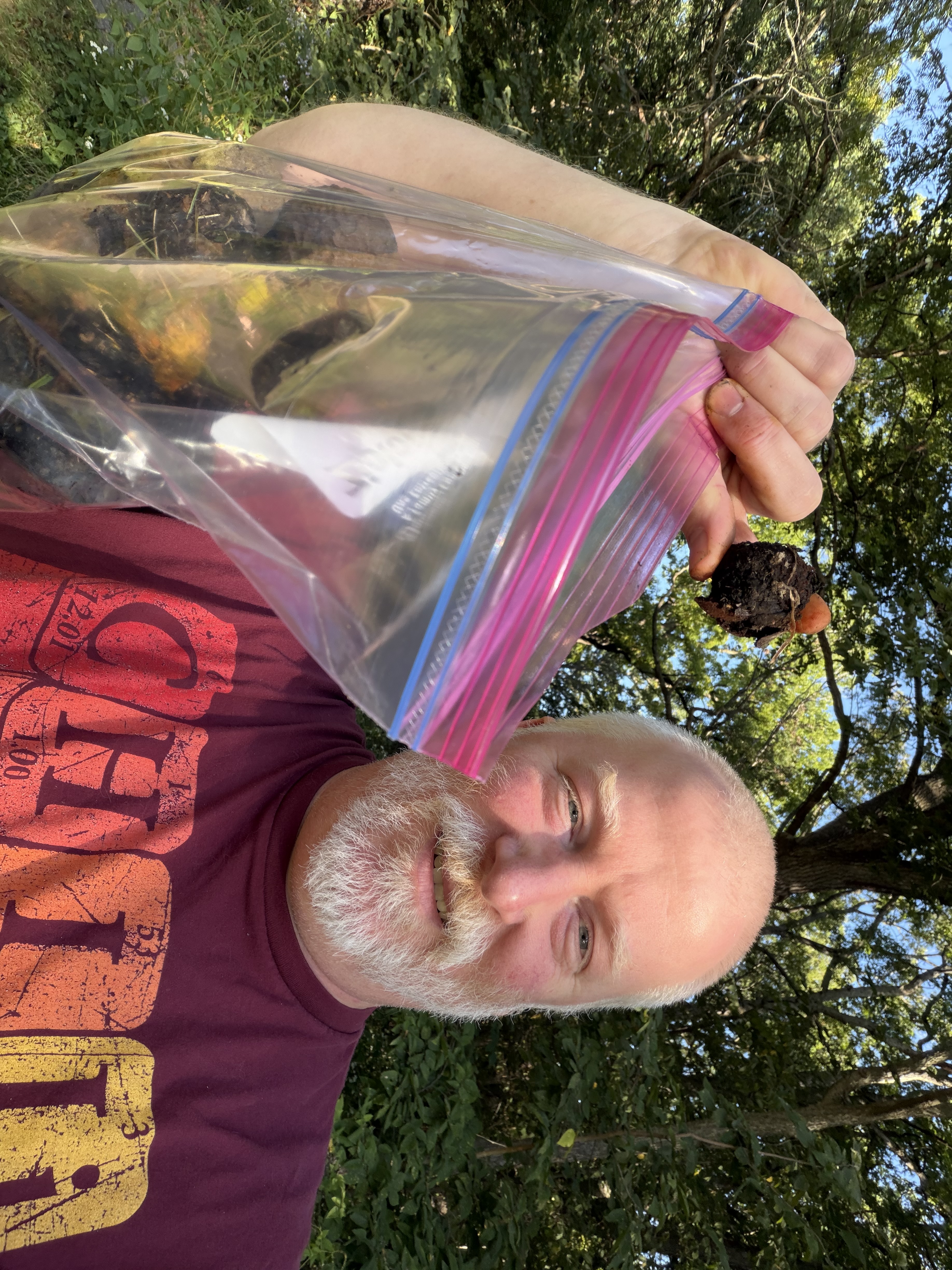
- [me] foraging each type of food
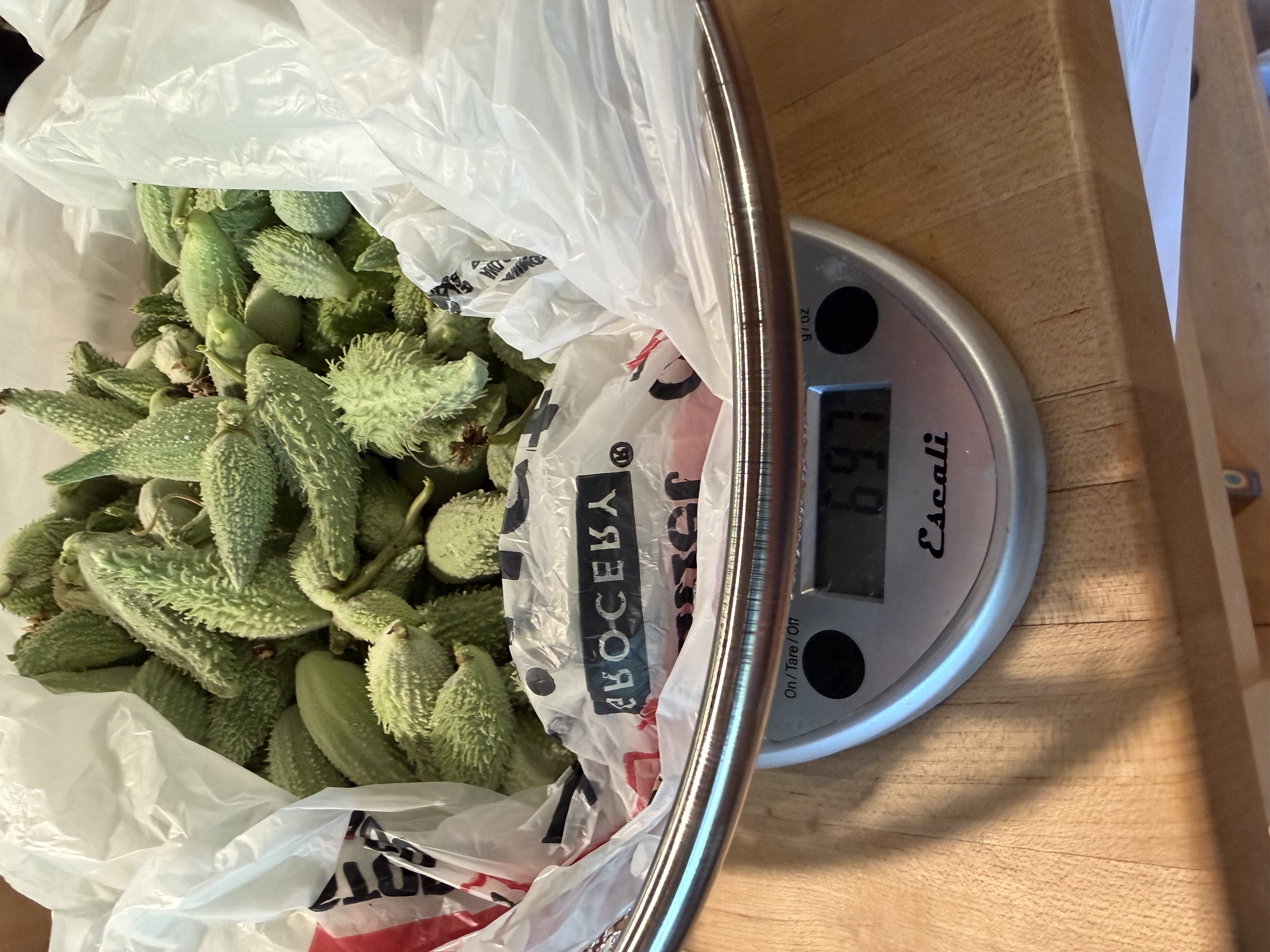
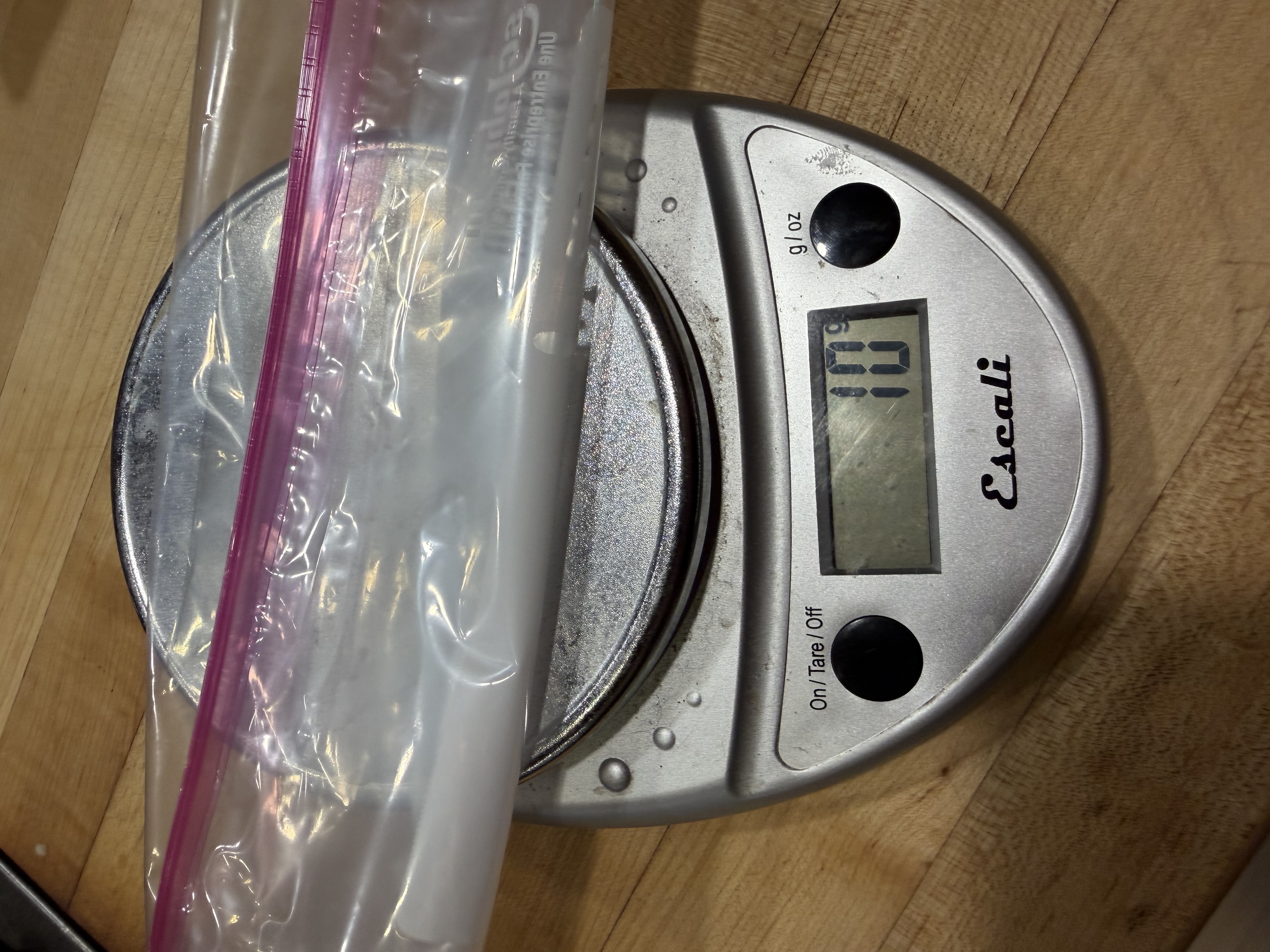
- the weight of each food on a scale (and written description of the number of calories it represents)
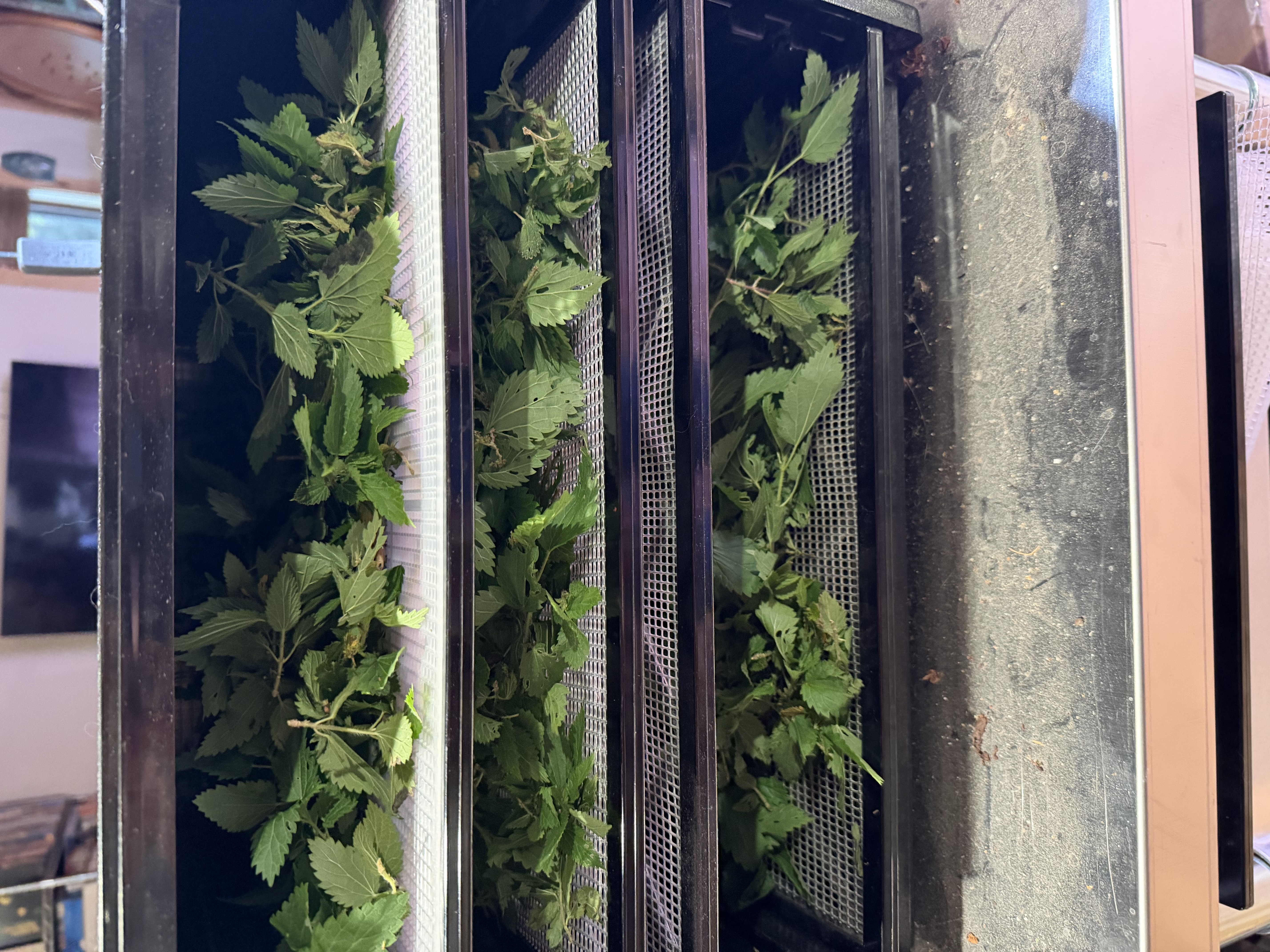
- [me] preparing the food to be dried or canned (if that's happening)
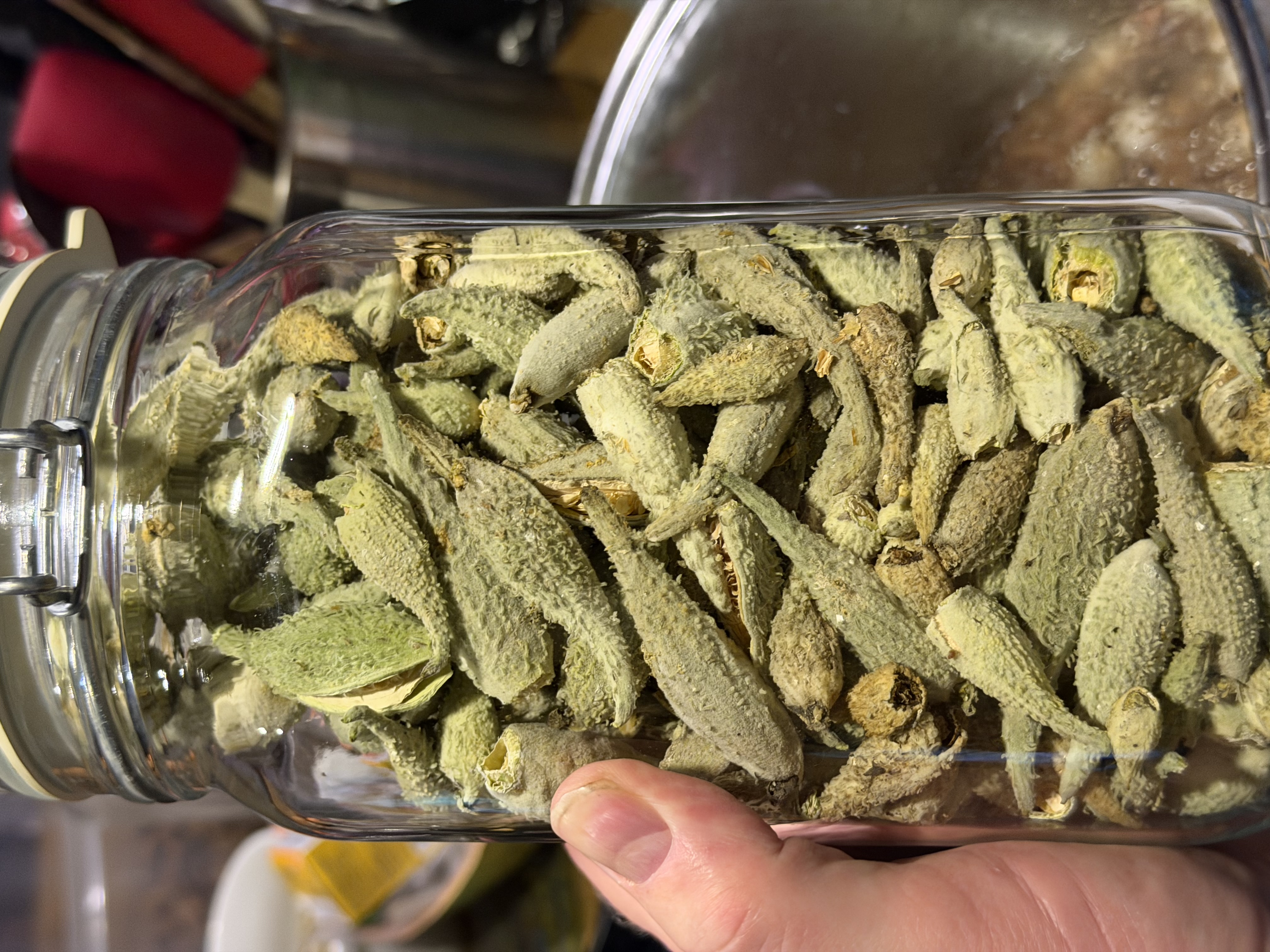
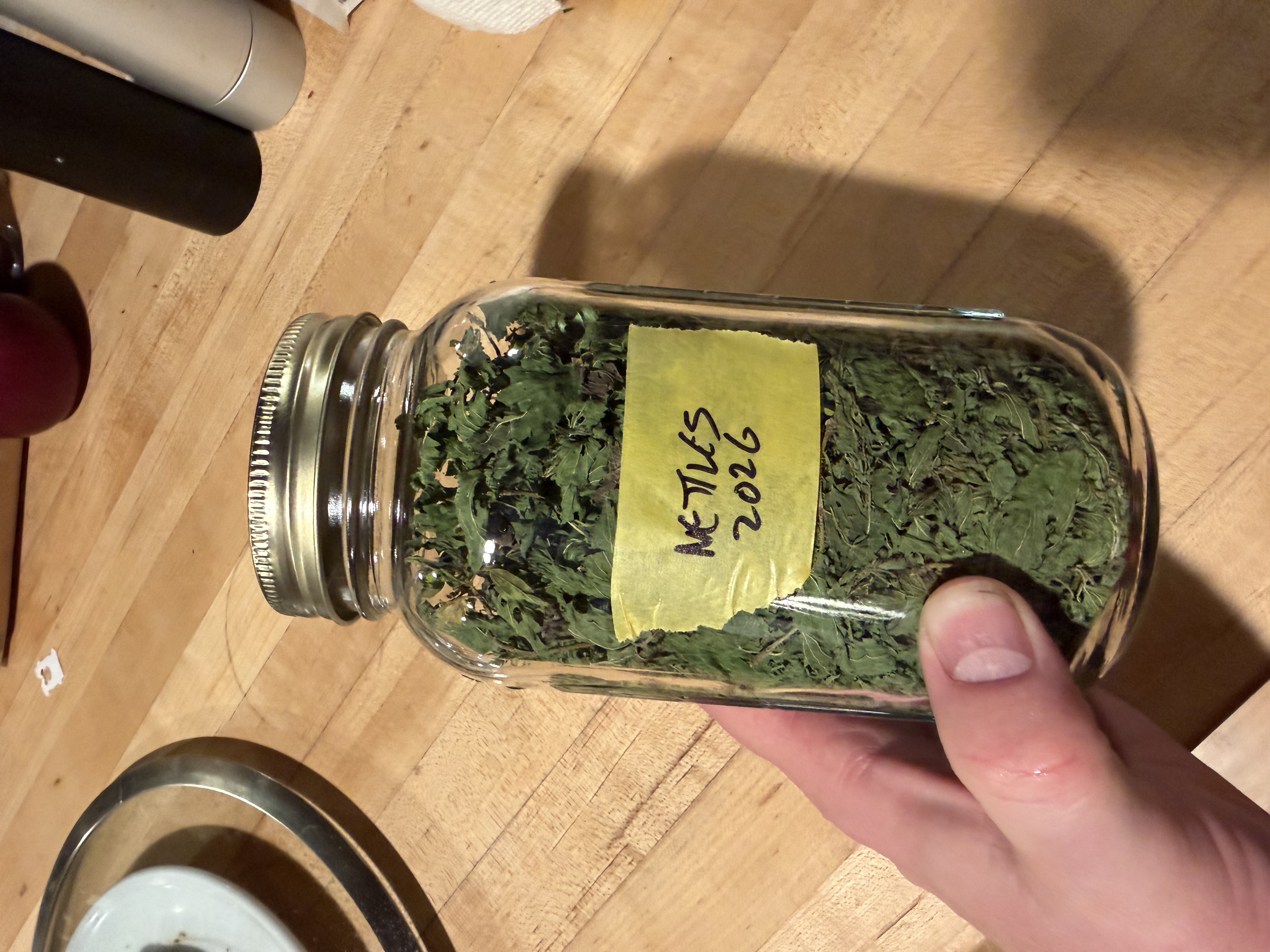
- [the food] dried or canned in storage

To make things more complicated, I don't eat meat, so I'm playing on hard-mode.


Christopher Weeks
master gardener
Posts: 6213
Location: Carlton County, Minnesota, USA: 3b; Dfb; sandy loam; in the woods
3692
8
forest garden trees books chicken food preservation cooking fiber arts seed woodworking homestead ungarbage
  • Likes 6
  • Mark post as helpful
  • send pies
    Number of slices to send:
    Optional 'thank-you' note:
  • Quote
  • Report post to moderator
Now I/m wondering what I can do for this.

Maple syrup -- 10K Calories is easy -- I already have that from this season, so I just need to document it.
Birch syrup is harder -- I have more birch trees, but it takes 200 gallons of sap to make a gallon of finished syrup, so that's a lot of hauling and boiling. But it's another species, so I may need to exploit that.

Sheep sorrel -- my back-of-envelope math says any wild greens are about 30 Cals/cup, so I'd need 334 cups of leaves to hit 10K. That's clearly not possible in one year from my property so I'd have to travel or span seasons, either of which is possible.
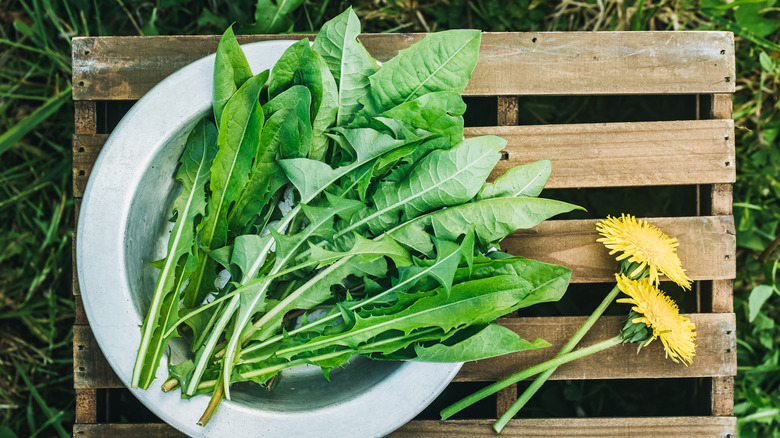
Dandelions -- see above
Lambs Quarters -- see above
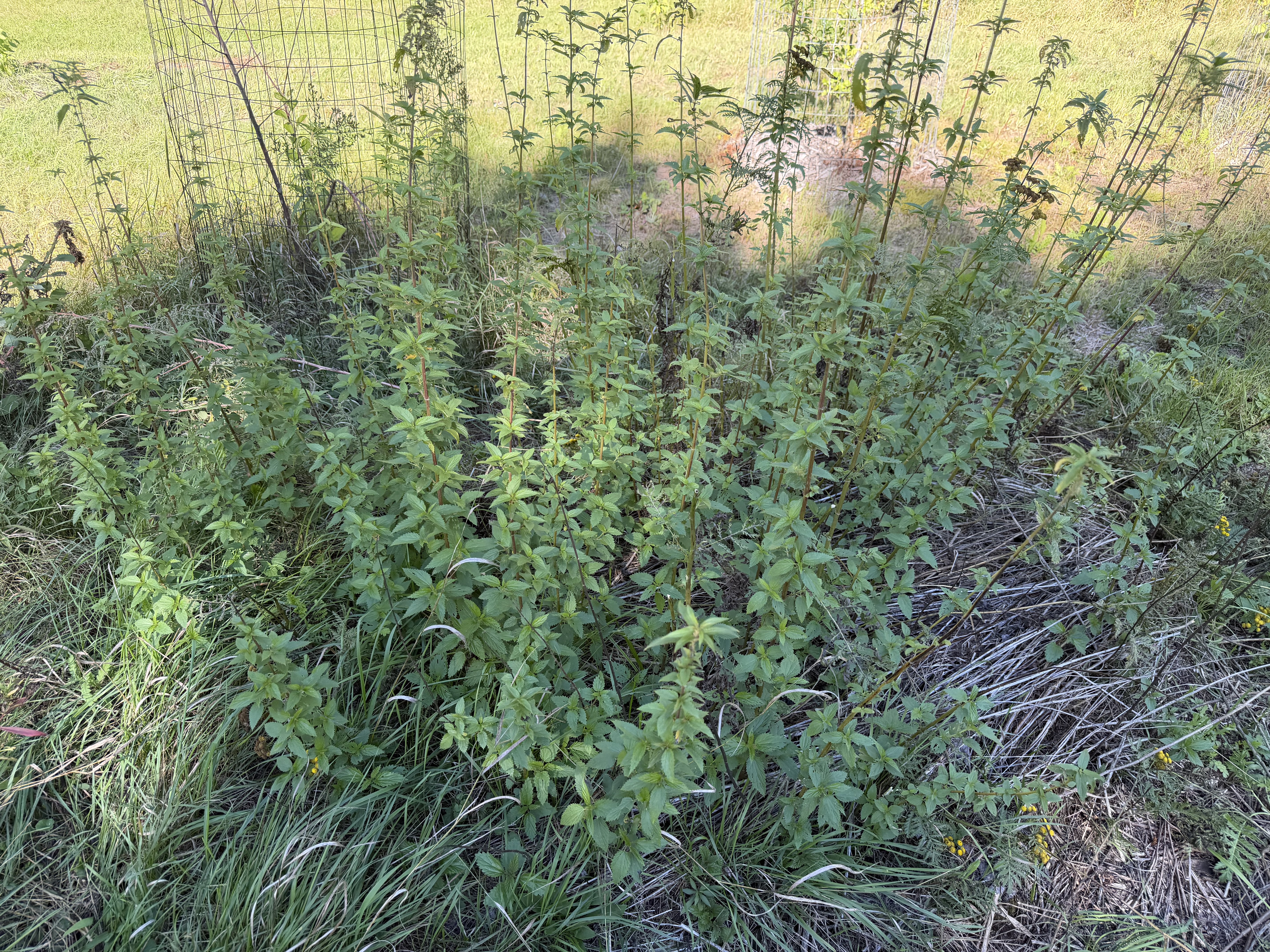
Nettle -- see above

Random seeds like dock and mustard -- these are about 346 Cals per 100g, so 2900g would hit 10k. (I think that's less than a half-gallon of seeds, so this might be possible.)

Blackberries -- I'd need ten gallons to hit 10k. That might take four or five years if I stick to my property.
Other bramble -- there are raspberries and thimbleberries all over this area and I could take a bag with me when I go hiking. I don't think I can reasonably hit 10K from one of them any short period of time, but maybe they add up or just fill in the gaps.
Apples -- there's an apple tree on a lot where they demolished the house four years ago and it was unlivable for a decade or more before that. That counts as an abandoned homestead for this BB. I'm not sure what 42 apples looks like and whether that's possible from one tree and one year. Plus, I sort of know the owners and they might not want them to all disappear. I need to keep my eyes open for others.
Tiny wild fruit -- we have serviceberries and sand cherries and pin cherries and other things like that. They're not great out of hand, but make a fine jam. Again, not sure it's reasonable to hit 10K, but maybe over time.

Hazel nuts -- I have a million wild hazel bushes. I've seen young nuts but I've never found a mature ready-to-harvest one. I have to assume the squirrels get them all. Maybe I could learn to fight them for it. Seems like I'd only need 56 oz. of hazel nut meats for 10k Cals.

I've never foraged a mushroom but that would be something to learn that would make this easier.

Seems like I need to figure out a few more sources for this to be reasonable or just be happy taking several years to reach the mark.
 
Christopher Weeks
master gardener
Posts: 6213
Location: Carlton County, Minnesota, USA: 3b; Dfb; sandy loam; in the woods
3692
8
forest garden trees books chicken food preservation cooking fiber arts seed woodworking homestead ungarbage
  • Likes 9
  • Mark post as helpful
  • send pies
    Number of slices to send:
    Optional 'thank-you' note:
  • Quote
  • Report post to moderator
Ooh, 3.57 kg of sumac makes 10k Calories. That's another avenue.
Wild lowbush blueberries grow on the rocks by the St. Louis River and there are tons of trails. It's another source where hitting 10k in a year sounds crazy, but it might add up and they're super-delicious.
 
Christopher Weeks
master gardener
Posts: 6213
Location: Carlton County, Minnesota, USA: 3b; Dfb; sandy loam; in the woods
3692
8
forest garden trees books chicken food preservation cooking fiber arts seed woodworking homestead ungarbage
  • Likes 5
  • Mark post as helpful
  • send pies
    Number of slices to send:
    Optional 'thank-you' note:
  • Quote
  • Report post to moderator
I don't eat meat, but I do feed it to my cats. If I could get over myself and learn to kill and butcher, I could feed my cats venison and save some industrial chickens and cows while easily marking off one more source of 10k Calories. This is probably something I'm not really going to pursue, but it's an idea. These damned deer keep eating my garden so it's stacking functions.
 
master gardener
Posts: 2207
Location: Zone 5
1230
ancestral skills forest garden foraging composting toilet fiber arts bike medical herbs seed writing ungarbage
  • Likes 8
  • Mark post as helpful
  • send pies
    Number of slices to send:
    Optional 'thank-you' note:
  • Quote
  • Report post to moderator
Do you have oak trees around or is it too cold for that?

What about wild parsnips? Caraway root?
 
Christopher Weeks
master gardener
Posts: 6213
Location: Carlton County, Minnesota, USA: 3b; Dfb; sandy loam; in the woods
3692
8
forest garden trees books chicken food preservation cooking fiber arts seed woodworking homestead ungarbage
  • Likes 9
  • Mark post as helpful
  • send pies
    Number of slices to send:
    Optional 'thank-you' note:
  • Quote
  • Report post to moderator
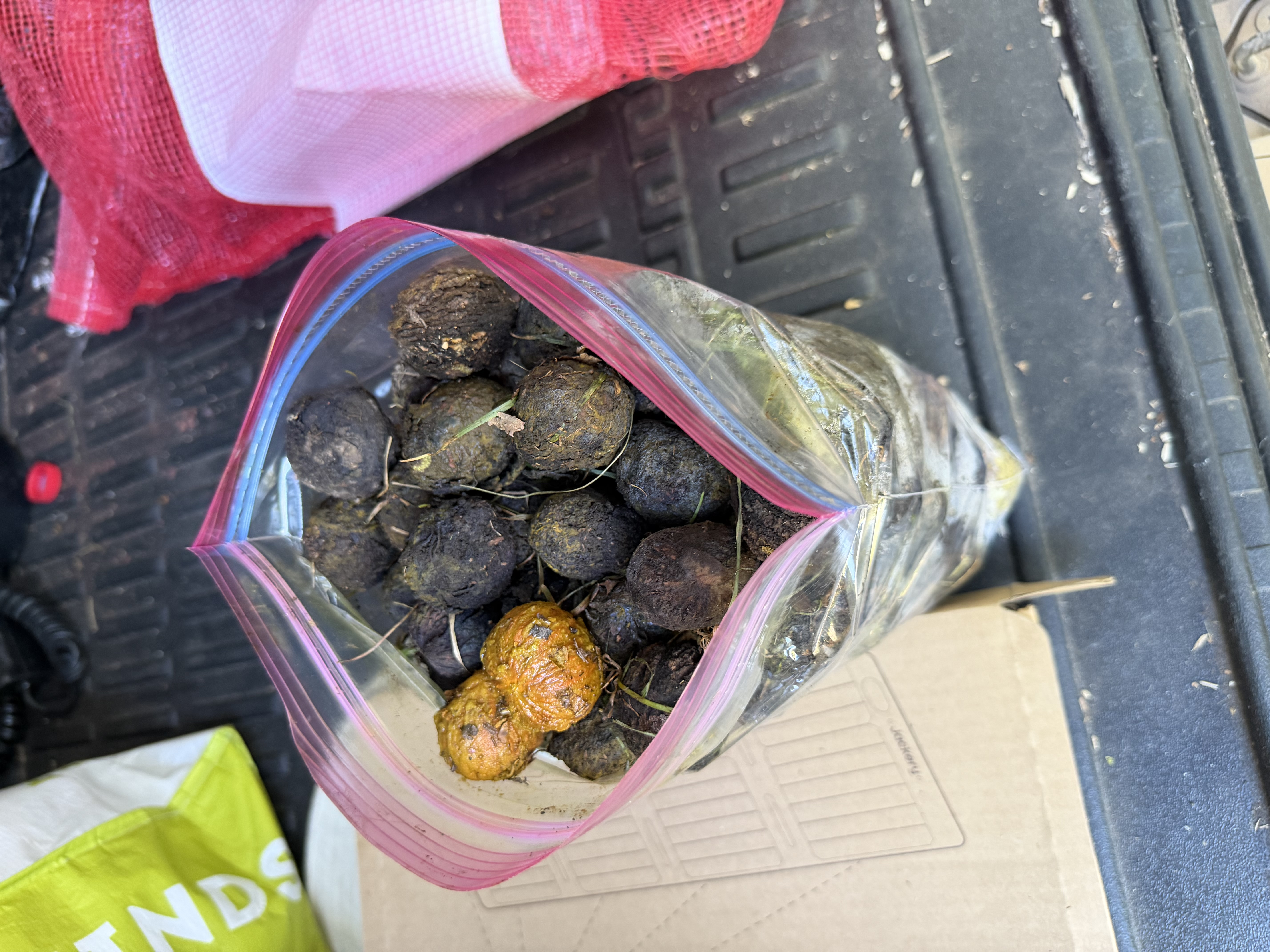
Oh, oak...duh! Good idea. I've shelled and eaten one or two acorns fresh and they were just incredibly tannic. I'm aware that you're supposed to soak them repeatedly and whatnot, but it has always sounded like a lot of work. But this would be a great excuse to dig into that. I have three red oaks that I can see from the house and a couple more that I know of in the woods. On a good year, many, many acorns drop.

I don't know about the others. I've read you write about wild parsnips and been intrigued, but I haven't figured out if they're a thing here. And don't know about caraway -- I'll do some research.
 
Posts: 56
Location: Belgium, alkaline clay along the Escaut river. Becoming USDA 8b.
32
forest garden foraging cooking
  • Likes 8
  • Mark post as helpful
  • send pies
    Number of slices to send:
    Optional 'thank-you' note:
  • Quote
  • Report post to moderator
Hello,
Are there any chestnut or walnut trees around you ?
Almonds ?
Other nuts ?
One or two adult trees might yield lots of calories.
Have a nice evening,
Oliver
 
Christopher Weeks
master gardener
Posts: 6213
Location: Carlton County, Minnesota, USA: 3b; Dfb; sandy loam; in the woods
3692
8
forest garden trees books chicken food preservation cooking fiber arts seed woodworking homestead ungarbage
  • Likes 6
  • Mark post as helpful
  • send pies
    Number of slices to send:
    Optional 'thank-you' note:
  • Quote
  • Report post to moderator
More things to think about:
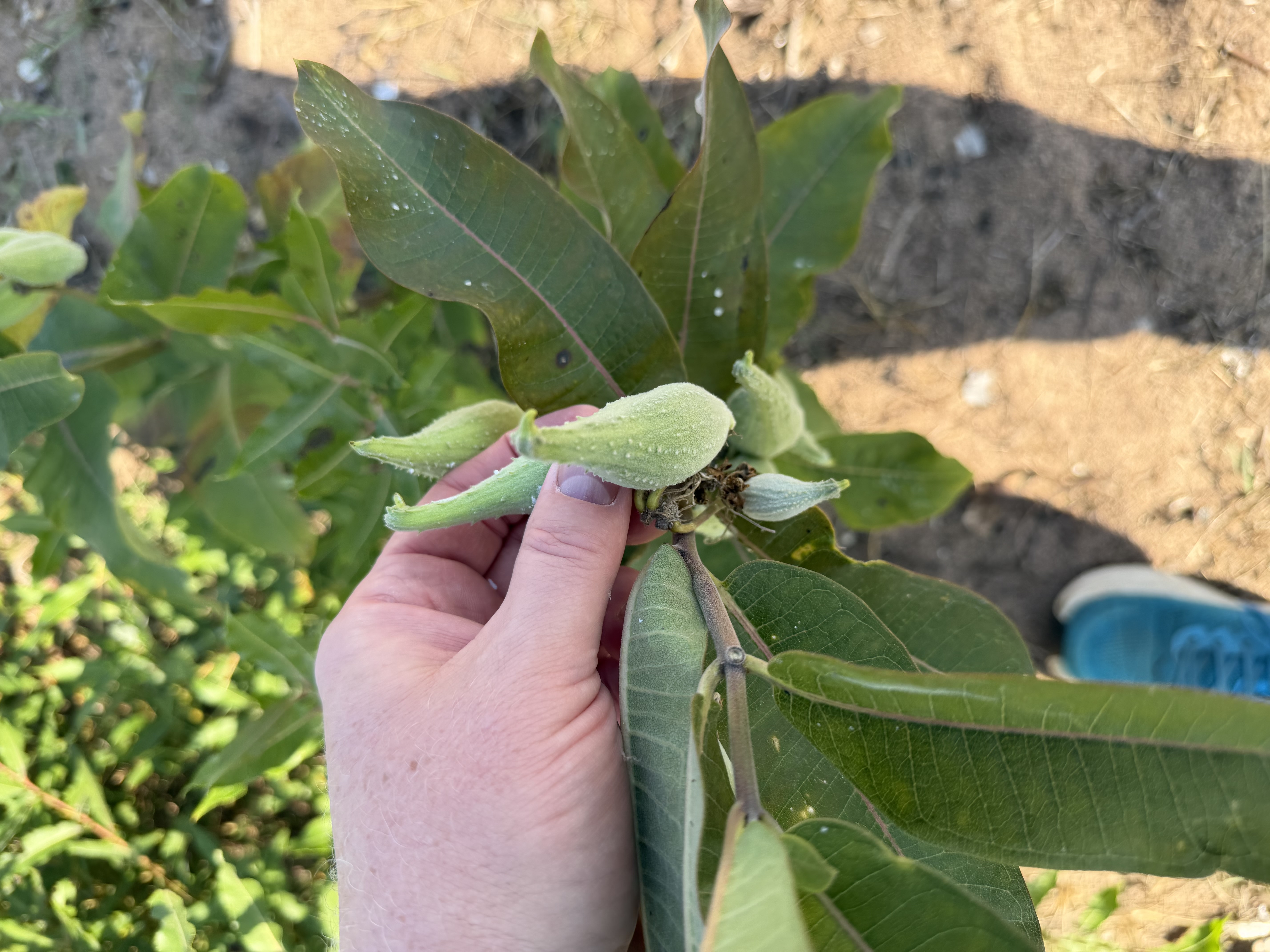
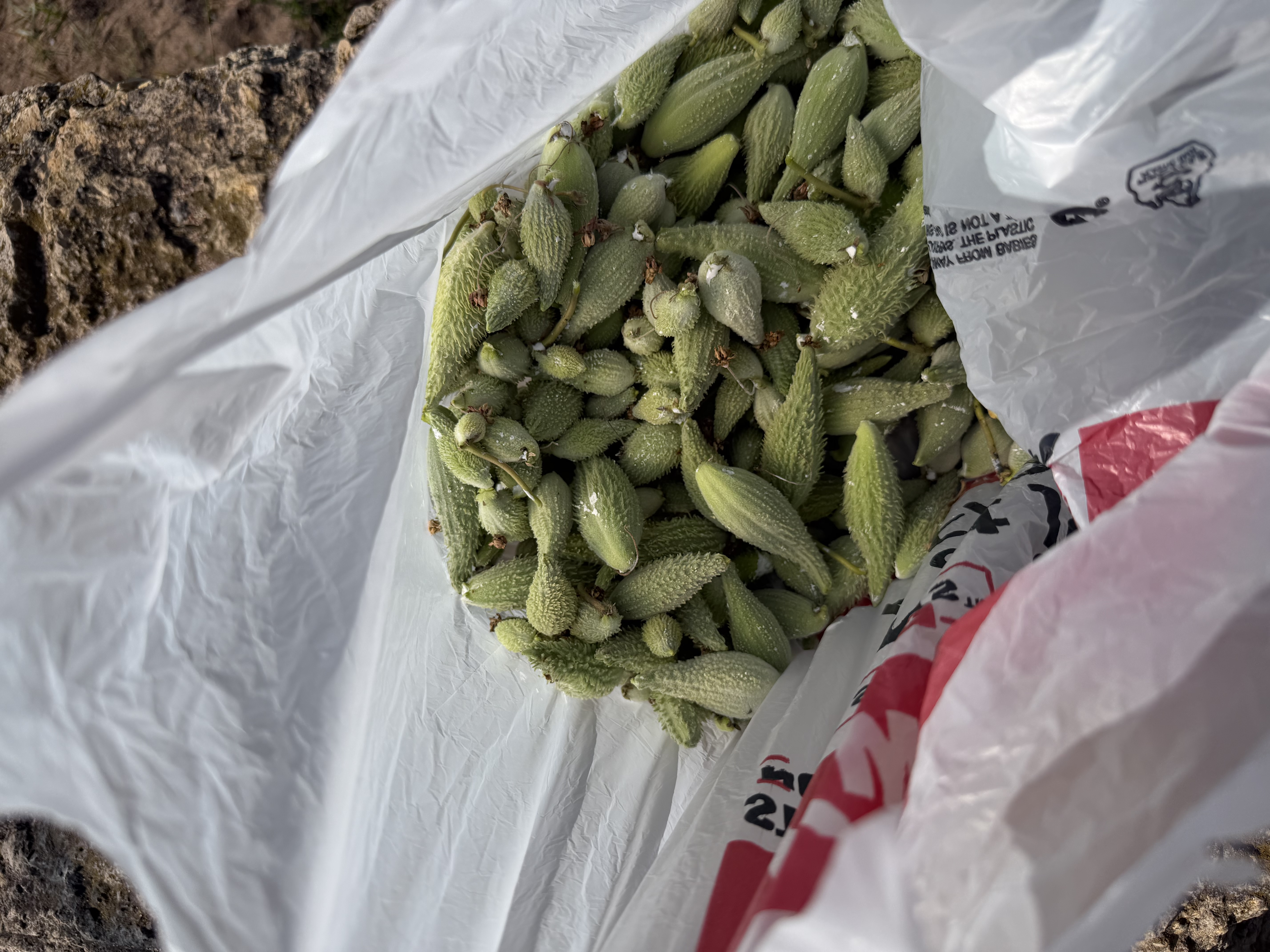
- Milkweed pods
- Fiddleheads
- Spruce tips
- Ramps, if I could find a patch
- Gobo/Burdock
- Ditch-lillies
- Linden (seeds and leaves)
- Black Nightshade
- Campion
- Thistles
- Cedar cones
 
Christopher Weeks
master gardener
Posts: 6213
Location: Carlton County, Minnesota, USA: 3b; Dfb; sandy loam; in the woods
3692
8
forest garden trees books chicken food preservation cooking fiber arts seed woodworking homestead ungarbage
  • Likes 8
  • Mark post as helpful
  • send pies
    Number of slices to send:
    Optional 'thank-you' note:
  • Quote
  • Report post to moderator
Hi Oliver! I'm north of natural ranges of those nuts, but I brought black walnuts from my previous house and they're about five years old, and I'm planting chestnuts, which I started last year, but the squirrels dug them all up. I consider them worthy of planting and tending, but not forage. It's only an hour or two south to get into black walnut range, so I could drive somewhere to forage if I needed to.
 
master steward
Posts: 15131
Location: Pacific Wet Coast
9471
duck books chicken cooking food preservation ungarbage
  • Likes 10
  • Mark post as helpful
  • send pies
    Number of slices to send:
    Optional 'thank-you' note:
  • Quote
  • Report post to moderator
I haven't read exactly what the rules are, but I understand that the flowers and unripe seed pods of Maple trees are also edible?

Are Daylilies native or naturalized in your area? (flower pods and roots and maybe shoots are edible)

We have Fawn Lilies. I think they were considered a famine food here because Camas was the bulb of choice. There are different names and subspecies across North America, and I think the edibility may have differed also. I recall doing some research and there was at least one Native Tribe that considered it food.

Ours is Erythronium oregonum. Pictures here: https://ancientforestalliance.org/fawn-lily/
I believe I read that the leaves are also considered edible, but I haven't tried them.
 
M Ljin
master gardener
Posts: 2207
Location: Zone 5
1230
ancestral skills forest garden foraging composting toilet fiber arts bike medical herbs seed writing ungarbage
  • Likes 9
  • Mark post as helpful
  • send pies
    Number of slices to send:
    Optional 'thank-you' note:
  • Quote
  • Report post to moderator
I’ll reiterate my acorn processing method:

1.Harvest and dry the acorns

2. Crack and set shells aside (good for mulch)

3. Bring a large pot of boiling water w/ acorns to a boil, leave heat off & wait 12-24hrs, pour off liquid (may contain fat, so maybe scrape it off if there’s enough?) and then repeat until they taste good. Typically takes a week give or take depending on how frequently it’s changed/boiled.

Sam Thayer sets it on top of a woodstove, which would be good too. Unfortunately there is no such sophisticated wood heat in this house.

This particular method (hot leaching of whole or halved acorns) tends to be used wherever oaks of the red oak group are numerous, and I consider it the method I know of for red oak acorns. I haven’t gotten anything edible from any other method. I tried cold leaching a meal ground from the acorns, but the grinding was more effort and it seemed like the fat in them prevented the tannins from leaving in that case. Even then it seems like more of the fat may be lost.

However, red oaks are amazing in so many ways. The acorns are up to 30% or so fat, for one! Which is one of the hardest nutrients to get from plant foods. Oaks in the white oak group (with rounded tips to their lobes) do not have much fat in them. The acorns also feel very healthy to me. It may seem comically simplistic to say they make you strong like an oak, but it feels that way. Red-oak acorns are some of the largest and least prone to predation, and they tend to be overwhelmingly abundant in the right places. They can also be stored live over the winter, and foraged/cooked and eaten in spring as they sprout. (I haven’t gotten to any this spring—they may be too far along by now.)
 
Christopher Weeks
master gardener
Posts: 6213
Location: Carlton County, Minnesota, USA: 3b; Dfb; sandy loam; in the woods
3692
8
forest garden trees books chicken food preservation cooking fiber arts seed woodworking homestead ungarbage
  • Likes 4
  • Mark post as helpful
  • send pies
    Number of slices to send:
    Optional 'thank-you' note:
  • Quote
  • Report post to moderator
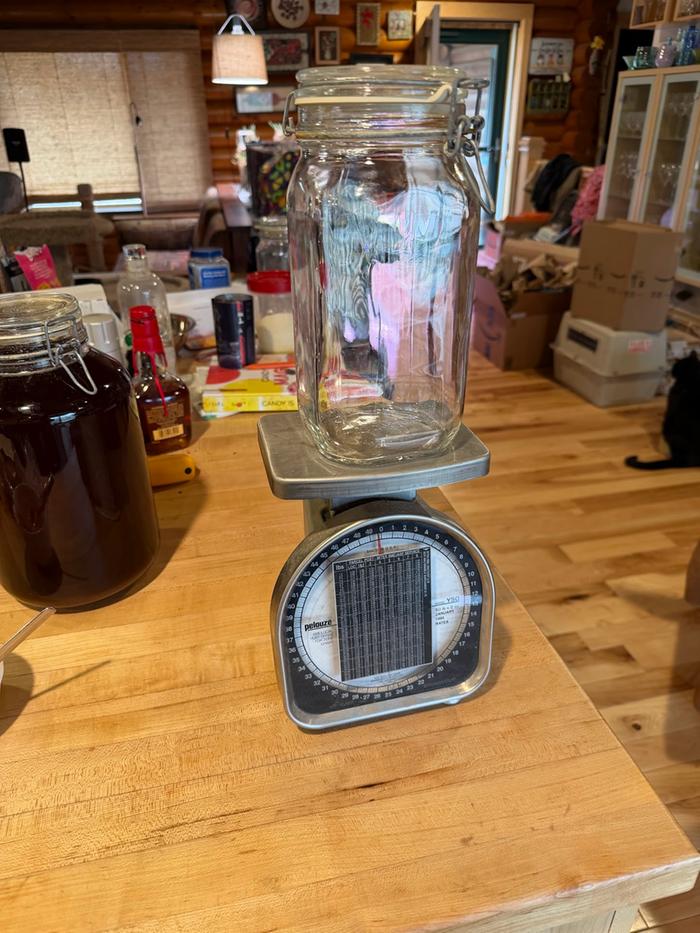
OK, first documentation. Maple Syrup. See https://permies.com/wiki/137946/pep-foraging/gallon-maple-syrup-PEP-BB#3762992 for the BB I just submitted with a bunch of pics from this year's operation. Additionally, this BB requires weighed produce, so I've done that:

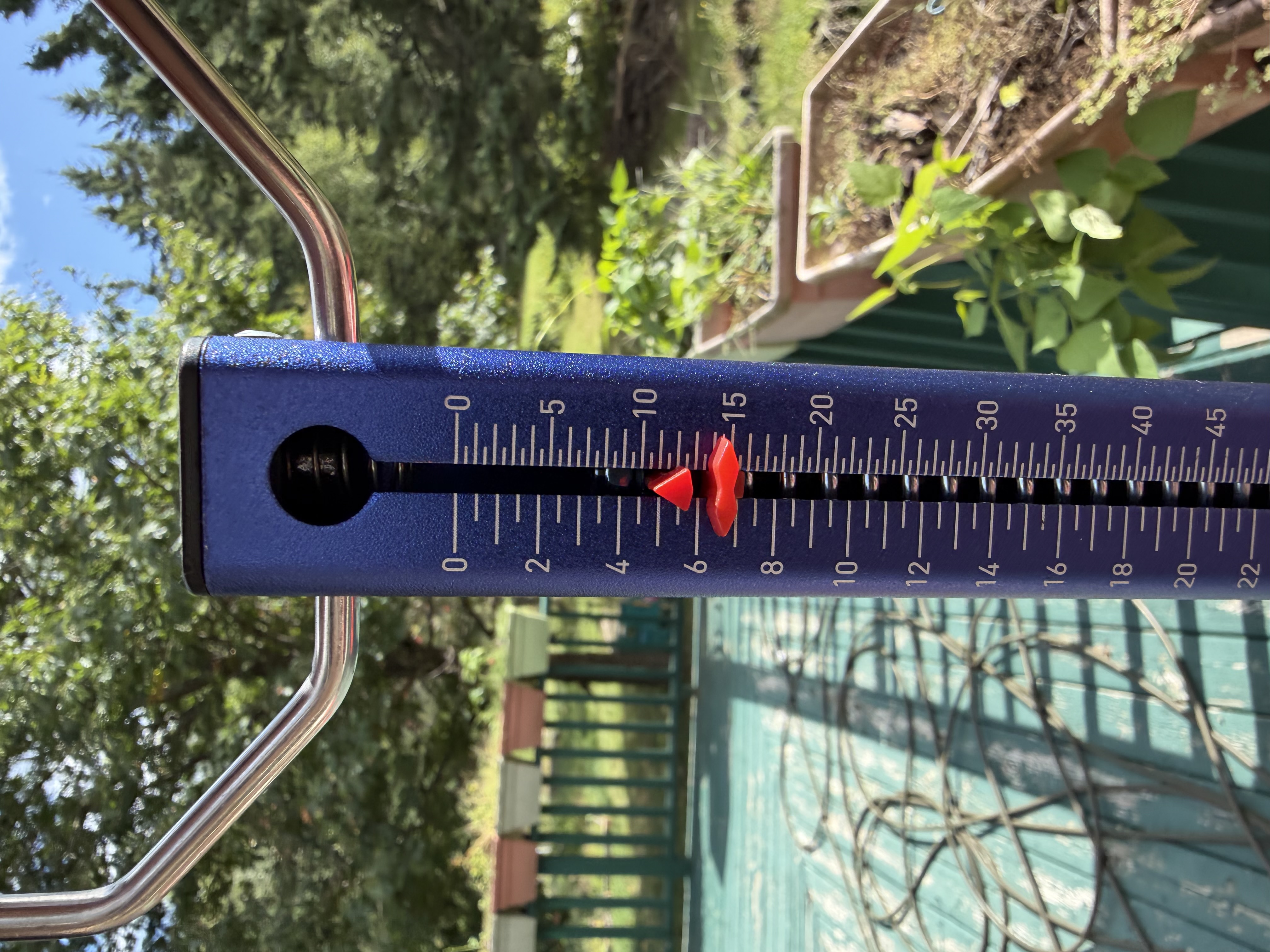
I calibrated the scale with an empty 1.5l jar just like the one filled with syrup:


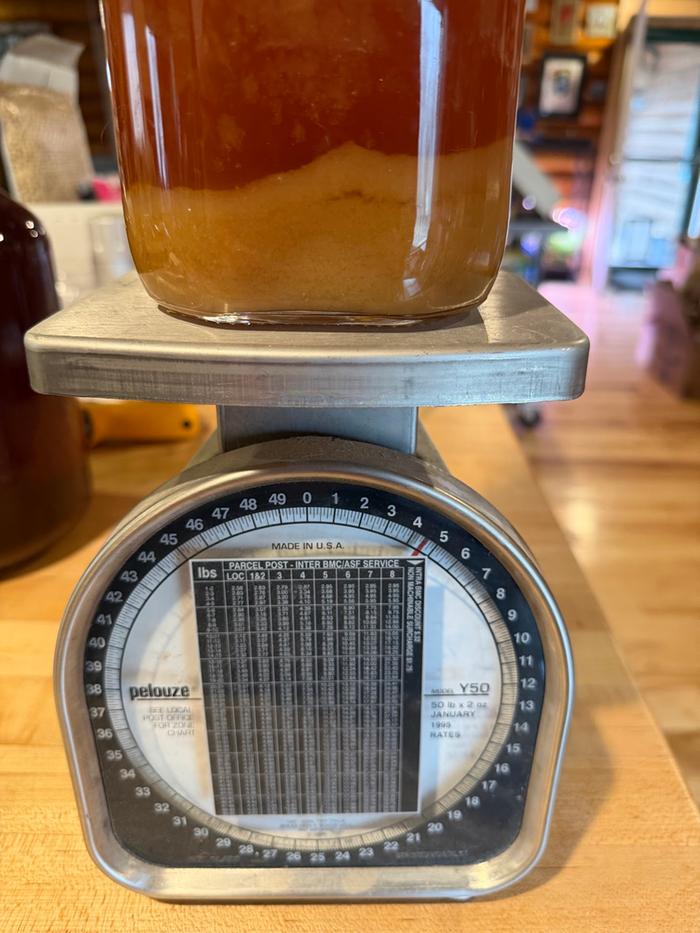
Then I weighted the small jar at 4.5 lbs:


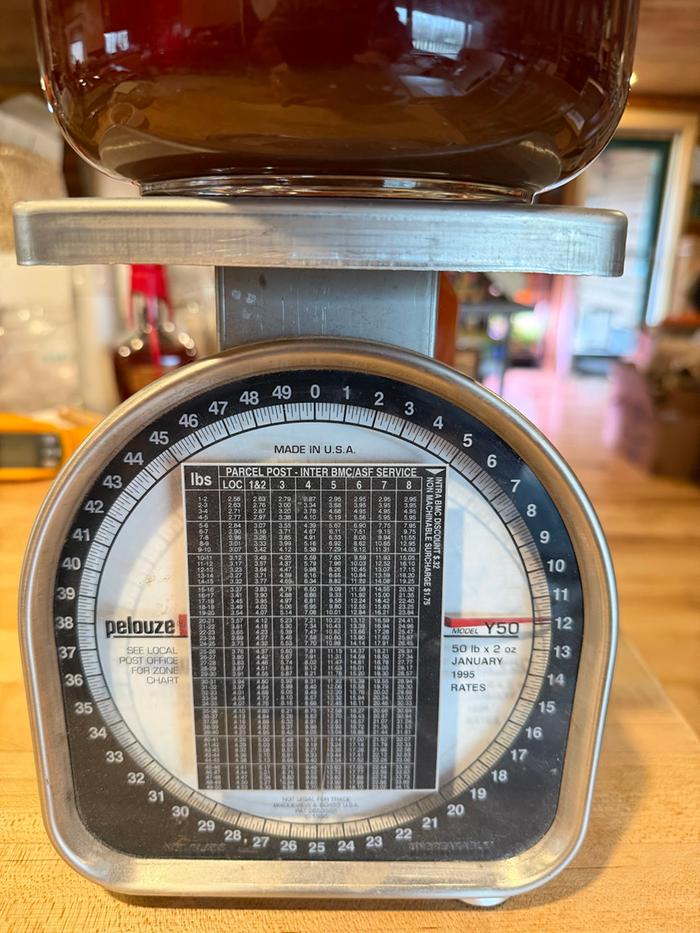
The next thing I did was fudge the calibration for the big jar by just twisting it back about half a pound. That's certainly too much, but I want to make sure everything is above-board. Then I weighed the 5l full jar and got ~11.75 lbs:


So that's 16.25 lbs of maple syrup. Wikipedia says it has 260 Calories per 100g. 16.25 lbs * 454g/lb * 260C/100g = 19,181.5 Calories

Nine more species to go! :-)
 
look out! This tiny ad has a whip!
Learn Permaculture through a little hard work
https://wheaton-labs.com/bootcamp
reply
    Bookmark Topic Watch Topic
  • New Topic