|
|

|

|

|

|
|
|
|
|
|
|
|

|
|

|

|

|


 16
16


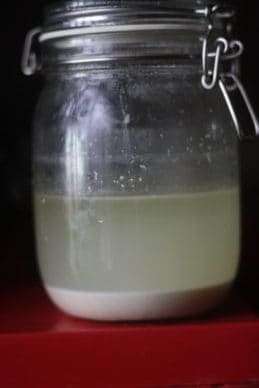
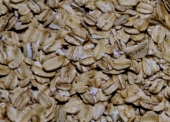
Once the oats were dried and ground, crofters and others having given the oats to the mill would get back not only the ground oats but also a bag of “sids”. These would be the oat husks (I guess we’d call this oat bran today) with little bits of the kernel still attached to them. Not wanting this to go to waste people would make Sowans out of them


How Permies works: https://permies.com/wiki/34193/permies-works-links-threads
My projects on Skye: The tree field, Growing and landracing, perennial polycultures, "Don't dream it - be it! "
13
--
"Whitewashed Hope: A Message from 10+ Indigenous Leaders and Organizations"
https://www.culturalsurvival.org/news/whitewashed-hope-message-10-indigenous-leaders-and-organizations
11
--
"Whitewashed Hope: A Message from 10+ Indigenous Leaders and Organizations"
https://www.culturalsurvival.org/news/whitewashed-hope-message-10-indigenous-leaders-and-organizations
11
How Permies works: https://permies.com/wiki/34193/permies-works-links-threads
My projects on Skye: The tree field, Growing and landracing, perennial polycultures, "Don't dream it - be it! "
6
11
--
"Whitewashed Hope: A Message from 10+ Indigenous Leaders and Organizations"
https://www.culturalsurvival.org/news/whitewashed-hope-message-10-indigenous-leaders-and-organizations
8
"We're all just walking each other home." -Ram Dass
"Be a lamp, or a lifeboat, or a ladder."-Rumi
"It's all one song!" -Neil Young


 9
9


 9
9
--
"Whitewashed Hope: A Message from 10+ Indigenous Leaders and Organizations"
https://www.culturalsurvival.org/news/whitewashed-hope-message-10-indigenous-leaders-and-organizations
9
11
6
 6
6
One can never be too kind to oneself or others.
Never our fault, always our responsibility

 5
5
One can never be too kind to oneself or others.
Never our fault, always our responsibility
5
M Ljin wrote:I have a feeling that fermentation (and spouting?) may be essential for my ability to eat them without issues.
How Permies works: https://permies.com/wiki/34193/permies-works-links-threads
My projects on Skye: The tree field, Growing and landracing, perennial polycultures, "Don't dream it - be it! "

|
There is no more Flipper. Call me "Darth Fin" from now on. Or face the wrath of this tiny ad:
A book about better recipes for green living
https://greenlivingbook.com/
|