
|

|

|

|

|

|
|
|
|
|
|
|
|
|
|

|

|

|
 7
7


 8
8
I don't own the plants, they own me.
7
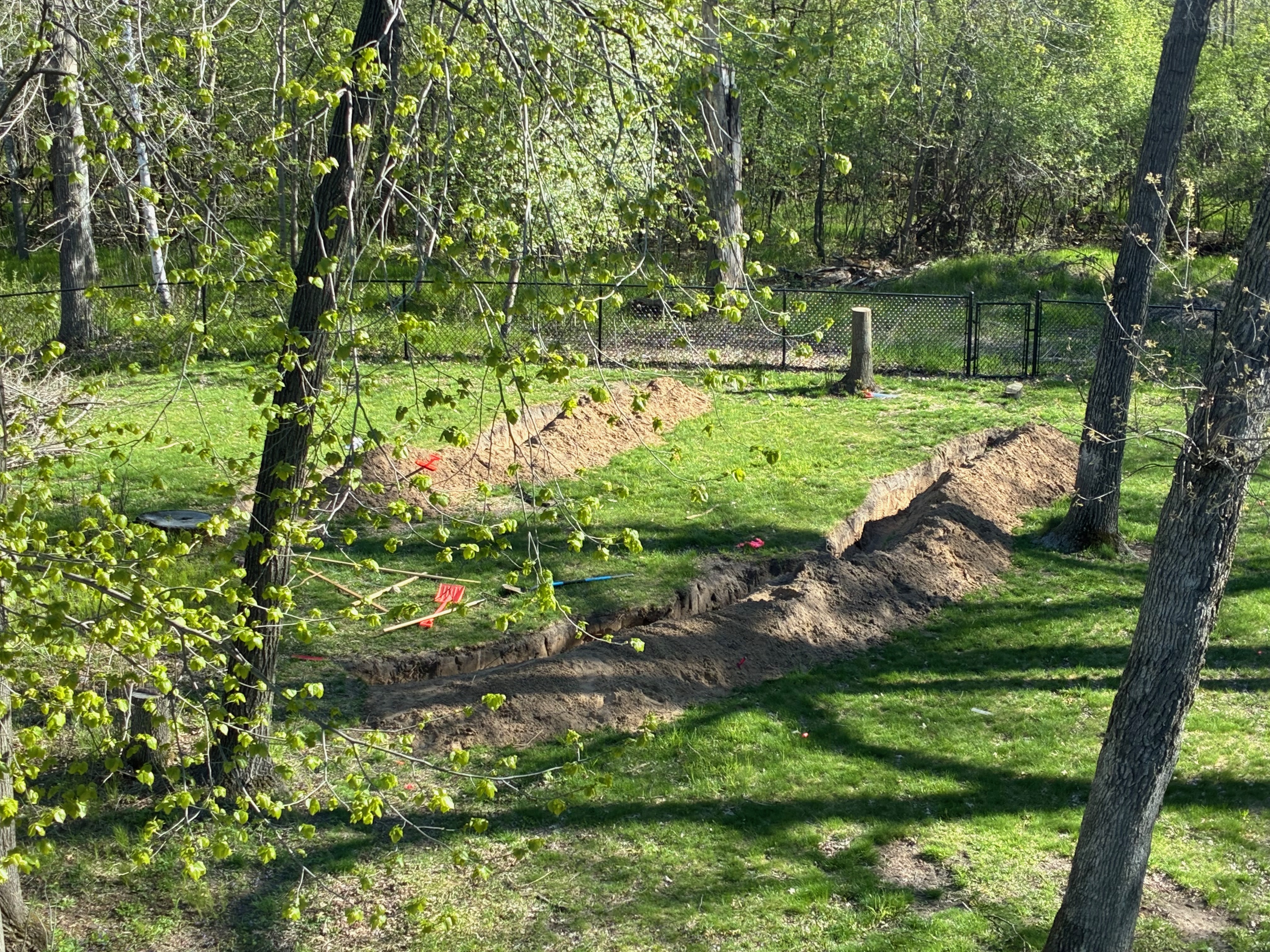
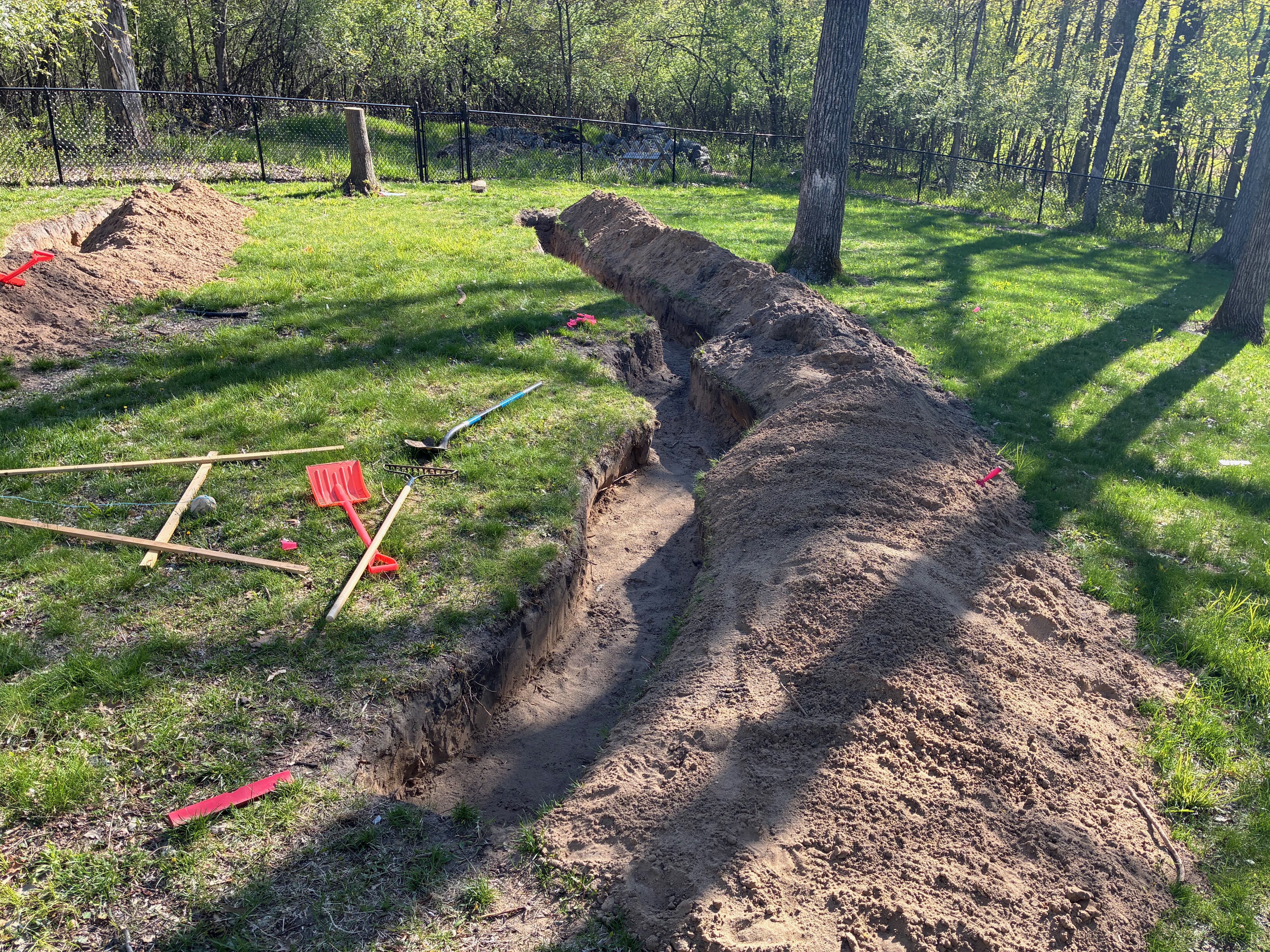
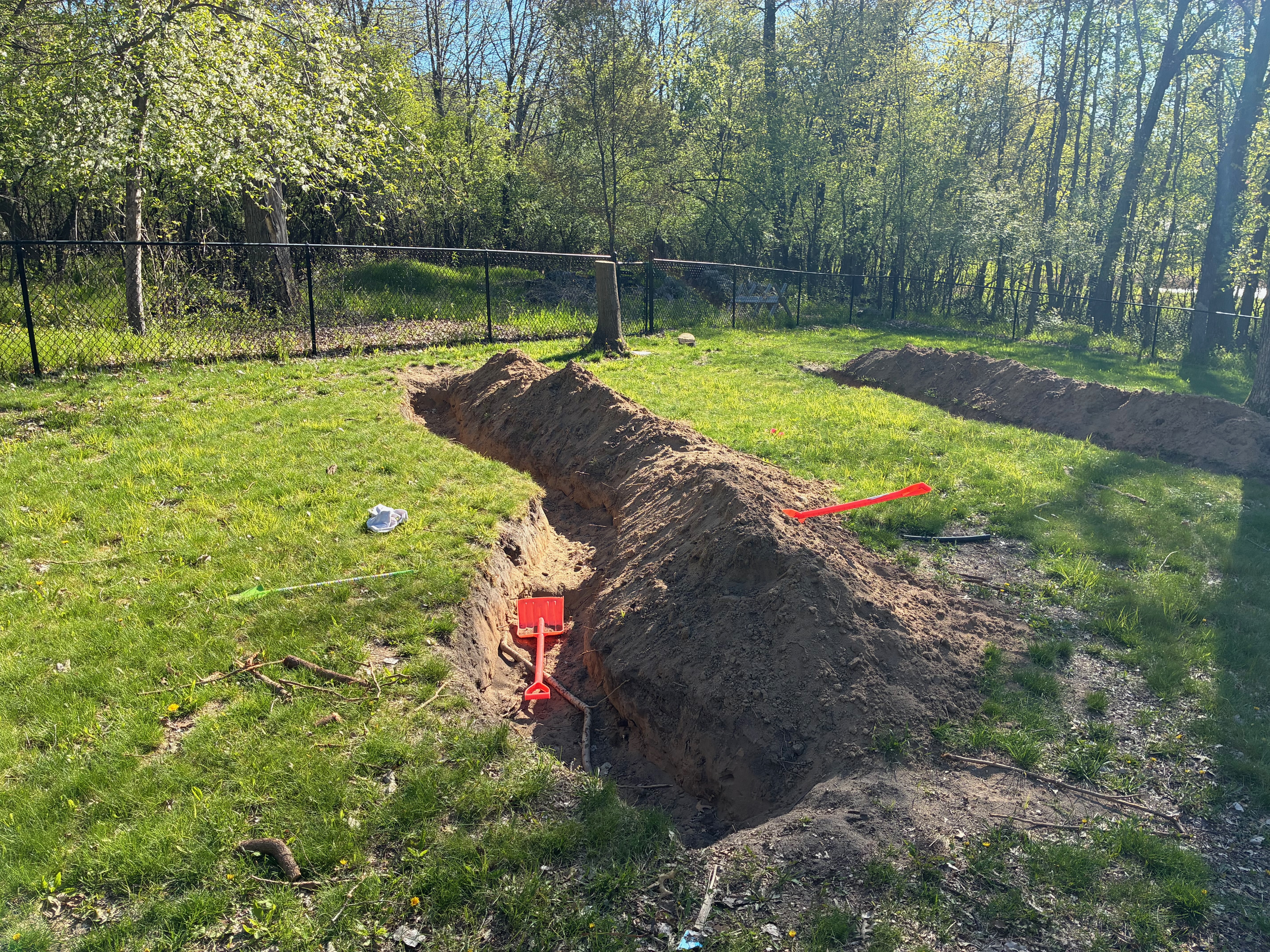
Matt Todd wrote:I don't see how this would be a problem. If you had more slope there might be a problem with washing out, but that yard looks flat enough. I'd fill those suckers up with wood to at least two feet above ground level and cover that with the dirt you've dug out and you'll be good to go. They will sink over time but you'll be left with some great soil in a low mound. I dug my hugles into the ground and they work just fine.
5
Matthew LeVan wrote:
Nice! Thanks for the quick reply. How about the “frost pocket” problem? I’m in Minnesota where growing season is already short, and was hoping my Hugels could help (not hurt) that!
I don't own the plants, they own me.
9
Visit Redhawk's soil series: https://permies.com/wiki/redhawk-soil
How permies.com works: https://permies.com/wiki/34193/permies-works-links-threads


 9
8
9
8
Invasive plants are Earth's way of insisting we notice her medicines. Stephen Herrod Buhner
Everyone learns what works by learning what doesn't work. Stephen Herrod Buhner
6
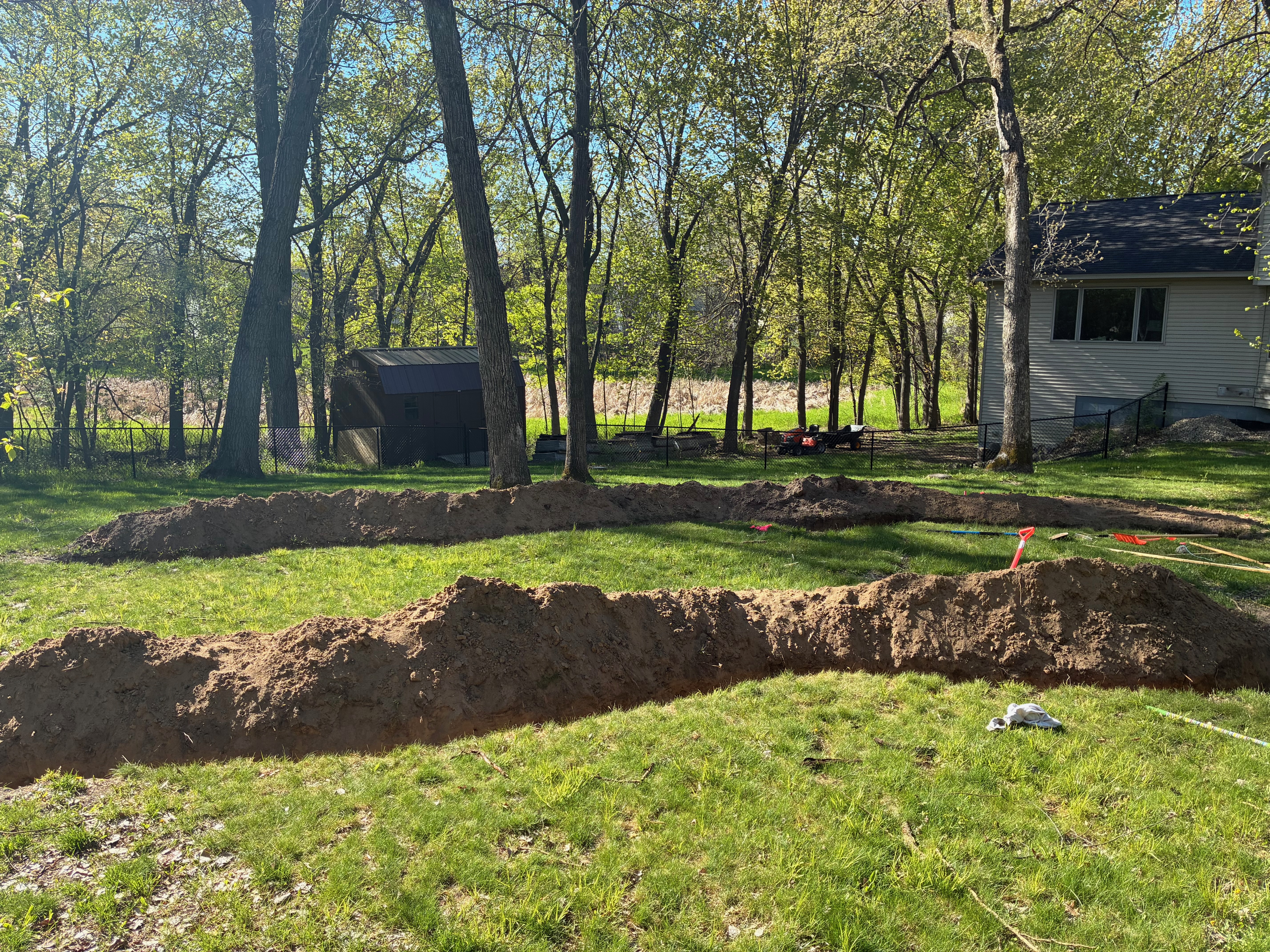
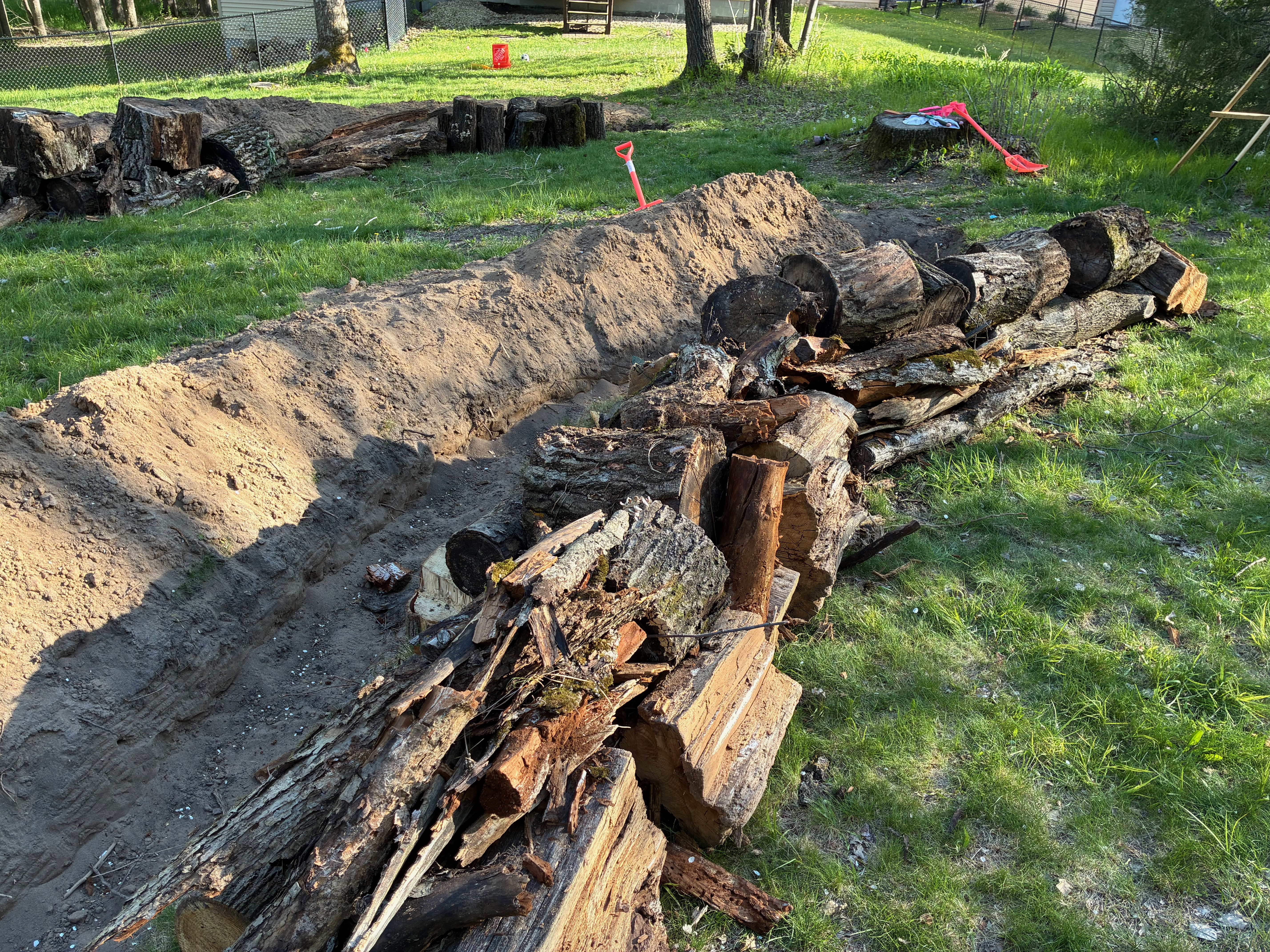
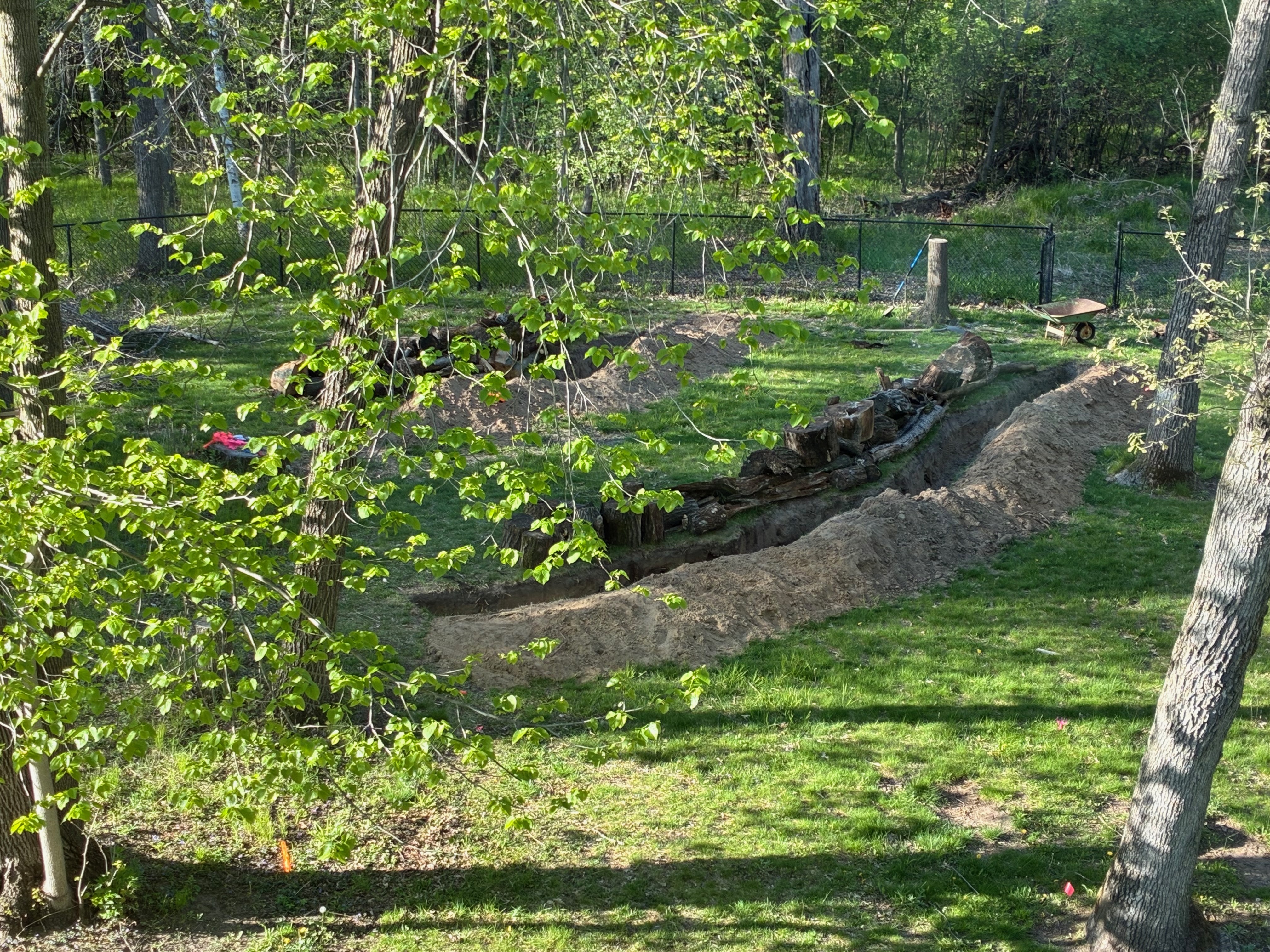
Jay Angler wrote:Soooo... the piles of dirt in the picture, are just the dirt from the ditches?
My understanding is that one way to build hugels (the recommended way overall from my interpretation) is that you put the punky wood on the ground, then you dig the ditch dumping the dirt and packing it around the punky wood to get the height of the hugel. The ditch then stays empty or gets some mulch in it.
Wood floats - so burying wood in a ditch in many ecosystems is considered a bad idea (there are even some horror stories but that was were slopes were involved.) I have buried small bits (firewood sized chunks max) in unconnected spots around trees which seems to help the summer drought issues, but they do not remotely qualify as a hugel.
I hope some of the people from Wheaton Labs will have a look.
Possible fix: My gut feeling is to bucket up one section of the dirt, put your punky wood where that section of dirt was laying, shovel the dirt that's closest on top of and packed around the punky wood. Now you've got a spot to put the next wood down. Work along until you get to the last bit where you use your buckets of dirt for cover. Does that make sense?
8
Cheryl Lynn wrote:What have you observed about frost in your yard so far? Meaning this spring, have you been getting frost in the part of the yard where you dug?
I'm in WI, also on sand, we have been having a slow spring which has given way too many opportunities to study frost/non-frost microclimates. Where I am, even a little interruptions (e.g. a tall shrub or or above ground object that warms up or last years peas on a trellis will affect where it actually freezes. But my yard is open and affected by cold air coming in on a wind. I thought I remembered that areas with trees stayed a little warmer than completely open areas. Long story short, you might get frost, but probably not everywhere. Maybe plant some frost sensitive plants like beans or basil in a few weeks that will show you where it gets cold first.
Anne Miller wrote:During a heavy rain will the water wash towards the ditches? Was that the idea?
Maybe fill the ditches with wood then top with organic matter then dirt to turn them into hugelkultur?
2
Matthew LeVan wrote:
Anne Miller wrote:During a heavy rain will the water wash towards the ditches? Was that the idea?
Maybe fill the ditches with wood then top with organic matter then dirt to turn them into hugelkultur?
Yes, the idea was to try and combine the best of both tools: Hugelkultur beds and swales. The idea is that rain would catch on my "Hugelswales". Filling the ditches with wood then topping with dirt was the original plan, but I'm wary now after watching the Paul's Hugelkultur smackdown video on YT.
Invasive plants are Earth's way of insisting we notice her medicines. Stephen Herrod Buhner
Everyone learns what works by learning what doesn't work. Stephen Herrod Buhner
10
Anne Miller wrote:Since I have not watch that video, what do you feel Paul would recommend?
"We carry a new world here, in our hearts..." --Buenaventura Durruti
"Don't wish it were easier. Instead, wish you were better." --Jim Rohn


 4
4
Matthew LeVan wrote:
3. Re: burying wood. I definitely don't want wood floats. Not nearly as tasty as root beer floats in the summer... But perhaps my slope isn't steep enough to worry about wood floats?
6
Stephen B. Thomas wrote:
Anne Miller wrote:Since I have not watch that video, what do you feel Paul would recommend?
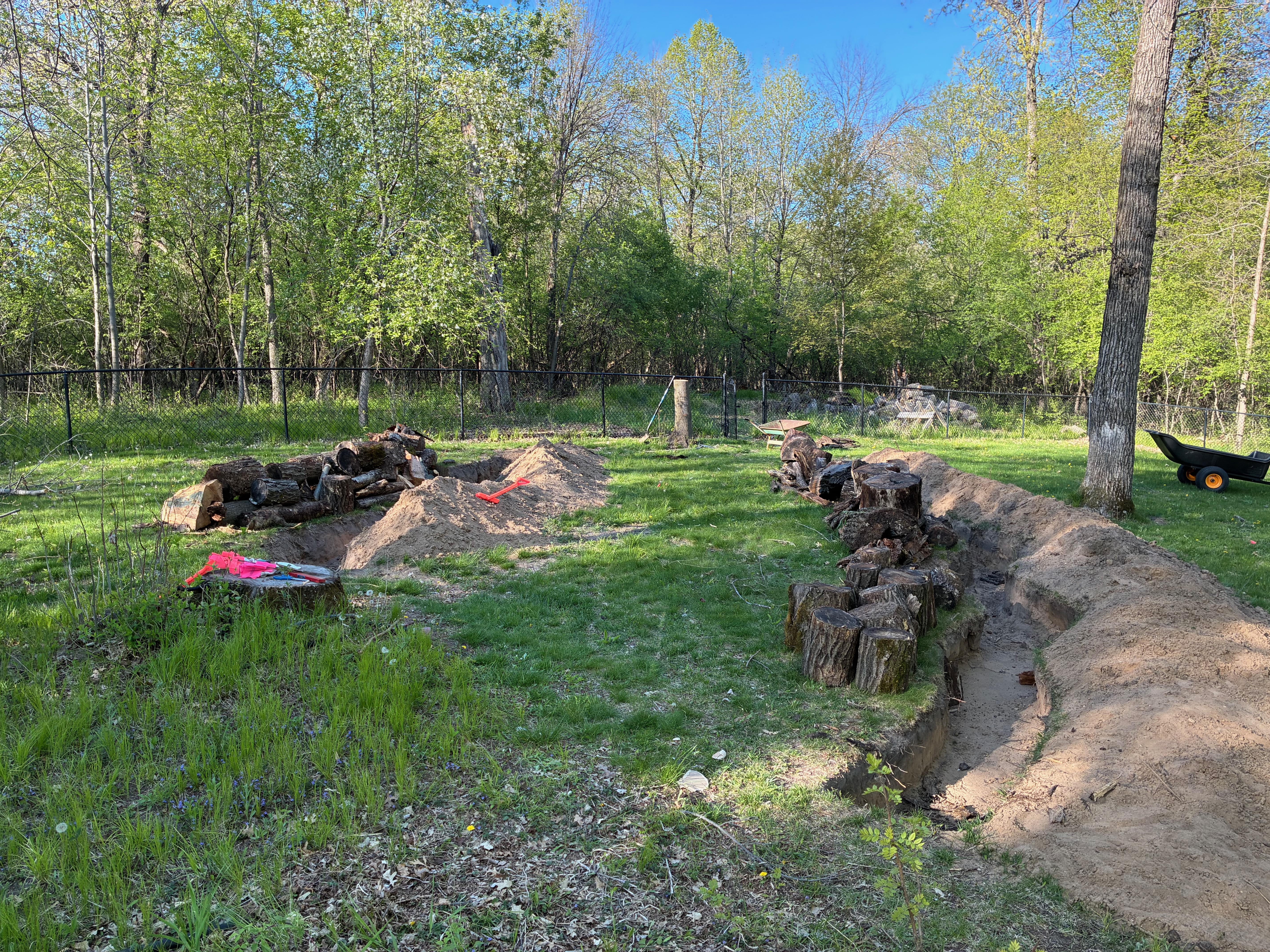
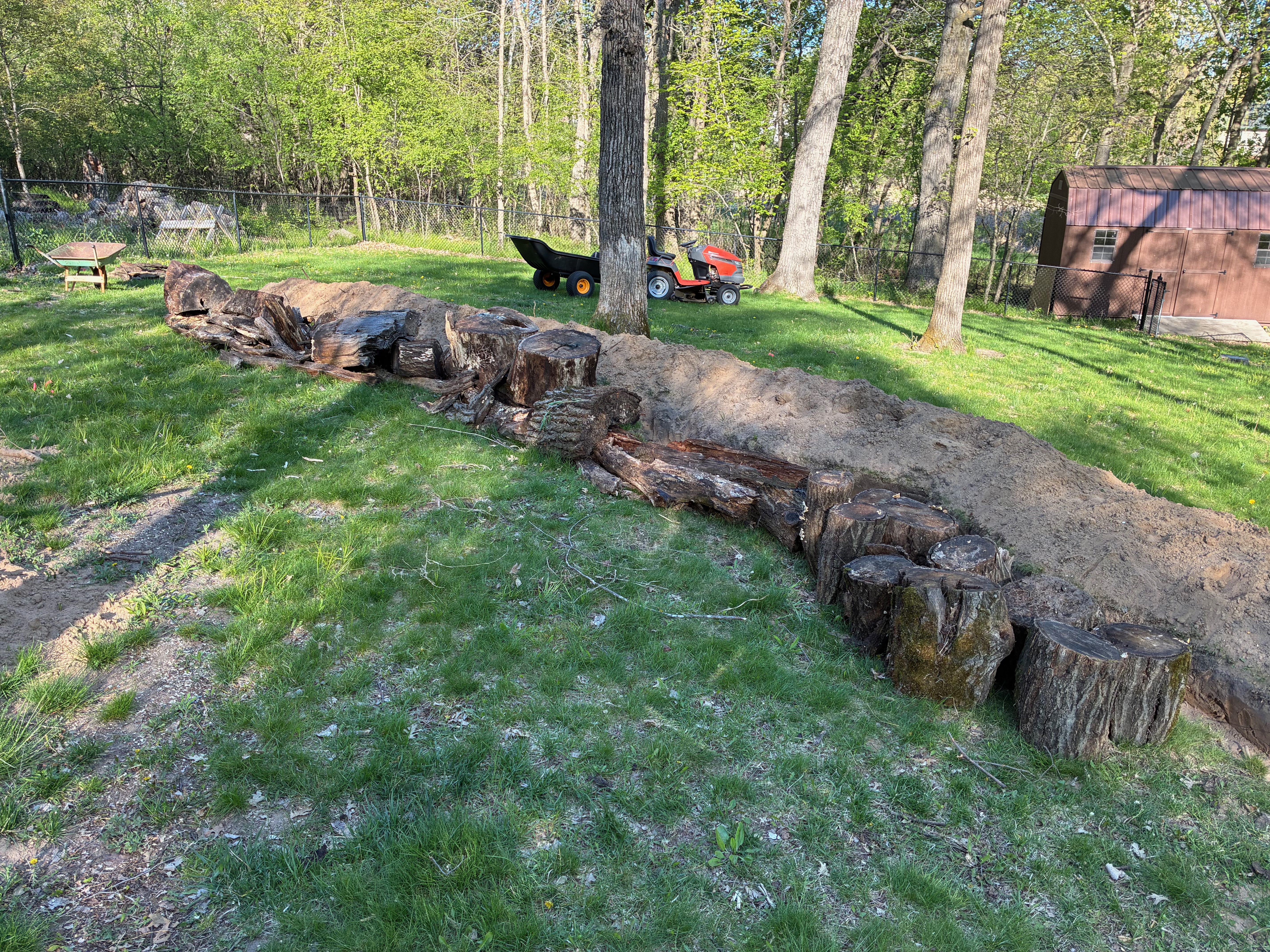
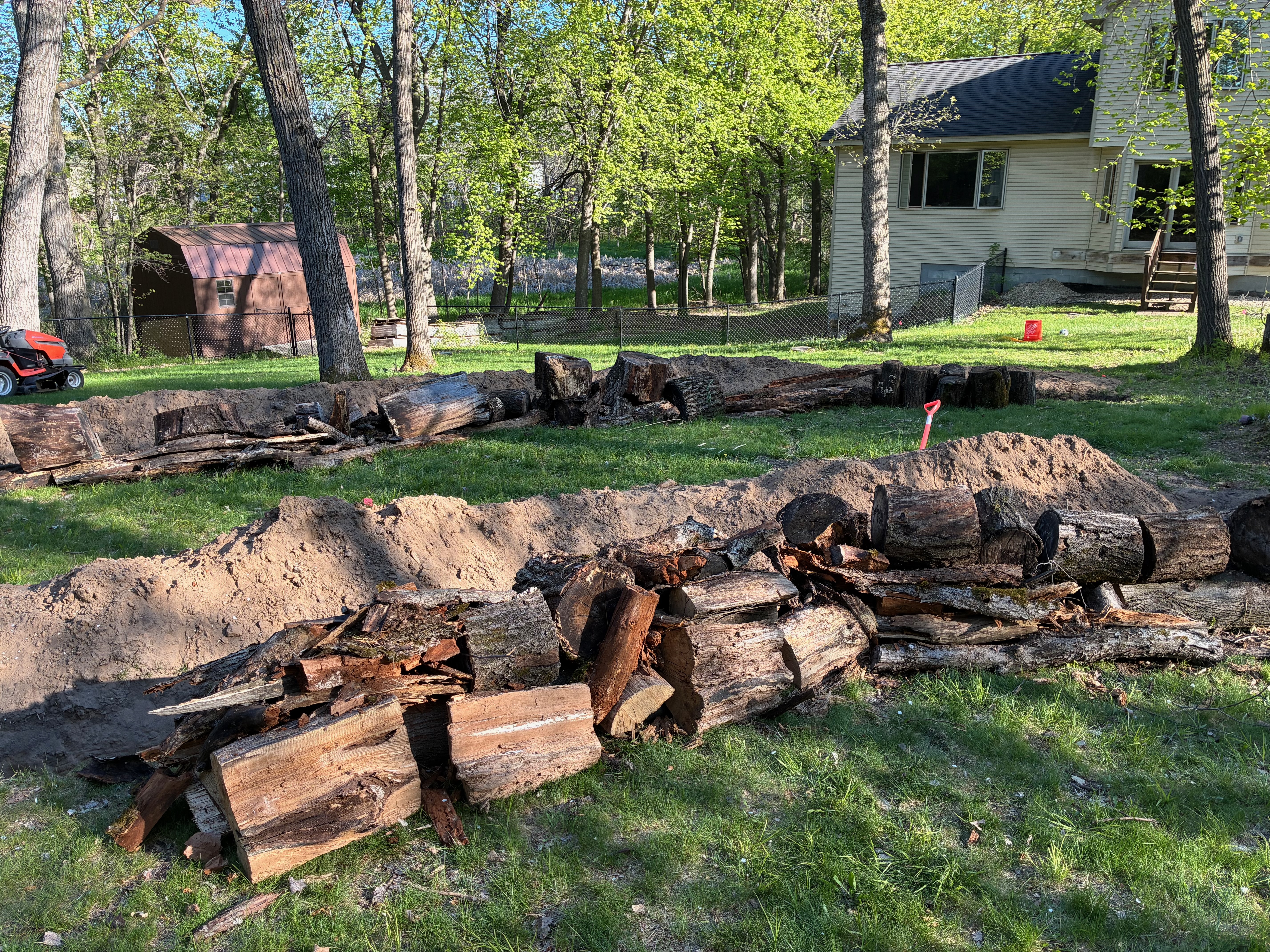
I think Paul would suggest that the trenches stay there, that woody bits be added to the "clear" side of the trench, then the dirt on the other side of the trench be moved so that it's on top of the woody bits.
It's likely your benefits would be as follows: your hugel berms end up taller and with more surface area to grow things, and the neighbours won't complain to the HOA when you have tall hills in your yard.
To save yourself some time the next time you do this, you may want to lay down woody bits on the ground where you want your hugel berms to be, then dig trenches next to them. All you would need to do in this scenario is pile the earth you're digging onto the woody bits, and your first layer/s of hugel are complete.
If you're concerned about the steep edges of the trenches next to your hugel berms, then remove more soil from the upper corner opposite the hugel, sloping it down into the trench instead of having to "hop down" into it.

 7
7
Matthew LeVan wrote:
I'm planning to keep building the wood base, then cover it in mixed composted manure and my sandy soil... then finally cover it all in a healthy layer of wood chips. Question though: do I broadcast seeds on top of the wood chips?
Oh, and thankfully... no HOA!
6
If you build your hugelkultur raised garden beds tall enough, you won't have to irrigate. At all (after the second year). No hoses. No drip system. Anything shorter won't require as much irrigation - so there is still some benefit. Imagine going on vacation in the summer without having to hire somebody to kill water your garden! As a further bonus, the flavor of everything you grow will be far better!
Invasive plants are Earth's way of insisting we notice her medicines. Stephen Herrod Buhner
Everyone learns what works by learning what doesn't work. Stephen Herrod Buhner
5
Anne Miller wrote:This article is v3ery informative:
If you build your hugelkultur raised garden beds tall enough, you won't have to irrigate. At all (after the second year). No hoses. No drip system. Anything shorter won't require as much irrigation - so there is still some benefit. Imagine going on vacation in the summer without having to hire somebody to kill water your garden! As a further bonus, the flavor of everything you grow will be far better!
https://richsoil.com/hugelkultur/
You also might think about doing a PEP BB or a least get some ideas:
https://permies.com/wiki/98574/Build-Hugelkultur-PEP-BB-gardening
![[Thumbnail for IMG_0472.jpeg]](/t/372748/a/289601/IMG_0472.jpeg "Filename: IMG_0472.jpeg
Description:")
![[Thumbnail for IMG_0471.jpeg]](/t/372748/a/289602/IMG_0471.jpeg "Filename: IMG_0471.jpeg
Description:")
![[Thumbnail for IMG_0470.jpeg]](/t/372748/a/289603/IMG_0470.jpeg "Filename: IMG_0470.jpeg
Description:") 7
7
![[Thumbnail for IMG_0496.jpeg]](/t/372748/a/290603/IMG_0496.jpeg "Filename: IMG_0496.jpeg
Description:")
![[Thumbnail for IMG_0497.jpeg]](/t/372748/a/290604/IMG_0497.jpeg "Filename: IMG_0497.jpeg
Description:")
![[Thumbnail for IMG_0498.jpeg]](/t/372748/a/290605/IMG_0498.jpeg "Filename: IMG_0498.jpeg
Description:") 6
6
Visit Redhawk's soil series: https://permies.com/wiki/redhawk-soil
How permies.com works: https://permies.com/wiki/34193/permies-works-links-threads
6
Jay Angler wrote:Those look awesome, Matthew. Well done. In permaculture, as many things, perfection is sometimes the enemy of "good enough". If these hugels grow food with only a bit of input, rather than the constant care some beds require, I consider it a win!
7
Leaftide - garden planner w/ 1228 plant types. Need permaculture testers for fruit trees & perennials. Free Pro month for detailed feedback, even just suggesting plants
6
Joao Winckler wrote:6ft is a solid result for hand-dug hugels, nice work. The comfrey is a good call too — those root crowns will be sending nutrients down into the wood pretty quickly, especially once the beds settle and things start really breaking down.

| I agree. Here's the link: http://stoves2.com |