Nothing screams legitimacy like a good initialism, e.g. PVD.
In this instance, PVD stands for Passive Vehicular Dehydration (and is not under any circumstances to be confused with Peripheral Vascular Disease or the international airport in Providence, RI).
Long before we acquired our first dehydrator, and for a long time after we discovered the shelves inside the device were not dishwasher safe, we used passive vehicular technology to dry herbs from the garden in large batches. Our technique is described below.
Be Aware: PVD is a highly technical process, and involves a thorough understanding of radiant energy dynamics and the greenhouse effect - all of which can be learned in ten seconds or less by sitting in a hot car in the summertime. The technique is also dependent on a specific set of technologically advanced hardware: One must have on hand sheets of newspaper (or equivalent), towels, and/or a cardboard box. We find cardboard vegetable crates from the grocer or box lids from cases of copier paper to be ideal.
The most difficult part of the exacting, multiphasic PVD process to master is memorizing the steps, and keeping them in proper order. Step 1: Fill the boxes with greenery. Step 2: Place filled boxes on the car seats or dashboard during the day. 3. Check on the status of the dehydration process periodically, shuffling the herbs from bottom to top to encourage even drying.
DO NOT CONFUSE THE ORDER OF THESE STEPS. Hot, empty boxes do nothing to fill your spice rack or larder, and filled boxes not placed in a warm, dry environment take way too long to desiccate. Further, shuffling herbs that are not yet warm is energy better expended elsewhere.
{{Graduate Level Notes}}: You may consider cracking a window or two to allow for better air circulation, especially on particularly hot days. If you have progressed to this step, also keep an eye out for rain. Great knowledge brings even greater responsibility.
Caution: Your vehicle may smell like pizza for days after any dehydration cycle. Good luck, and good drying.
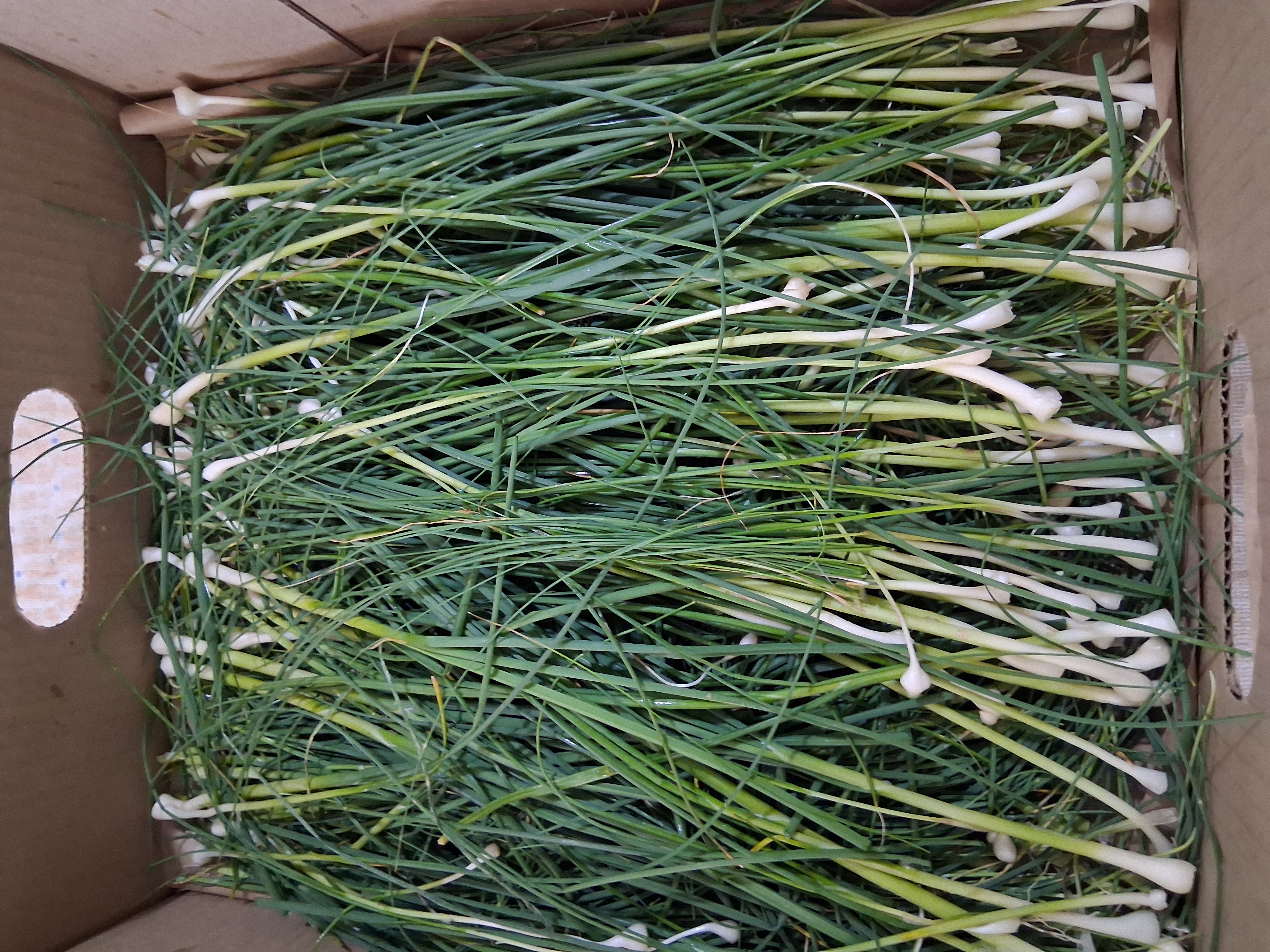
WIld-onions.jpg
Wild onions, ready for PVD drying
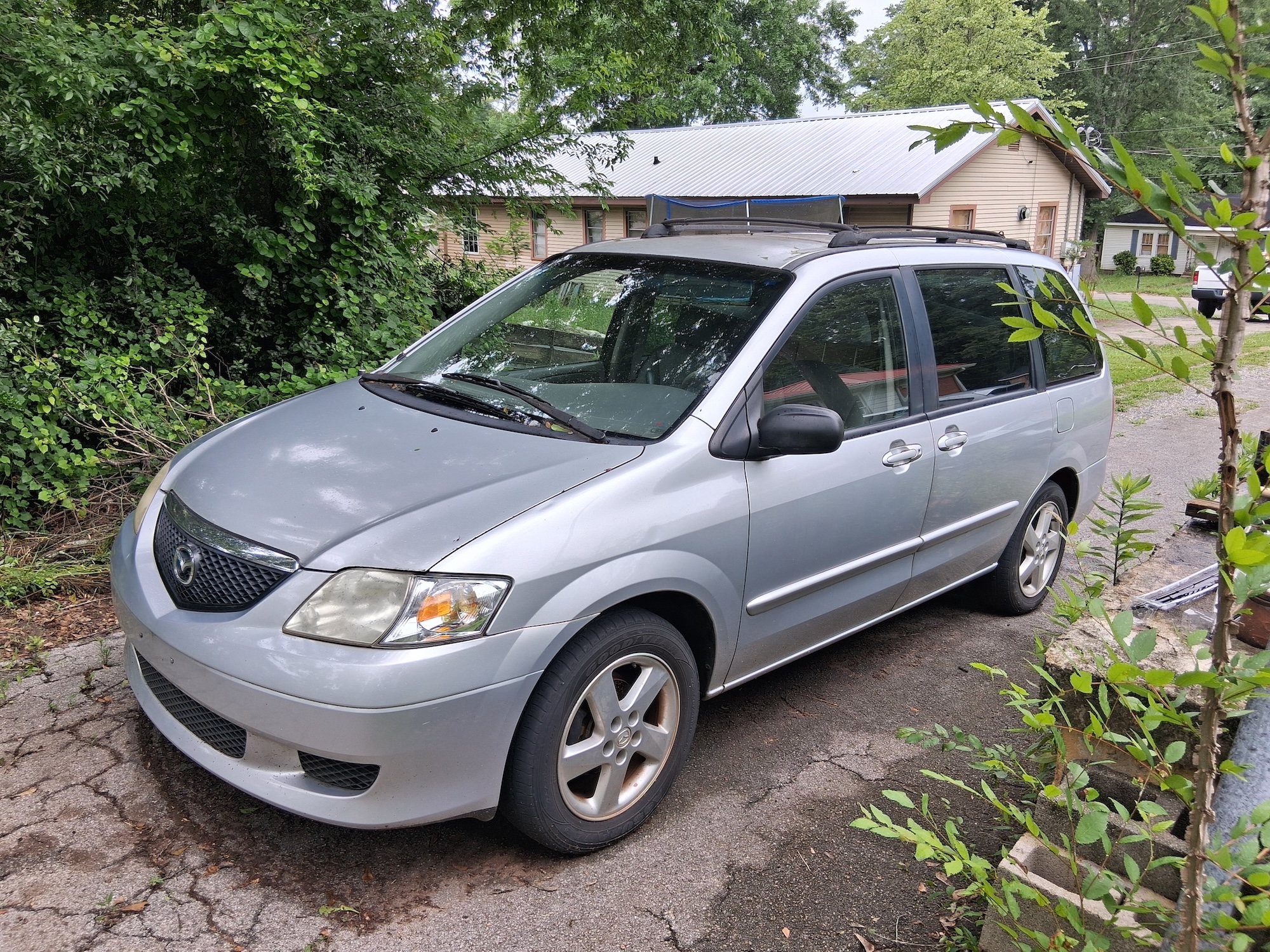
Vehicular-Dehydrator.jpg
Our 23 year old Vehicular Dehydrator, still in use today
Ha, I've done this with rosemary and thyme on a hot day, works surprisingly well. The car gets up to proper dehydrating temperatures pretty fast in summer. Only issue is everything smells like herbs for a week after.
Leaftide.com — track your fruit trees, veg & everything in between
I've often mentioned this very idea as a comment to people who are building (or buying!) elaborate solar (or otherwise) dehydrators. I once spent weeks building one of these, and it successfully dehydrated nothing! In addition to a vehicle...the attic space of many houses, and any unused greenhouse or cold frame in the summer are viable alternatives. The old greenhouse at the farm I used to live at, shut up and with a fan running on the screens, is how I know that a whole goat, boned out and sliced into small slivers, will fit into six quart jars when dried down! Now, I regularly get sliced tomatoes snap dry in my attic...

1. some places are naturally very humid. PVD can result in large amounts of condensation on the windows when the temp drops at sunset.
2. Being in one of those humid spots, I empty my dehydrator onto metal trays and tuck them in the fridge to cool quickly in as low humidity as I have easy access to. After 15 minutes of cooling, I jar the dried food up quickly in glass and use a metal lid. Plastic allows humidity in. Some people have secure metal containers which also work so long as they seal thoroughly.
3. generally, driers suggest that food is safer dehydrated *not* in direct sunlight - thus seats maybe better than dashboard when possible.
When I taught energy efficient food preservation methods for many years at the Midwest Renewable Energy Fair I used to bring this method up first and foremost, telling folks that most of them probably already owned a food dryer without even knowing it. My more advanced method ;>) has the car parked with the largest window facing south, usually front but sometimes back window, rolling windows down about 1", and covering foods with a dark colored cotton cloth to keep UV light off foods to preserve color and vitamins. The windows should be closed at night if stuff isn't dry enough after the first day. I had a couple of neighbors who used this method almost exclusively. One had an old 1970's clunker with lots of space and really big windows and he even dried blanched sweet corn on cookie sheets. Another used to work at Seed Savers in Decorah, Iowa and she "rescued" produce after harvesting seeds, especially sweet peppers, and had her car parked at work and would tend to stuff on lunch break.
Alder Burns wrote:I've often mentioned this very idea as a comment to people who are building (or buying!) elaborate solar (or otherwise) dehydrators. I once spent weeks building one of these, and it successfully dehydrated nothing! In addition to a vehicle...the attic space of many houses, and any unused greenhouse or cold frame in the summer are viable alternatives. The old greenhouse at the farm I used to live at, shut up and with a fan running on the screens, is how I know that a whole goat, boned out and sliced into small slivers, will fit into six quart jars when dried down! Now, I regularly get sliced tomatoes snap dry in my attic...
I'm curious about the dried goat meat, since your climate shouldn't be too terribly different from ours in south-central KY - does dried meat keep well? I've worried about it drawing moisture and getting moldy. (I have goats - and also two chest freezers, but I'd like to keep some meat in ways that don't require electricity, in case the power goes out. I could can some of the meat, and have done, but wondered if drying it would work here.)
Are you okay? You look a little big. Maybe this tiny ad will help:
grow your own garden and build your own home in the gardening gardeners program