
• Post Reply Bookmark Topic Watch Topic
  • New Topic
permaculture forums growies critters building homesteading energy monies kitchen purity ungarbage community wilderness fiber arts art permaculture artisans regional education skip experiences global resources cider press projects digital market permies.com pie forums private forums all forums
this forum made possible by our volunteer staff, including ...
master stewards:
  • Carla Burke
  • John F Dean
  • Nancy Reading
  • r ransom
  • Jay Angler
  • Timothy Norton
stewards:
  • paul wheaton
  • Pearl Sutton
  • Anne Miller
master gardeners:
  • Christopher Weeks
  • M Ljin
gardeners:
  • Jim Garlits
  • thomas rubino
  • William Bronson

Edibles for hotter, dry, shady conditions?

 
Ac Baker
pioneer
Posts: 428
116
cat trees urban
  • Likes 2
  • Mark post as helpful
  • send pies
    Number of slices to send:
    Optional 'thank-you' note:
  • Quote
  • Report post to moderator
So, our 'forest garden' has suffered a significant loss.  As we get hotter, drier summers in England, the shady spot the previous gardener chose to plant purple gooseberry plants is no longer suitable.  Most of them have died due to drought (it's a well-drained area), and successive heatwaves, when we've just not had to the water or the time to keep them watered.

Are there any edibles which people are growing successfully in these hotter conditions in England & similar climates (spells of 30-40C daytime, 20+C night time now)?  Perennials a definite plus!

The site is heavily shaded from the West & South-West, and starts to lose the sun after c. 2pm.  Plus there are six dwarf fruit trees (apple, plum & pear) which will be drawing up the moisture to a fair degree.

Many thanks!
 
Joao Winckler
pollinator
Posts: 320
Location: UK
103
kids urban seed
  • Likes 3
  • Mark post as helpful
  • send pies
    Number of slices to send:
    Optional 'thank-you' note:
  • Quote
  • Report post to moderator
Sounds like a classic issue with forest garden plantings as the canopy matures and the microclimate shifts. Gooseberries really do hate drought, mine suffered similarly last summer. For hot dry shade I've had decent results with wild garlic and good king henry, both tolerate the conditions once established and come back year after year without much intervention. Turkish rocket is another one worth trying, seems genuinely unbothered by heat and dry spells. Rhubarb might be worth a go too if you can get water to it for the first year.
 
Anne Miller
steward
Posts: 19251
Location: USDA Zone 8a
4854
dog hunting food preservation cooking bee greening the desert
  • Likes 1
  • Mark post as helpful
  • send pies
    Number of slices to send:
    Optional 'thank-you' note:
  • Quote
  • Report post to moderator
Here in Texas hostas work well in those conditions.
 
Oliver Huynh
pollinator
Posts: 74
Location: Belgium, alkaline clay on the Escaut river. USDA 8b, 14" rain/y.
46
forest garden foraging cooking
  • Likes 3
  • Mark post as helpful
  • send pies
    Number of slices to send:
    Optional 'thank-you' note:
  • Quote
  • Report post to moderator
Hello,
Amelanchier ovalis, blackcaps raspberries and feral apricots and peach trees are coming strong here, under similar conditions.
I will have to replace my apple trees too, some were grilled in may. 'Granny Smith' is still alive but will not bear anything.
Have a nice evening,
Oliver
 
Eric Hanson
Steward and Man of Many Mushrooms
Posts: 6199
Location: Southern Illinois
1949
transportation cat dog fungi trees building writing rocket stoves woodworking
  • Likes 3
  • Mark post as helpful
  • send pies
    Number of slices to send:
    Optional 'thank-you' note:
  • Quote
  • Report post to moderator
Here is a thought:  Sweet potatoes.  Sweet potatoes grow extremely well in sandy, especially poor soil.  They excel at drought and laugh at heat.  And here is the amazing bonus:  every part of the sweet potato is edible.  The aggressively vines can be trimmed a bit and the leaves used as a salad.  


Just a thought.


Eric
 
Oliver Huynh
pollinator
Posts: 74
Location: Belgium, alkaline clay on the Escaut river. USDA 8b, 14" rain/y.
46
forest garden foraging cooking
  • Mark post as helpful
  • send pies
    Number of slices to send:
    Optional 'thank-you' note:
  • Quote
  • Report post to moderator

Anne Miller wrote:Here in Texas hostas work well in those conditions.


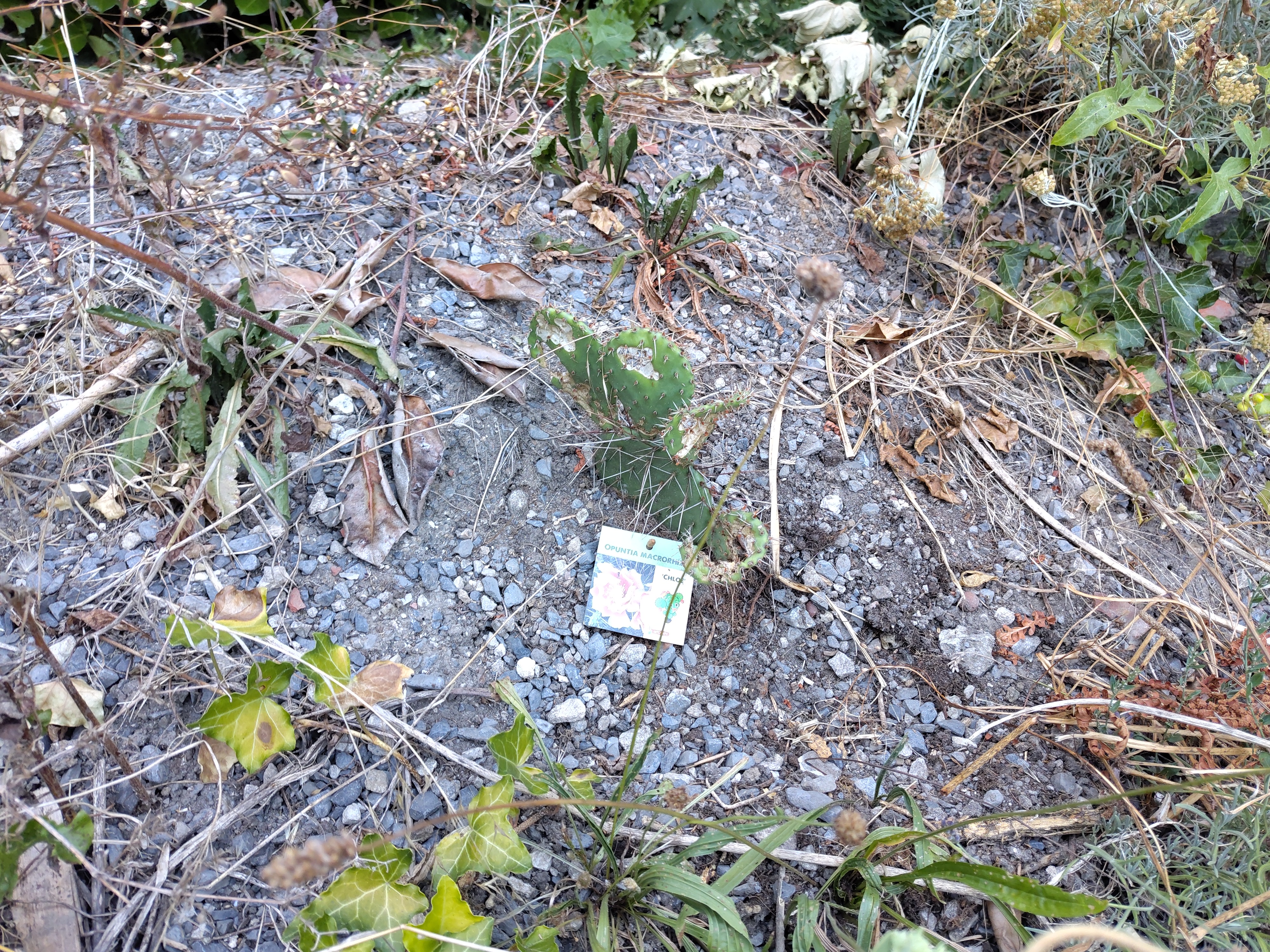
Unfortunately we also have lots of slugs around here.
Succulents and hostas do not survive long.

Have a nice evening,
Oliver

IMG_20260721_210529.jpg
Slug damage on prickly pear
 
Anne Miller
steward
Posts: 19251
Location: USDA Zone 8a
4854
dog hunting food preservation cooking bee greening the desert
  • Mark post as helpful
  • send pies
    Number of slices to send:
    Optional 'thank-you' note:
  • Quote
  • Report post to moderator
I have never had a problem with slugs though I have been told that vinegar and/or soapy water will kill them.  Also heard salt kills them.
 
Proudly marching to the beat of a different kettle of fish... while reading this tiny ad
Gardening and natural building at a delightful pace
https://wheaton-labs.com/bootcamp
reply
    Bookmark Topic Watch Topic
  • New Topic