|

|
|
|
|

|

|

|

|

|
 9
9


The First Axiom of Life: Don’t do dumb things.
3
Invasive plants are Earth's way of insisting we notice her medicines. Stephen Herrod Buhner
Everyone learns what works by learning what doesn't work. Stephen Herrod Buhner


 6
6



 4
4
![[Thumbnail for 71HYVbpAvgL._SL1500_.jpg]](/t/380712/a/295078/71HYVbpAvgL._SL1500_.jpg "Filename: 71HYVbpAvgL._SL1500_.jpg
Description:")
The First Axiom of Life: Don’t do dumb things.
4
4
The First Axiom of Life: Don’t do dumb things.

 8
7
8
7
hans muster wrote:Christopher, do you mind sharing your hot sauce recipe? my chillies are ripening, and I rather not buy any hot sauce anymore.
![[Thumbnail for hotSauces.JPG]](/t/380712/a/295084/hotSauces.JPG "Filename: hotSauces.JPG
Description:")


 9
9


- Tim's Homestead Journal - Purchase a copy of Building a Better World in Your Backyard - Purchase 6 Decks of Permaculture Cards -
- Purchase 12x Decks of Permaculture Cards - Purchase a copy of the SKIP Book - Purchase 12x copies of Building a Better World in your Backyard


 6
6
"The only thing...more expensive than education is ignorance."~Ben Franklin. "We can easily forgive a child who is afraid of the dark; the real tragedy of life is when men are afraid of the light." ~ Plato
8
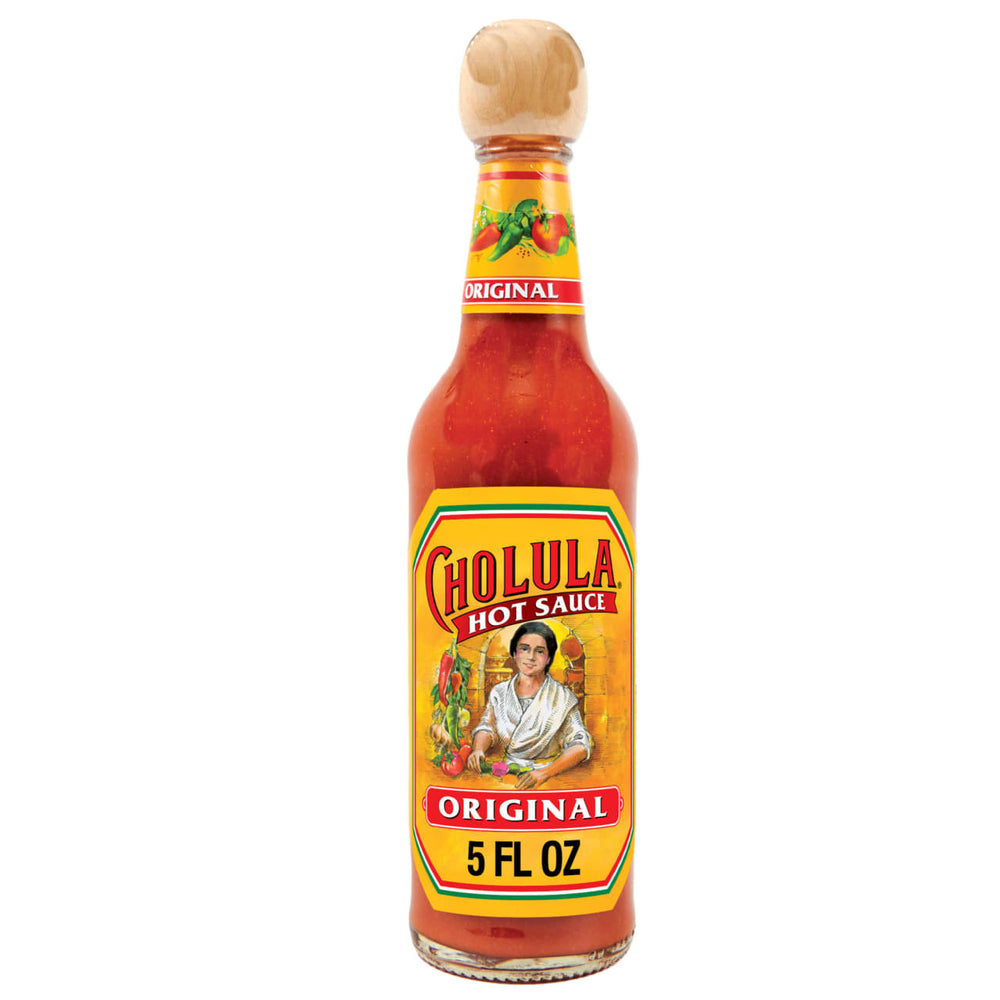
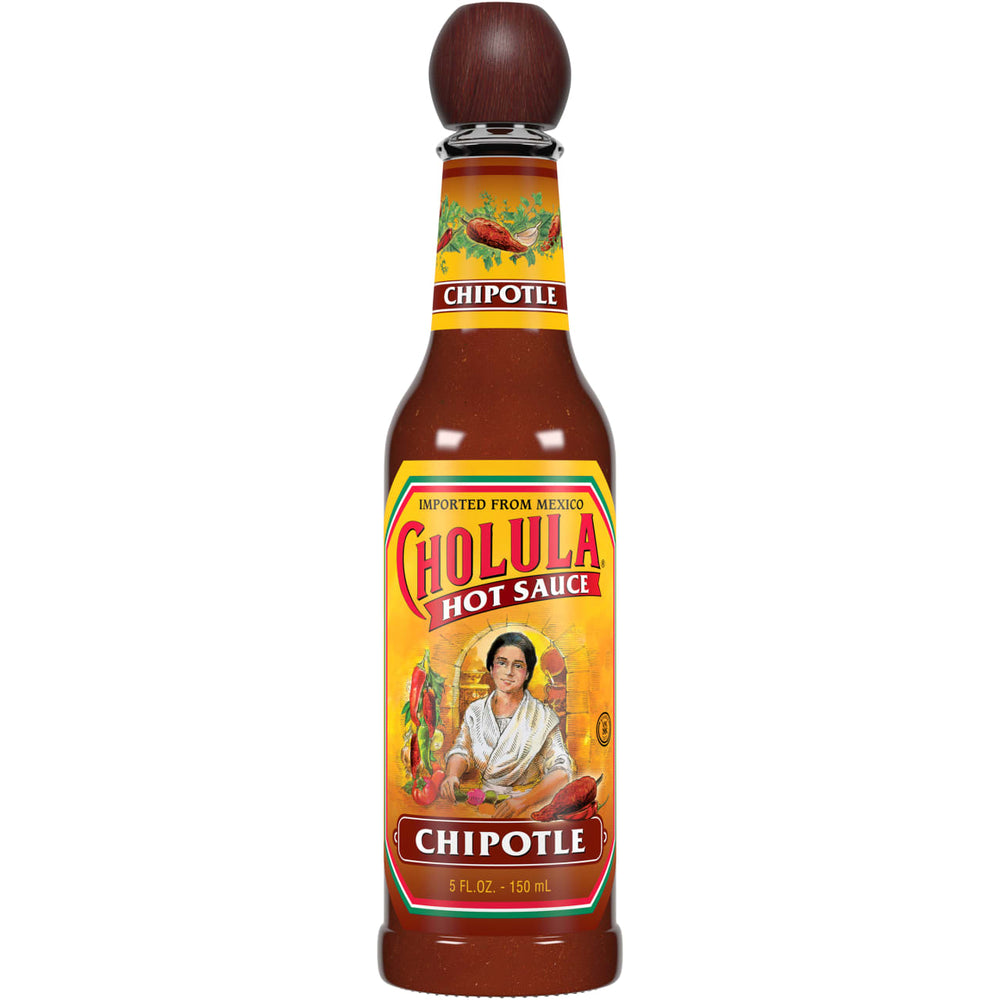
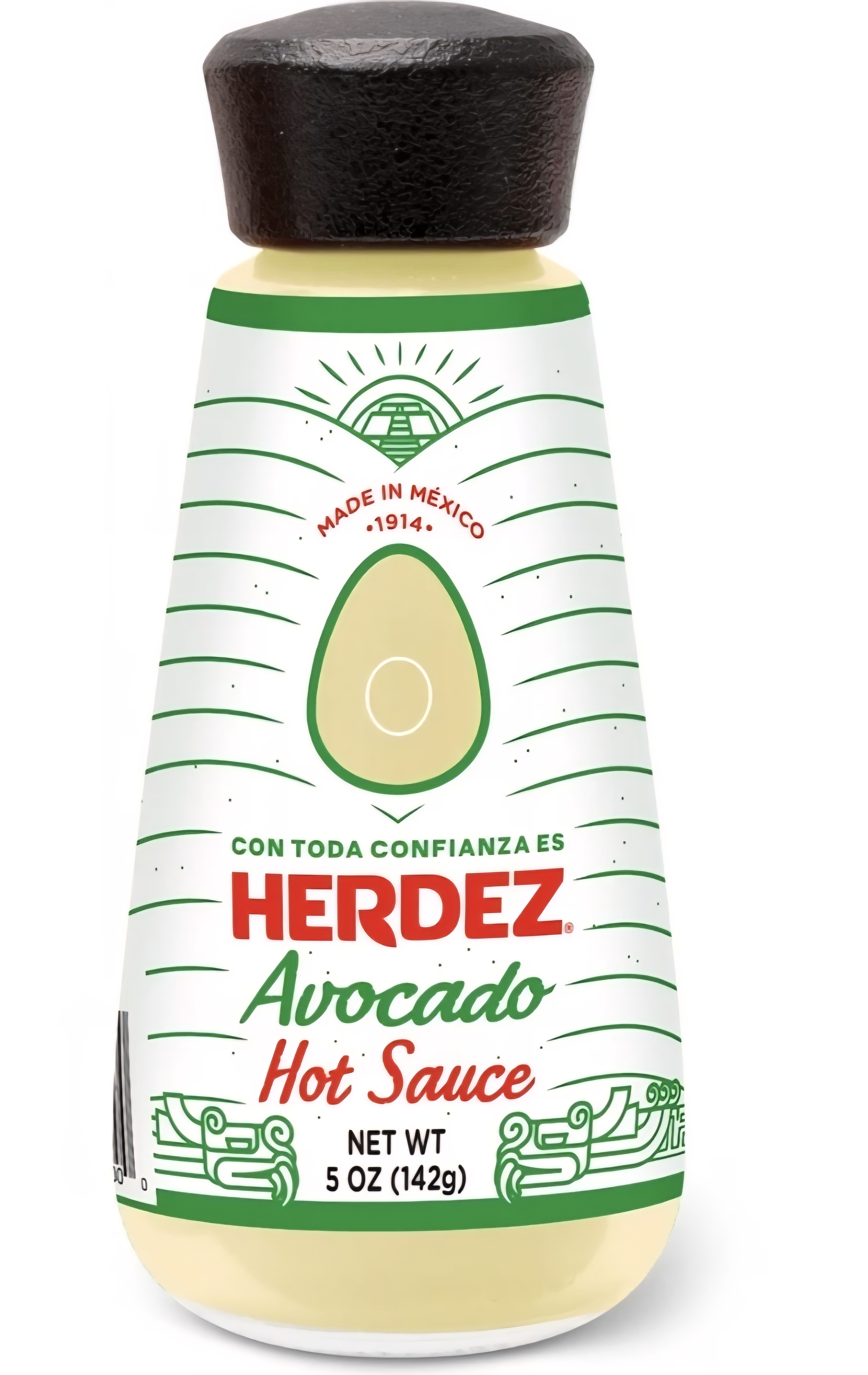
Carla Burke wrote:Cholula - original or Chipotle, for a lot of things, and avocado hot sauce for pretty much anything, and sometimes, just horseradish sauce.

- Tim's Homestead Journal - Purchase a copy of Building a Better World in Your Backyard - Purchase 6 Decks of Permaculture Cards -
- Purchase 12x Decks of Permaculture Cards - Purchase a copy of the SKIP Book - Purchase 12x copies of Building a Better World in your Backyard
8
"The only thing...more expensive than education is ignorance."~Ben Franklin. "We can easily forgive a child who is afraid of the dark; the real tragedy of life is when men are afraid of the light." ~ Plato
4
The First Axiom of Life: Don’t do dumb things.
8
"Them that don't know him don't like him and them that do sometimes don't know how to take him, he ain't wrong he's just different and his pride won't let him do the things to make you think he's right" - Ed Bruce (via Waylon and WIllie)

|
It was a tommy gun. And now this tiny ad insists on being addressed as "Tommy":
The Communities Directory at IC.org
https://permies.com/wiki/190212/Communities-Directory-IC-org
|