|

|

|

|

|

|
|
|
|
|
|
|
|

|

|

|

|

|
 14





 6
- Tim's Homestead Journal - Purchase a copy of Building a Better World in Your Backyard - Purchase 6 Decks of Permaculture Cards -
- Purchase 12x Decks of Permaculture Cards - Purchase a copy of the SKIP Book - Purchase 12x copies of Building a Better World in your Backyard


 15
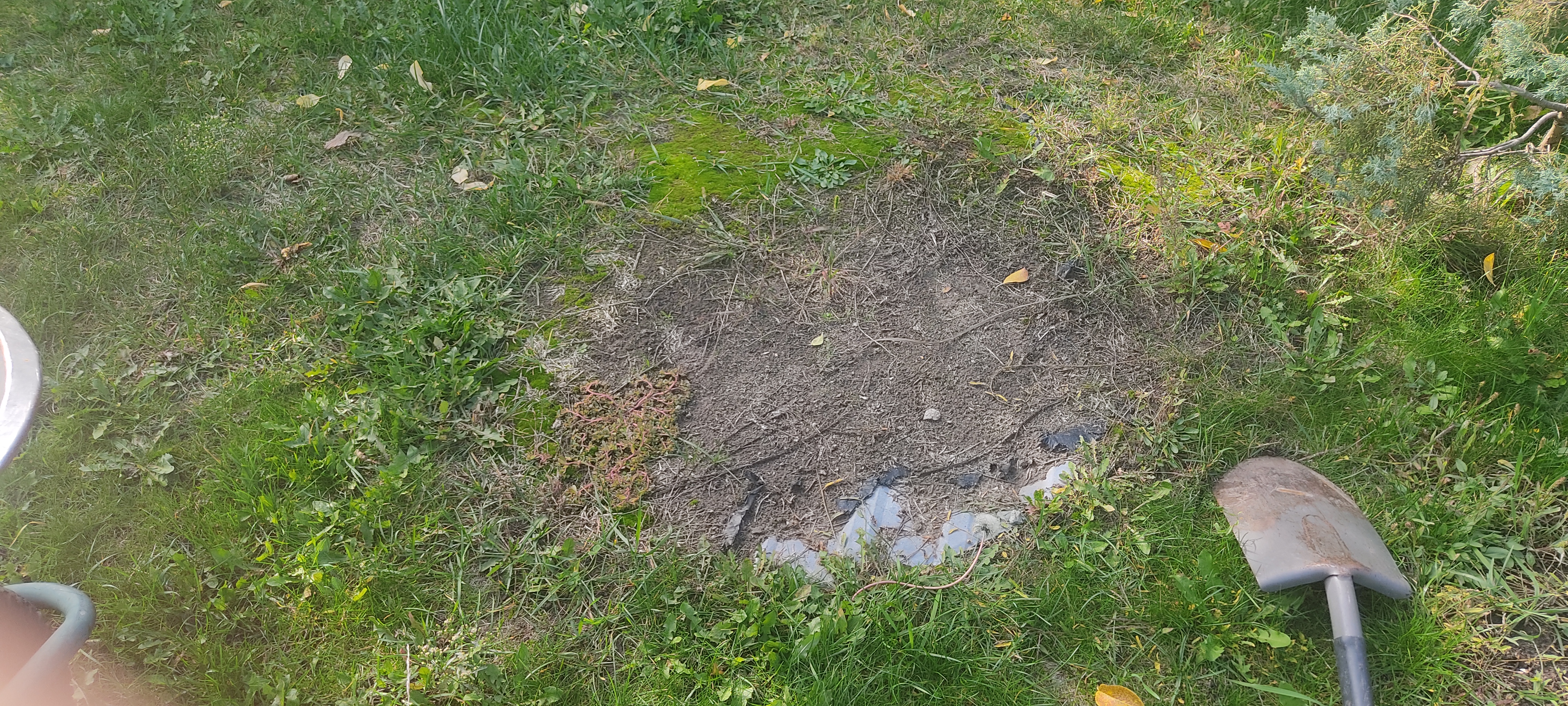
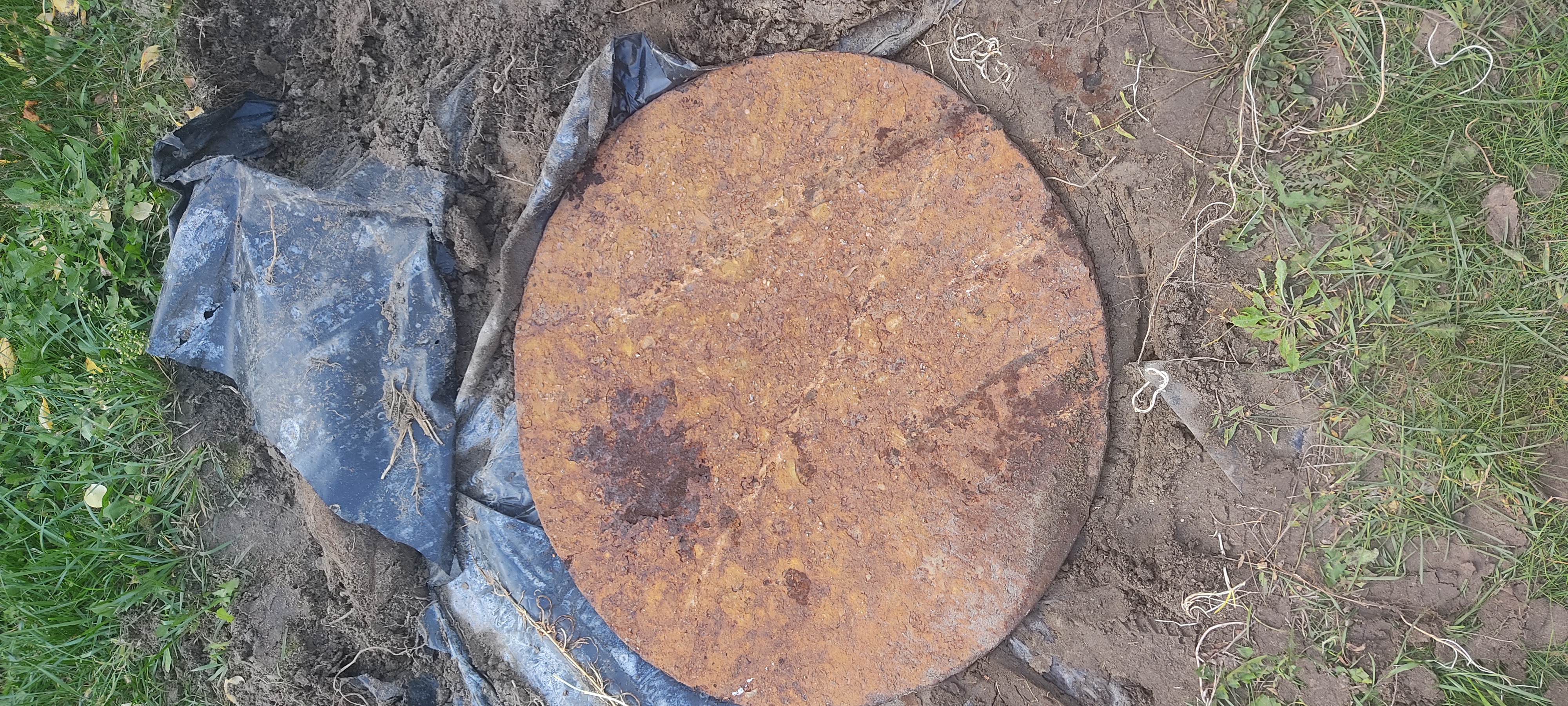
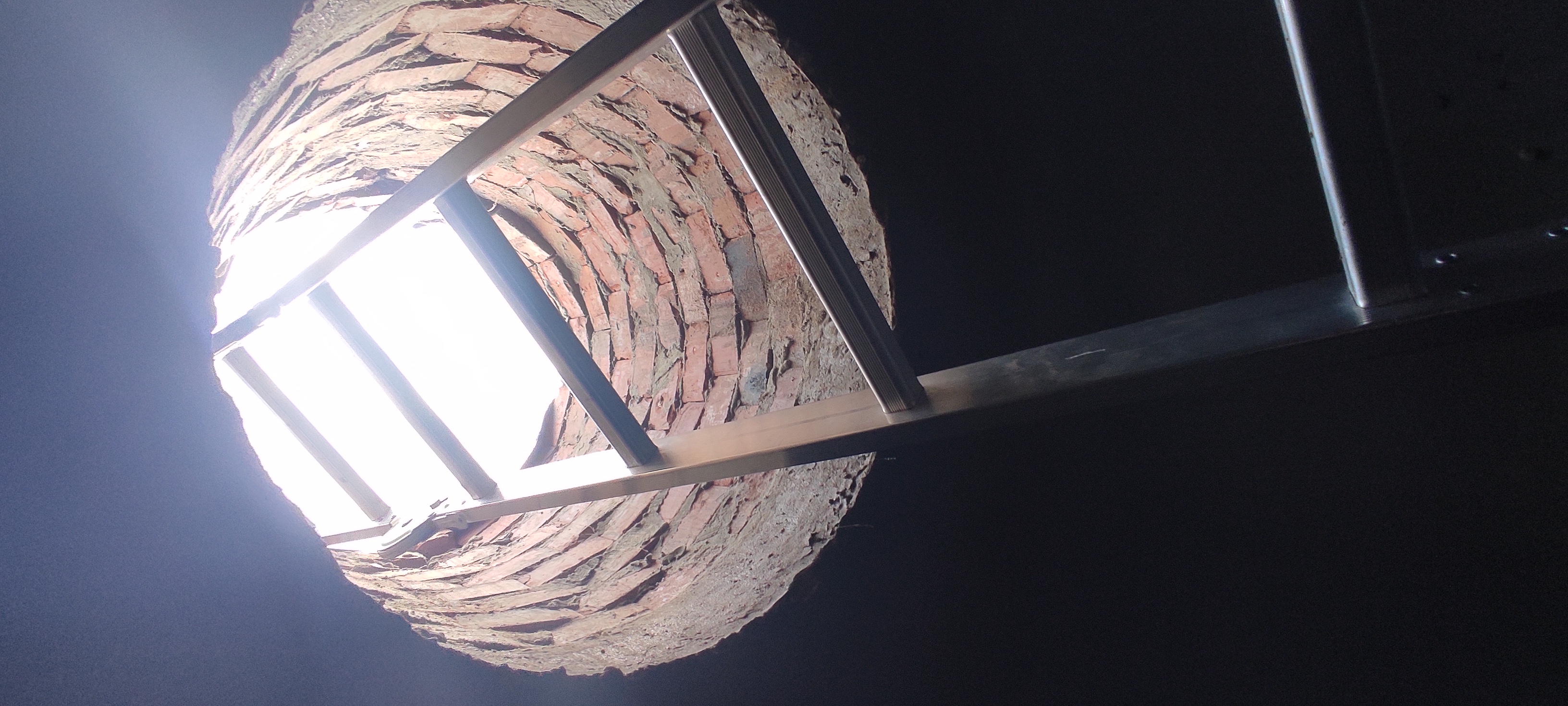
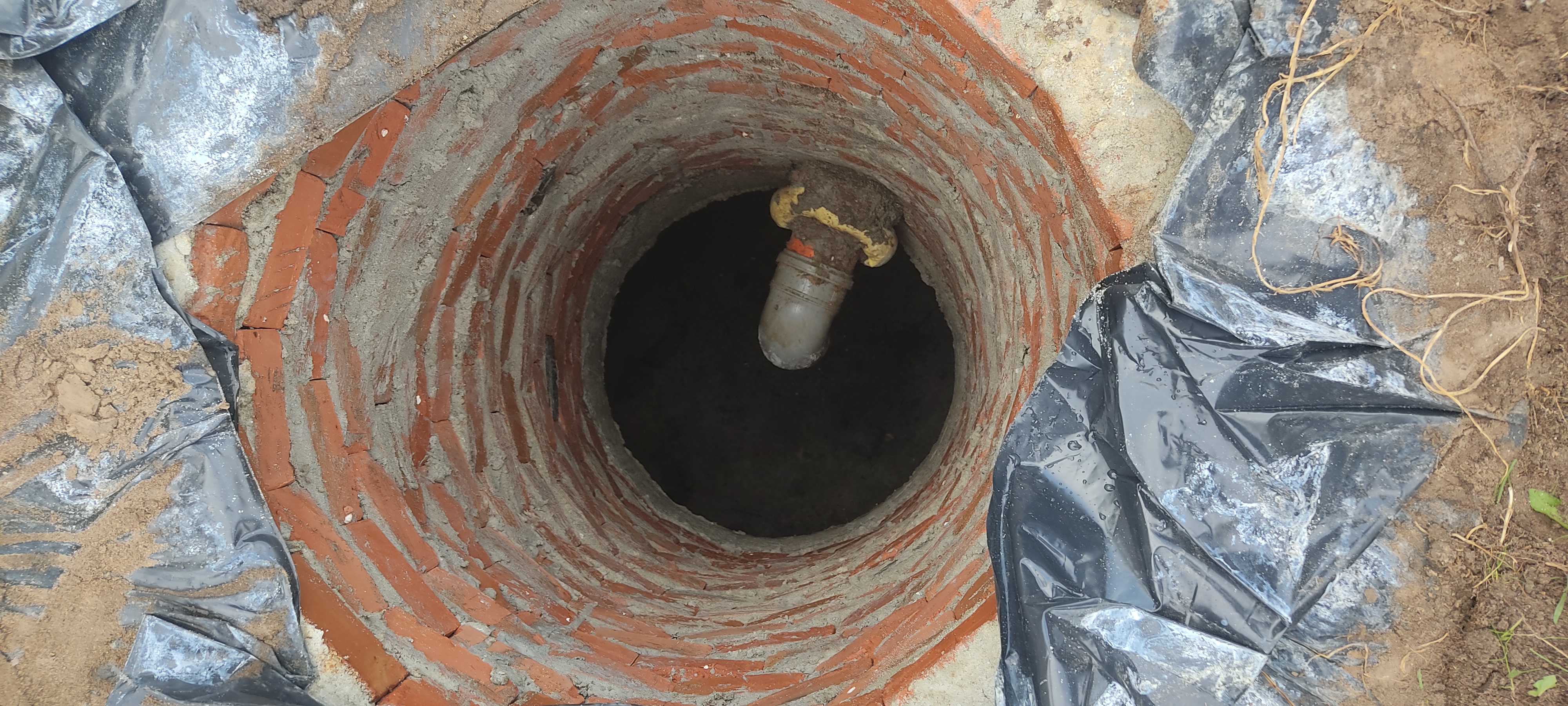
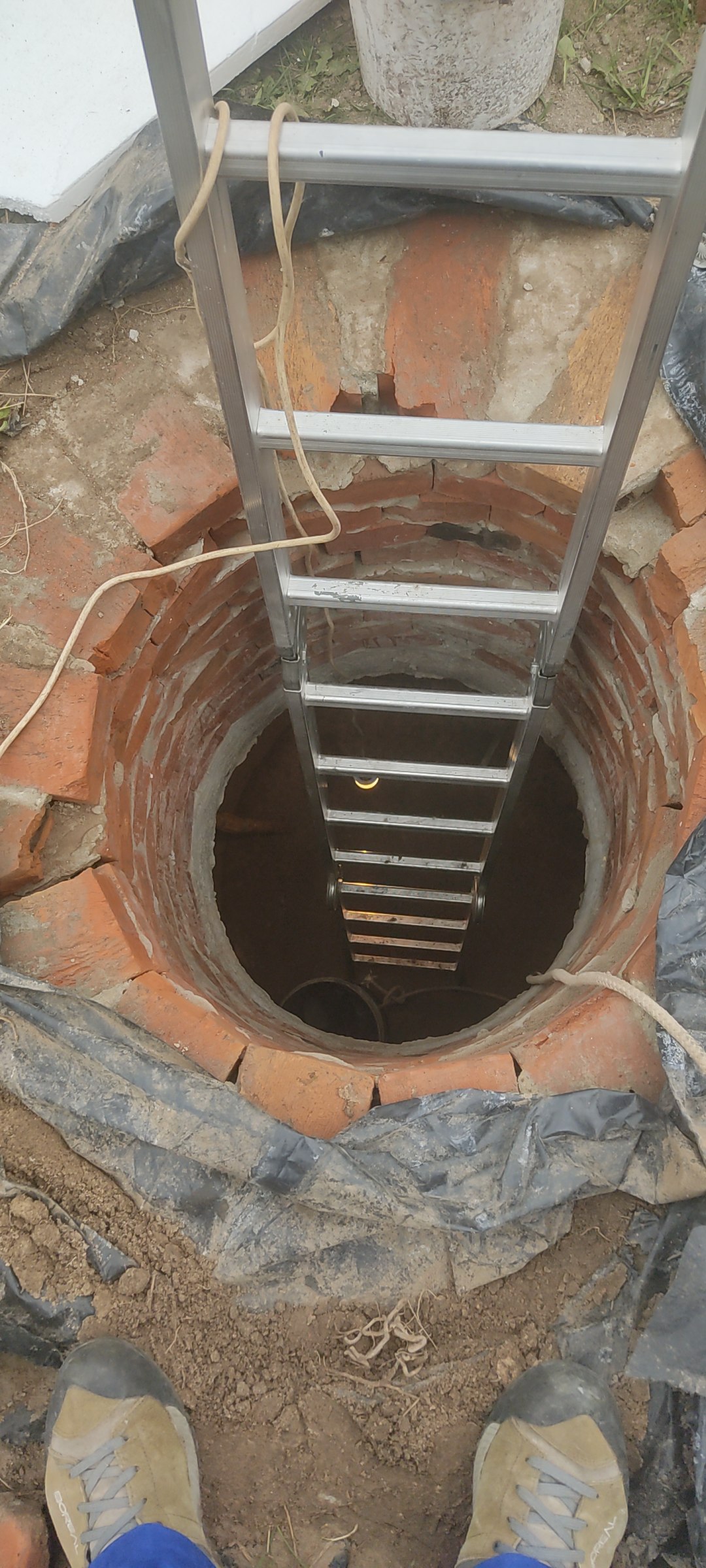
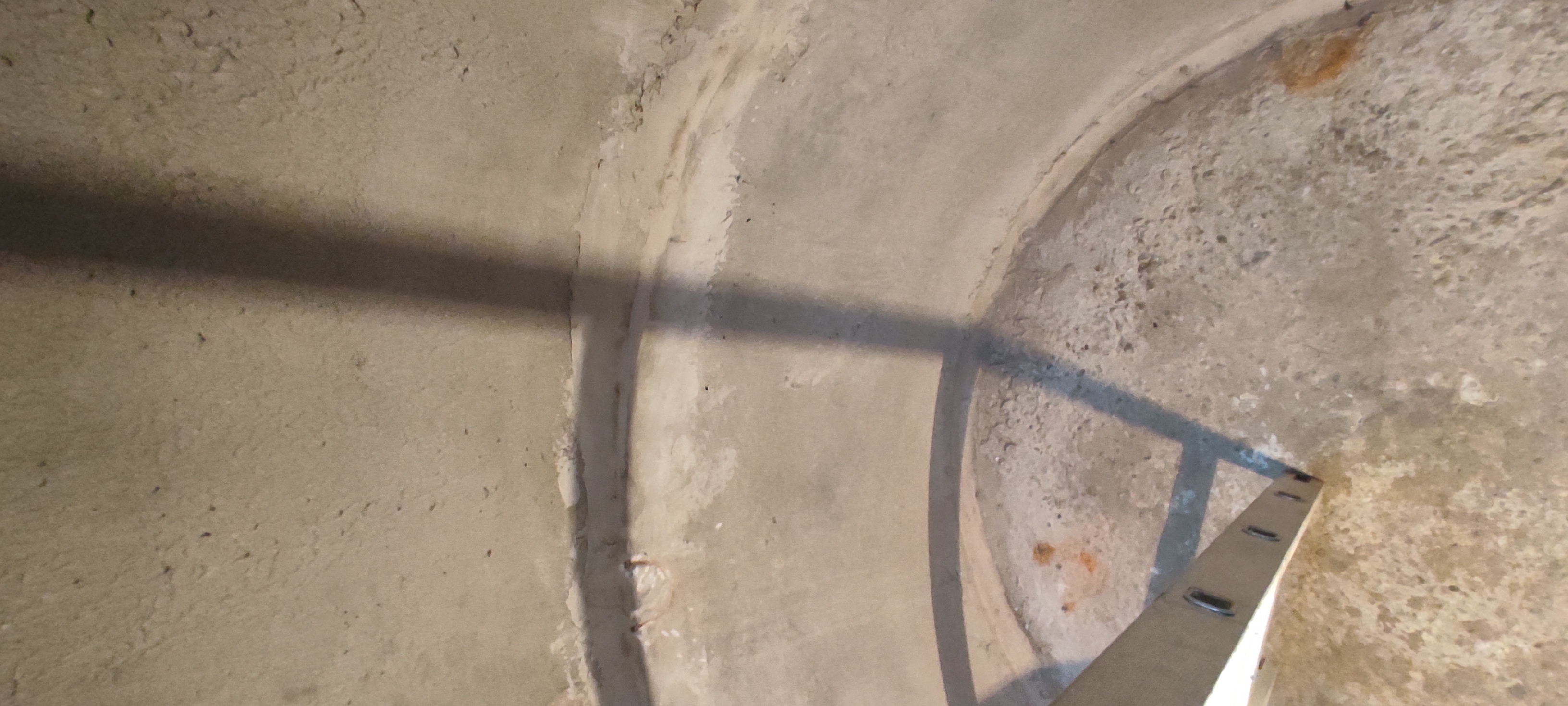
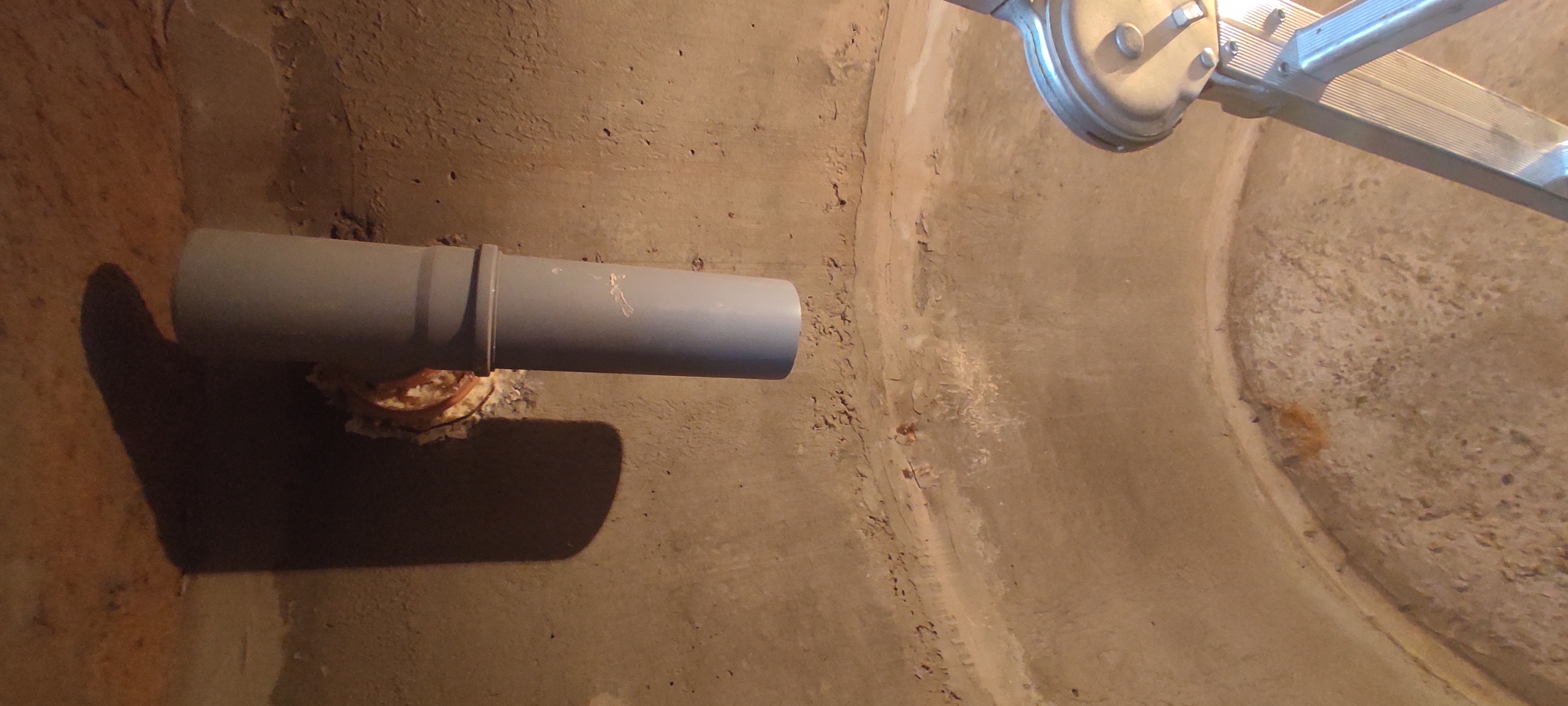
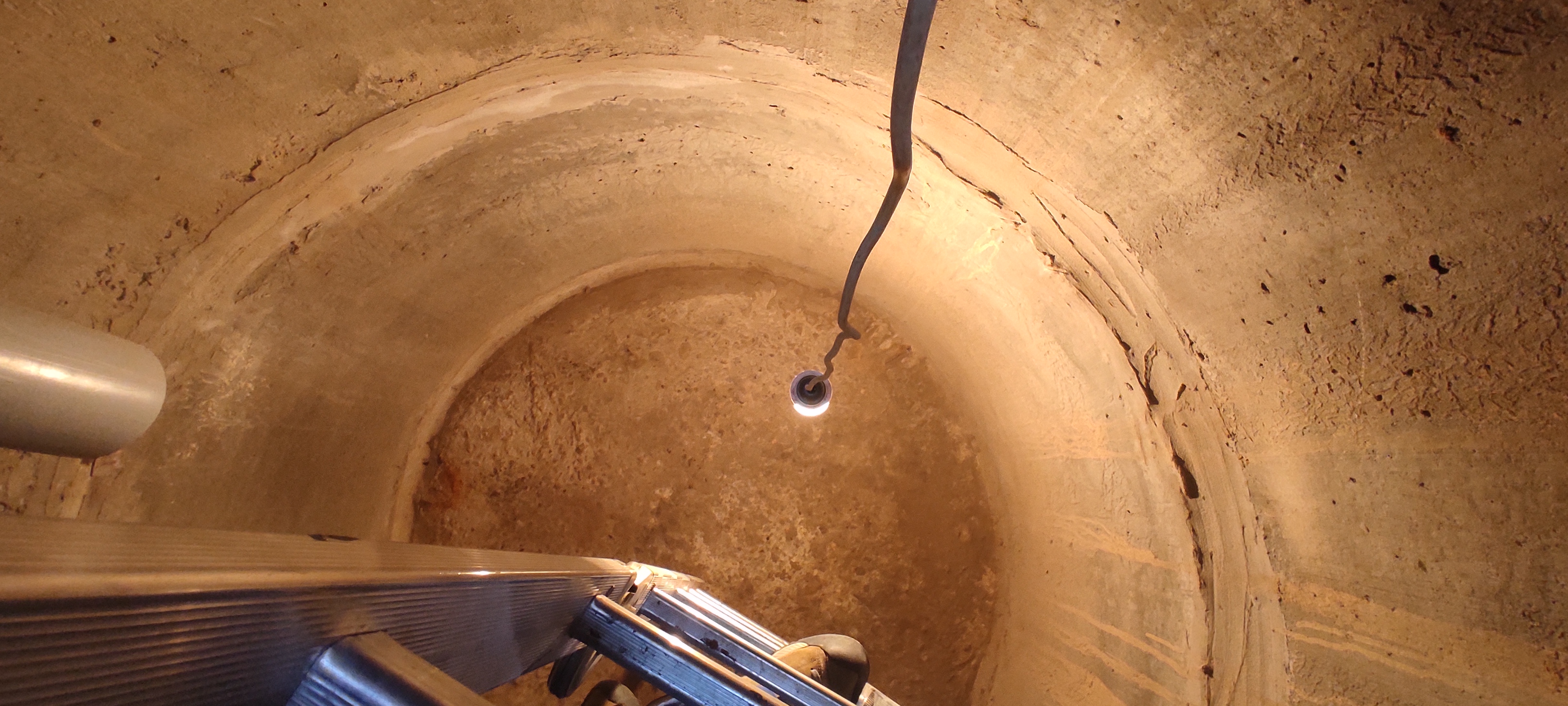
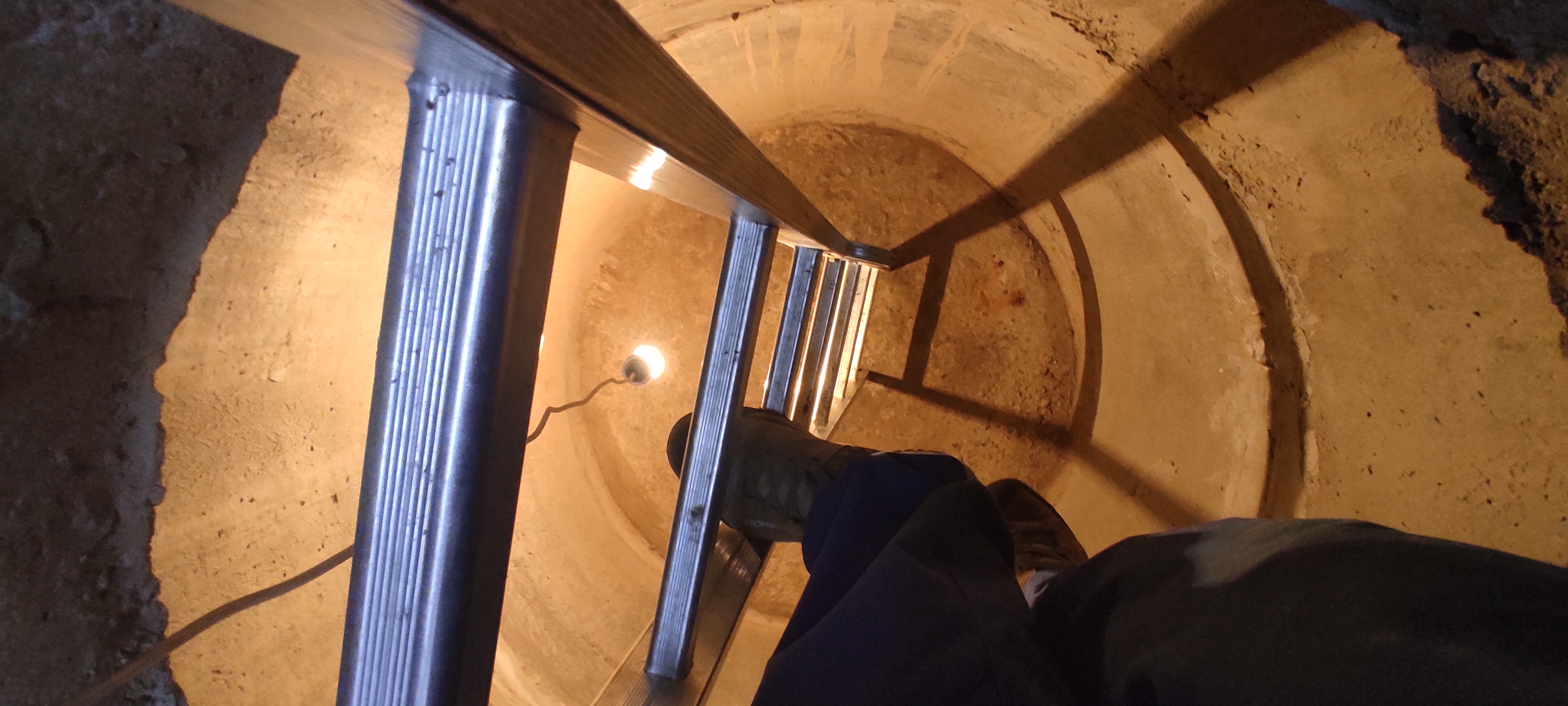
Timothy Norton wrote:My main concerns relate to how the septic tank was utilized in the past. If, for some reason, it may of ended up getting chemicals/sewage/ick in it in the past that the porous concrete may be holding some of that. Depending on what you want to use the water for, you should consider it may not be potable after being in the chamber.
9
8


 12
2
Douglas Alpenstock wrote:I think it would be a good idea to filter the water going in, and have some sort of method of aerating it. Rainwater is not biologically inert.
11
Phil Stevens wrote:If the volume of water is big enough (at least several hundred litres) and it starts off relatively pure, there will be a background population of benign bacteria that keep it clean enough by metabolising organic matter and outcompeting pathogens. John Daley talks about this a lot. We have thousands of households here and in Australia who use plain unfiltered tank water and have no issues.
Concrete tanks are the best for enhancing this process because they also raise the pH of the water (and improve the taste).
7
10
Douglas Alpenstock wrote:Have you seen any evidence of shallow groundwater entering the tank? This can be a source of contamination.
7
8
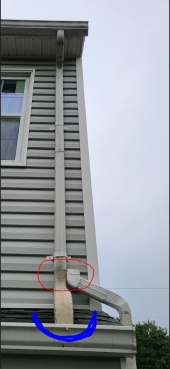
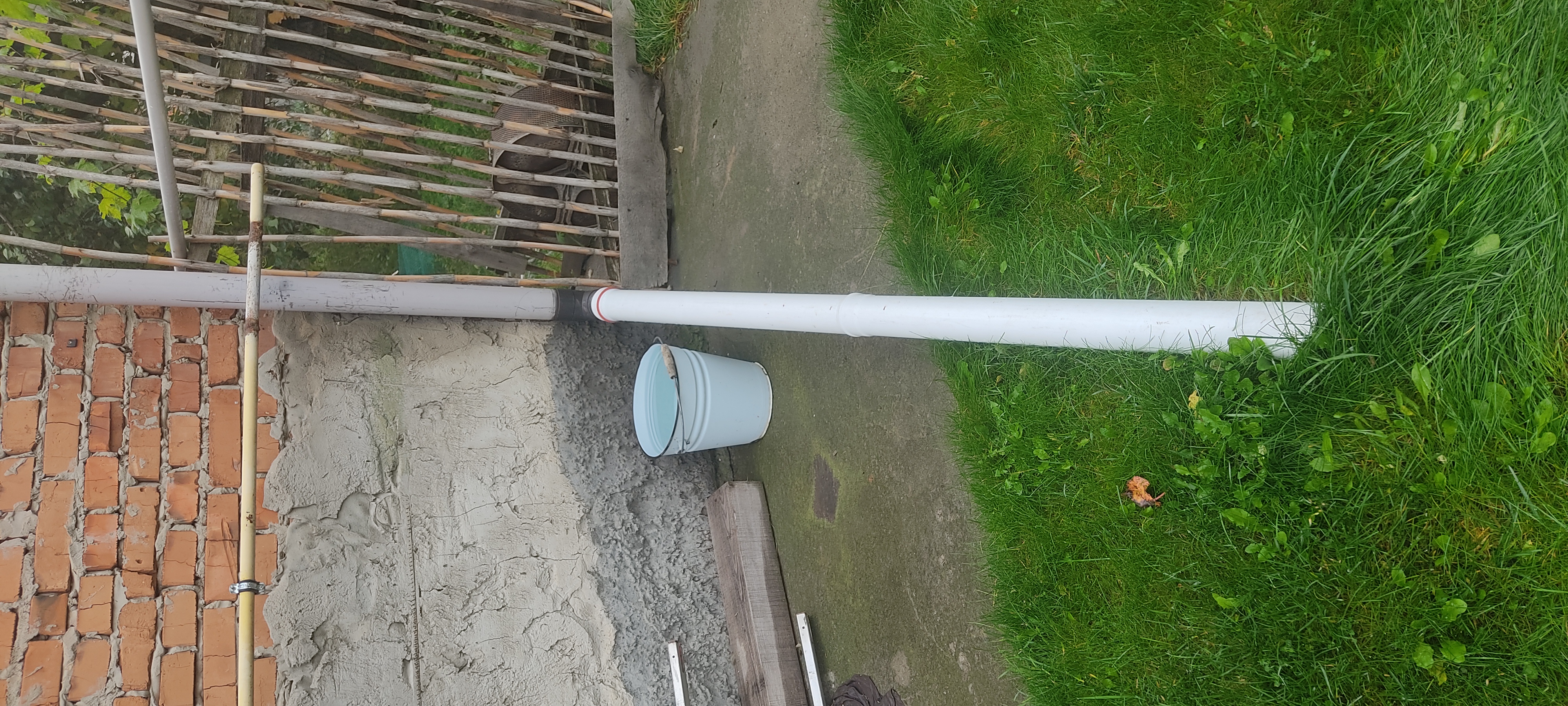
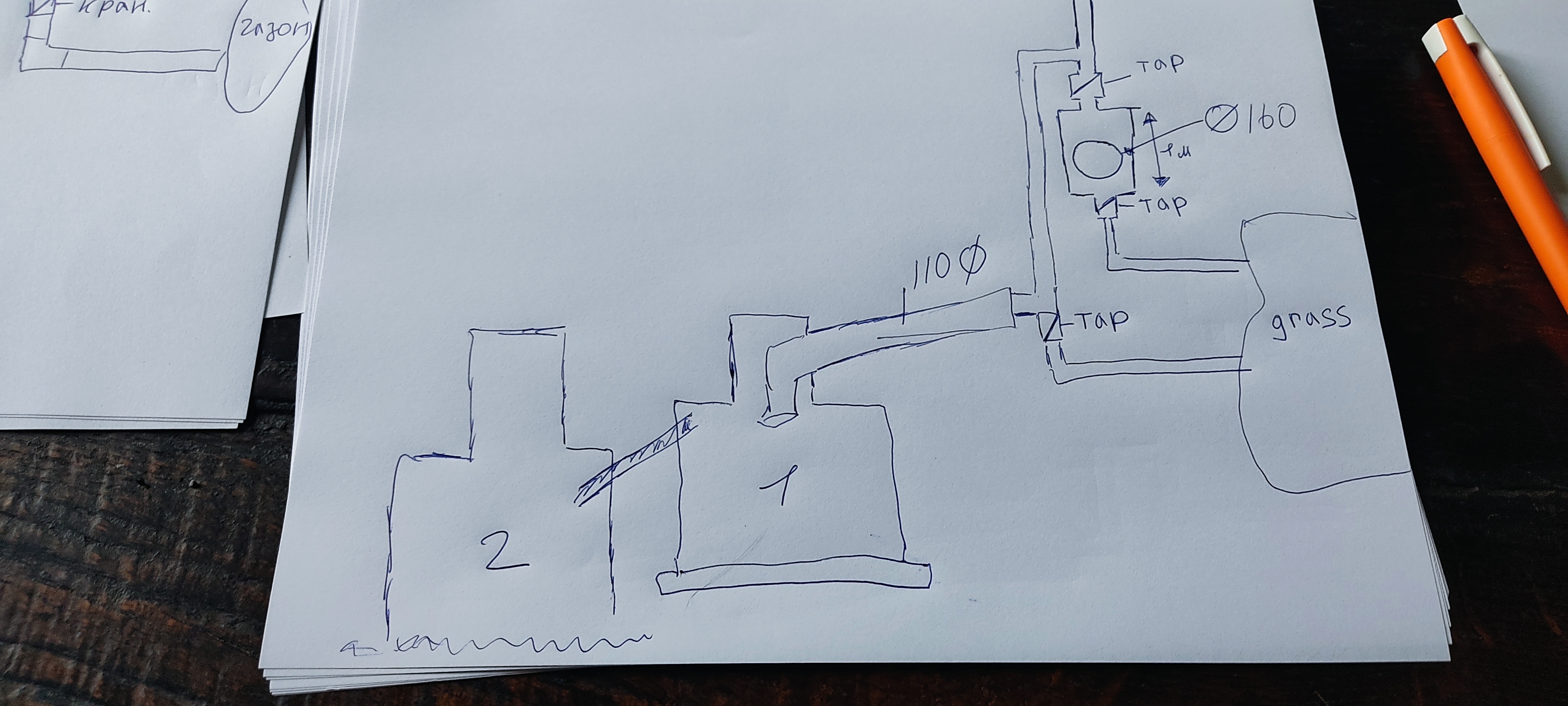
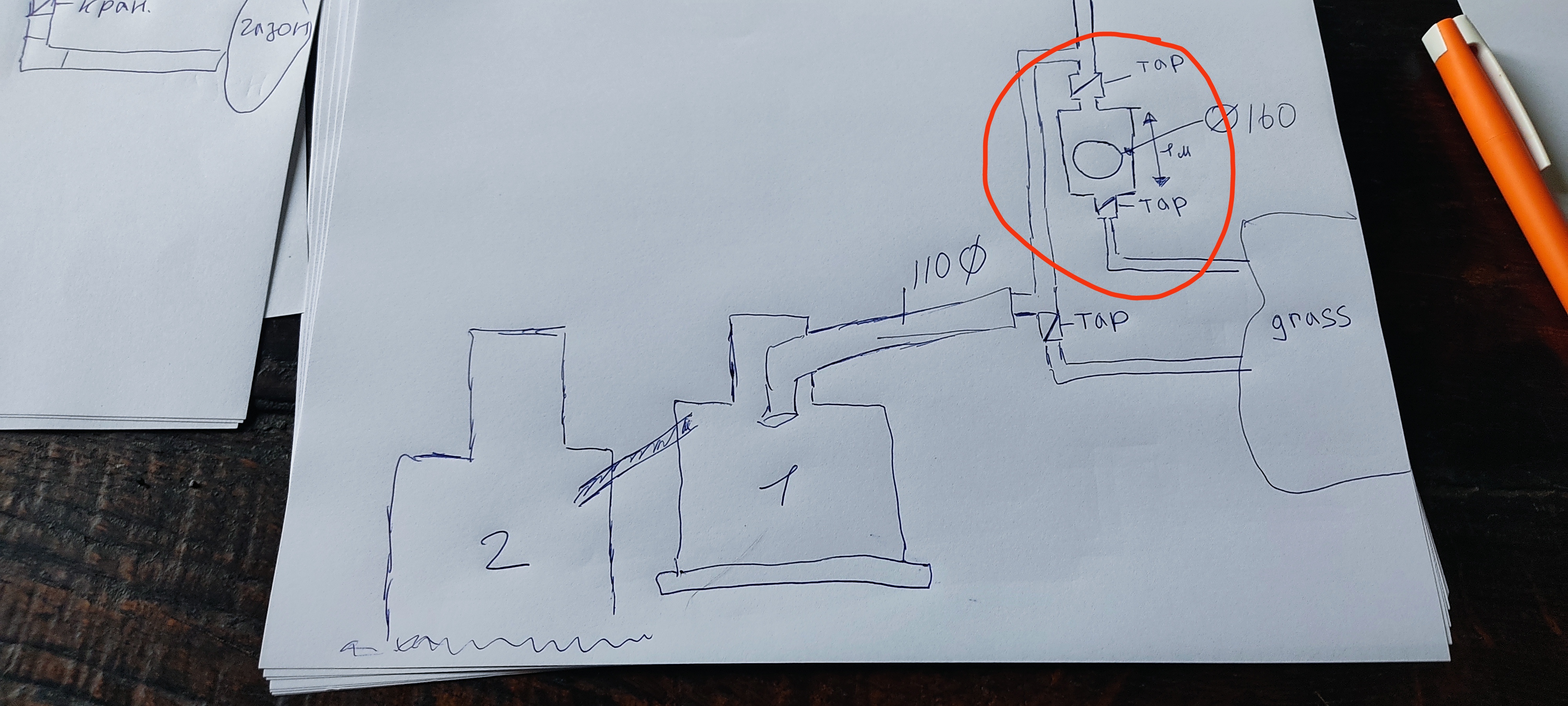
Phil Stevens wrote:First flush diverters are relatively easy to make from pipe fittings. The most common design uses a hollow ball:
Example
 3
Rad Anthony wrote:Yea have at it. You should be fine. Build redundancy in your lines so that you could always divert or bypass tanks for cleaning servicing. The first initial wash of the rain is the worst quality, then it gets better until it stops raining lol.
Gravity is your friend here. Store first then purify. If you're able to, create a pond for extra reserve and to help the ecosystem. Liners are really popular and cheap nowadays. They have calculators to scale your system tanks and pipes. Aim for flow vs pressure, let the pumps or air tank guide you for pressure.
Brad lancaster has good info to your approach. Use the orientation of the sun and your home to your advantage for freezing pipes etc. build a compost pile around even lol, run hot water lines, get creative bud. Have fun with it, but keep timelessness and practicality in mind with your creations and you will be fine. Best of luck.
6
3
Rad Anthony wrote:That's what the ball is for,
https://www.youtube.com/shorts/8tUXD5IfQ14
8
'Theoretically this level of creeping Orwellian dynamics should ramp up our awareness, but what happens instead is that each alert becomes less and less effective because we're incredibly stupid.' - Jerry Holkins
8
5
 8
11
Phil Stevens wrote:I'd put the ball design in the category of "cost effective, works great if you make it a monthly or quarterly habit to check the drain and blow it out if it's got schmutz in it" and also add the caveat that one reason they're popular here is the mild climate. In most of the North Island it just doesn't get cold enough to freeze one of these things...and if it's full of water on a night that is that cold, the rain stopped a long time ago and you should have checked the drain. Another motivating factor for keeping on top of this is that a blocked drain means it's not diverting and you're getting bird poop, pollen, and who knows what in your tanks.
Rainwater harvesting is not a set and forget system, in my experience. Gutters need to be cleared, screens washed, valves inspected, and tanks vacuumed out from time to time. If you're used to outsourcing all the operational overhead to the municipal water works, then providing your own supply requires a shift in mindset and a reasonable maintenance schedule.
8
D Nikolls wrote:I really hate those ball style first flush diverters.
The idea is neat, but you need a sizable first flush reservoir for it to be a meaningful amount on even a medium sized roof. Worse, in my experience the little drain thingie at the bottom clogs up despite having a nice fine screen at the entrance point.. then it stays full and no diversion happens until you clean it out. Then it clogs again.. rinse and repeat..
Then things freeze and the damn thing explodes. Then no rainwater collection happens.
Then you say a lot of VERY rude words, startling the cat and annoying your wife, and buy a different system. In my case a Graf Optimax Pro, there's also the Wisy Vortex, among other options. Both are STUPID, like surely you are joking, expensive. I found a deal on Ebay or would have tried DIYing with these 2 as inspiration.
That's as far as I've gotten, can't report on how well the Graf works as it's not installed yet.
9
John Daley Bendigo, Australia The Enemy of progress is the hope of a perfect plan
Benefits of rainfall collection https://permies.com/t/88043/benefits-rainfall-collection
GOOD DEBT/ BAD DEBT https://permies.com/t/179218/mortgages-good-debt-bad-debt
8
Phil Stevens wrote:I'd put the ball design in the category of "cost effective, works great if you make it a monthly or quarterly habit to check the drain and blow it out if it's got schmutz in it" and also add the caveat that one reason they're popular here is the mild climate. In most of the North Island it just doesn't get cold enough to freeze one of these things...and if it's full of water on a night that is that cold, the rain stopped a long time ago and you should have checked the drain. Another motivating factor for keeping on top of this is that a blocked drain means it's not diverting and you're getting bird poop, pollen, and who knows what in your tanks.
Rainwater harvesting is not a set and forget system, in my experience. Gutters need to be cleared, screens washed, valves inspected, and tanks vacuumed out from time to time. If you're used to outsourcing all the operational overhead to the municipal water works, then providing your own supply requires a shift in mindset and a reasonable maintenance schedule.
'Theoretically this level of creeping Orwellian dynamics should ramp up our awareness, but what happens instead is that each alert becomes less and less effective because we're incredibly stupid.' - Jerry Holkins
8
John C Daley wrote: I dont think you will need to clean the settling tank, if you clean it with a pump.
I have seen a tank cleaning service, where they poke a vacuum type nozzle into the tank and remove a small amount of water with any sediment.
It seems to use about 20L of water.
That may work for you.
As mentioned bacteria build up does not appear to be an issue.
Thinking about your second tank, perhaps a plastic tank liner is the best system.
Its a heavy duty flexible liner that would be made to size.
My concern with that tank will be hard to make impervious.
Do you have a trick for that issue?
I have seen them plastered with a mixture, it may be available to you.
The total volume is great.
 4

|
Why fit in when you were born to stand out? - Seuss. Tiny ad:
Switching from electric heat to a rocket mass heater reduces your carbon footprint as much as parking 7 cars
http://woodheat.net
|