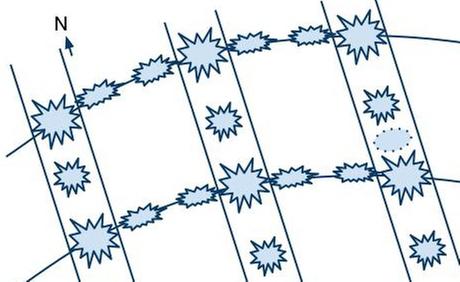

Joel Hollingsworth wrote: I think the language that included a name for them has gone extinct, along with the larger system of agriculture they were a part of.
Hydraulic albedo/thermal-mass season extenders? It might be worth thinking up a new name.
What did they look like? What were they made of? I missed the show but think I would have enjoyed it.
marina phillips wrote: I made what I refer to as a "redneck greenhouse" by making a rectangle with straw bales and covering it with a pick up bed topper. Put buckets of water in there too. Worked well enough to keep my baby seedlings alive through some very cold weeks in April. An unexpected problem was rodents chopping down seedlings like they were trees! So we took everything out and lined it with chicken wire, and that stopped that. Man, was that frustrating though! They didn't even eat them, the baby plants were just felled like little trees and left there. !!!
This sounds more like cutworms than rodents. If the problem persists, try a plastic, fine screen or fabric ground cover.
Seed the Mind, Harvest Ideas.
http://farmwhisperer.com
Ken, while I'm not exactly arguing with you, I present this evidence: I found a hole in the ground in the middle of the bale square, and I put a spring mouse trap with cheese next to the hole (before we moved the whole thing) and there was definitely a squished rodent in there the next morning, with no damaged plants. And then the next day, more toppled seedlings, untouched trap. Smarter than I thought.....so we did the chicken wire bit.
Scott, I'd like to try the French style berming up of a hot bed with manure but my raised beds are too close to try it right now. But from what I have read it is a very effective extender.
Our inability to change everything should not stop us from changing what we can.
Jennifer, I posted a link about the Titicaca raised beds earlier in the thread basically they would berm up the earth in a low lying area. Taking soil from either side of the bed creating trenches along the bed. Water would fill the trenches and not only irrigate but protect the bed from frost. Continued trenching would replace the depleted soil with fertile soil from the trench. In addition, reed beds or floating gardens made of reeds and then having fertile soil from the lake bottom placed on the platform would be used for garden beds. Some photo's even show houses floating on reed beds.
Our inability to change everything should not stop us from changing what we can.
A local food processor gave away 50 gallon steel drums, I put 10 of them full of water in my 30 foot hoophouse and use them as table bases, so I can grow lettuce and start seedlings in the early spring. Too hot here in the summer for lettuce. Rarely gets below 25 degrees here.
BTW if everyone would include at least their growing zone if not their location it would greatly help this type of topic
I wonder why he doesn't build a square with notches in it, instead of three separate spacers with holes drilled in them. I also think a thinner hoop would allow you to use clothespins. I bet split wood from coppicing could serve in place of the PVC. But the general design looks interesting.
Here's the same guy's design for a cloche made with the sidewall of a tire. I like it better than black plastic mulch.
"the qualities of these bacteria, like the heat of the sun, electricity, or the qualities of metals, are part of the storehouse of knowledge of all men. They are manifestations of the laws of nature, free to all men and reserved exclusively to none." SCOTUS, Funk Bros. Seed Co. v. Kale Inoculant Co.
Brenda Groth, I'd love to hear more about how you are constructing your sun traps.
I just started a series of posts about season extension, at http://woodforfood.blogspot.com/2014/03/coaxing-spring-part-i.html. It starts off with simple mini-greenhouses but will transition into the hugel beds / heat capture with tomorrow's post. I'm using deep pits around 5 feet down, filling them with hugelkultur materials, then working to capture the heat that rises out of the beds from decomposition. I'm in North Central WA State. Thanks everyone for the fantastic ideas!
Gardening with the Slow Burn of Rotting Wood
http://woodforfood.blogspot.com
Julie Ashmore
Posts: 16
Location: Near Molson, North Central WA State, Zone 5a
P.S. Joel H, it looks like the creator of the blogs you linked to has decided to cash in on his ideas... You have to buy the book to "unlock" his info on the web... Too bad, but thankfully permies.com still has lots of great free info!
Gardening with the Slow Burn of Rotting Wood
http://woodforfood.blogspot.com
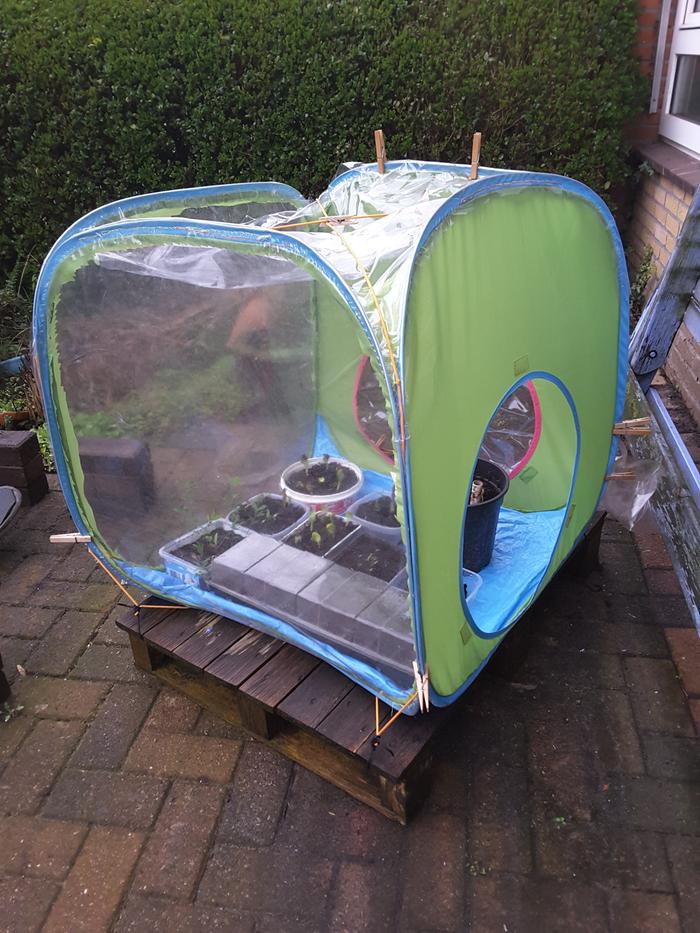
My new 'miniature greenhouse', which I showed already in some other threads. It's made out of a toddler play tent and some transparent plastic table cloth. My seedlings are now in there, not on the window sil anymore. They are doing well, while there's frost all nights!
my miniature greenhouse
"Also, just as you want men to do to you, do the same way to them" (Luke 6:31)
Robert Ray wrote:I have traditional raised beds but in addition have a set of three that I have southernly sloped @15 degrees to boost solar gain.
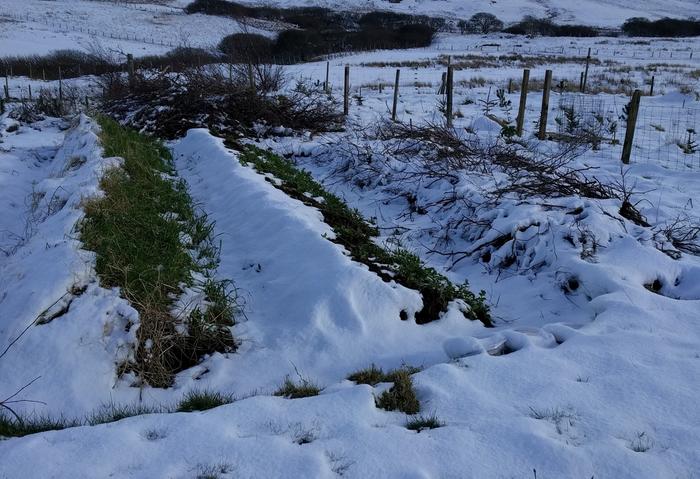
I did the same thing Robert - parallel thinking perhaps. I estimate that my beds move my equivalent location about 100 miles to the South. You can see the effect in snow here from 2 winters ago:
solar aspect beds in snow
I keep meaning to try and measure the soil temperature in the sunshine and compare to a flat area...