
• Post Reply Bookmark Topic Watch Topic
  • New Topic
permaculture forums growies critters building homesteading energy monies kitchen purity ungarbage community wilderness fiber arts art permaculture artisans regional education skip experiences global resources cider press projects digital market permies.com pie forums private forums all forums
this forum made possible by our volunteer staff, including ...
master stewards:
  • Carla Burke
  • Nancy Reading
  • John F Dean
  • r ransom
  • paul wheaton
  • Jay Angler
  • Timothy Norton
stewards:
  • Pearl Sutton
  • Tereza Okava
  • Nicole Alderman
master gardeners:
  • Christopher Weeks
gardeners:
  • M Ljin
  • Megan Palmer
  • Pete Podurgiel
  • Likes 15
  • Mark post as helpful
  • send pies
    Number of slices to send:
    Optional 'thank-you' note:
  • Quote
  • Report post to moderator
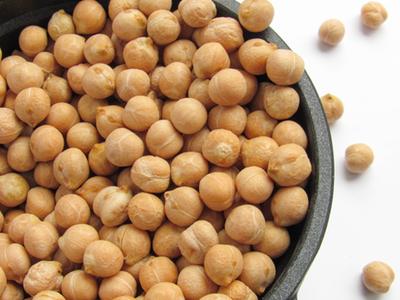
Questions, and hopefully answers, about cooking chickpeas in a pressure cooker


Q. How long do I soak chickpeas before pressure cooking

A. More than 4 hours, less than 24


Q. Do I have to soak chickpeas before pressure cooking?

A. No, but they have a significantly longer cooking time.


Q. Is there a way to quick soak chickpeas if I forgot?

A. Yes.  Cover them with boiling water and then after 1 hour drain and replace with new water and cook like soaked.  It might need a little extra time.


Q. How long do I cook them and at what pressure?

A. It gets complicated.   Basically high pressure, slow/natural release where you turn off the heat and wait for the pressure to go down on its own.  As for time...

Presoaked, electric pressure cooker, high, 18 to 20 min, slow release

Presoaked, stovetop pressure cooker, high 12 to 15 min, slow release

Not soaked, electric pressure cooker, high, 45 to 50 min, slow release

Not soaked, stovetop pressure cooker, high 40 to 45 min, slow release.

These are starting places.  Observe how your cooker behaves and adjust accordingly.


Q. Why do different pressure cookers have different cooking times?

A. Because different pressure cookers have different amounts of pressure.  Electric Instant Pots, for example, usually use less pressure, but have high amounts of insulation to save on electricity, whereas a stovetop cooker will often have more, for faster cooking time.  Different decades also had different ideal pressure.   Times given are a starting place and we adjust as we get to know our machine better.


Q. How much water do I need per cup of chickpeas?

A. I'm not sure.  More than the minimum amount for that specific cooker.  I generally put double the amount of the dry peas, so if I have two cups of dry chickpeas, I use four cups of water.  Too much water isn't a problem, but takes longer to come up to pressure.  Too little can burn.  If you find the ideal amount of water per cup of dry chickpeas, please let us know,

A. Another option is to put enough water so that there are two inches of water above however much chickpeas you’ve put in.


Q. But what if I don't have a pressure cooker?

A. soak overnight (or longer—up to 3 days sometimes) and then cook for about 2-3 hours in a heavy pot. I will also turn it off and cover it and walk away, then come back and cook some more, until it’s soft enough for whoever is eating.


Q. How much chickpeas will it make?

A. It depends on the age and cultivar of the chickpeas.   Generally, 2 cups of dry chickpeas makes about 4 cans worth of chickpeas, or four meals of chickpeas for one person.


Q. Do they have to be boring chickpeas?

A. Of course not.  You can add lots of tasty things to your chickpeas while they cook like garlic, onion, bay, cumin, chiles, whatever.


Q. Is it possible to can chickpeas at home in, um, jars?

A. absolutely.  here is how
COMMENTS:
 
gardener
Posts: 2985
Location: Zone 4b/5a
1765
ancestral skills forest garden foraging composting toilet fiber arts bike medical herbs seed writing ungarbage
  • Likes 7
  • Mark post as helpful
  • send pies
    Number of slices to send:
    Optional 'thank-you' note:
  • Quote
  • Report post to moderator
I always cook them the slow way (not under pressure) because the one or two times I’ve had pressure cooked chickpeas they didn’t taste nearly as good. They were bland and a bit watery. Maybe there was just too much water?
 
steward & author
Posts: 48196
Location: Left Coast Canada
20079
10
art trees books chicken cooking fiber arts
  • Likes 4
  • Mark post as helpful
  • send pies
    Number of slices to send:
    Optional 'thank-you' note:
  • Quote
  • Report post to moderator

M Ljin wrote:I always cook them the slow way (not under pressure) because the one or two times I’ve had pressure cooked chickpeas they didn’t taste nearly as good. They were bland and a bit watery. Maybe there was just too much water?


Please share your method, we can add it to the faq.  

The more methods, the better.
 
M Ljin
gardener
Posts: 2985
Location: Zone 4b/5a
1765
ancestral skills forest garden foraging composting toilet fiber arts bike medical herbs seed writing ungarbage
  • Likes 6
  • Mark post as helpful
  • send pies
    Number of slices to send:
    Optional 'thank-you' note:
  • Quote
  • Report post to moderator
I soak overnight (or longer—up to 3 days sometimes) and then cook for about 2-3 hours in a heavy pot. I will also turn it off and cover it and walk away, then come back and cook some more, until it’s soft enough for whoever is eating.
 
master gardener
Posts: 6862
Location: Carlton County, Minnesota, USA: 3b; Dfb; sandy loam; in the woods
4288
8
forest garden trees books chicken food preservation cooking fiber arts seed woodworking homestead ungarbage
  • Likes 9
  • Mark post as helpful
  • send pies
    Number of slices to send:
    Optional 'thank-you' note:
  • Quote
  • Report post to moderator
I never soak legumes. 50 minutes in the Instant Pot, with enough water so that there are two inches of water above however much chickpeas you’ve put in. Or put them in a clay pot on the lowest heat my stove will make and cook them all day. Either way, add aromatics — garlic, onion, bay, cumin, chiles, whatever.

In the IP, I give them 5-10 minutes of cooling afterwards so that when I release pressure it doesn’t spew, but I don’t think it particularly needs the extra cook time.
 
gardener
Posts: 552
Location: The Old Northwest, South of Superior
351
books building wood heat
  • Likes 10
  • Mark post as helpful
  • send pies
    Number of slices to send:
    Optional 'thank-you' note:
  • Quote
  • Report post to moderator
In the Instant Pot, I use two parts water to one part chick peas, by volume.  Cook on high pressure for 45-50 minutes, with natural release and the keep warm option enabled.

But, I almost always make hummus (well, no tahini, because my wife doesn't like the taste, so not exactly hummus).  Anyway, if I let the chick peas linger on the keep warm for a while, because I"m busy doing other things, no big deal, because they're they'll be getting mushed up in any case.

If a firmer texture is desired, draining them as soon as the pin drops on natural release will leave them at more of the commercially canned consistency.

I am curious about the soaking.  For instance, will soaking in room temp water lead to germination?  Does that change the nutrient profile in any way?

I do recall my mother soaking dry beans when I was a kid.  I'm sure that was how her mother did it, too.  But, that was for stove top cooking at atmospheric pressure.  I don't specifically recall my mother cooking dry beans in the stove top pressure cooker, though she used it a lot when we lived at altitude in the Mountain West to compensate for the lower boiling temperature at higher elevations.  Valley floor was around 6,000 feet ASL, so high enough to appreciably affect cooking times and require adjustments when baking.
 
r ransom
steward & author
Posts: 48196
Location: Left Coast Canada
20079
10
art trees books chicken cooking fiber arts
  • Likes 9
  • Mark post as helpful
  • send pies
    Number of slices to send:
    Optional 'thank-you' note:
  • Quote
  • Report post to moderator
Germination usually takes two or three days for chickpeas.  It makes them taste delightful for both cooked and if we let the sprouts grow longer than the pea, taste fantastic raw (like bean sprouts).

I've read soaking (and changing the water just before cooking) makes beans less gassy and easier to digest for some. I haven't noticed much difference, but I like the savings of using less electricity to cook them.
 
Kevin Olson
gardener
Posts: 552
Location: The Old Northwest, South of Superior
351
books building wood heat
  • Likes 6
  • Mark post as helpful
  • send pies
    Number of slices to send:
    Optional 'thank-you' note:
  • Quote
  • Report post to moderator

r ransom wrote:Germination usually takes two or three days for chickpeas.  It makes them taste delightful for both cooked and if we let the sprouts grow longer than the pea, taste fantastic raw (like bean sprouts).

I've read soaking (and changing the water just before cooking) makes beans less gassy and easier to digest for some. I haven't noticed much difference, but I like the savings of using less electricity to cook them.


Thanks for the info.  It sounds like some experimentation chez nous is in order!

I wondered about nutrient profiles because there has been a lot of clamor regarding "anti-nutrients" of late - phytates, in particular - present in legumes and whole grains.  As best I can tell, phytates functionally bind stored nutrients until needed by the germinating seed, at which time various enzymatic processes break down the phytates, releasing the sequestered nutrients.  Malting grains and sprouting legumes might thus make more nutrients bioavailable, but I haven't yet found anything analytically definitive on this as relates to foodstuffs.

A certain well-known television health guru here in the US has been advising people to avoid eating legumes and whole grains because of these anti-nutrients.  He seems to be advocating for consumption of white flours and white rice to minimize phytates and avoidance of legumes entirely for the same reason.  Since people have been eating whole grains and legumes to  greater or lesser degree since before the agricultural revolution, I am rather doubtful that they are such a problem.  However, I can imagine that traditional (if time consuming) methods of preparation and processing might have mitigated any deleterious effects - methods which have been largely dispensed with in the interest of modern convenience, factory throughput and shelf stability.
 
r ransom
steward & author
Posts: 48196
Location: Left Coast Canada
20079
10
art trees books chicken cooking fiber arts
  • Likes 8
  • Mark post as helpful
  • send pies
    Number of slices to send:
    Optional 'thank-you' note:
  • Quote
  • Report post to moderator
Chickpeas are staple part of a traditional diet for many cultures for thosuands of years.  I have more trust of chickpeas than most modern dietary advice from someone trying to sell us something.   Just don't eat them raw.  Cook our sprout them first like tradition.  

It's when beans get highly procesed, like protine isolates and that stuff in ultra processed foods, that we can run into trouble. The path to avoiding that trouble is to buy whole chickpeas and cook, then transform into tasty treats.

If you aren't used to high fibre due to eating only white starch, go slowly and have smaller serving sizes until you can rebuild your gut microbiome.
 
r ransom
steward & author
Posts: 48196
Location: Left Coast Canada
20079
10
art trees books chicken cooking fiber arts
  • Likes 4
  • Mark post as helpful
  • send pies
    Number of slices to send:
    Optional 'thank-you' note:
  • Quote
  • Report post to moderator
If memory serves, there was a deep dive into legumes and nutrition here
https://permies.com/t/53160/Cooking-Dry-Beans-Peas
 
gardener & author
Posts: 3672
Location: Tasmania
2297
9
homeschooling goat forest garden fungi foraging trees cooking food preservation pig wood heat homestead
  • Likes 10
  • Mark post as helpful
  • send pies
    Number of slices to send:
    Optional 'thank-you' note:
  • Quote
  • Report post to moderator
I've never pressure cooked them, only pressure canned them.

This is how I do it:
1. Soak overnight the standard amount for beans to fill your jars (2.3kg (5 pounds) to fill 7 quart jars). With this amount I end up with slightly more than enough to fill the jars once they're cooked, but not less.

2. Drain, rinse, then put in a big pot with enough water to cover by an inch or two, bring to the boil.

3. Skim off the foamy stuff that comes to the top.

4. Keep it bubbling away for half an hour - not full rolling boil but not gentle simmer either.

5. Use a slotted spoon to put the chickpeas into jars, leaving an inch headspace.

6. Top with the chickpea cooking water so that the water is just covering the chickpeas.

7. Seal in the usual way.

8. Put into hot water in a pressure canner. Lid on, vent 10 mins, bring to 10psi or whatever your usual pressure is, keep it at that pressure 90 minutes for quarts or 75 minutes for pints.

9. Remove from heat. When the pressure is back to normal, remove the lid, take the jars out and rest them on a towel for 12 hours or so before testing seals and storing.
 
Look ma! I'm selling my stuff!
grow your own garden and build your own home, in Montana, for free-ish
https://wheaton-labs.com/bootcamp
reply
    Bookmark Topic Watch Topic
  • New Topic