posted 2 weeks ago
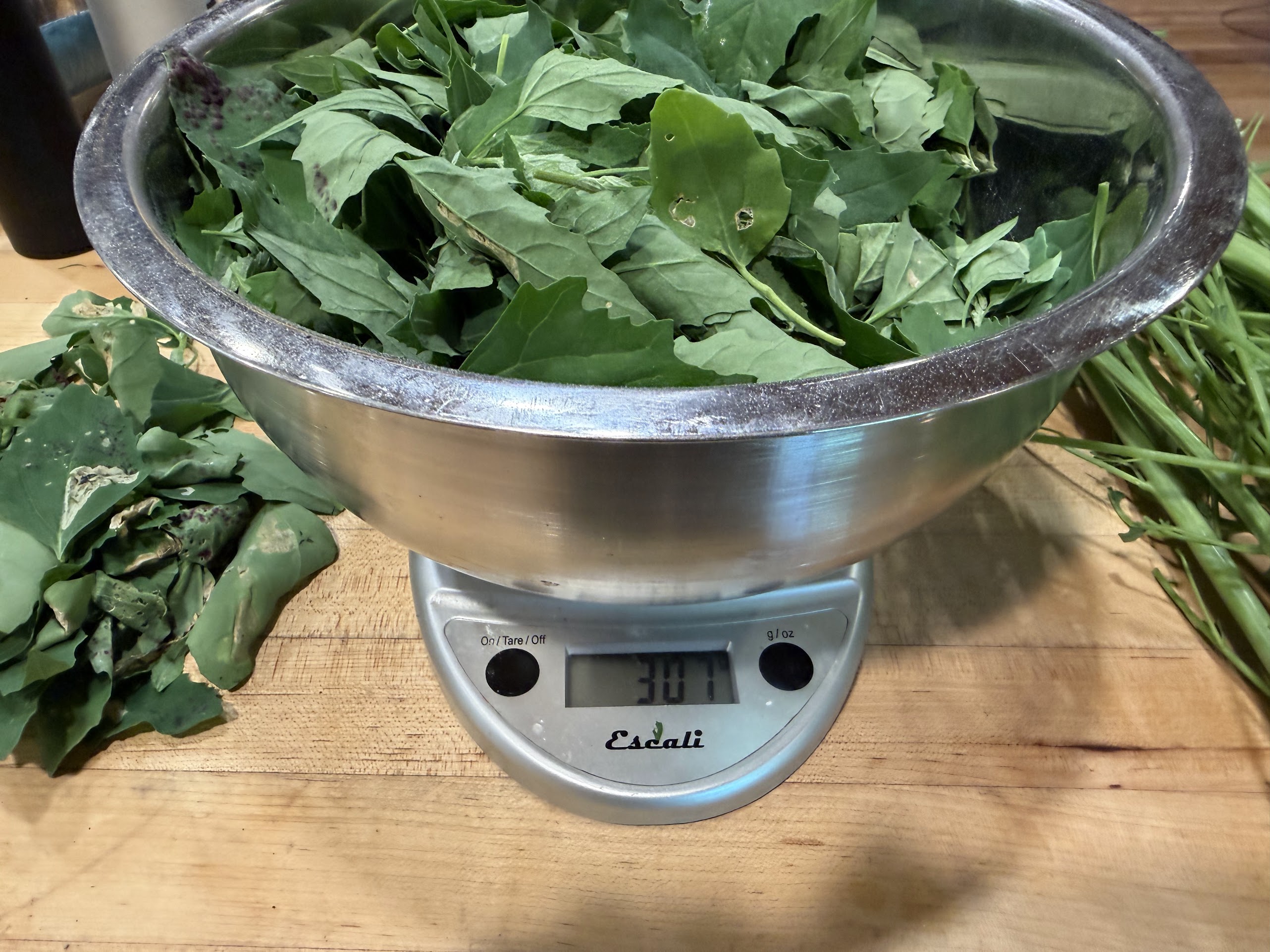
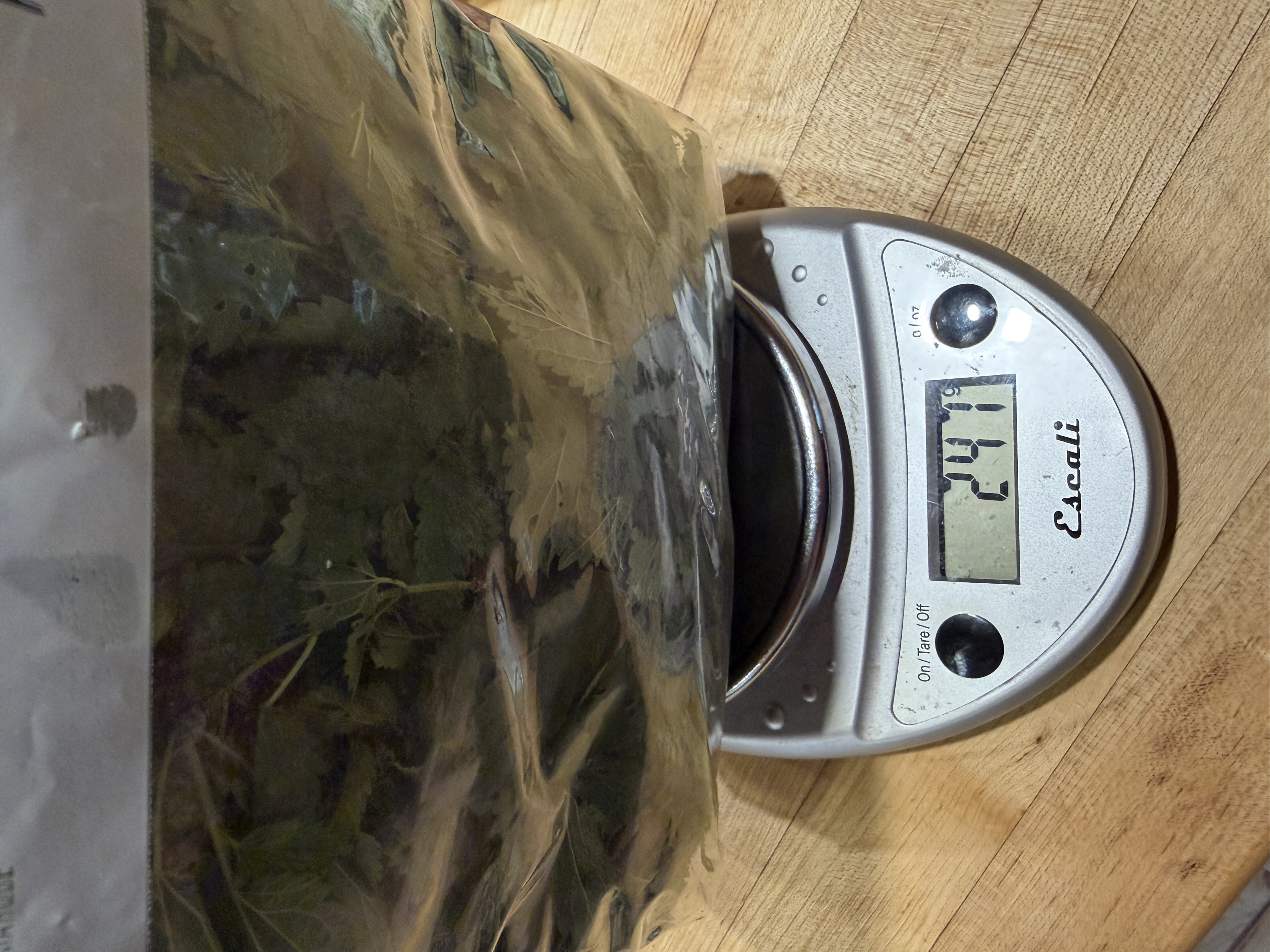
Here are the regularly foraged foods that our family has relied on over the years. Some of these are higher in calories like fruits, nuts and syrups and others are higher in vitamins and nutrients like greens. Some wild foods do not contribute a lot of calories but still contribute vital nutrients, like pine needles and rose hips for vitamin C even in the dead of winter. We do not hunt so protein and fat would be the biggest needs for us if we relied entirely on foraged foods, but some of that can come from other wild foods like nuts of course. Foraged foods have supplied a great deal of our food for a lot of years with our big family when all the kids were at home though (we are down to just one at home now). There were some years we foraged up to 400 pounds of wild foods (heavy items like apples and pears helped).
This is only wild foods that our family actually enjoys, not "survival foods" that don't taste good to us like Virginia waterleaf or garlic mustard, which are plentiful here in MN but not something we enjoy. We are in zone 4 SW Minnesota. These are just our commonly gathered standards, that are fairly easy for us to find and gather. There are plenty of other great ones, like we don't happen to have blueberries, huckleberries or hazelnuts near us but those are very common elsewhere. Also, a little farther south than us the redbud trees have delicious pink flowers in the spring that taste like fresh garden peas. :)
I'll break it up by season.
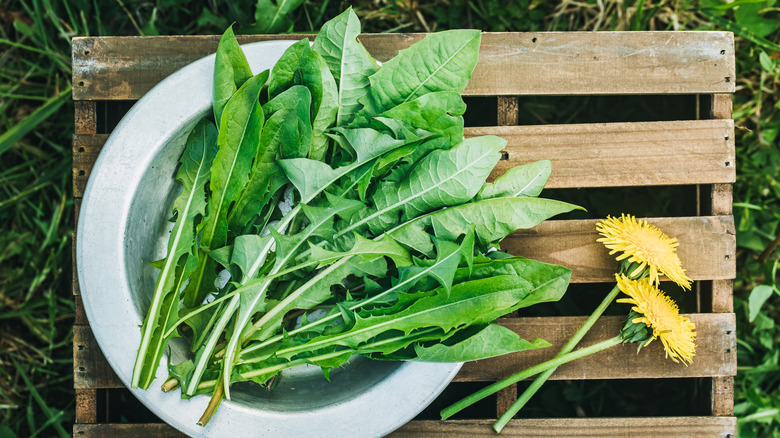
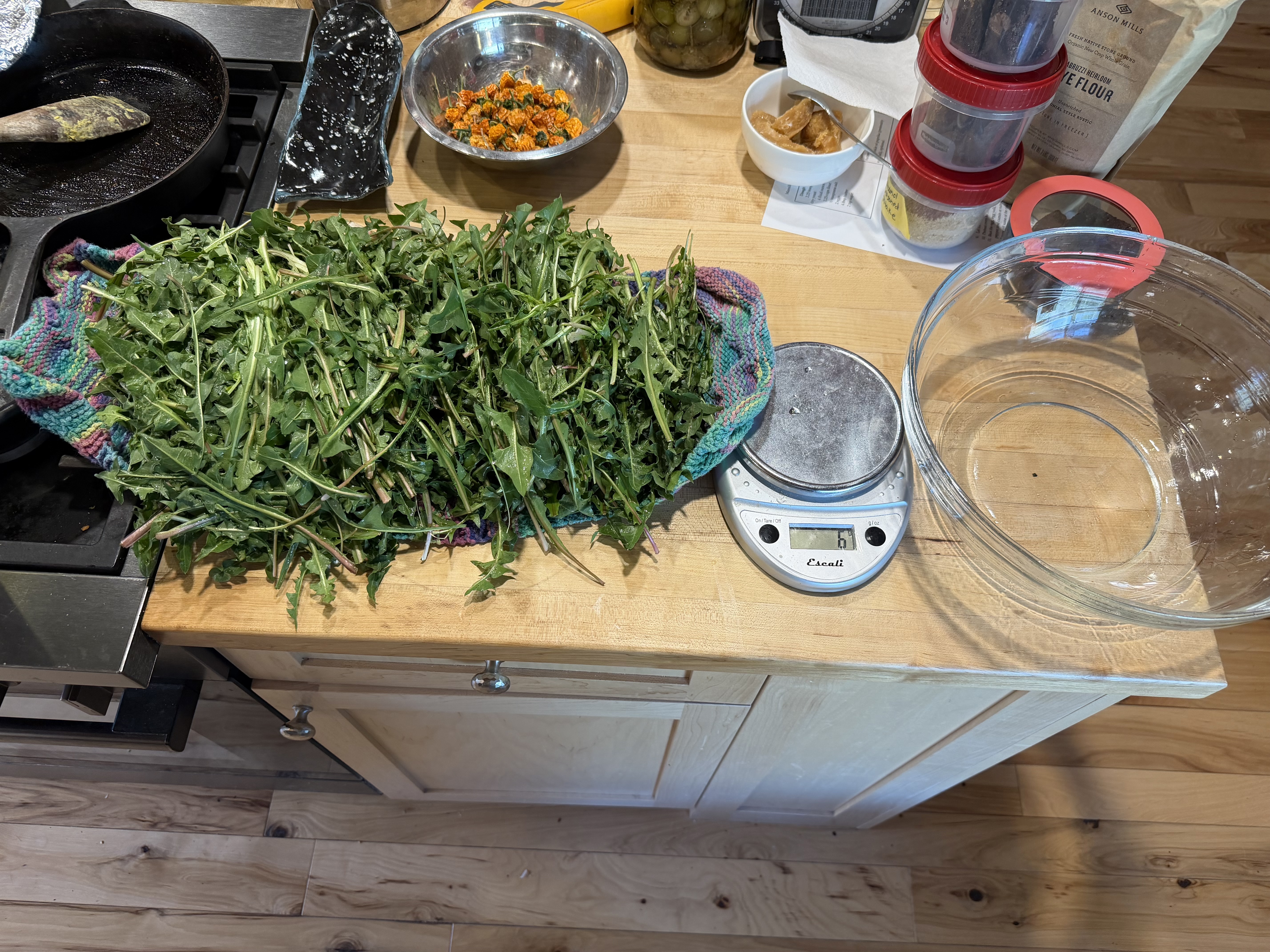
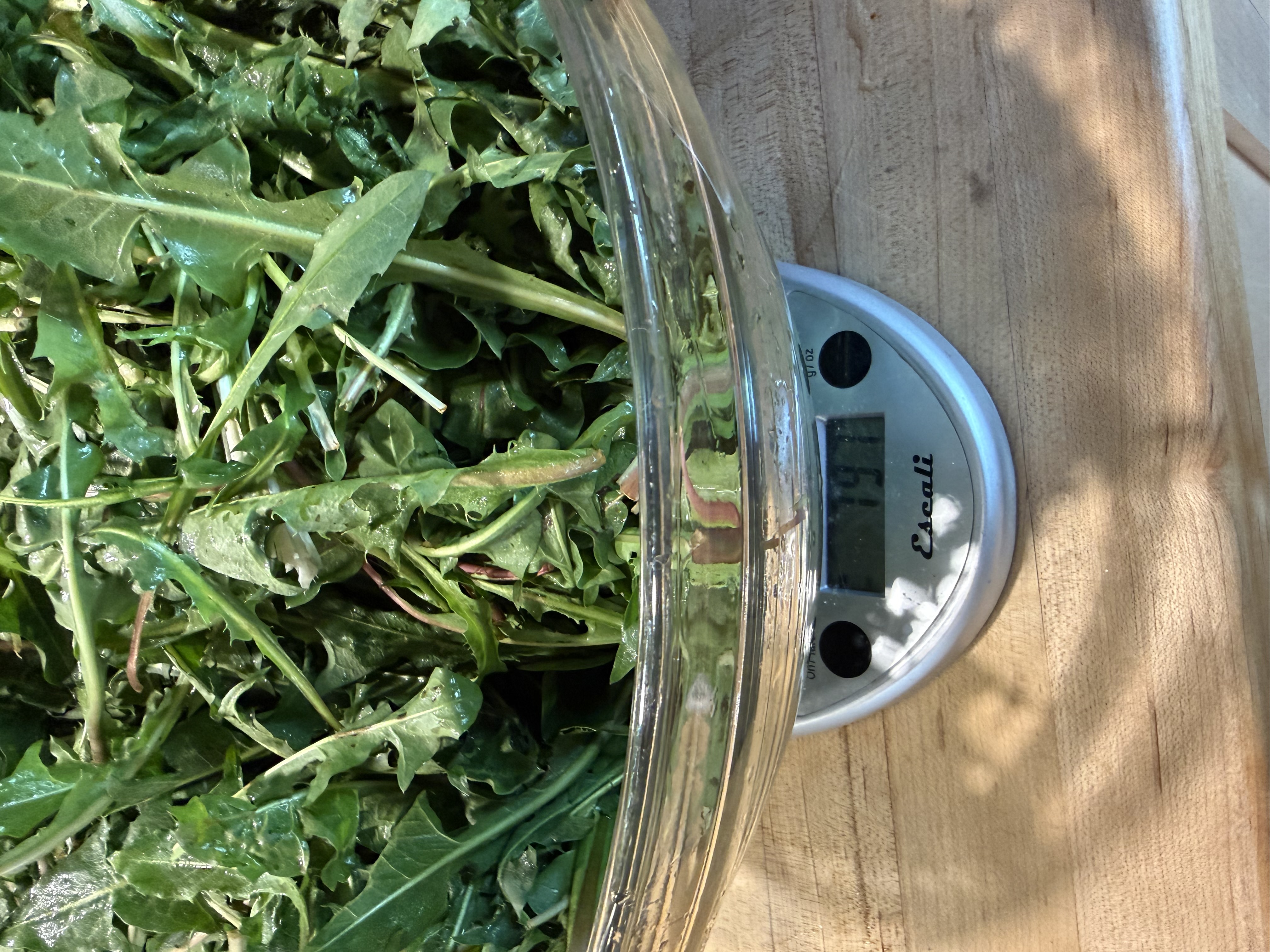
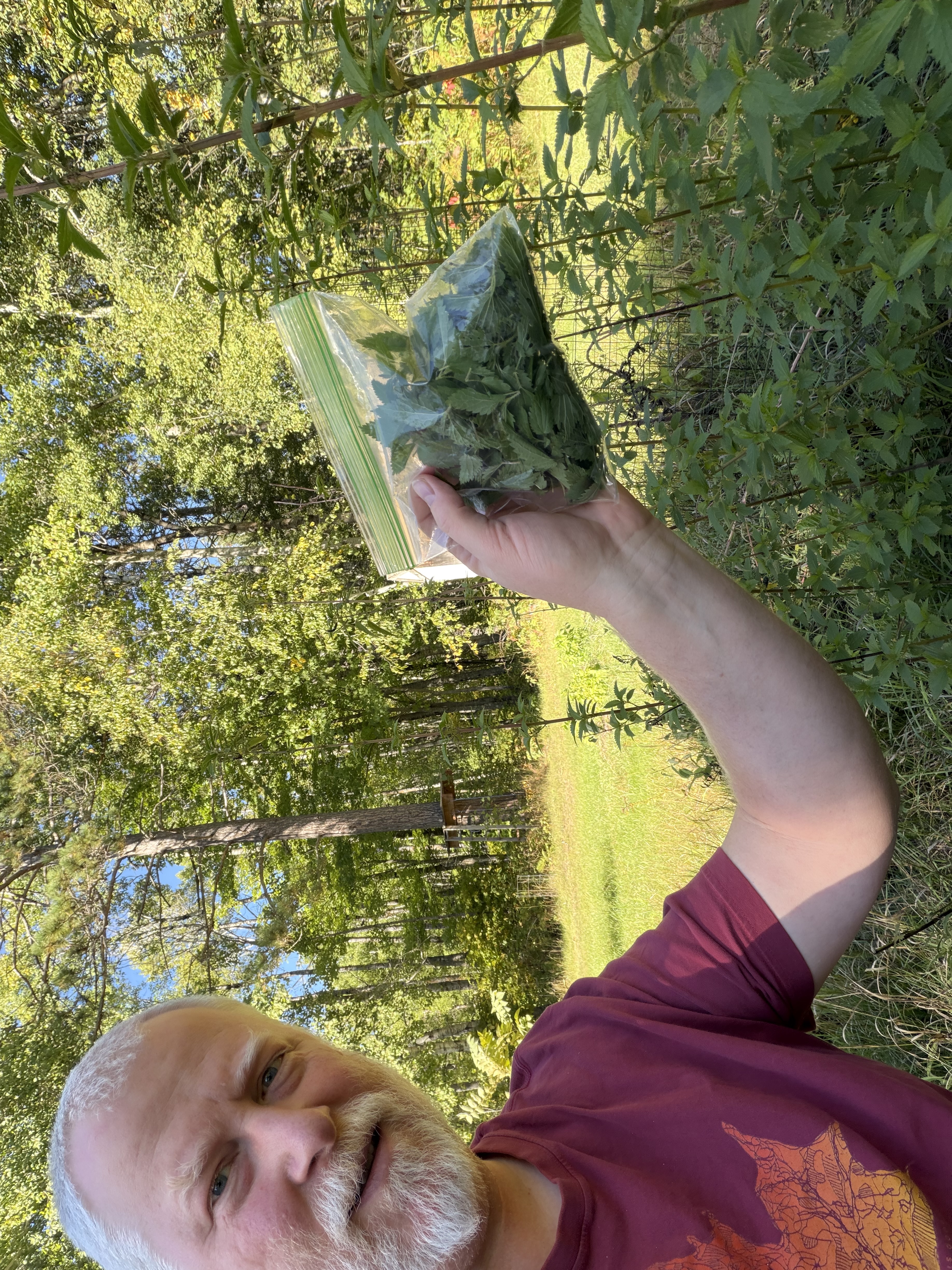
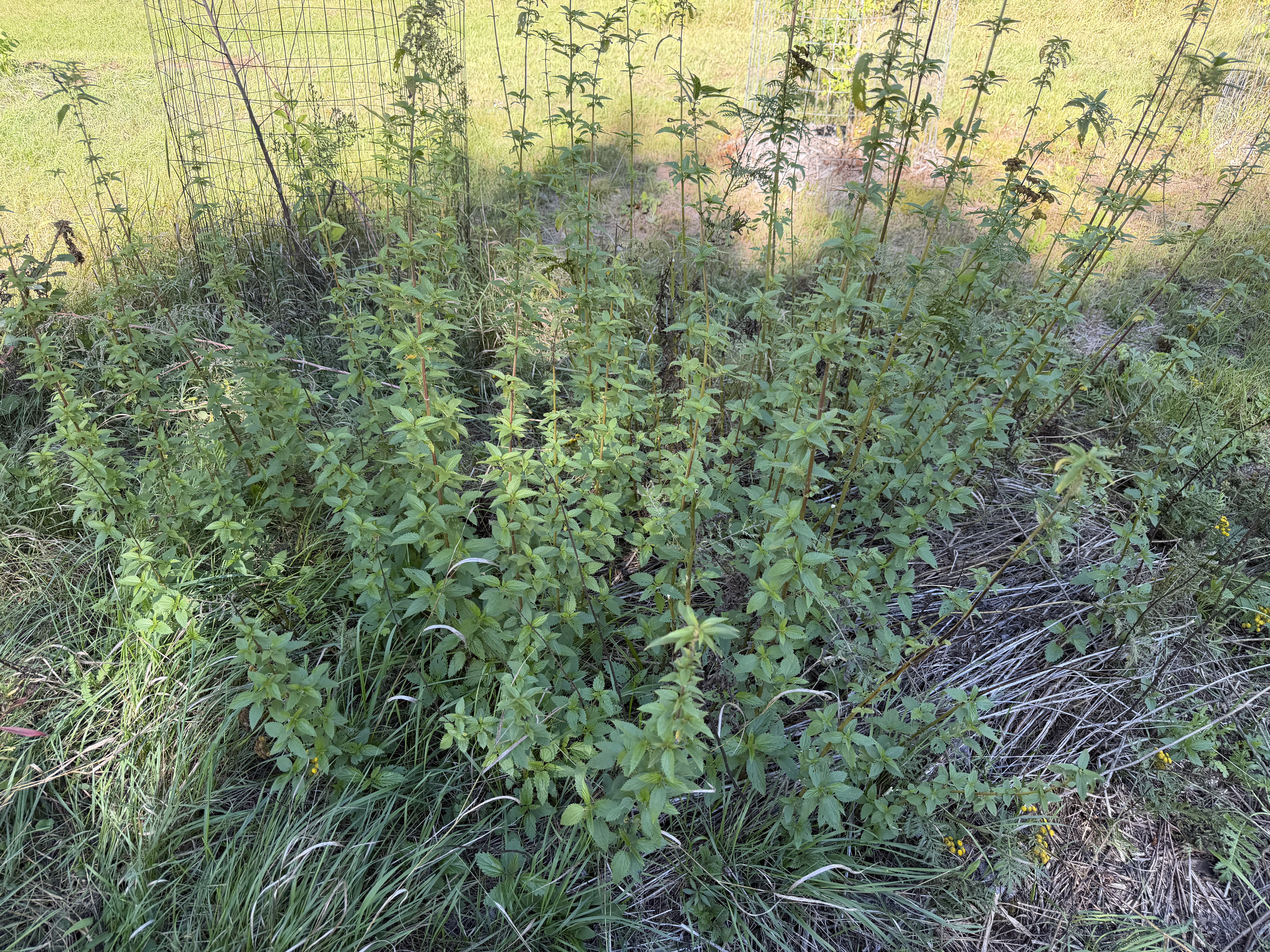
~ Late winter to early spring -- tapping walnut and maple trees for syrup, ramps, nettles, dandelion flowers for fritters, wild asparagus, violets (leaves and flowers), morels, chicken of the woods, pheasant back mushrooms, cattail sprouts/stalks, pine needles, dandelion greens
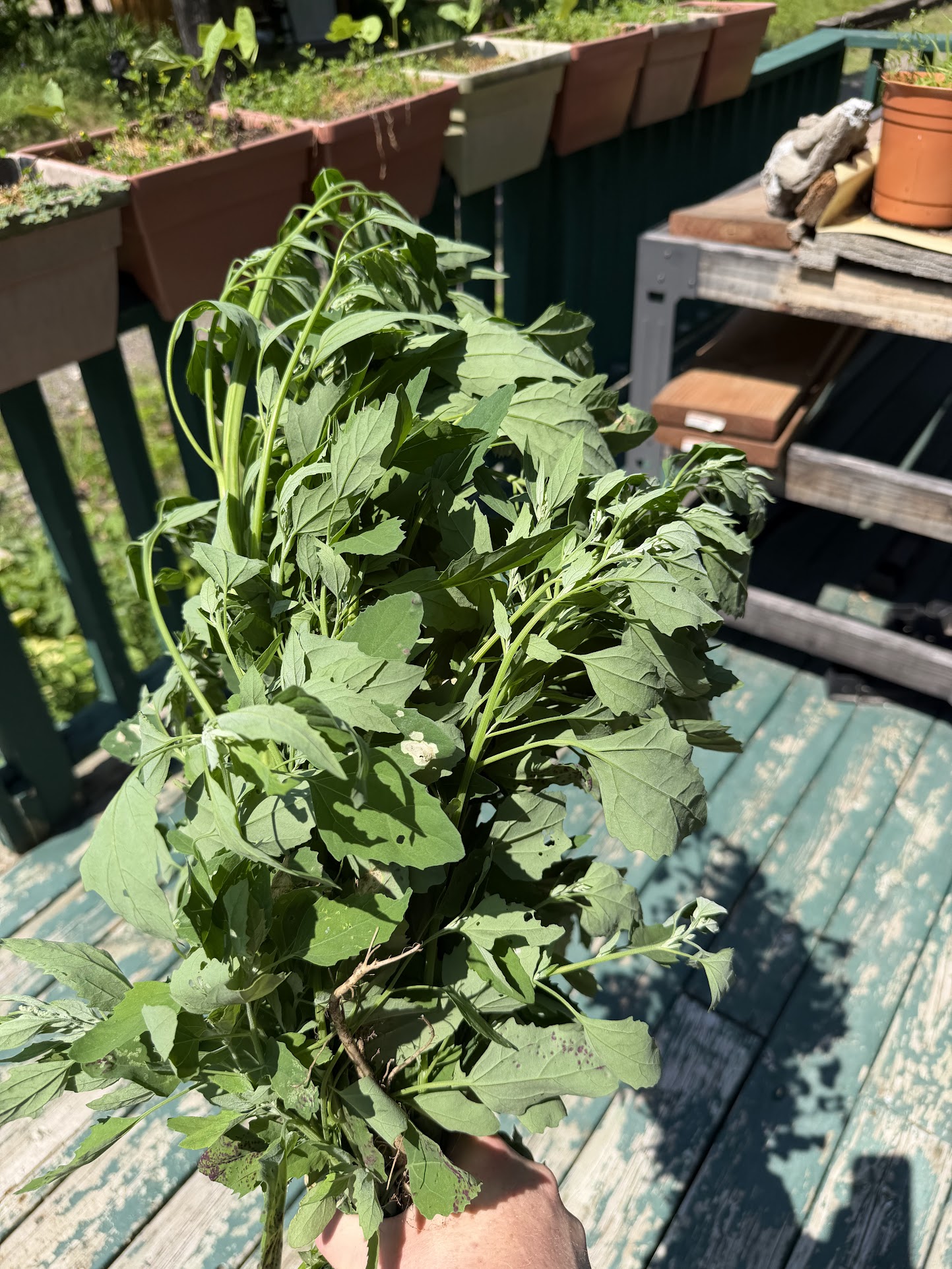
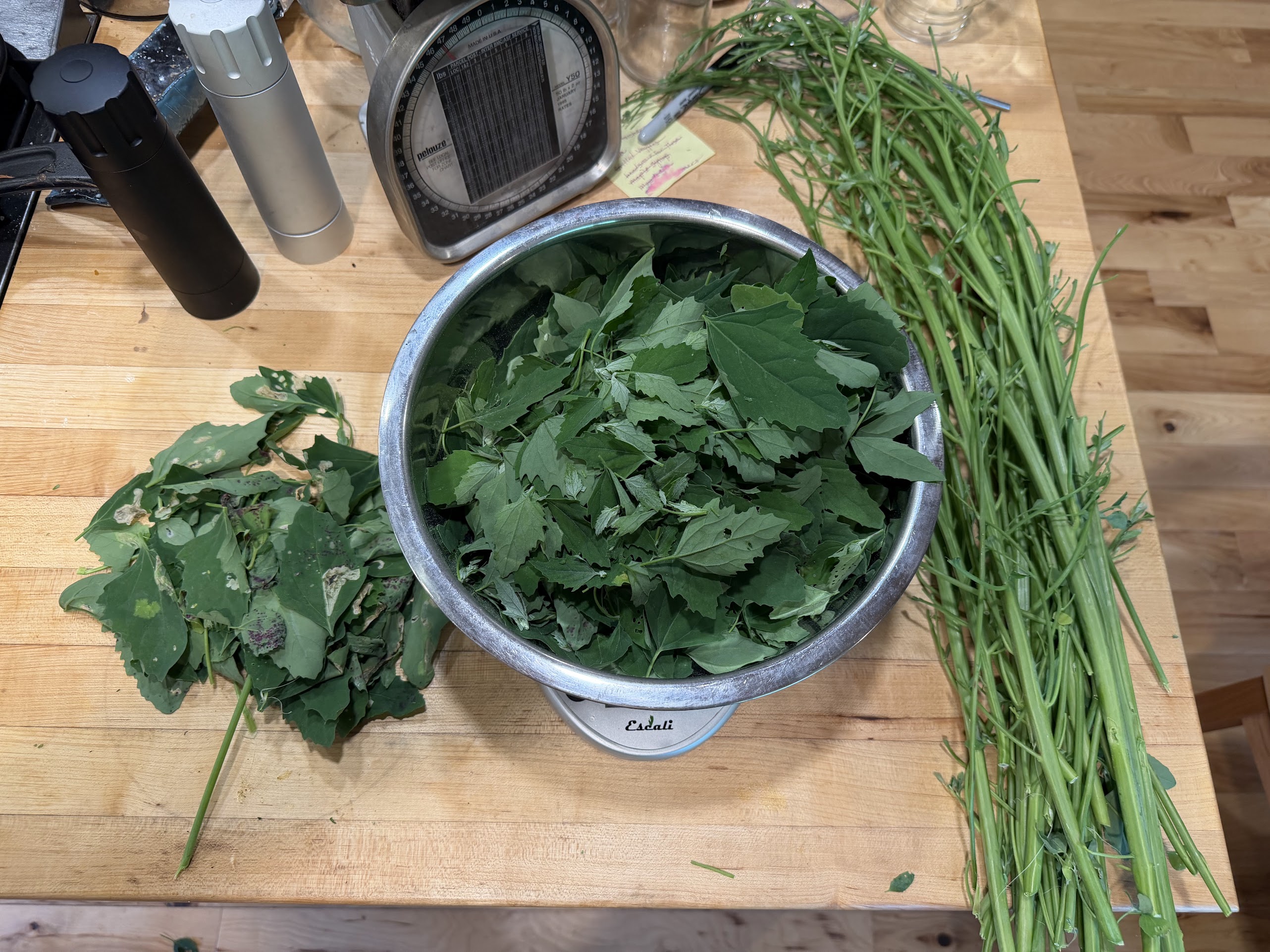
~ Late spring to summer -- elderflowers for fritters and soda/champagne, nettles, wood sorrel, raspberries, black raspberries, mulberries, wild strawberries, gooseberries, lambsquarters, oyster mushrooms, watermint, wild plums, lots of wild mints (corn mint, catmint, etc.), spruce tips, milkweed blossoms, wild garlic, cattail pollen
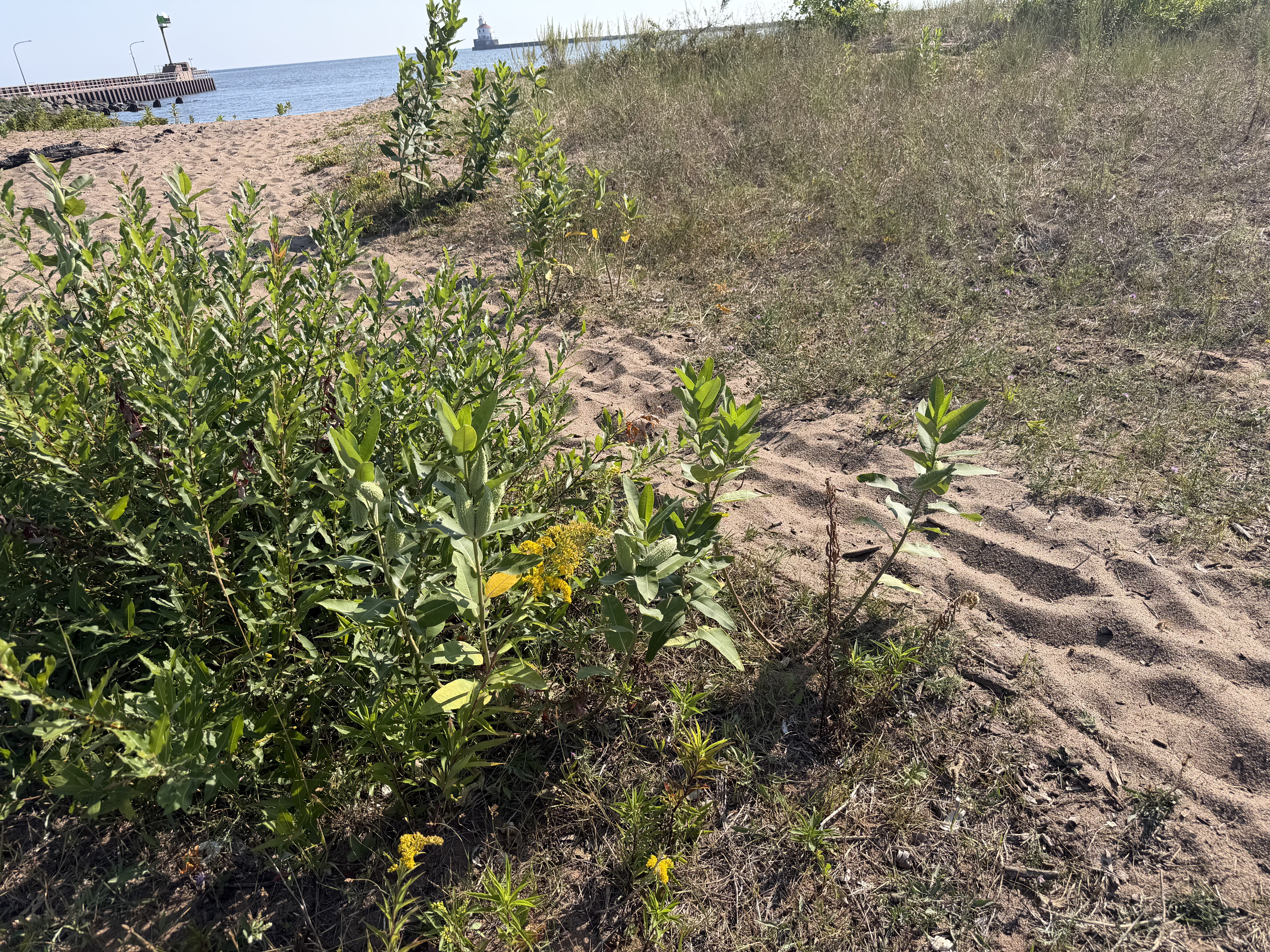
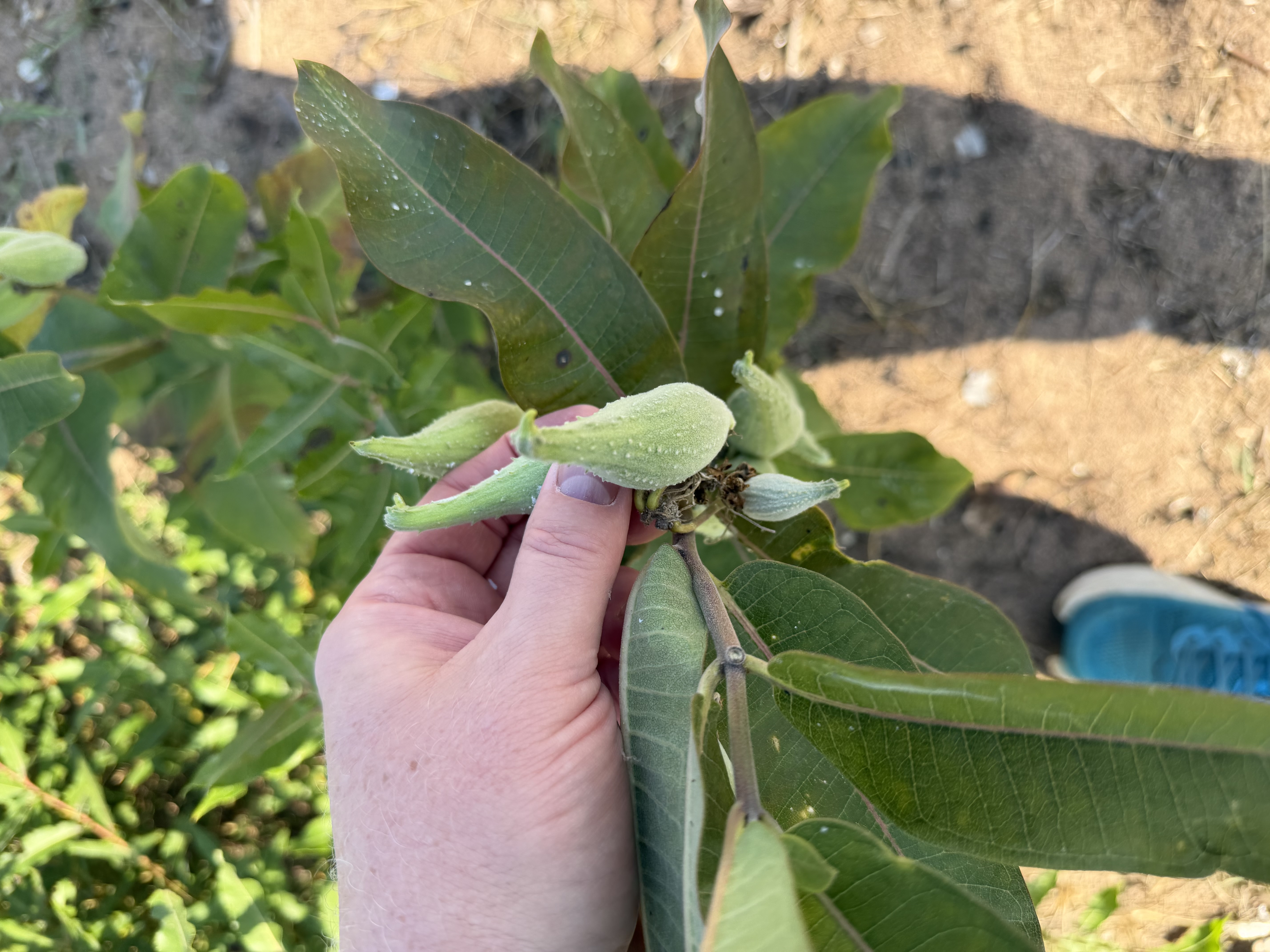
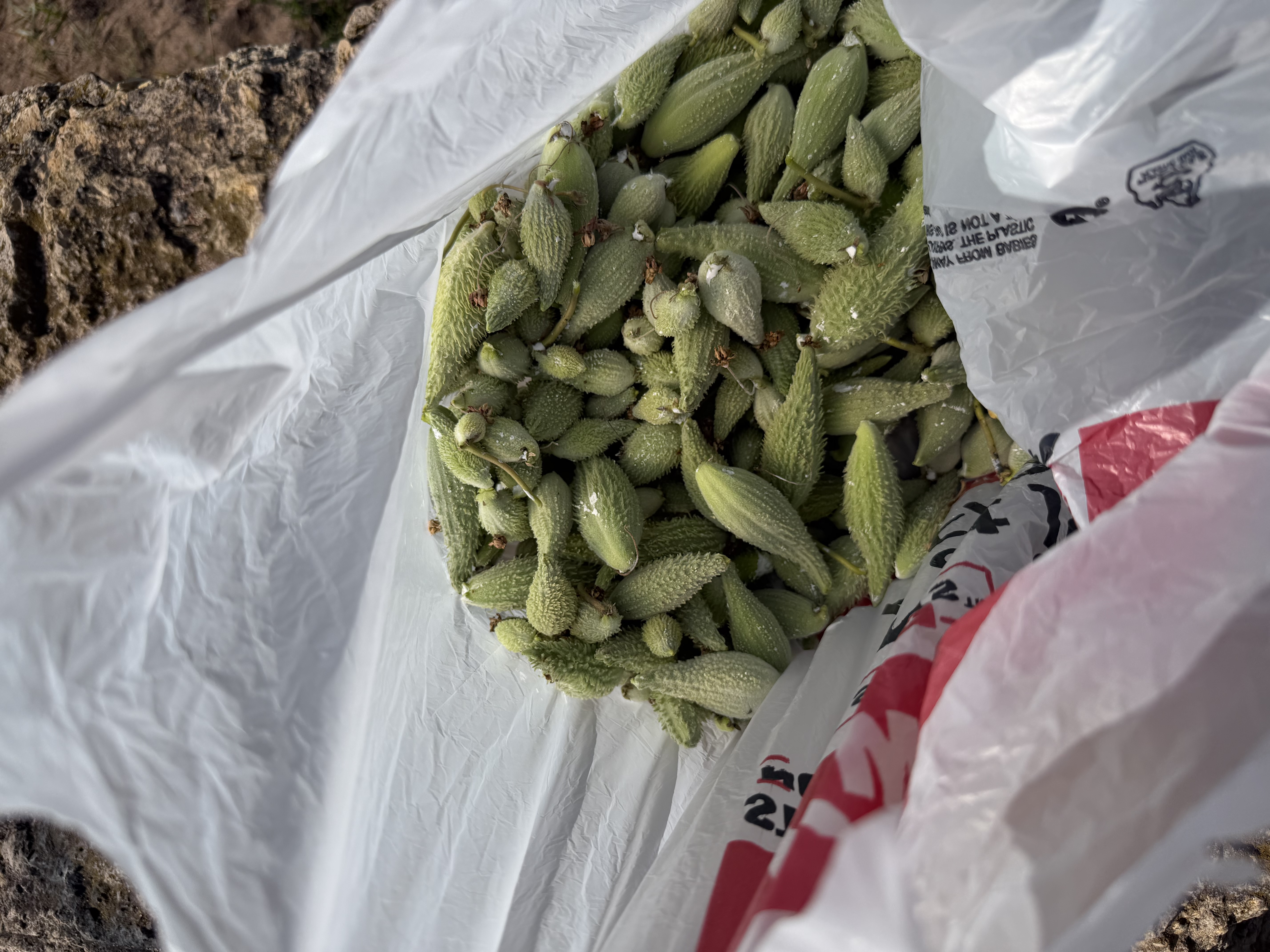
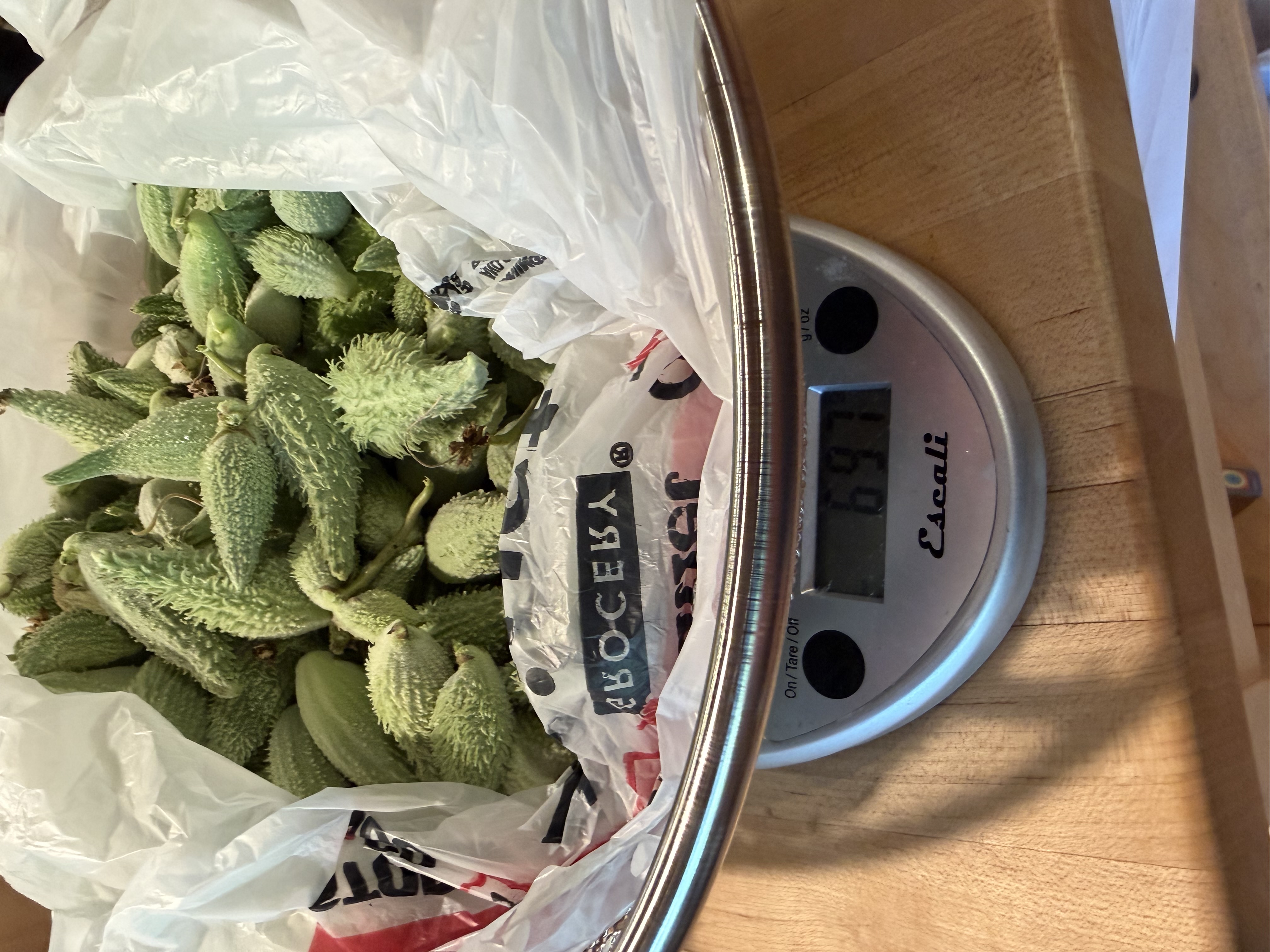
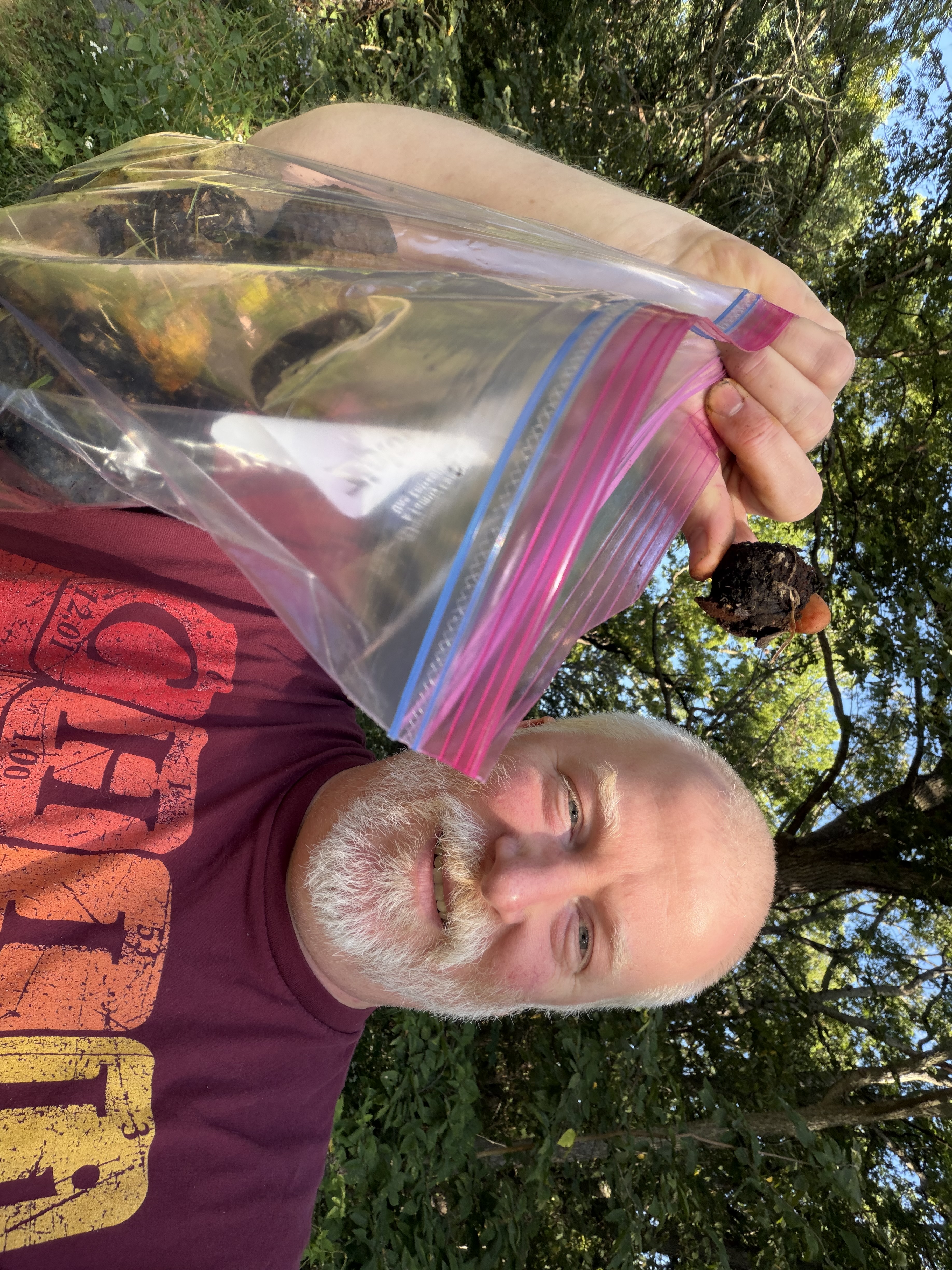
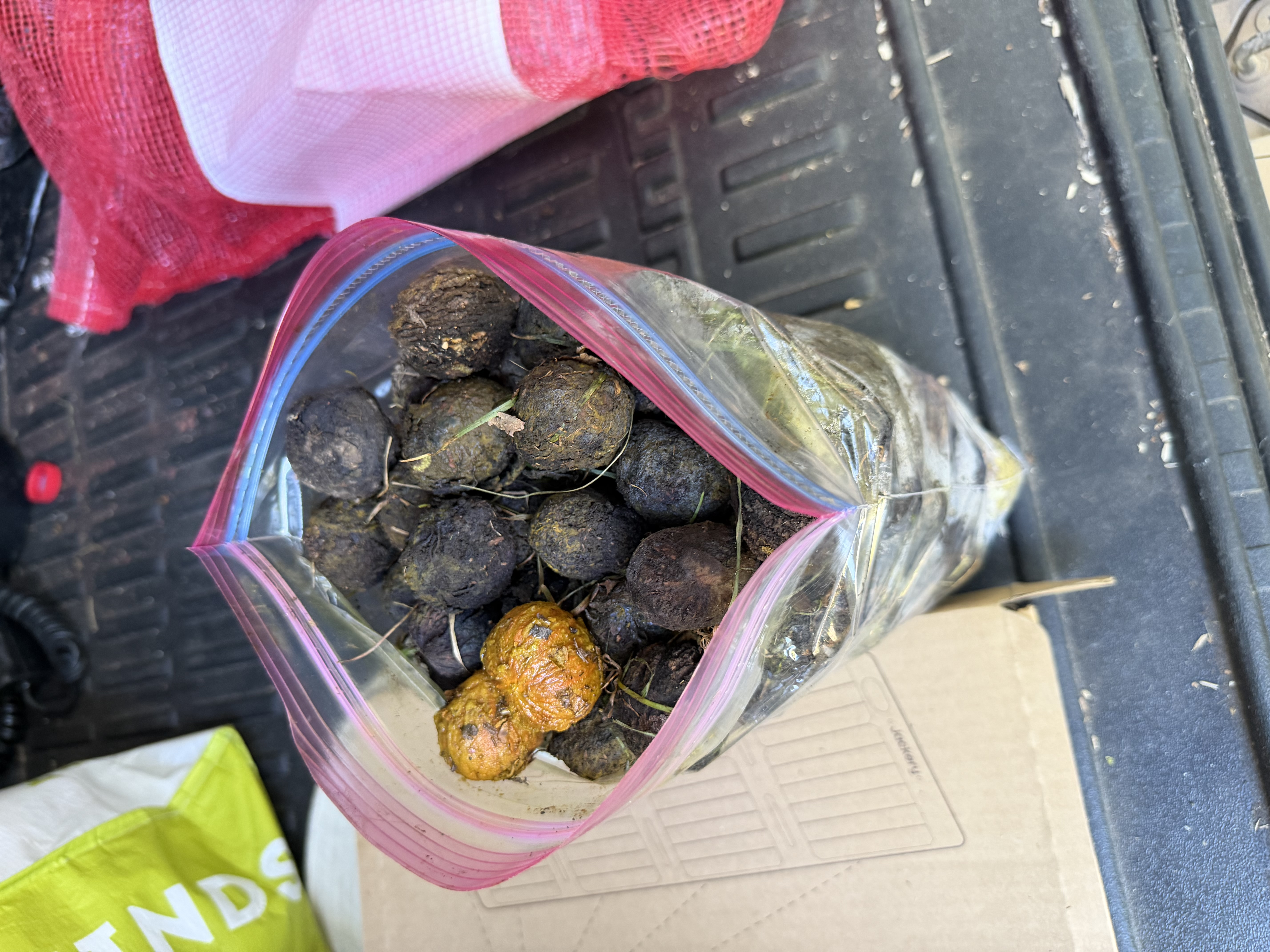
~ late summer to fall -- elderberries, acorns, walnuts, dock seeds, oyster mushrooms, lion's mane mushrooms, rose hips, wild grapes, apples, pears, crab apples, sumac, chokecherries, young milkweed pods (delicious battered and fried), hen of the woods mushrooms, maple seeds, grape leaves, roots like burdock, sunchokes
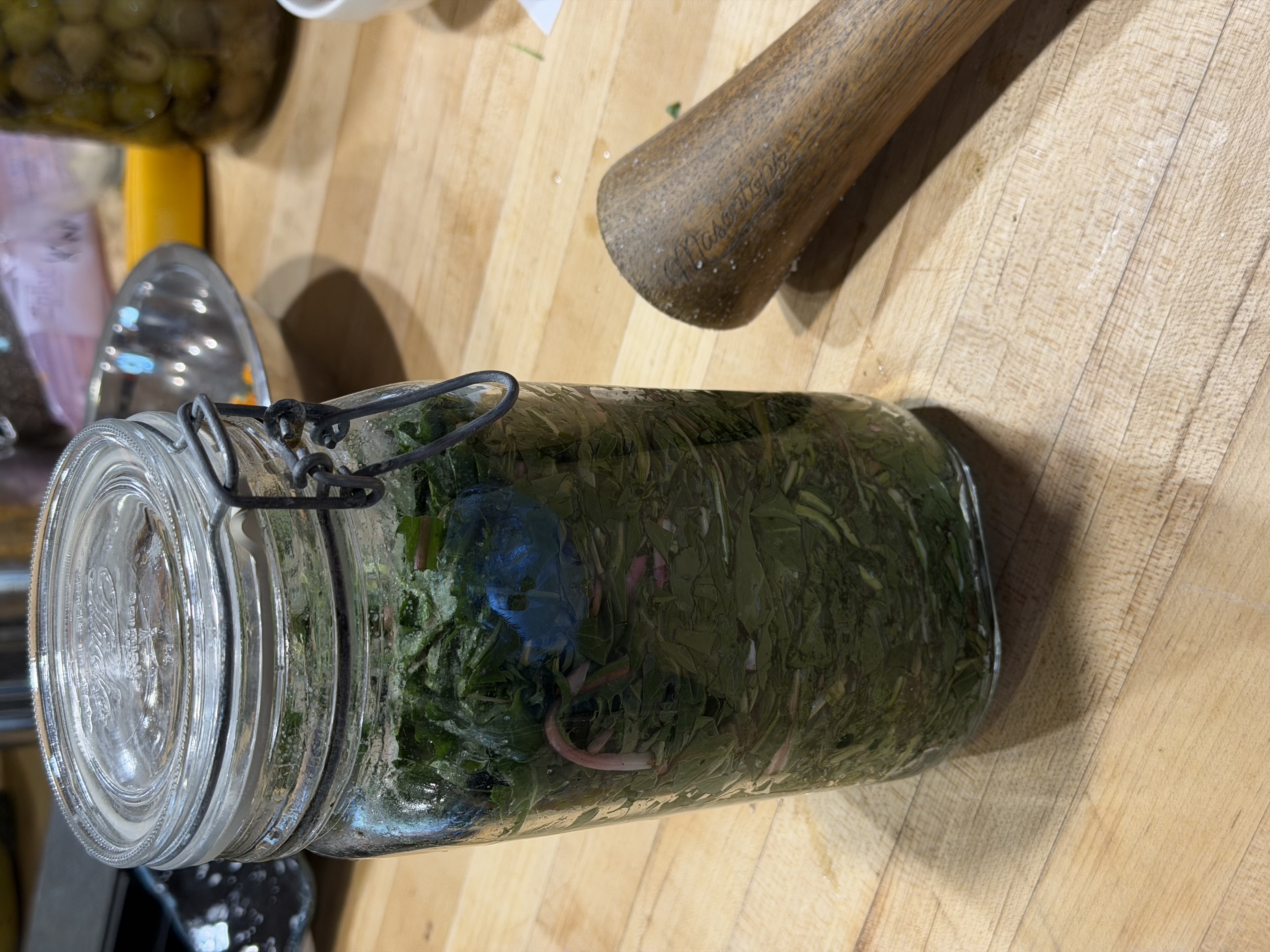
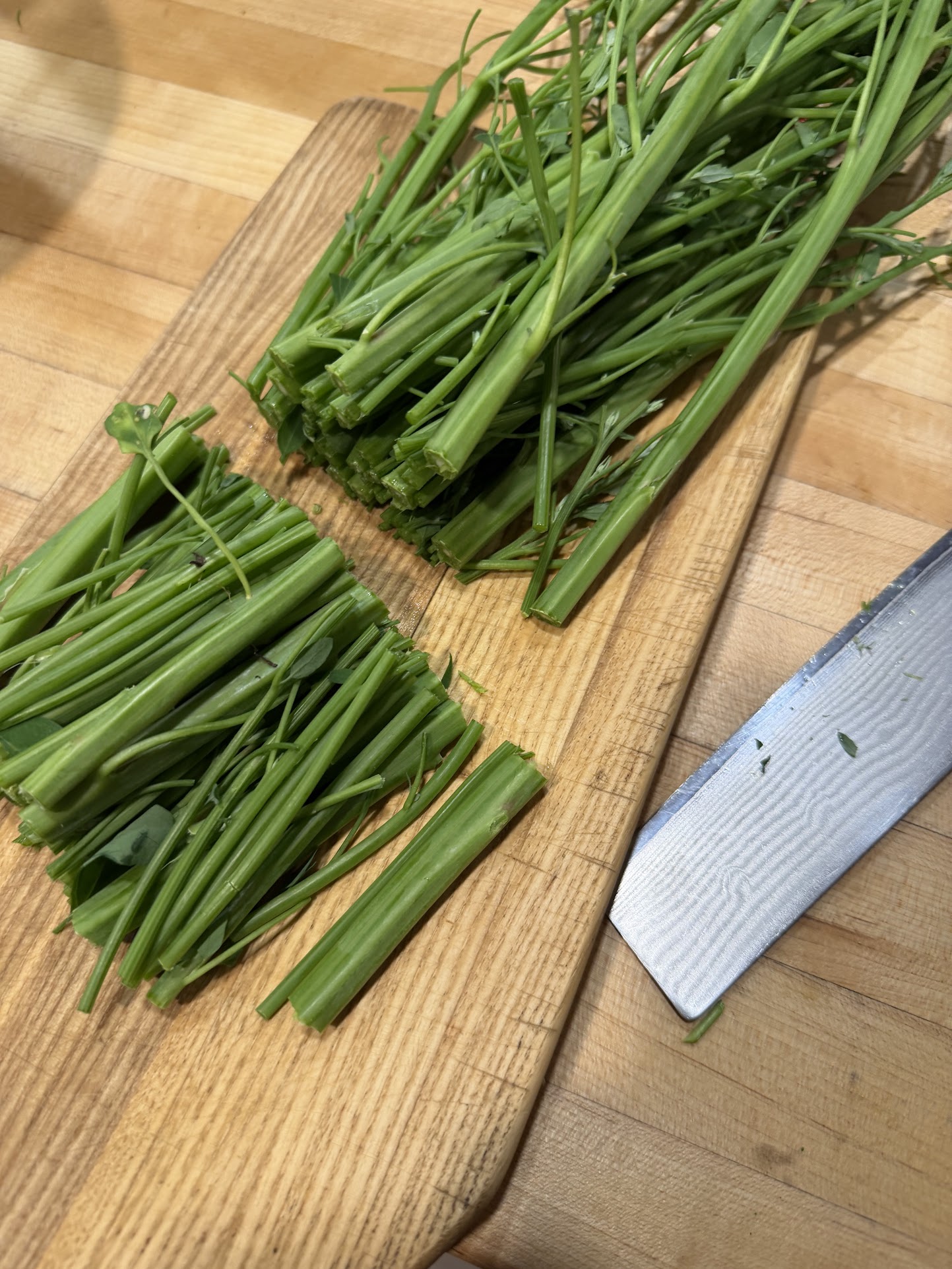
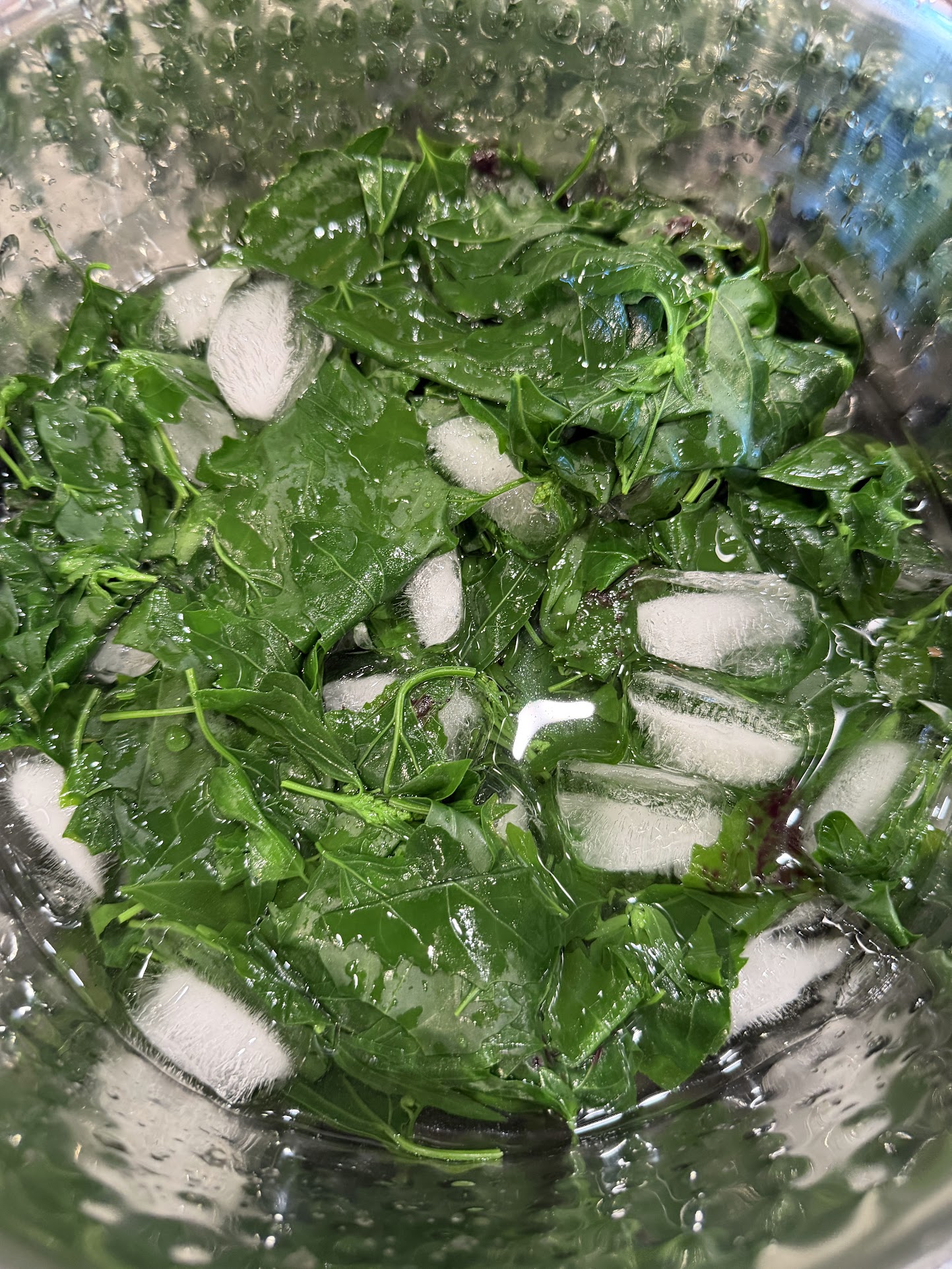
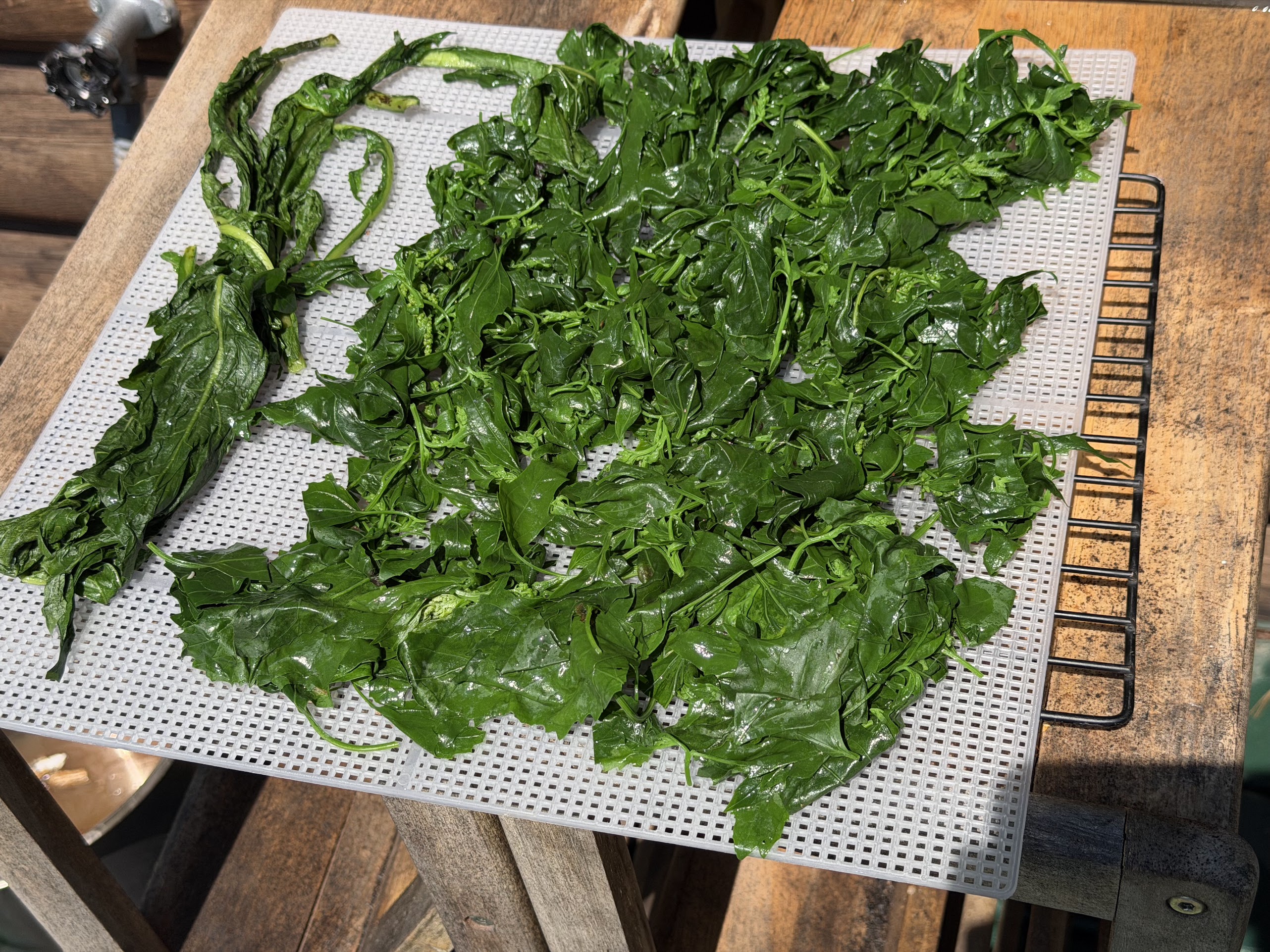
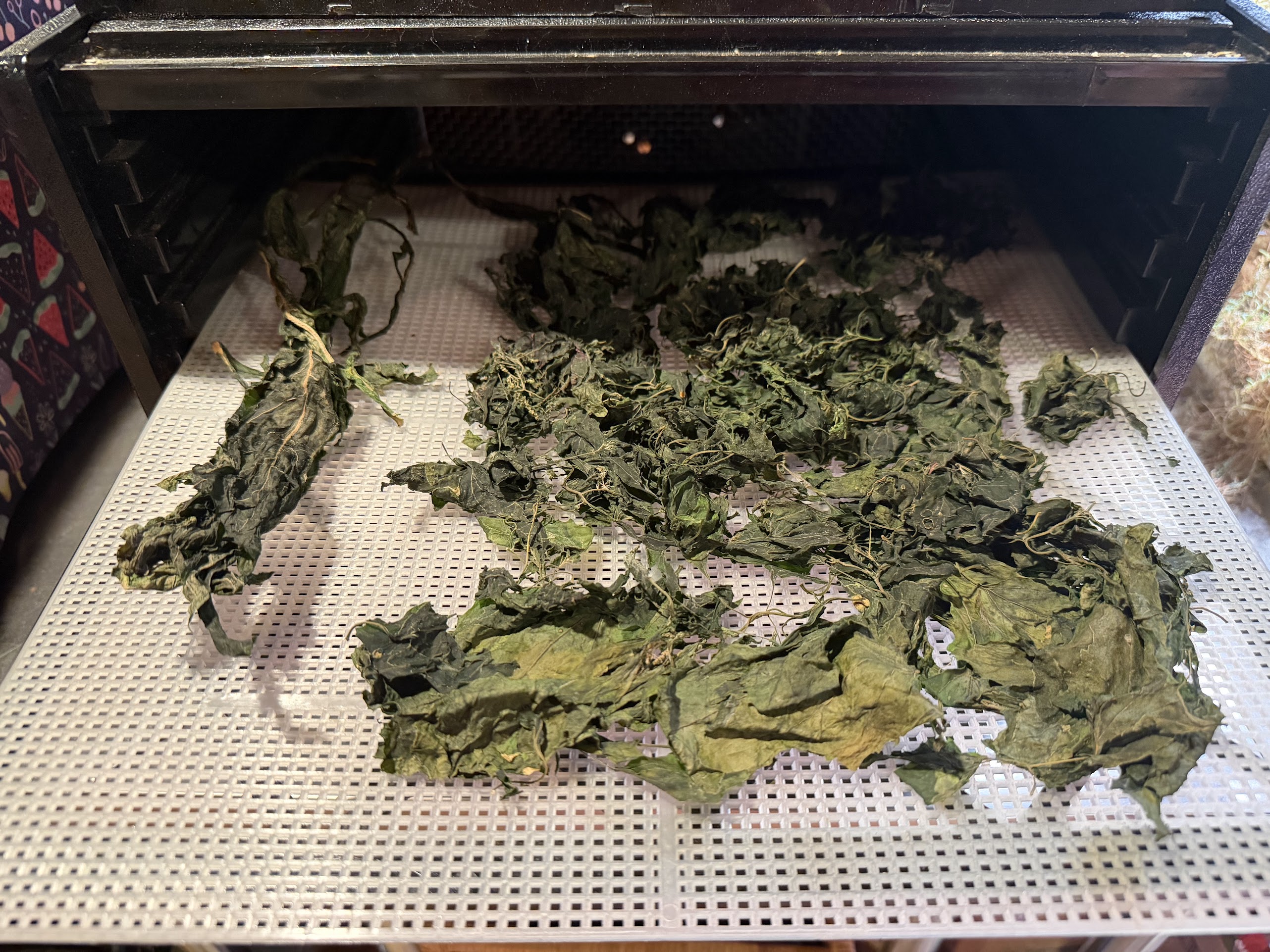
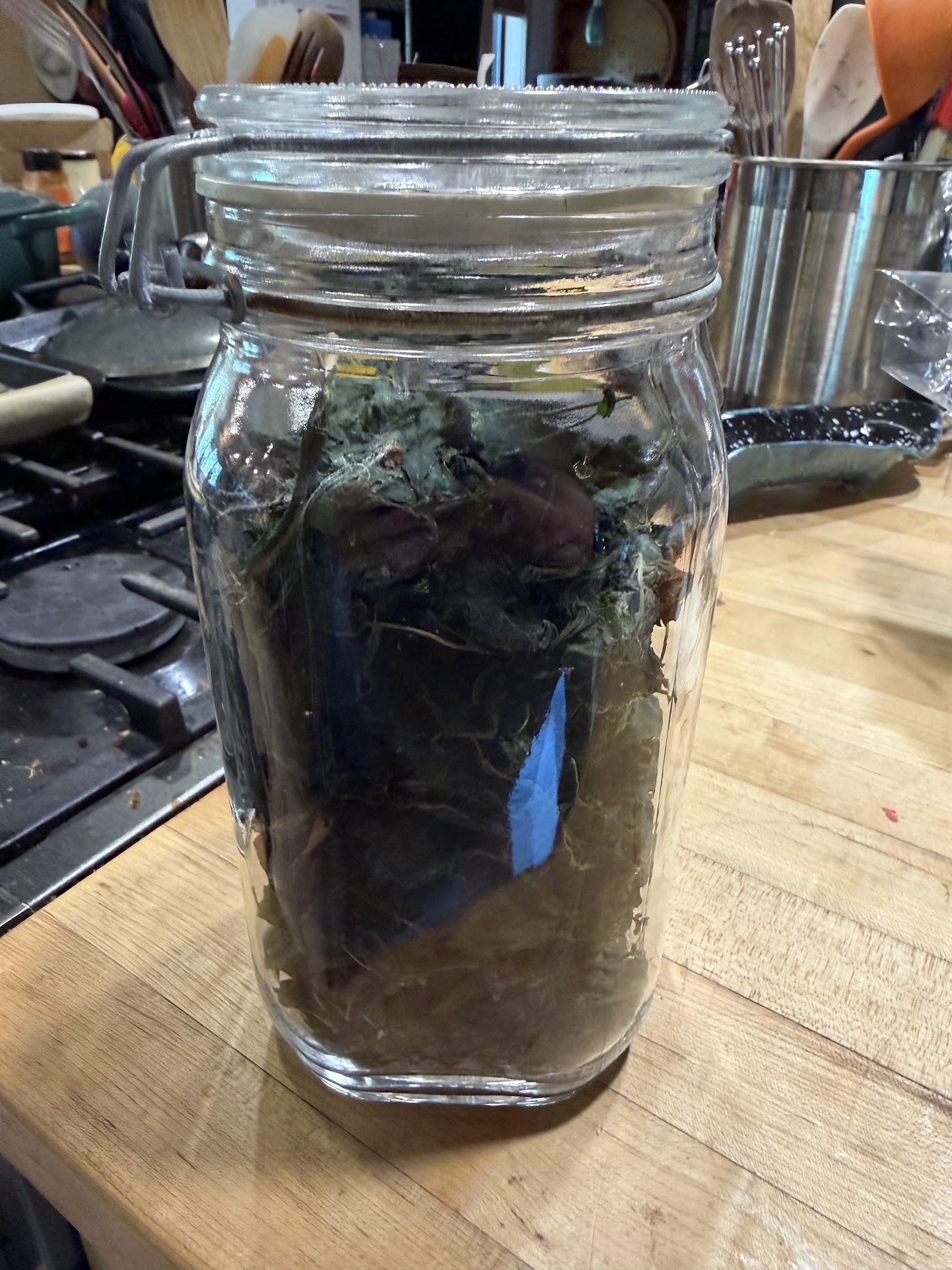
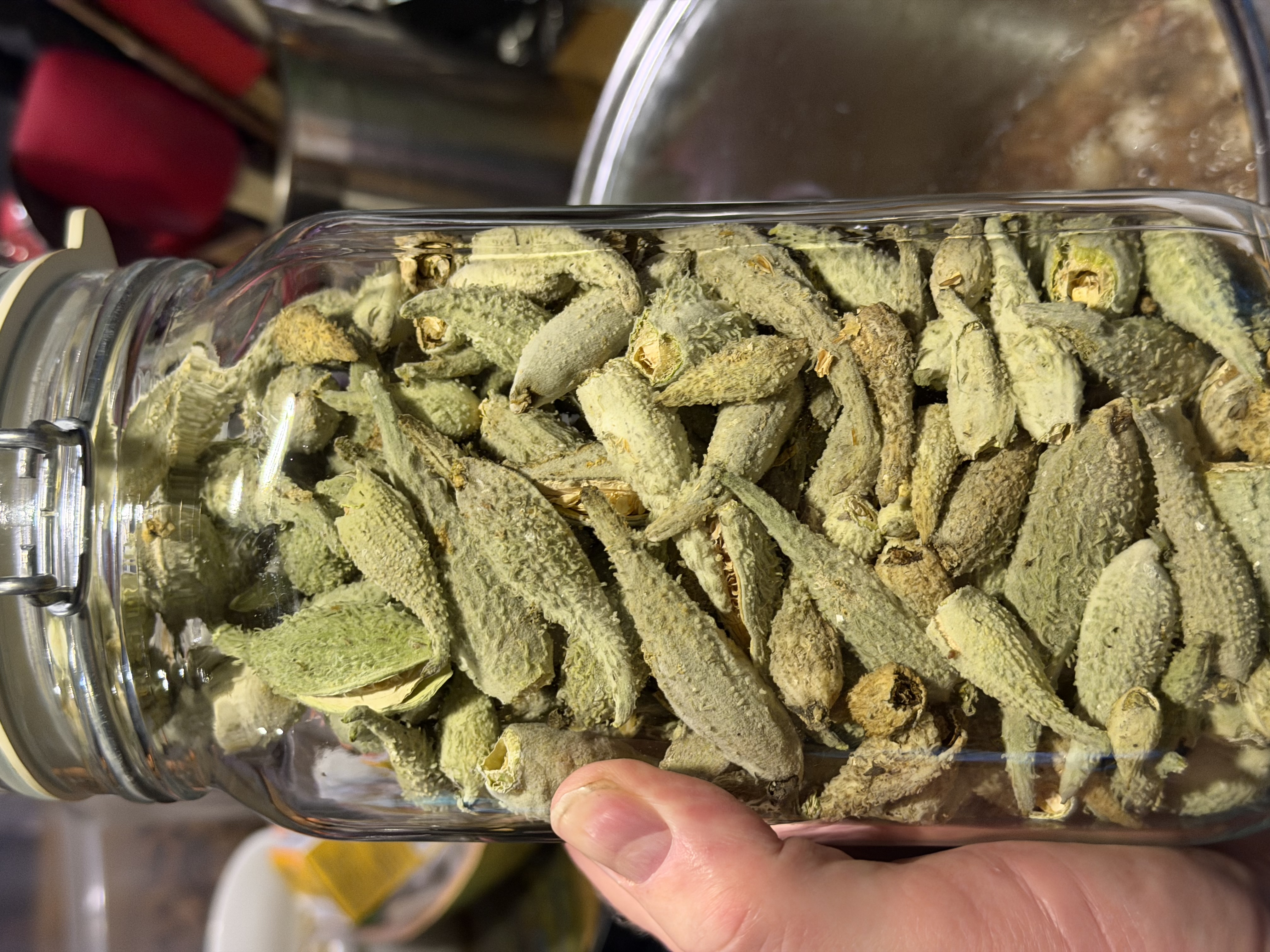
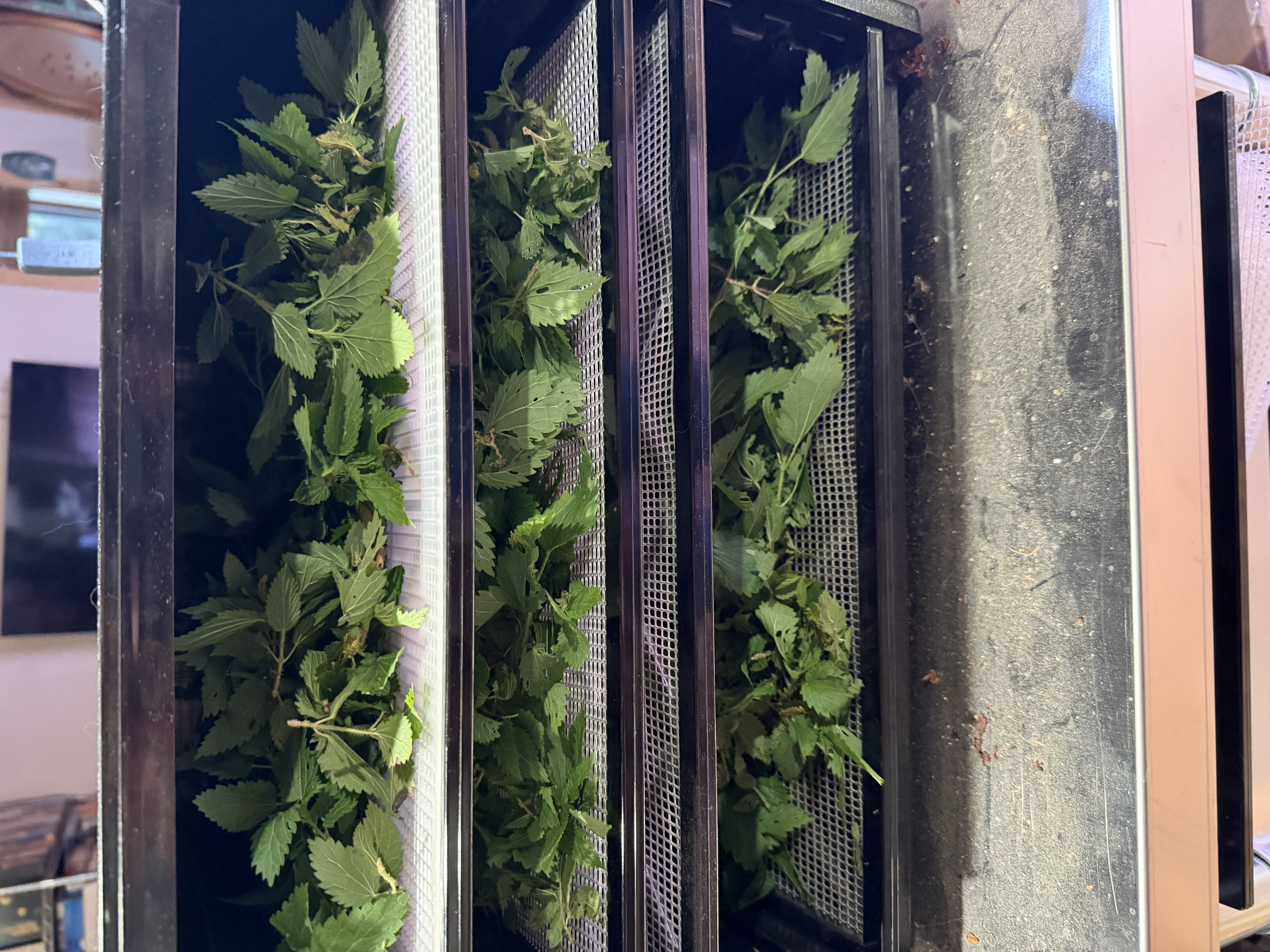
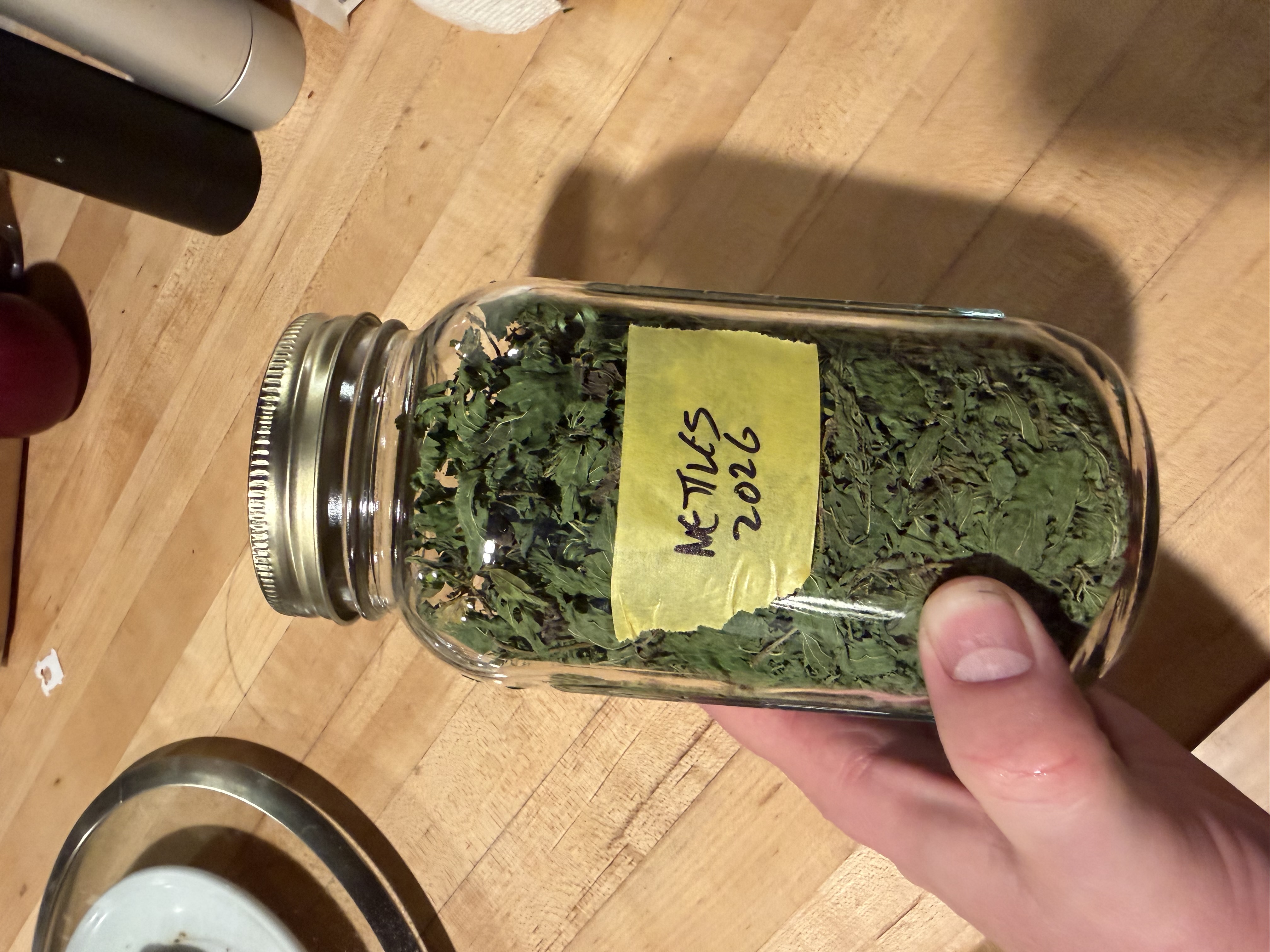
How we preserve our wild foods: We dry some of our mushrooms (especially tougher ones) and I powder them to use in soups, meatballs, stews and my morning coffee drink. We saute and freeze other mushrooms. We freeze our berries (flash freeze them flat first so you can scoop them out as needed when they're bagged up) and our asparagus. We dry leaves like mints and nettles. I also dry ramp leaves and mix them into a delicious seasoning salt (salt, dried ramps, pepper, garlic powder). We also can berries and fruits like plums in syrups or in pie filling (less often because of all the sugar). We store our acorns whole (leached and roasted) and grind as needed, because the high fat content can make them go rancid more quickly once they're ground. We can our apples as sauce (often 80 quarts a year from just one of two good trees) and our pears in light syrup. There were a few years when my son Alex would start every morning with a big bowl of applesauce from the root cellar -- free breakfast all fall and winter. I also use the applesauce in baking, to replace half of the oil in recipes. We can it unsweetened and the kids sprinkle cinnamon sugar on top when they eat it.
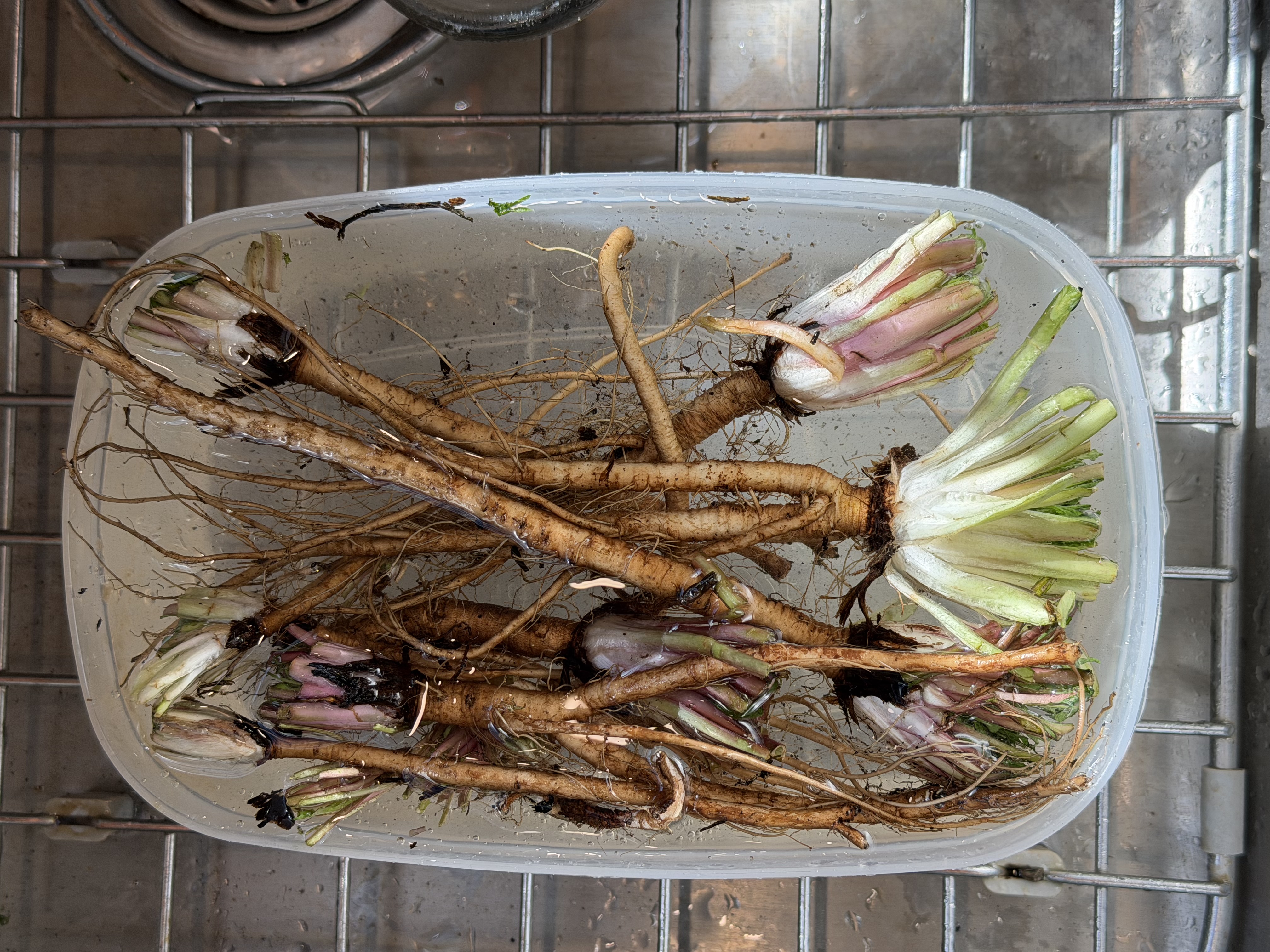
This doesn't include medicinal plants we forage like mullein, hawthorn, motherwort, plantain, dandelion root, etc. or foods we get for free but are not technically considered foraging like neighbors who let us harvest their rhubarb or the farm that gives away all their extra pumpkins after Halloween.
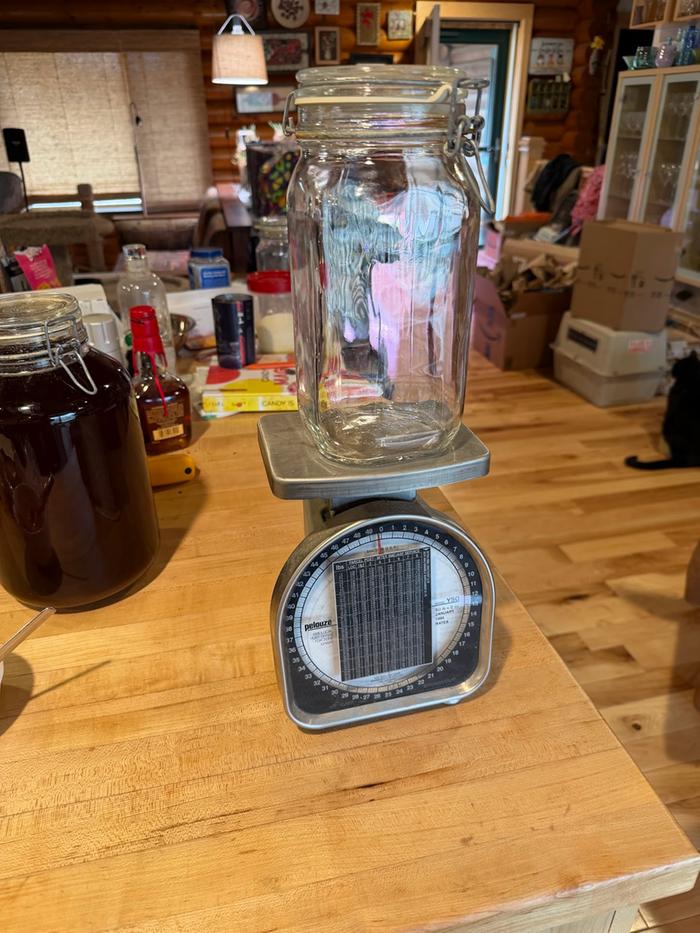
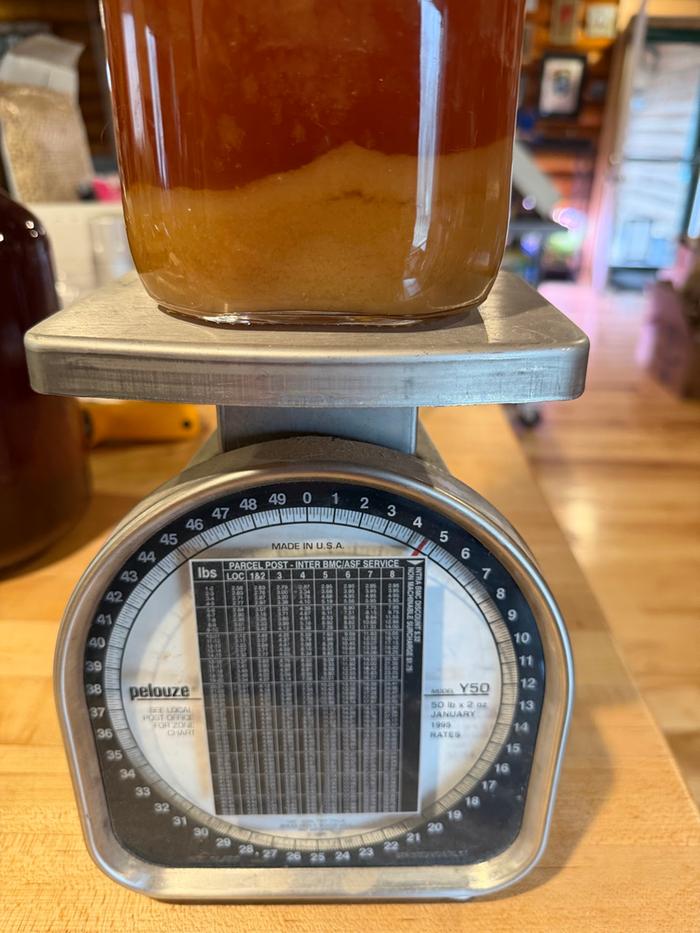
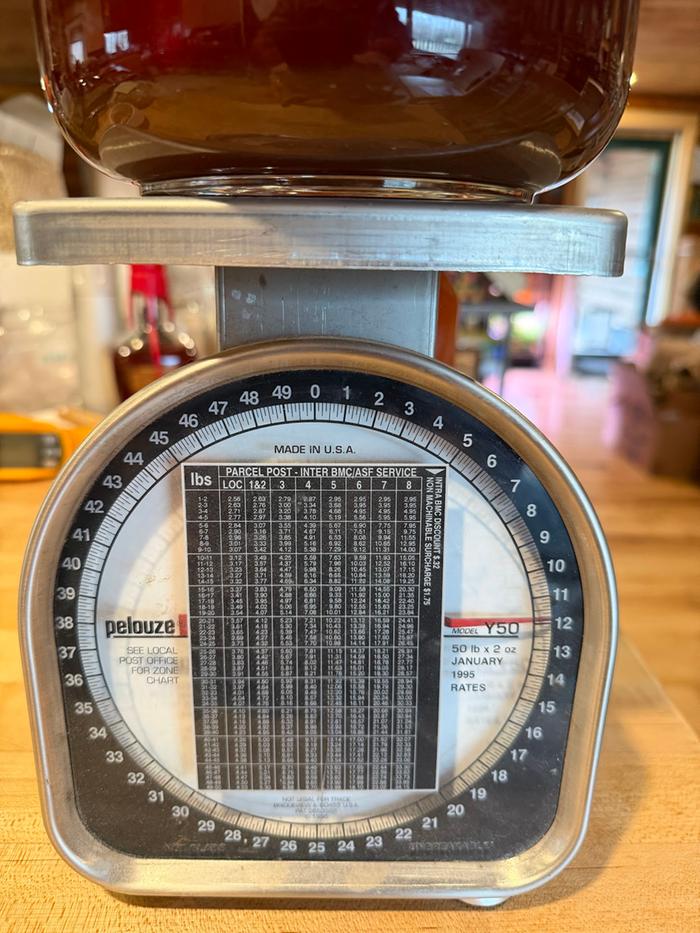
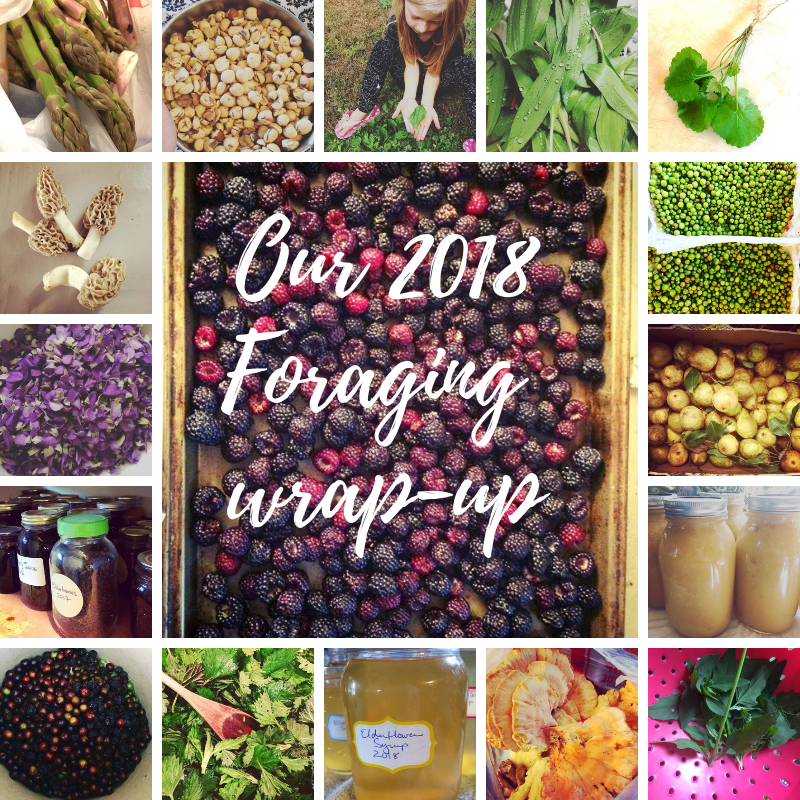
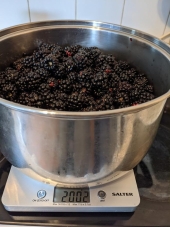
Here's an image from one of our foraging years when I wrote up an end of the year blog post about that year.
2018-foraging-wrap-up.jpg