|
-B.png)
|

|

|

|

|
|
|
|
|
|
|
|

|

|

|

|

|
 8
8


 11
11
these fibers are x long and therefore no good, but these other fibers are y long and would probably work fine?
Is there a test of strength or flexibility that would tell you something about its suitability? Other criteria I don't know about?
Or do I just have to try it and see?


 1
1
1
1
Can you mix seed fluff with bast fiber? If so, is that more tricky than just using one or the other?
5
Jan White wrote:I know next to nothing about making yarn from scratch. Is there an easy way to tell if a plant would be good for the purpose? I'm thinking mainly about fluffy seeds because they look like wool and are just begging to be used. I know stem fibers can be used too, but there's a process to get at the fiber and I'm looking for a quick, spend an afternoon playing around kinda project. With the fluffy stuff can you say, for instance, "these fibers are x long and therefore no good, but these other fibers are y long and would probably work fine?" Is there a test of strength or flexibility that would tell you something about its suitability? Other criteria I don't know about? Or do I just have to try it and see?
Oh, and please excuse tardy responses from me. I will check back, but I only have access to internet once a week or so these days and lots to do while I'm online. tks
"When there is no life in the soil it is just dirt."
"MagicDave"
1
Dave Bennett wrote:If you really want to "test the primitive waters" I would suggest harvesting a basket full of milkweed seed pods while they are still green. One at a time split them open and begin rolling the white filament between your thumb and index finger discarding the seed.
 I think the fibers are either too short, too brittle, or a combination of the two. Milkweed grows near my in-laws' place, so maybe I'll try to get some next year. Thanks for the idea. 1
R Ranson wrote:
You can mix them. I'm not sure I would suggest it for a beginner project.
 3
3
“Increase and multiply, and fill the earth, and gain dominion over it, and rule over the fish of the sea and the birds of the heavens and all the livestock and all the earth and all the creeping things that creep upon the earth.”
2
Anthony Dougherty wrote:Has anyone tried sunflower stem? Supposedly there was a native tribe that used sunflower for almost everything, I'm interested in trying it but figured I'd ask if others have tried it first
r ranson wrote:
Anthony Dougherty wrote:Has anyone tried sunflower stem? Supposedly there was a native tribe that used sunflower for almost everything, I'm interested in trying it but figured I'd ask if others have tried it first
I've read that they make an amazing texture. My sunflowers are 12 feet tall and have thick stems. I've tried retting the stem, but because the stem is so thick, it took longer than I thought and degraded the fibre. Maybe pealing the 'bark' and then retting or boiling with some soda ash might do the trick. It's supposedly very strong.
“Increase and multiply, and fill the earth, and gain dominion over it, and rule over the fish of the sea and the birds of the heavens and all the livestock and all the earth and all the creeping things that creep upon the earth.”
5
I know flax has to be soaked to begin biological breakdown


 6
6
Anthony Dougherty wrote:Has anyone tried sunflower stem? Supposedly there was a native tribe that used sunflower for almost everything, I'm interested in trying it but figured I'd ask if others have tried it first
List of Bryant RedHawk's Epic Soil Series Threads We love visitors, that's why we live in a secluded cabin deep in the woods. "Buzzard's Roost (Asnikiye Heca) Farm." Promoting permaculture to save our planet.
1
r ranson wrote:
Um... soaking is one way to do it. It's not the only way. Here's a bit about retting and flax.
Inside the flax straw are golden fibres. These are the phylum, or circulatory system of the plant (some plants you use a structural element for fibre, like in the case of sisal or jute). The individual fibres are affixed to the woody pith and the hard outer shell of the flax straw with several types of glue, the most notable is pectin. Yep, that's the stuff in Jam.
We can remove the fibres through purely mechanical means. This is most often in modern-day manufacturing (especially hemp). Some methods also use chemicals to dissolve the glues and make separating the fibres easier.
But the simplest and most natural way of removing the glues is retting. Retting is basically a kind of controlled rot. We create an environment where bacteria, fungi, and other invisible beasties eat the glues that hold the fibre in place.
Water retting - involves submerging the straw in water and inviting anaerobic (dislikes air) bacteria to do the job. This is quite damaging to waterways and is banned in many places. If you water ret, please water down the wastewater (1 part wastewater to 10 parts fresh water) to avoid killing plants, fish, or harming humans.
Dew retting - is a much easier way to ret. This involves laying the straw on the grass so that the morning dew moistens the straw and invites aerobic (air loving) invisible beasties to come and eat the glues.
(there's a really great book about flax coming out soon that might interest you.)
Soaking is one way, but there are yet others.
For nettles, some people strip the bark (with the fibres) while the plant is green, then process just the bark. It's easier, space saving, and faster.
I think sunflowers would be the same way. The ones I grew this year have a stem that is 1-6 inches across, so it's difficult to ret the stems evenly. They are also over 12 feet tall, so I don't know where I could ret more than a handful of stems. Smaller plants would be easier to water ret.
I've tried soaking and dew retting sunflowers, but so far no luck. The fibres are there, but they break easily, not like how others describe it. It could be the time of year, the conditions I'm retting, or more likely, the kind of sunflower I'm working with is too large.
Of course, what works in one location, works differently in another. The best way to find out what works for you is to experiment.
Ok well please keep me updated! This is something I'm very interested in!
“Increase and multiply, and fill the earth, and gain dominion over it, and rule over the fish of the sea and the birds of the heavens and all the livestock and all the earth and all the creeping things that creep upon the earth.”
3
Anthony Dougherty wrote:Has anyone tried sunflower stem? Supposedly there was a native tribe that used sunflower for almost everything, I'm interested in trying it but figured I'd ask if others have tried it first


The little engine that could.
NomadicRanch
Bionoculars,Cast Iron skillets,crock pots,Military gear/shovelsWoodworking tools,Rugged Cameras,rechargeable flashlights,Solar technology,tents,pack saddles,well made backpacks send to Benjamin Skiba p.o.box 1132 Teec Nos Pos Az 86514 items benefit sheepherders and surrounding community will be distributed
1
Finished 2 life quests (well... almost). Wondering what to do next? Zone 5b
2
Finished 2 life quests (well... almost). Wondering what to do next? Zone 5b
2
Trish Robertson wrote:Do you think it possible to make a workable yarn from lichen?
5
2
Life's too short, eat dessert first! [Source of quote unknown]
You have to be warped to weave [ditto!]
11
![[yucca_fibers.jpg]](/t/58819/a/262496/IMG_20250403_223440589.jpg "Filename: IMG_20250403_223440589.jpg
Description:")
![[yucca_fibers_on_hand.jpg]](/t/58819/a/262497/IMG_20250403_223459906.jpg "Filename: IMG_20250403_223459906.jpg
Description:")
![[yucca_fiber_twine.jpg]](/t/58819/a/262498/IMG_20250403_223611333.jpg "Filename: IMG_20250403_223611333.jpg
Description:")
![[yucca_fiber_twine_in_hand.jpg]](/t/58819/a/262499/IMG_20250403_223656322.jpg "Filename: IMG_20250403_223656322.jpg
Description:")
![[yucca_twine.jpg]](/t/58819/a/262500/IMG_20250403_223916192.jpg "Filename: IMG_20250403_223916192.jpg
Description:")
![[yucca_twine_rollup.jpg]](/t/58819/a/262501/IMG_20250403_223944776.jpg "Filename: IMG_20250403_223944776.jpg
Description:")
![[Thumbnail for IMG_20250403_223944776.jpg]](/t/58819/a/262502/IMG_20250403_223944776.jpg "Filename: IMG_20250403_223944776.jpg
Description:")
![[Thumbnail for IMG_20250403_223947947.jpg]](/t/58819/a/262503/IMG_20250403_223947947.jpg "Filename: IMG_20250403_223947947.jpg
Description:")
![[yucca_fibers_bundle.jpg]](/t/58819/a/262504/IMG_20250403_224707481.jpg "Filename: IMG_20250403_224707481.jpg
Description:")
![[Thumbnail for IMG_20250403_224739547.jpg]](/t/58819/a/262505/IMG_20250403_224739547.jpg "Filename: IMG_20250403_224739547.jpg
Description:")
![[Thumbnail for IMG_20250403_224755874.jpg]](/t/58819/a/262506/IMG_20250403_224755874.jpg "Filename: IMG_20250403_224755874.jpg
Description:")
![[Thumbnail for IMG_20250403_224759085.jpg]](/t/58819/a/262507/IMG_20250403_224759085.jpg "Filename: IMG_20250403_224759085.jpg
Description:") 1
1
Life's too short, eat dessert first! [Source of quote unknown]
You have to be warped to weave [ditto!]
8
![[Thumbnail for IMG_20250424_193751217.jpg]](/t/58819/a/264174/IMG_20250424_193751217.jpg "Filename: IMG_20250424_193751217.jpg
Description:")
![[Thumbnail for IMG_20250424_193815796.jpg]](/t/58819/a/264175/IMG_20250424_193815796.jpg "Filename: IMG_20250424_193815796.jpg
Description:")
![[Thumbnail for IMG_20250424_193823924.jpg]](/t/58819/a/264176/IMG_20250424_193823924.jpg "Filename: IMG_20250424_193823924.jpg
Description:")
![[Thumbnail for IMG_20250424_193829224.jpg]](/t/58819/a/264177/IMG_20250424_193829224.jpg "Filename: IMG_20250424_193829224.jpg
Description:") 2
6
2
6


 4
4
P Colvin wrote:Following this one. I have been playing around with nettle, grass, cattail leaf, juncus, and blackberry vine. ...
My nettle, I found an clip on YT by Sally Pointer where she just stripped the fibers.right after she picked the nettles. No retting. I have a dried bundle of fibers setting that I rub between my hands whenever I walk by it. I haven't carded it yet. Do they do that wet, or dry? Seems to me you would waste an awful lot of that precious nettle carding it dry. But the nettle cordage I experimented with is SO soft. Nettle, no retting.Just scraping.off the green.
... I'd sure like to make that blackberry work. It's taking over my property.
Pic below.of.my grass cordage from.today, the HARDEST way to make string
Sign....
"Also, just as you want men to do to you, do the same way to them" (Luke 6:31)


 4
4
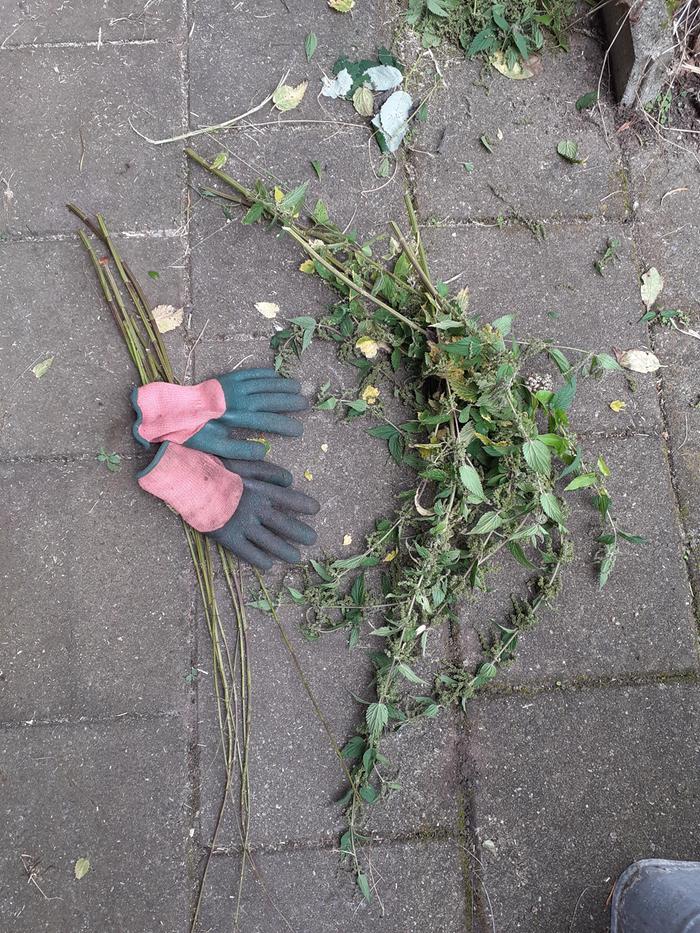
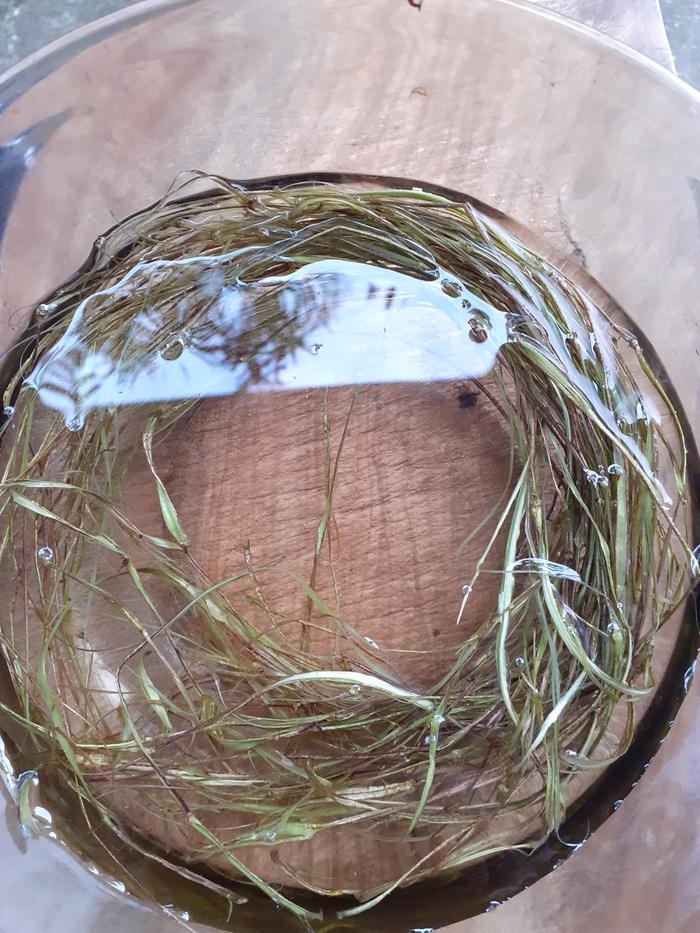
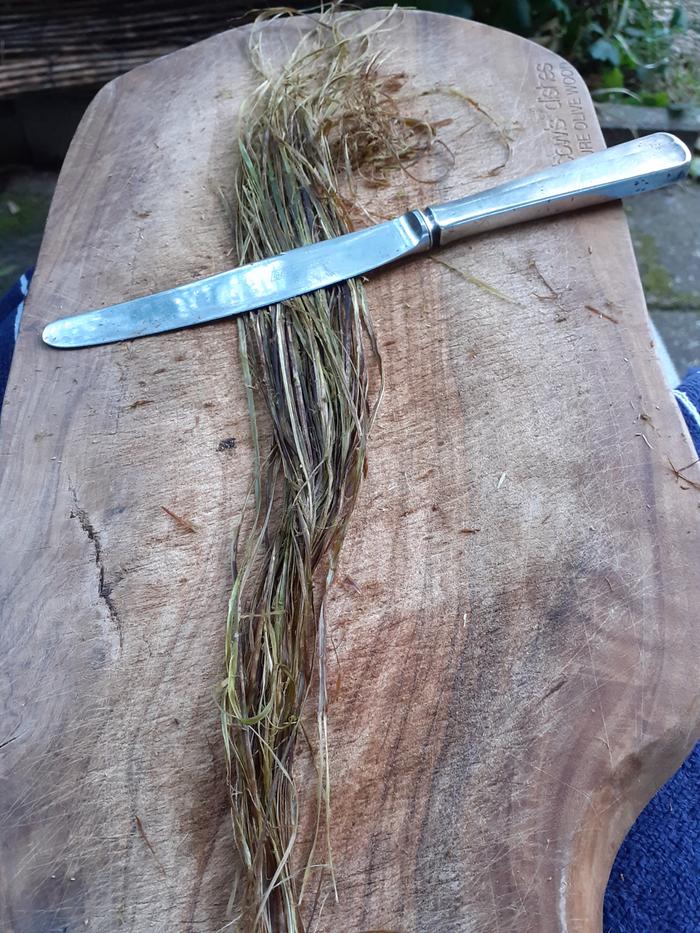
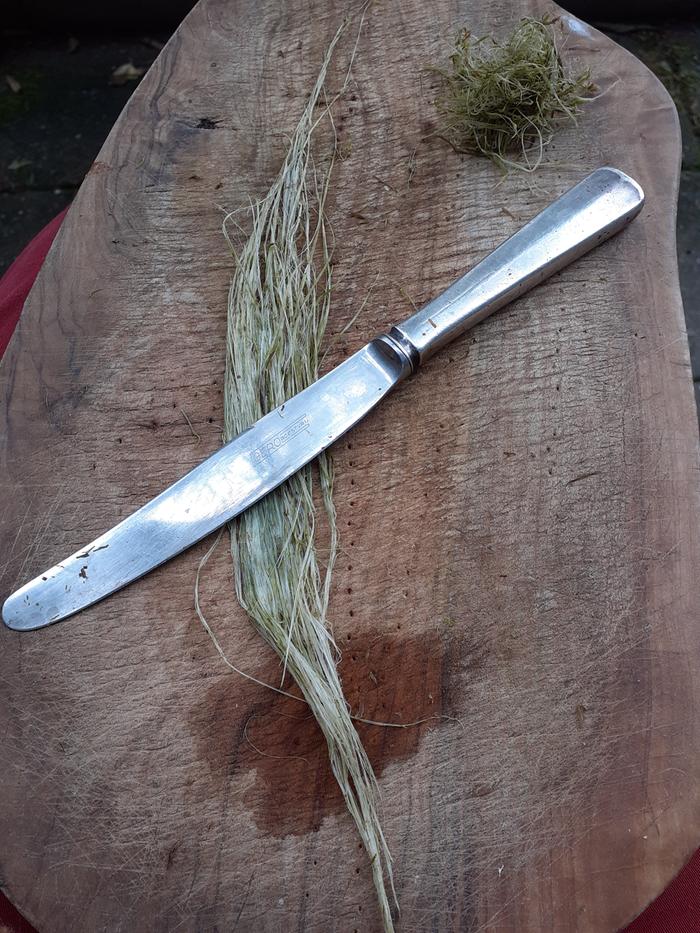
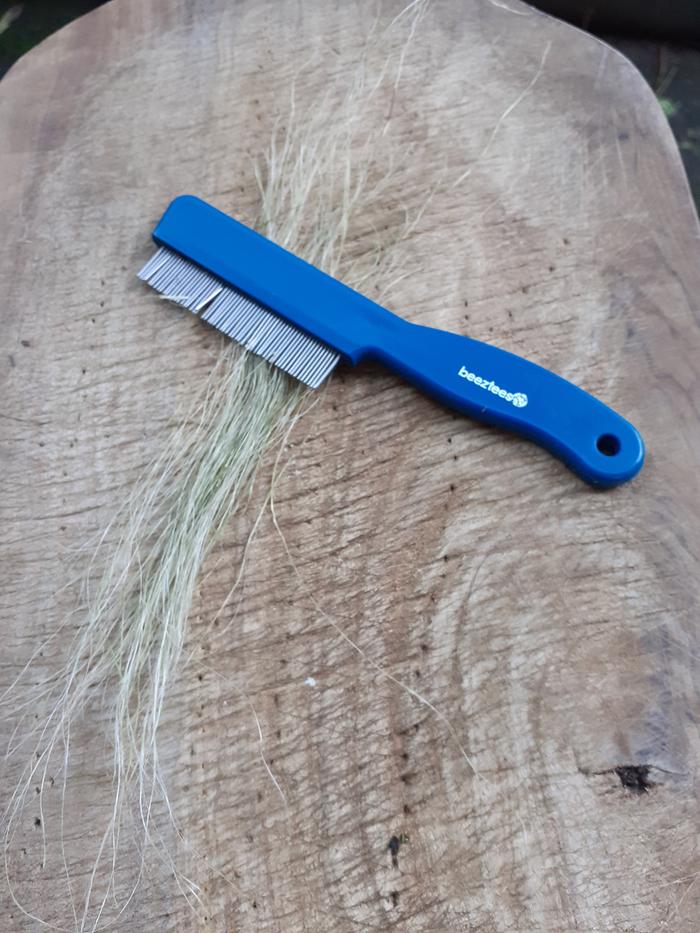
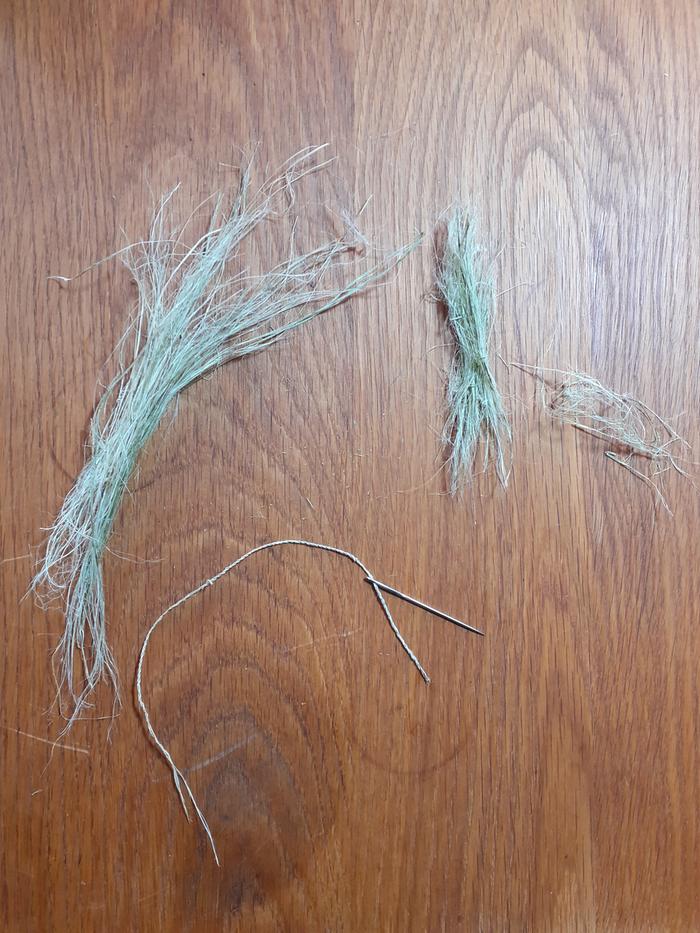
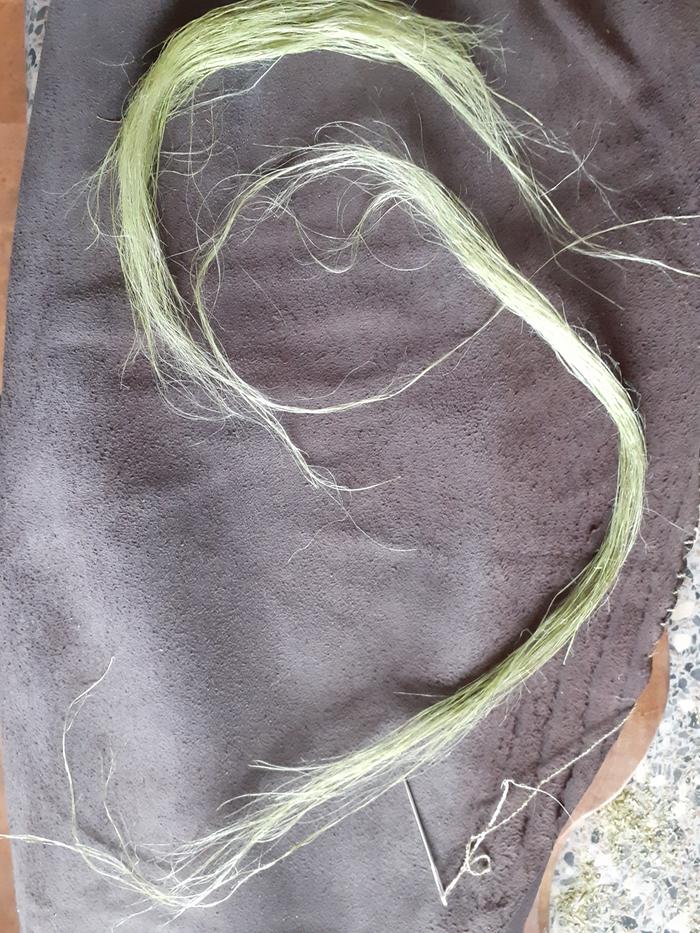
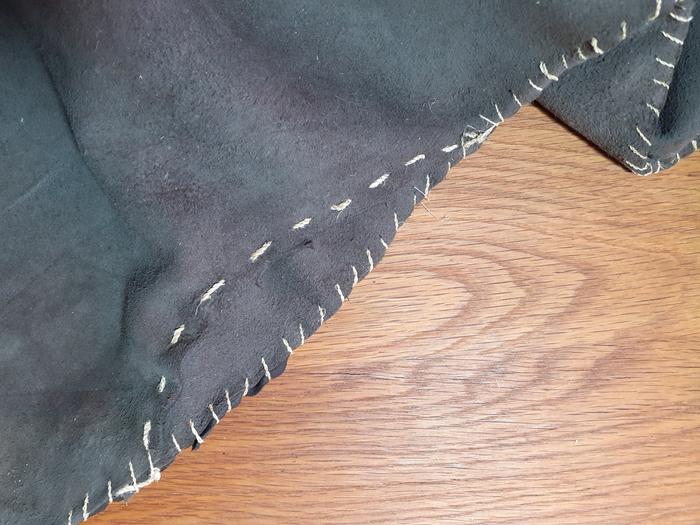
"Also, just as you want men to do to you, do the same way to them" (Luke 6:31)


 6
6
'What we do now echoes in eternity.' Marcus Aurelius
How Permies Works Dr. Redhawk's Epic Soil Series
 4
4
![[Thumbnail for IMG_20250722_165707833.jpg]](/t/58819/a/270452/IMG_20250722_165707833.jpg "Filename: IMG_20250722_165707833.jpg
Description:")
![[Thumbnail for IMG_20250722_165712305.jpg]](/t/58819/a/270453/IMG_20250722_165712305.jpg "Filename: IMG_20250722_165712305.jpg
Description:")
![[Thumbnail for IMG_20250722_165718461.jpg]](/t/58819/a/270454/IMG_20250722_165718461.jpg "Filename: IMG_20250722_165718461.jpg
Description:")
![[Thumbnail for IMG_20250722_165725047.jpg]](/t/58819/a/270455/IMG_20250722_165725047.jpg "Filename: IMG_20250722_165725047.jpg
Description:") 3
3
![[Thumbnail for IMG_20250722_171254202.jpg]](/t/58819/a/270457/IMG_20250722_171254202.jpg "Filename: IMG_20250722_171254202.jpg
Description:")
![[Thumbnail for IMG_20250722_171251622.jpg]](/t/58819/a/270458/IMG_20250722_171251622.jpg "Filename: IMG_20250722_171251622.jpg
Description:")
![[Thumbnail for IMG_20250722_171224595.jpg]](/t/58819/a/270459/IMG_20250722_171224595.jpg "Filename: IMG_20250722_171224595.jpg
Description:")
![[Thumbnail for IMG_20250722_171220202.jpg]](/t/58819/a/270460/IMG_20250722_171220202.jpg "Filename: IMG_20250722_171220202.jpg
Description:")
![[Thumbnail for IMG_20250722_171213674.jpg]](/t/58819/a/270461/IMG_20250722_171213674.jpg "Filename: IMG_20250722_171213674.jpg
Description:")
![[Thumbnail for IMG_20250722_171210035.jpg]](/t/58819/a/270462/IMG_20250722_171210035.jpg "Filename: IMG_20250722_171210035.jpg
Description:")
![[Thumbnail for IMG_20250722_171201638.jpg]](/t/58819/a/270463/IMG_20250722_171201638.jpg "Filename: IMG_20250722_171201638.jpg
Description:")
![[Thumbnail for IMG_20250722_171141076.jpg]](/t/58819/a/270464/IMG_20250722_171141076.jpg "Filename: IMG_20250722_171141076.jpg
Description:")
![[Thumbnail for IMG_20250722_171136694.jpg]](/t/58819/a/270465/IMG_20250722_171136694.jpg "Filename: IMG_20250722_171136694.jpg
Description:")
![[Thumbnail for IMG_20250722_171105029.jpg]](/t/58819/a/270466/IMG_20250722_171105029.jpg "Filename: IMG_20250722_171105029.jpg
Description:") 3
3
![[Thumbnail for IMG_20260708_163611426.jpg]](/t/58819/a/295218/IMG_20260708_163611426.jpg "Filename: IMG_20260708_163611426.jpg
Description:")
![[Thumbnail for IMG_20260708_163611426.jpg]](/t/58819/a/295219/IMG_20260708_163611426.jpg "Filename: IMG_20260708_163611426.jpg
Description:") 2
2
P Colvin wrote:....
"Also, just as you want men to do to you, do the same way to them" (Luke 6:31)

|
There were millions of the little blood suckers. But thanks to this tiny ad, I wasn't bitten once.
A book about luxuriant recipes for green living
https://greenlivingbook.com/
|