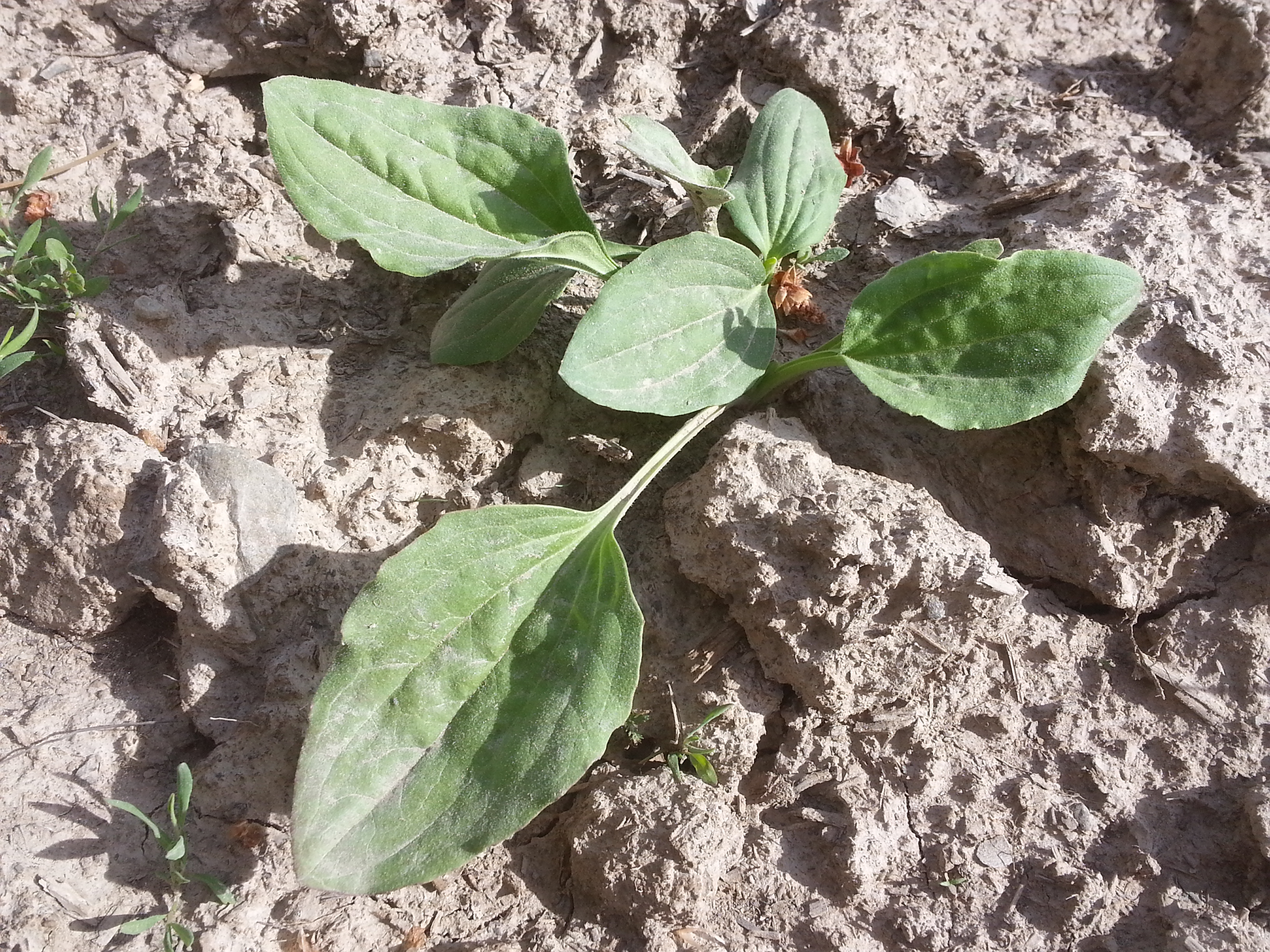
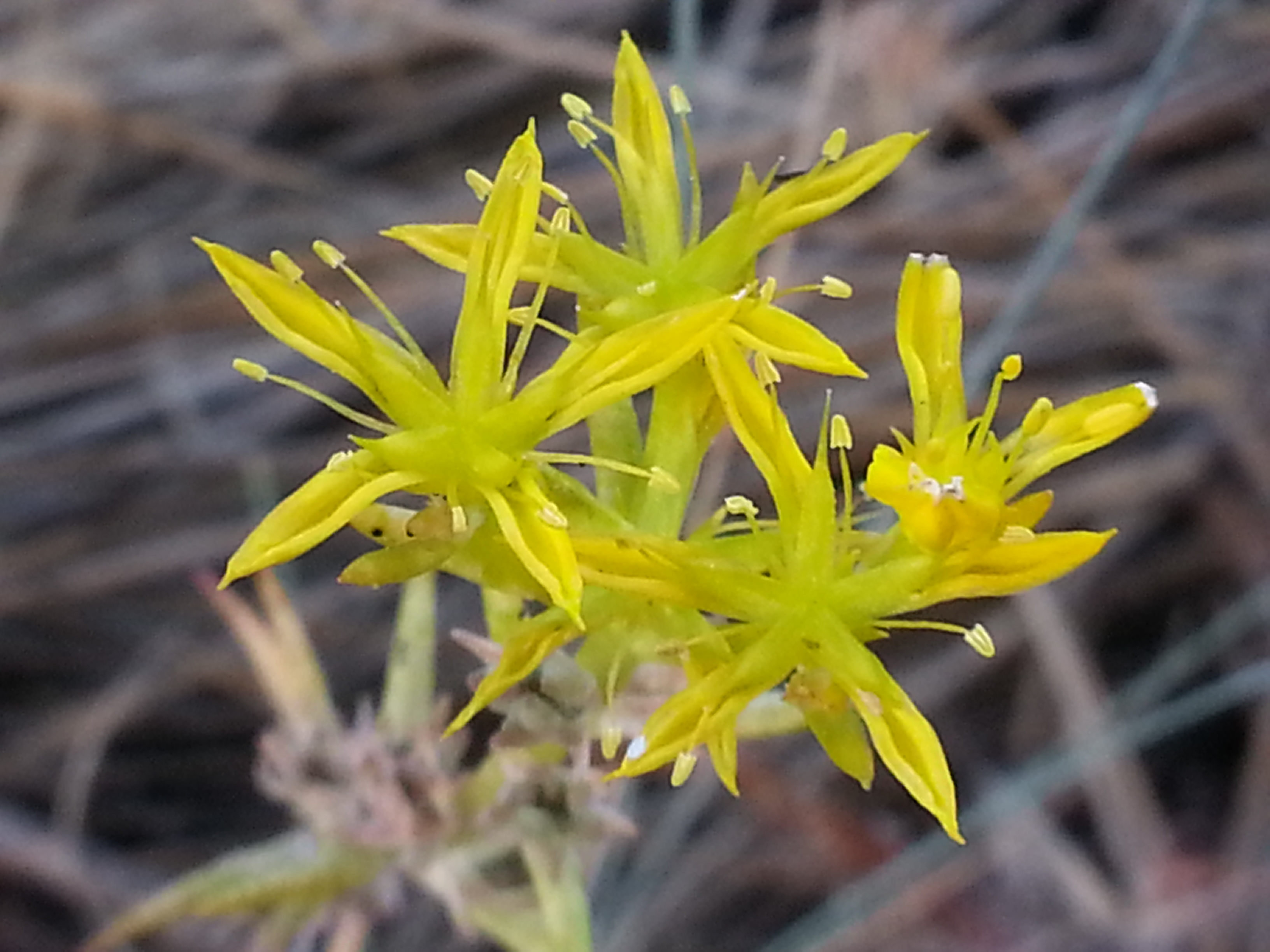
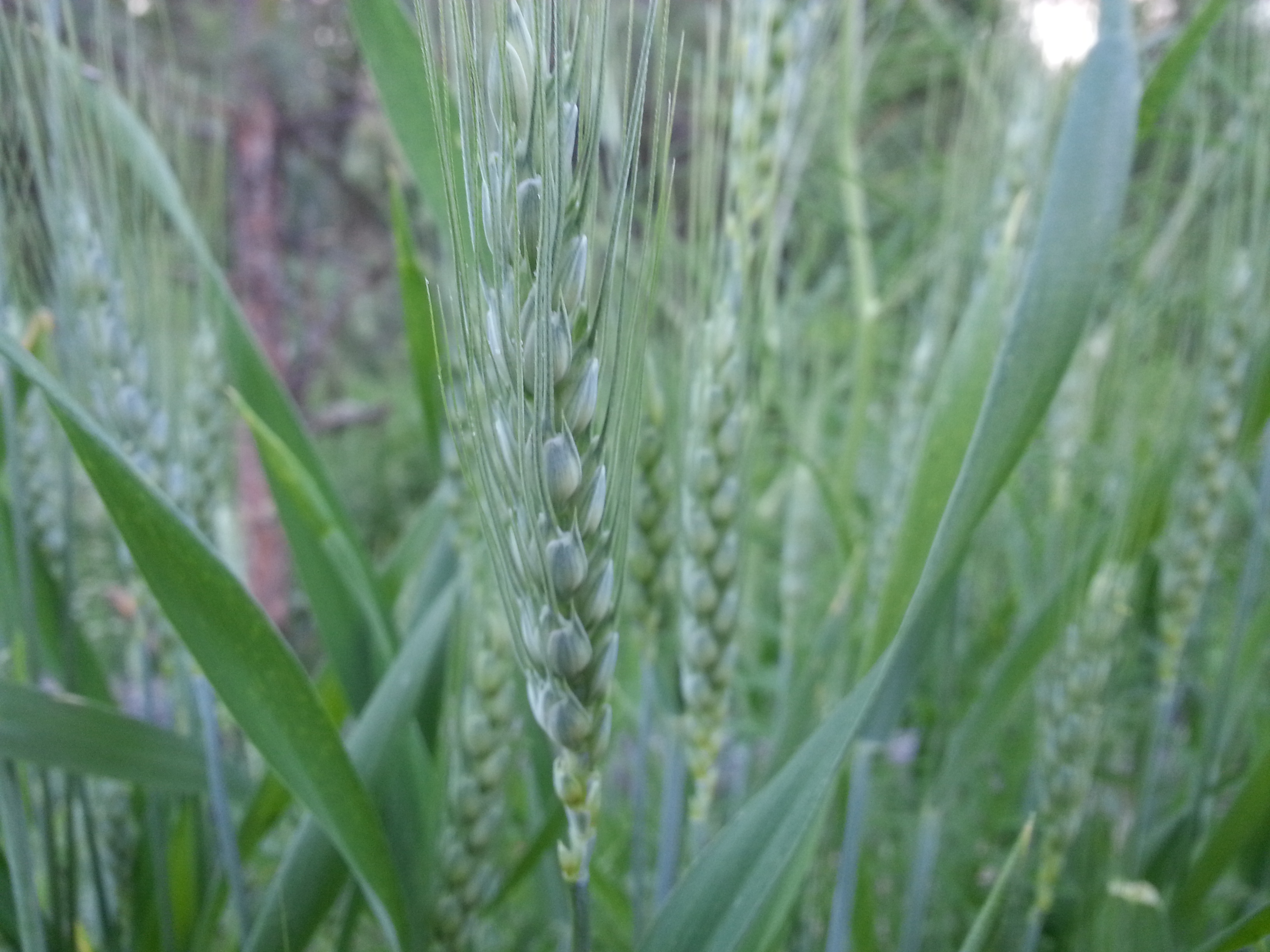
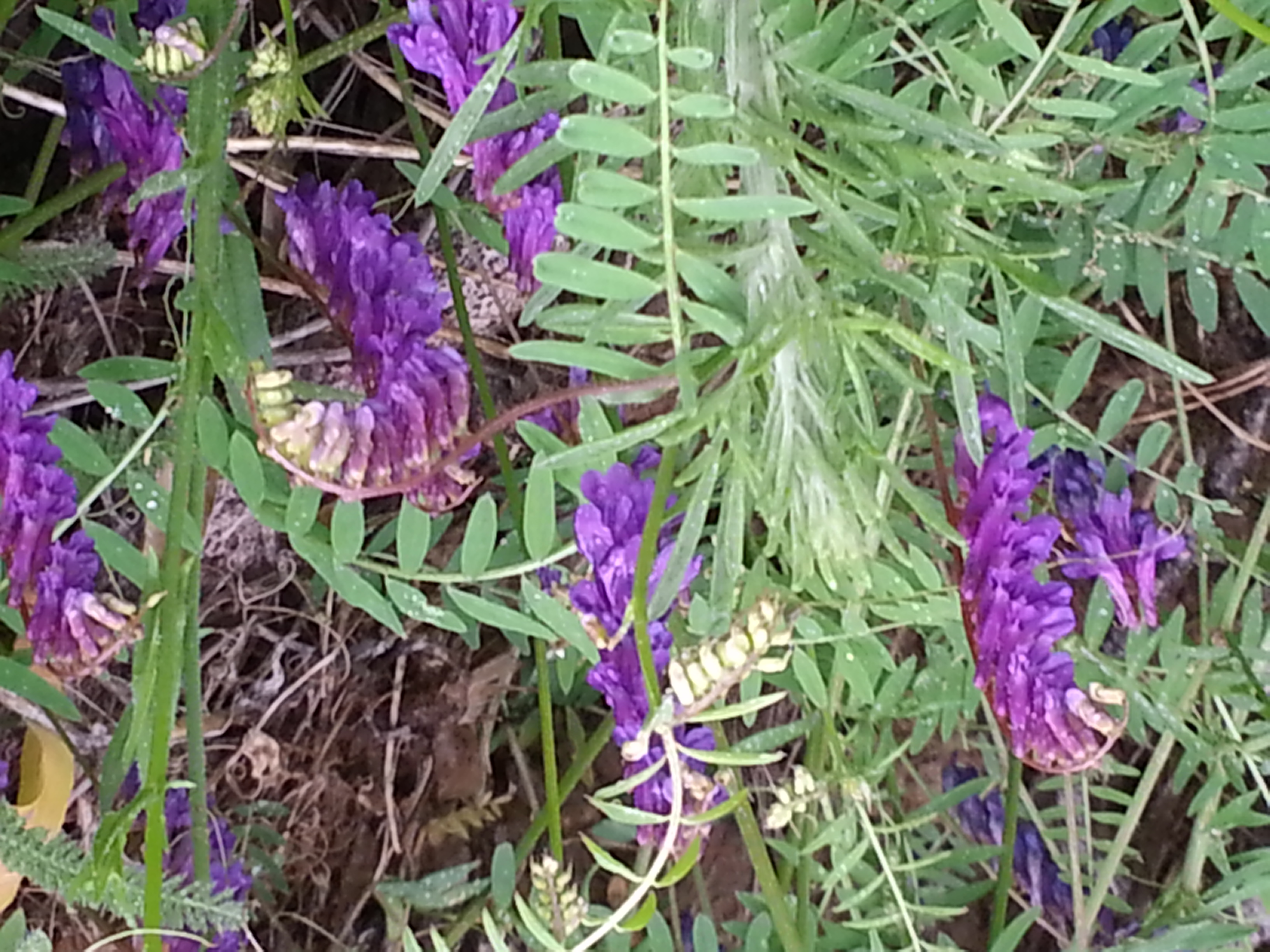
Thimble berries are great. They are so thin they often dry right on the bush. When dry they can be stored in an air tight jar to add to your winter cereal.
Today I spent mostly tidying up and organizing tools and materials in preparation for the hands-on PDC sessions. This evening I had a little Solstice eve and pre-PDC celebration around the fire. Jesse the Ant and Carol Ann visited; they're such nice neighbors. And Michael Newby the Jeffersonian Arborist came over and brought his diamond sharpening stones. We got a couple of my knives and hatchets sharpened up. Thanks Mike!
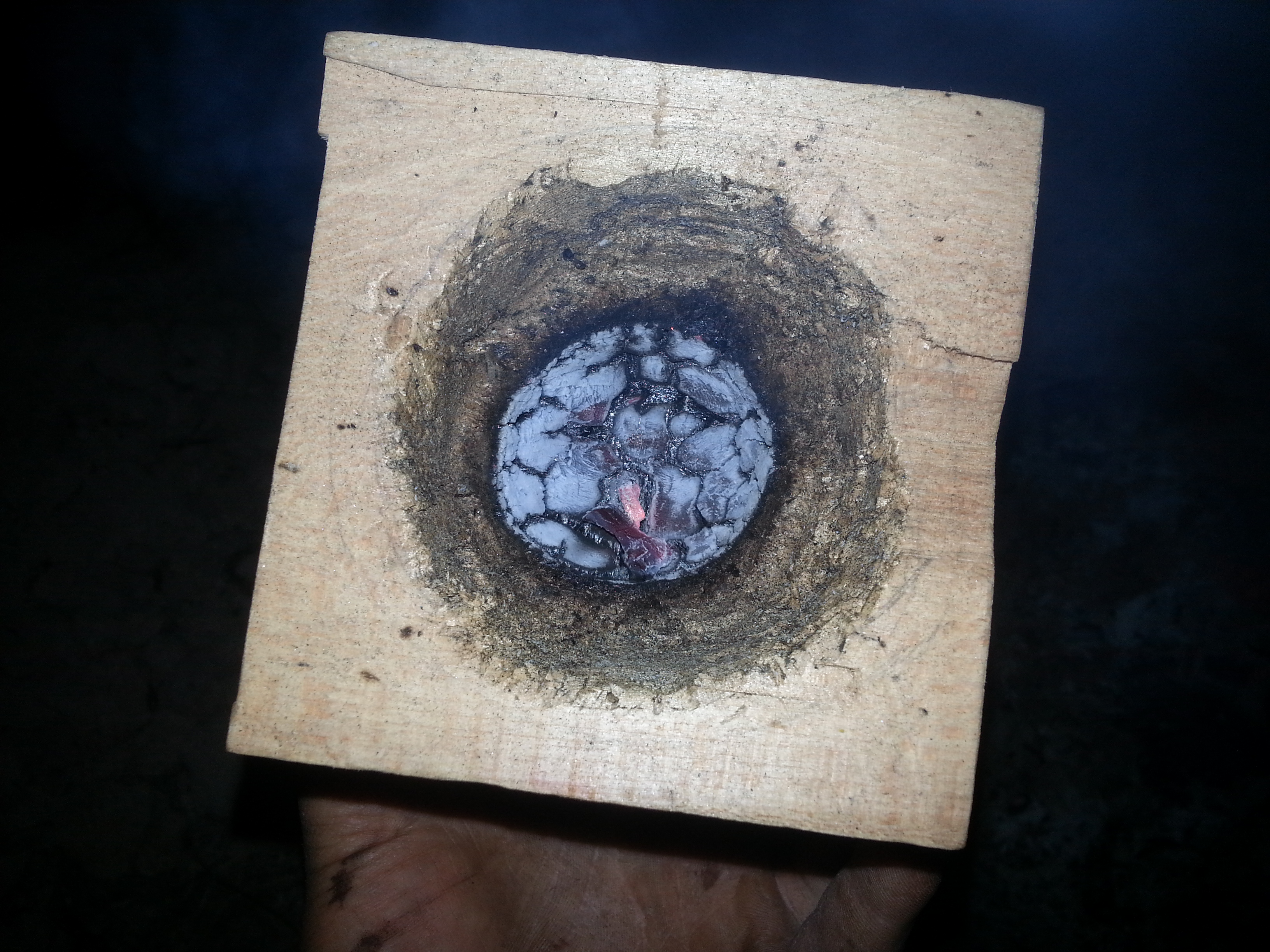
As the fire was dying down, I pulled out a good hot coal and popped it into that wooden cup I've been occasionally working on. I pushed the coal down and blew on it, keeping it real hot. After the original coal was gone, the inside of the cup kept burning as long as I kept supplying air. Using this method I made a couple inches of depth towards my goal. Flaming fast progress.
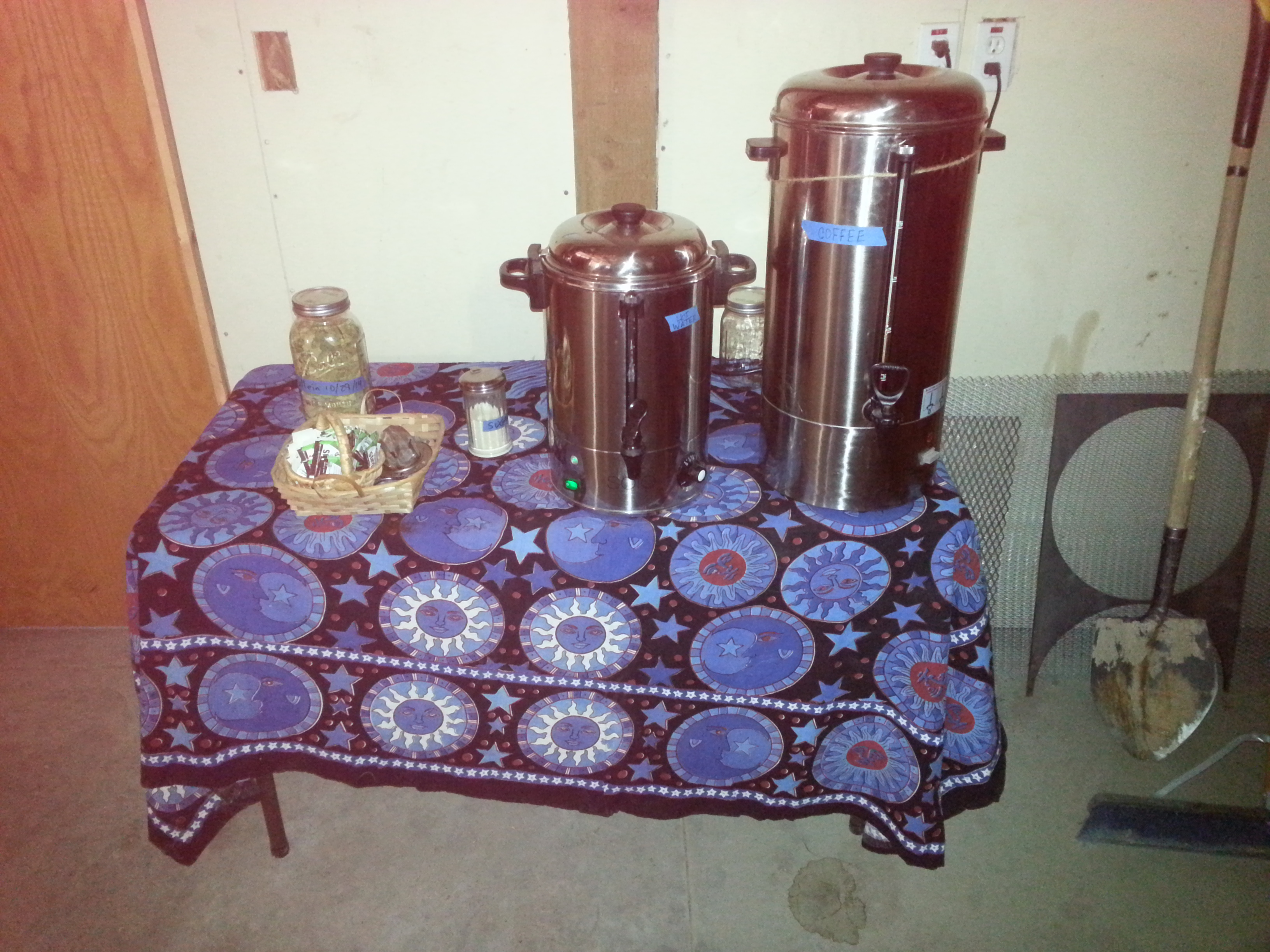
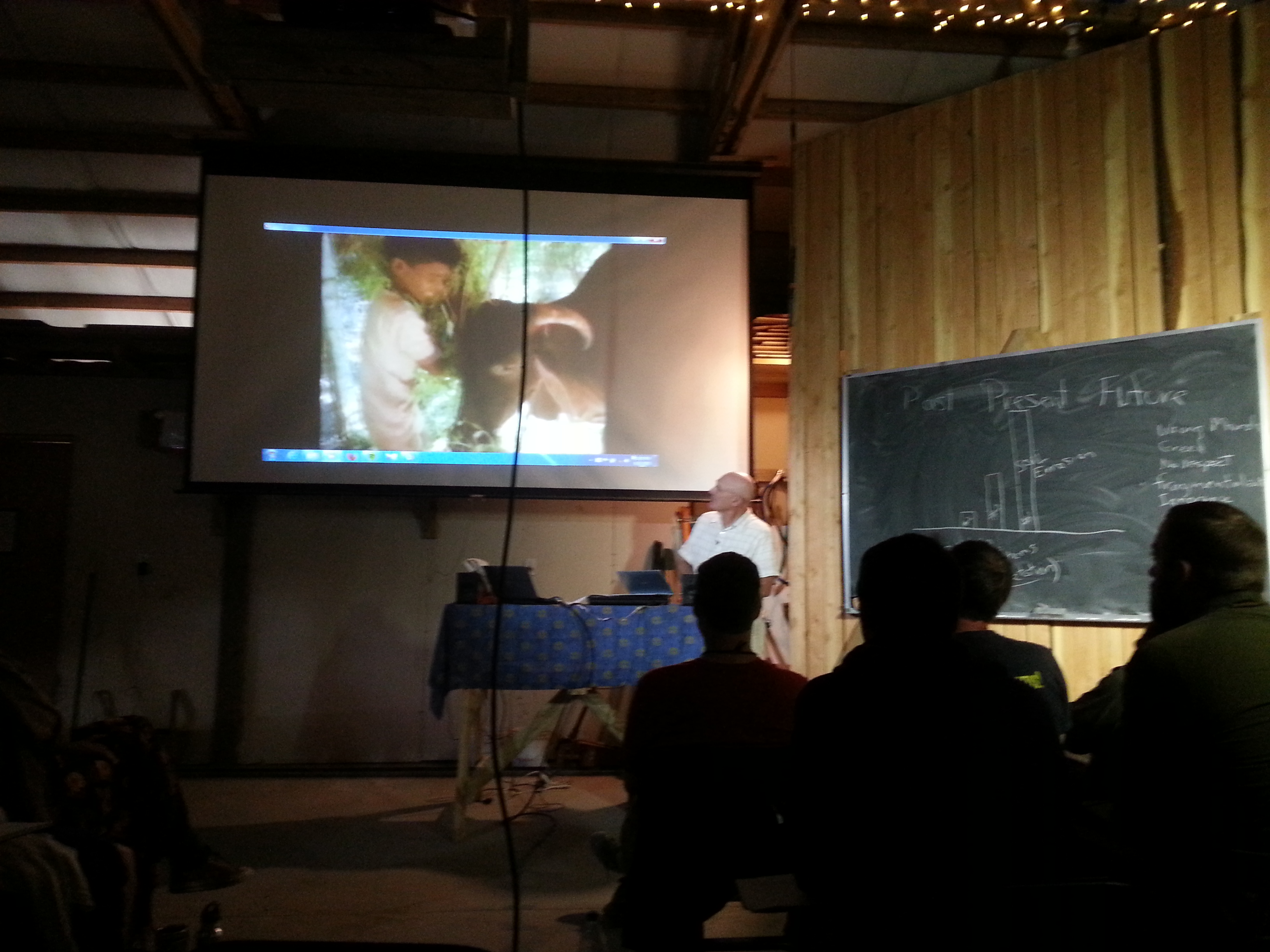
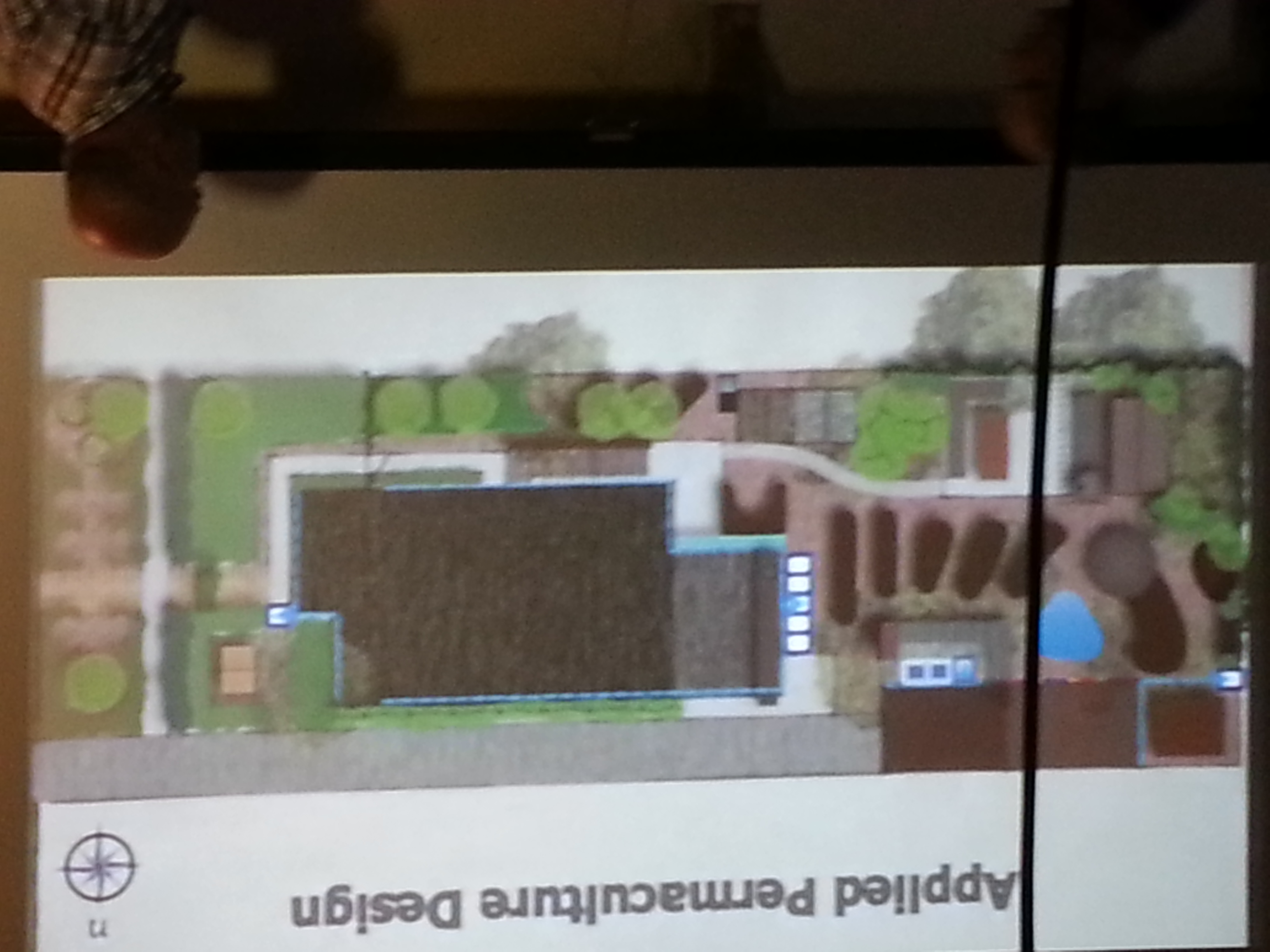
The PDC started today, with Howard Story instructing, and I'm taking notes and pictures to share with all y'all who couldn't be here to attend it with me. Todd McDonald brought coffee to share and help wake us all up. Thanks Todd!
Permaculture is an ethical design science. To put it another way, it's a way of designing our lives to be more symbiotic with nature in order to minimize harm while increasing positive yields. Permaculturists recognize that everything is alive, intelligent, and interconnected, and therefore worthy of our respect and consideration when we make design decisions.
We are living in the anthropocene epoch, in that humanity and our systems are currently having more impact on the world than anything else. With this great power comes great responsibility, and if we are to design a sustainable future, we need to understand the past and take positive action in the present.
With humanity's ability to share knowledge intergenerationally, we have evolved a globe-spanning civilization that, while highly complex and extraordinary, is also largely dependent on our continued extraction and use of oil, and large-scale agriculture. Our culture teaches us to focus on the acquisition of money, often to the exclusion of the true currency of life: time. One thing permaculture can provide us is less dependence on the monetary system and more free time to enjoy life and pursue our passions.
With the so-called "green" revolution of the 1940's to 50's, the agricultural system's short-term productivity has accelerated alongside it's extraction of non-renewable resources and externalization of harmful waste products. The armament industry's surplus of nitrogenous chemicals was successfully marketed as fertilizer and applied to fields. The government concentrated their power by becoming more involved in agriculture. Large corporations formed and concentrated wealth. And the ownership of land was consolidated into fewer and fewer hands with a greater focus on monoculture cropping. All these goings-on flew in the face of the diversity of nature and largely continue to this day.
The three largest resulting problems are arguably: soil erosion, deforestation, and pollution. Clean air, clean water, and healthy food is becoming increasingly scarce. Life-sustaining ecosystems are being destroyed at an alarming pace. And the foundation of all living systems on this planet, soil, is being washed into the ocean and blown away by the wind. Permaculture aims to solve these problems through conscientious design.
In the video we watched just before lunch, Bill Mollison, the founder of permaculture, had a couple things to say that I found particularly amusing: "What we try and do is make a lot of mistakes." That's how we learn. And "the designer becomes the recliner. Once you have a permaculture garden, you can go out and pretend to be working in the garden, but [because it's so lush] you're invisible from the house."
After lunch, we dove right into the ethics of permaculture. The primary ethic is Earth Care. In other words, the care of all living things, stewardship. Ethic two is People Care; care of each other, communities, mutual aid. And the third is Return of Surplus, meaning recycling and returning the nutrients, resources, and the abundance produced back to the first two. Originally, the third ethic was something to do with limiting population growth, but eventually this was seen as pretty well covered by Earth Care. Arguably, all three ethics can be distilled down to Earth Care, but maybe three is a nicer number.
Howard had some words of wisdom to share with the group. "Find your bliss," he advised, "in other words, find what you would do for nothing." I'd like to think that I'm on top of that one. He also recommended staying out of the system and especially avoiding debt. Also, pretty on top of it, thankfully.
Sustainability can be thought of as an energy audit. In order for a system to be considered sustainable, the outputs must be equal or greater than the inputs, (not including sunlight in this case.) Annuals require constantly recurring inputs, whereas perennials, once established, continue providing a yield for years to come. Once you establish a permaculture system, it runs itself and basically you just harvest from it.
The more permies per square unit of land area, the more attention can be paid, the more intensive the system, the higher the yields per square unit of land. In other words, smaller, more closely managed systems are relatively more productive.
Howard laid out 9 principles of permaculture:
1 Observe and connect
2 Use biological and renewable resources
3 Catch and store energy and materials
4 Each function supported by many elements
5 Each element supports many functions
6 Make the least change for the greatest effect
7 Use edge effect to maximize yield
8 Accelerate succession
9 Use small-scale intensive systems
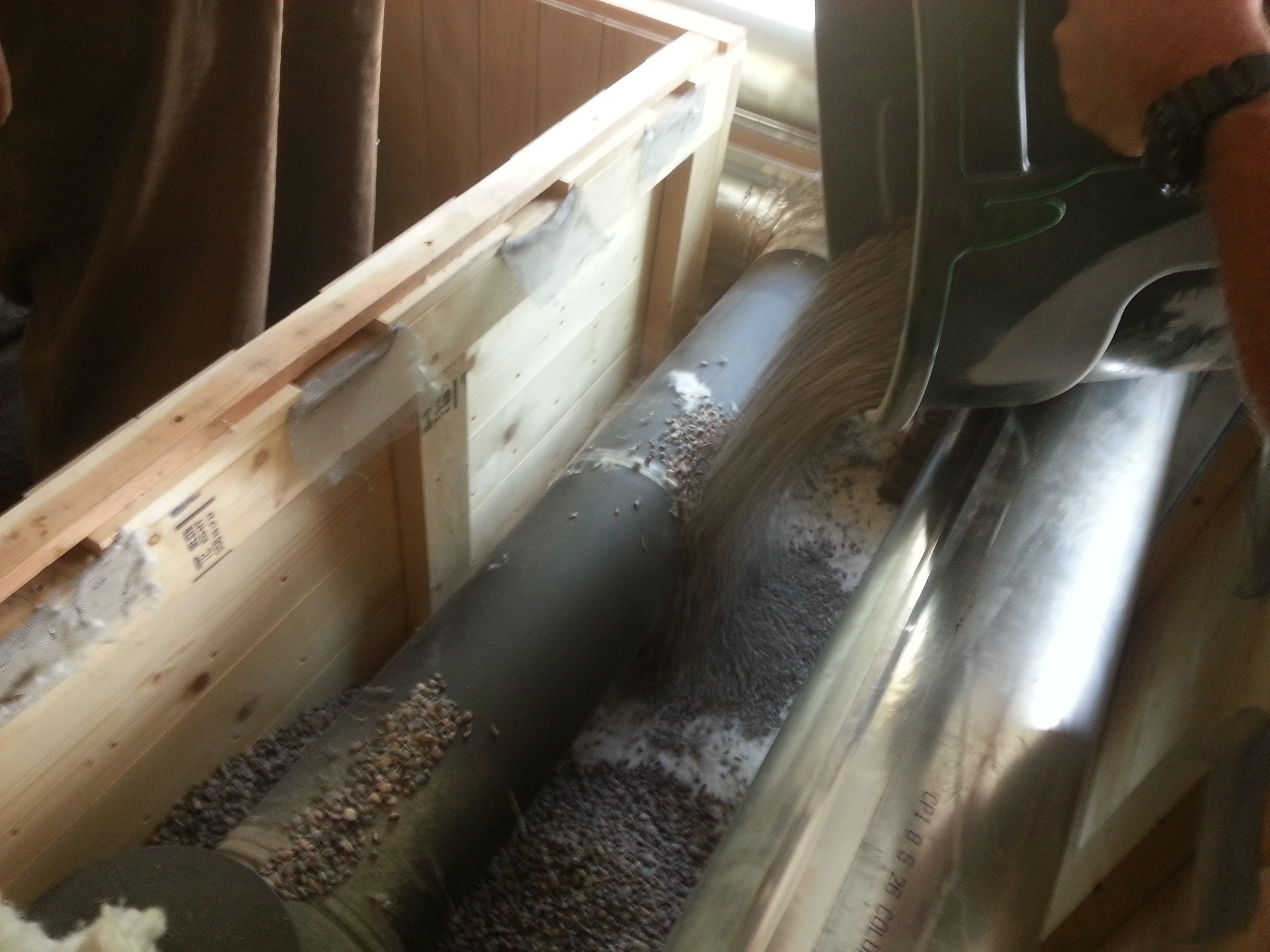
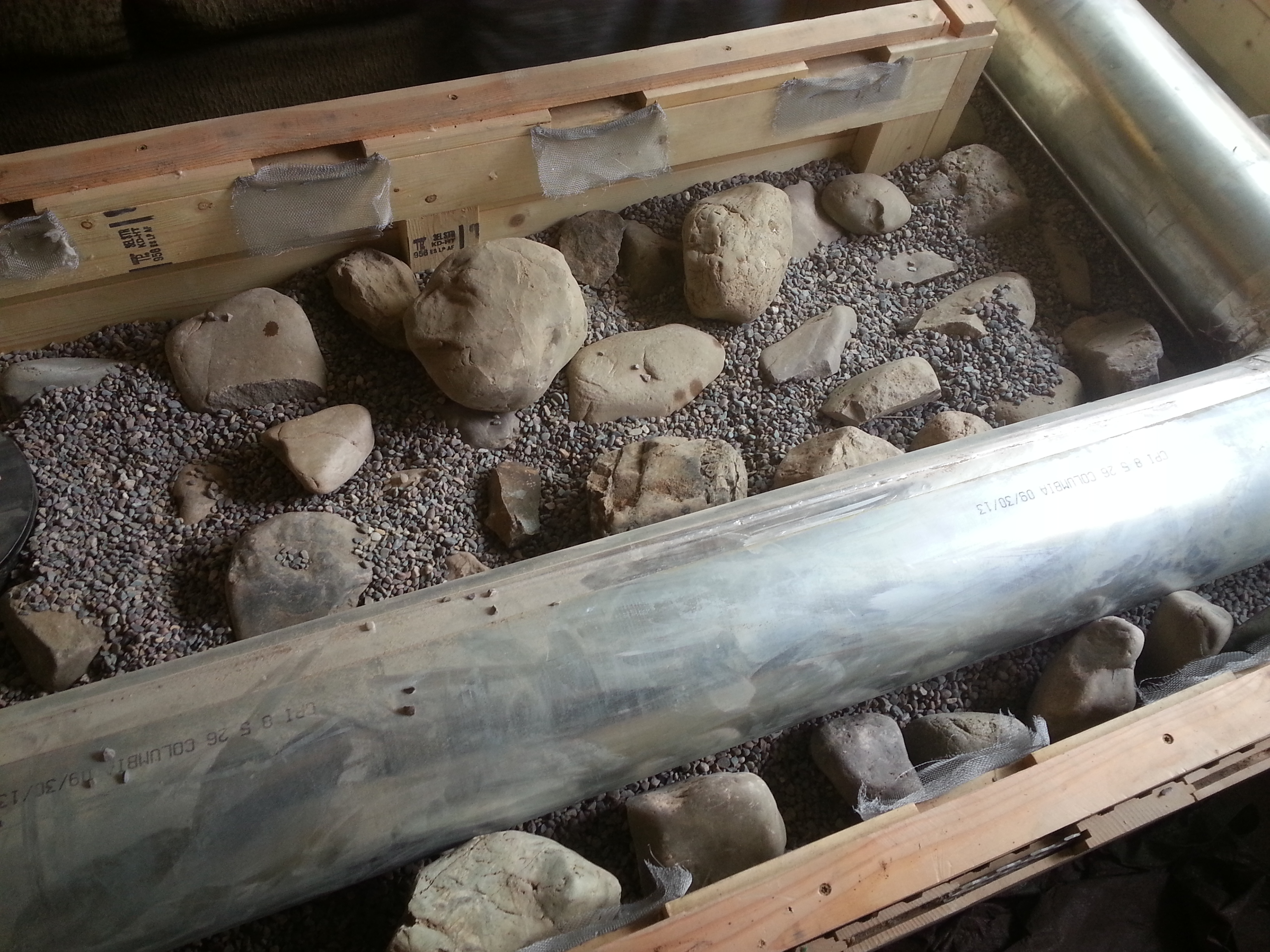
The hands-on session today involved hauling pebbles and larger stones into the house and filling the rocket mass heater bench. The rmh in the house drafts harder than any system I've ever seen in action before, so I'm sure that now that there's mass in the bench, Paul and Jocelyn will be toasty warm come winter.
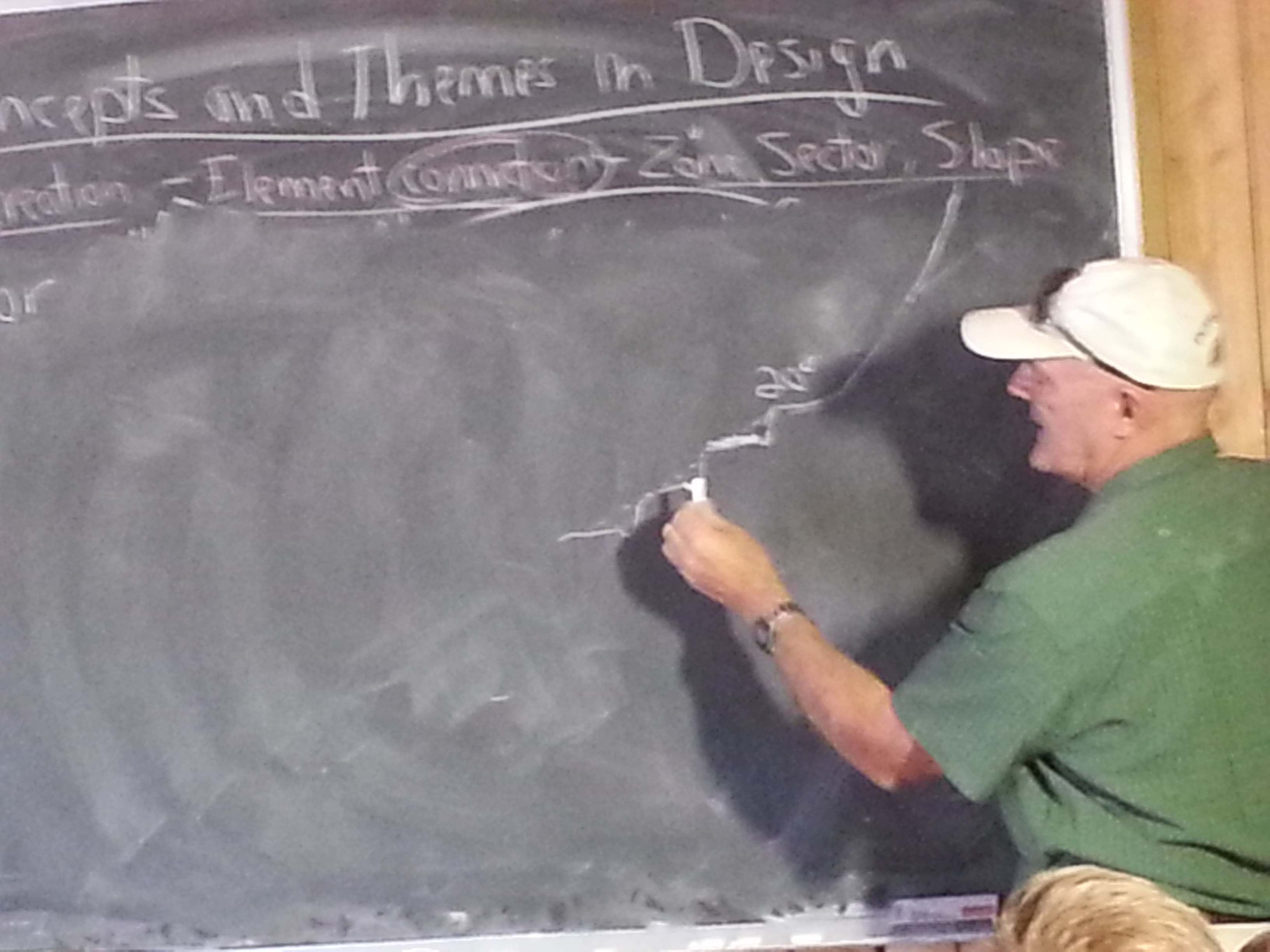
This morning the focus of the PDC was on Concepts and Themes in Design. The first concept we covered was Soil Creation. The most productive kind of ecosystem, in terms of building soil, is the saltwater shallows, or shallow marine ecosystem, like a mangrove swamp. The second most productive would be freshwater shallows, marshes, the edges of lakes, ponds, rivers, and streams. Third most productive is a forest or woodland ecosystem. Fourth is savannah, prairie, or grasslands, where much of the fertility comes from mob-grazing herds of ruminants. And fifth is a mulched crop garden. As permies, we want to build soil fertility, so we should aim to mimic the most productive ecosystems possible for our site.
Next we went into Elements and Connections. Elements in a permaculture system are things like plants, animals, structures, etc. Each element has needs, products, behaviors, and intrinsic characteristics, and as permies our task is to connect the outputs of each element with the inputs of other elements.
We discussed the classic example of the permaculture chicken. A chicken's inputs or needs would include: oxygen, water, bugs, greens, shelter, warmth, grit, dust, other chickens, and of course, love. A chicken's ouputs, behaviors, or yields would include: carbon dioxide, fertilizer, heat, eggs, meat, pest control, weed control, scratching, wake-up alarm, entertainment, potentially other chickens, and of course, love.
We watched a video with Geoff Lawton and one thing he mentioned a few times with a lot of enthusiasm and emphasis was the idea of stacking elements not only spatially, but also temporally. The nitrogen fixing legumes and pioneer species increase the soil fertility and eventually are replaced by fruit and nut trees.
Howard talked a bit about his farm in Thailand, and mentioned some interesting things about connecting the elements of his pond systems. One thing was having mulberry trees on the edge of the ponds to shade the water and slow evaporation, drop mulberries into the pond to feed the fish, and also provide leaves for silkworms. Another thing was having little floaty islands in the pond with aquatic plants on the edge and solar lights that attract bugs at night, which also feed the fish. Pretty cool stuff.
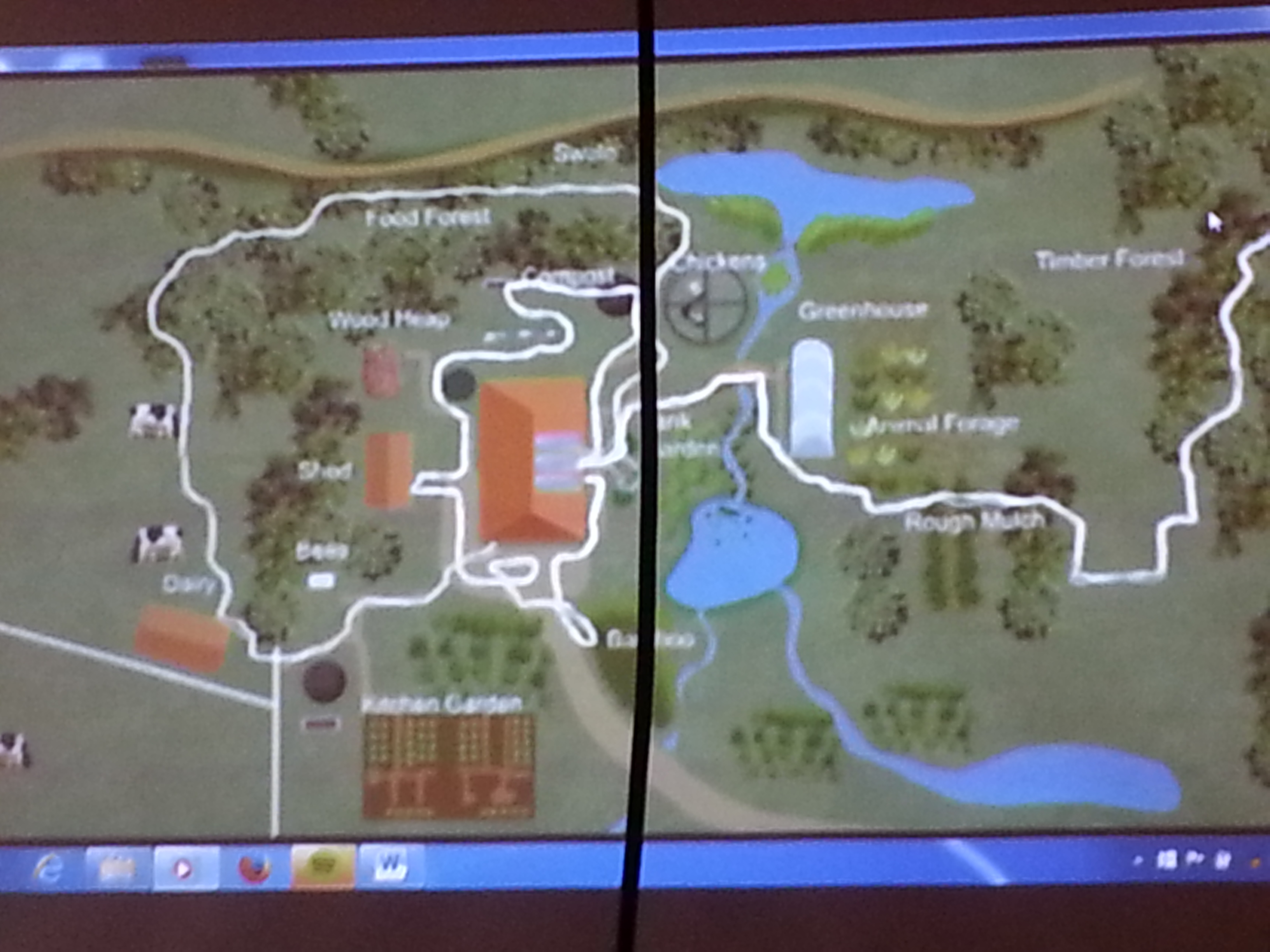
We went into Zones, Sectors, and Slope next. Zones are all about efficiently placing elements to take advantage of human energy and frequency of use. While in reality they are much more irregular shapes based on the eccentricities of the site, zones can be conceptualized as concentric circles radiating from the center point, call it zone 0, your self or home. Zone 1 would be where you'd want to place elements that need a lot of attention; you might visit this zone at least twice or more a day. Zone 2 would be for less intensively managed elements; maybe you'd visit once every day or so. Zone 3 would be less intensive still, maybe visited weekly or so. Zone 4 would be for low-maintenance elements that might need your attention only every few months perhaps. And zone 5 would be reserved for wilderness areas, where you might do little more than simply observe. Not every site will have all 5 zones; for example, my acre and a half site will probably be relatively intensively-managed and perhaps only go up to Zone 3.
Sectors map energy and resource flows into or across your site. For example, in the northern hemisphere, south would be your sun sector. Other sectors you might want to map for your site would include: wind, water, views, fire, noise, crime, privacy, wildlife, and dispersive or expansive species that might find their way onto your site. Depending on whether the energy is something you want or not, you might arrange elements to either block, redirect, capture, or be open to these flows.
Finally we discussed slope. The degree and orientation of slope on your site will play an important role in placing various elements. Slopes over 20 degrees are usually too steep for anything but trees. Slopes between 5 and 20 degrees can be terraced. While flat land, or slopes under 5 degrees, can be disturbed more often with less risk of erosion. You want to capture and store water as high as possible on your site so that you can gravity feed it down and utilize it as much as possible along the way. Whenever it rains is a great time to go out and observe the flow of water on your site; watch and see the places where it pools, where it seems to soak in, and where it runs off. As permies, we want to store, slow down, and soak up as much water as possible before it leaves our site.
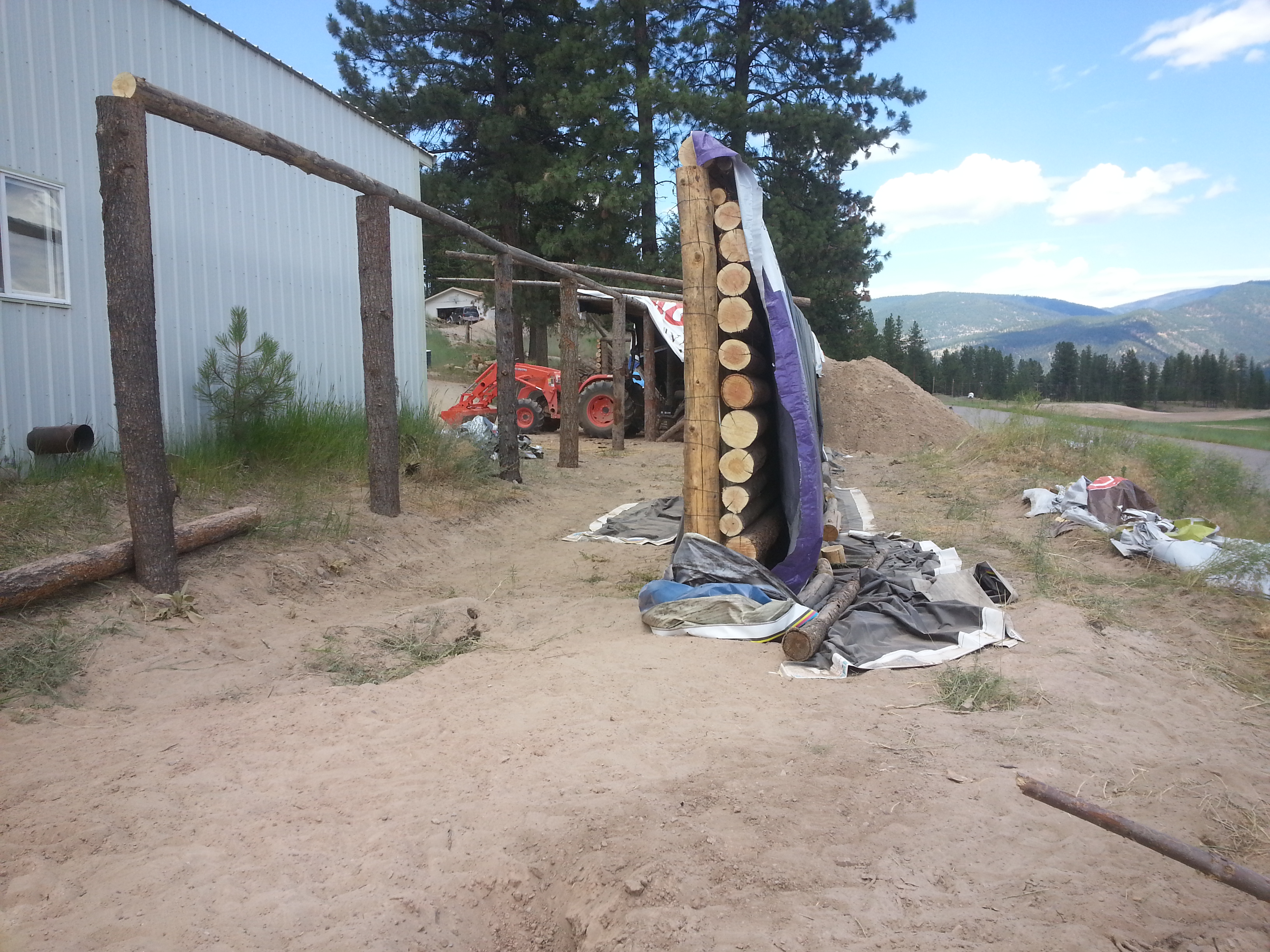
During lunch, I went out to check on Brian's berm shed project. It's coming right along, and the tractor and electric vehicles are already being stored under it.
This afternoon and evening we heard from Morgan Bowen of Rocky Mountain Permaculture. He talked a bit about cover crops, composting, and beneficial insect habitat.
Some of the reasons to sow cover crops include: to build biomass, increase soil biology and biodiversity, accumulate nutrients, retain water, and attract beneficial insects.
A few cover crops and insectary plants for warm weather include: black-eyed peas, buckwheat, cow pea, lablab, and pinto beans. Whereas alfalfa, austrian winter pea, barley, bell bean, alsike clover, crimson clover, sweet yellow clover, sweet white clover, daikon radish, fava beans, fenugreek, garbanzo beans, lupin, mustard, oats, rye, and vetch are better suited for cool weather.
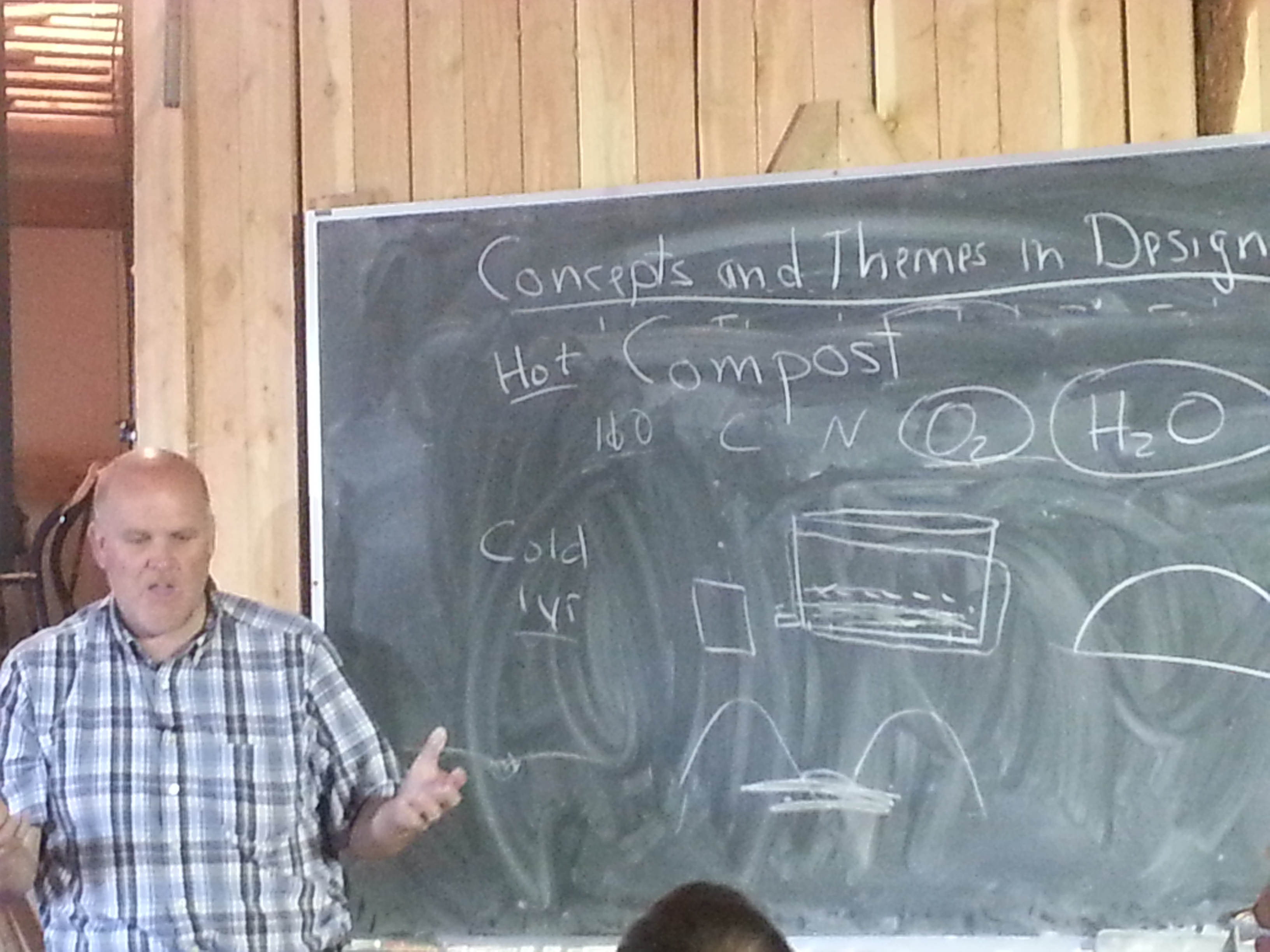
Compost microorganisms, aerobic thermophiles, need carbon, nitrogen, oxygen, water, and temperatures around 160 degrees Fahrenheit in order to function effectively. A carbon to nitrogen ratio of about 30 to 1 is considered ideal.
One method of generating compost is the fast composting or Berkeley 18 day method. The idea is to layer small chunks of carbon-rich materials alternated by layers of small chunks of nitrogen-rich materials until you have a pile at least 3 cubic feet in volume. The material should be moistened as it is put together, aiming for about 50% moisture content, or damp but not saturated. Every few days the pile should be turned, moving the outer part of the pile to the inside and vice versa, which sounds like a lot of work. But after 18 days any pathogens and weed seeds should be gone and you should be left with a pile of fine humus.
Some other methods of composting include: slow composting, hugelkultur, vermicomposting, chop and drop, animal systems, lasagna mulching, and the Ruth Stout method.
Morgan showed us a video of his site in Utah, which I thought looked really nice, and he also shared an interesting story about breeding flies. Apparently he would take his sweetheart to see his flies on their first date, and have her hold a handful of maggots. How romantic. He also mentioned how sick plants often give off ethylene, which attracts scavengers, and that while parasitic wasp adults tend to feed on nectar, the larvae are carnivorous.
There were many other things mentioned, but I only really wrote down what I either thought was particularly important or just totally new info to me. Turning my notes into summaries is helpful to me, and I hope y'all find some use out of it too.
This morning we continued with Concepts, Themes, and Design Methods. Howard started off with an overview of succession. For a given piece of ground, there may be as many as 2000 seeds in every square yard. This natural seed bank is just waiting for the right conditions to germinate. Nature's first step in the process of turning bare ground into a forest is to colonize with weedy grasses, annuals, and other pioneer species that take about 1 to 2 years. Next comes the herbs, the herbaceous perennials, which take between 2 and 3 years. Then the shrubs or bushes, which take about 2 to 5 years. Then small trees, then medium trees, taking 5 to 10+ years. And finally the large trees, the climax of a forest ecosystem, which can take from 50 to 100 years to develop.
As permies, we can mimic this process of succession by focusing first on soil builders, like nitrogen fixers and dynamic nutrient accumulators. We can accelerate the process by pollarding, chopping and dropping, or otherwise disturbing/stressing these plants just enough to stimulate their regrowth.
Compacted soil is healed most effectively by deep taprooted plants. Loose soil by herbaceous plants with a net of fine fibrous roots. Burnt soil by plants that don't need as much phosphorus or potassium, which then accumulate these nutrients. Over-used or exploited soil by legumes or nitrogen fixing plants, which form a symbiosis with rhizobial bacteria. And salted soils by fungi, which bind up the salt, along with salt-tolerant, drought-tolerant plants.
A niche can be thought of as a hole in an ecosystem. A mature ecosystem has very few niches left unfilled, whereas recently disturbed soil provides many opportunities for various plants to colonize and fill unfulfilled roles.
Diversity leads to stability by being able to respond effectively to change. Stability allows time for fertility to build and develop. Fertility leads to productivity and higher yields.
We can stack yields over time by diversifying with early, mid, and late season varieties, by growing root vegetables that stay fresh in the ground or with minimal storage, by preserving our produce by dehydrating, fermenting, or canning, by extending the growing season with microclimates, greenhouses, and cloches, and by building cool storage systems like root cellars.
Resources can be divided into five categories. Those that increase with modest use, like grazed pastures, prairies, savannahs. Those that are basically unaffected by use, like food forests. Those that degrade if unused, like annual gardens. Those that are reduced by use, like timber forests. And those that pollute or destroy other resources by use, like toxic chemicals and radioactives.
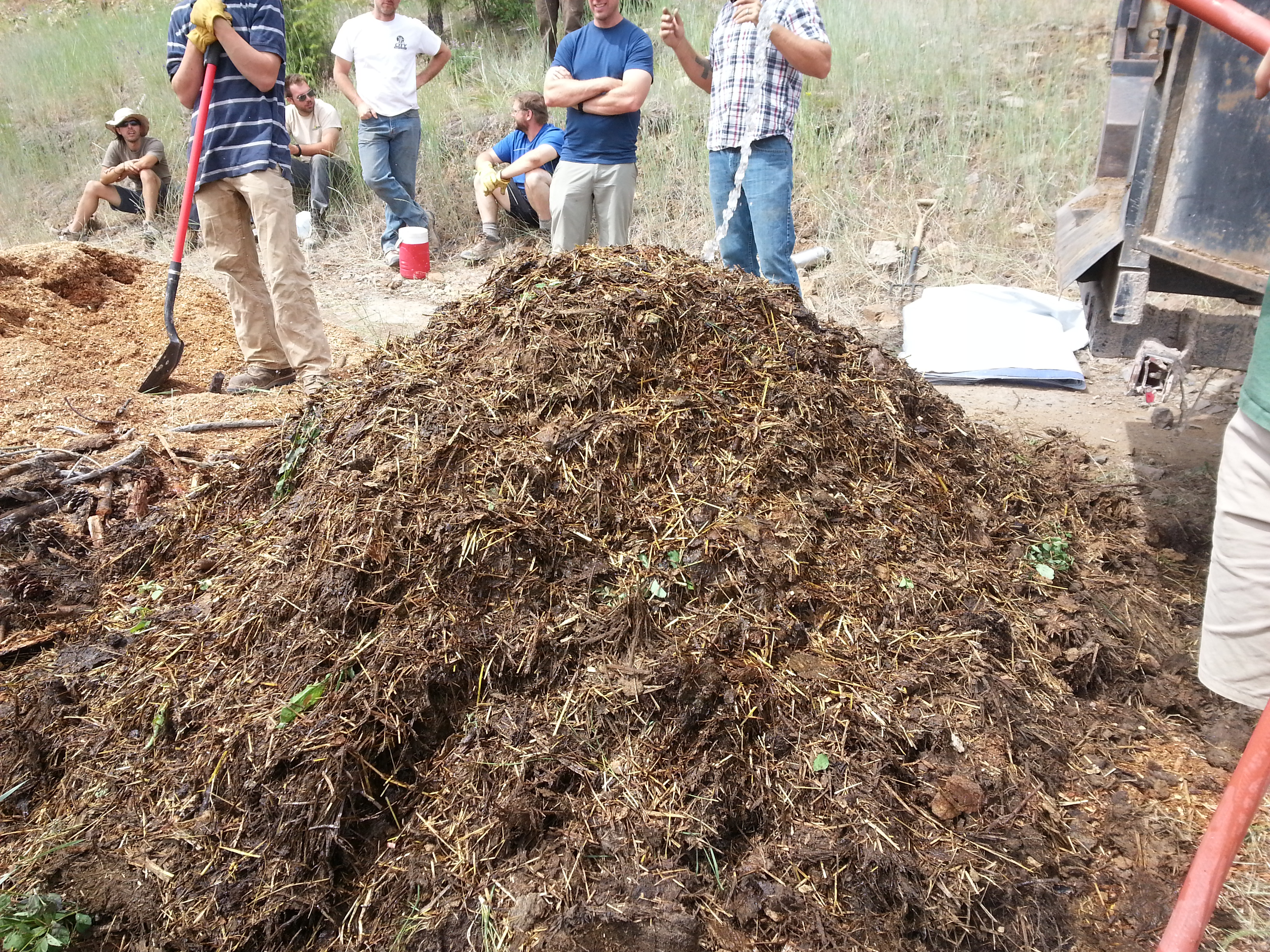
Before lunch, we had a quick hands-on session where we built a compost pile using the Berkeley 18 day method. We started with a layer of sticks and twigs on the bottom to provide air flow, then layered wood chips, (carbon,) and manure rich hay, (nitrogen,) on up, adding water as we went. Finally we covered the pile with a tarp to hold in heat and moisture.
20150623_111610.jpg
a still from a Geoff Lawton video illustrating energy paths on a permaculture site
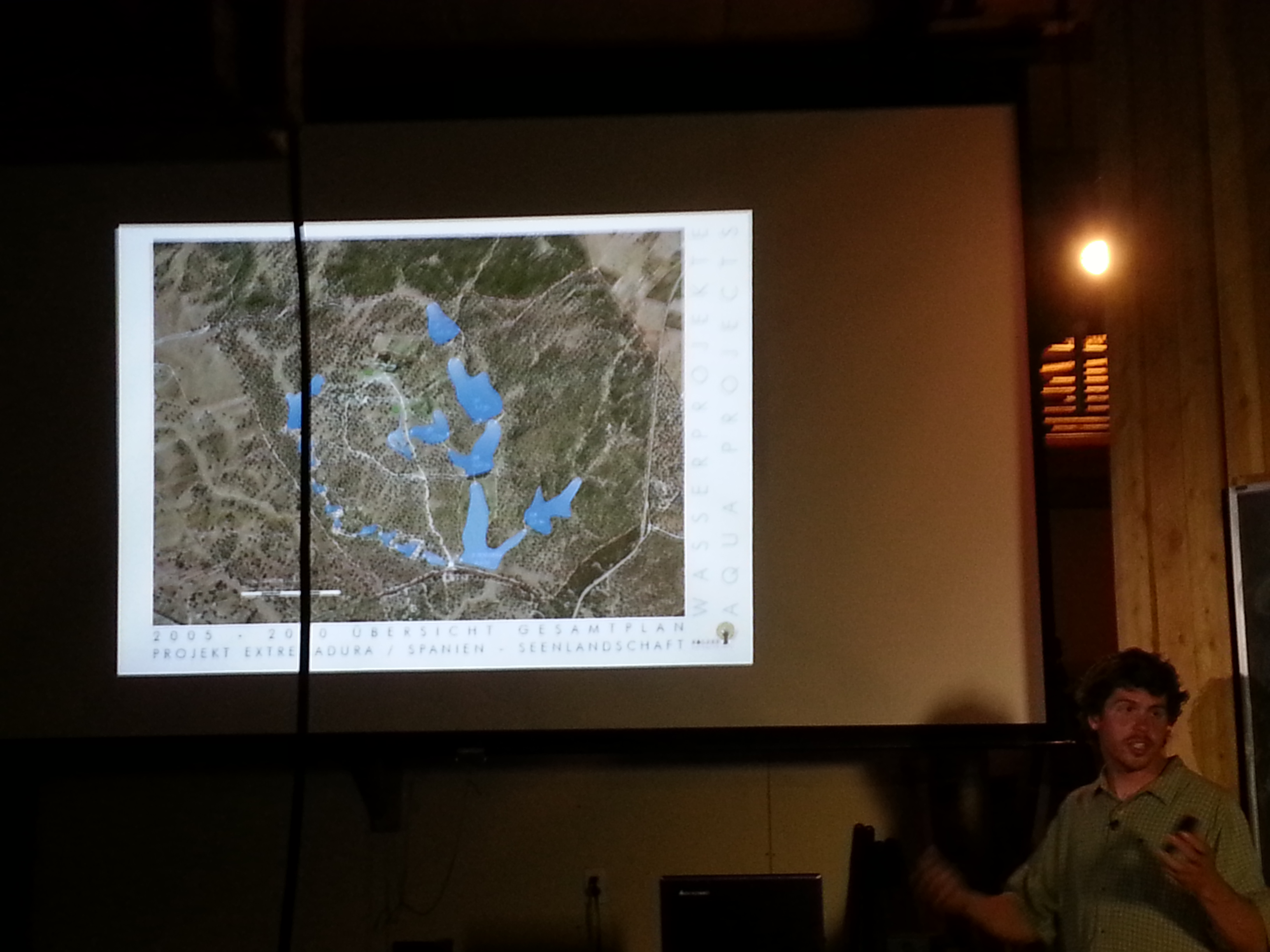
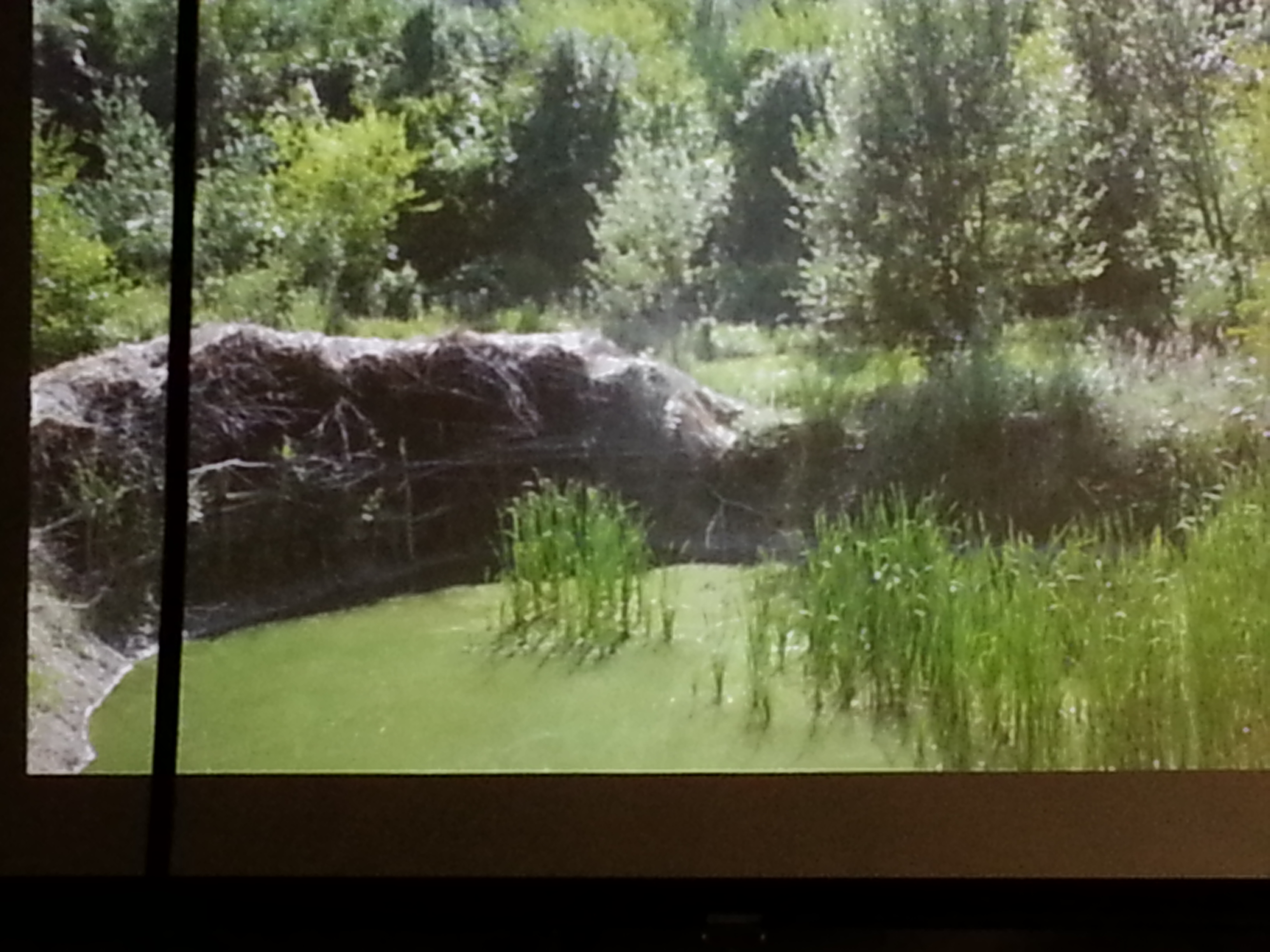
Zach Weiss gave a presentation this afternoon. It was fast-paced, and very info-nutrient dense. I was scribbling to take notes and trying to keep up, and also thoroughly enjoying the beautiful illustration of Sepp Holzer's extraordinary vision. Thanks Zach!
Holzerculture
Renaturing the Landscape:
Using the Synergy of Land, Water, Air, and Sun to Restore our Planet
Sepp Holzer creates networks of ponds full of a huge diversity of life, crater gardens with rocks and trees that are buffered from rapid temperature changes, terraces with life-giving springs flowing out of them, and a multitude of artistic, highly habitable, effective microclimates.
People sometimes complain that their land is too hot, or too cold, too wet, or too dry. Zach says, "cultivate your unfair advantage."
Sepp Holzer grows a European crawfish in his ponds that, in some years, he sells for more than the total from all the many pigs, ruminants, fowl, fish, and all other animals combined. His ponds can be drained partially in such a way that the crawfish can be easily harvested. Part of this technique involves the use of a monk.
A monk is a c900 plastic tube that runs through the ground between one pond and another one lower down. The part of the tube that's underground is coated with a blitz cement and then covered with a geotextile. The tube has a 90 degree bend on the end that goes into the upper pond, and in this bend is not a gasket. The top of the tube is where the water enters, keeping the pond level steady. This L-shaped end can be swiveled down to let water in lower down and thereby drain the pond to a lower level. The round design of the tube creates a vortex that oxygenates the water passing through.
On the edge of some of Sepp's ponds, he builds little shelters for his ducks out of sticks and branches. He also builds lots of earth-integrated shelters for animals into the sides of hills. These face east to wake the animals up early and to provide shade from the midday and afternoon sun. He sometimes keeps potbelly pigs in paddocks with his chickens to deter predators who fear the pig's scent. His chicken coops have a grate built over the entryway that chickens can easily cross but weasels find difficult. Sepp also builds earth-sheltered cellars that have an ice box built into the floor. And sometimes he builds spec houses for fermenting prosciutto: cordwood above-ground structures with a stream running through them.
Stones are often built into the edges of ponds and these warm up and provide habitat for smaller fish. Stones are also placed to exclude larger fish from parts of some of the ponds. Sometimes the monks are used to move fish from one pond to another. Sometimes he even has an additional tube in the inside of the monk that rises above water level and acts as a fish gate.
His ponds have three zones. One is the float zone, where the monk goes, where water is oxygenated, where the spillways are. Two is the deep zone, which is over 10' deep, has stable temperatures, is denser, and wherein the overturn effect mixes the water. Three is the flat zone, which is shallow, warmer, and provides habitat for crayfish, insects, and small fish.
His ponds' dams are often tied into the deep clay and keyline dammed in such a way that water infiltrates and soaks into the surrounding land. Growing trees on terraces above help with this infiltration.
Sepp builds lots of chinampas, making many connections between land and water. His terraces are sometimes built on slopes steeper than 20 degrees, sometimes up to 45 or 50 degree slopes. If the soil of the terrace is built of clay, the terrace is sloped 2 degrees downhill. If not clay, then they're sloped 2 degrees back into the hill. A 2 degree pitch to the side moves water along the side of the hill.
Springs that he creates that flow out of the sides of terraces are ideal drinking water because the water been purified by the sun as rain but also mineralized by the earth it flows through.
Sepp's houses often have plants growing up the sides for evapotranspiratory cooling.
He gathers seeds from the best plants growing in the worst soils to encourage resilience.
He grows potatoes on little-used roads.
His crater gardens block the harsher winds and help hold in moisture. They're also often shaped in such a way to be open to and parabolically focusing of the sunlight. Large stones are built in to absorb and store heat. This combination creates effective microclimates wherein temperature changes are buffered and slowed way down. He grows subtropical and tropical plants like citrus and bananas in freezing climates with these methods and sometimes to keep them alive through the winter he buries them in tons of mulch.
Zach says he's not worried about nature, she can save herself, but if humans are to save themselves they will need to start applying Sepp's techniques on as large a scale as possible. By decentralizing water retention, we can bring back creeks and rivers, and green the deserts of the earth.
You can learn more about Zach and Sepp by visiting these websites:
After Zach's talk, the PDC participants went up to Ava for the hands-on session and helped me on lots of my projects. I've got lots to say about this and lots of pictures of the progress, but you'll have to wait until tomorrow morning to hear about it, because it's been a crazy busy day and I need some sleep.
The hands-on session went great! We split up into four groups and went about tackling four projects simultaneously.
Fred, John, and Curtis put lots of seeds in the ground in Avalon. The focus was on annuals, since I'll probably be doing more earthworks there next year and don't want to disturb perennials.
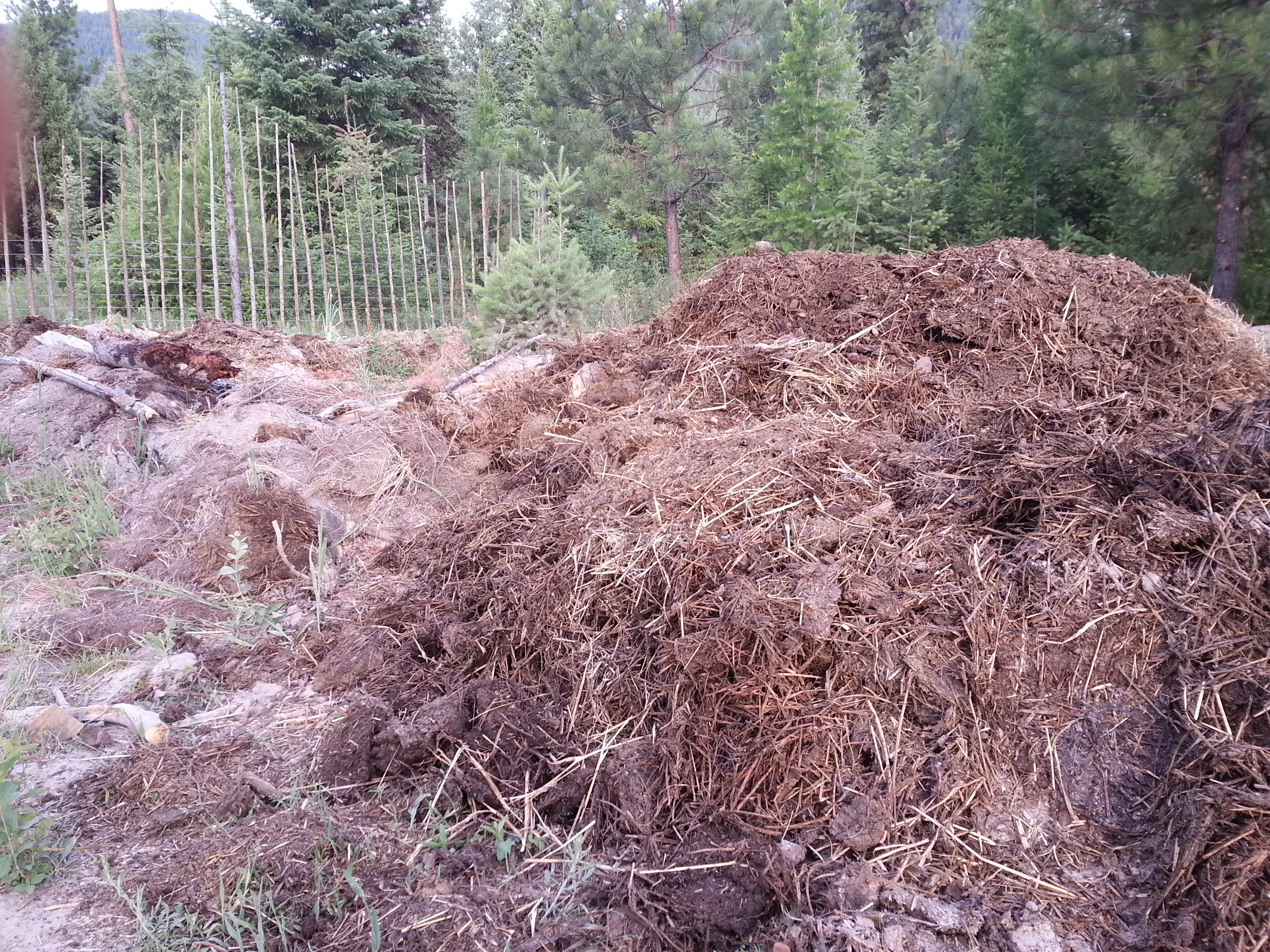
James, Carol Ann, and I gathered and hauled mulch to Téjas for covering my garden beds there. The mulch was mainly hay thoroughly integrated with cow and pig manure. Brown gold.
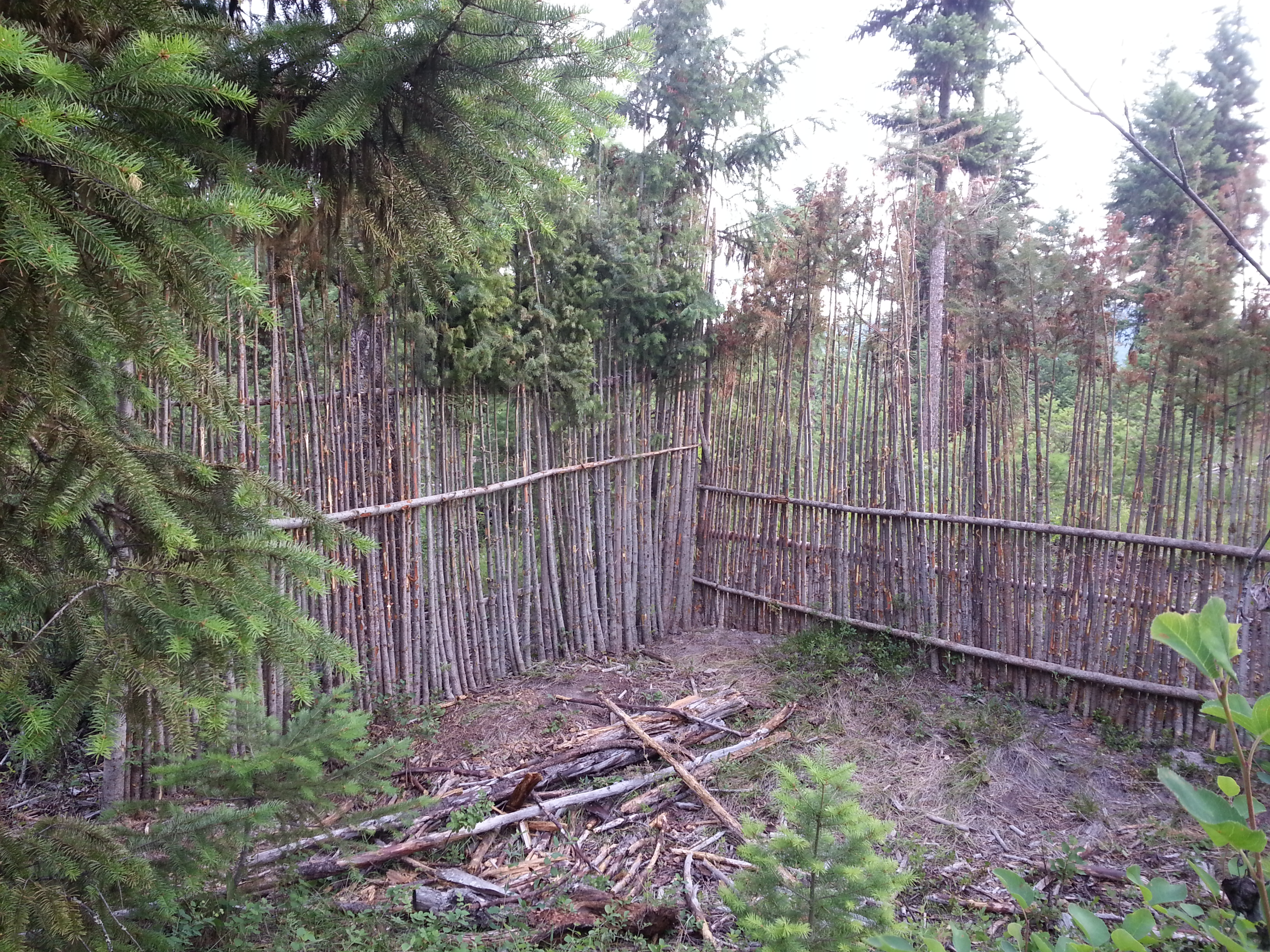
Mike, Todd, Brandon, Tim, and Jesse worked on gathering, limbing, and placing poles for the Hamelot fence. It smells like christmas down there with all the fresh piles of fir and pine limbs.
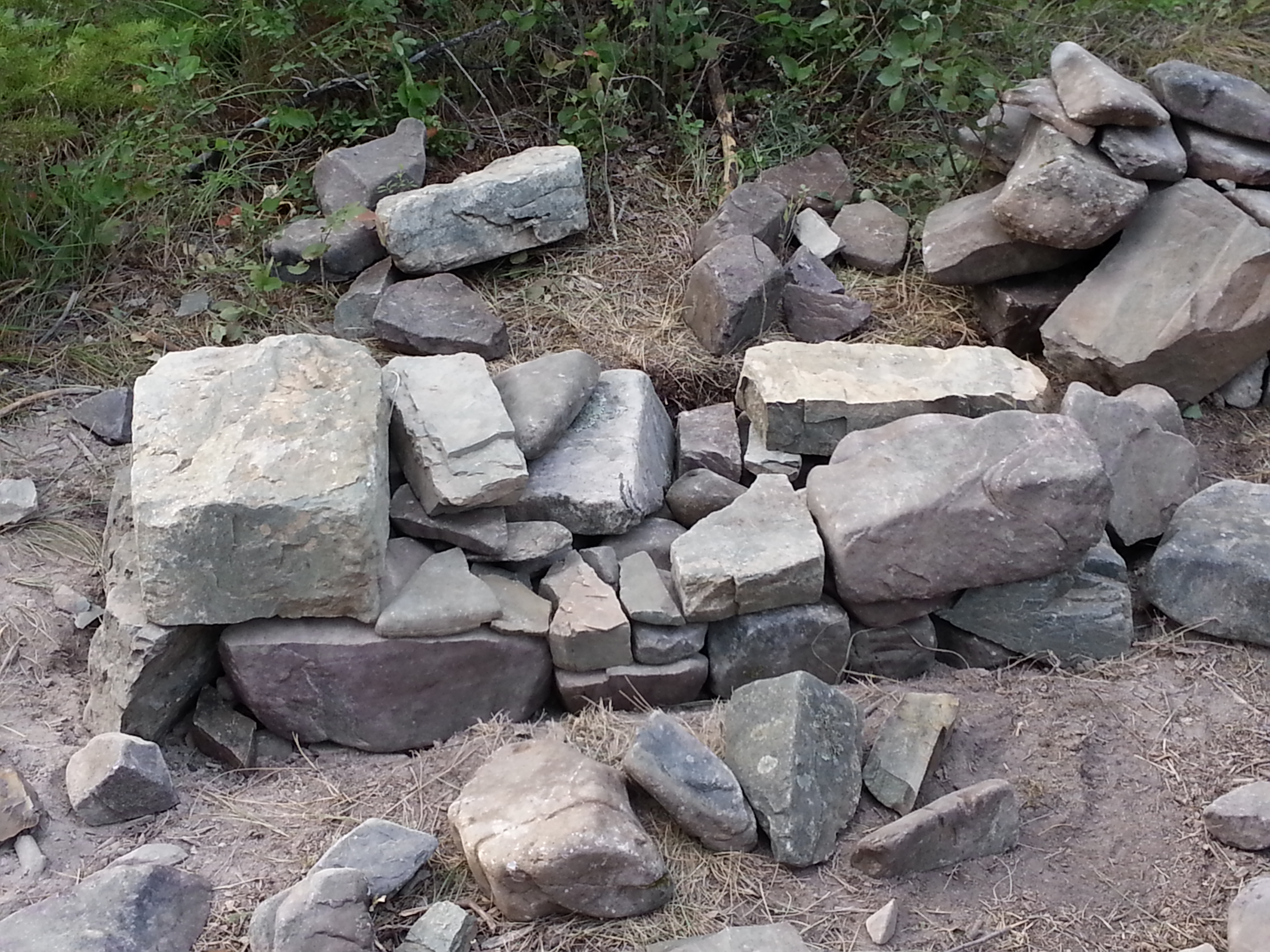
Devin led the rest of the group with sorting and placing stone for a nice sitting wall by the fire pit in Entshire, and also a little patio in the shady picnic grove of Lewisylvania. He explained some of the principles and techniques of dry stone masonry, like the rule of one over two, and how to select stones that are less likely to fall apart.
Thanks everybody for all the wonderful help! Y'all are awesome!






 1
1