gift
Native Bee Guide by Crown Bees
will be released to subscribers in: soon!
  • Post Reply Bookmark Topic Watch Topic
  • New Topic
permaculture forums growies critters building homesteading energy monies kitchen purity ungarbage community wilderness fiber arts art permaculture artisans regional education skip experiences global resources cider press projects digital market permies.com pie forums private forums all forums
this forum made possible by our volunteer staff, including ...
master stewards:
  • Devaka Cooray
  • Carla Burke
  • John F Dean
  • Nancy Reading
  • Timothy Norton
  • r ranson
stewards:
  • Jay Angler
  • Pearl Sutton
  • paul wheaton
master gardeners:
  • Christopher Weeks
  • M Ljin
gardeners:
  • thomas rubino
  • Eino Kenttä
  • Jeremy VanGelder

Forage Kale / Forage Brassica

 
Steward of piddlers
Posts: 6910
Location: Upstate New York, Zone 5b, 43 inch Avg. Rainfall
3582
monies home care dog fungi trees chicken food preservation cooking building composting homestead
  • Likes 8
  • Mark post as helpful
  • send pies
    Number of slices to send:
    Optional 'thank-you' note:
  • Quote
  • Report post to moderator
In my cover crop testing/learning I have stumbled upon something known as forage kale. I plan on getting some of it into the ground to see how it does so in the meantime lets talk about it.

Forage Kale


My initial knowledge of forage kale actually comes from game food plots. The plant is palatable to quite a few species of game animal and is used extensively for the purposes of hunting. Due to its high value forage, it is an option for folks who keep livestock. It is high in protein/low in fiber and ruminants seem to enjoy it. Forage Kale is a cool season brassica whose seeds can either be broadcasted or drilled into the soil.  I've read reports that it works well in creating biomass and crowding out weeds. I'm intending on planting it this fall to help reduce soil erosion and provide some browse for later winter critters.

Do you have any experience with forage kale?
 
pollinator
Posts: 436
Location: Oz; Centre South
102
trees books cooking fiber arts writing
  • Likes 4
  • Mark post as helpful
  • send pies
    Number of slices to send:
    Optional 'thank-you' note:
  • Quote
  • Report post to moderator
Experience only from childhood memories, when kale (no specific kind) was only fed to cattle. . . I can't understand the current fascination with it as a people food.
 
gardener
Posts: 4485
716
7
forest garden fungi trees food preservation bike medical herbs
  • Likes 11
  • Mark post as helpful
  • send pies
    Number of slices to send:
    Optional 'thank-you' note:
  • Quote
  • Report post to moderator
I think the emphasis on kale as people food is because it is stunningly nutritious. You may not be aware, but most adults worldwide are overweight and undernourished.  Ultraprocessed individually wrapped in plastic convenience foods are taking over the world, and filling up the world with trash. Chronic disease is spreading from the USA all over the world.
John S
PDX OR
 
pollinator
Posts: 260
Location: Mid-Michigan, USA
94
3
chicken food preservation medical herbs building wood heat homestead
  • Likes 6
  • Mark post as helpful
  • send pies
    Number of slices to send:
    Optional 'thank-you' note:
  • Quote
  • Report post to moderator
I bought a small amount of bulk seed for forage kale a couple years ago to scatter in our large turkey area, since both they and the chickens seem to love kale when I give them a few leaves of Lacinato or curly.  Either someone found and ate the seeds among the un-mowed field vegetation, or they simply failed to sprout.  Or the turkeys found and gobbled the seedlings before they had a chance to grow to a noticeable size and re-seed.  (We only had four turkeys in a maybe 1/3 acre enclosure, and they were getting supplemental feed as well as foraging lots of different greenery and bugs.)  I didn't spare the kale seeds a whole lot of attention, so perhaps it was my benign neglect that did them in.  Anyway, that has been my experience.  (Zone 6 Mid-Michigan.)   Perhaps if I had actually pushed each seed down into the ground it would have done better, but I had so much seed to scatter that it didn't occur to me to be so fussy with it.  

My experience is probably not much help overall, but as a result of it, I'd suggest properly sowing a portion of the seed just to see if that makes a difference.
 
steward
Posts: 14411
Location: Pacific Wet Coast
8685
duck books chicken cooking food preservation ungarbage
  • Likes 9
  • Mark post as helpful
  • send pies
    Number of slices to send:
    Optional 'thank-you' note:
  • Quote
  • Report post to moderator

Donna Lynn wrote:  Or the turkeys found and gobbled the seedlings before they had a chance to grow to a noticeable size and re-seed.


I haven't even tried yet - I already know that between the bunnies and the deer, the odds of plants getting large enough for the chickens to get a taste, is remote. I plan on trying with daikon - the chickens aren't as keen on daikon leaves as kale, but the roots might help the soil carbon level.

I have mostly given up on spreading grass seed because there are several varieties of small birds that will eat the seeds. I have mixed the seed in with finished compost to spread as that seems to disguise it a little, and I've sprinkled a light layer of straw over the patch to help the seed germinate without too much predation. Both helped, but were still more effort with little gain.  
 
gardener
Posts: 5522
Location: Cincinnati, Ohio,Price Hill 45205
1171
forest garden trees urban
  • Likes 11
  • Mark post as helpful
  • send pies
    Number of slices to send:
    Optional 'thank-you' note:
  • Quote
  • Report post to moderator
I think seed balling/pelletized seed might help get kale started in areas of high predation.
Id be surprised if forage kale isn't sold that way.

I like kale,mustard, radish,collard,cabbage and turnip greens, but only with lots of fat.
Raw kale , massaged with avocado is freaking amazing.
It's kinda a lot of work for what it is, but so good, it makes me want to automate the process

 
Posts: 26
Location: Thurso, Scotland, UK
7
  • Likes 9
  • Mark post as helpful
  • send pies
    Number of slices to send:
    Optional 'thank-you' note:
  • Quote
  • Report post to moderator
Be aware of the Diamondback Moth!
https://share.google/0GLCAfFIqacp3k6tq

Encourage insectivorous birds, predatory wasps into growing areas if possible.  We encouraged spiders, beetles, lizards, frogs and toads into our tunnel after a surprise infestation in the far North of Scotland.  
Bird boxes are a good move or pollard some willow (also useful for livestock forage and making char and/or compost) for wren nests.  
https://www.growveg.co.uk/pests/uk-and-europe/diamondback-moth/
PXL_20210120_122226148.jpg
Willow nest in pollarded willow...
 
Timothy Norton
Steward of piddlers
Posts: 6910
Location: Upstate New York, Zone 5b, 43 inch Avg. Rainfall
3582
monies home care dog fungi trees chicken food preservation cooking building composting homestead
  • Likes 14
  • Mark post as helpful
  • send pies
    Number of slices to send:
    Optional 'thank-you' note:
  • Quote
  • Report post to moderator
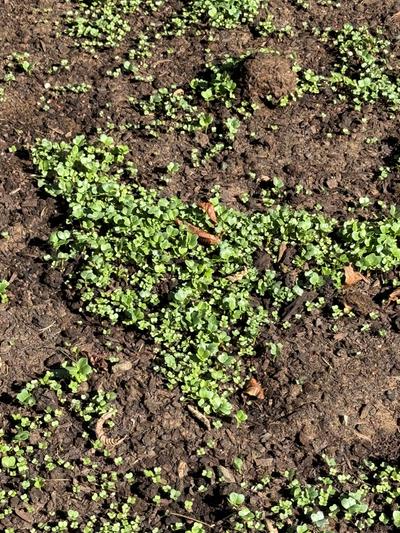
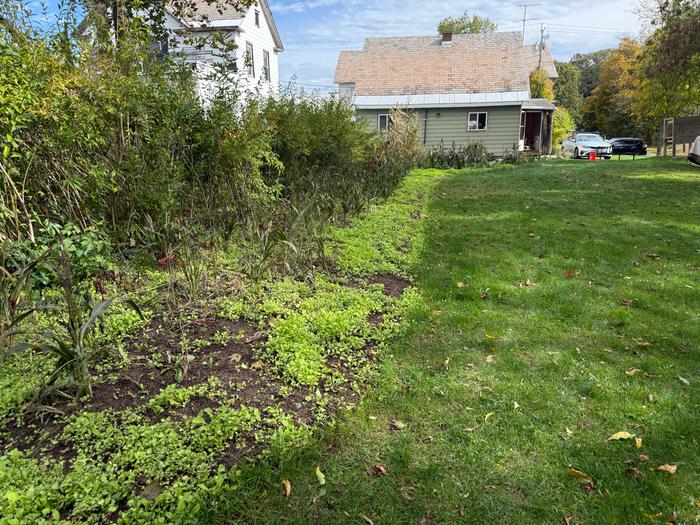
Forage Kale Germination


We have germination!

I am utilizing a mixture known as 'Deer Greens' that I purchased from an online seed provider that is a mixture of brassicas including forage kale.
 
Timothy Norton
Steward of piddlers
Posts: 6910
Location: Upstate New York, Zone 5b, 43 inch Avg. Rainfall
3582
monies home care dog fungi trees chicken food preservation cooking building composting homestead
  • Likes 7
  • Mark post as helpful
  • send pies
    Number of slices to send:
    Optional 'thank-you' note:
  • Quote
  • Report post to moderator
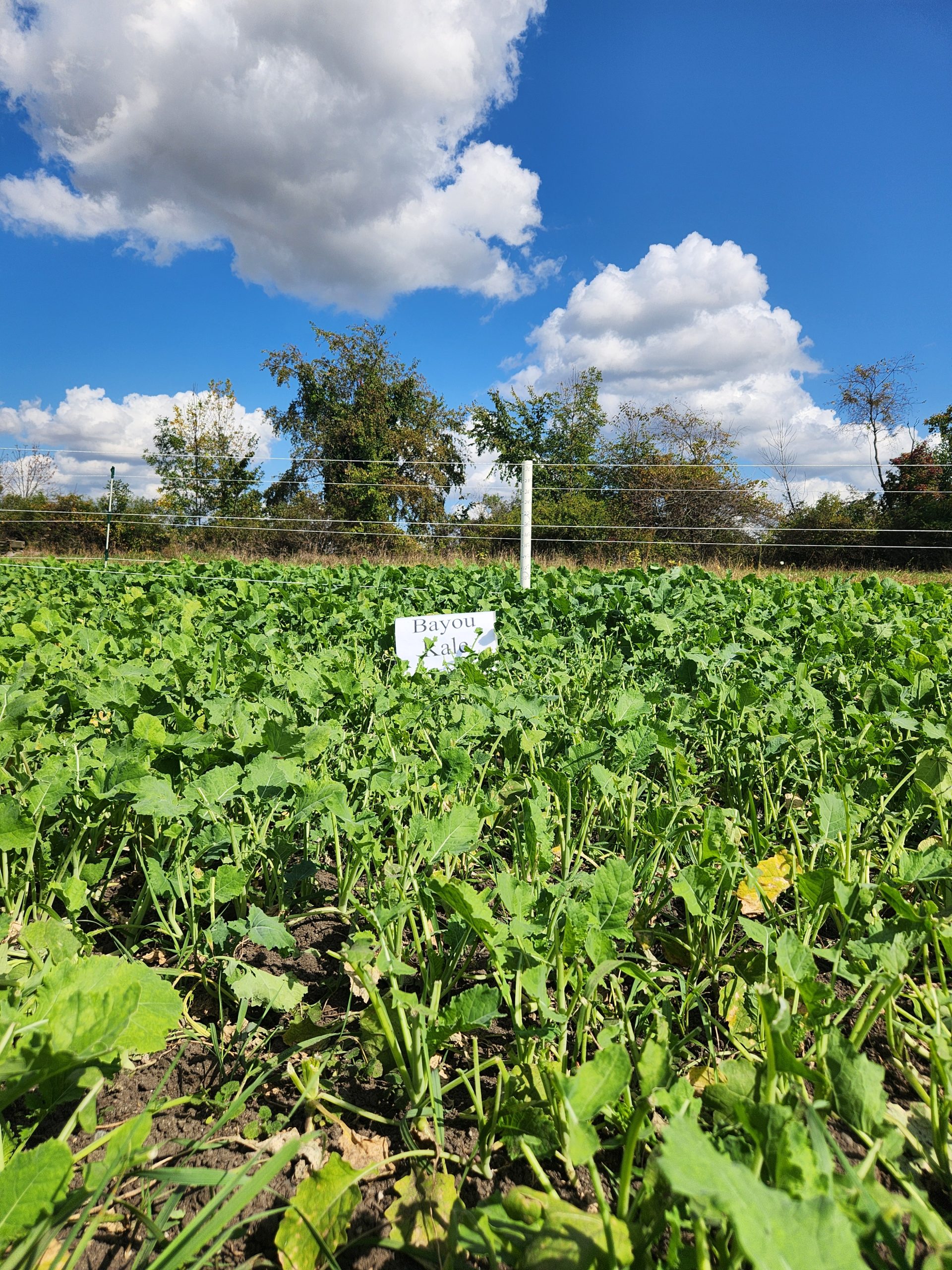
The first hard frost of the year has come through and knocked out my vegetable garden but the brassicas keep on growing!


I foresee another few weeks of growing before the cold starts setting in. I wonder how much bigger the plants will get?
 
master gardener
Posts: 5486
Location: Carlton County, Minnesota, USA: 3b; Dfb; sandy loam; in the woods
3060
7
forest garden trees books chicken food preservation cooking fiber arts seed woodworking homestead ungarbage
  • Likes 6
  • Mark post as helpful
  • send pies
    Number of slices to send:
    Optional 'thank-you' note:
  • Quote
  • Report post to moderator
We spent six hours in the mid-20s F last week (with two other real freezes and several frosts) and only the brassicas, alliums, and wildish plants are still kicking.
 
pollinator
Posts: 1580
Location: NW California, 1500-1800ft,
486
2
hugelkultur dog forest garden solar wood heat homestead
  • Likes 5
  • Mark post as helpful
  • send pies
    Number of slices to send:
    Optional 'thank-you' note:
  • Quote
  • Report post to moderator
A Regenerative Agriculture Podcast covered a very interesting experience by a broad acre forage and seed crop farmer-rancher who saw impressive results and resilience in self sowing brassicas on untilled land.

“In this episode, John and Brad discuss:
Brad’s shift from conventional hay work to regenerative farming

No-till seed production for brassicas and alfalfa with better germination

Epigenetic seed adaptations for local resilience

Livestock integration for soil health and direct meat sales

Direct-to-consumer marketing with consistent, local products

The role of soil health in sustainable farming and stewardship”

https://podcasts.apple.com/us/podcast/regenerative-agriculture-podcast/id1372359995?i=1000724970763
 
Timothy Norton
Steward of piddlers
Posts: 6910
Location: Upstate New York, Zone 5b, 43 inch Avg. Rainfall
3582
monies home care dog fungi trees chicken food preservation cooking building composting homestead
  • Likes 4
  • Mark post as helpful
  • send pies
    Number of slices to send:
    Optional 'thank-you' note:
  • Quote
  • Report post to moderator
Brassicas produce a sulfur containing substance known as glucosinolates which help inhibit weed seed germination when the plant is chopped and tilled into the soil. I've been told that the mechanism of action is known as biofumigation. I'm told this compound is what gives brassicas like mustards their pungency. There are some studies that indicate that the use of glucosinolates to biofumigate soil may help with nematode and other plant parasite control.

I'm unsure if I'm going to utilize the biomass of my cover crop to make use of the glucosinolates as I would have to manually incorporate it into the soil and I'm usually busy in the spring. I'm more than likely going to chop and drop it leaving it as a surface mulch.

Brassicas also do a good job of reducing compaction.

Turnips can help the topmost region of the soil.
Radishes tend to have a deeper taproot than turnips.
Mustard, Kale and Rapeseed have really fibrous roots and do a good job getting even deeper into the soil.
 
Donna Lynn
pollinator
Posts: 260
Location: Mid-Michigan, USA
94
3
chicken food preservation medical herbs building wood heat homestead
  • Likes 4
  • Mark post as helpful
  • send pies
    Number of slices to send:
    Optional 'thank-you' note:
  • Quote
  • Report post to moderator

Timothy Norton wrote:Brassicas produce a sulfur containing substance known as glucosinolates which help inhibit weed seed germination when the plant is chopped and tilled into the soil. I've been told that the mechanism of action is known as biofumigation.


Would this not disrupt "wanted" seed germination as well?  (I suppose if you planned to plant seedlings started elsewhere this wouldn't matter.)
 
Timothy Norton
Steward of piddlers
Posts: 6910
Location: Upstate New York, Zone 5b, 43 inch Avg. Rainfall
3582
monies home care dog fungi trees chicken food preservation cooking building composting homestead
  • Likes 3
  • Mark post as helpful
  • send pies
    Number of slices to send:
    Optional 'thank-you' note:
  • Quote
  • Report post to moderator

Donna Lynn wrote: Would this not disrupt "wanted" seed germination as well?  (I suppose if you planned to plant seedlings started elsewhere this wouldn't matter.)


I believe that would be correct. I would think that it might be worth the effort if you are trying to transform an area of less desirable plants into a new growing space but from what I can read it looks like a bunch of work. The idea is that you need to break up the biomass, incorporate it into the soil, and they even encourage that you tamp the soil in order to trap the fumigant into the soil so that it can do its work.

It is an option, but I think the usage is rather niche?

 
Donna Lynn
pollinator
Posts: 260
Location: Mid-Michigan, USA
94
3
chicken food preservation medical herbs building wood heat homestead
  • Likes 4
  • Mark post as helpful
  • send pies
    Number of slices to send:
    Optional 'thank-you' note:
  • Quote
  • Report post to moderator

Timothy Norton wrote:

Donna Lynn wrote: Would this not disrupt "wanted" seed germination as well?  (I suppose if you planned to plant seedlings started elsewhere this wouldn't matter.)


I believe that would be correct. I would think that it might be worth the effort if you are trying to transform an area of less desirable plants into a new growing space but from what I can read it looks like a bunch of work. The idea is that you need to break up the biomass, incorporate it into the soil, and they even encourage that you tamp the soil in order to trap the fumigant into the soil so that it can do its work.

It is an option, but I think the usage is rather niche?


I also wonder if, as with juglone, the brassica seeds themselves are immune to their own germination suppression tactics...  If this were the case, then seeding in forage kale, if it was able to grow and go to seed, should yield stronger growth of itself in succeeding years, unless tilling in the biomass is actually necessary to achieve the full effect.
 
Thanks tiny ad, for helping me escape the terrible comfort of this chair.
Freaky Cheap Heat - 2 hour movie - HD streaming
https://permies.com/wiki/238453/Freaky-Cheap-Heat-hour-movie
reply
    Bookmark Topic Watch Topic
  • New Topic