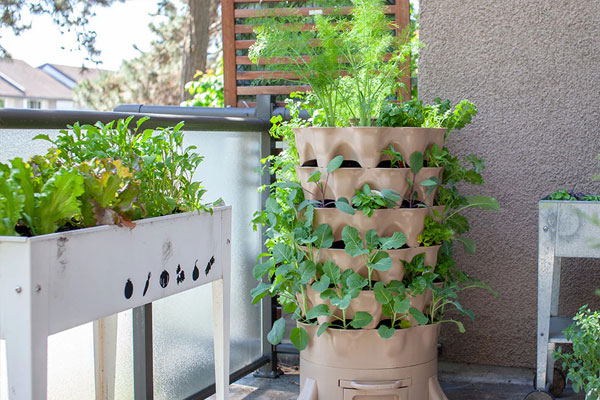
 What do you folks think: is homesteading possible in an urban environment? Why should there be gatekeepers to what homesteading is and isn't?
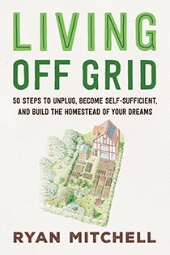
Ryan Mitchell, author of
Living Off Grid, shares his homesteading journey in this thought-provoking post over at his site,
TheTinyLife.net.
Here's a bit from his post:
How To Create An Urban Homestead
Whether you’re a beginner to urban homesteading or you’re in need of a fresh burst of inspiration to help grow your existing apartment homestead, implementing my list of 23 ideas will help you gain a new perspective on your limited space.
Living in a tiny home for a large part of my life has taught me to view space differently. I’ve learned not to focus on the limitations of a small home or apartment, instead asking myself things like — what plants and herbs can I grow on the two windowsills that I do have? Instead of canning my harvest and
milling my own flour, I learned to do my research and purchase fresh healthier foods and greener products from trusted sources that I’m happy to support.
It’s true you can’t do everything on an urban homestead, but there is enormous potential in the possibilities. You can make daily changes that transform your
health, happiness, and well-being in big ways. And you can do some things in the city that you can’t do in the country. So, let’s take a closer look at some ways to cultivate a homestead in the city while embracing and enjoying your status as a city dweller.
What Does An Urban Homesteader Do?
As an urban homesteader, you probably won’t be stocking up on work boots,
feeding garden scraps to a coop full of chickens, or moving your homestead
off the grid —that might come down the road, but what we’ll focus on what you can do with what you have right now.
I recommend that you start to
build a more sustainable lifestyle, find creative ways to connect with your community and with nature, and leave a positive impact on the
people, environment, and local economy around you. These themes are key to developing an urban homesteading mindset, and they provide a refreshing change and a new way of living in the city.
Urban Homesteading: 23 Ideas For Vibrant Living
As I share my favorite 23 urban homesteading ideas to jumpstart or rejuvenate your own homestead, keep in mind that there is so much room for expansion. I’m giving you lots of inspiration for building up your urban homesteading skills, but how far you take it is entirely up to you. And that’s the beauty of creating your own personal experience. Let’s jump in!
1. Find A CSA That Delivers To Your City
A CSA (Community Supported Agriculture) is a great option for urban homesteaders because it allows you to sign up to receive food from local farms on a weekly basis. These programs are becoming increasingly popular, so there are quite a few of them available in pretty much every city.
CSAs allow those of us who don’t have room to grow our own food to eat
locally grown, fresh produce while supporting the farmers in their region. I found the package was too much food for me to consume in one week, and I didn’t have a lot of storage space in my apartment kitchen, so I split a box with a friend, which worked out great.
2. Join An Urban Community Garden
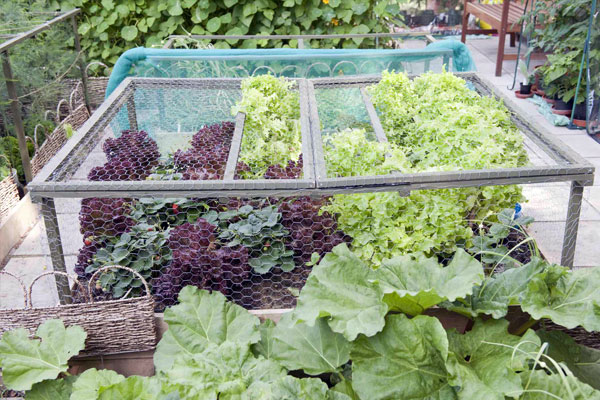
Urban homestead programs like community gardens foster a sense of community and provide a space to grow some food. They’re also a great place to learn gardening skills alongside seasoned and novice gardeners alike.
Not only is communal gardening a fun and social pastime, but you get your hands in the dirt while having an opportunity to grow a much larger portion of your own produce than you could from your apartment homestead alone. I started with lettuce because it was an easy ingredient to incorporate into my meals and also grows fairly quickly.
 3. Buy A Meat Share Online From A Farm Close To Your City
If meat is a big part of your diet, and you want to switch to a more natural, money-saving, direct-source option that is both local and grass-fed, I highly recommend
buying your meat (and sometimes even dairy) from a local farm or ranch. If you can’t find one in your area, then go with a trusted online meat share subscription that’s grass-fed, free-range, and organic. If freezer space is limited in your apartment or condo, you can share an order with friends and opt for a half or even a quarter cow or pig.
4. Heavily Involve Yourself In Your Urban Community
Surrounding yourself with a community of like-minded people is foundational and hugely supportive of any kind of new venture, especially urban homesteading. While online homesteading groups can be helpful for answering questions and problem-solving, there’s nothing quite like leaning into local events and opportunities to meet people and connect face-to-face with fellow homesteaders in your area. I would start talking to people at your local farmer’s markets that you see regularly, seek out festivals or makers markets in your city where people sell homemade items, and look for volunteering opportunities that take place outside to help build your urban homesteading skills.
5. Hang Dry Your Clothes Inside Or Outside Your Apartment
As simple as it sounds, the task of hang-drying your clothes on a rack in your apartment or a line off your balcony can help save you money and time at the laundromat, make your clothing feel more naturally fresh, and significantly prolong the lifespan of your fabric. I found that taking care of my clothes while also saving energy made me more inclined to invest in higher-quality clothing from
slow fashion sellers who are committed to developing sustainable, long-lasting clothes.
6. Non-Toxic Cleaning Supplies Are A Must In Small Spaces
The truth is that we are all exposed to toxins on the daily. Even more so when living in the city. I encourage urban homesteaders to take small steps to counteract their exposure to toxins by using products made with natural alternatives to the harsh chemicals found in many cleaners.
Maybe start with ordering cleaners with good ingredients online (like essential oils and castile soap) or, even better, buying them from a local seller who makes them from home. Once you know what scents and ingredients you like, you can work up to making them at home. Even with limited space, you can whip up a simple, effective cleaner with essential oils that not only smells good but gets the job done. The point is to limit the toxins you bring into your house or apartment, and swapping out your cleaning products is an easy way to do it.
7. Add Houseplants To Reduce Toxins From City Living
As you build your urban homestead, consider where you can bring in some houseplants. Adding houseplants to your apartment, condo, or house is proven to improve air quality by absorbing toxins and producing oxygen—two things that are highly beneficial in the middle of the city.
Plus, plants improve the homey feel of your space while giving a boost to your mental and physical health—all this to say plants are especially valuable to urban homesteaders who long to bring some of the vitality of nature indoors. I didn’t have a lot of floor space for plants, so I opted to hang some from the ceiling.
8. Use A Counter-Top Compost Bin In Your Apartment Kitchen
I recommend composting to every homesteader, including those cultivating a homestead in the city. Even in an apartment with limited kitchen space, you can keep a small countertop compost bin to turn your whole food scraps into free, natural, and nutritious compost. This compost can enrich the soil in your community garden or simply reduce waste by keeping these organic scraps out of landfills. My apartment building had a composting program, which is becoming more common in cities, so be sure to check for a program in your area.
Check out the rest of his tips for urban folks here!
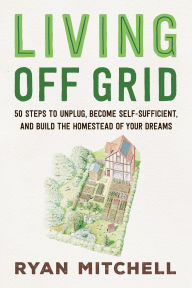
Pick up a copy of Ryan's book at bookstores everywhere or get it with 20% off from Island Press with code OFFGRID at checkout
here..









 3
3