

|

|
.png)
|

|

|

|
|
|
|
|
|
|
|

|

|

|

|

|
 7
7


![[Thumbnail for IMG_20251118_144218_698-2.jpg]](/t/363706/a/278512/IMG_20251118_144218_698-2.jpg "Filename: IMG_20251118_144218_698-2.jpg
Description:")
"We're all just walking each other home." -Ram Dass
"Be a lamp, or a lifeboat, or a ladder."-Rumi
"It's all one song!" -Neil Young


 6
6
How Permies works: https://permies.com/wiki/34193/permies-works-links-threads
My projects on Skye: The tree field, Growing and landracing, perennial polycultures, "Don't dream it - be it! "
7
Zone 6, 45 inches precipitation, hard clay soil


 6
6
"We're all just walking each other home." -Ram Dass
"Be a lamp, or a lifeboat, or a ladder."-Rumi
"It's all one song!" -Neil Young
7
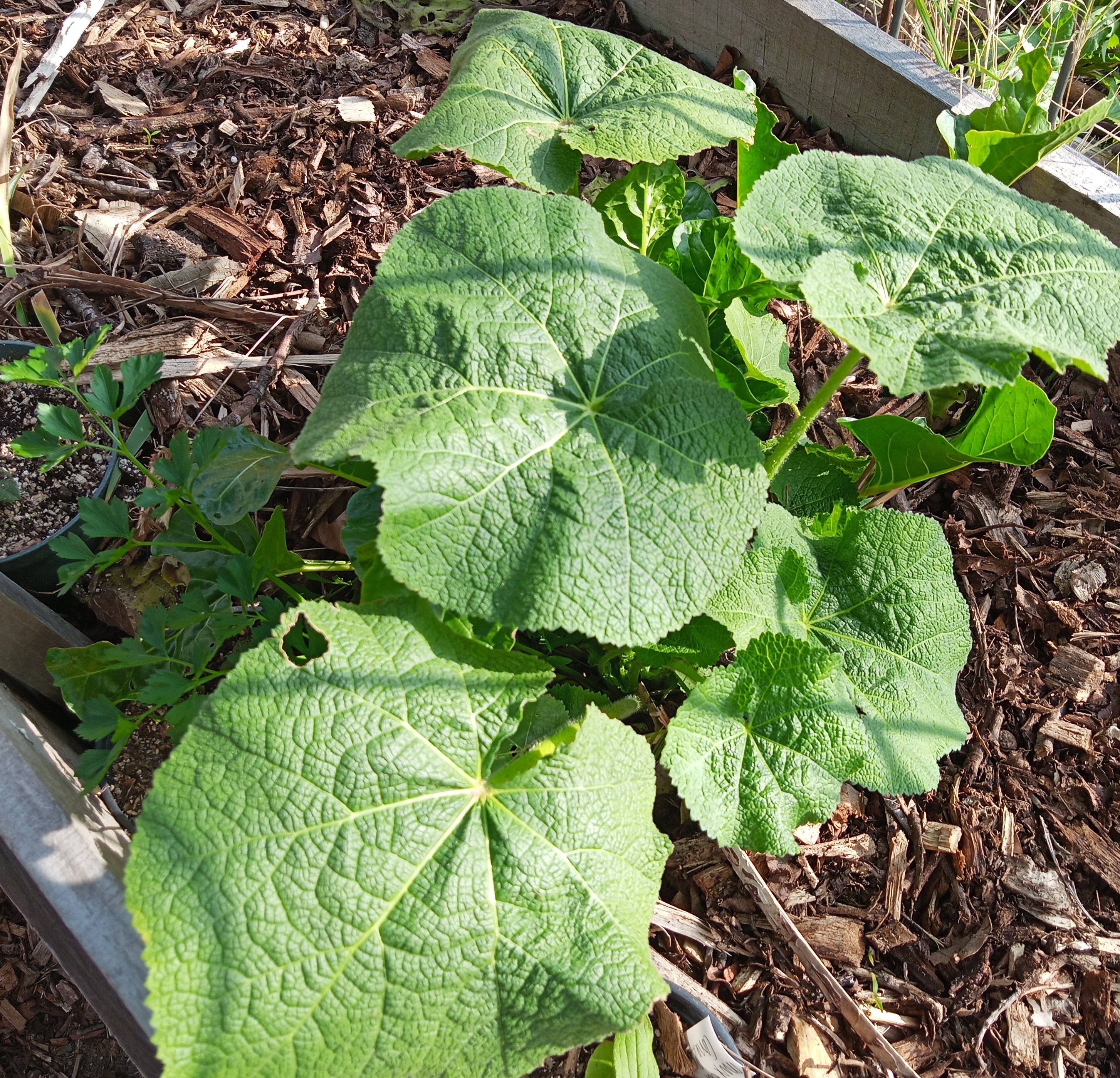
![[Thumbnail for hollyhock.jpg]](/t/363706/a/278671/hollyhock.jpg "Filename: hollyhock.jpg
Description:") 8
8
Thom Bri wrote:Hollyhock will grow back year after year even in cold climates. And seeds are very easy to collect and grow.
From 2 in pots a few years ago we now have them growing everywhere.
This is from seeds just scattered:
One can never be too kind to oneself or others.
Never our fault, always our responsibility


 8
8
M Ljin wrote:
Thom Bri wrote:Hollyhock will grow back year after year even in cold climates. And seeds are very easy to collect and grow.
From 2 in pots a few years ago we now have them growing everywhere.
This is from seeds just scattered:
Thom,
That looks a lot like Malva sylvestris, which bloomed for me for the first time this year—High Mallow.
Hollyhock tends to have more raceme-like inflorescences and woolier leaves, and the flowers are bigger and fuller-looking.
Fortunately Mallow appears to be the better for eating… I had a stint of eating hollyhock leaves and don’t think I’m going back. On the other hand I could eat mallows every day happily.
6
I'm only 65! That's not to old to learn to be a permie, right?
6
Jane Mulberry wrote:Mallows are wonderful eating, and one of the few edible weeds that kept growing and spreading in my Bulgarian garden this summer despite the severe drought. The Bulgarian plants had far smaller and less fleshy leaves than the huge ones in my UK garden, but were still very much appreciated. I've been scattering the seeds all over!
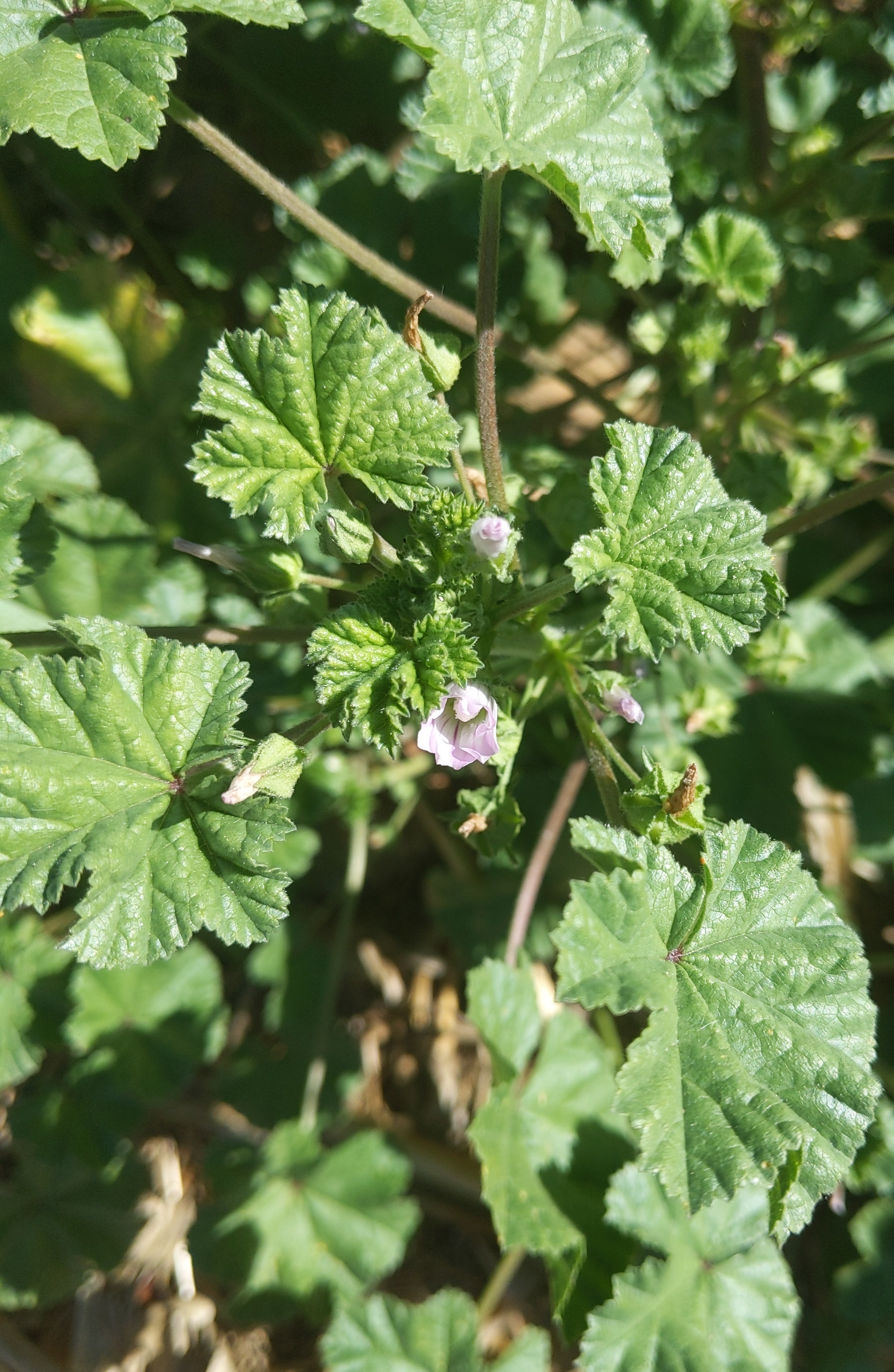 5
5
I'm only 65! That's not to old to learn to be a permie, right?
6
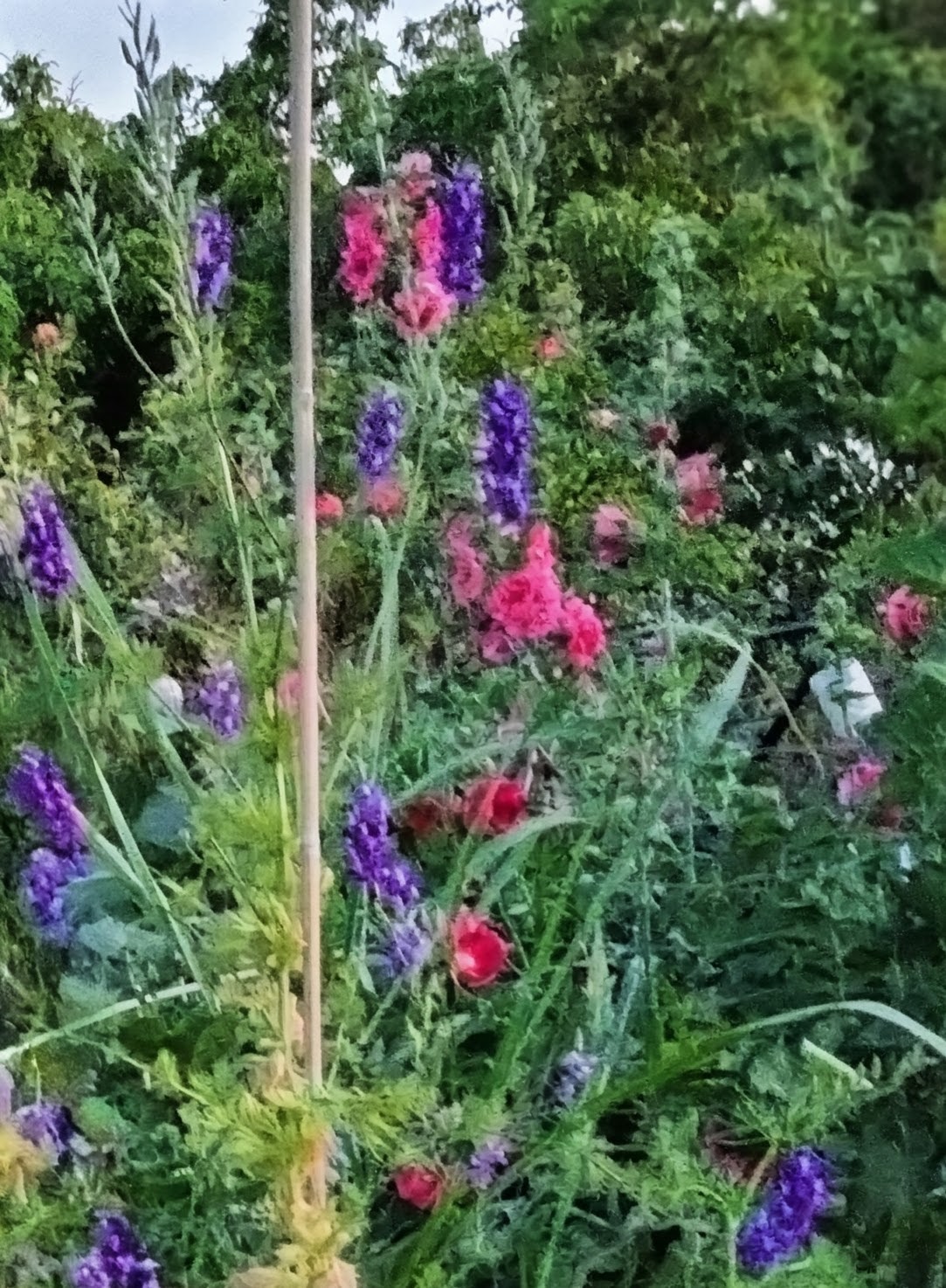
![[Thumbnail for IMG20230528202330.jpg]](/t/363706/a/282425/IMG20230528202330.jpg "Filename: IMG20230528202330.jpg
Description:")
“We can complain because rose bushes have thorns, or rejoice because thorn bushes have roses.” — Abraham Lincoln
2
.....they have become a kind of weed.
"We're all just walking each other home." -Ram Dass
"Be a lamp, or a lifeboat, or a ladder."-Rumi
"It's all one song!" -Neil Young
8


 4
4
Jen Fulkerson wrote:I planted a flower seed mix several years ago in a bed just outside of my veggie garden. Hollyhocks grew and bloomed the first year (I think some varieties bloom in the first year, and some bloom in year two) I have had hollyhocks ever since. I love them, but they have become a kind of weed. I let them grow where I can, and pull the rest.
2
Doug McEvers wrote:We have hollyhocks here on our farm, have been in the same spot for years. Ours seem to be a 2 year plant, smaller plants show up in mid to late summer and that I believe are next year's flowering hollyhocks. They are tough as I have burned the bed in spring the last couple of years to slow down grasses and clean up leaves. Hollyhocks come on strong even if they got singed a bit. The site where they grow is about the hardest, dryest soil on our farm. I have watered them on dry years and the water, 300 gallons at a time just vanishes. Our hollyhocks have been in the family for as long as anyone can remember. All of my great aunts had flower gardens, some with white picket fences and of course many hollyhocks. I save the seed from ours in the fall and have been giving them to friends and family. They do like balanced fertilization I have found; some were about 7' tall this year. We have 4 or so main colors, white, a deep red, many shades of pink and one that is kind of a light lavender, this is my favorite. I cut the stalks in the fall with the seed heads and then store overwinter in a 36 gallon garbage container. I have a seed debearder for native grass seed and run the hollyhocks through to thresh out the seeds. Long live the hollyhock !!
"We're all just walking each other home." -Ram Dass
"Be a lamp, or a lifeboat, or a ladder."-Rumi
"It's all one song!" -Neil Young
4
7
“We can complain because rose bushes have thorns, or rejoice because thorn bushes have roses.” — Abraham Lincoln
4
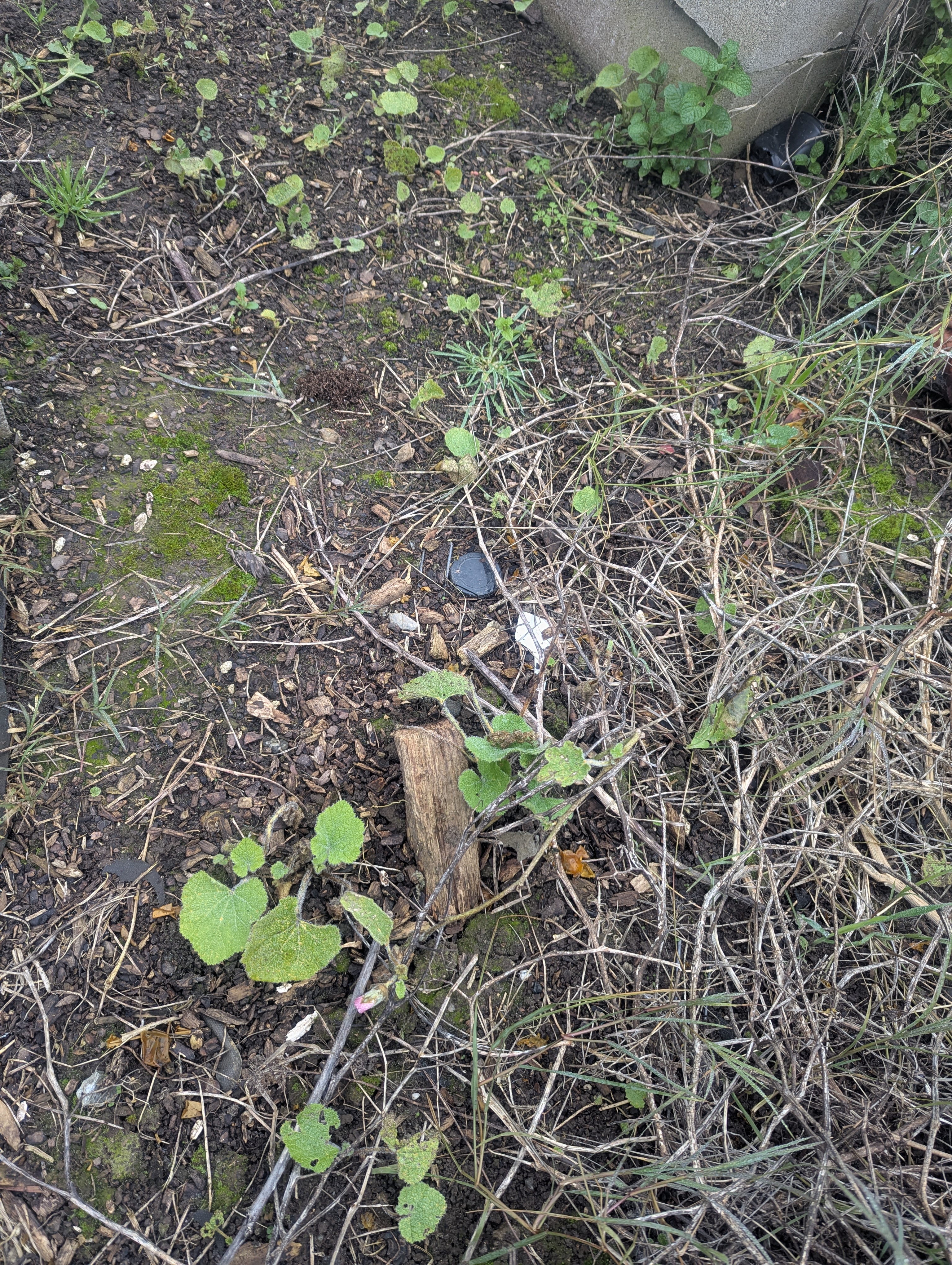
Jen Fulkerson wrote:Thanks Phil that was a nice way to let me know I messed up. I was on my lunch break and trying to be quick and posted pictures of an eggplant.
I fixed it. I'm sure I have light pink hollyhocks, but can't find any pictures of that one. I will be sure to post a new picture this summer.
Sorry everyone, my bad.
 2
2
Doug McEvers wrote:Judith,
I have no pictures, but they are big and colorful. They require no care and self-seed each year, my recent fertilization has caused them to expand. Might be my claim to fame, world's largest hollyhock patch. I would call them old fashioned hollyhocks, dating back to the start of this farm (1880) possibly. I would imagine my great grandfather (Chris) was more interested in farming than flowers early on but after he married great grandmother (Marie) I bet the flowers came soon after. I have a gallon bag of seed from 2024 and have yet to thresh out the 2025 crop. Would be happy to send them out to anyone interested here. We can't have too many flowers !!
"We're all just walking each other home." -Ram Dass
"Be a lamp, or a lifeboat, or a ladder."-Rumi
"It's all one song!" -Neil Young
5

“We can complain because rose bushes have thorns, or rejoice because thorn bushes have roses.” — Abraham Lincoln


 4
4
'What we do now echoes in eternity.' Marcus Aurelius
How Permies Works Dr. Redhawk's Epic Soil Series
8
8
2
“We can complain because rose bushes have thorns, or rejoice because thorn bushes have roses.” — Abraham Lincoln

|
Police line, do not cross. Well, this tiny ad can go through:
Come Visit Wheaton Labs!
https://permies.com/wiki/367505/Visit-Wheaton-Labs
|


