

|

|

|

|

|

|
|
|
|
|
|
|
|

|

|

|

|

|
 6
6


![[Thumbnail for PXL_20240723_175852178.jpg]](/t/249459/a/244954/PXL_20240723_175852178.jpg "Filename: PXL_20240723_175852178.jpg
Description:") 5
5
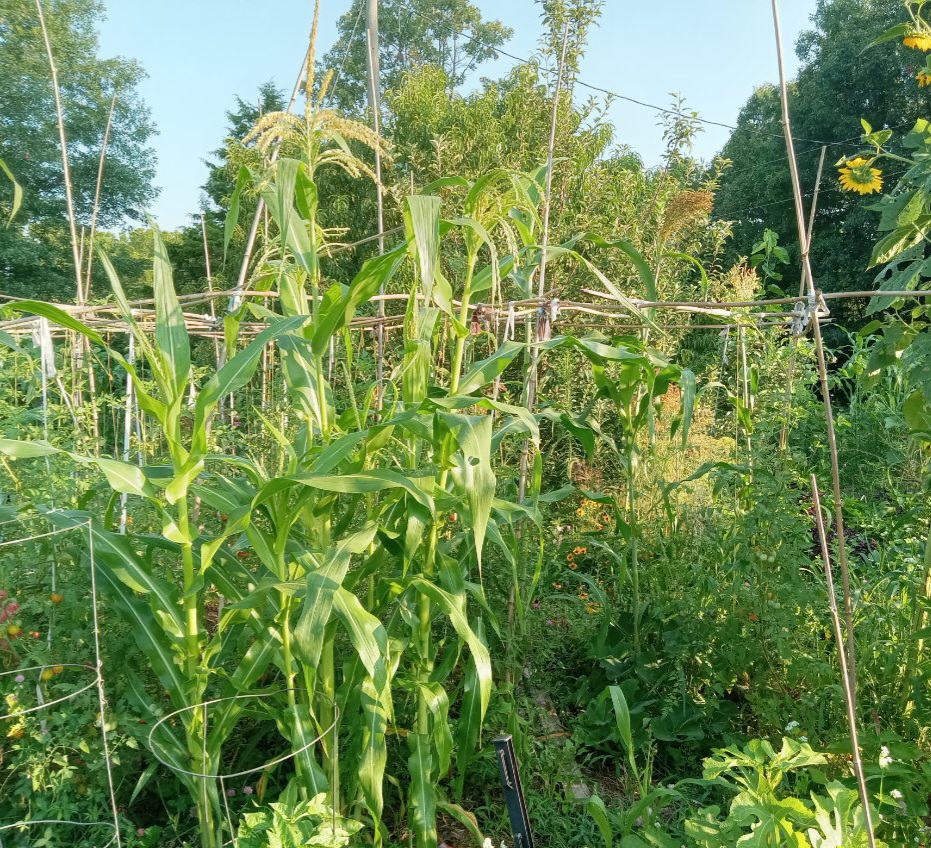
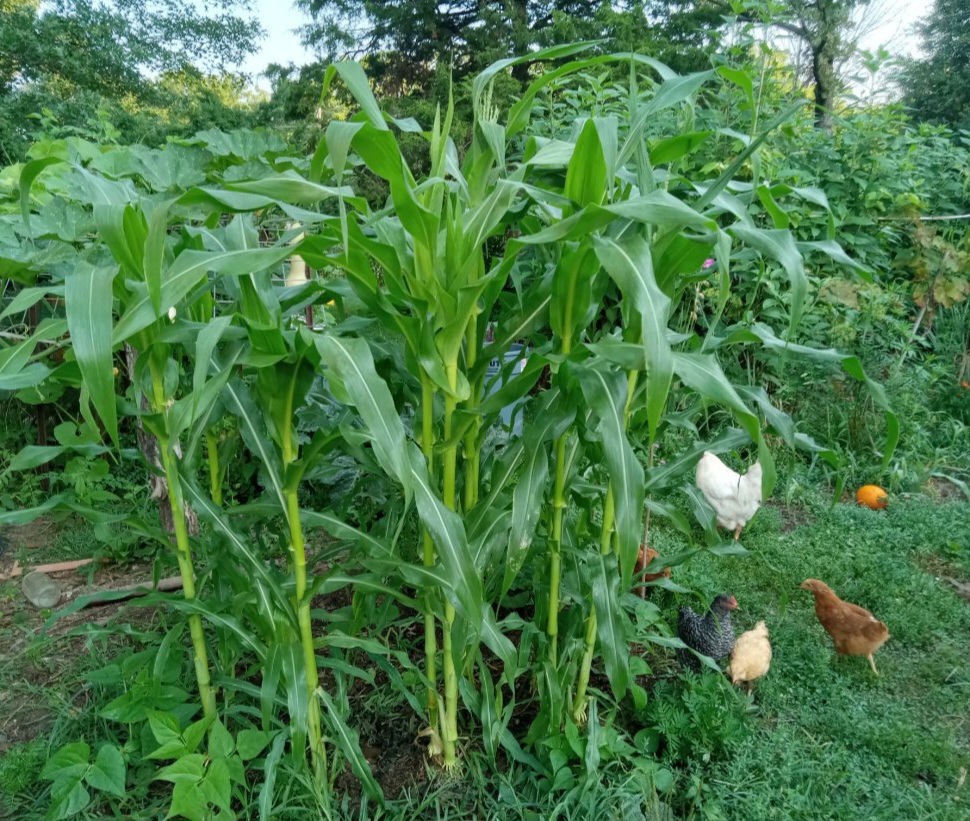
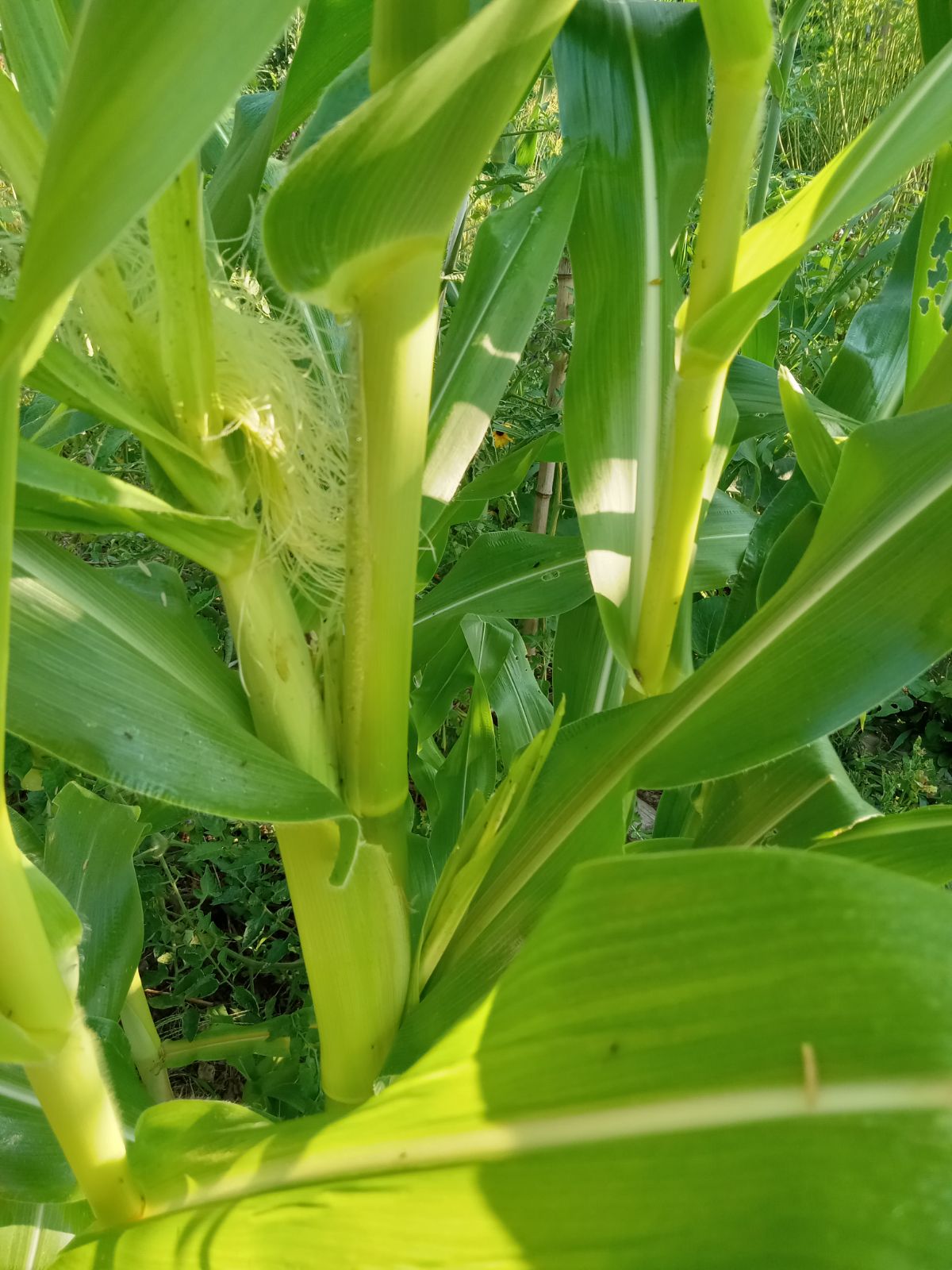
Zone 6, 45 inches precipitation, hard clay soil


 6
6
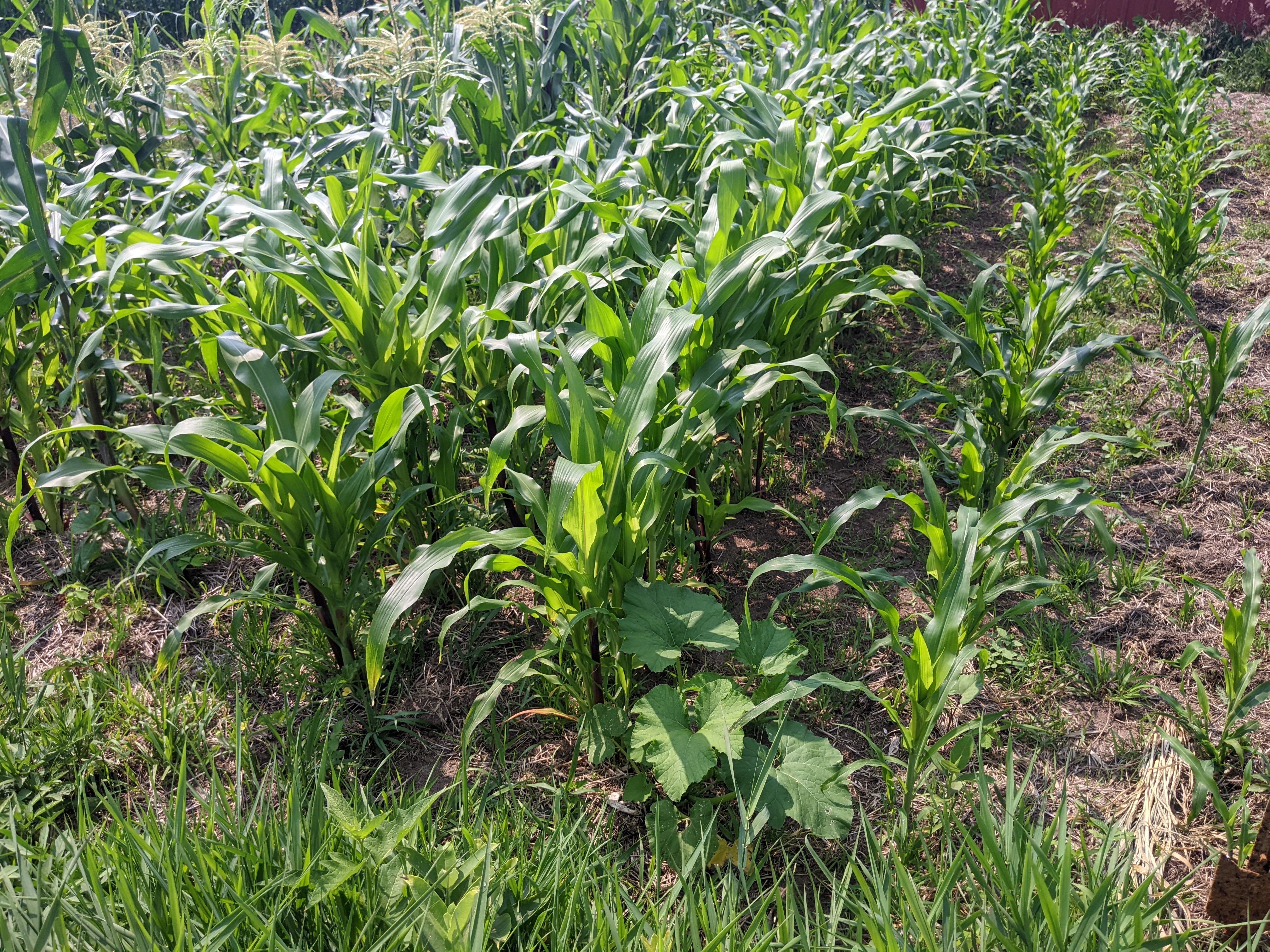 5
5
Zone 6, 45 inches precipitation, hard clay soil
7
May Lotito wrote:Look like you will have lots of sweet corns to enjoy! Are they totally not related to the flour corns in a different garden? I seems to see some plants with dark stalks in the row. Can they be used as flour corn too?
7
![[Thumbnail for PXL_20240728_153500420-Copy.jpg]](/t/249459/a/245540/PXL_20240728_153500420-Copy.jpg "Filename: PXL_20240728_153500420-Copy.jpg
Description:")
![[Thumbnail for PXL_20240728_153603633-Copy.jpg]](/t/249459/a/245541/PXL_20240728_153603633-Copy.jpg "Filename: PXL_20240728_153603633-Copy.jpg
Description:")


 8
8


 8
8
Visit Redhawk's soil series: https://permies.com/wiki/redhawk-soil
How permies.com works: https://permies.com/wiki/34193/permies-works-links-threads


 3
1
3
1
Jay Angler wrote:My new Daughter in Law asked me this morning if I would grow corn for her. I told her that if she built me Fort Knox, I'd grow corn for her!
2
And raccoon. I don't know if the bunnies would eat it when it's small, but they took out half my summer bean crop. I have little planting space that gets enough sun, coupled with a Maritime climate that cools off a lot at night. Warm-weather crops are a challenge, but they're what my family likes to eat. Unfortunately, protecting for one type of plant predator, doesn't protect from the other two. Since Hubby's "official farm" part of the property is an egg business and occasionally meat chickens, if the raccoon go bad, we can legally deal with them. However, my goal is to keep them wild and not bothering us, and corn would attract them.Thom Bri wrote:
Jay Angler wrote:My new Daughter in Law asked me this morning if I would grow corn for her. I told her that if she built me Fort Knox, I'd grow corn for her!
Deer?
Visit Redhawk's soil series: https://permies.com/wiki/redhawk-soil
How permies.com works: https://permies.com/wiki/34193/permies-works-links-threads
4
Jay Angler wrote:
And raccoon. I don't know if the bunnies would eat it when it's small, but they took out half my summer bean crop. I have little planting space that gets enough sun, coupled with a Maritime climate that cools off a lot at night. Warm-weather crops are a challenge, but they're what my family likes to eat. Unfortunately, protecting for one type of plant predator, doesn't protect from the other two. Since Hubby's "official farm" part of the property is an egg business and occasionally meat chickens, if the raccoon go bad, we can legally deal with them. However, my goal is to keep them wild and not bothering us, and corn would attract them.Thom Bri wrote:
Jay Angler wrote:My new Daughter in Law asked me this morning if I would grow corn for her. I told her that if she built me Fort Knox, I'd grow corn for her!
Deer?
Does anyone know for sure, if they're just as attracted to the grain corn for tortillas etc, as the sweet corn? They seem to be able to grow "feed corn" here, but I'm not knowledgeable on the subtle differences.
3
Christopher Weeks wrote:Raccoons eat my field corn here.
4
![[Thumbnail for 7-29-24-bird-damaged-tip.jpg]](/t/249459/a/245702/7-29-24-bird-damaged-tip.jpg "Filename: 7-29-24-bird-damaged-tip.jpg
Description:")
![[Thumbnail for pop-bottles-7-29-24.jpg]](/t/249459/a/245703/pop-bottles-7-29-24.jpg "Filename: pop-bottles-7-29-24.jpg
Description:") 5
5
![[Thumbnail for 7-29-24-smut.jpg]](/t/249459/a/245715/7-29-24-smut.jpg "Filename: 7-29-24-smut.jpg
Description:") 7
7
![[Thumbnail for bees-at-the-Indian-garden.jpg]](/t/249459/a/245716/bees-at-the-Indian-garden.jpg "Filename: bees-at-the-Indian-garden.jpg
Description:") 5
5
You're lucky to have that. With the crazy weather here, I've not been seeing the bee action I usually see.Thom Bri wrote:One of 3 beehives at the garden:
Visit Redhawk's soil series: https://permies.com/wiki/redhawk-soil
How permies.com works: https://permies.com/wiki/34193/permies-works-links-threads
5
Jay Angler wrote:
You're lucky to have that. With the crazy weather here, I've not been seeing the bee action I usually see.Thom Bri wrote:One of 3 beehives at the garden:
9
![[Thumbnail for 8-2-24-first-ear.jpg]](/t/249459/a/246082/8-2-24-first-ear.jpg "Filename: 8-2-24-first-ear.jpg
Description:") 5
5
Do, there is no try --- Yoda
No one is interested in something you didn't do--- Gord Downie
5
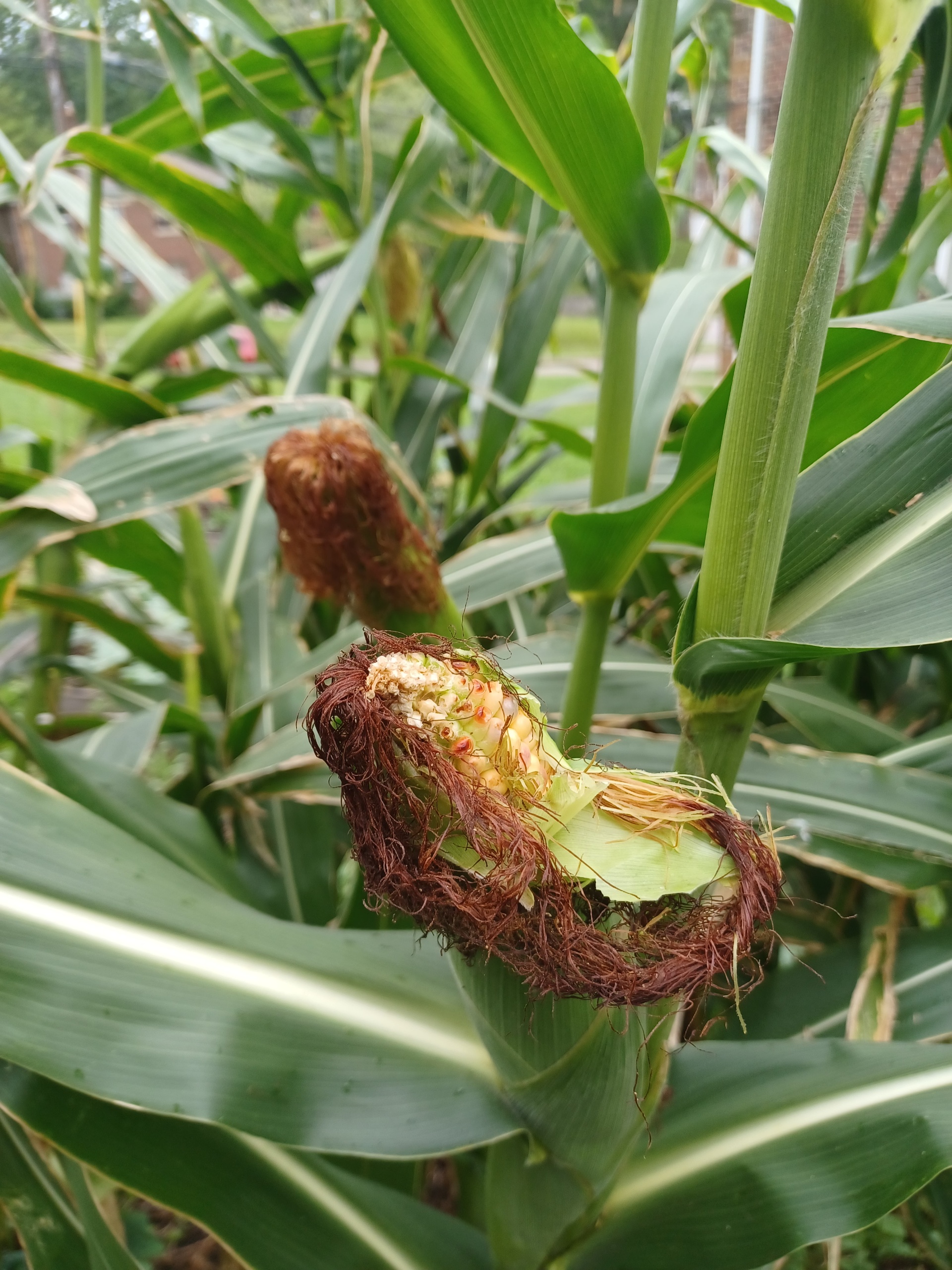
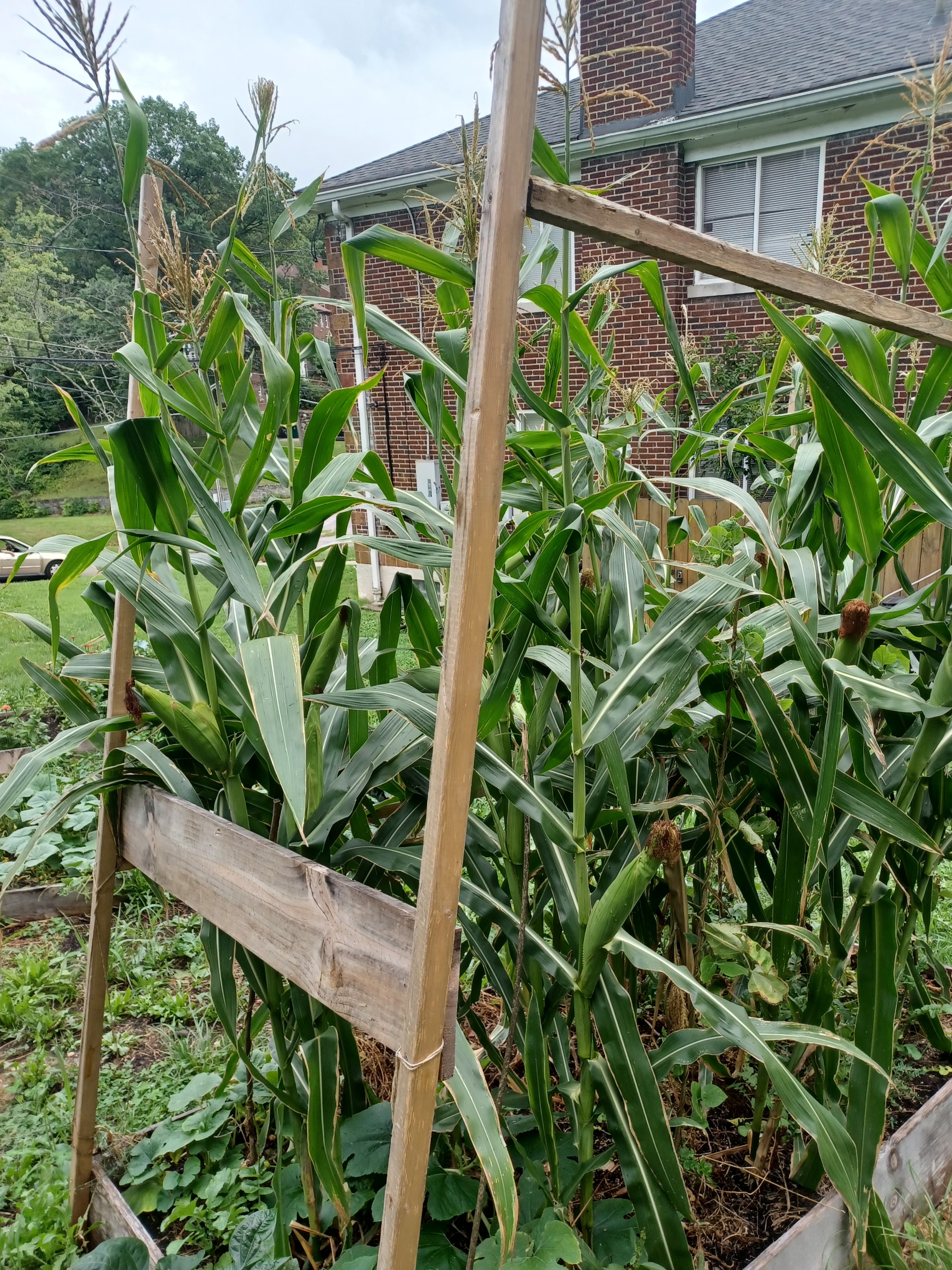 3
3
Jeff Marchand wrote:That's a perfect looking ear of corn! You are obviously doing something right!
Bloody Butcher?
5
William Bronson wrote:
The 2 liter trick will really help me.
4
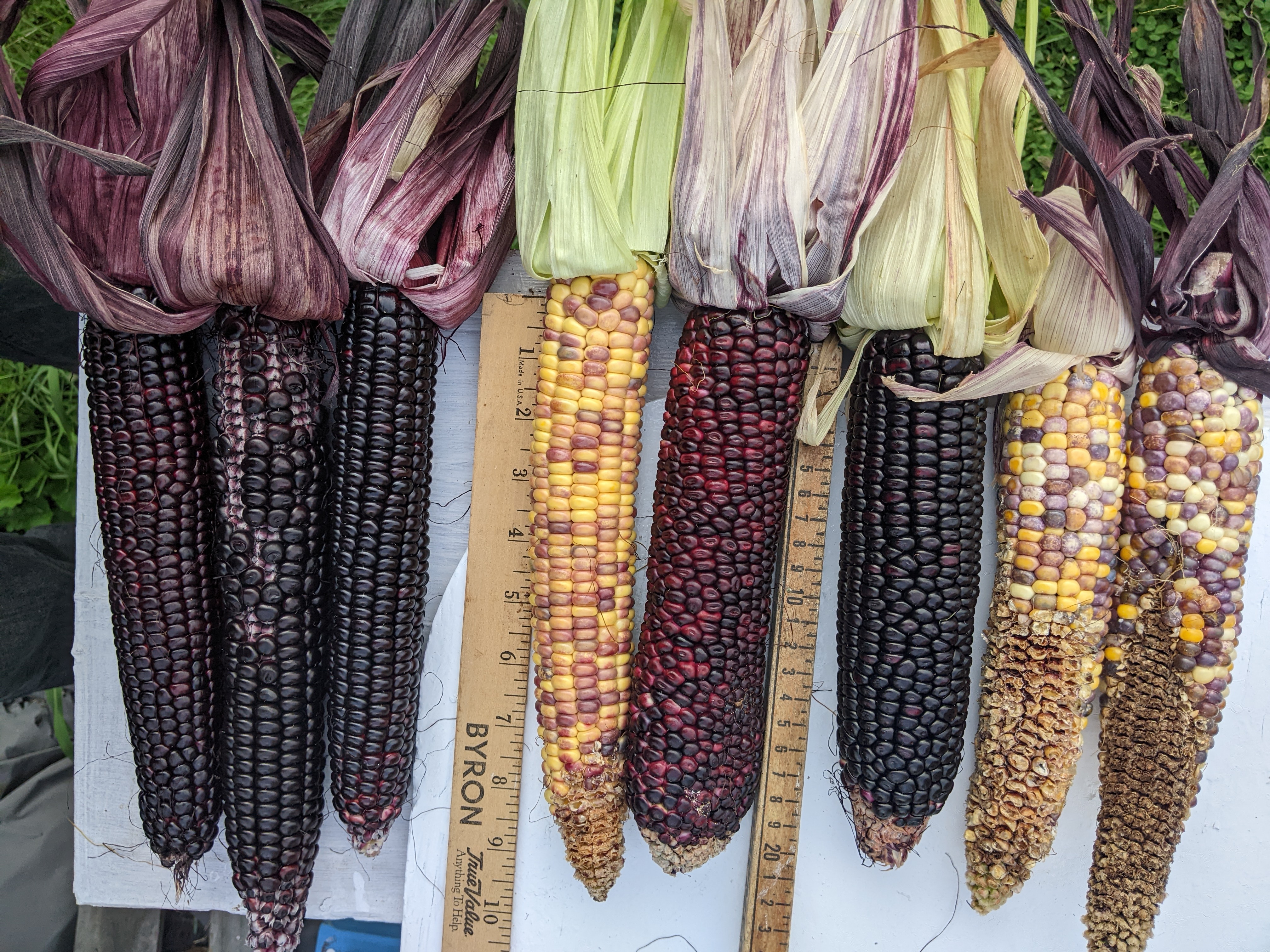
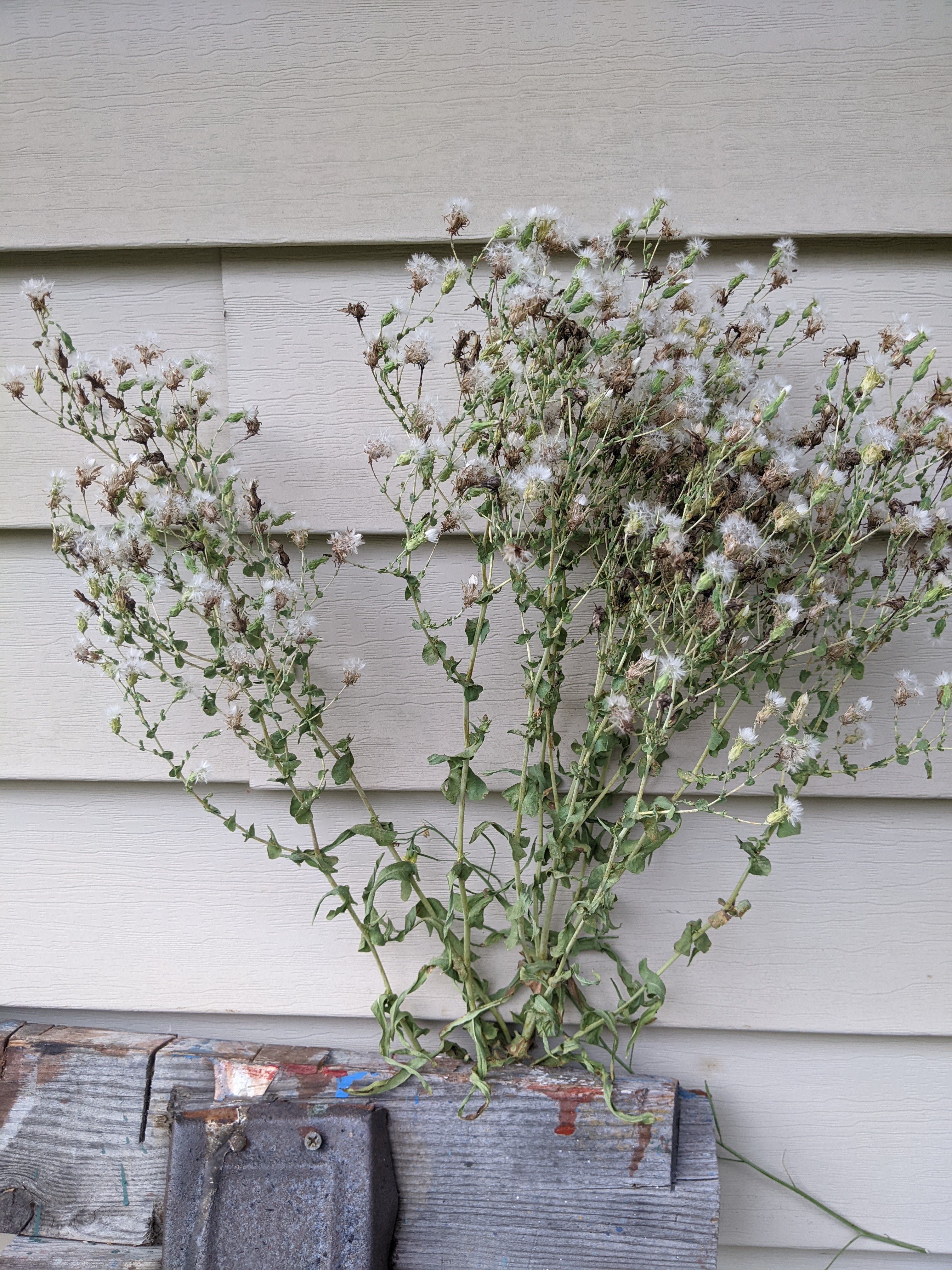 1
4
1
4
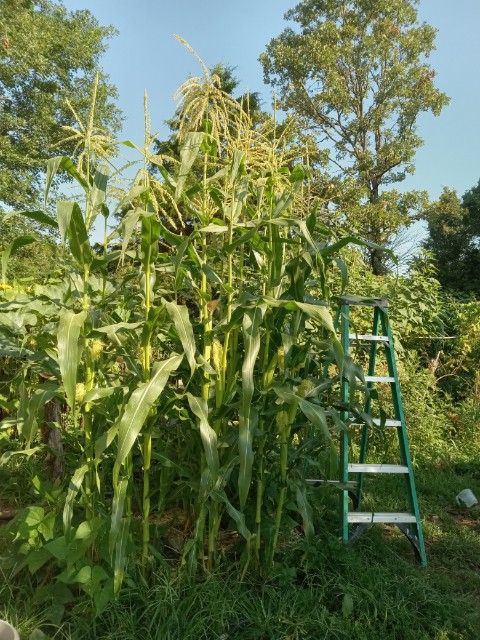
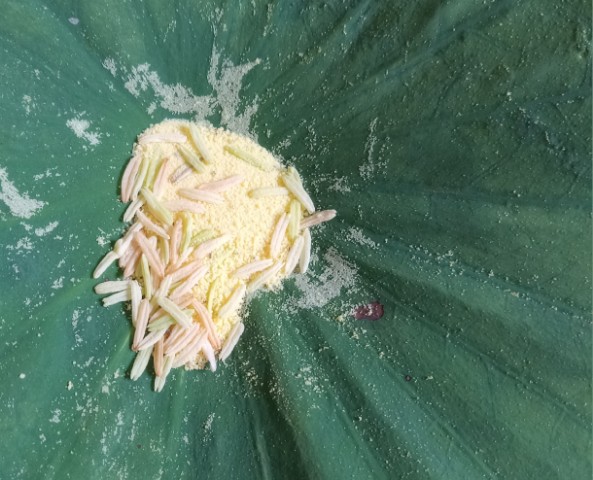
Zone 6, 45 inches precipitation, hard clay soil
2
4
![[Thumbnail for 8-6-24-giant-beans-on-corn.jpg]](/t/249459/a/246360/8-6-24-giant-beans-on-corn.jpg "Filename: 8-6-24-giant-beans-on-corn.jpg
Description:")
![[Thumbnail for 8-6-24-giant-beans.jpg]](/t/249459/a/246361/8-6-24-giant-beans.jpg "Filename: 8-6-24-giant-beans.jpg
Description:")
![[Thumbnail for 8-6-24-beans-on-corn.jpg]](/t/249459/a/246362/8-6-24-beans-on-corn.jpg "Filename: 8-6-24-beans-on-corn.jpg
Description:")
![[Thumbnail for 8-6-24-beans.jpg]](/t/249459/a/246363/8-6-24-beans.jpg "Filename: 8-6-24-beans.jpg
Description:") 4
4
![[Thumbnail for 8-6-24-interplanting.jpg]](/t/249459/a/246364/8-6-24-interplanting.jpg "Filename: 8-6-24-interplanting.jpg
Description:")
![[Thumbnail for 8-6-24-cantaloupe.jpg]](/t/249459/a/246365/8-6-24-cantaloupe.jpg "Filename: 8-6-24-cantaloupe.jpg
Description:") 5
5
![[Thumbnail for 8-8-24-corn-100-days.jpg]](/t/249459/a/246434/8-8-24-corn-100-days.jpg "Filename: 8-8-24-corn-100-days.jpg
Description:") 2
2
![[Thumbnail for bird-insect-mold-damage.jpg]](/t/249459/a/246435/bird-insect-mold-damage.jpg "Filename: bird-insect-mold-damage.jpg
Description:") 4
4
![[Thumbnail for sweet-corn-seed.jpg]](/t/249459/a/246436/sweet-corn-seed.jpg "Filename: sweet-corn-seed.jpg
Description:") 3
3
May Lotito wrote:I am worrying the later ears won't receive as many pollens by the time to silk and would like to save some pollen now. A short term storage of 2 weeks should be sufficient. Has anyone tried preserving viable pollens?
3
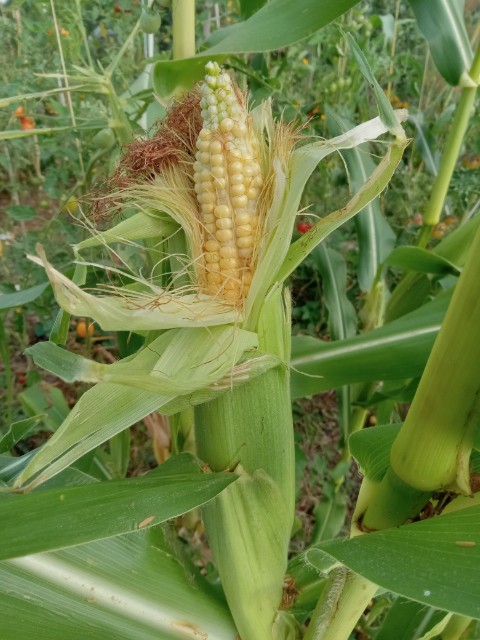
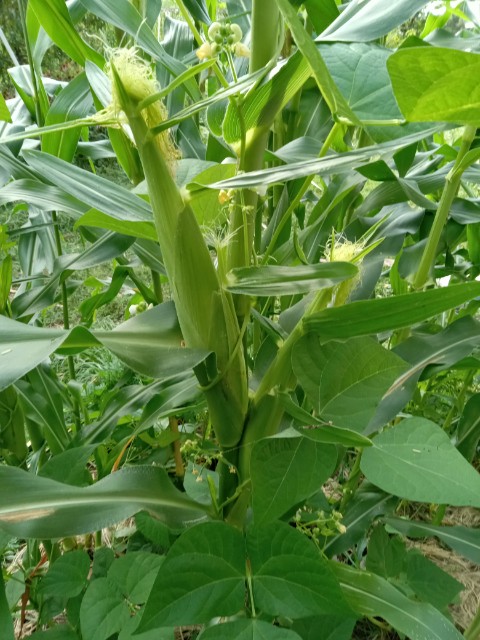
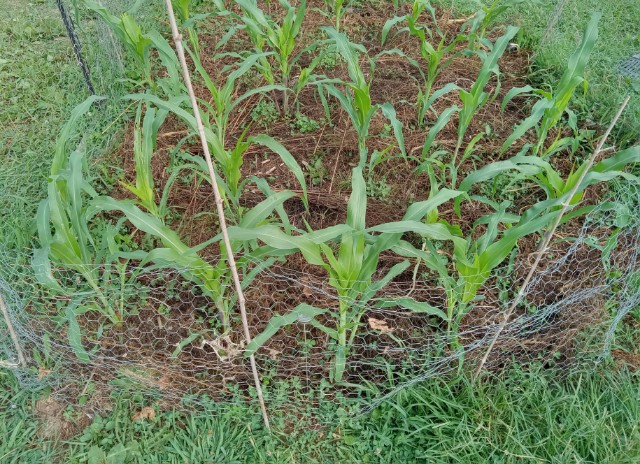
Zone 6, 45 inches precipitation, hard clay soil
3
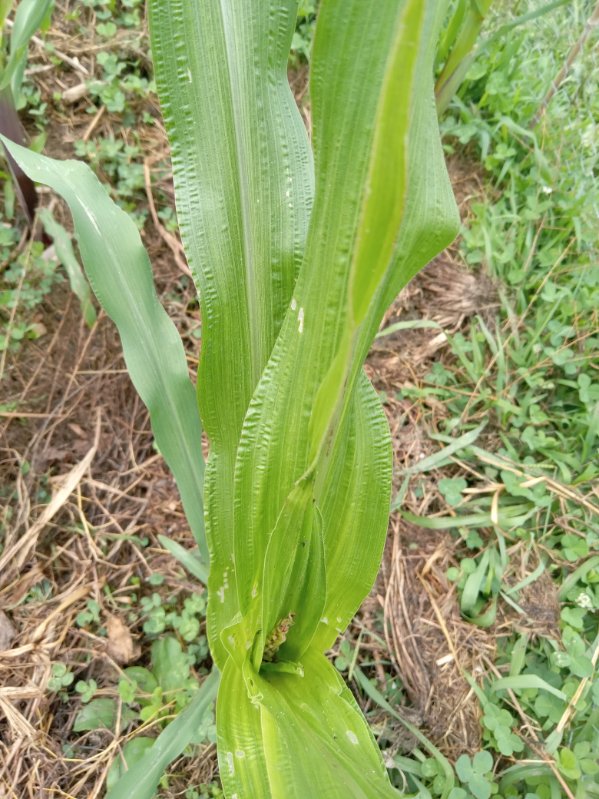
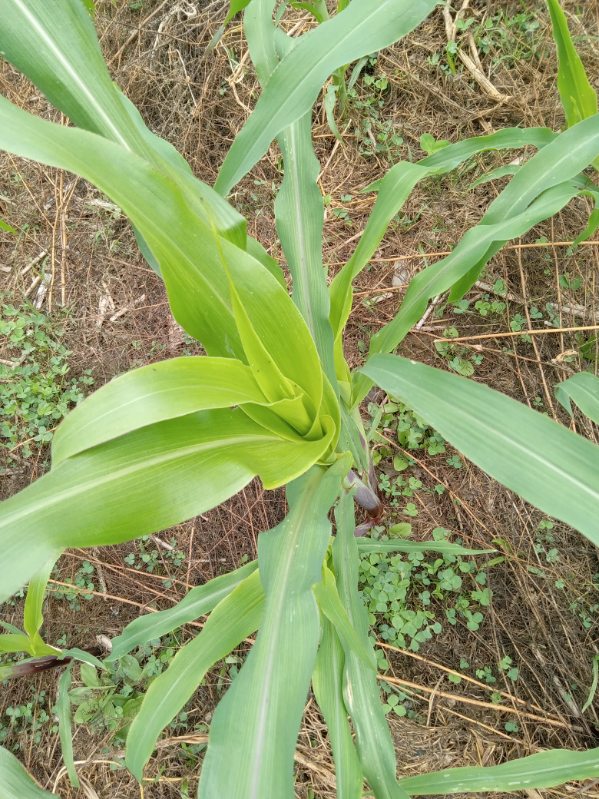
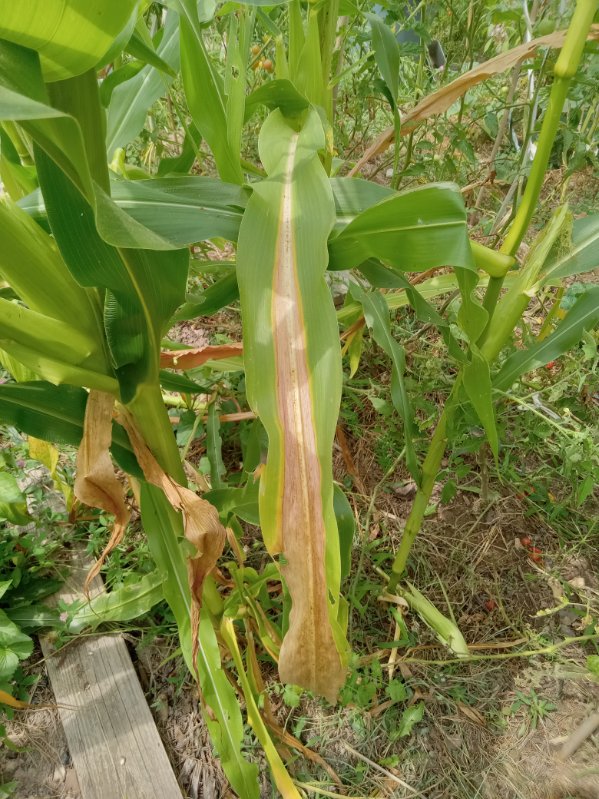
Zone 6, 45 inches precipitation, hard clay soil
2
![[Thumbnail for 8-12-24-soy-nodules.jpg]](/t/249459/a/246807/8-12-24-soy-nodules.jpg "Filename: 8-12-24-soy-nodules.jpg
Description:") 4
4
![[Thumbnail for 8-12-24-corn.jpg]](/t/249459/a/246808/8-12-24-corn.jpg "Filename: 8-12-24-corn.jpg
Description:") 5
5
![[Thumbnail for 8-13-24-corn.jpg]](/t/249459/a/246835/8-13-24-corn.jpg "Filename: 8-13-24-corn.jpg
Description:")
![[Thumbnail for 8-13-24-beans.jpg]](/t/249459/a/246836/8-13-24-beans.jpg "Filename: 8-13-24-beans.jpg
Description:")
![[Thumbnail for 8-13-24-potatoes.jpg]](/t/249459/a/246837/8-13-24-potatoes.jpg "Filename: 8-13-24-potatoes.jpg
Description:")
![[Thumbnail for 8-13-24-sweet-corn.jpg]](/t/249459/a/246838/8-13-24-sweet-corn.jpg "Filename: 8-13-24-sweet-corn.jpg
Description:") 6
6
![[Thumbnail for 8-13-24-colors.jpg]](/t/249459/a/246849/8-13-24-colors.jpg "Filename: 8-13-24-colors.jpg
Description:")

|
If you're gonna buy things, buy this thing and I get a fat kickback:
Permaculture Voices 1, 2 and 3 - all 117 hours of video!
https://permies.com/t/voices123
|


