Unofficial Companion Guide to the Rocket Oven DVD
will be released to subscribers in:
soon!

|

|

|
|

|
 4
4


I don't own the plants, they own me.
13
-Nathanael
7
I make a Maple Syrup instructional movie! Check it out HERE
SKIP books, get 'em while they're hot!!! Skills to Inherit Property
See me in a movie building a massive wood staircase:Low Tech Lab Movie


 5
5
Invasive plants are Earth's way of insisting we notice her medicines. Stephen Herrod Buhner
Everyone learns what works by learning what doesn't work. Stephen Herrod Buhner
8
6
6
Living a life that requires no vacation.
10
![[Thumbnail for 1.jpg]](/t/175620/a/171397/1.jpg "Filename: 1.jpg
Description:")
![[Thumbnail for 3.jpg]](/t/175620/a/171399/3.jpg "Filename: 3.jpg
Description:")
I don't own the plants, they own me.


 5
5
- Tim's Homestead Journal - Purchase a copy of Building a Better World in Your Backyard - Purchase 6 Decks of Permaculture Cards -
- Purchase 12x Decks of Permaculture Cards - Purchase a copy of the SKIP Book - Purchase 12x copies of Building a Better World in your Backyard


 7
8
7
8
Stacy Witscher wrote:In past years, I've planted pumpkins and winter squash in my raised bed garden. I don't think that's a good use of that area. This year I covered a fairly large area with cardboard and dumped about 50 - 50 gallon grow bags worth of soil over that area. That's going to be my main pumpkin/winter squash area. Honestly, I've been looking at companion plants that can partially shade the squash plants, our summer sun/heat is brutal. I'm thinking mainly ornamentals like cosmos, sunflowers and coreopsis. I will let you know how that goes.
7
10
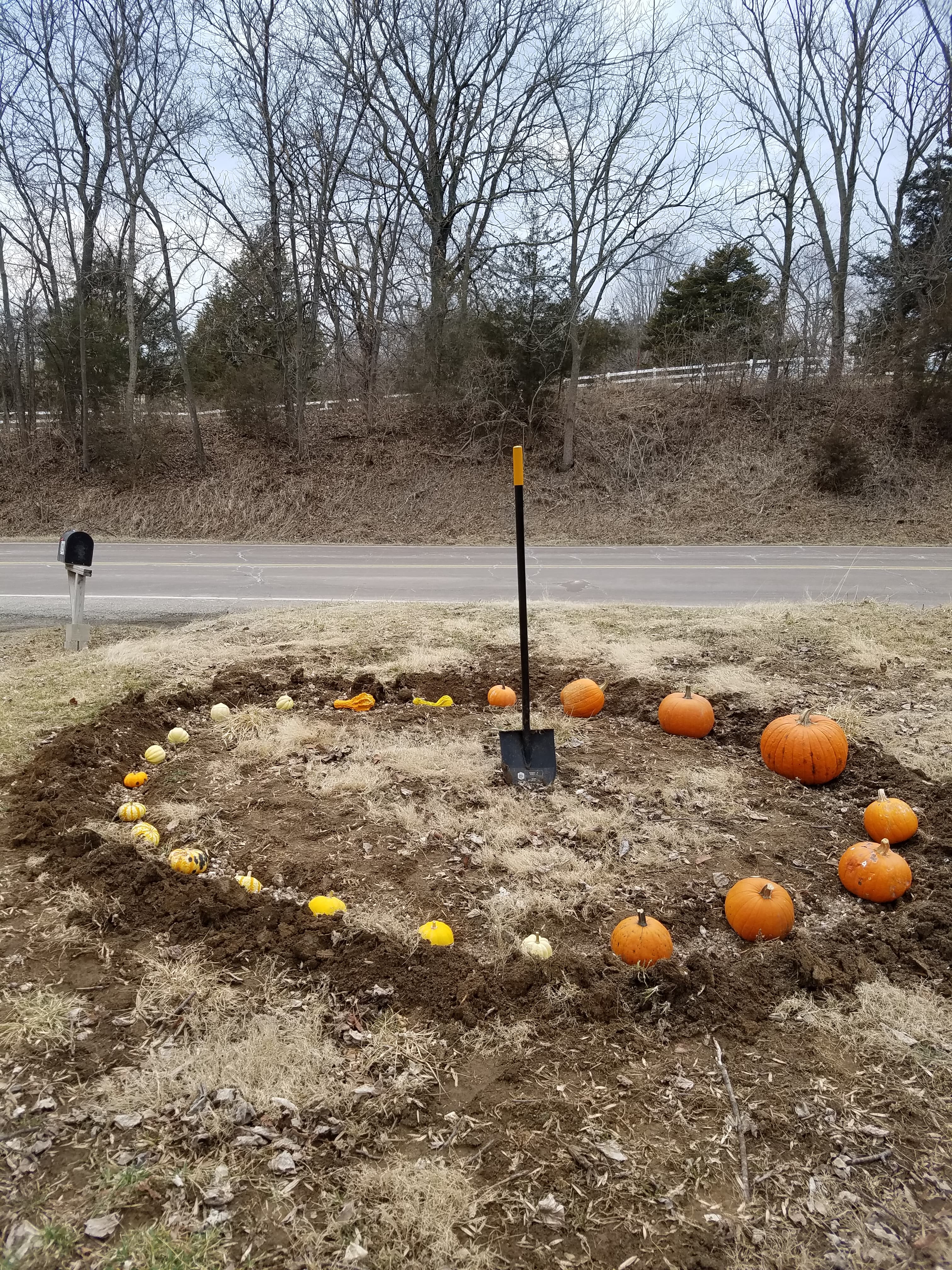
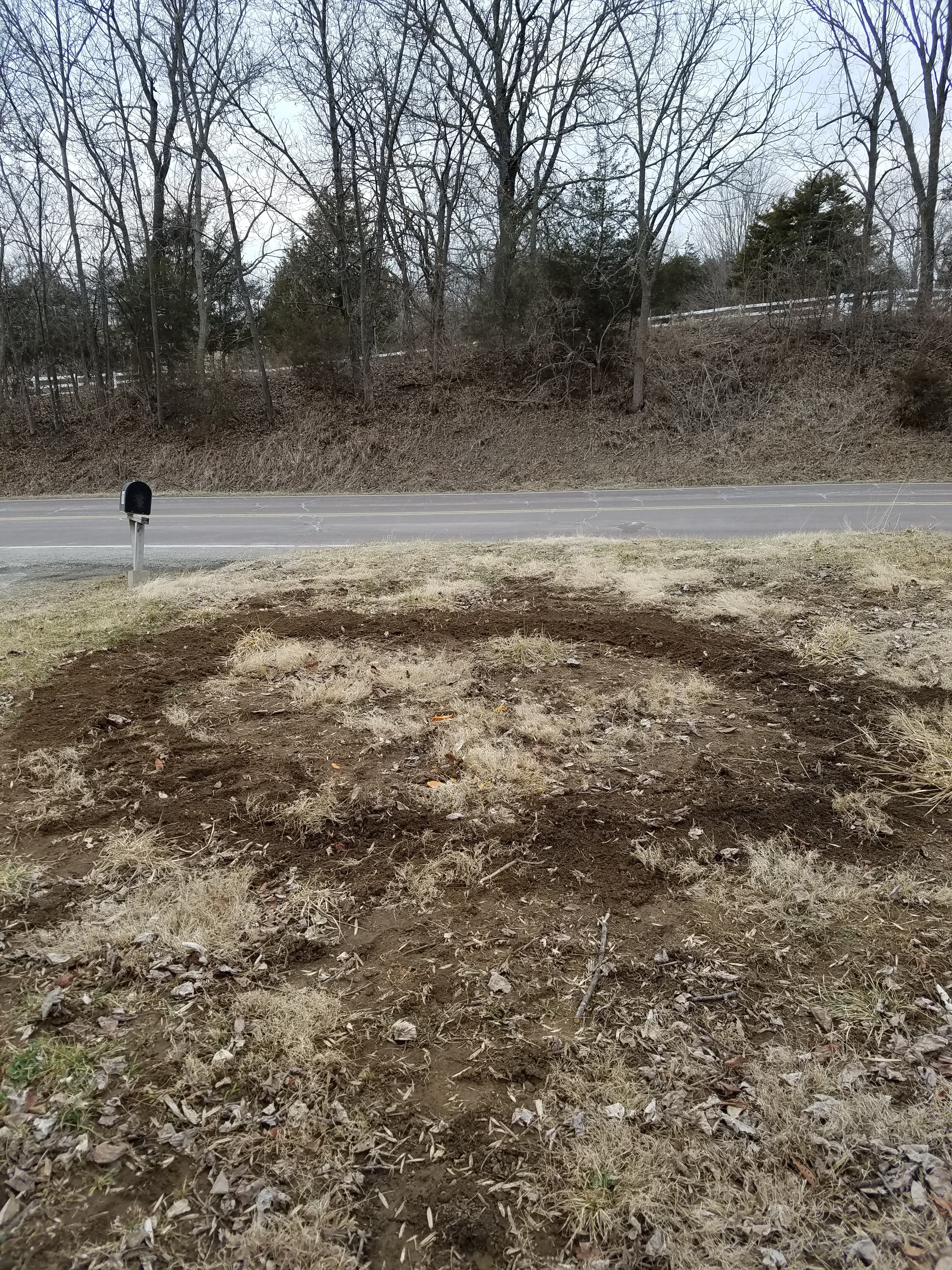
Felicia Browell II wrote:It looks like a magic pumpkin fairy circle. How did it work out?
I don't own the plants, they own me.
8
6
Lois Green wrote:I have recently learnt that what we here in Australia call a kent pumpkin is called a squash in USA.
Blazing trails in disabled homesteading
4
Chris Merritt wrote:I’ve been very interested in this topic for a while. I’m located in North Carolina in the US and I’ve always had such bad fortune with pumpkins and squash. The hot, humid summers seem to breed pests that love this crop. Last year I decided to try something different so I choose an open field on my property and I dumped a pile of leaves that was about 1.5 feet deep over an area that was about 2000 square feet. I left that there through the summer and winter. In the spring, I used a rake to pull back the leaves of an area about 300 square feet and planted corn there and added compost to supply more nutrients. I also pulled back the leaves in small circles about 2-3 feet in diameter and made a mound of compost there at each cleared circle and transplanted pumpkins and squash into the mounds. The mounds were spaced about 5 feet apart. As the transplants grew I pulled the leaves back in around the plants and covered the mounded soil.
All of this, along with being more deliberate about the types of pumpkin/squash I’m growing, has made a big difference based on what I’m seeing so far. It could also be a small assist attributable to my guineas roaming and eating some of the pests. The plants are much healthier and the leaf mulch keeping down the grasses and other undesirable plants.
Blazing trails in disabled homesteading
8
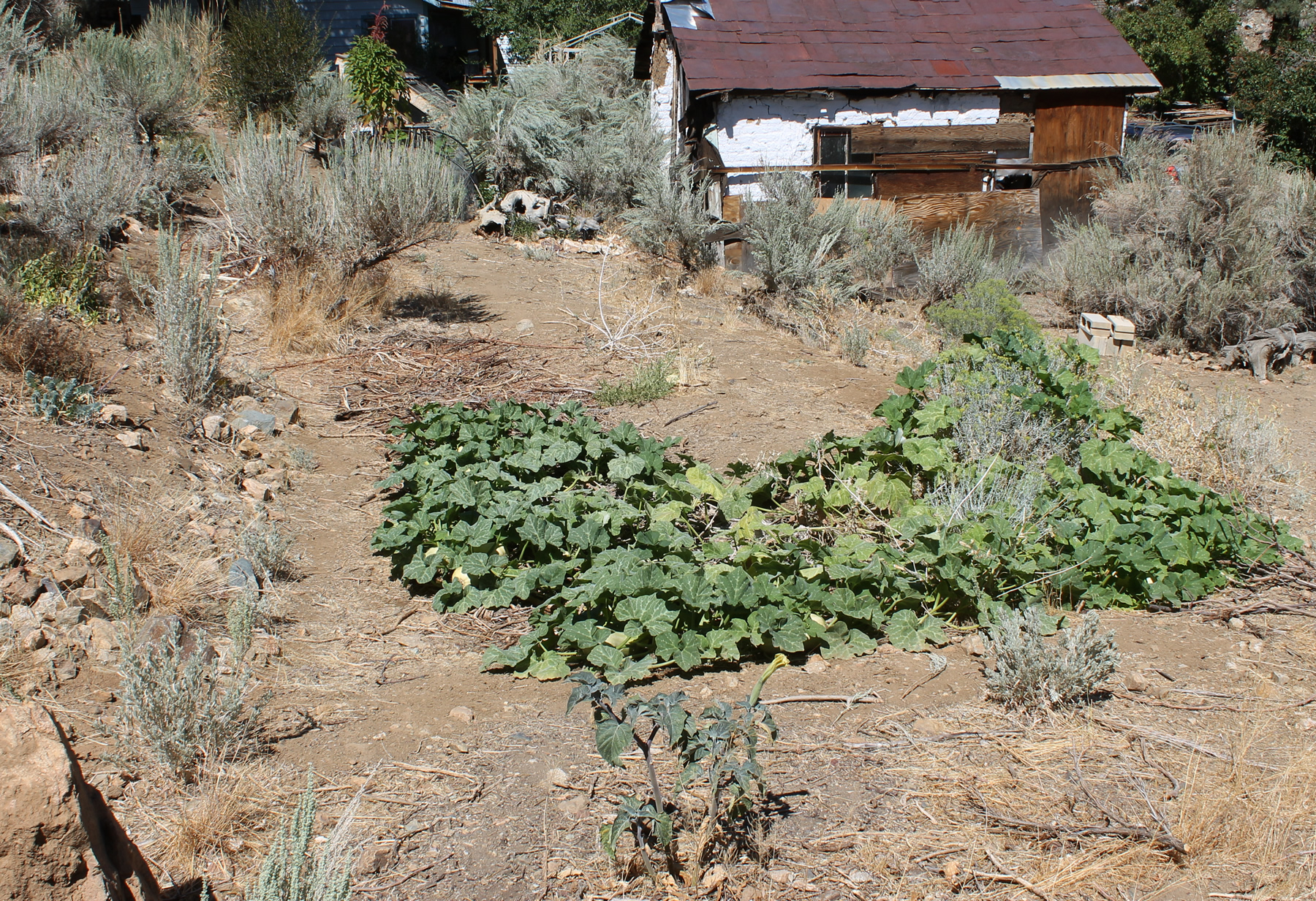
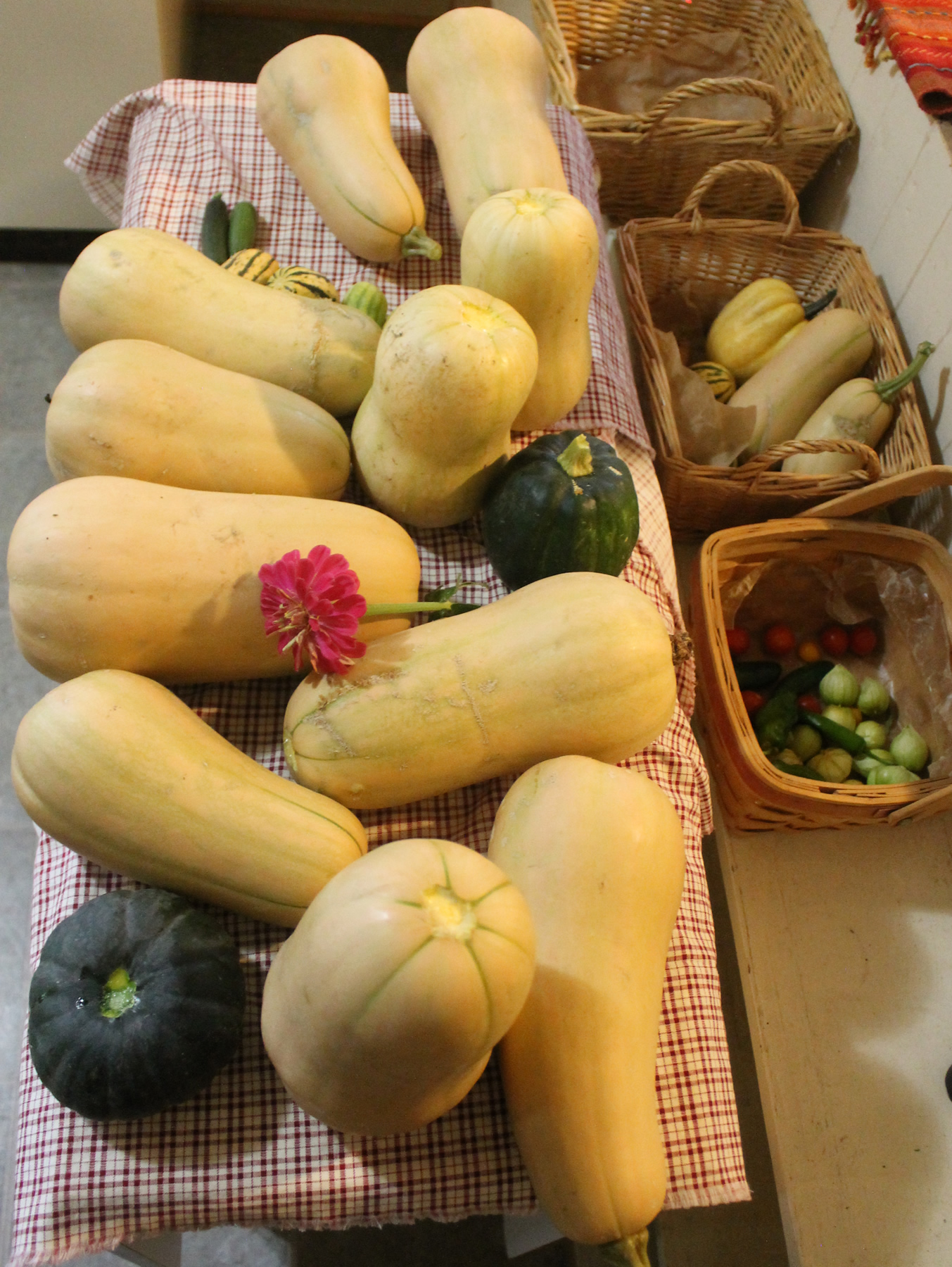
Canyon T Cassidy
7
Timothy Norton wrote:My raised beds keep getting swamped with pumpkins vines to the detriment of anything within a twenty foot radius of the plants. I've tried trellising with okay results but still struggling with stray vines.
I'm at the point where I'm going to plant the pumpkins on some underutilized land (hillside) and I am going to make holes in the ground and fill them with rich soil. They can sprawl all they want and the sun will draw them down the hillside. At least that is the theory.
Invasive plants are Earth's way of insisting we notice her medicines. Stephen Herrod Buhner
Everyone learns what works by learning what doesn't work. Stephen Herrod Buhner
7
Chris Merritt wrote:I’ve been very interested in this topic for a while. I’m located in North Carolina in the US and I’ve always had such bad fortune with pumpkins and squash. The hot, humid summers seem to breed pests that love this crop.
...
All of this, along with being more deliberate about the types of pumpkin/squash I’m growing, has made a big difference based on what I’m seeing so far. It could also be a small assist attributable to my guineas roaming and eating some of the pests. The plants are much healthier and the leaf mulch keeping down the grasses and other undesirable plants.
2
Felicia Browell II wrote:Hi Chris. I'm in NC too. I wanted to do a pumpkin patch this fall, actually hoping and praying that those would provide some cash flow from the farm. But the opportunity passed because I had to wait for others to come with bigger equipment, or had to wait to get additional implements for my own little tractor, or wait for rain, or for the rain to stop ... so ... no pumpkins this year. Shifting to basils, potatoes, beans, and maybe late zucchinis. If this round of rain stops long enough!
This is my second full year living on my land, although I am not yet living off the land. I'm a slow learner, apparently. Or maybe I thought I was more capable than I turned out to be in real life! I have big plans, still, so ... pumpkins next year on at least part of the land. This fall I'll be planting blackberries, raspberries, and more blueberries, and I'm hoping to get the chestnut trees planted this fall. Seems like I'm more focused on the long run orchard plantings, rather than the short-run crops. Going to try to be more balanced going forward.
![[Thumbnail for IMG_3381.jpeg]](/t/175620/a/293910/IMG_3381.jpeg "Filename: IMG_3381.jpeg
Description:")

|
Don't MAKE me come back there with this tiny ad:
Foundation for Intentional Communities at IC.org
https://permies.com/wiki/190044/Foundation-Intentional-Communities-IC-org
|