• Post Reply Bookmark Topic Watch Topic
  • New Topic
permaculture forums growies critters building homesteading energy monies kitchen purity ungarbage community wilderness fiber arts art permaculture artisans regional education skip experiences global resources cider press projects digital market permies.com pie forums private forums all forums
this forum made possible by our volunteer staff, including ...
master stewards:
  • Carla Burke
  • Nancy Reading
  • r ransom
  • John F Dean
  • paul wheaton
  • Jay Angler
stewards:
  • Timothy Norton
  • Pearl Sutton
  • Tereza Okava
master gardeners:
  • Christopher Weeks
  • M Ljin
gardeners:
  • Jeremy VanGelder
  • Matt McSpadden
  • thomas rubino

Animal Chutes

 
Steward of piddlers
Posts: 7375
Location: Upstate New York, Zone 5b, 43 inch Avg. Rainfall
4019
monies home care dog fungi trees chicken food preservation cooking building composting homestead
  • Likes 5
  • Mark post as helpful
  • send pies
    Number of slices to send:
    Optional 'thank-you' note:
  • Quote
  • Report post to moderator
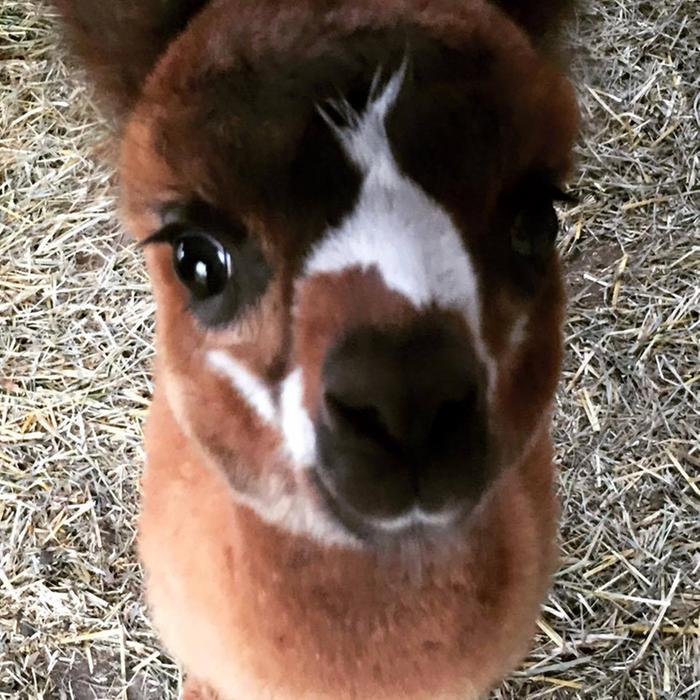
I have seen a few times a thing called a "chute" utilized for larger animal handling for livestock such as cows, goats, sheep, alpacas and maybe some other critters?

Alpaca Chute

(Source)

I have seen them used for the inspection of cows but I am wondering the true utility of the chute.

Do you use chutes for your livestock? Are they a need or more of a convenient want?

Thanks for all of your perspectives.
 
Rusticator
Posts: 9578
Location: Missouri Ozarks
5225
7
personal care gear foraging hunting rabbit chicken cooking food preservation fiber arts medical herbs homestead
  • Likes 8
  • Mark post as helpful
  • send pies
    Number of slices to send:
    Optional 'thank-you' note:
  • Quote
  • Report post to moderator
There are lots of uses for them. Shepards & goatherds use them for queuing sheep & fiber goats, for shearing. Many livestock farmers use them to queue up their herd for health checks, vaccinations, branding, sorting (males vs females, dams vs babies, 'keepers' vs culls, etc), loading into trailers, and slaughter.

Some use them to contain an individual critter for a lot of what I've previously listed, or for milking, forcing a reluctant dam to allow little ones to nurse, or for artificial insemination (male extraction/ female deposition). Sometimes, they're used for prepping a larger animal for riding, rodeos, or training.

I often wish I had one, when it comes time for copper bolus dosing, health checks, and forcing the occasional reluctant doe to cooperate in feeding her kid.
 
Posts: 793
183
  • Likes 7
  • Mark post as helpful
  • send pies
    Number of slices to send:
    Optional 'thank-you' note:
  • Quote
  • Report post to moderator
They are probably nice, and when I first got started with sheep I thought I needed one. But what I found was, when I needed one, I just used a swinging pipe gate as a makeshift chute.

In the end I had a nice barn that was designed for sheep, and it worked good. Its design allowed me to move sheep between four pens really easy and that worked extremely well. Even the Federal Vet commented on how well designed it was for sheep.

I had 84 sheep if the numbers help you on determining my experience and if you need a chute or not.
 
pollinator
Posts: 179
Location: Saskatchewan
63
  • Likes 10
  • Mark post as helpful
  • send pies
    Number of slices to send:
    Optional 'thank-you' note:
  • Quote
  • Report post to moderator
Chutes are a need for beef cattle, and a want for sheep, goats and alpacas.  Chutes are mostly used for medical type stuff, vaccinating, treating illness or injury, or calving/lambing/kidding issues. Most beef cattle are not used to people putting hands on them, and need to be fully restrained for safety. With my goats I use a catch pen, where I can run them into a small area and lock them in, then grab them and do whatever I have to, i,e vaccinate, trim hooves, this would also work for sheep, or alpacas. Horses are typically trained to stand quietly while people mess with them, and they generally don't mind needles. Dairy cattle tend to get food and a head catch instead of a full chute for stuff, as they are also used to people messing with them. For any livestock having a chute available is very helpful.
 
steward
Posts: 18463
Location: USDA Zone 8a
4687
dog hunting food preservation cooking bee greening the desert
  • Likes 6
  • Mark post as helpful
  • send pies
    Number of slices to send:
    Optional 'thank-you' note:
  • Quote
  • Report post to moderator
One of the places I see the use of chutes is at rodeos.  Both for bull riders and bronc riders.

Another use I see going town the highway is for gathering animals to take to the sale barn.

Maybe for milking of animals?
 
pollinator
Posts: 5968
Location: Bendigo , Australia
542
plumbing earthworks bee building homestead greening the desert
  • Likes 4
  • Mark post as helpful
  • send pies
    Number of slices to send:
    Optional 'thank-you' note:
  • Quote
  • Report post to moderator
Steve, can you give us an idea of this fabulous barn please?
 
pollinator
Posts: 484
Location: Oz; Centre South
138
trees books cooking fiber arts writing
  • Likes 8
  • Mark post as helpful
  • send pies
    Number of slices to send:
    Optional 'thank-you' note:
  • Quote
  • Report post to moderator
Definitely a chute (we call it a crush) needed for cattle.  Drenching - injections, vet visits, loading into trailer for transporting.  This last one needs some thought - cattle don't like to see a drop on either side of the rails if the crush is elevated, so a couple of boards on either side does the trick.  Also they aren't comfortable with corners, so if the way in can be made curved they are much happier to go into the crush.  This part works for sheep too.
 
pollinator
Posts: 1602
Location: Zone 6b
224
goat forest garden foraging chicken writing wood heat
  • Likes 7
  • Mark post as helpful
  • send pies
    Number of slices to send:
    Optional 'thank-you' note:
  • Quote
  • Report post to moderator
For cattle (and horses, if you have some that aren't tamed down), chutes are a necessity. No human can hold a cow still if it doesn't want to be held still. Or a horse, for that matter (the BLM, dealing with mustangs off the range that are still wild, uses chutes at their facilities). For smaller animals, I've never had a chute, but if you had a large number of sheep or goats - or, I suppose alpacas, though I've never had any camelids, either - a chute would certainly save a lot of time, and might save some back strain, too. You will absolutely need some kind of pen setup that allows you to sort animals, though, and arranging the aisles and gates carefully can make them function much like a chute. It doesn't have to be terribly expensive to put together. T-posts and cattle panels will usually work, though if you have animals that are jumpers, you might want to spring for the more expensive - and taller - no-climb horse panels. For the small numbers of animals that's all I've ever had (a minimum of two goats, to a maximum of about forty sheep), we would just have a couple of small pens set up - sometimes portable ones. Put them all in one pen, and as each animal was caught and dealt with (whether medical treatment, shearing, or milked out) they were released into the second pen. Sorting for some purposes could really use an extra pen or two besides the basic and necessary two, though.

A big advantage of having some kind of chute system is that it prevents a lot of stress on the animals (and on the animal handlers). Quietly running them through a properly-designed system (see Temple Grandin's work on livestock handling facilities) is much better than having to chase and catch and wrestle with each animal. Do that very many times in a row, and you are going to be exhausted, I guarantee! And it's really not a good thing to have to do if you are working pregnant females. You could end up with them losing their babies.

I guess what it boils down to is, you have to figure out your costs with and without a chute system. Costs of materials to build your facility; costs of your time and energy with and without the chute; costs in terms of the potential consequences of stress on your animals. Then you can make an informed decision.
 
out to pasture
Posts: 13096
Location: Portugal
4166
goat dog duck forest garden books wofati bee solar rocket stoves greening the desert
  • Likes 8
  • Mark post as helpful
  • send pies
    Number of slices to send:
    Optional 'thank-you' note:
  • Quote
  • Report post to moderator

Kathleen Sanderson wrote:A big advantage of having some kind of chute system is that it prevents a lot of stress on the animals (and on the animal handlers). Quietly running them through a properly-designed system (see Temple Grandin's work on livestock handling facilities) is much better than having to chase and catch and wrestle with each animal..


I found this video of Temple's work designing animal handling systems.


Posts: 19
6
  • Likes 4
  • Mark post as helpful
  • send pies
    Number of slices to send:
    Optional 'thank-you' note:
  • Quote
  • Report post to moderator
Squeeze chutes come in many arrangements depending on your needs. For someone operating with 25-50 cattle, it becomes reasonable to purchase a proper squeeze chute, a one-piece item that restrains the animal completely. If I was a homesteader and only intended to have a family milk cow and raise the calf for beef annually, I think I would focus my efforts on halter training both animals and having a sturdy milking stanchion that can do double duty if needed. In my 4H days I loaded many a halter broke cow into a trailer with no need for a force alley or chute.

If I was going to raise a handful of cattle, enough that it become cumbersome to halter break but not a full sized herd, I would look for what we call a head gate. This is simply the head catch portion of a chute and can be mounted between two sturdy posts with a single file alley leading up to it.

As others have mentioned, they can be handy for sheep and goats, but in roughly 20 years raising sheep, I’ve had at best an alley. For adopting lambs, I opt for tying the ewe in a corner of a pen and leaving the lamb in there, helping it nurse for the first day or two in case she tries to kick. The best use for the alley is loading them onto the trailer and for the sorting gate on front, makes sorting sheep so much easier as they do not sort like cattle! Also nice for shearing day of course. But there really is rarely a need to restrain a ewe that can’t be handled with a halter.

 
Posts: 4
Location: USA, Oklahoma
2
  • Likes 5
  • Mark post as helpful
  • send pies
    Number of slices to send:
    Optional 'thank-you' note:
  • Quote
  • Report post to moderator
We have catch pens and an alley that runs to a chute for our cattle.
The one thing we are trying to come up with is a way to restrain our hogs when we need to work on them. We would like to create a squeeze chute that can safely hold them. Everything I have found prebuilt are for sheep, goats or cattle. The chute for the cattle is wide enough, but too tall and needs a way to keep them from jumping up.
I'm open to any suggestions!
 
Posts: 161
55
  • Likes 4
  • Mark post as helpful
  • send pies
    Number of slices to send:
    Optional 'thank-you' note:
  • Quote
  • Report post to moderator
We don’t use a chute or head catchgate for our smaller flock of sheep. But I wish we had one.
I think it could really be handy and reduce injury. While we were able to run around flipping sheep for shearing or examination/vaccines, or some such when we were younger, we find now that it takes a toll, physically. Especially with the rams.

Specifically a *steel* head catch gate and short chute with 2 metal panels that open at sides, for a (handmade) chute coming out of the barn, in rounded fashion.

We do have a great setup of smaller corrals with swing metal gates and so forth, but a steel head catch gate, at least, would be great.
I’ve looked at the sheep head catch gates and the one panel long attached chutes from Lakeland. That minimal combo seems great. And so so expensive😔.
Still, cheaper and happier than a thrown out back or tendon shear injury.

I found personally, that training sheep (from lamb-hood) to halter and lead is really helpful. It makes handling of all sheep easier and less stressful for all.
However, still, once a certain number of sheep is reached, some just don’t get trained as well, and also, sometimes sheep need restraint more than tying up a haltered sheep to a post. A head catchgate with short chute is low stress and great for that 👍

As we age, I think it’s going to have to be a non-negotiable investment (or severely reduce sheep numbers which we don’t want to do).
 
Linda Johansson
Posts: 19
6
  • Likes 4
  • Mark post as helpful
  • send pies
    Number of slices to send:
    Optional 'thank-you' note:
  • Quote
  • Report post to moderator
I have never halter trained my sheep besides 4h animals. I actually prefer sheep that want nothing to do with me as tame or bucket broke sheep are incredibly annoying and hard on knees. I can’t get anywhere near my sheep without having them in a crowded pen where they can’t run. When I need to pull a lamb, or fix a prolapse, or adopt a lamb, I just put a rope halter on a wild sheep and tie her up. They generally just put their head down and pull back and ignore me. I’ve never needed more restraint than that. For any individual needs like trimming hooves, giving shots to a sick animal, stitching up a torn face because sheep are sheep, flipping the animal over is the best restraint.
 
Posts: 1
Location: Fredericksburg, United States
  • Likes 6
  • Mark post as helpful
  • send pies
    Number of slices to send:
    Optional 'thank-you' note:
  • Quote
  • Report post to moderator
We had a head gate, sorting sweep, curved alleys and two different corrals all set up to direct the cattle different ways for different things - meds, tagging, isolation, etc.  We found out very early that, in a human-cow tug of war, the cow always wins.  For our design, we read up on Temple Grandin's research and added curved chutes, blocked the line of sight outside the chute, no shadows, to name a few.  In addition, there is much to be said about "quiet handling".  We had a rule that we only used soft voices around the chutes.  The cattle were stressed enough as it was, yelling only made it worse.  Also, it a critter did happen to escape, let them go.  Not worth getting hurt (either us or the critter.)  We also used my 7 year old son on his horse as a pusher.  He didn't have to yell, just move the horse around and the cattle would move away.  Of course, these were Angus beef cattle, not range raised longhorns.  A neighbor raised buffalo - now those were some reinforced chutes!
 
Steve Zoma
Posts: 793
183
  • Likes 6
  • Mark post as helpful
  • send pies
    Number of slices to send:
    Optional 'thank-you' note:
  • Quote
  • Report post to moderator

John C Daley wrote:Steve, can you give us an idea of this fabulous barn please?


I can sort of.

It was a 24X48 barn with a lambing area off to the side that was 24x12 and well insulated. In between it had (6) 8x4 medical pens where sick sheep could be penned up and isolated. Between the main barn and lambing area was a "chute" and ramp, but also a floor panel could be removed where there was a foot bath. This area could give the sheep a foot bath or be used to trap sheep for shearing or medical reasons since there was a gate and door on either end.

The main barn; a through barn, was 24x48 though and split down the middle by a "half wall". On each end of the half wall there were half walls allowing sheep to cross over from one side to the other. The gates were shielded by tin too so basically under 4 feet there were no drafts, but overhead it was completely exposed to the air. It was this strange arrangement that allowed sheep to be out of the wind and drafts, yet have full ventilation. That is what kills sheep and with this barn design we went from 40 percent mortality, to less than 1 percent. This barn was 100% designed for sheep. No pigs. Not goats. Not cows, but sheep.

In the main barn I had swing out hay racks to prevent hay loss. As the sheep ate, they pushed against the rack keeping it from landing on the floor. It greatly reduced waste. It also had steel gates in the center of each side. This gave the barn four sections 12x24. By having this, and the doors in the half-wall, I could move sheep in a circle. Or, I could put sheep from one side to the other. This was needed when I cleaned up their manure. Since it was a through-barn, I would put the sheep on the other side, push the manure out through the barn with my tractor. Then I would load up the racks with hay. Then close the gates and let the sheep back in. Then I would clean out the other side.

If I needed to put sheep in a lambing jug or sick pen, I would contain them to that quarter of the barn, then usher them towards the pen I wanted to go into. I no longer chased sheep, It was just a matter of opening or closing gates to isolate them, then get them to go where I wanted them too. This main barn was designed for proper sheep husbandry of 100 sheep in winter containment without overcrowding.

The lambing area held 6 lambing jugs with an 8x24 outer pen for ewes with lambs more than a few days old. They had need to be in a jug, but not really ready to join the big flock in the big barn just yet. Super insulated, and with shavings on the floor the heat of the sheep would keep the barn from freezing so no waters to keep thawed by electric heaters, and was better for the newborn lambs.

The total cost of the barn without the concrete floor (The US Government gave me a grant for that) was $4,450 using new steel and sawing my own lumber for the barns framing.

This first picture is dark because of the back lighting but shows the through-barn design, the hay racks, the back gate and half-wall.

The second picture shows the folding hay racks.

The third picture shows the chute area. The wood on the floor is covering up the foot bath. The ladder just leads to storage over the medical pens.

DSCN3772.JPG
[Thumbnail for DSCN3772.JPG]
DSCN3784.JPG
[Thumbnail for DSCN3784.JPG]
DSCN3788.JPG
[Thumbnail for DSCN3788.JPG]
 
Royal Flush Bitches! Pay up tiny ad:
permaculture thorns, A Book About Trying to Build Permaculture Community - draft eBook
https://permies.com/wiki/123760/permaculture-thorns-Book-Build-Permaculture
reply
    Bookmark Topic Watch Topic
  • New Topic