

• Post Reply Bookmark Topic Watch Topic
  • New Topic
permaculture forums growies critters building homesteading energy monies kitchen purity ungarbage community wilderness fiber arts art permaculture artisans regional education skip experiences global resources cider press projects digital market permies.com pie forums private forums all forums
this forum made possible by our volunteer staff, including ...
master stewards:
  • Carla Burke
  • Anne Miller
  • Nancy Reading
  • John F Dean
  • r ransom
  • paul wheaton
  • Timothy Norton
stewards:
  • Jay Angler
  • Pearl Sutton
  • Andrés Bernal
master gardeners:
  • Christopher Weeks
gardeners:
  • M Ljin
  • Thekla McDaniels
  • May Lotito

Building a stove in my fireplace

 
Posts: 3
2
  • Likes 13
  • Mark post as helpful
  • send pies
    Number of slices to send:
    Optional 'thank-you' note:
  • Quote
  • Report post to moderator
Hi!

I am trying to prepare my suburban home for a possible extended grid-down situation. And try to just be more self-sufficient in general.

I have a small fireplace. Right now it is gas, but I plan on having it capped off to be wood-burning. It is masonry and, I presume, was originally wood-burning. I want to have a plan to set up a temporary stove for cooking in there that will also do a better job of heating the room in an extended grid-down situation. I do love the look of the fireplace now, and was hoping to not have to do anything permanent so I could use the fireplace for ambiance.

I thought I could just build a rocket stove in there with some firebricks, but upon learning more, I was concerned about drafting and creosote buildup.

Could anyone share a plan for a safe, temporary firebrick stove setup?

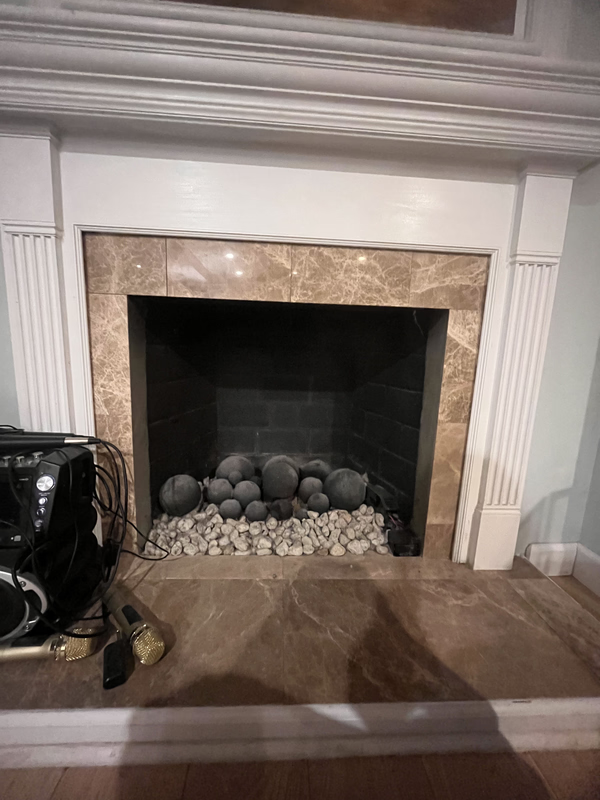
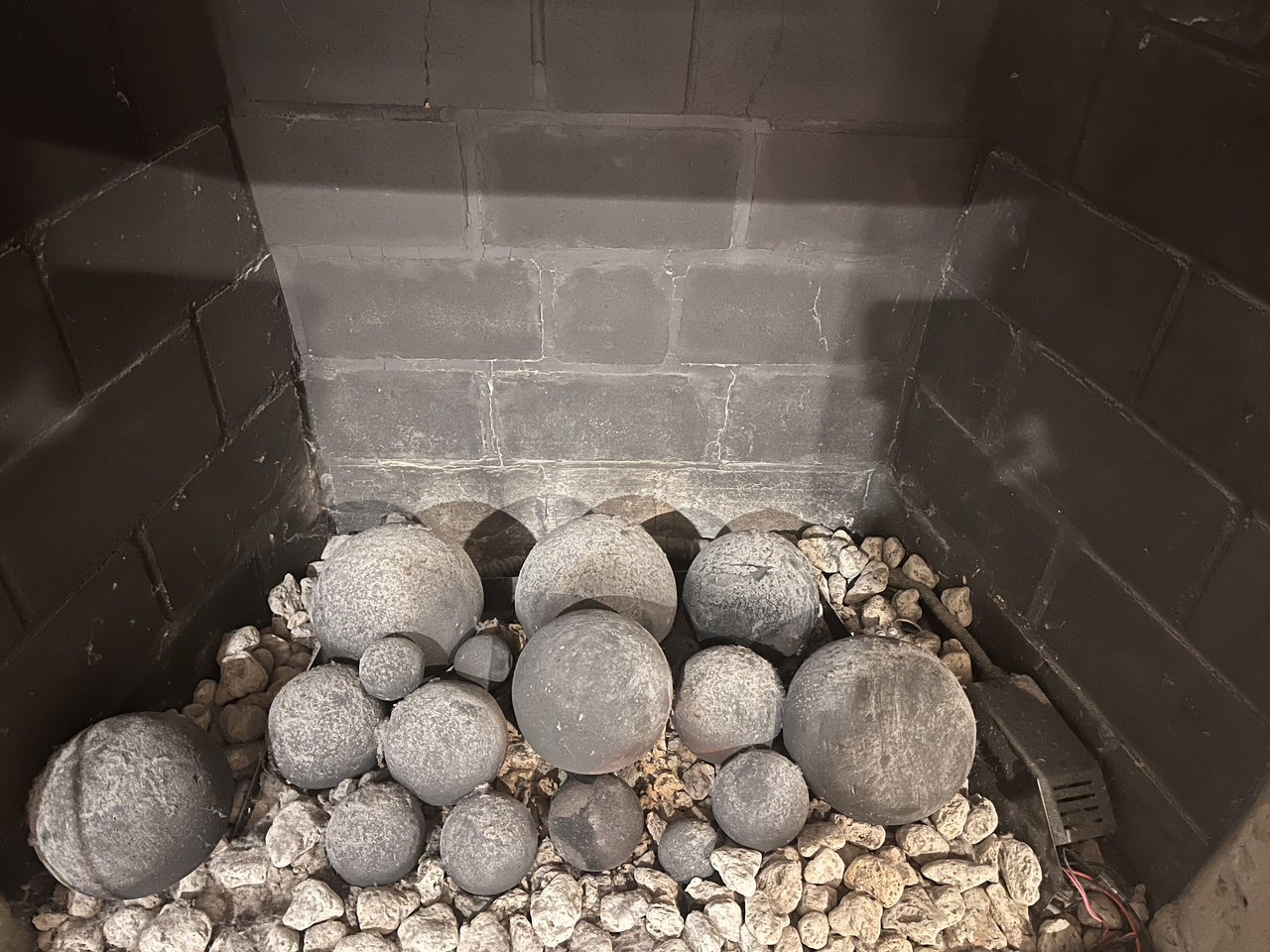
Fireplace dimensions and photos:
Opening: 28" h x 32" w
Footprint: Trapezoidal. 32"w x 17d. Back wall is 20"w.

I don't believe it has a steel liner.

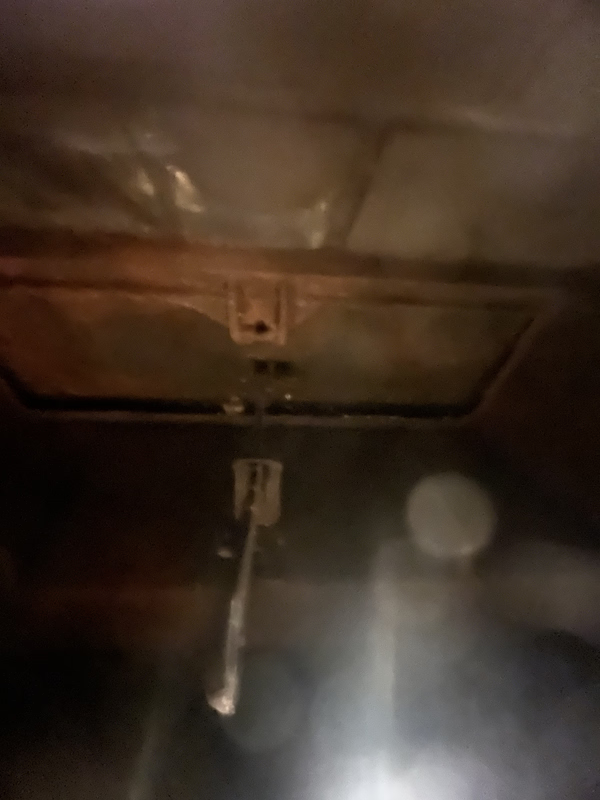
Photos:


TIA!
 
master steward
Posts: 20026
Location: USDA Zone 8a
5020
dog hunting food preservation cooking bee greening the desert
  • Likes 12
  • Mark post as helpful
  • send pies
    Number of slices to send:
    Optional 'thank-you' note:
  • Quote
  • Report post to moderator
If as you say, your fireplace was originally a wood burning fireplace with a chimney then you can use it to burn wood under certain circumstance.

By changing it to a firebrick wood stove are you violating code?

If you add a temporary firebrick wood stove wood you use the same chimney or add an additional chimney?  Is an additional chimney possible?

I would suggest having a professional inspection, capping the gas line, and ensuring a proper chimney liner if using the same chimney.
 
master pollinator
Posts: 6152
Location: Canadian Prairies - Zone 3b
1929
  • Likes 12
  • Mark post as helpful
  • send pies
    Number of slices to send:
    Optional 'thank-you' note:
  • Quote
  • Report post to moderator
I think Anne's advice is important: get somebody knowledgeable to inspect the whole system before burning wood again.

I would be surprised if there isn't a metal liner. My upstairs gas converted fireplace certainly has one. The exhaust gases from natural gas eat away conventional mortar, potentially leading to structural or carbon monoxide hazards. A gas liner will not hold up to wood burning temperatures.

My emergency plan for my unconverted downstairs fireplace involves installing a small hunter stove in the firebox. This will put out more heat and be safer than an open fire, plus giving me a cooking surface. I expect it to burn fairly dirty, so I have a chimney brush and extension rods, as well as the ability to inspect the chimney from above. I also have a plan for a big spark-proof surface in front of the fireplace. Safety first!

If I don't need heat, I will have the hunter stove set up outside or in a shed for cooking. Much safer than an improvised heater in the house.
 
out to pasture
Posts: 13544
Location: Portugal
4841
goat dog duck forest garden foraging wofati composting toilet bee solar rocket stoves greening the desert
  • Likes 11
  • Mark post as helpful
  • send pies
    Number of slices to send:
    Optional 'thank-you' note:
  • Quote
  • Report post to moderator
I managed to find where the images were hiding reposted them here to see if they help...


steward and tree herder
Posts: 15257
Location: Isle of Skye, Scotland. Nearly 70 inches rain a year
8859
6
transportation dog forest garden foraging trees books food preservation woodworking wood heat rocket stoves ungarbage
  • Likes 8
  • Mark post as helpful
  • send pies
    Number of slices to send:
    Optional 'thank-you' note:
  • Quote
  • Report post to moderator
I'm sure I've seen a few threads where people have built mass heaters with existing fireplace/chimneys. Making it temporary and for cooking makes it more awkward...

For temporary heat you could consider something like the minnie mouse heater see here for some information. The top of the barrel ought to get pretty hot so you might be able to use that as a stove top. The actual Minnie mouse at Wheaton labs has now been adapted with a cob top to retain more of the heat. In your situation, you'd need to have the chimney outlet at the bottom of the barrel into the fireplace and somehow seal that up.

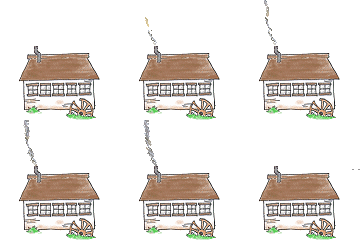
Another similar option is the pocket rocket by Cris McClellan which has the feed tube completely enclosed in the barrel:


sauna version plans here

Benjamin's built the pocket rocket here: https://permies.com/t/40/265502/Cottage-Rocket-time-build . Again the flue and clean out may need some adjustment, but I think the top ought to be suitable for stove top cooking again.

As far as creosote build up and draft that would depend on how cleanly you get the fire going and how your flue is lined. A proper insulated rocket stove like these ought to create little creosote, just a bit of dust/ash.
 
Posts: 1031
Location: Sierra Nevada foothills, 350 m, USDA 8b, sunset zone 7
304
  • Likes 15
  • Mark post as helpful
  • send pies
    Number of slices to send:
    Optional 'thank-you' note:
  • Quote
  • Report post to moderator
Tina,

The footprint is too tiny,.
Firebox built from bricks laid as shiners would take 330x330 mm (13x13"), the stove's skin laid the same way would add 150 mm (bricks plus gaps) resulting in 480 mm (19") depth. You would need at least another 8" of the width to utilize a mini bell with an inlet for the chimney, so 27" minimum width to have a usable stove that could be used for cooking and some meager heating (not having sufficient heat absorbing surface). If you encased it in steel skin then it would reduce in size, but would turn into another iron stove. Too small size means no place for even a mini bell which means fuel wasting like a fireplace.

I would say that a minimum footprint is 27x19", but 32x22" would make more stable (and easier to build as the skin would be stretchers) stove. The height would be 26" minimum. I can draft plans for such a stove. Chimney connection would need angled pipe to go from the right (or left) side of the stove to the center opening.

None of these approaches would be considered temporary as they would require detailed planning and quality workmanship to guarantee stove stability (shiners) and gas tightness.
Temporary cooking is extremely easy to achieve outside: we don't need stove skin, no chimey intake, not worried about tightness, draft, smoke, creosote, etc.
 
Tina Sanders
Posts: 3
2
  • Likes 13
  • Mark post as helpful
  • send pies
    Number of slices to send:
    Optional 'thank-you' note:
  • Quote
  • Report post to moderator
Thank you for your responses!

Anna, yes, I do plan on having a professional come over and cap the gas line, and I plan on picking their brain about what can or can't be done. A DIY firebrick stove constructed in there would be against code I am sure, but in a grid-down situation I would be less worried about codes and more concerned with warmth, food and not burning the house down. I don't think building another chimney is an option since this fireplace isn't an outside wall... it goes up between the two kids' rooms.

Douglas, I was also thinking about purchasing a tiny stove to place in the firebox; but I was reading that they need a small-diameter flue run all the way to the top of the chimney to draft properly. I couldn't see an easy way to make that happen and still be able to have a regular fire in there, without the stove, in the meantime. Do you have any thoughts on that? I would not have a problem buying a chimney cleaning kit to keep it clean. How often would that need to be done with this setup?

Burra, thank you for placing my images! Not sure what went wrong with my OP.

Nancy, I like your thoughts but I am not really handy or educated in this topic and I would be afraid of screwing this up with disastrous results.

Cristobal, thank you, there's a lot of lingo there that I'm unfamiliar with but I think I get your gist. It is a very small footprint. If we have to, we can cook outside. Do you have any thoughts on something temporary and easily built that would make it more efficient for heating the room only, no cooking?

The room is 13x24 with low ceilings, sitting on a slab. The floor is about 3' below grade since the house is a backsplit. There are a few windows and a sliding glass door on one and 1/2 wall. The fireplace sits between this room and the laundry/utility room.
 
Cristobal Cristo
Posts: 1031
Location: Sierra Nevada foothills, 350 m, USDA 8b, sunset zone 7
304
  • Likes 13
  • Mark post as helpful
  • send pies
    Number of slices to send:
    Optional 'thank-you' note:
  • Quote
  • Report post to moderator
Tina,

Efficient means extracting heat from the exhaust and it means the bell and the bell is much more complex than firebox and requires more materials and labor, even if it's some barrel. Fireplaces are usually painfully unfit for any conversion due to the shallow design. Also masonry is usually the opposite of "temporary". To make it gas tight you need to use mortar, you need tight doors and fit them properly. It's too much work to put it together and then put apart. If I wanted temporary I would just purchase a smallest cast iron stove, Jotul, Morso, etc. They can be also used for cooking.
 
Rocket Scientist
Posts: 4853
Location: Upstate NY, zone 5
816
5
  • Likes 14
  • Mark post as helpful
  • send pies
    Number of slices to send:
    Optional 'thank-you' note:
  • Quote
  • Report post to moderator
To get the efficiency of a rocket core but still have it temporary, you might be able to do something like the cottage rocket but with only enough brick/cob mass that you and your family can still pick it up and carry it to/from the garage or storage shed. You can get fireproof mats commonly made for in front of stoves to keep the floor safe from the feed opening.

The tricky part would be connecting the exhaust to the chimney while keeping the existing damper functional when the rocket is not connected. A plate fitting the damper frame with a good gasket, holding the damper open when it is in place, and connected to the rocket exhaust pipe, might do the job. It would take a skilled builder to do that safely. The lack of a proper insulated stainless chimney liner would not cause creosote buildup in this case because there would be no creosote to worry about.

Do you know what the current chimney looks like internally? The smaller the better for this purpose, as there will be less volume for gases to loiter and get chilled and heavy. If the liner is big, like 8 x 12 or 12 x 12, it may be a bad idea to have any rocket combustion core because you may be at risk of cold plugs from damp cooled gases. Or a big liner might let warmer gases rise while cold ones fall, setting up some circulation that allows enough water vapor to escape from the top.

A wood stove may have the same issues, cooling too much for good draft in a large chimney volume, while also depositing lots of creosote when it very likely cools below creosote condensation temperature. I don't think you can safely use the same chimney for fireplace or wood stove.
 
Douglas Alpenstock
master pollinator
Posts: 6152
Location: Canadian Prairies - Zone 3b
1929
  • Likes 10
  • Mark post as helpful
  • send pies
    Number of slices to send:
    Optional 'thank-you' note:
  • Quote
  • Report post to moderator
Time out --

I have a few relevant questions for Tina, the OP.

How long of an off-grid disruption are you planning for?

Where are you located, if you don't mind sharing? We can give better advice if we understand your general climate. And also, how your grid is set up.

Tell us about your gas fireplace. Natural gas or propane? If natural gas, some grids (like mine) are independent of the electrical grid and will keep working when the lights go out.

My point is that you could possibly create two independent heating systems instead of focusing one chimney. That would be more resilient.

 
Tina Sanders
Posts: 3
2
  • Likes 7
  • Mark post as helpful
  • send pies
    Number of slices to send:
    Optional 'thank-you' note:
  • Quote
  • Report post to moderator
Thank you Douglas, these are good questions. I am concerned about the recent rise in cyberattacks. I couldn't really say how long the grid would be down... could be 2 weeks, could be intermittent for a long time, could be a year.

I am in the tri-state region. Average winter lows are in the low 20s, but single-digit cold snaps are frequent and will occasionally drop below zero. Last year we had a severe winter where the temps stayed below 20º for almost a month.

I realize that this is tame compared to some parts of the US, but it obviously does necessitate some kind of heating apparatus!

The natural gas fireplace is nonfunctional since 2024 when we got a few inches of water. Yes, it did work without electricity, but natural gas is not immune to cyberattacks; besides, it threw almost no heat when it worked.

Reading everyone's posts is making me rethink having another chimney installed. Seems like it would solve a lot of problems to have a small wood stove with its own chimney. Just seems like it would be complicated since there are rooms above. I don't know how big the current chimney is.

Or, perhaps going solar with a battery would be a better solution for all this.
 
Glenn Herbert
Rocket Scientist
Posts: 4853
Location: Upstate NY, zone 5
816
5
  • Likes 13
  • Mark post as helpful
  • send pies
    Number of slices to send:
    Optional 'thank-you' note:
  • Quote
  • Report post to moderator
Note that the animated graphic referred to as a pocket rocket is actually a Cottage Rocket, developed by Chris McClellan ("Uncle Mud"). It is intended to heat small spaces cheaply and reliably. The pocket rocket is a fast-burning outdoor stove with no mass.
 
Douglas Alpenstock
master pollinator
Posts: 6152
Location: Canadian Prairies - Zone 3b
1929
  • Likes 9
  • Mark post as helpful
  • send pies
    Number of slices to send:
    Optional 'thank-you' note:
  • Quote
  • Report post to moderator

Tina Sanders wrote:

Reading everyone's posts is making me rethink having another chimney installed. Seems like it would solve a lot of problems to have a small wood stove with its own chimney. Just seems like it would be complicated since there are rooms above. I don't know how big the current chimney is.


I agree, this would be a much better solution. It's not a cheap option, but it would be safe and reliable.

There is much that can go wrong with improvised setups; mine would only be used a few days to get me through a winter storm so my pipes don't freeze if the power goes out. It's not a long-term setup.

If your chimney is big enough, an installer could put a stainless steel liner up it and tie in a wood stove or an insert with a cooking surface. If it has a glass window, you'd have the ambiance too.
 
Nancy Reading
steward and tree herder
Posts: 15257
Location: Isle of Skye, Scotland. Nearly 70 inches rain a year
8859
6
transportation dog forest garden foraging trees books food preservation woodworking wood heat rocket stoves ungarbage
  • Likes 10
  • Mark post as helpful
  • send pies
    Number of slices to send:
    Optional 'thank-you' note:
  • Quote
  • Report post to moderator

Tina Sanders wrote:The natural gas fireplace is nonfunctional since 2024 when we got a few inches of water. Yes, it did work without electricity, but natural gas is not immune to cyberattacks; besides, it threw almost no heat when it worked.


Slightly off on a tangent, but I have a friend who once worked in the gas industry in the UK testing stoves, and some of these ornamental fires actually managed to cool the rooms rather than heating them due to the draughts I suppose....
 
Douglas Alpenstock
master pollinator
Posts: 6152
Location: Canadian Prairies - Zone 3b
1929
  • Likes 13
  • Mark post as helpful
  • send pies
    Number of slices to send:
    Optional 'thank-you' note:
  • Quote
  • Report post to moderator

Nancy Reading wrote:Slightly off on a tangent, but I have a friend who once worked in the gas industry in the UK testing stoves, and some of these ornamental fires actually managed to cool the rooms rather than heating them due to the draughts I suppose....


Yes, without an outside air intake the combustion air has to come from somewhere.

We installed a natural gas fireplace in an upstairs open fireplace (which was horrible, didn't draw well, pure cosmetic junk). The exhaust flue has a companion intake for outside air for combustion -- both running up the same chimney. It's an engineered system, and it works. (We also went with the more expensive unit that can operate without grid electricity; since our natural gas grid is largely independent of the electrical grid, it made sense.)
 
gardener
Posts: 576
Location: The Old Northwest, South of Superior
374
books building wood heat
  • Likes 14
  • Mark post as helpful
  • send pies
    Number of slices to send:
    Optional 'thank-you' note:
  • Quote
  • Report post to moderator

Douglas Alpenstock wrote:We also went with the more expensive unit that can operate without grid electricity; since our natural gas grid is largely independent of the electrical grid, it made sense.


Which make/model did you choose?  I am cogitating on various backup heat systems options.  In the interest of maintaining both domestic tranquility and my peace of mind, a non-electric gas fireplace may be an easier sell at the present moment than installing the very nice lightly used soapstone wood stove which I already own and have been preparing to install.  However, in the event, SWMBO is currently affecting aversion to any possibility of: smoke; dirt; or ash.  But, I still want backup heat (and will keeping working on introducing a solid fuel heat source); a non-electric gas fireplace would be halfway there, though the ultimate goal is to have at least one heat source which can be fed our locally common version of solar energy (cord wood).  I could keep that supplied as long as I am hale enough to use a buck saw.  She has allowed that if it lives in the basement, she might countenance its presence; it would be quite an engineering project to get the heat up to where it's needed, though not impossible.  In any case, that sort of project wouldn't be happening this heating season, and I'm chary to pass another heating season as things have been.

I nearly bought a vintage gas fireplace insert a year or so ago (open the valve and light the burner with a match - nothing could be simpler), which used a bunch of little ceramic inserts which were heated by the gas flame to the point of incandescence to radiate heat.  But, the sheet metal back was pretty rusted out and raggedy, I would have needed to replace a bunch of the ceramic tile inserts (though I did find a source, and they weren't outrageously priced), it was quite unlikely to be code compliant or insurable, and - worst of all - the antique store owner was awfully proud of it, as reflected in the stratospheric asking price.  I looked at it three times, but just couldn't pull the trigger, given its state of deferred maintenance and general decrepitude.  It may still be sitting there, for all I know, since I haven't been back in the store since the run up to Christmas last year.  A buddy of mine just got a good off-brand iron bodied user grade moving fillister plane - cracked body, very functionally mended, though in keeping with a rather brutalist aesthetic - from that antique store; I guess handsome is as handsome does, as regards the plane and its mending job, though he did pay a bit more than I would have done.  In the past, I have scored a couple of socket framing chisels, also very user grade, from him, and at prices commensurate with the condition, so he's not always a robber baron.

Anyway, maybe I should take a swing through that shop again, to see if the gas fireplace is still languishing in the dim recesses.  But, if it's already found a new home, other options would be gladly entertained.  Whatever you installed might be a good place to start.
 
gardener
Posts: 5839
Location: Cincinnati, Ohio,Price Hill 45205
1482
forest garden trees urban
  • Likes 11
  • Mark post as helpful
  • send pies
    Number of slices to send:
    Optional 'thank-you' note:
  • Quote
  • Report post to moderator
I think a diesel heater could be a better medium term emergency heat source for you, even accounting for the cost of diesel fuel.
They are portable, cheap, and require no specialized infrastructure, unlike a wood stove.
Not very "permie" but neither is natural gas.

With that worry out of the way, you could take more time/money and build a permanent rocket stove, wood stove or pellet stove.
 
I agree. Here's the link: https://woodheat.net
reply
    Bookmark Topic Watch Topic
  • New Topic