

|

|

|

|

|

|
|
|
|
|
|
|
|

|

|

|

|
|
 5
5


 5
5
My PEP Badge Tracker - An easier way to track your PEP Badge Progress. | Wait, wait, wait; What is PEP? | How Permies.com works.


Check out the plans to build your own charka-style spinning wheel from bicycle parts
Explore the intersection of permaculture, community, and the cycle of life at Herland Forest Natural Burial Cemetery and the Windward Education and Research Center


 2
2
Ask me about food.
How Permies.com Works (lots of useful links)

Ask me about food.
How Permies.com Works (lots of useful links)
3
 3
3
Hot Cha, where are you?

Great to have you!
9
5
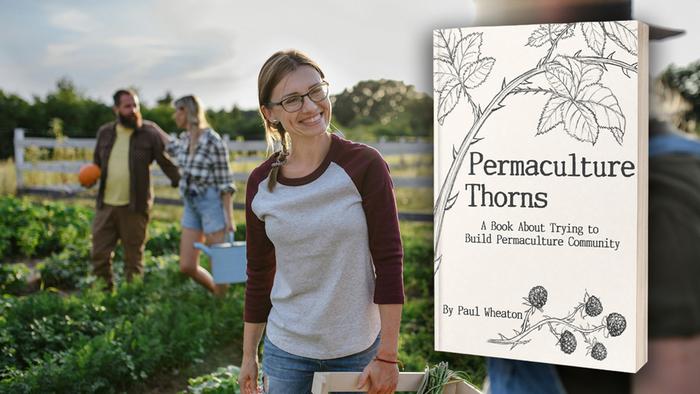
T. Smith wrote:I bought this book this morning and read the whole thing today. I didn't know anything about Paul Wheaton yesterday, but now I'm a big fan. I have been running residential wilderness programs (ie. community, but not quite) for a few decades. Paul's ideas mesh with what I've learned experientially, but I also learned a bunch from his vast experience. I loved the book, will be recommending it to our students, and rereading it soon. If you are interested in how communities function in the real world, this is a must read. Thank you Paul for putting it out there.
1


 2
2
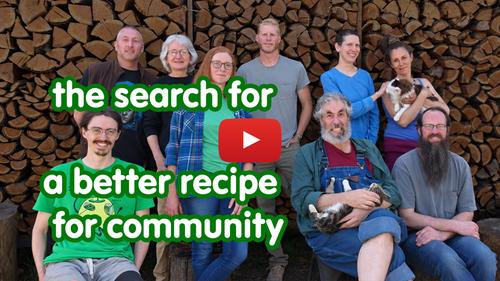
paul wheaton wrote:We are thinking about recording a toobie thing with talking heads on friday, aug 21 about thorns. 9am mountain time.
Is there anybody that has read the book and wants to be a talking head?
10 humans raise one child https://www.kickstarter.com/projects/positiverealfutures/an-actually-fun-tv-show-about-a-future-with-real-hope


Joshua Myrvaagnes wrote:
paul wheaton wrote:We are thinking about recording a toobie thing with talking heads on friday, aug 21 about thorns. 9am mountain time.
Is there anybody that has read the book and wants to be a talking head?
I can try to chime in. Read it years ago and haven’t had time to refresh my memory but I can at least show up and speak from experience living communally.
1
3

|
Just the other day, I was thinking ... about this tiny ad:
Come Visit Wheaton Labs!
https://permies.com/wiki/367505/Visit-Wheaton-Labs
|


