In the thread
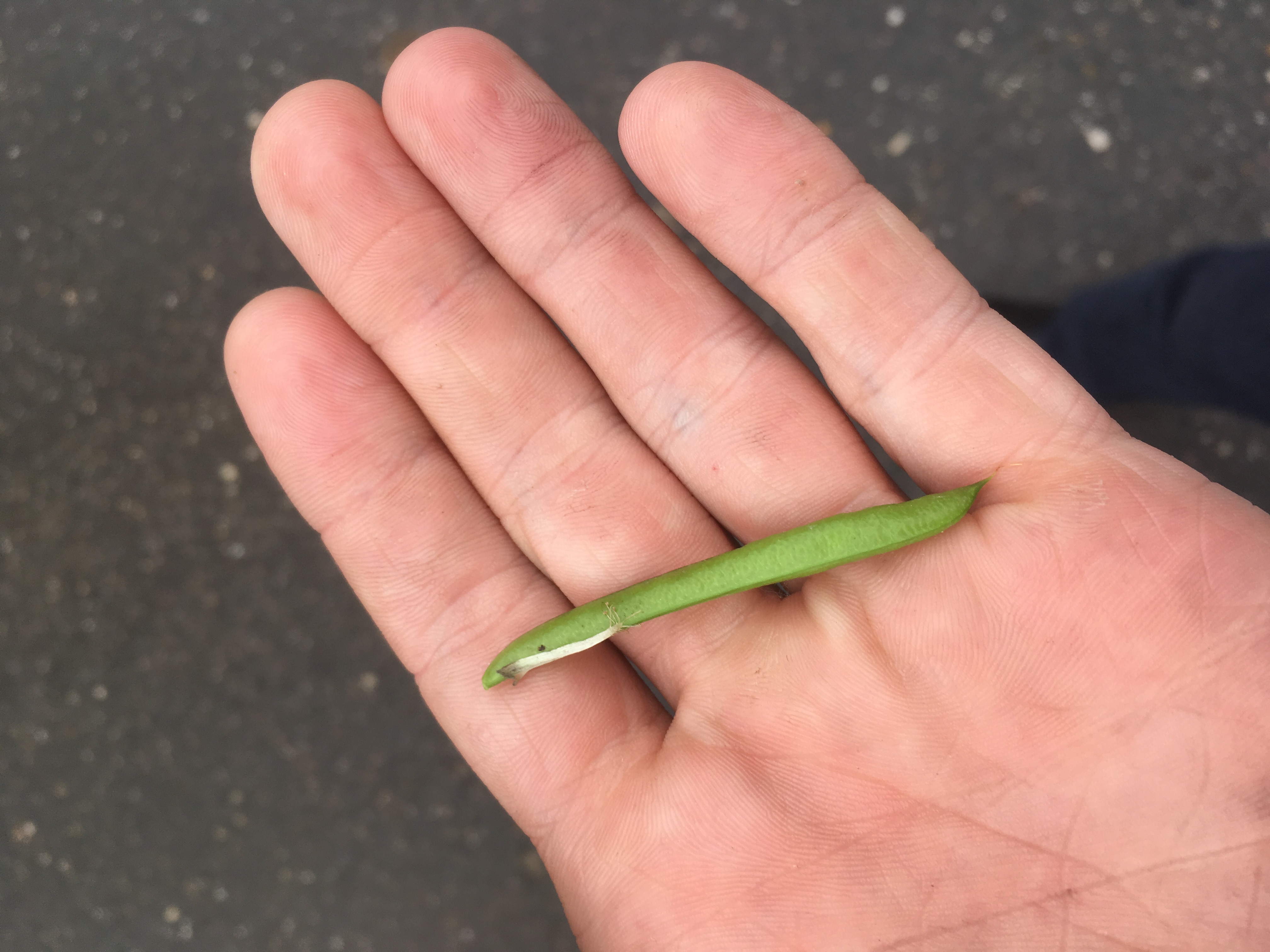
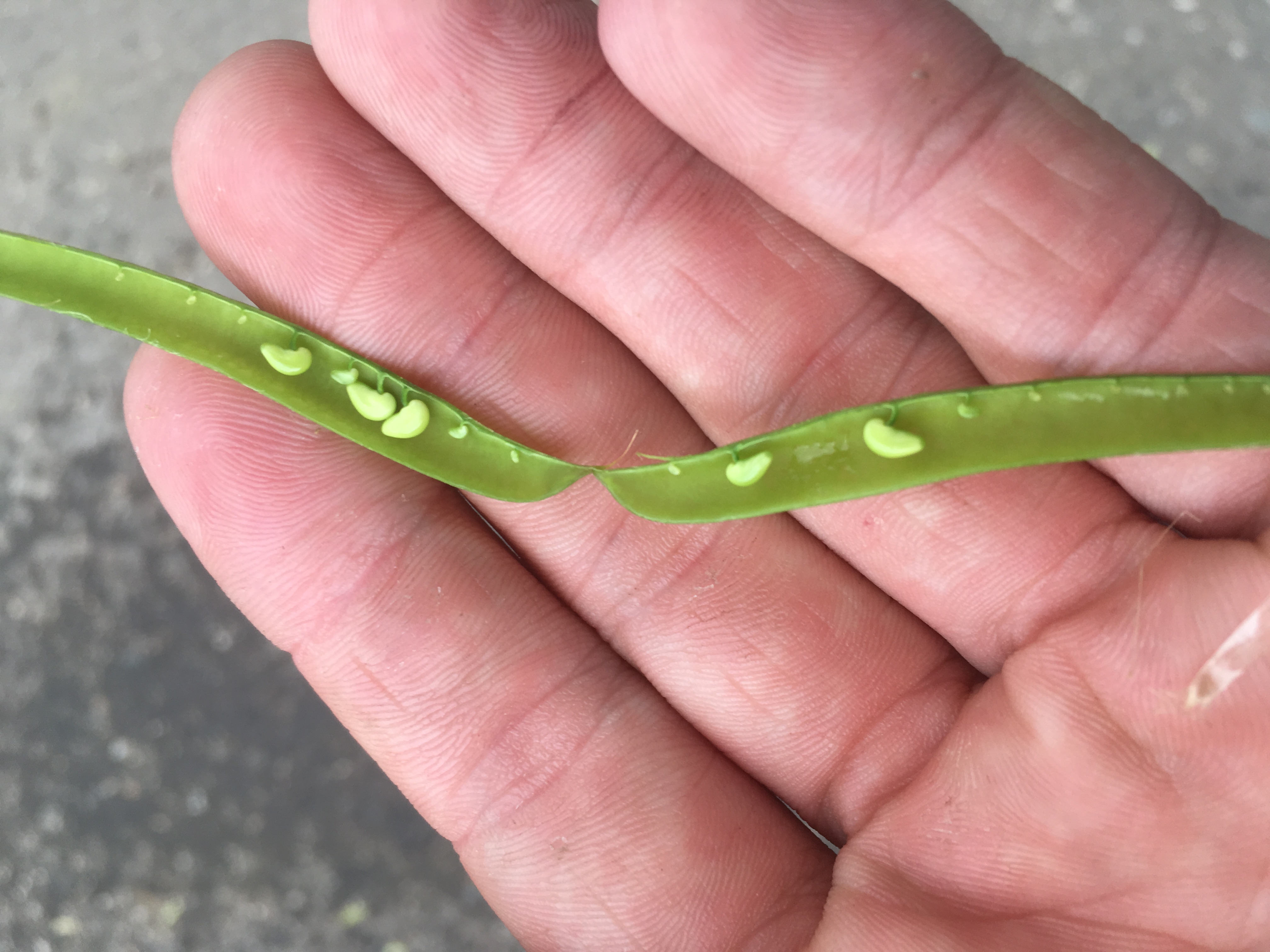
https://permies.com/t/45238/Siberian-Pea-Tree-aka-Caragana#1272154 The question was brought up: “is this plant actually edible in large amounts?”. So, I volunteered to test this on myself. This thread is the documentation of my tests, which are currently in the preliminary stage. I hope to harvest the mature pods and eat them as beans, as the primary focus of this project. Do not try this for yourself on just any plant. I am already confident in the edibility of Caragana Arborescens, and that is the only reason why I am so bold with these tests. I tried the flowers, and they had a mild, slightly sweet taste. The very young green pods were crisp, kind of like sweet peas, but once they got a little bigger, they got quite bitter. Just today, I opened a pod that was swelling, and it had little green premature seeds inside. They tasted slightly bitter, but nothing like the green pods had been.
So: I have tried the immature beans a few more times, and I checked the bitter taste against green horse-chestnuts and lambsquarter. I confirm that there are saponins in the immature seeds. The taste is exactly right. The mature seeds will likely also have saponins in them. This is a contraindication to eating large amounts raw, but ordinary pole beans contain saponins, and we eat them cooked all the time, without difficulty, so it doesn't put a stop to this experiment.
I'm not sure where/how to start these seeds.
Ultimately I want them growing all over the place.
Right now there is lots of competition and I only have one bush worth of seeds, so I my usual toss and pray method seems like a bad idea.
Check out this thread:
https://permies.com/t/22402/Proper-plant-Siberian-Peashrub-Caragana It looks like people plant them in pots, first. I would use a shovel to disturb a, eight-inch diameter circle, put a handful of seeds (5-15) about an inch down in the fall and lightly mulch it. I haven’t actually tried this yet, though. My last attempt at planting was spray-and-pray, and I haven’t found any that came up.
I've experimented with Caragana a bit as I have lots planted around my property in wind breaks. I have only eaten small amounts nothing in quantity, I tried feeding them to chickens and found the will eat them but it definitely is not something they relish and go crazy for. My favorite use is actually small wood working projects with the wood as older, large pieces have beautiful colour inside.
For planting they benefit from soaking for a couple days before planting.
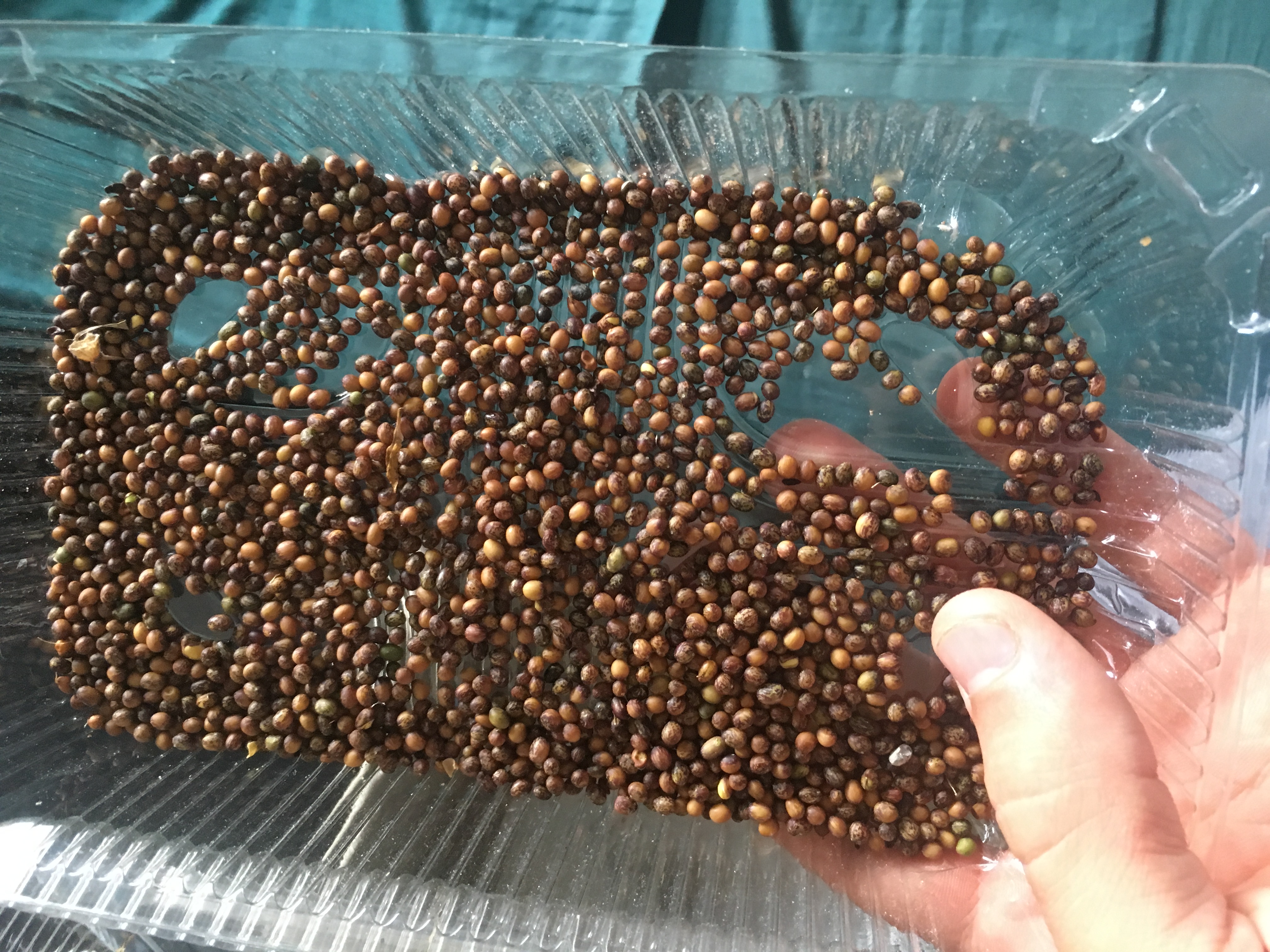
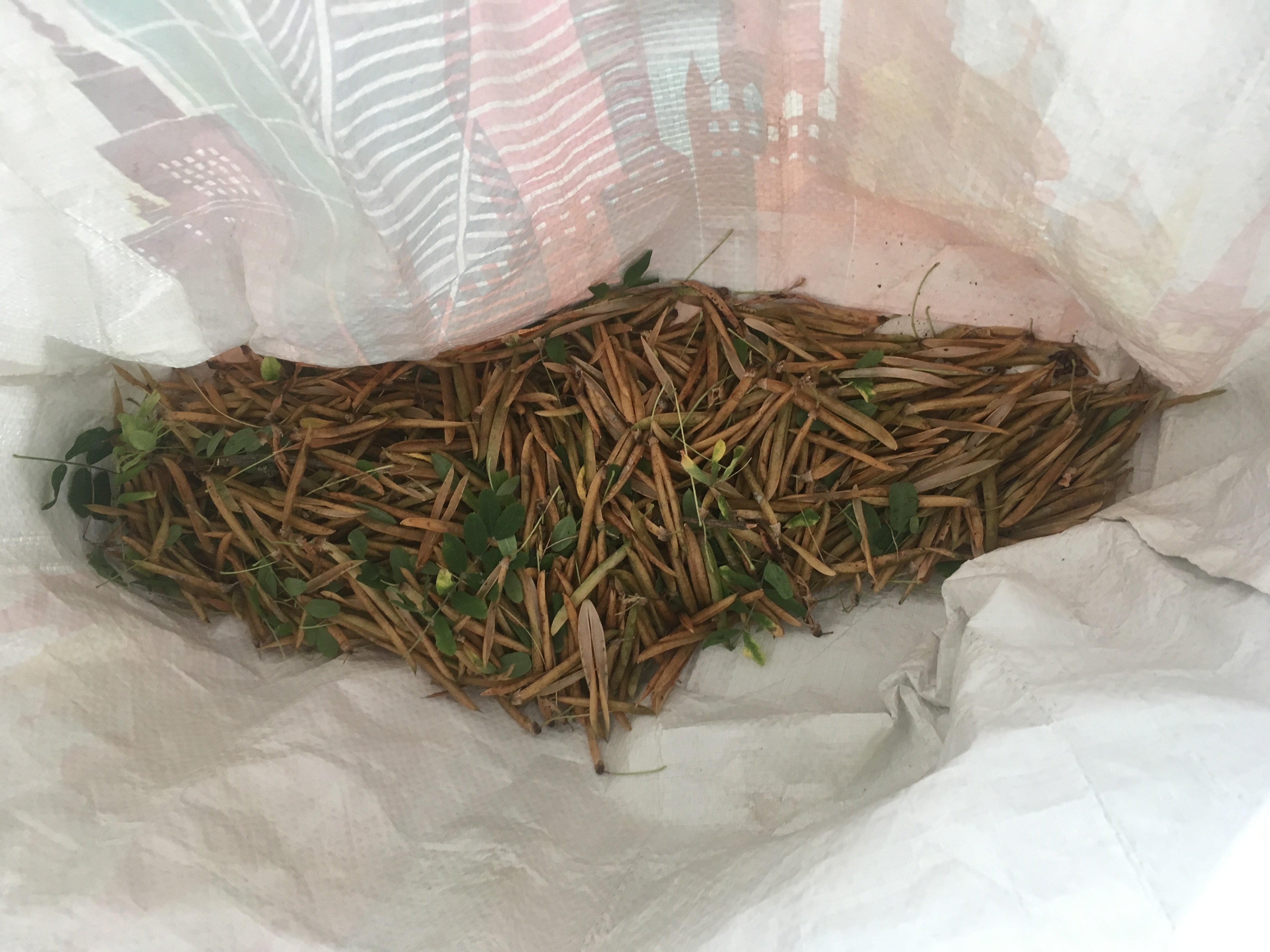
Harvest commencing! A couple days ago, I picked and shelled some pods, and today I am collecting more. The shelled beans you see are the ones I already shelled, the bag of pods is part of today’s bigger harvest. The pods dry in stages on each tree, and about every ten seconds right now, another one pops on each bush, flinging seeds everywhere. The city pigeons are kept busy finding and eating up these beans.
Picking and shelling, picking and shelling. I’m busy in a lot of other ways, too, so I can’t harvest as much as I want, but I already have enough volume to cook a couple batches of beans. I checked with my mother, who cooks dried beans all the time, and she says that you need to either soak them overnight, or soak in just-boiled water for an hour, then change the water and cook them. She says to make sure that there’s a lot more water than you think you’ll need in the soak stage; the beans will soak a lot of it up, and you need them to be entirely underwater, in order to remove the saponins.
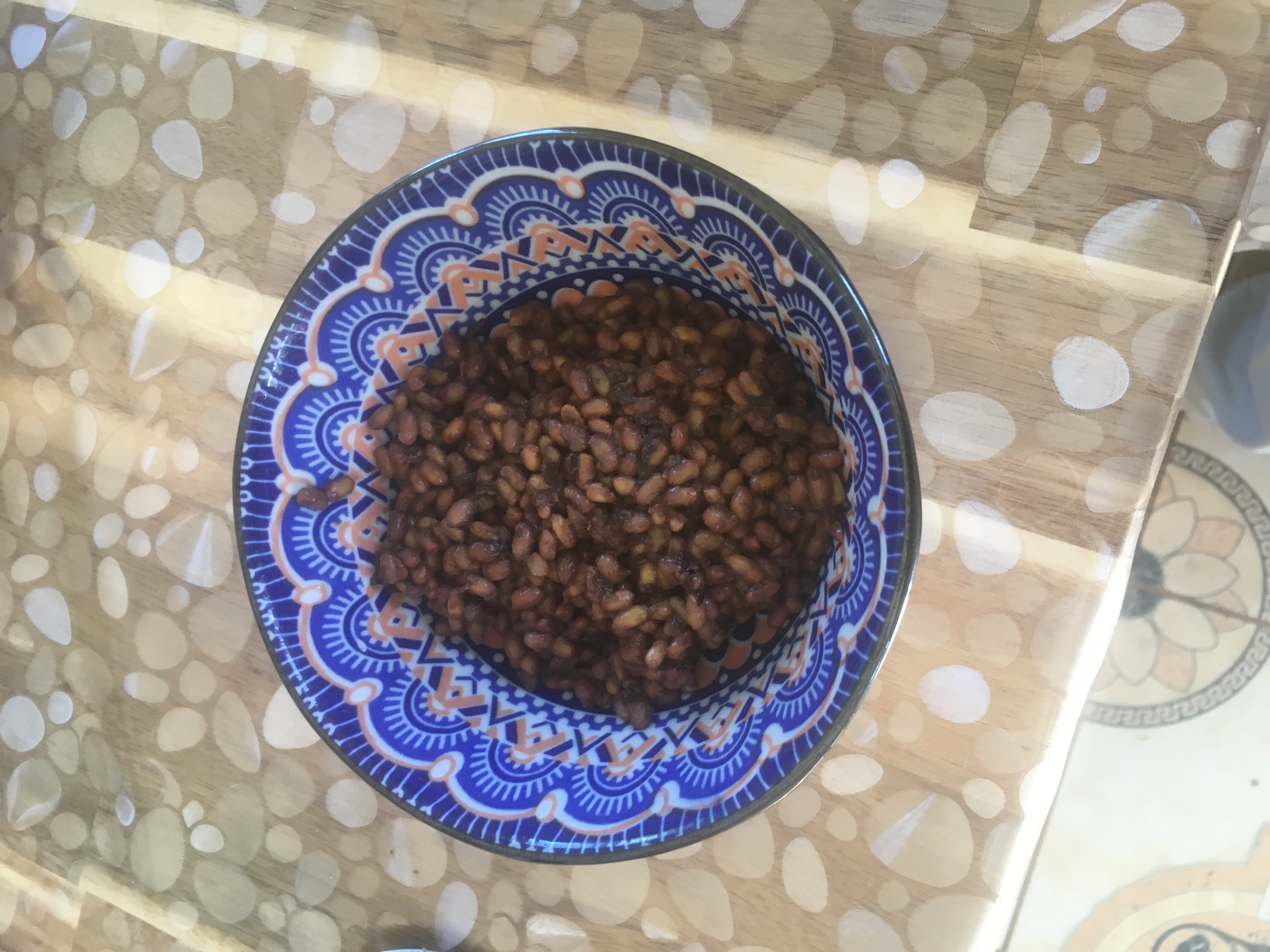
First batch cooked and eaten today. I’m not gonna lie; it wasn’t exactly a delicacy, but that’s probably because I’m not at all good at cooking beans (it really wasn’t bad. I could eat these beans every day, as a staple, especially if cooked by someone who knows how.). I soaked the beans all night, then drained them and boiled in the morning, drained them again, then simmered them over low heat with a cut up clove of garlic, a bay leaf, a pinch of tea leaves and some salt. I’m still alive, and expect to remain so. :) Thus far, I have no symptoms of poisoning.
I am so excited to follow this! Beans on their own would never be a delicacy. But if they are edible they could be included in soups, chili, and the like. Please keep sharing!
I thought the same, Kate! I can't imagine being excited to eat a bowl of plain peas or beans like that, either. But cooked up in a nice flavorsome stew with other veggies - yum!
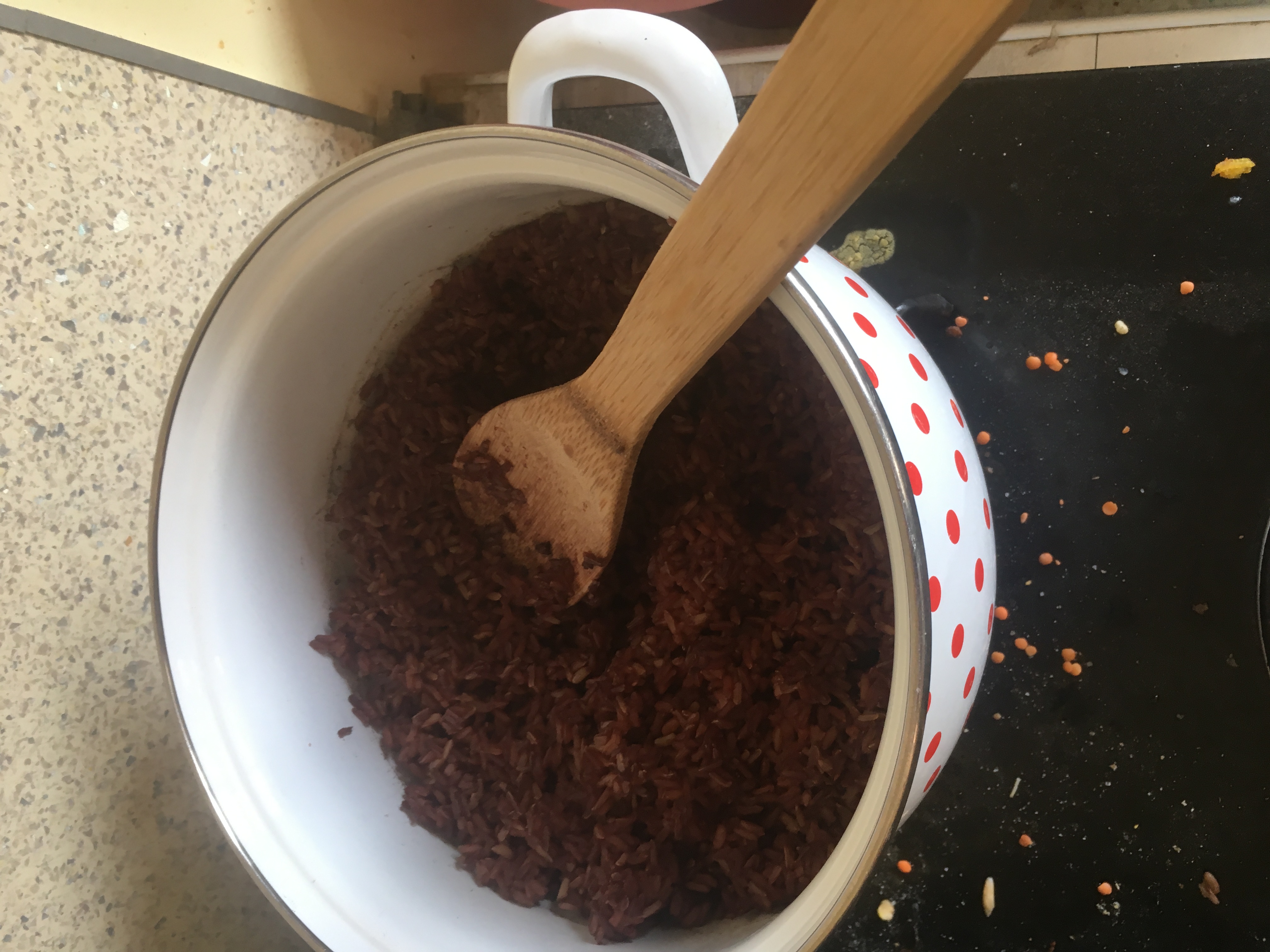
Today, I seasoned with red onion and a little salt, and put in the salt later, so the beans ended up softer. I ate them with red rice, to make complete proteins. I actually liked it! This food is just like any other pulse. Use it like a bean in recipes.
Whoops! I forgot to take a picture of the empty container. You get the idea, though.
Okay Myron, I'm in. I set out a sheet under some bushes yesterday (they were all popping) and then also took an hour to collect pods by hand. I am going to compare the efficiency of each method. We have a long row of caragana here as a wind break on the farm so seeds abound.
I left the ones I picked in a pillowcase on the sundeck this morning to help them pop without them jumping all over the place.
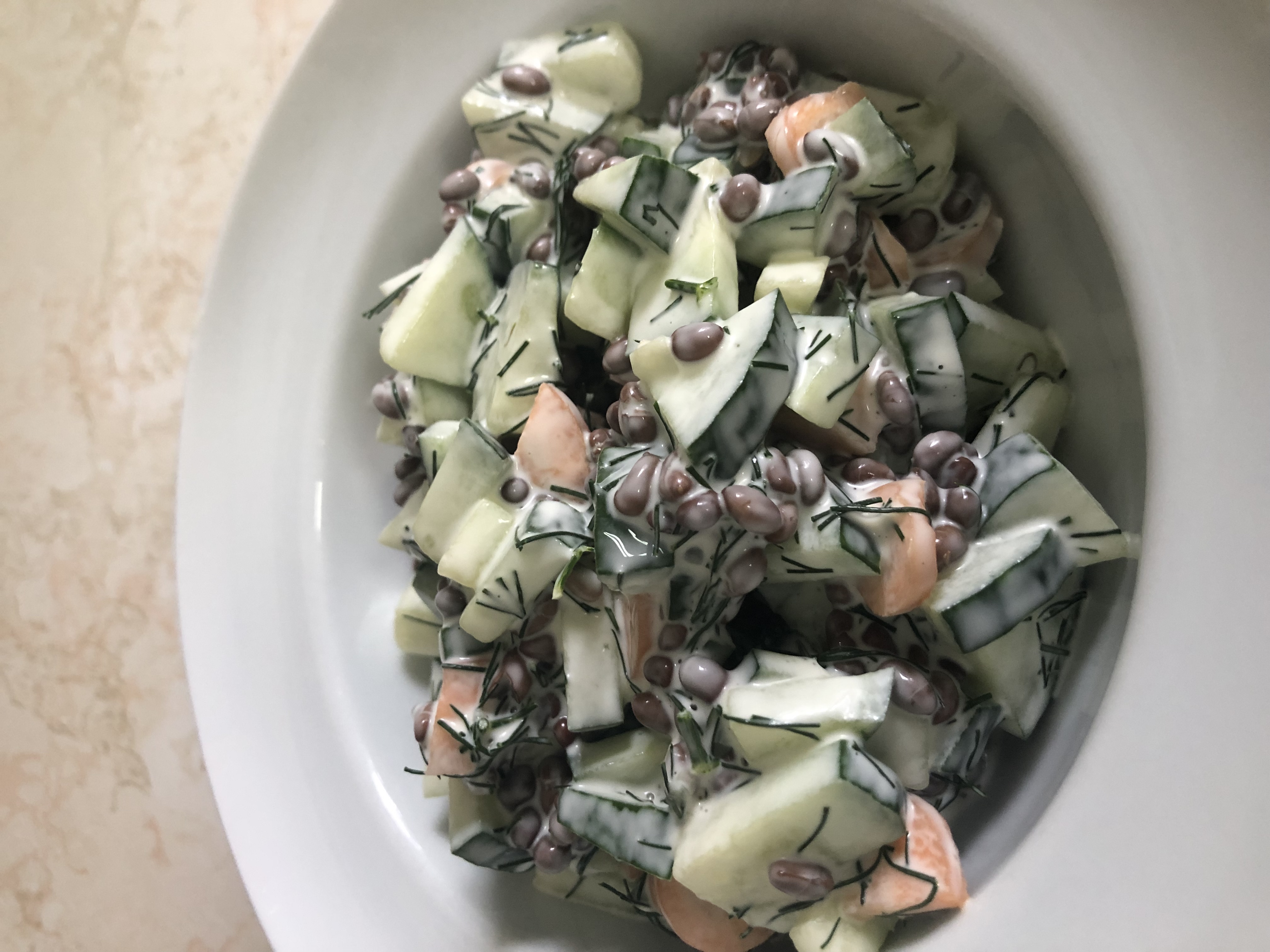
I'll wait another week to see how your tummy is and then have you adventurous chef of a sister substitute in the seeds for lentils in some kind of summer salad.
Awesome, Kate! I don’t have the ability to grant apples, so here’s some pie! Let us know how the sheet method works for you. Here, the pigeons would just eat everything.
Thanks so much for doing and sharing this ongoing experiment.
I've found that I tend to have less issues with gas if after the soaking and draining of water I cook my beans in a pressure cooker. I've been doing them in my Instapot for about a hour. My understanding is also that as one eats beans more often you develop the gut microbes that are better able to digest them and thus get less of the gas issue. I have noticed this too thankfully. Any type of dried bean used to be an explosive proposition with me! Now I do eat them regularly without much issue.
I don't know that I have any Siberian Pea Trees growing around me, but I may have to see if can grow here. I'm thinking of doing a similar experiment with wild sweet peas (Lathyrus latifolius) which some say are poisonous and others list as edible. So far I've found them edible as pea shoots and very young pods, but have yet to try cooking and eating the dried peas. I've started gathering pods to do so though.
Im super happy you’re doing this experiment and letting us all know!
I harvested a bunch last year and was unsure if we could eat them, so I tried feeding them to the chickens. Raw or soaked and they really didn’t seem interested. Never tried cooking them though. Or I could powder them and mix them with fermented feed for them, that would probably disguise them enough!
As for harvesting and shelling, I’ll tell you what worked really well for me:
Wear a yogurt container like a necklace (so you can pick with both hands) and pick as many as you can. I was stripping handfuls off of a branch at a time. Make sure the pods are ripe (exploding all around you) when you’re picking. Then, dump all the pods into a large tupperware or something similar, cover with a towel, and set out in the hot sun. I put it on our blacktop driveway. The heat will burst pods open sending the seeds everywhere. The towel keeps them from leaving the container but lets everything breath and lets moisture escape. Move the container inside after the sun goes down or if its cold or rainy. This only took maybe 3-4 days for about 90% of the pods to shell themselves. Then, you just have to sort, which can be made easy with the right size strainer.
The time is right, so maybe I’ll pick some soon and try eating them ourselves. I would love a nutritious perennial food source right at home!
Scientists, mostly in India, where chickling vetch is widely eaten in excess during famines, have determined that a diet of about 30 percent L. sativus sustained for 3 months or more will probably give you lathyrism — if you are susceptible to it at all. Most people aren’t. “In contrast,” the study showed, “subsistence on a varied diet containing grasspea is apparently harmless, particularly when such a diet includes animal products.”
The best work by a forager on wild peas done to date was in 2004 by my colleague John Kallas of Portland. Nowhere could Kallas find any documented evidence of human poisoning from wild peas. Ultimately, he came to the same conclusion I did: That eating small amounts of wild peas is perfectly safe — so long as you are not allergic to them, and allergies are something no one can predict. “Remember that no food plant in the world today can guarantee 100 percent freedom from any harm, under all circumstances,” he said.
Personally I'm left at thinking that as long as these aren't the staple of my diet it's fine. I'm not sure if the Siberian Pea Tree has the same issues.
Scientists, mostly in India, where chickling vetch is widely eaten in excess during famines, have determined that a diet of about 30 percent L. sativus sustained for 3 months or more will probably give you lathyrism — if you are susceptible to it at all. Most people aren’t. “In contrast,” the study showed, “subsistence on a varied diet containing grasspea is apparently harmless, particularly when such a diet includes animal products.”
The best work by a forager on wild peas done to date was in 2004 by my colleague John Kallas of Portland. Nowhere could Kallas find any documented evidence of human poisoning from wild peas. Ultimately, he came to the same conclusion I did: That eating small amounts of wild peas is perfectly safe — so long as you are not allergic to them, and allergies are something no one can predict. “Remember that no food plant in the world today can guarantee 100 percent freedom from any harm, under all circumstances,” he said.
Personally I'm left at thinking that as long as these aren't the staple of my diet it's fine. I'm not sure if the Siberian Pea Tree has the same issues.
My gut feeling says, probably not, but who cares about my gut feeling? Oh, wait, that's what this test is about. After all, my gut is more informed about this than anyone I know! XD
I was a little late starting the soak, today, so I didn’t end up eating the beans until after midnight. Guys, I’ve got an idea. What if you collected and concentrated the soak water from saponin-containing beans? Could you use this as soap for dishes, laundry, etc.? I think you could.
I often have a very lightly soaped basin in the garden or shop, to help dissolve tenacious goo (a touch of oil, spruce sap, sticky plant sap). I then give a quick rinse in clean water and carry on. Perhaps your soak water would serve?
My part in this experiment is officially ended, for the year. I declare it a success. Slight gas that could have happened without eating any beans and went away almost immediately remains the only symptom. Sorry I didn't keep the experiment going for longer; I have seeds left, but I want to use them for planting.
Here they are just finishing drying in a pillow case and popping open. I am going to post pictures that compare what I got from laying a sheet vs picking. I am away for a few weeks now but there WILL be results posted when I've had a chance to eat them. I am so excited that they worked for you! Thanks for the bravery!
Hi all! I am terrible at posting good pictures, but wanted to provide the update. I used the caragana in chilli! It was great! I cooked the I’m an instant pot without soaking for 3 mins (like mung beans). They had a really nice flavour- quite nutty and not bitter at all. No negative consequences to report. Thanks Myron for getting me going on this. We’ll harvest in full effort in 2022 and this will likely be a staples for us going forward.
Myron, here is a caragana and carrot top tabouleh I made this afternoon. I cooked the caragana seeds in my instant pot, then used carrot tops and parsley for the greens. Added diced tomatoes, carrots, and onion. Oil and lemon and garlic dressing. It’s great!
Kate McKae wrote:Myron, here is a caragana and carrot top tabouleh I made this afternoon. I cooked the caragana seeds in my instant pot, then used carrot tops and parsley for the greens. Added diced tomatoes, carrots, and onion. Oil and lemon and garlic dressing. It’s great!
Wow! That’s beautiful, and sounds delicious. I miss caragana beans. This summer I’m on a very long involuntary trip, so I can’t do the foraging that I want to. What methods worked best for you in terms of collecting and shelling? What kind of yield are you getting per bush?
I picked the caragana pods just b fire they were fully dry, then left them in a pillowcase in the sun to burst open over a few days. I had also left a sheet under some last year to catch the seeds when the pods burst naturally but want satisfied with the yield, though it’s FAR less labour intensive.
I have a quarter mile windbreak of caragana on my land and it grows abundantly in our area. I could never pick it all and I haven’t thought to keep track of yield. What I have seen is some bushes are laden with pods while others have hardly any. This is a good food when one wants a relaxing day picking pods in the sun.
I hope your season takes you where you want to be!
I grew up with caragana bushes as farm hedgerows. I noticed the bees go crazy on the flowers, and as as kids we played with the pods, but never considered if they were edible.
I have done a survey around my new locale, and there's no indication that the existing stands are invasive. In a sandhill, you have to be careful, because everything is different. So I'll be adding a few to some "already disturbed soil" corners on my property.
I know this is an old thread, but I would like to draw your attention to some scientific studies that suggest that peas from the Siberian Pea shrubs (Caragana arborescens) may not be the best legume to add to your plate as a staple food.
Firstly, the peas from the Siberian Pea shrub contain a significant amount of the toxic amino acid arginine analogue L-Canavanine, according to the following article:
"Colutea arborescens, Caragana arborescens, Vicia gigantea, Robinia pseudoacacia and Wisteria floribunda, representative of many prolific canavanine producers, store from nearly 6 to 13% canavanine by dry weight" -- L-Canavanine: a higher plant insecticidal allelochemical, Amino Acids. 2001;21(3):319-30. doi: 10.1007/s007260170017, temporary link to the content of this article.
Secondly, this interesting article investigated the death of Chris McCandless in 1992 established the possibility of L-Canavanine toxicity, which was likely exacerbated by McCandless's state of malnutrition. Also, it describes reports of symptoms similar to systemic lupus erythematosus in monkeys and humans that consumed L-Canavanine in low concentrations (2 wt% of diet for the monkeys). -- Presence of L-Canavanine in Hedysarum alpinum Seeds
and Its Potential Role in the Death of Chris McCandless, Wilderness & Environmental Medicine. 2015;26:36-42.
Thank you for the concern! I’ve been looking into this. L-cavanine is water soluble, so soakage should decrease the quantity of l-cavanine present. Also in this article: https://www.beyondveg.com/tu-j-l/raw-cooked/raw-cooked-1g.shtml under “alfalfa” l-cavanine is discussed, and apparently pressure cooking neutralizes the l-cavanine toxicity in alfalfa.
This article says under “edibility” that the seeds of this plant (wisteria floribunda, one of those mentioned as containing canavanine) are poisonous until cooked. Maybe that’s canavanine content, maybe something else.
I am having trouble finding any information about the degradation of canavanine. How hot does it need to get to degrade?
The main questions I have are: will the leaching remove l-canavanine, how much heat do you need to destroy l-canavanine, and at what point is it dangerous? Is it more like apple seeds, which are basically harmless, or is it more like a culminative poison, which slowly destroys you from the inside?
The amino acid canavanine is a potentially toxic constituent of leguminous seeds. The aim of the present study was to determine the ability of different processing methods to reduce canavanine in sword beans (Canavalia gladiata). For this purpose a method for the detection and quantification of canavanine was developed using reversed-phase high-performance liquid chromatography of the dabsylated derivatives. The recovery of canavanine using this method was 88–91%. Optimum extraction of canavanine from raw and processed beans was obtained by addition of hot water prior to overnight soaking. The results obtained with this method agree well with previously published values for raw seeds. The method is sensitive, specific and can successfully be applied to the detection of canavanine in legumes.
Overnight soaking and boiling in excess water followed by decanting gave the most pronounced reduction in canavanine content (around 50%), followed by boiling and decanting excess water (34%). Roasting as used in this study and autoclaving were less effective in reducing the canavanine content.
The extent to which dietary canavanine exerts its antinutritional effect is not fully established. However, the antagonistic activity is observed only at low arginine concentrations (Swaffar et al., 1994).
This is for sword beans. Assuming caragana is the same as sword beans in this case, a hot water soak followed by decanting and a second hot water soak that you let sit all night and then decant and then add fresh water and boil is probably sufficient. I agree that you should be getting protein from multiple sources.
This has been a very interesting thread. I have saved myself too much reading because one of the pups got into last years pillowcase full of beans and they were all scattered. Since then I have decided to leave the bean behind as it took hours to pick these and I'd get a similar yield in weight to one bush bean. It was a fun experiment! My husband did say that these upset his stomach and that has affected my willingness to use them as well.
The hunt for a meaningful wild cold hardy protein continues...
Canavanine seems fascinating.
It seems too slow acting to be effective against mammals or even adult insects but I wonder if we can use it as a pesticide against fast growing insect larva.
The amaranth I plant gets skeletonized by something, while the lambs quartets are untouched.
I wonder if a spritz of Siberian peashrub water would help.
Post by:autobot
Live a little! The night is young! And we have umbrellas in our drinks! This umbrella has a tiny ad: