|

|

|

|

|

|
|
|
|
|
|
|
|

|
|

|

|

|


 6
6


- Tim's Homestead Journal - Purchase a copy of Building a Better World in Your Backyard - Purchase 6 Decks of Permaculture Cards -
- Purchase 12x Decks of Permaculture Cards - Purchase a copy of the SKIP Book - Purchase 12x copies of Building a Better World in your Backyard


 7
7
The First Axiom of Life: Don’t do dumb things.
12

How permies.com works
What is a Mother Tree ?


 8
8


 10
10

How Permies works: https://permies.com/wiki/34193/permies-works-links-threads
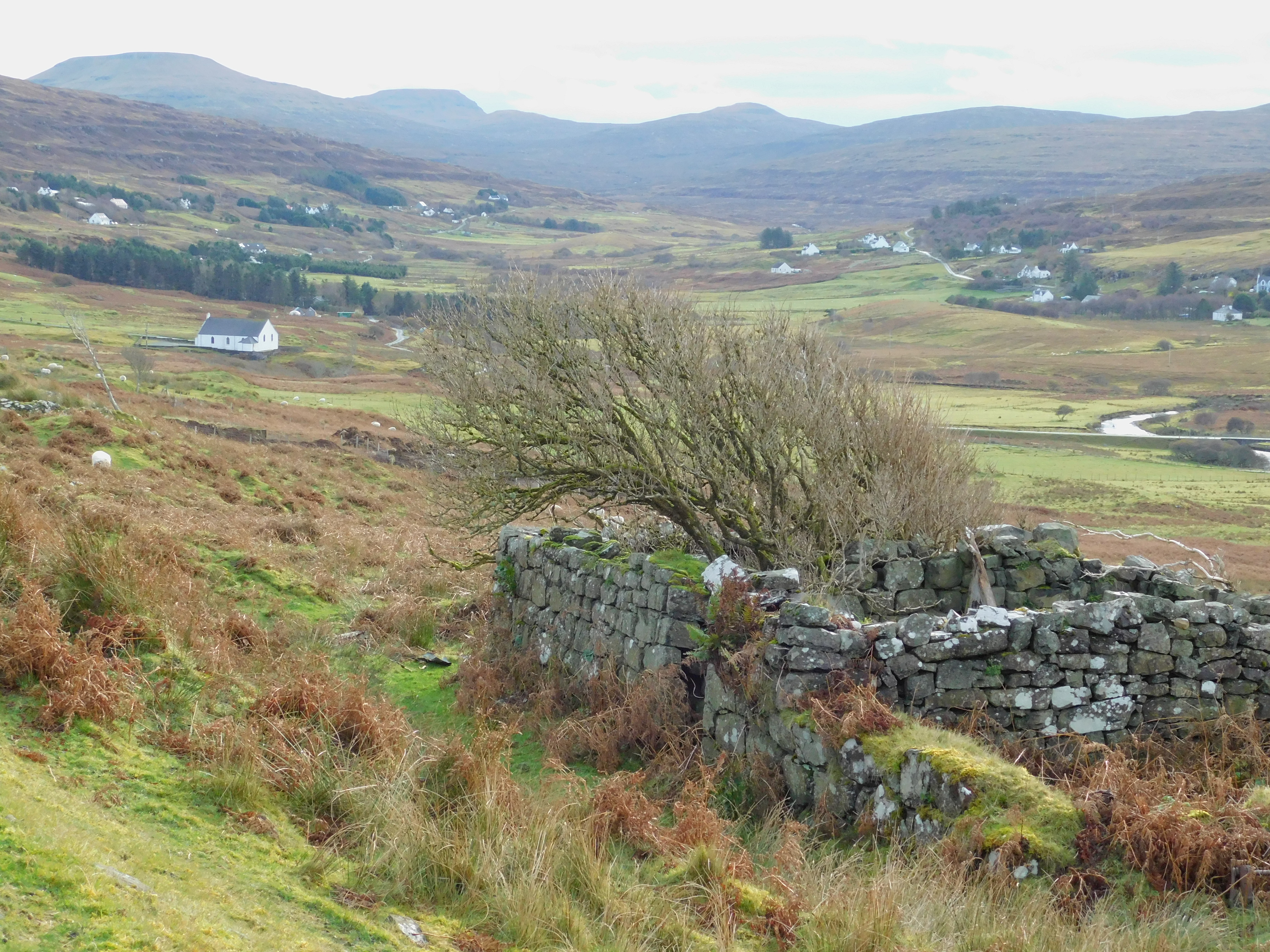
My projects on Skye: The tree field, Growing and landracing, perennial polycultures, "Don't dream it - be it! "
5
The First Axiom of Life: Don’t do dumb things.
8
7
“The most important decision we make is whether we believe we live in a friendly or hostile universe.”― Albert Einstein
6
Best luck: satisfaction
Greatest curse, greed
2
John Weiland wrote:... That said, I have not given up on the possibility of a vertical-axis wind turbine of sorts that could be lower to the ground and yet take advantage of the very turbulent winds that blow through the farmyard, especially in winter with the wind-break more 'porous'. So it appears that a judicious use of microclimates may be a good consideration for windy locations.
Visit Redhawk's soil series: https://permies.com/wiki/redhawk-soil
How permies.com works: https://permies.com/wiki/34193/permies-works-links-threads

 1
1
Jay Angler wrote:
John Weiland wrote:... That said, I have not given up on the possibility of a vertical-axis wind turbine of sorts that could be lower to the ground and yet take advantage of the very turbulent winds that blow through the farmyard, especially in winter with the wind-break more 'porous'. So it appears that a judicious use of microclimates may be a good consideration for windy locations.
They are doing a lot more innovating and researching on "non wing wind turbines" designed to be quieter, safer, and more tolerant of inconsistent winds. I am really hoping that at least some of the ideas will turn out to be viable at the home level, as we have 3 months when there's more wind and very little sun - the solar panel gap that can't be bridged with short cycle batteries the way the day/night cycle can be.
I think your point about "too much wind break" is valid also. The more recent literature I've read is often recognizing the benefits of "slowing" the wind, rather than completely diverting it.
Best luck: satisfaction
Greatest curse, greed

|
I'm still in control here. LOOK at this tiny ad!
Own 37 Acres in AZ - good water wells - 44% discount, only $22k!
https://permies.com/t/96159/Acre-site-Northwestern-AZ-sale
|