|

|

|

|

|

|
|
|
|
|
|
|
|

|

|

|

|

|


 29
29


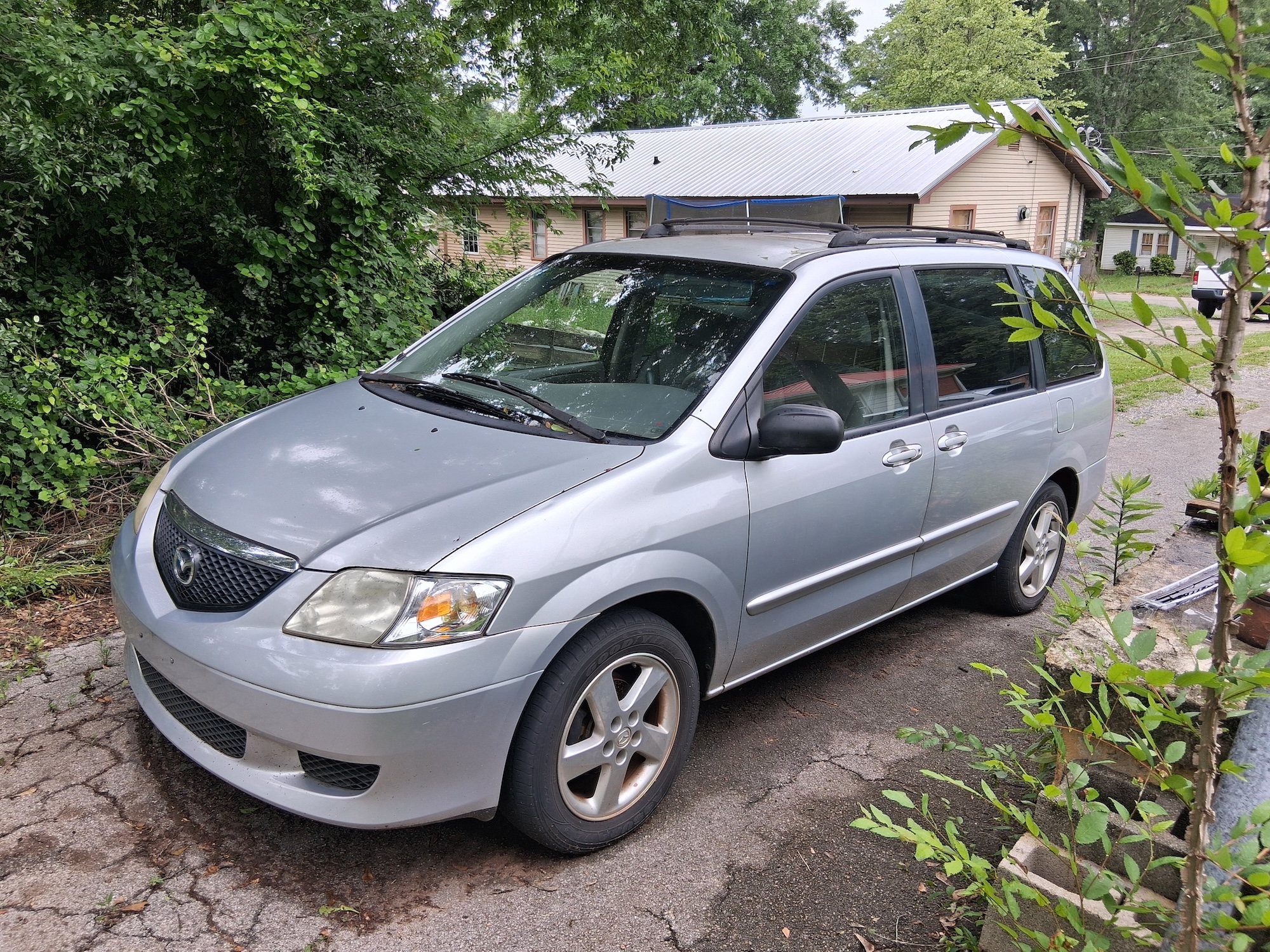
I wish auto-correct would fix my car.
 14
14
Leaftide - garden planner w/ 1228 plant types. Need permaculture testers for fruit trees & perennials. Free Pro month for detailed feedback, even just suggesting plants
19
16
Gardens in my mind never need water
Castles in the air never have a wet basement
Well made buildings are fractal -- equally intelligent design at every level of detail.
Bright sparks remind others that they too can dance
What I am looking for is looking for me too!
 18
18
Visit Redhawk's soil series: https://permies.com/wiki/redhawk-soil
How permies.com works: https://permies.com/wiki/34193/permies-works-links-threads


 19
7
19
7
Alder Burns wrote:I've often mentioned this very idea as a comment to people who are building (or buying!) elaborate solar (or otherwise) dehydrators. I once spent weeks building one of these, and it successfully dehydrated nothing! In addition to a vehicle...the attic space of many houses, and any unused greenhouse or cold frame in the summer are viable alternatives. The old greenhouse at the farm I used to live at, shut up and with a fan running on the screens, is how I know that a whole goat, boned out and sliced into small slivers, will fit into six quart jars when dried down! Now, I regularly get sliced tomatoes snap dry in my attic...
8
Kathleen Sanderson wrote:
Alder Burns wrote:The old greenhouse at the farm I used to live at, shut up and with a fan running on the screens, is how I know that a whole goat, boned out and sliced into small slivers, will fit into six quart jars when dried down!
I'm curious about the dried goat meat, since your climate shouldn't be too terribly different from ours in south-central KY - does dried meat keep well? I've worried about it drawing moisture and getting moldy. (I have goats - and also two chest freezers, but I'd like to keep some meat in ways that don't require electricity, in case the power goes out. I could can some of the meat, and have done, but wondered if drying it would work here.)
Blazing trails in disabled homesteading
5
Matthew Nistico wrote:
Kathleen Sanderson wrote:
Alder Burns wrote:The old greenhouse at the farm I used to live at, shut up and with a fan running on the screens, is how I know that a whole goat, boned out and sliced into small slivers, will fit into six quart jars when dried down!
I'm curious about the dried goat meat, since your climate shouldn't be too terribly different from ours in south-central KY - does dried meat keep well? I've worried about it drawing moisture and getting moldy. (I have goats - and also two chest freezers, but I'd like to keep some meat in ways that don't require electricity, in case the power goes out. I could can some of the meat, and have done, but wondered if drying it would work here.)
What is jerky if not dried meat? I know the process for making jerky is slightly more complicated than that, but not much.
Given the climate and the dehydrating technology, I'd worry about the total drying time required. Raw meat is something you'd want to dry quickly, not over several days. I'd want to keep the windows of my PVD closed to keep flies off of the meat, but that also restricts air flow. Hence Alder Burns' mention of using a fan, I'm sure. I'd also be very curious to read about Alder Burns' experience with this.
If one is already cutting meat into small enough pieces to be dehydrated - i.e. jerky slices - vacuum sealing the dried product in glass mason jars would be an excellent solution for long term storage without absorbing moisture out of the atmosphere. A Food Saver with an accessory attachment + a jar sealing kit + some large mason jars is a modest investment that would do very well for preserving jerky... and any and all other dry goods! I love mine, and I use the jar sealer far more often than the main plastic bag sealing function. Compared to the plastic bags, mason jars for vacuum sealing dry goods are infinitely reusable and work more reliably in my experience. Fairly large mason jars exist, and I have found that acquiring free, used mason jars is definitely possible if you scan the interwebs often.
Salt curing and smoking meats are also tried-&-true refrigeration-free methods for preserving meat. There will be copious information available online for both techniques. Plus, you can salt and smoke larger chunks of meat, up to and including whole joints; you don't have to process everything down to jerky-sized slices.
9
![[Thumbnail for dashboarddehydration.jpg]](/t/373477/a/290322/dashboarddehydration.jpg "Filename: dashboarddehydration.jpg
Description:")
![[Thumbnail for crackwindowdehydration.JPG]](/t/373477/a/290323/crackwindowdehydration.JPG "Filename: crackwindowdehydration.JPG
Description:")
![[Thumbnail for rooftopdehydration.jpg]](/t/373477/a/290324/rooftopdehydration.jpg "Filename: rooftopdehydration.jpg
Description:")
![[Thumbnail for dehydratedfruitjars.jpg]](/t/373477/a/290325/dehydratedfruitjars.jpg "Filename: dehydratedfruitjars.jpg
Description:")
![[Thumbnail for dashboarddehydrationtowels.jpg]](/t/373477/a/290326/dashboarddehydrationtowels.jpg "Filename: dashboarddehydrationtowels.jpg
Description:") 8
8
gardener, homesteader
5
Kit Collins wrote:I'm skeptical about sunlight UV being bad for fruit. Can't get much more natural than sunlight. Would like to see actual science on those claims. Plus, it would just be MUCH more difficult to dehydrate passively without direct sun, so if there was a small tradeoff in some vitamins, it would still be worth it. KISS!
Blazing trails in disabled homesteading
5
But as for the quote above, I am baffled by your logic.
4
Kit Collins wrote:
But as for the quote above, I am baffled by your logic.
Matthew, basically for me it's a matter of keeping things simple. I guess I've made things too complicated in the past and I'm reformed now! Natural and simple is generally better; complicated and artificial is generally not as good. That's become a matter of faith for me, but I'm still willing and quite able to read actual science. It's just that I haven't actually seen a study on the "science of nutrition in fruit dehydration" yet. From my experience doing it, it occurs to me that it is nearly impossible to do dehydration in a low-tech manner without sun/UV exposure. It would only be possible in the hottest, most arid locations. So logically, it is very likely that the "ancients" would have typically dried fruit (and other food) with direct sun. Seems like they did OK with it too. So I'm not worried at all about it.
Blazing trails in disabled homesteading
8
6
6
I wish auto-correct would fix my car.
2
Yeardly Arthur wrote:Car windshields (front) and sunroofs block around 98% of all UV light (UVA and UVB). Side and rear windows vary, blocking most UVB, and 40 to 70% of UVA.
The roof tends to block 100% of all solar radiation, but does a good job of holding in the heat through thermal transfer and convection.
Blazing trails in disabled homesteading

|
If you try to please everybody, your progress is limited by the noisiest fool. And this tiny ad:
Heat your home with the twigs that naturally fall of the trees in your yard
http://woodheat.net
|