• Post Reply Bookmark Topic Watch Topic
  • New Topic
permaculture forums growies critters building homesteading energy monies kitchen purity ungarbage community wilderness fiber arts art permaculture artisans regional education skip experiences global resources cider press projects digital market permies.com pie forums private forums all forums
this forum made possible by our volunteer staff, including ...
master stewards:
  • Carla Burke
  • Nancy Reading
  • John F Dean
  • r ransom
  • paul wheaton
  • Jay Angler
  • Timothy Norton
stewards:
  • Pearl Sutton
  • Tereza Okava
  • Nicole Alderman
master gardeners:
  • Christopher Weeks
gardeners:
  • M Ljin
  • Megan Palmer
  • Pete Podurgiel

Would I Regret Planting Thistle?

 
Steward of piddlers
Posts: 8298
Location: Upstate New York, Zone 5b, 43 inch Avg. Rainfall
4960
monies home care dog fungi trees chicken food preservation cooking building composting homestead
  • Likes 10
  • Mark post as helpful
  • send pies
    Number of slices to send:
    Optional 'thank-you' note:
  • Quote
  • Report post to moderator
I was watching a Goldfinch fluttering around my flower gardens earlier last week and I ended up going down a rabbit hole all about their preferred foods. This led to me thinking about intentionally planting some milk thistle down at the base of a hill I have that is kind of a no-mans land, it is rocky and contains just a handful of non-descript plants.

I haven't dealt with the thistle family that much except the random bull thistle volunteer so I'm not sure what to expect. Are they a great addition in the distance or will I have to consistently work at containing them?

Thanks in advance
 
pioneer
Posts: 280
Location: Wisconsin Zone 5a
111
cat forest garden chicken building medical herbs wood heat
  • Likes 6
  • Mark post as helpful
  • send pies
    Number of slices to send:
    Optional 'thank-you' note:
  • Quote
  • Report post to moderator
That is a thought. Thistles are the one plant we work hardest at removing from the garden. You are not planning on planting them in a garden though... Natives are a great addition to your land. Thistles are cool in their own way, bring edible and a pollinator. I think if I did a butterfly garden, they would fit right in. I will be curious to see what you decide.
 
master pollinator
Posts: 5992
Location: Canadian Prairies - Zone 3b
1801
  • Likes 11
  • Mark post as helpful
  • send pies
    Number of slices to send:
    Optional 'thank-you' note:
  • Quote
  • Report post to moderator
It would be wise to consult your state's list of noxious weeds/ prohibited plants. This could prevent a few headaches. Some thistle species are incredibly invasive and very hard to control, and in many instances impossible to remove.

When you drive/walk around the area, do you see this plant being aggressive or dominating?

I find that goldfinches will actively harvest everything from dandelion heads to sunflowers, which they are crazy about. Nobody blinks an eye at these habitat plants. And they feed your pollinators too. My 2c.
 
gardener
Posts: 1285
Location: France, Burgundy, parc naturel Morvan
662
forest garden trees food preservation medical herbs building woodworking
  • Likes 6 Likes 3
  • Mark post as helpful
  • send pies
    Number of slices to send:
    Optional 'thank-you' note:
  • Quote
  • Report post to moderator
Common teasle is known to provide seeds to finches as well. AI came up with sunflower, echinacea, milk thistle, asters goldenrod, but also nigelle , amaranth, millet and hemp agrimony trees like birch, alder and elderberry. It gave a tip plant in dense clusters which is true. We won't need Permies anymore soon!
 
steward
Posts: 19664
Location: USDA Zone 8a
4939
dog hunting food preservation cooking bee greening the desert
  • Likes 4
  • Mark post as helpful
  • send pies
    Number of slices to send:
    Optional 'thank-you' note:
  • Quote
  • Report post to moderator
Thistle is a beloved flower though I don't let them live around my house.

This year, I dug up hundreds though the ones I usually let live, like on the fence line did not come back.

If I wanted to plant for goldfinch, I would plant something else.
 
gardener
Posts: 1962
Location: Zone 9A, 45S 168E, 329m Queenstown, NZ
1189
dog fungi foraging chicken food preservation cooking fiber arts
  • Likes 8
  • Mark post as helpful
  • send pies
    Number of slices to send:
    Optional 'thank-you' note:
  • Quote
  • Report post to moderator
Having spent years digging out thistles from my plot at the community garden, it would be a resounding yes you will definitely regret planting it from me.

Do globe artichokes grow in your climate? They have thistle like flowers and chooks love the seed heads. Of course you can eat them yourselves too.

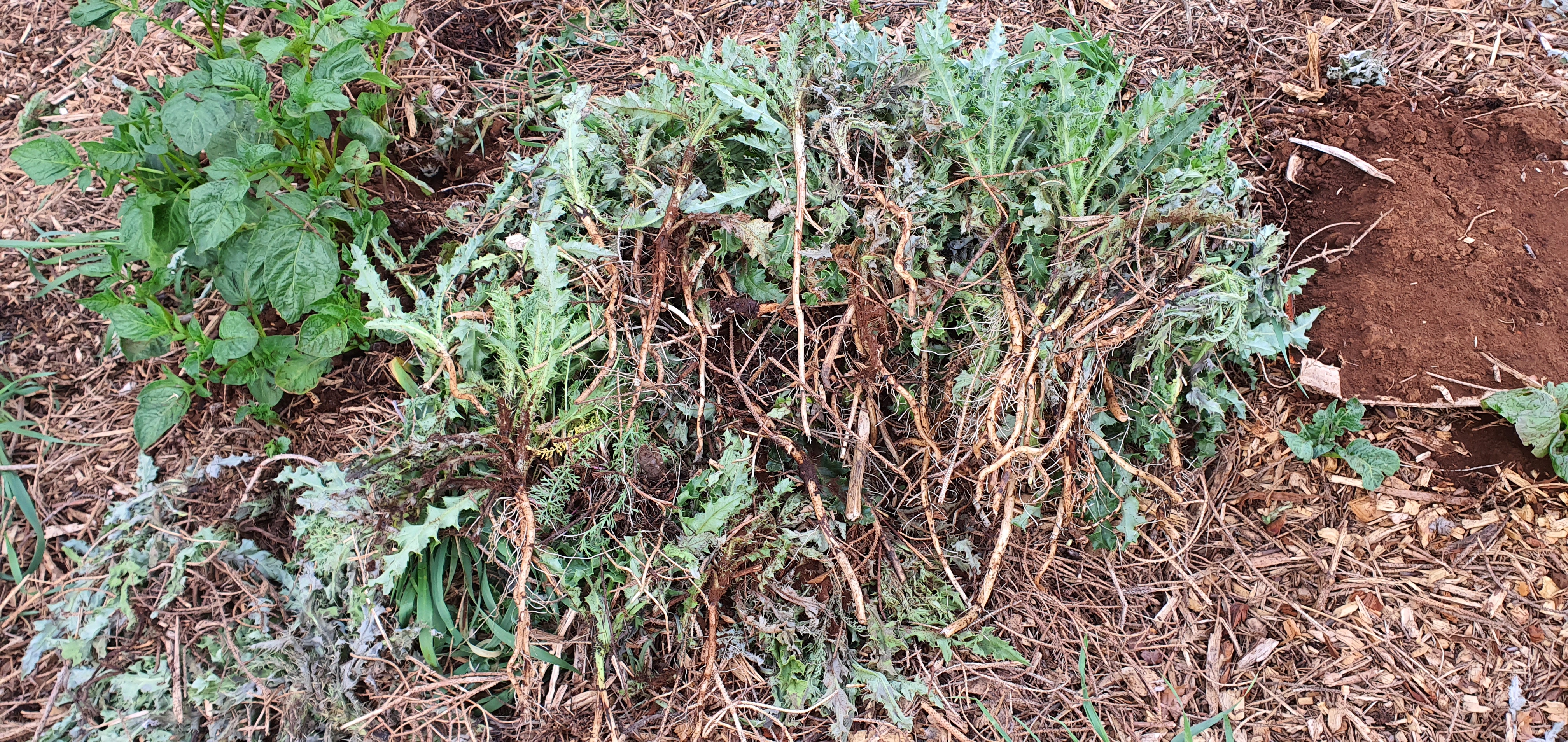
edited to add a photo of just one session of pulling up unwelcome thistles.

Seven years later they're still here - seeds get carried from neighbouring plots by the wind and birds despite my whacking the heads off any flower heads that I spot.

20191107_082654.jpg
the results of just one session of thistle removal
 
master pollinator
Posts: 2210
Location: Ashhurst New Zealand (Cfb - oceanic temperate)
791
duck forest garden fungi trees chicken cooking solar sheep wood heat woodworking rocket stoves
  • Likes 10
  • Mark post as helpful
  • send pies
    Number of slices to send:
    Optional 'thank-you' note:
  • Quote
  • Report post to moderator
We have a couple of species of thistle that always pop up in the paddocks, thanks to the profusion of seeds that they disperse in the wind. If I see "California" thistle (Cirsium arvense, also called Canadian, but it's neither...actually native to the Eurasian steppes) I destroy it with prejudice. This stuff is nasty, a perennial with a habit of sending roots up to ten metres long to shoot up new plants in clumps. Scotch thistle, or Cirsium vulgare, gets a reprieve and I allow these to grow until they flower and attract bumblebees, but chop and drop before they set seed. They have a nice deep taproot that hauls up lots of subsoil minerals, and I like their spiky, punk aesthetic. When I chop them and they wilt, the prickles lose their stiffness and the sheep will often eat them a couple of days later.
 
master gardener
Posts: 6933
Location: Carlton County, Minnesota, USA: 3b; Dfb; sandy loam; in the woods
4360
8
forest garden trees books chicken food preservation cooking fiber arts seed woodworking homestead ungarbage
  • Likes 12
  • Mark post as helpful
  • send pies
    Number of slices to send:
    Optional 'thank-you' note:
  • Quote
  • Report post to moderator
I brought a bunch of thistle seed onto my property inside organic haybales that I use in the garden. I certainly regret it, though I'm still intent on winning. If I never let them seed, I'll eventually have them, but it's been a few years and they keep coming up - whether from dormant seed or energy-saving roots.
 
master pollinator
Posts: 462
Location: UK
169
kids urban seed
  • Likes 13
  • Mark post as helpful
  • send pies
    Number of slices to send:
    Optional 'thank-you' note:
  • Quote
  • Report post to moderator
The regret usually comes once birds start redistributing the seeds. You plant it at the bottom of the hill and two seasons later it's showing up everywhere. Teasel does a similar job for finches and is a lot easier to pull if it gets where you don't want it.
 
gardener
Posts: 3045
Location: Zone 4b/5a
1813
ancestral skills forest garden foraging composting toilet fiber arts bike medical herbs seed writing ungarbage
  • Likes 11
  • Mark post as helpful
  • send pies
    Number of slices to send:
    Optional 'thank-you' note:
  • Quote
  • Report post to moderator
I would plant milk thistle. I know someone who cultivates it intentionally for medicine, as the seed is good medicine and an antidote to Amanita poisoning. (They may also use it for flower arrangements? I’m not sure.) Silymarin supposedly protects the liver and stimulates the growth of new liver cells, potentially reversing the damage caused by amatoxins which otherwise would lead to liver failure and death. Not only that, the plants are edible and many thistles have tasty roots.

Disclaimer: I am not a doctor and this should not be taken as any kind of authoritative medical advice. Find more reliable sources before putting any great deal of faith into these statements.
 
pollinator
Posts: 1103
Location: Illinois
259
  • Likes 9
  • Mark post as helpful
  • send pies
    Number of slices to send:
    Optional 'thank-you' note:
  • Quote
  • Report post to moderator
I will let the occasional bull thistle grow in my yard. Love the flowers and watching the pollinators. But let it once go to seed and I have thistles all over for several years.

The Canada thistles are nearly impossible to get rid of. I pull them and try to kill them in various ways year by year, uselessly.
 
Douglas Alpenstock
master pollinator
Posts: 5992
Location: Canadian Prairies - Zone 3b
1801
  • Likes 8
  • Mark post as helpful
  • send pies
    Number of slices to send:
    Optional 'thank-you' note:
  • Quote
  • Report post to moderator

Phil Stevens wrote:. If I see "California" thistle (Cirsium arvense, also called Canadian, but it's neither...actually native to the Eurasian steppes) I destroy it with prejudice. This stuff is nasty, a perennial with a habit of sending roots up to ten metres long to shoot up new plants in clumps.


Sad to hear it has infested NZ. I have been at war with this stuff for decades. "We are the Borg ...etc." Some have called me out on this; I stand by my observations.

There are other thistles, annuals, that I happily let grow and coexist. Globe thistles and others that play nice. If the bumblebees like them, I will let them be. Costs me nothing.
 
pollinator
Posts: 136
Location: Mason County, WA USA:Ha; Harstine gravel ashy sandy loam
97
duck rabbit chicken medical herbs bee solar wood heat rocket stoves
  • Likes 10
  • Mark post as helpful
  • send pies
    Number of slices to send:
    Optional 'thank-you' note:
  • Quote
  • Report post to moderator
(From Winnie the Pooh about Tigger)

What shall we do about poor little Tigger?
If he never eats nothing he’ll never get bigger.
He doesn’t like honey and haycorns and thistles
Because of the taste and because of the bristles.
And all the good things which an animal likes
Have the wrong sort of swallow or too many spikes.
But whatever his weight in pounds, shillings, and ounces,
He always seems bigger because of his bounces.


I think of this little poem when I am tromping around on the uncivilized portions of my property that have an enthusiastic distribution of thistles (several varieties - some of which get quite tall) - and all of which are spiky and leave more than their share of scratches and punctures. They might be very happy in your no-man's land!
Thistles.jpeg
[Thumbnail for Thistles.jpeg]
 
Posts: 50
Location: Montana
34
goat cat dog foraging hunting chicken food preservation cooking solar writing wood heat
  • Likes 8
  • Mark post as helpful
  • send pies
    Number of slices to send:
    Optional 'thank-you' note:
  • Quote
  • Report post to moderator
Someone here mentioned, but I'll reiterate that many places have laws against planting invasive weeds. Scottish Thistle (among other plants) are considered noxious and invasive weeds here in Montana. Depending on the laws where you live, you could be fined for planting thistles. Around here, we have tons of knapweed and thistles that crowd out native species. So, if you're in the states, contact your Ag Extension Office and ask what the rules are about planting the thistles you're considering.

Good luck!
 
gardener
Posts: 3946
Location: Western Slope Colorado.
1072
5
goat dog food preservation medical herbs solar greening the desert
  • Likes 10
  • Mark post as helpful
  • send pies
    Number of slices to send:
    Optional 'thank-you' note:
  • Quote
  • Report post to moderator
I’m told bumble bees love thistles.  Are there  native thistles?  

There are only a few thistles I worry about unless they have created a thick stand.  Mostly I don’t mind them if they’re not too close to areas where I spend a lot of time.

A good way to prevent the spread of thistles is to not plow or till or leave areas of disturbed soil exposed.  Thistles need disturbed soil to germinate.

To decrease the population of annual and biennial thistles, cut them off just above ground level.  Digging them out creates a seed bed for the next generation.  If you’ve barely made it and the flowers have opened, there may be enough moisture in the plant to ripen the seeds.  Remove those flowers from the plant.  The plant can be composted without its flower heads, but destroy those flowers that have opened.

I made the acquaintance of “canada thistle” last year.  It’s discussed up thread.  It’s perennial, and sends the new shoots far and wide.  

I was vigilant that summer, removing all shoots as soon as they were visible, depriving the roots of sustenance, and hoping they would deplete their underground stores. Every week I patrolled the places I had removed shoots, and removed the new sprouts.  I spent a couple hours most days!

I decimated 3 limited patches totaling less than an acre, but I think I got here just in time!  They had gone to seed.  

I got permission from my neighbor whose property was supporting a large part of one colony.  That was after she informed me the plant was no big deal.  (Retiree from urban area fulfilling lifetime dream of opulent mountain property). “Would you mind if I pulled them? “

I’m pretty sure they germinate in disturbed soil, so I covered all exposed soil with mulch.

This year I seldom see a single stem.

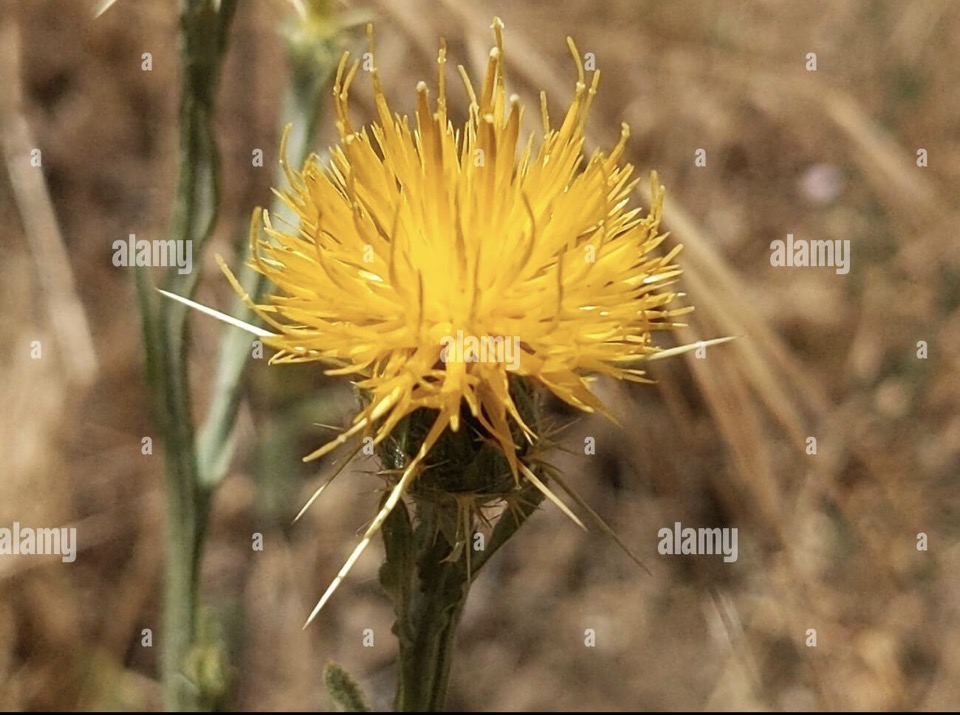
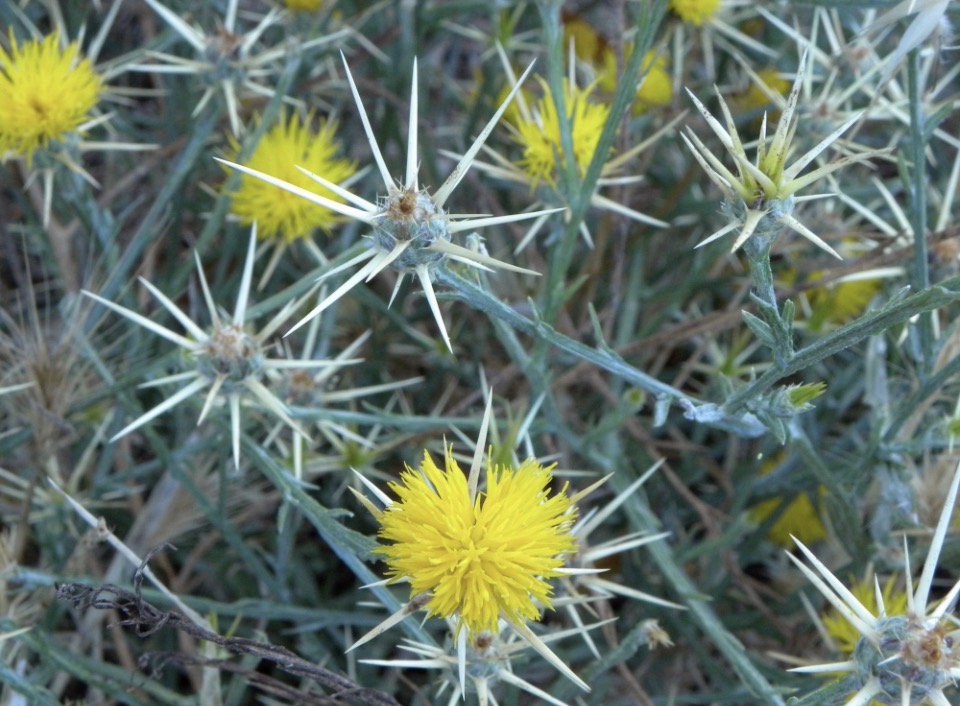
There’s another thistle that deserves mention:  yellow star thistle.  Worth the effort to rid your property of it though it will likely encroach from your neighbor’s place.  Very invasive.  Unfortunately some people “plow it under” which helps it germinate in great numbers next season.  It germinates in disturbed soil.  With yellow star, the seed germinates into a basal rosette, lying flat against the surface of the soil then into a leafy plant.  Only when it blooms does it send up stems with thorns.  It’s good to recognize the early stage.  It’s possible to sever the leaves from the root, there aren’t thorns yet so you can pull it too.  Yellow star thistle is an annual.  It can ripen its seeds from the residual moisture in the plant, so with plants that have gone into flower it’s important to collect the plants and dispose of them in a way that doesn’t allow the seeds to mature.  Many people burn them.

So, depending on the thistle you may or may not regret it.

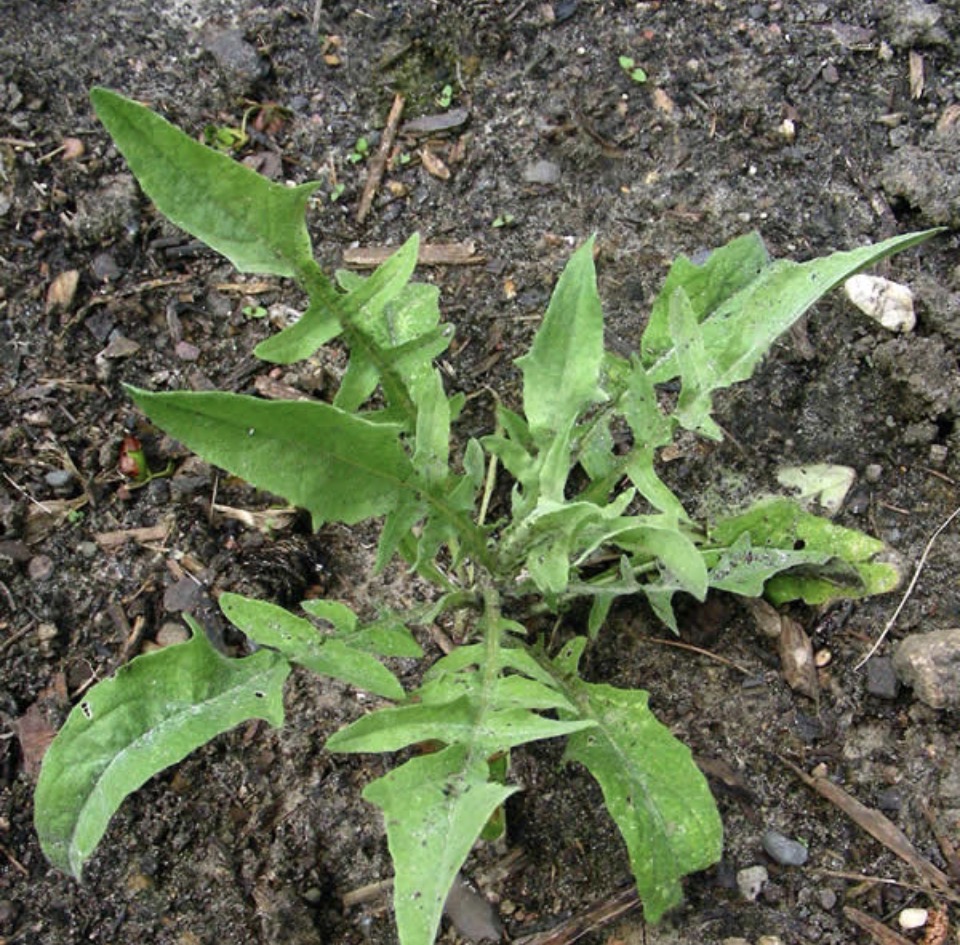
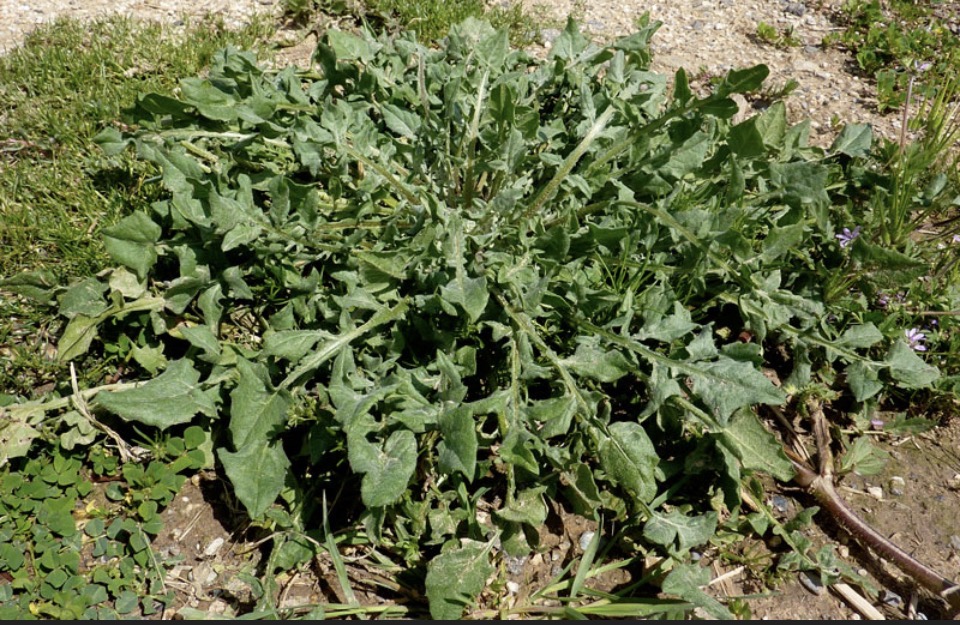
Here are some photos of yellow star.  The flower, the whole plant, and two of the young plant before flowering.
IMG_5465.jpeg
Yellow star thistle flower
IMG_5464.jpeg
Yellow star plant
Yellow star plant
IMG_5466.jpeg
Yellow star young plant
IMG_5467.jpeg
Yellow star a little older but still before flowering
 
Posts: 9
Location: Western NC
3
  • Likes 8
  • Mark post as helpful
  • send pies
    Number of slices to send:
    Optional 'thank-you' note:
  • Quote
  • Report post to moderator
For an opposite view, we LOVE our native field thistle (cirsium discolor). We had five volunteer plants flower this year and it’s been hours of entertainment: Constant stream of butterflies, bees, moths, hummingbirds, and goldfinches. I have never seen so many pollinators and birds attracted to one plant before.

We are so hoping more come up next year. I’ve read that this species of thistle is biennial — first year a floret of leaves, second year flowering, and then they’re done.

I vote yes, definitely plant thistles. Just make sure they’re native to your area (I don’t think milk thistle is). Field thistle does grow tall, though. Ours are about ten feet tall.
 
This tiny ad says you shall not pass
building a permaculture community with hands on permaculture
https://wheaton-labs.com/bootcamp
reply
    Bookmark Topic Watch Topic
  • New Topic