Rocket Mass Heater Plans: Annex 6" L-shaped Bench by Ernie and Erica
will be released to subscribers in:
soon!

|

|
|

|

|
 Limb 4 trees - PEP BB woodland.sand.limb


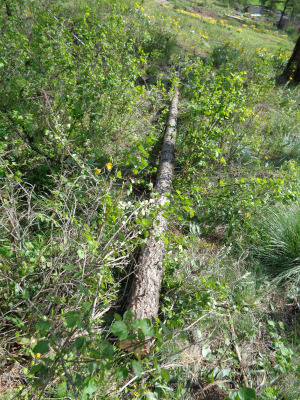
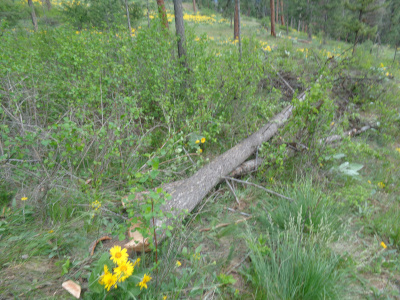
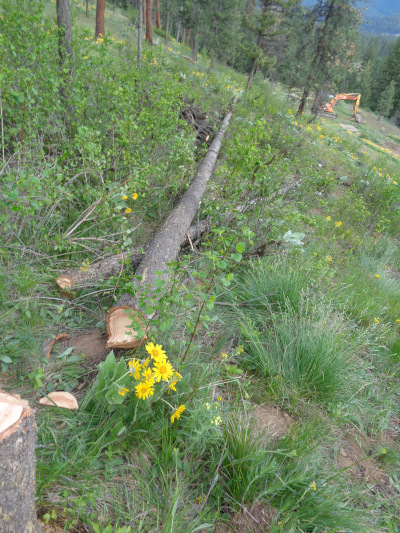
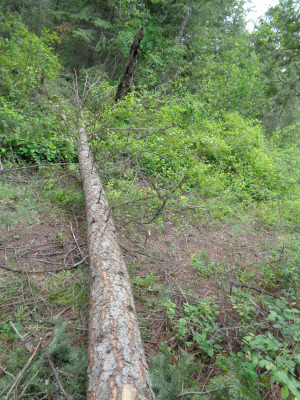


Someone approved this submission.
![[Thumbnail for tree-1-before.jpeg]](/t/100730/a/213693/tree-1-before.jpeg "Filename: tree-1-before.jpeg
Description:")
![[Thumbnail for tree-1-after.jpeg]](/t/100730/a/213694/tree-1-after.jpeg "Filename: tree-1-after.jpeg
Description:")
![[Thumbnail for tree-2-before.jpeg]](/t/100730/a/213695/tree-2-before.jpeg "Filename: tree-2-before.jpeg
Description:")
![[Thumbnail for tree-2-after.jpeg]](/t/100730/a/213696/tree-2-after.jpeg "Filename: tree-2-after.jpeg
Description:")
![[Thumbnail for tree-3-before.jpeg]](/t/100730/a/213697/tree-3-before.jpeg "Filename: tree-3-before.jpeg
Description:")
![[Thumbnail for tree-3-after.jpeg]](/t/100730/a/213698/tree-3-after.jpeg "Filename: tree-3-after.jpeg
Description:")
![[Thumbnail for tree-4-before.jpeg]](/t/100730/a/213699/tree-4-before.jpeg "Filename: tree-4-before.jpeg
Description:")
![[Thumbnail for tree-4-after.jpeg]](/t/100730/a/213700/tree-4-after.jpeg "Filename: tree-4-after.jpeg
Description:")


Paul Fookes approved this submission.
Note: I certify this BB complete.
![[Thumbnail for firstTreeBeingLoaded.jpg]](/t/100730/a/225069/firstTreeBeingLoaded.jpg "Filename: firstTreeBeingLoaded.jpg
Description:")
![[Thumbnail for firstTreeCompletelyLimbed.jpg]](/t/100730/a/225070/firstTreeCompletelyLimbed.jpg "Filename: firstTreeCompletelyLimbed.jpg
Description:")
![[Thumbnail for secondTreeLimbed.jpg]](/t/100730/a/225071/secondTreeLimbed.jpg "Filename: secondTreeLimbed.jpg
Description:")
![[Thumbnail for thirdTreeLimbed.jpg]](/t/100730/a/225072/thirdTreeLimbed.jpg "Filename: thirdTreeLimbed.jpg
Description:")
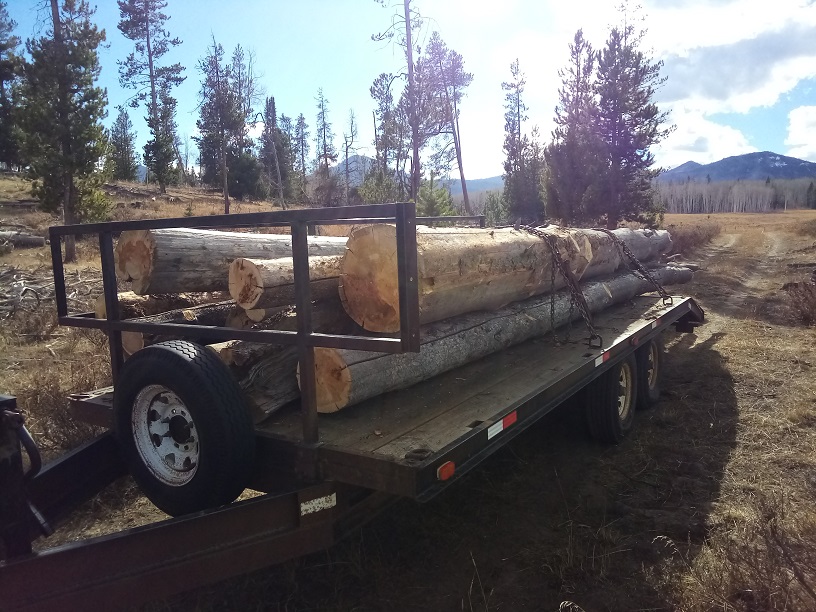
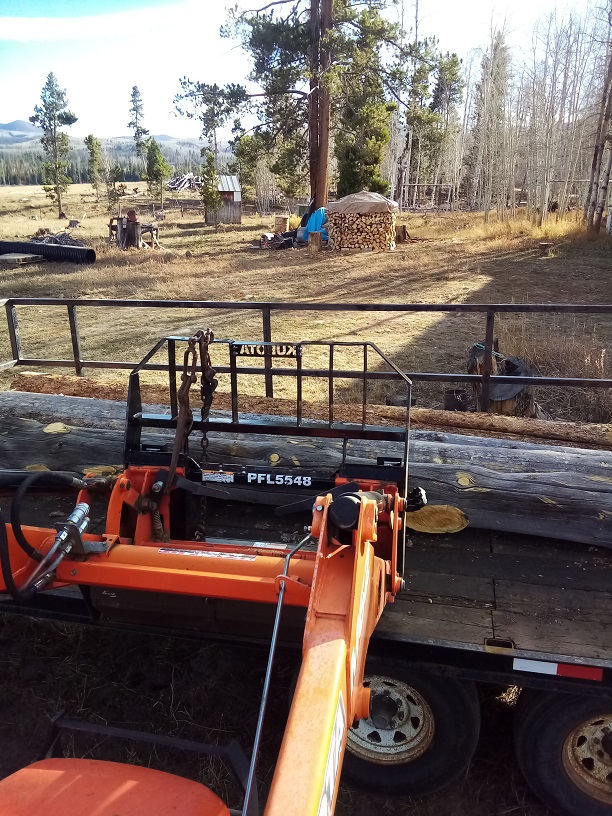
![[Thumbnail for fourthTreeHeadedForTheTrailer.jpg]](/t/100730/a/225073/fourthTreeHeadedForTheTrailer.jpg "Filename: fourthTreeHeadedForTheTrailer.jpg
Description:")

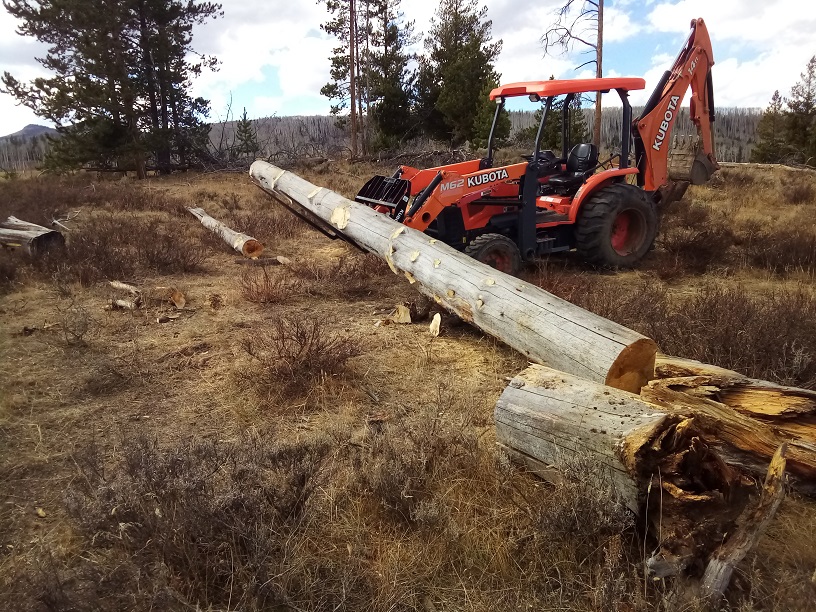
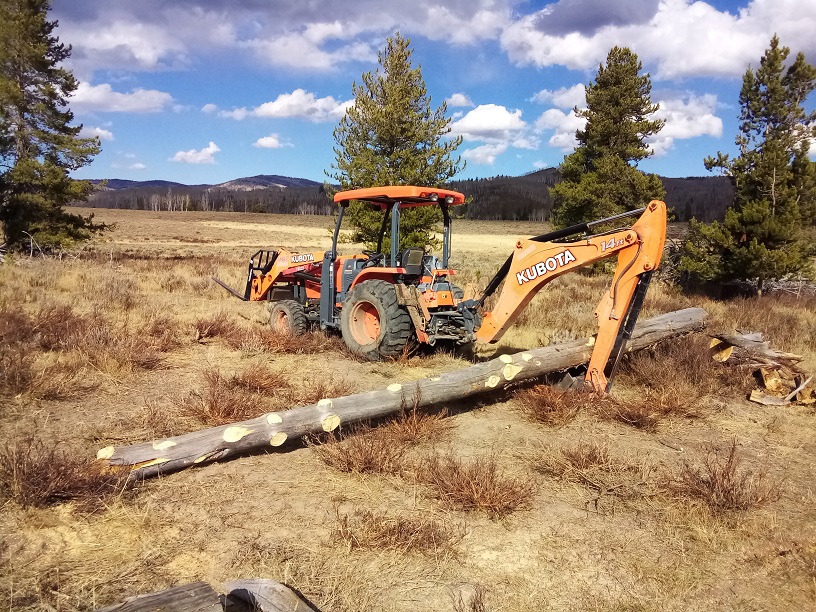
![[Thumbnail for eighthTreeLimbed.jpg]](/t/100730/a/225077/eighthTreeLimbed.jpg "Filename: eighthTreeLimbed.jpg
Description:")

Someone approved this submission.


Being weird is easy. Making it mainstream is hard. Be brave! https://www.youtube.com/@healthygreenbrave


Someone approved this submission.
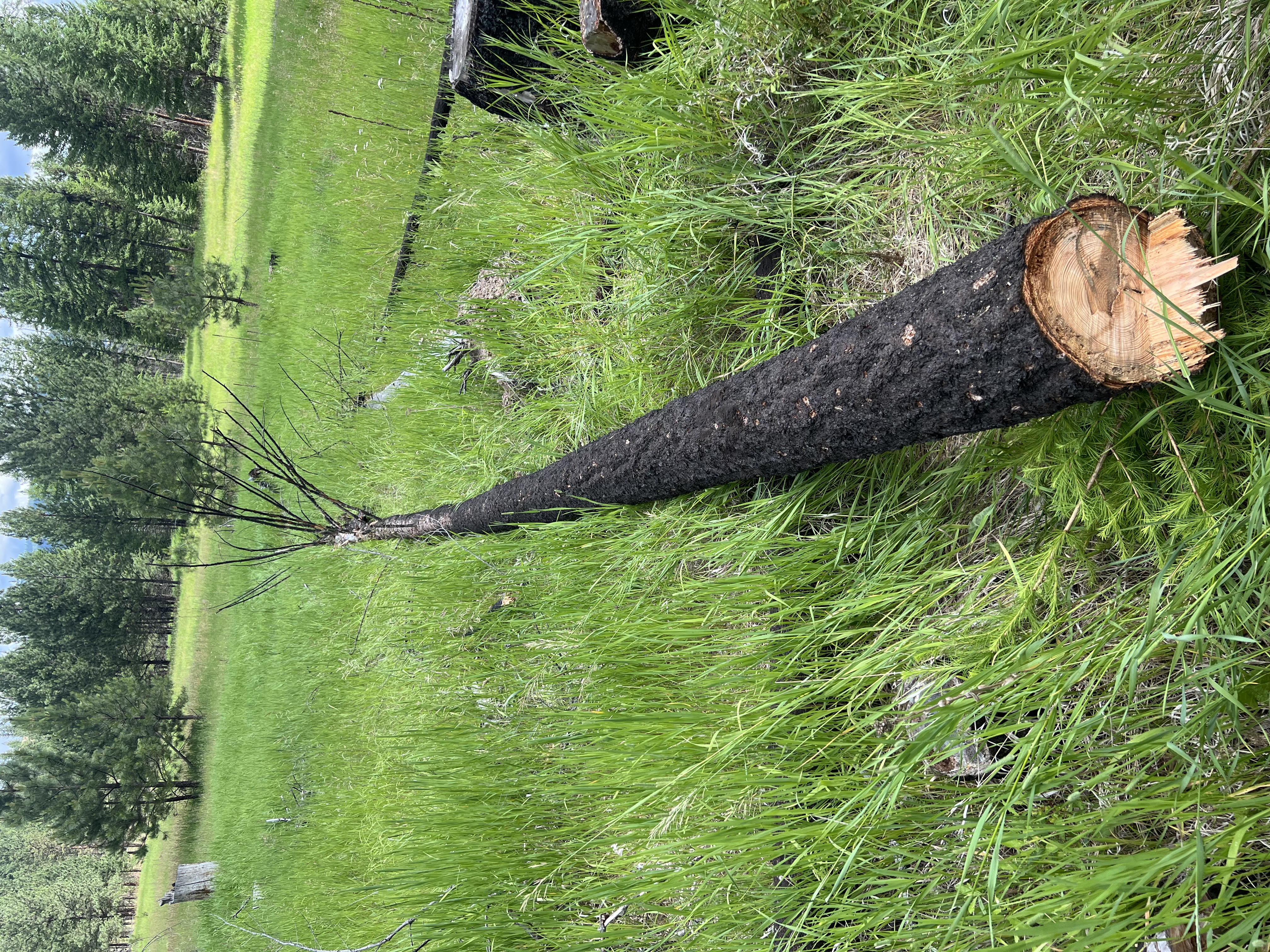
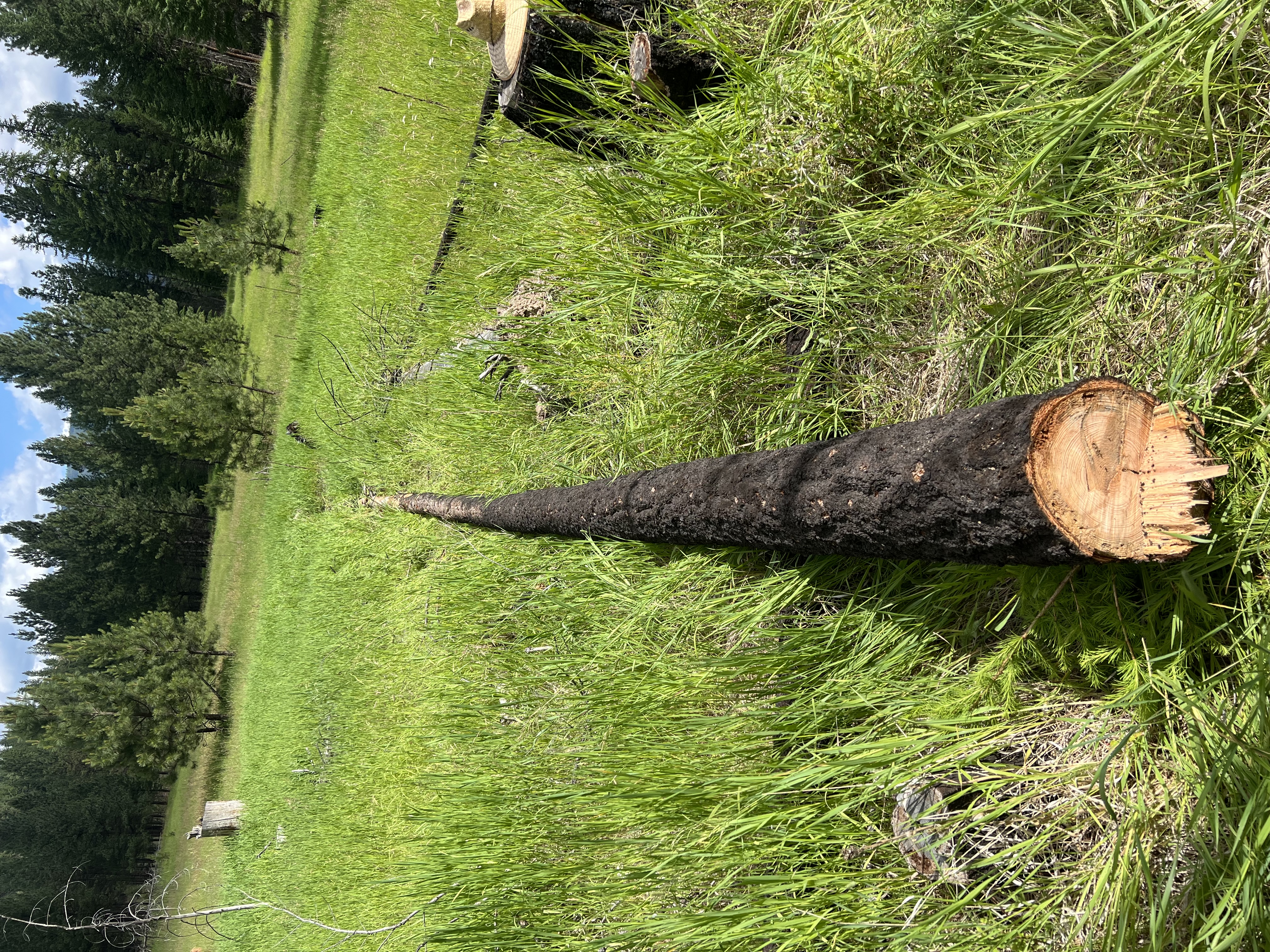
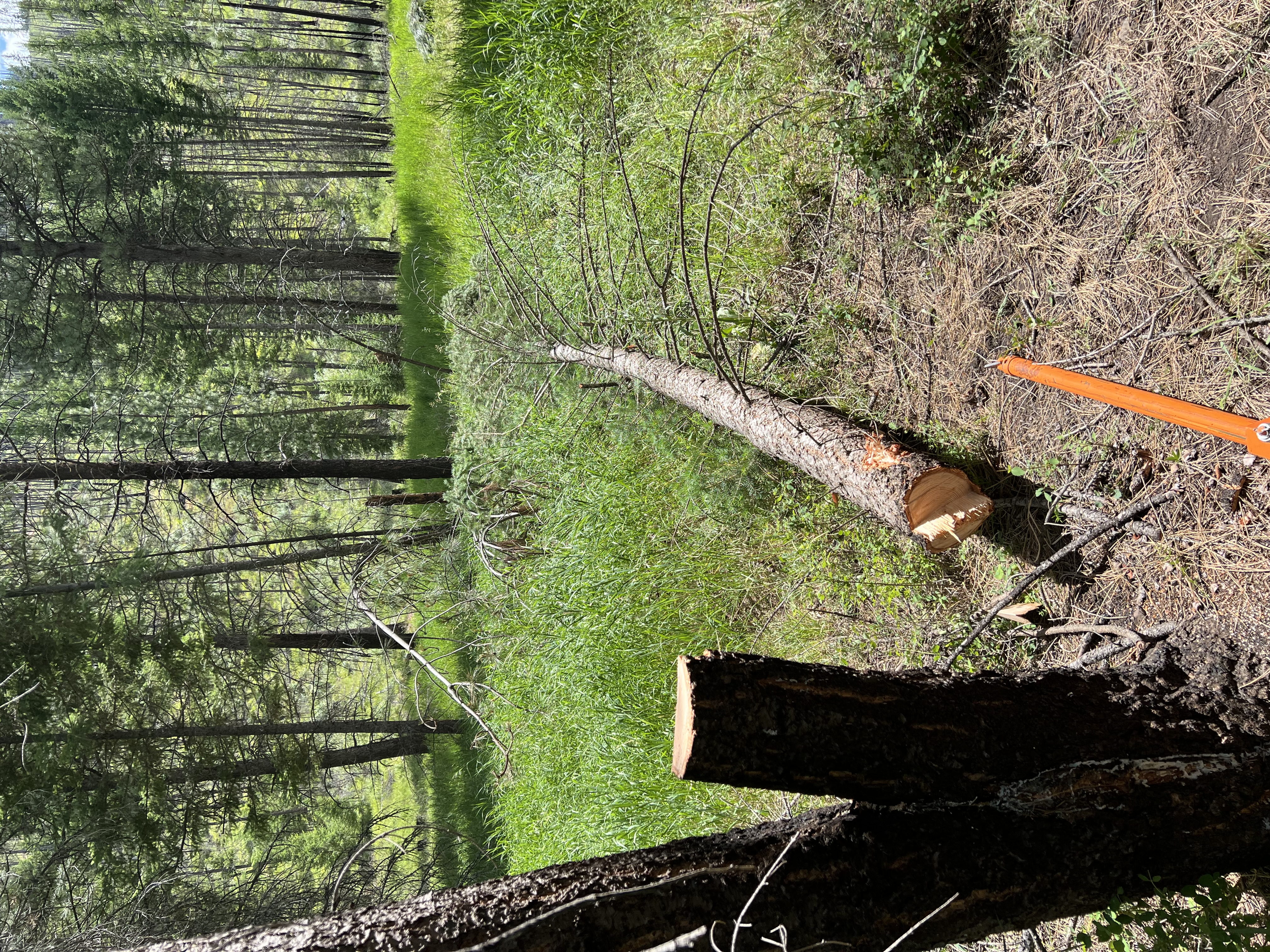
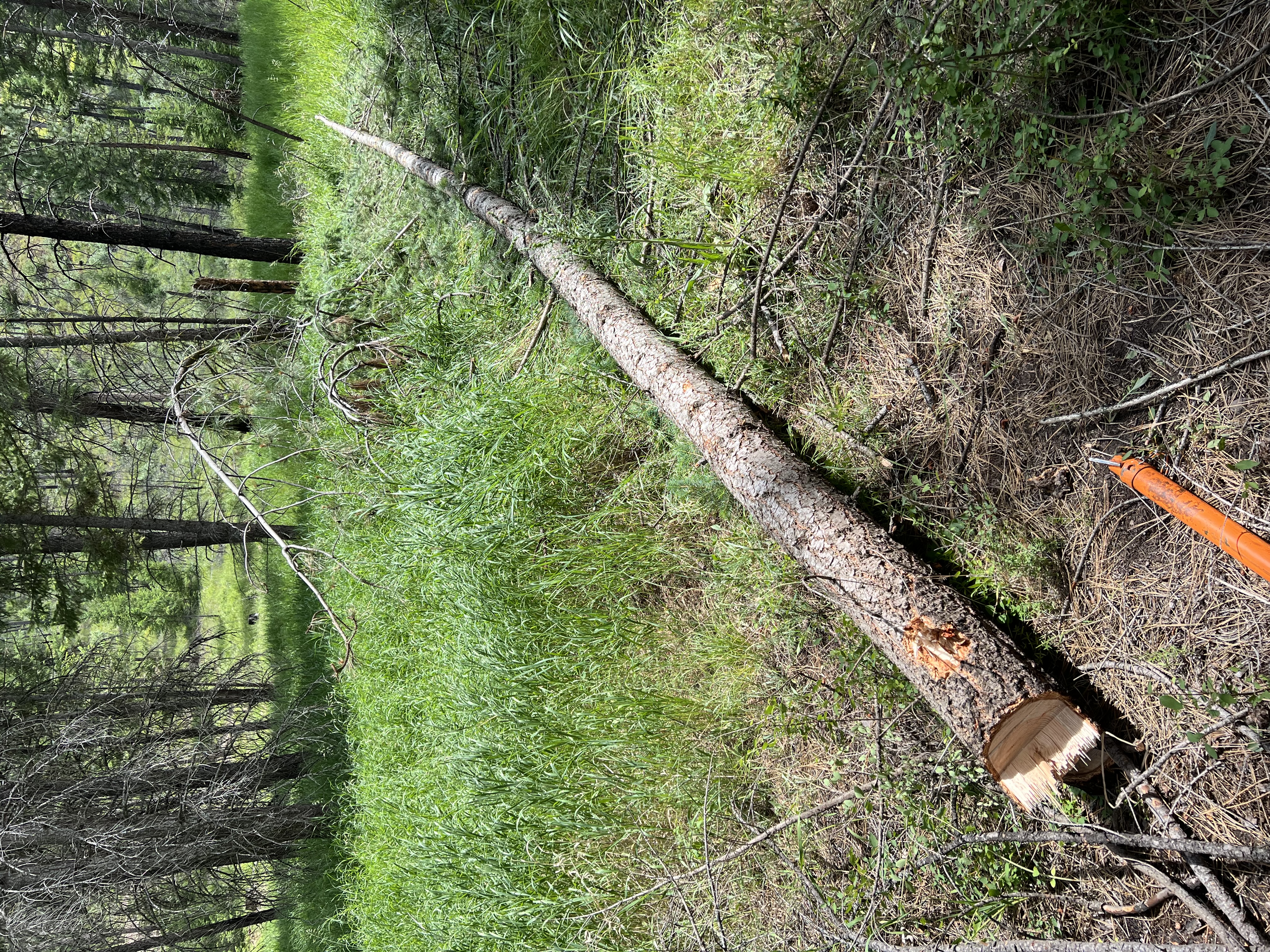
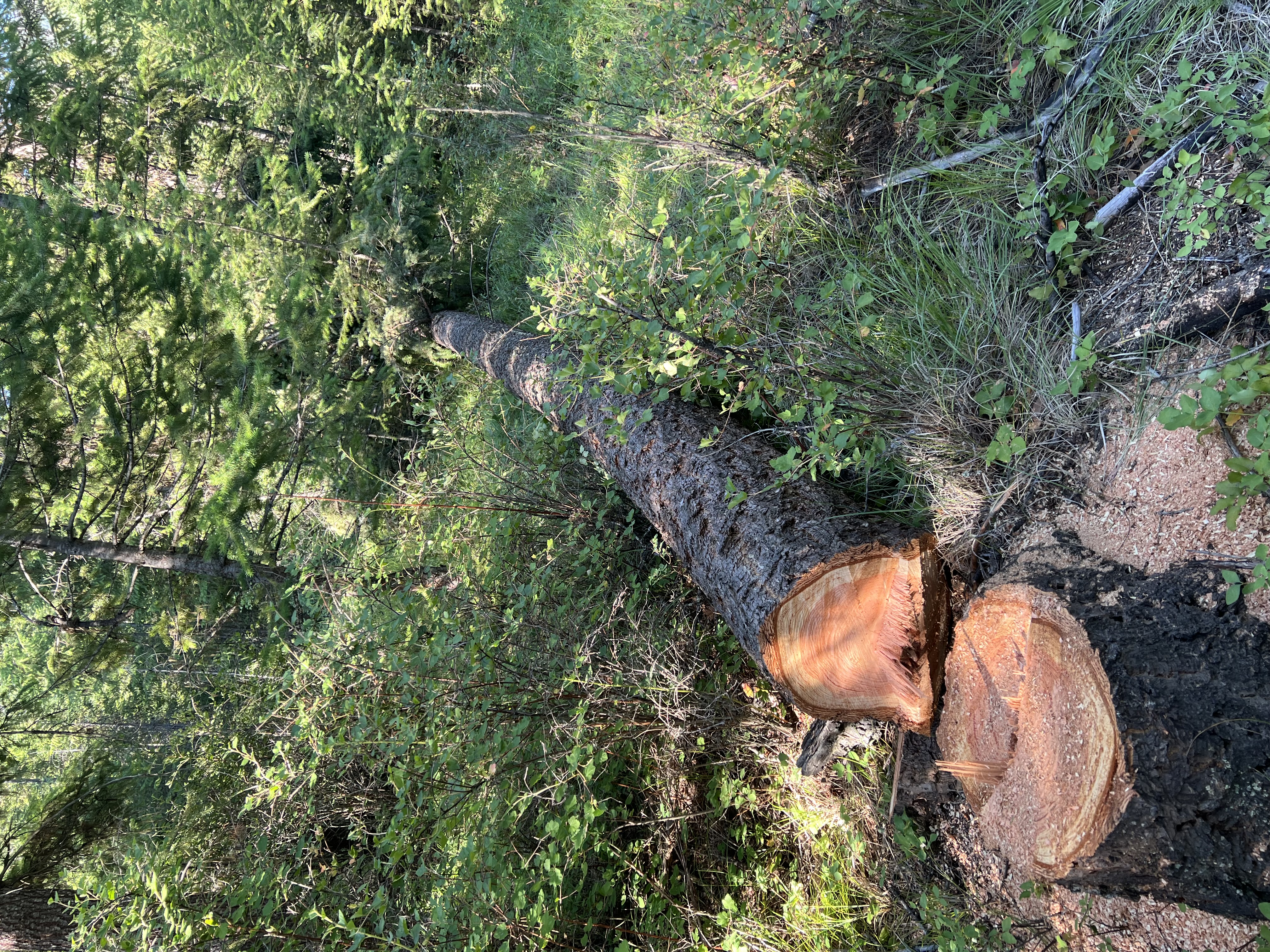
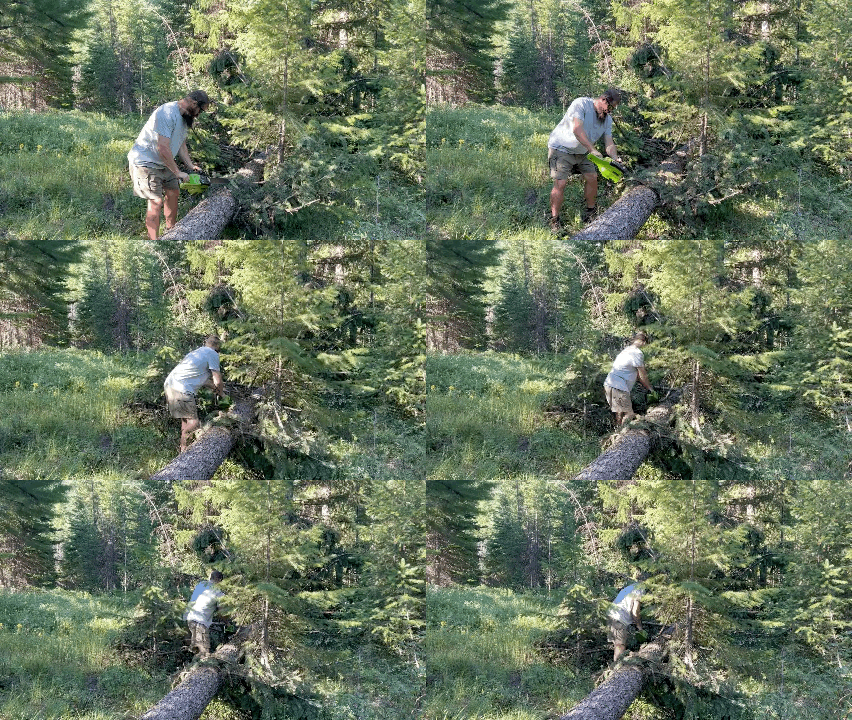
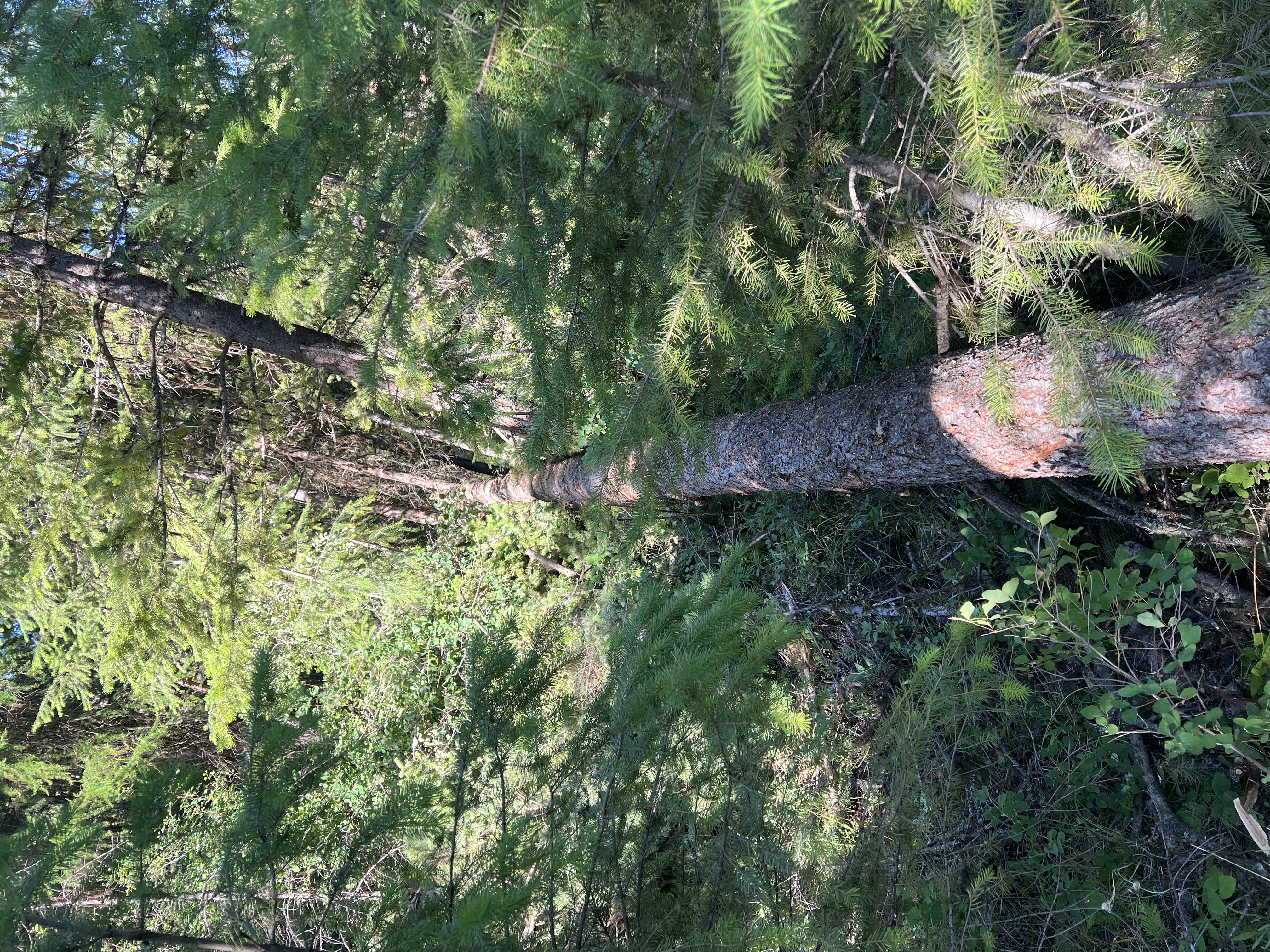
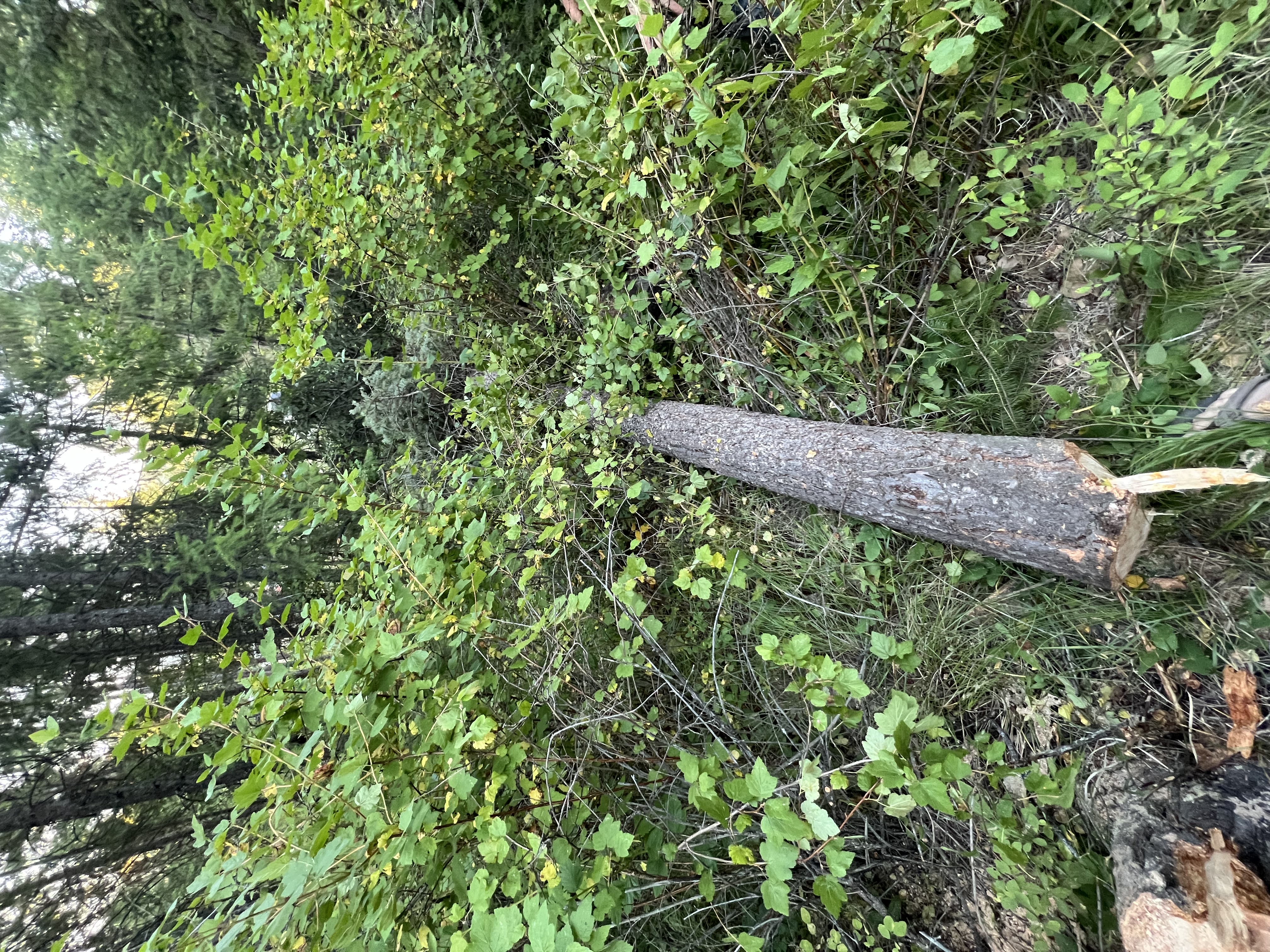
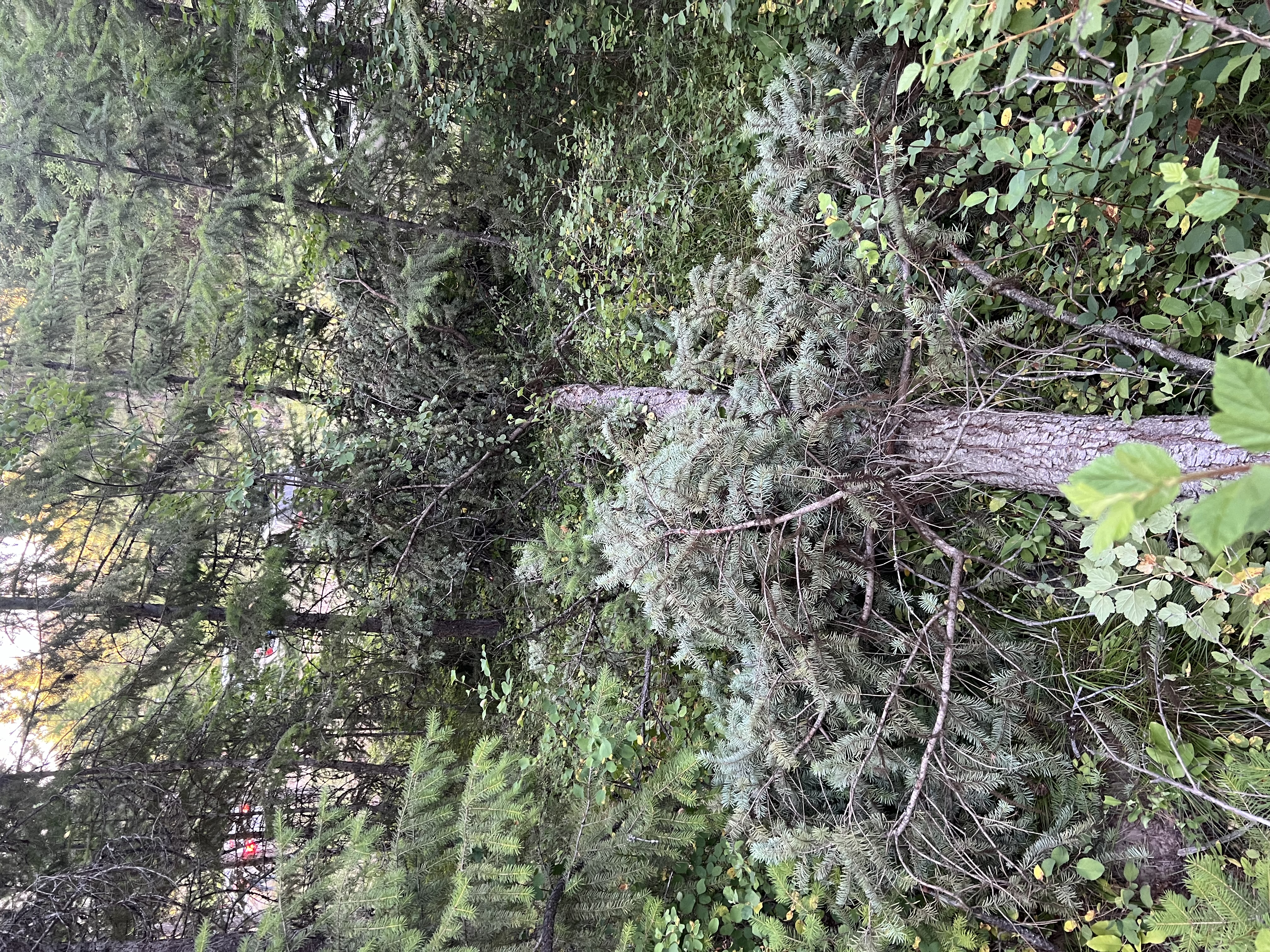
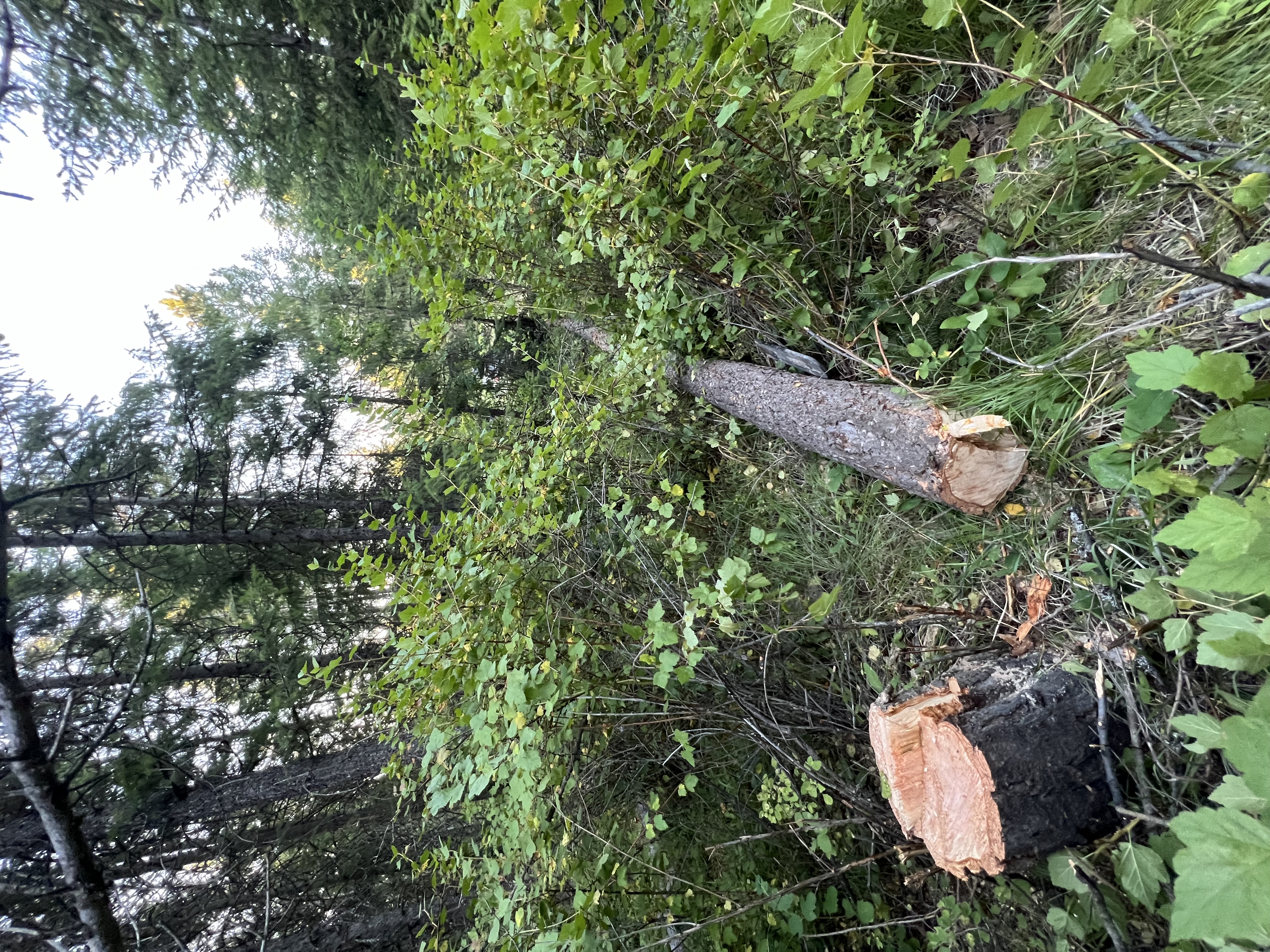
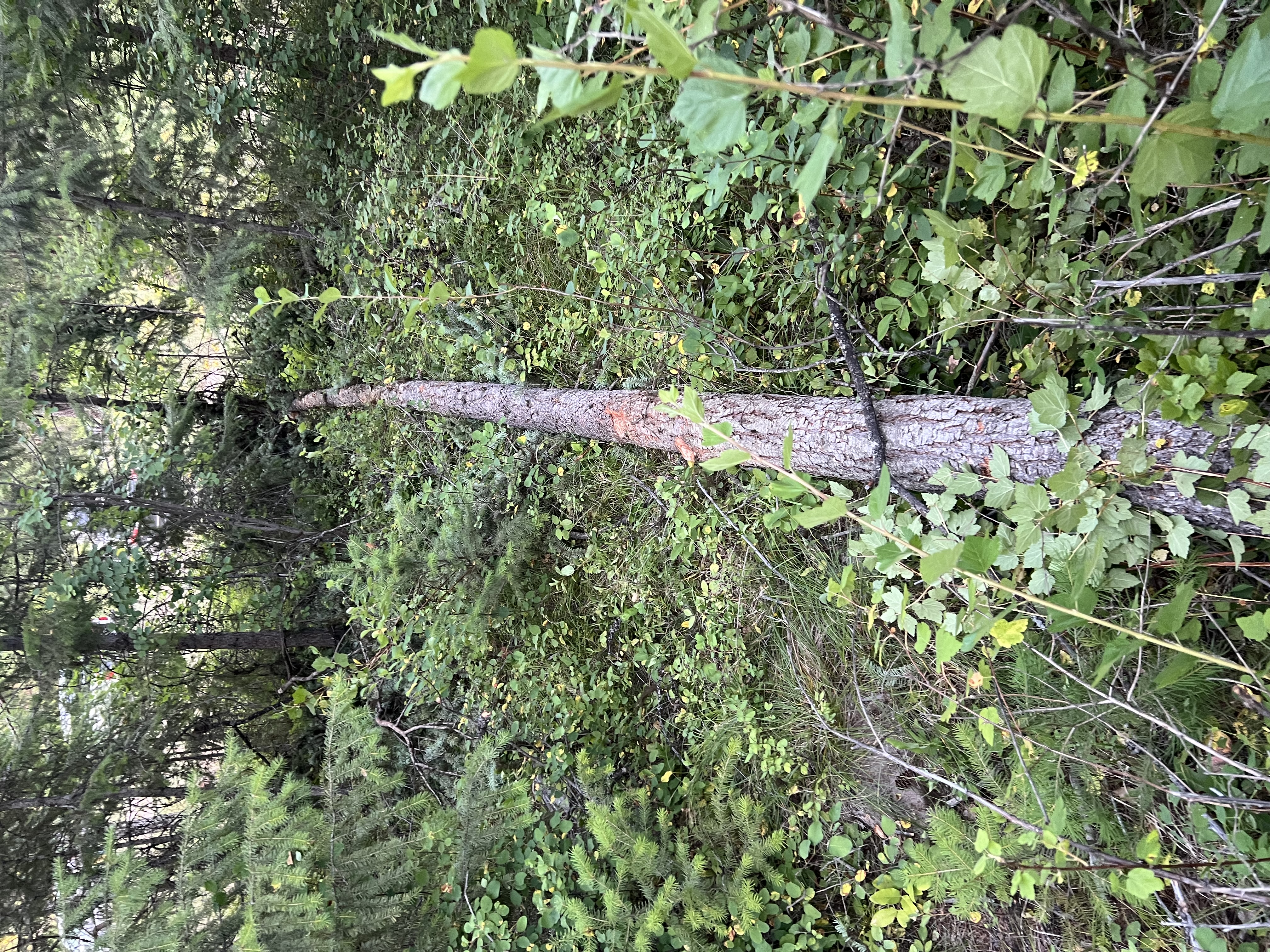


Leigh Tate approved this submission.
![[Thumbnail for tree-1_before-limb.jpg]](/t/100730/a/245912/tree-1_before-limb.jpg "Filename: tree-1_before-limb.jpg
Description:")
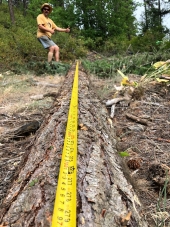
![[Thumbnail for tree-1_diameter.jpg]](/t/100730/a/245913/tree-1_diameter.jpg "Filename: tree-1_diameter.jpg
Description:")
![[Thumbnail for tree-1_after-limb.JPG]](/t/100730/a/245914/tree-1_after-limb.JPG "Filename: tree-1_after-limb.JPG
Description:")
![[Thumbnail for tree-2_before-limb.JPG]](/t/100730/a/245915/tree-2_before-limb.JPG "Filename: tree-2_before-limb.JPG
Description:")
![[Thumbnail for tree-2_diameter.JPG]](/t/100730/a/245916/tree-2_diameter.JPG "Filename: tree-2_diameter.JPG
Description:")
![[Thumbnail for tree-2_after-limb.JPG]](/t/100730/a/245917/tree-2_after-limb.JPG "Filename: tree-2_after-limb.JPG
Description:")
![[Thumbnail for tree-3_before-limb.jpg]](/t/100730/a/245918/tree-3_before-limb.jpg "Filename: tree-3_before-limb.jpg
Description:")
![[Thumbnail for tree-3_after-limb.JPG]](/t/100730/a/245919/tree-3_after-limb.JPG "Filename: tree-3_after-limb.JPG
Description:")
![[Thumbnail for tree-4_before-limb.jpg]](/t/100730/a/245920/tree-4_before-limb.jpg "Filename: tree-4_before-limb.jpg
Description:")
![[Thumbnail for tree-4_after-limb.jpg]](/t/100730/a/245921/tree-4_after-limb.jpg "Filename: tree-4_after-limb.jpg
Description:")
I'm pursuing SKIP to inherit property, check SKIP out for yourself!
Could you be my Otis/Otessa match?
Follow this thread about my family and me or my husband's Boot thread


Someone approved this submission.
Steve Thorn wrote:This is a badge bit (BB) that is part of the PEP curriculum. Completing this BB is part of getting the sand badge in woodland care.
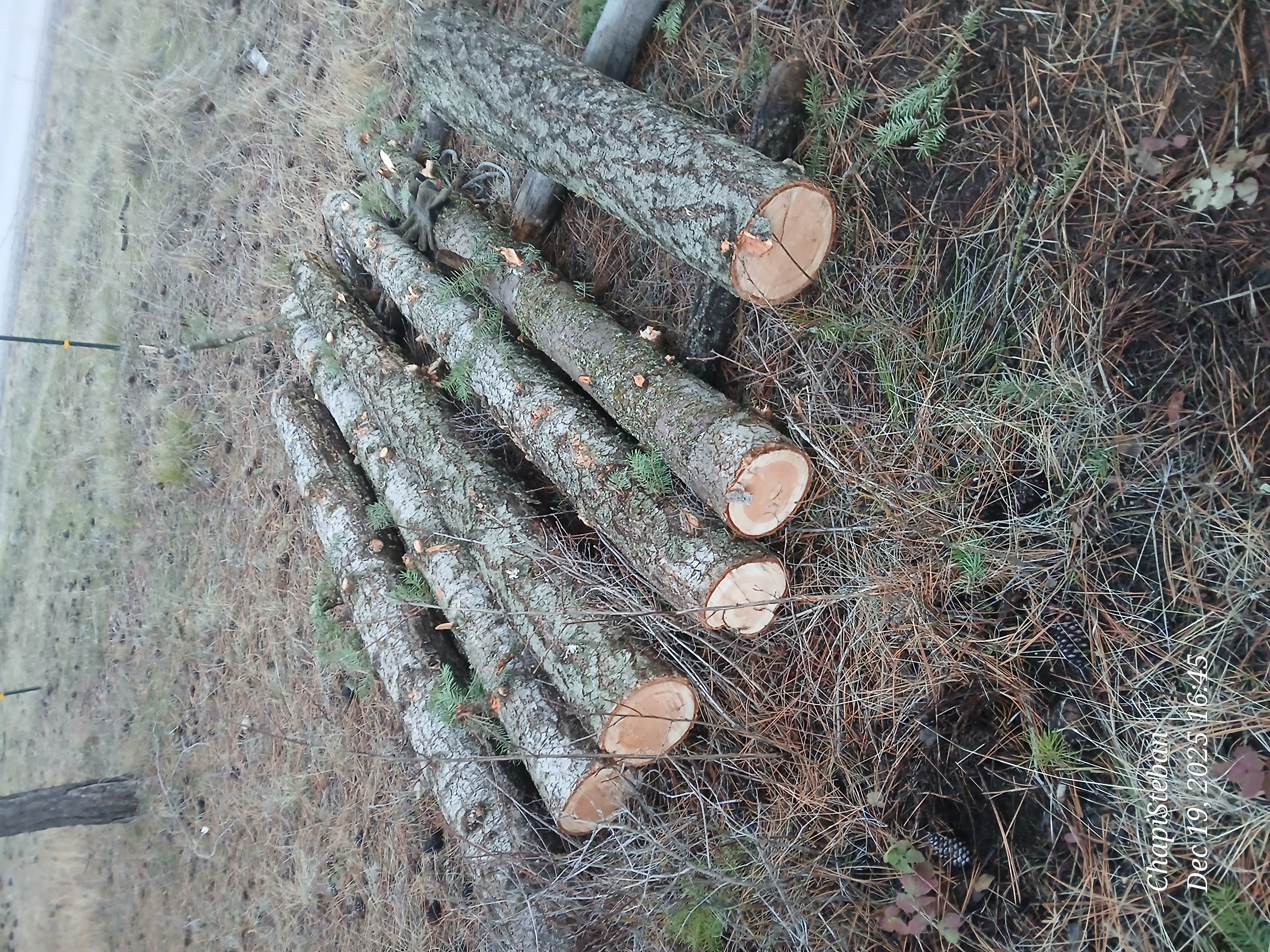
This project will be to limb 4 trees.
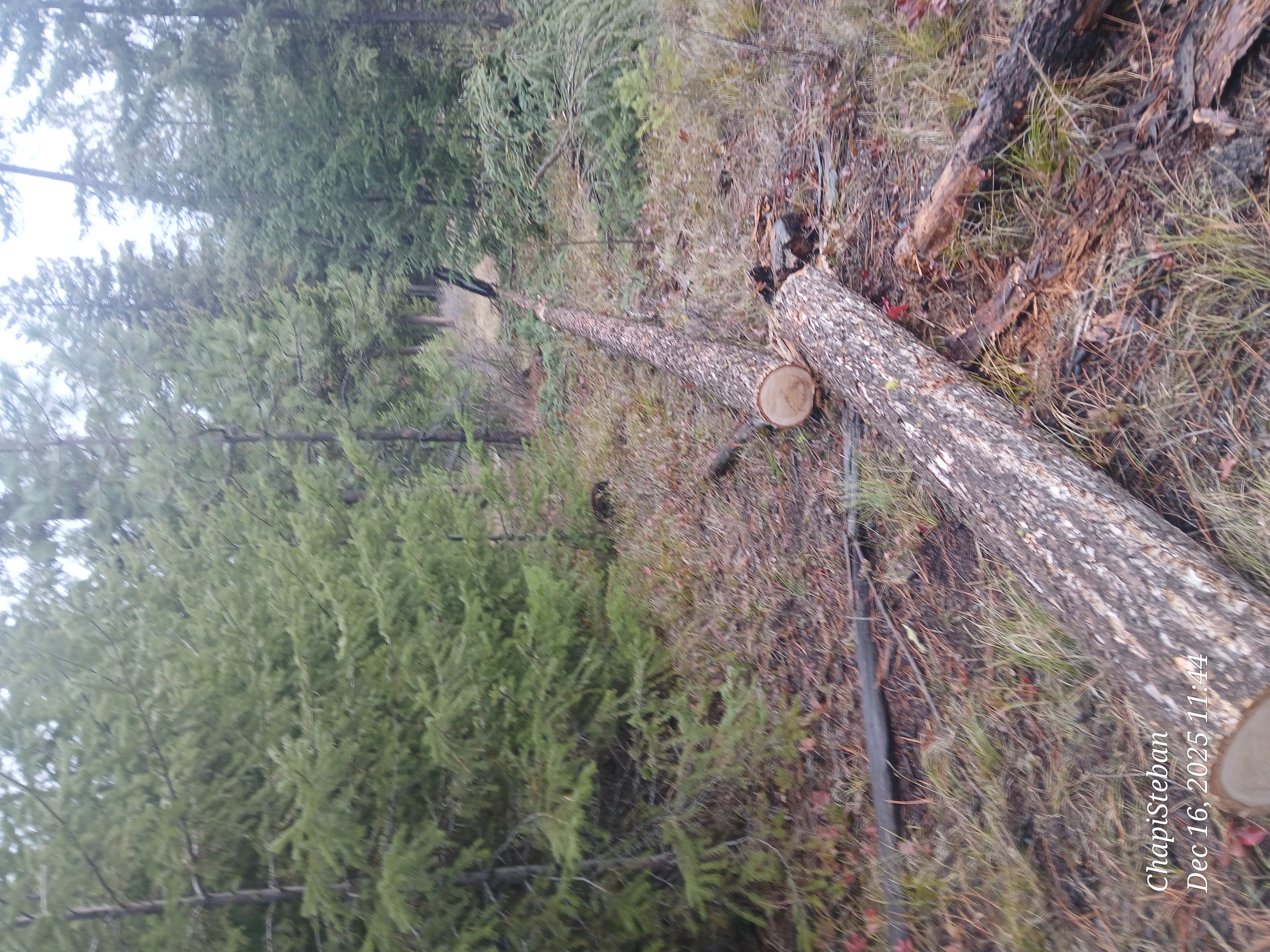
Limbing a tree is removing the side limbs from the main trunk of a felled tree.
This is very easy on smaller trees that are light weight with small branches, and can be done with loppers or a hatchet. It can get much more difficult on larger trees though, where a chainsaw is needed, and their heavier weight can create built up pressure spots, and branches can swing back and hit the person cutting.
Harvested live trees make great material for building things like in the round wood woodworking PEP Badge!
Green trees are especially easy to peel and carve. Green trees are also good for the sawmill.
When selecting a tree to drop, select a tree from a spot that has too many trees and/or the tree has a defect (so we don't want it to have baby defective trees). If the tree is a nice looking tree, but is crowded, take a smaller tree.
This video shows a quick process of limbing a larger tree. The first cut can be made a few feet from the trunk to take pressure off from a large branch. Then for bigger limbs, where the branch meets the trunk, a small cut can be made on the underside of the branch to relieve pressure, and then the main cut can be made from the top next to the trunk to remove the branch.
This video goes over a lot of the safety precautions in detail and more demonstrations of limbing larger trees.
Be safe when using hand tools and using chainsaws, be aware of your surroundings and potential pressure points, work at your own risk, and enjoy cutting stuff!
Minimum requirements for this BB:
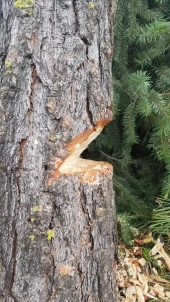
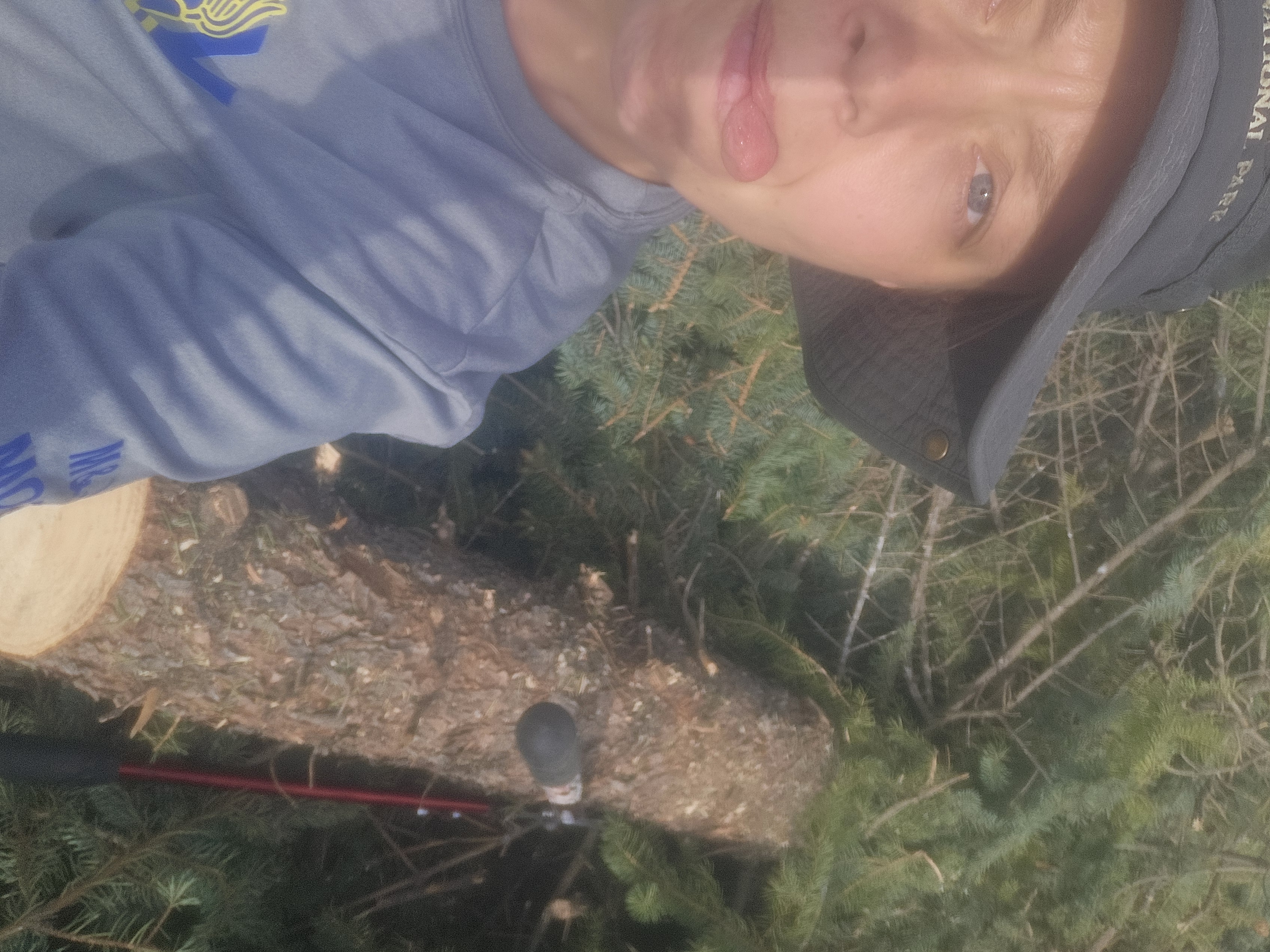
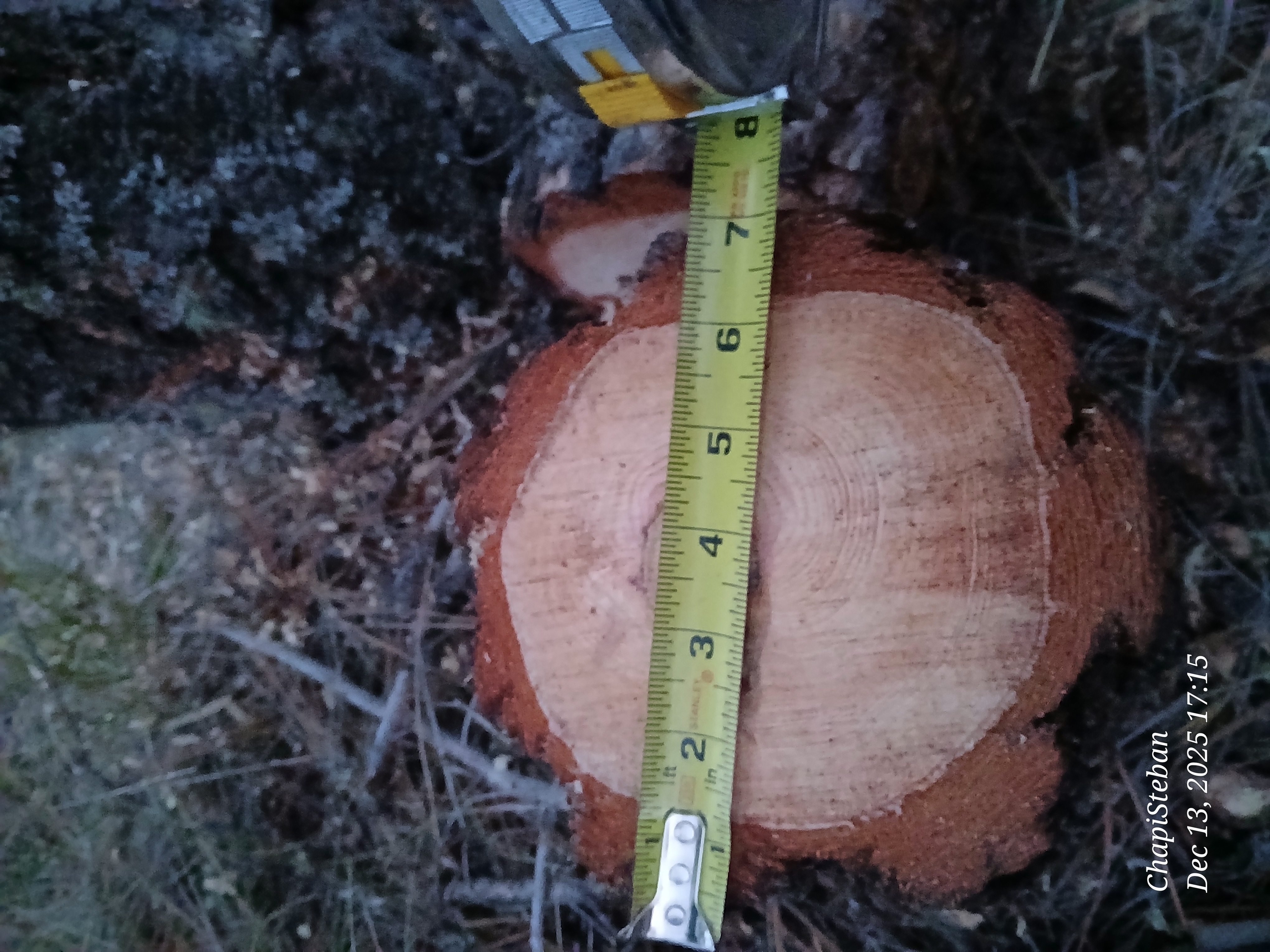
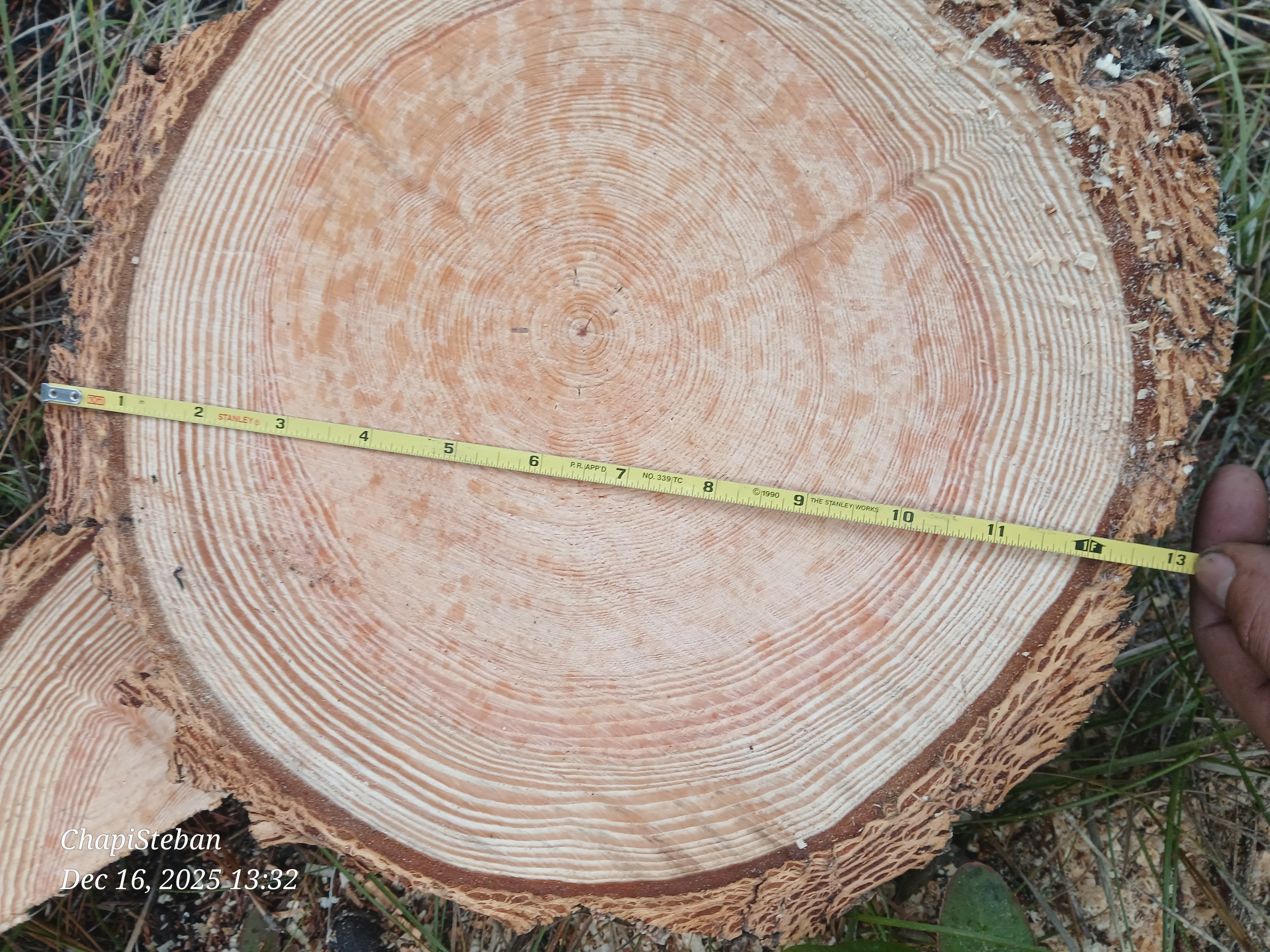
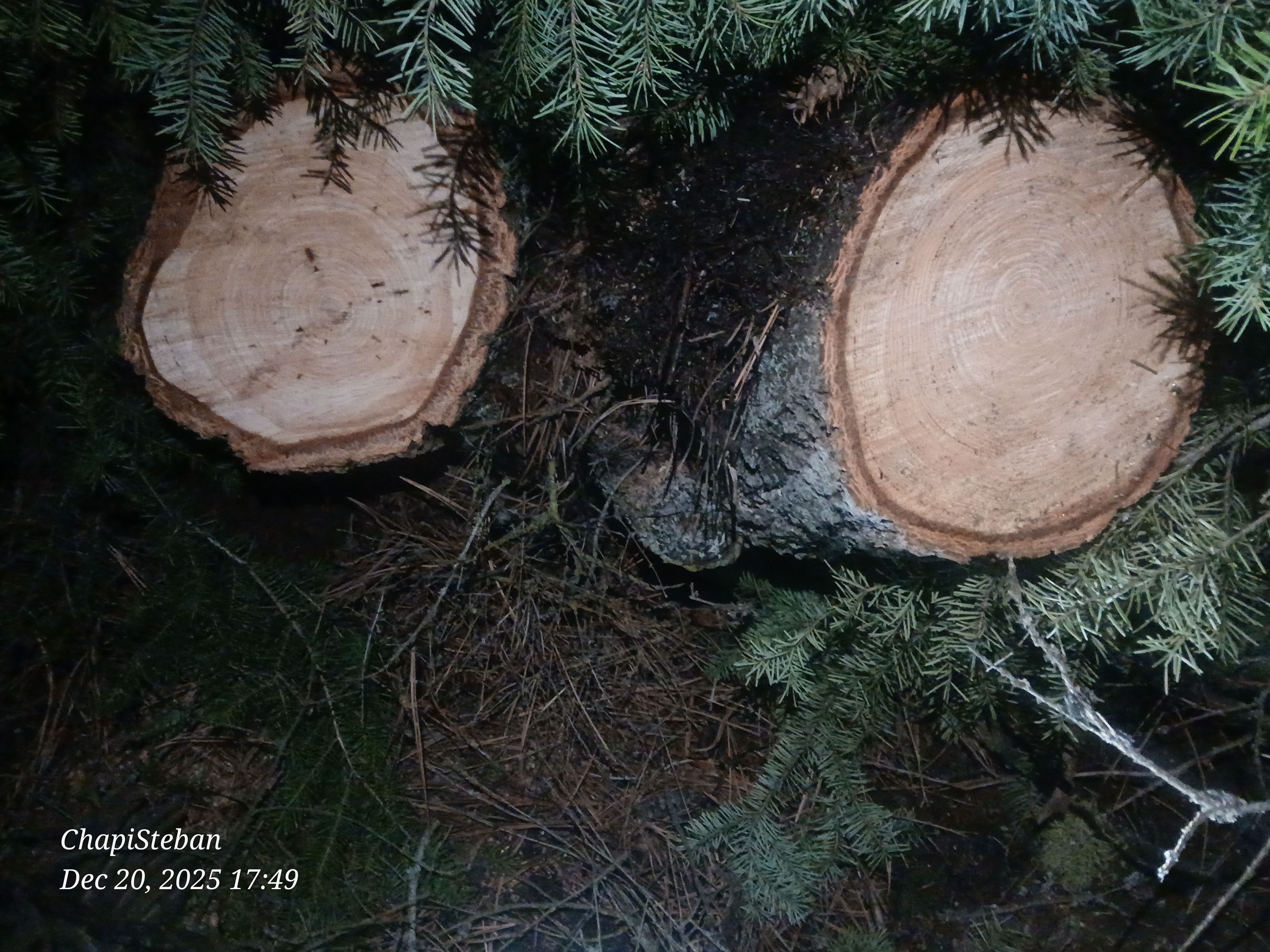
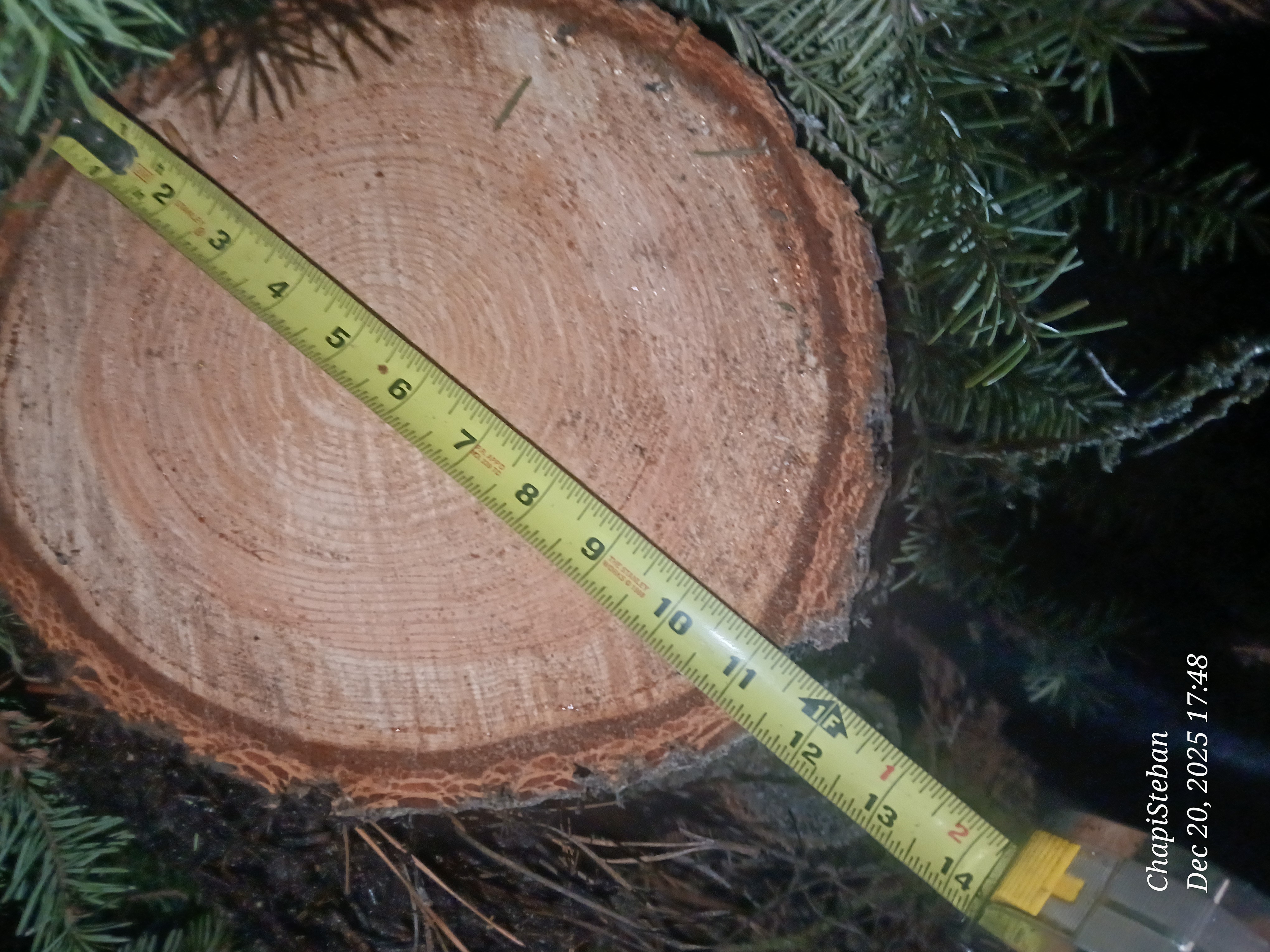
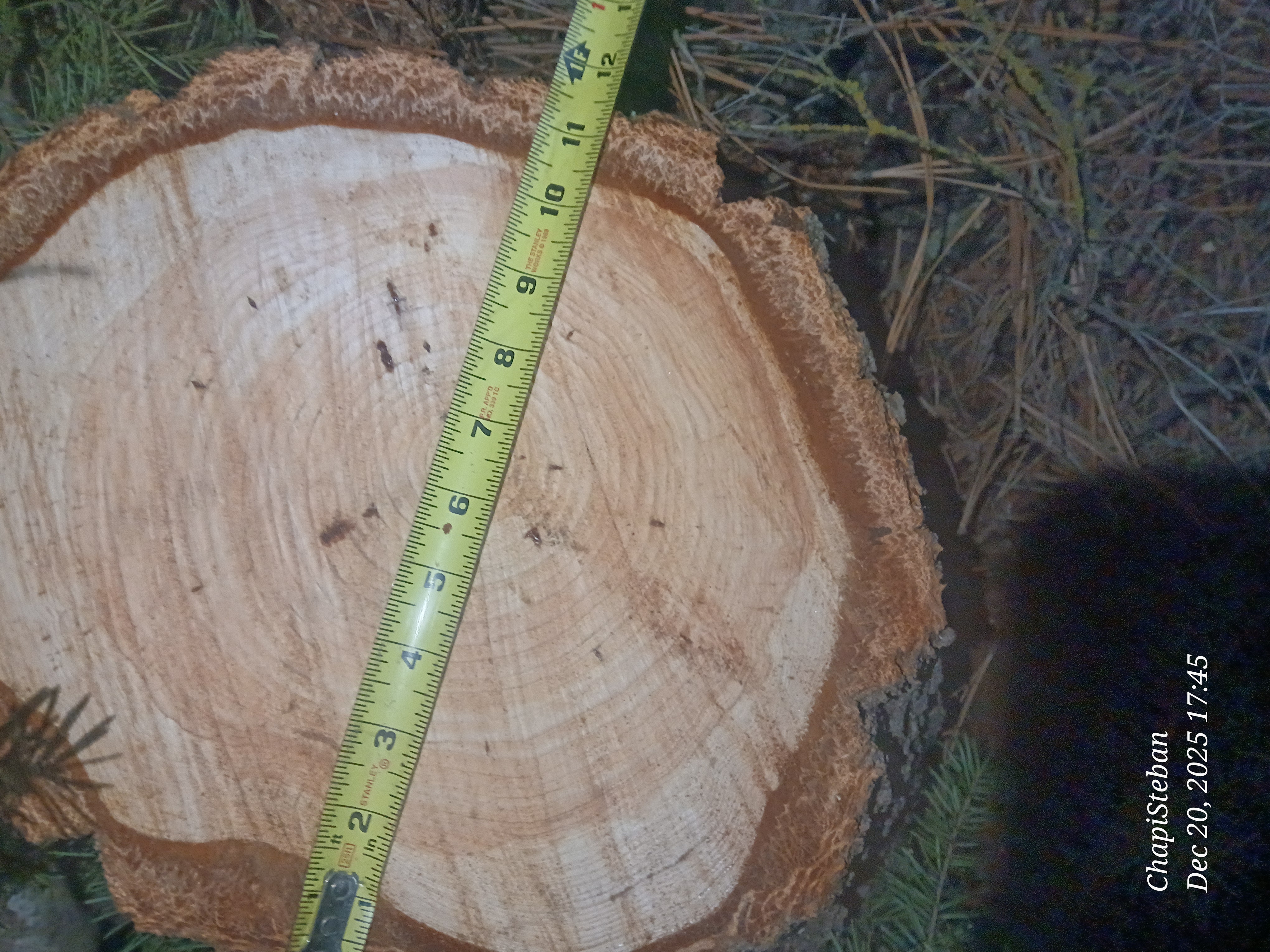
- The trees must be at least 6" in diameter at the butt end
To get certified for this BB, post the following pics.
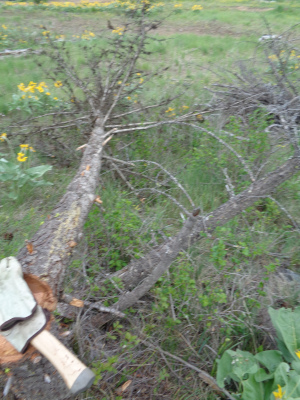
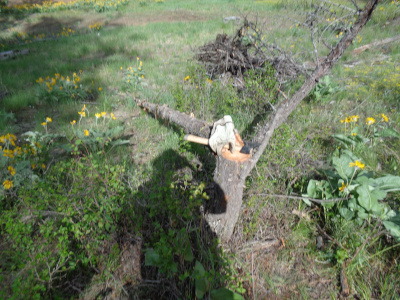
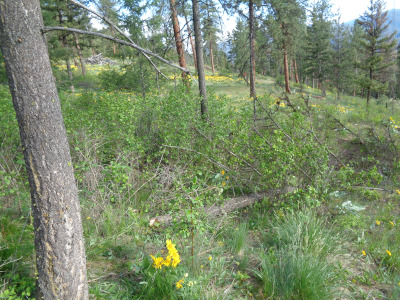
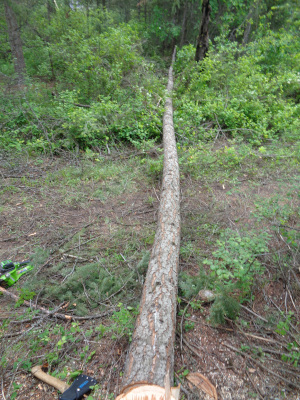
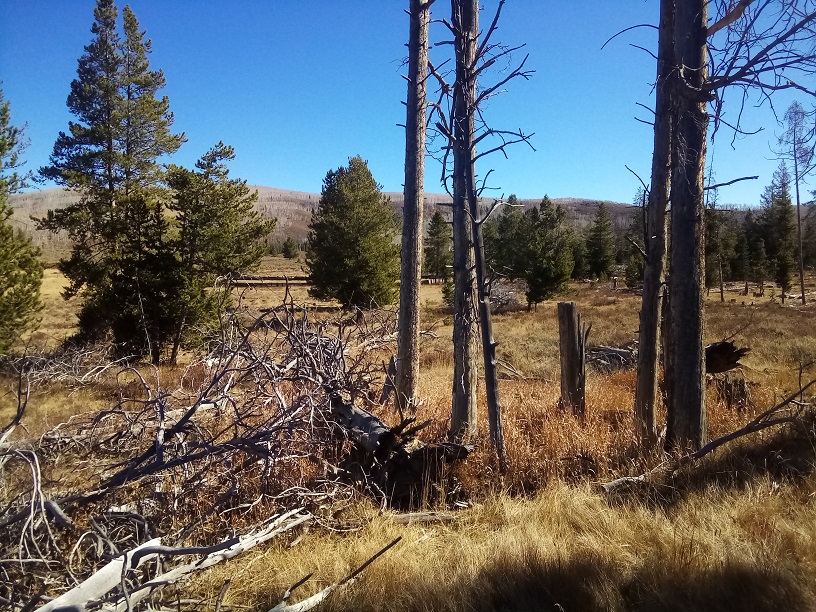
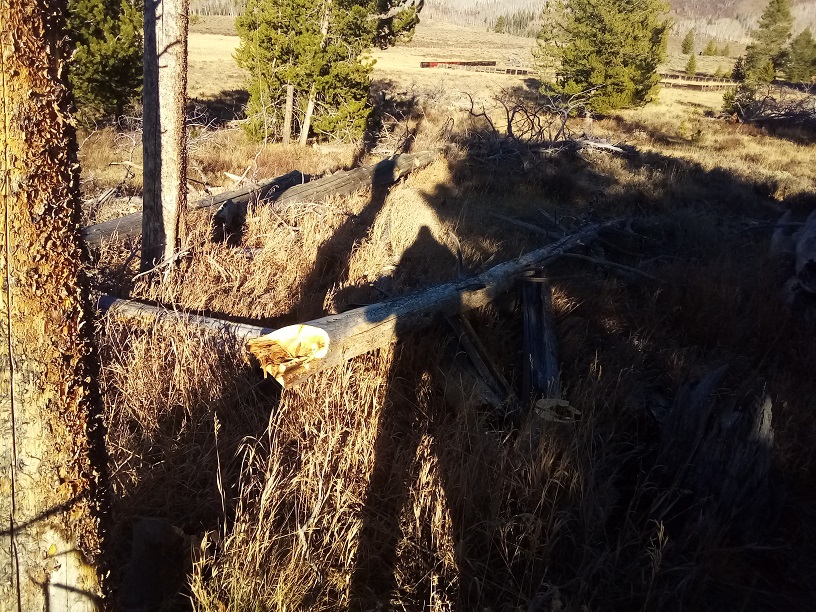
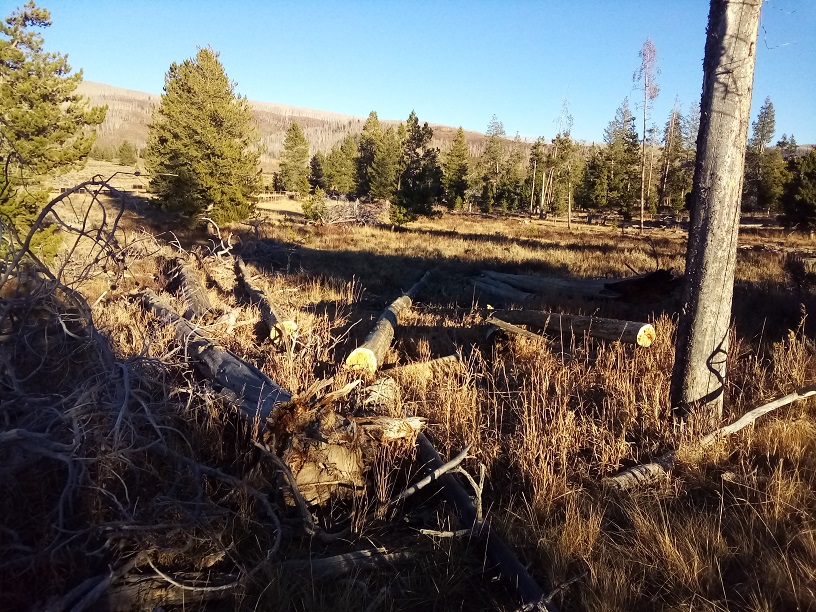
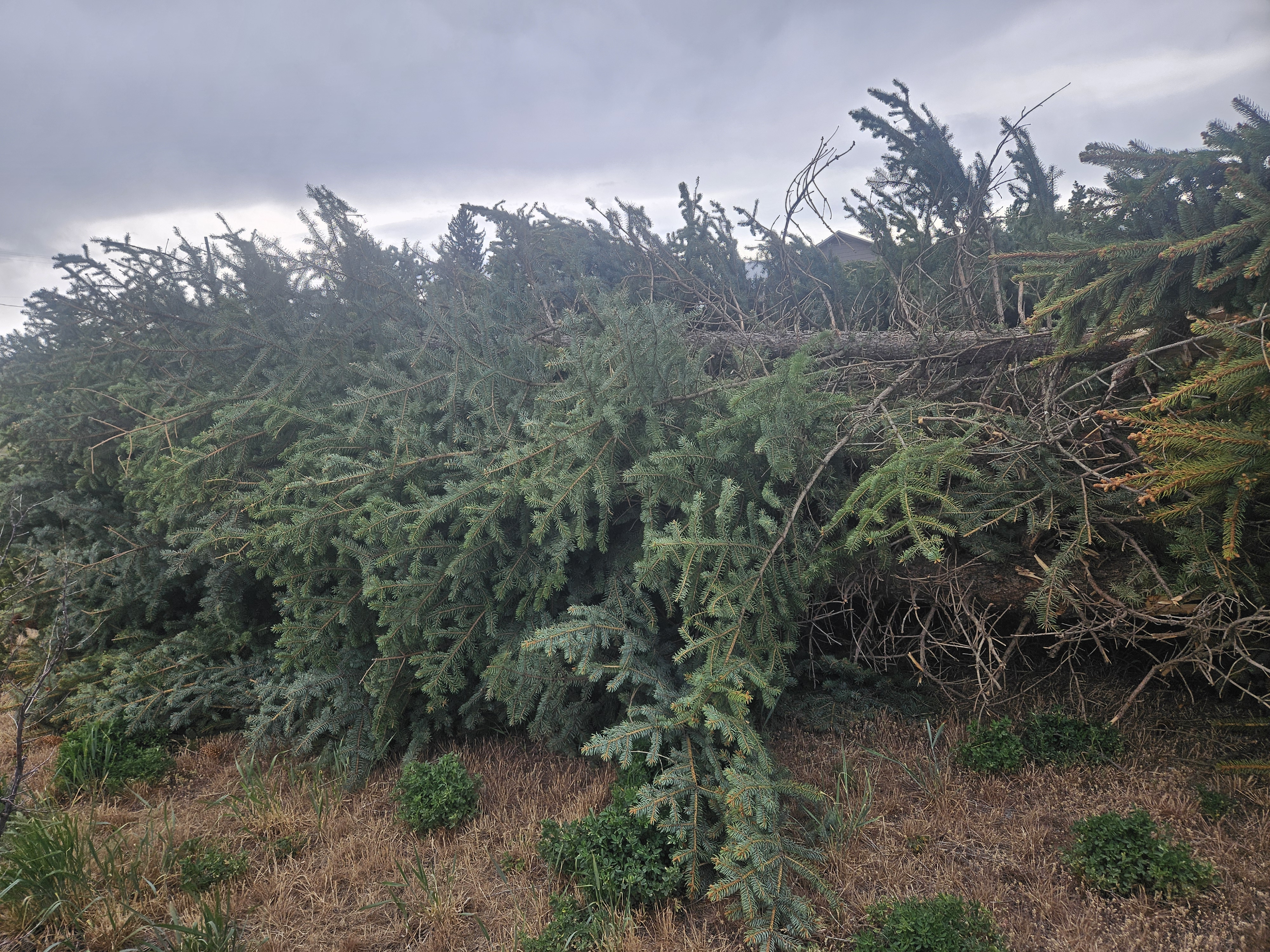
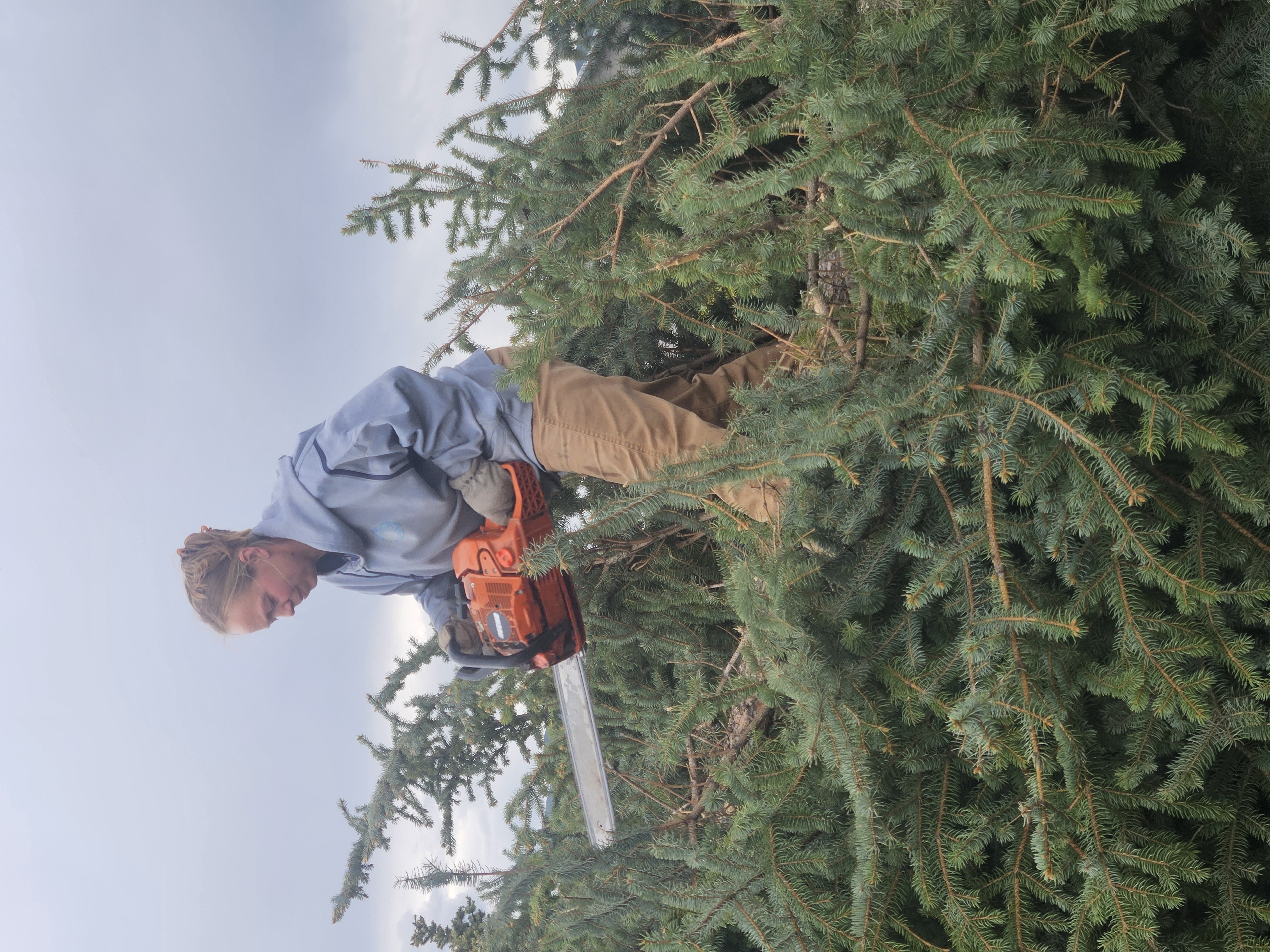
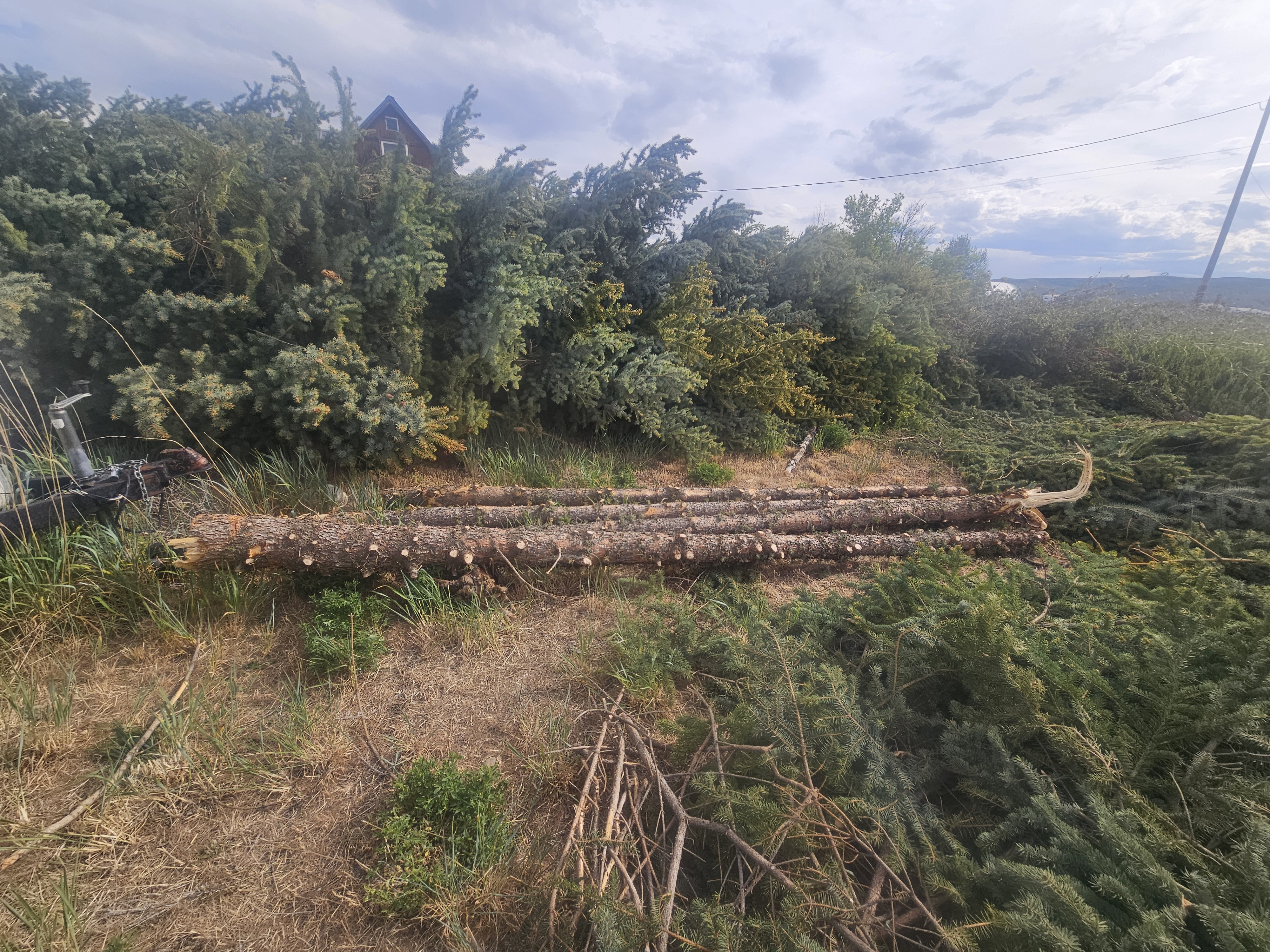
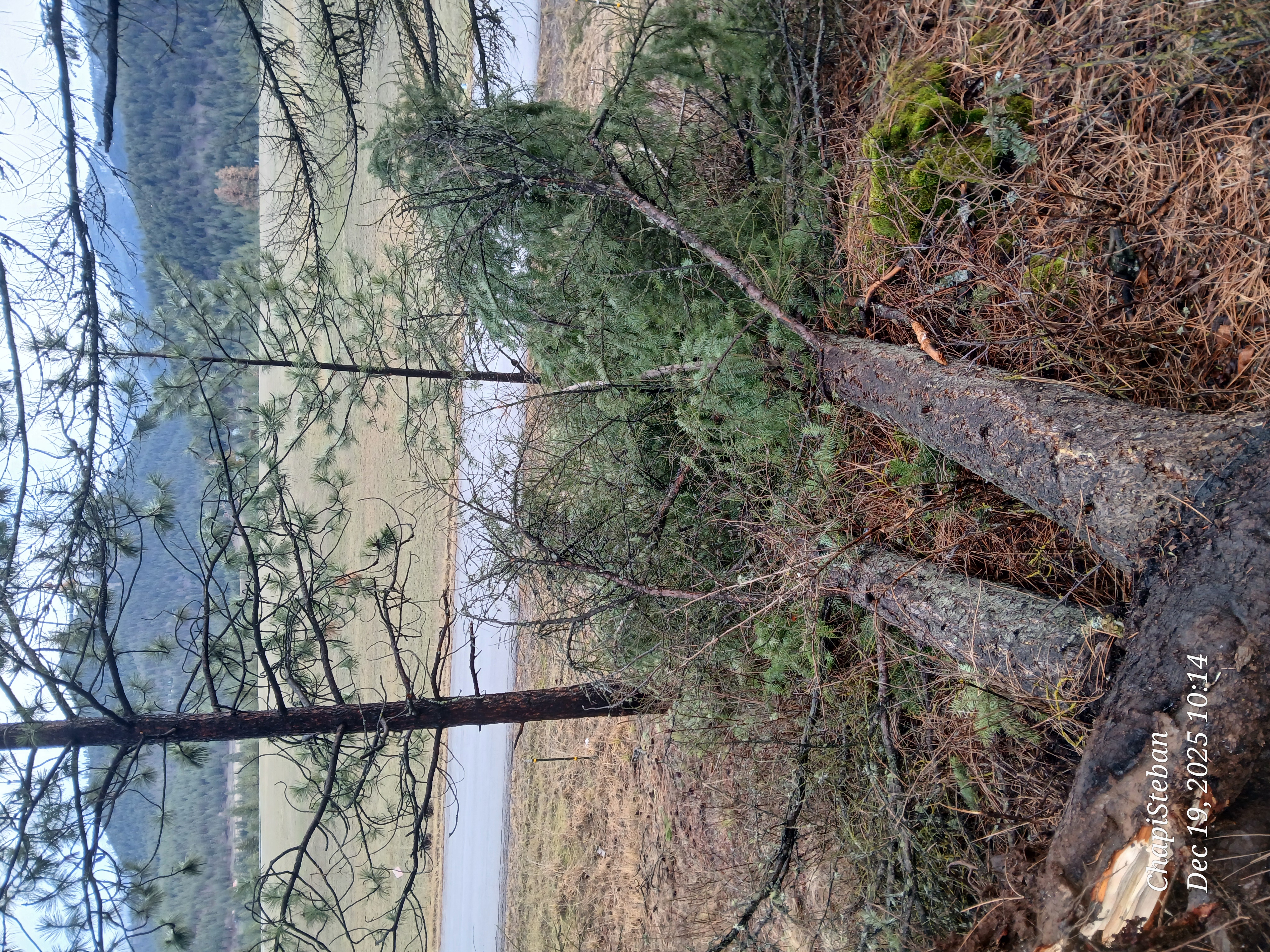
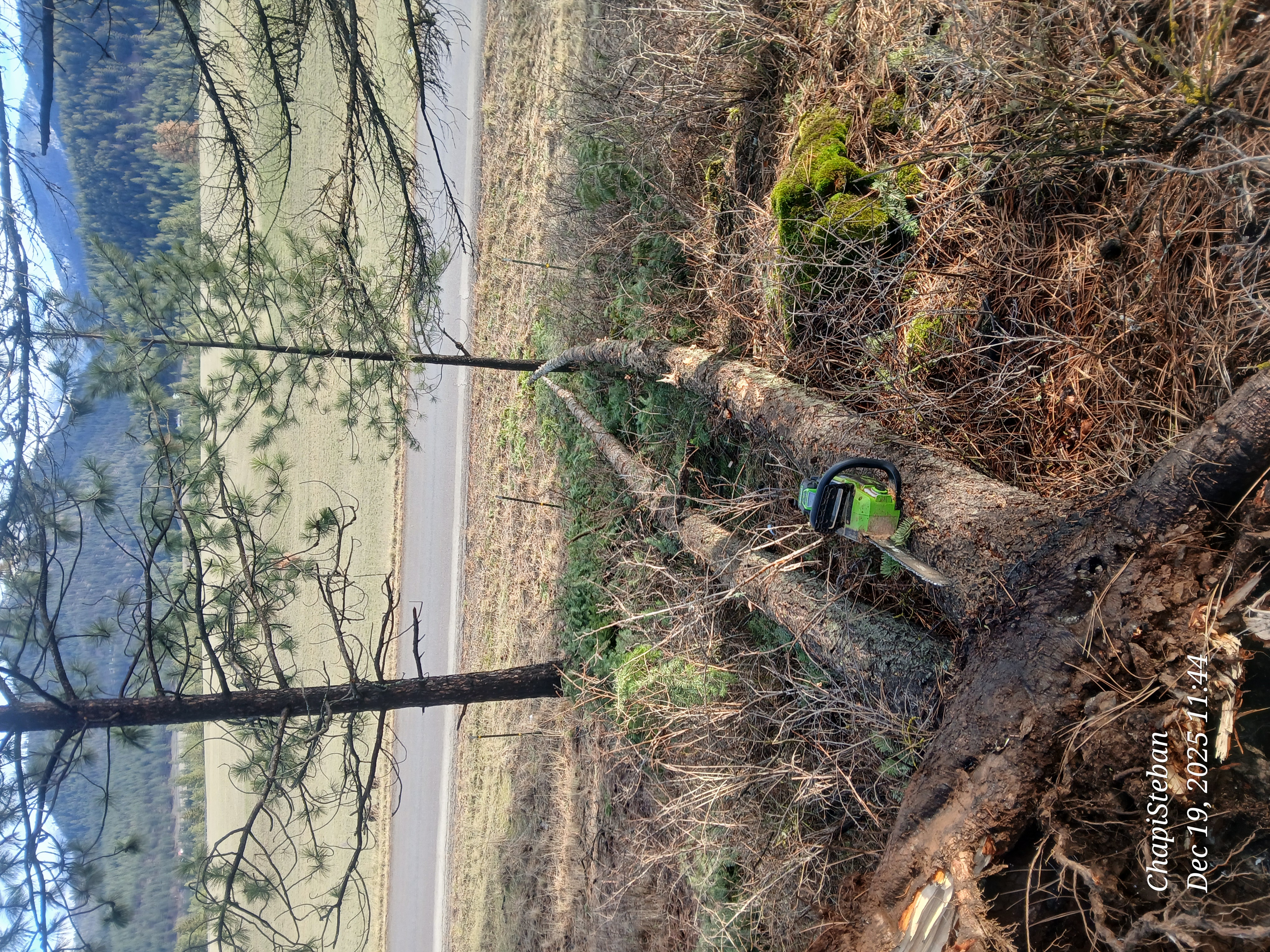
- Your 4 trees before they are limbed
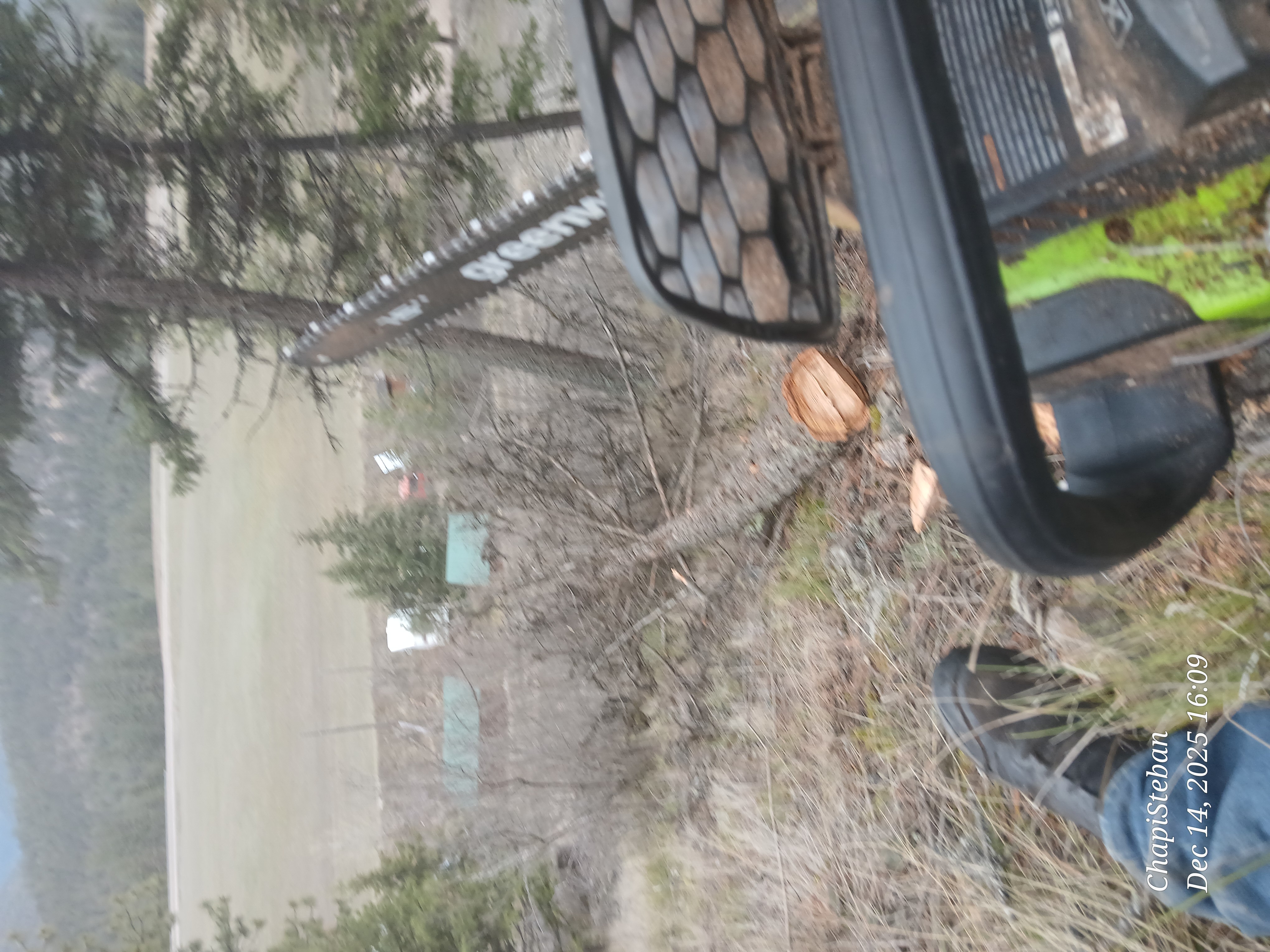
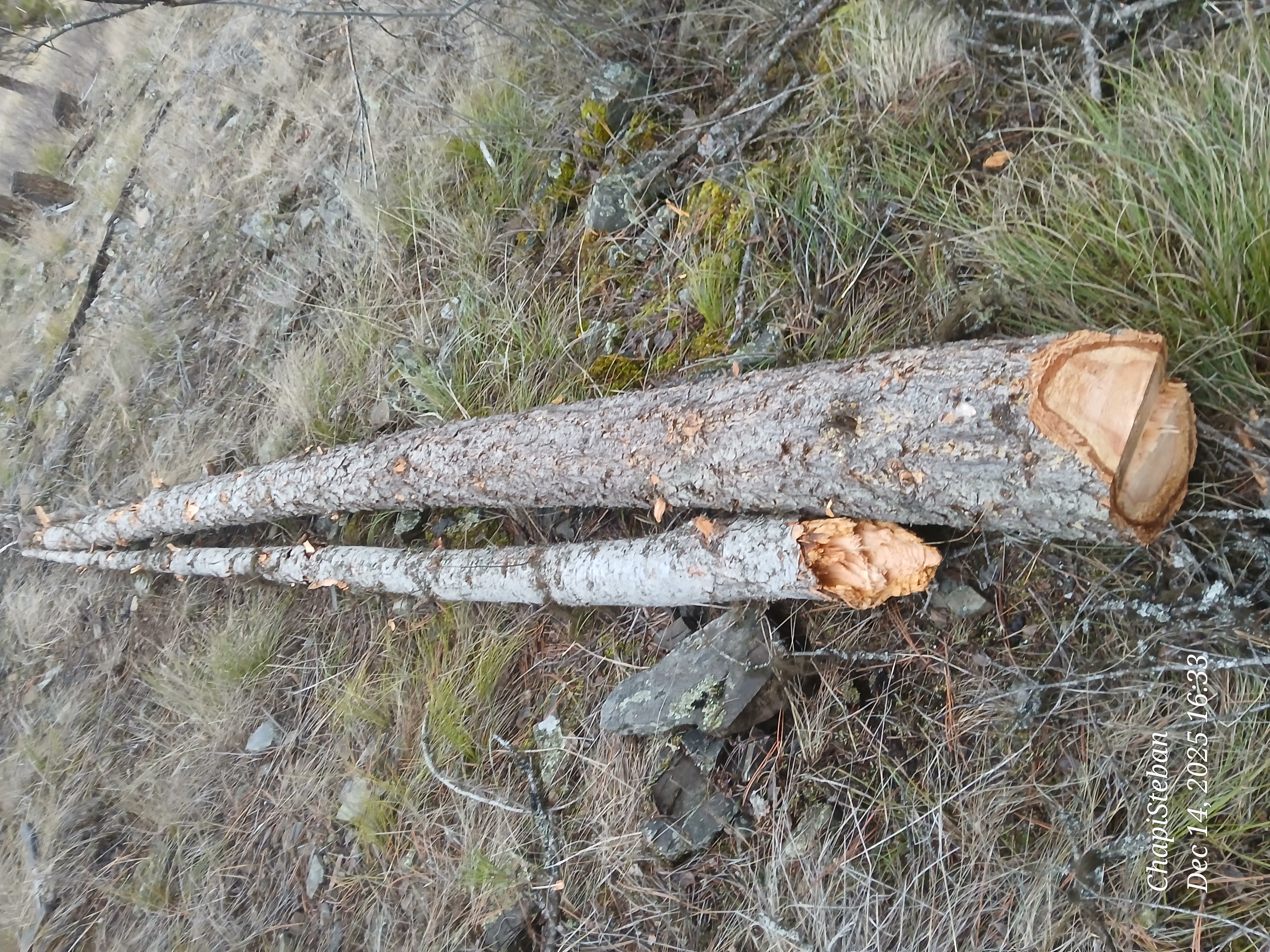
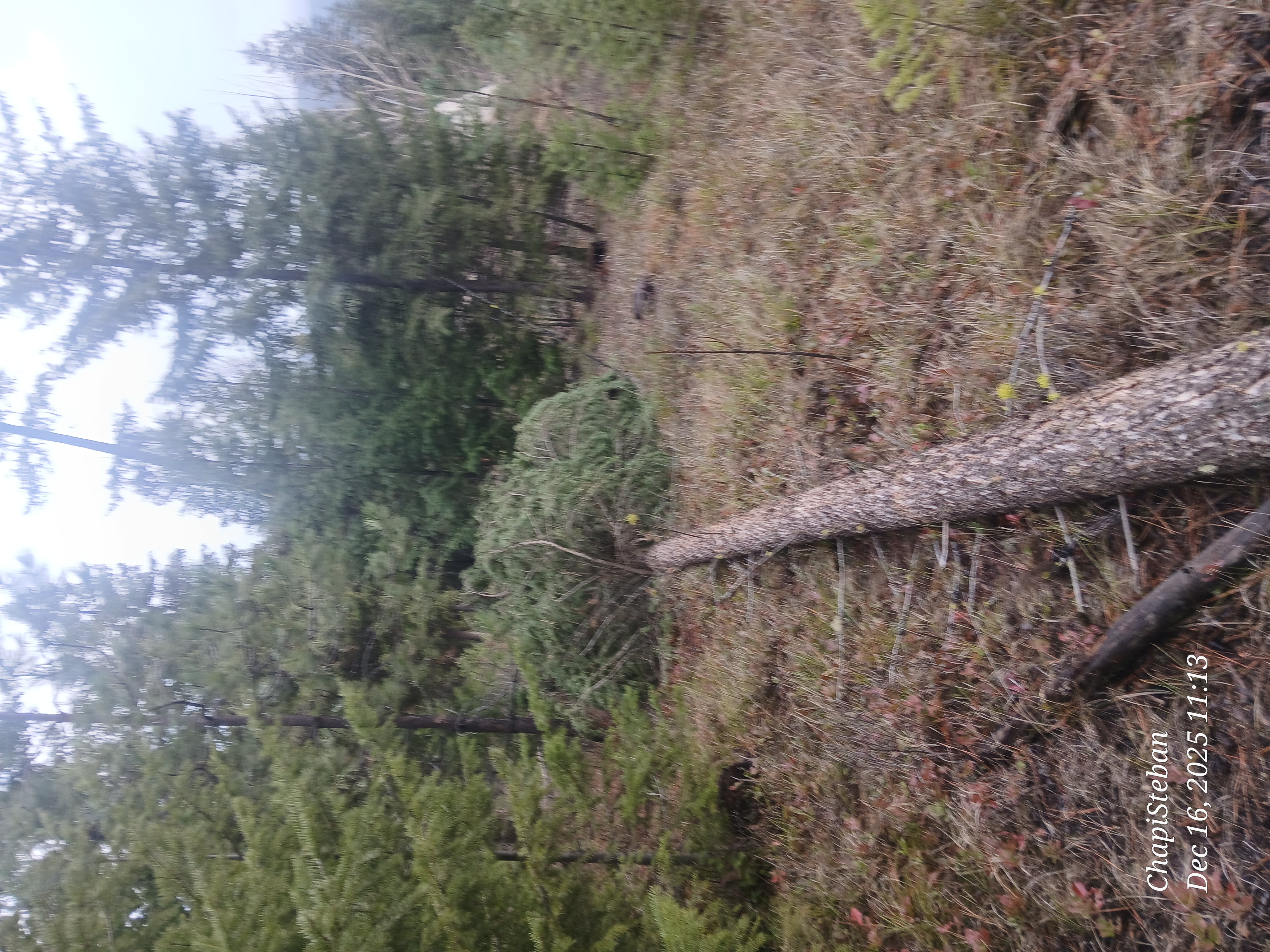
- Your 4 trees after they are limbed
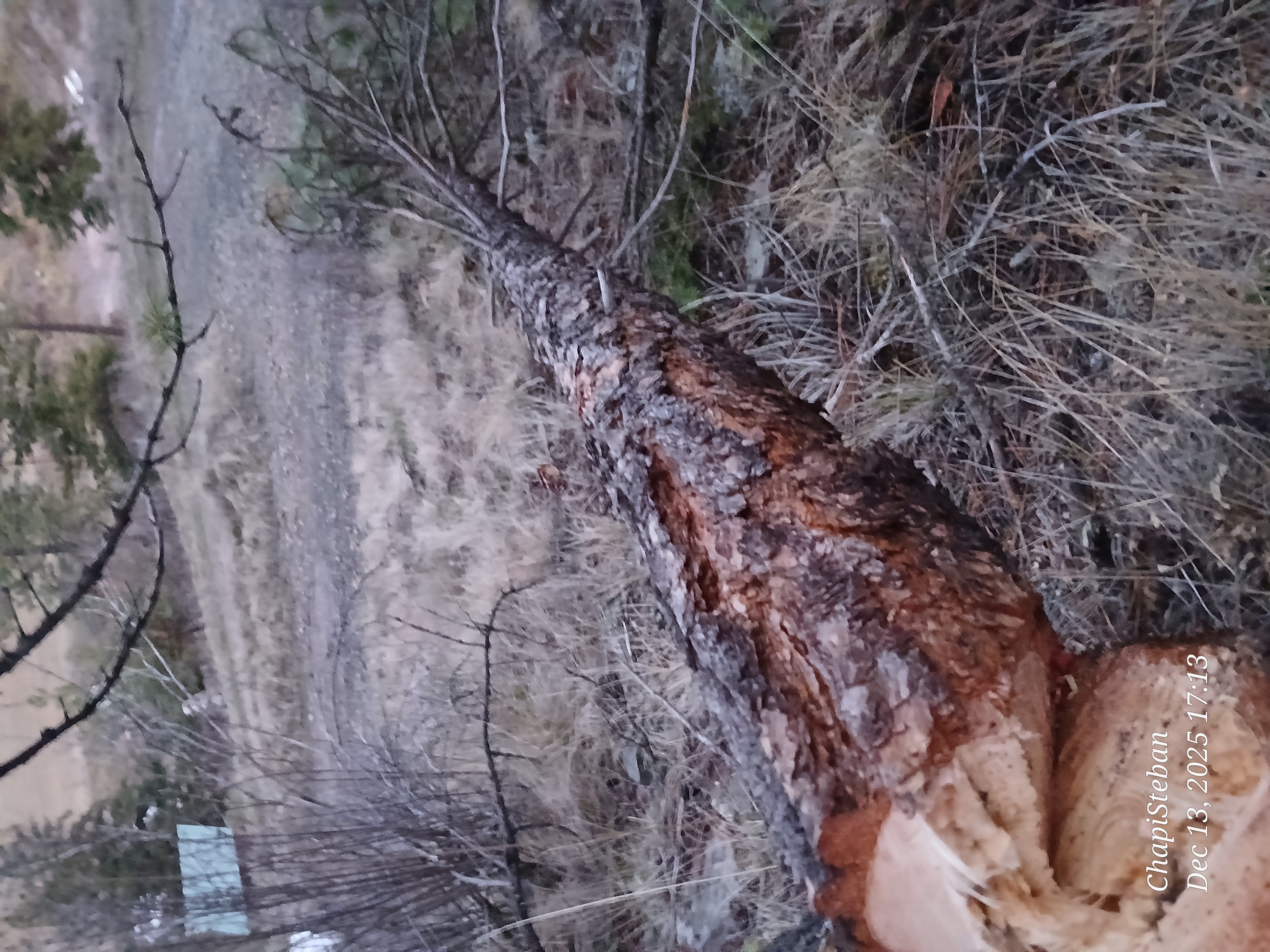



Alexandra Malecki flagged this submission as an edge case.
BBV price: 0
Note: Please include stump measurement of tree D
Someone approved this submission.
Note: Congratulations!

|
Quick! Before anybody notices! Cover it up with this tiny ad:
A rocket mass heater heats your home with one tenth the wood of a conventional wood stove
http://woodheat.net
|