• Post Reply Bookmark Topic Watch Topic
  • New Topic
permaculture forums growies critters building homesteading energy monies kitchen purity ungarbage community wilderness fiber arts art permaculture artisans regional education skip experiences global resources cider press projects digital market permies.com pie forums private forums all forums
this forum made possible by our volunteer staff, including ...
master stewards:
  • Carla Burke
  • Nancy Reading
  • John F Dean
  • r ransom
  • Jay Angler
  • Timothy Norton
stewards:
  • paul wheaton
  • Tereza Okava
  • Nicole Alderman
master gardeners:
  • M Ljin
  • Christopher Weeks
gardeners:
  • Jeremy VanGelder
  • thomas rubino
  • Megan Palmer

What are your earliest vegetables?

 
gardener
Posts: 979
Location: Ontario - Zone 6a or 4b, depending on the day
690
dog foraging trees tiny house books bike bee
  • Likes 3
  • Mark post as helpful
  • send pies
    Number of slices to send:
    Optional 'thank-you' note:
  • Quote
  • Report post to moderator

After months of impatient waiting, tonight we ate the first "real" meal from our garden - lettuce and peas and garlic scapes. We've had lettuce for a while, and have eaten some beet greens but peas are "food". Last weekend we had the first strawberries of the season. I planted a lot of stuff this year, much of it weeks before the official last frost date (May 10) as a gamble. The daikon radishes went to seed before forming any sort of a root, the beets are similar....

Admittedly I was a bit late with planting the peas, but surely there's something else I can plant I could be eating before July!  And in about 1-2 weeks, the tomatos and peppers and squash will start ripening, and we will be buried in produce.

What do you plant?

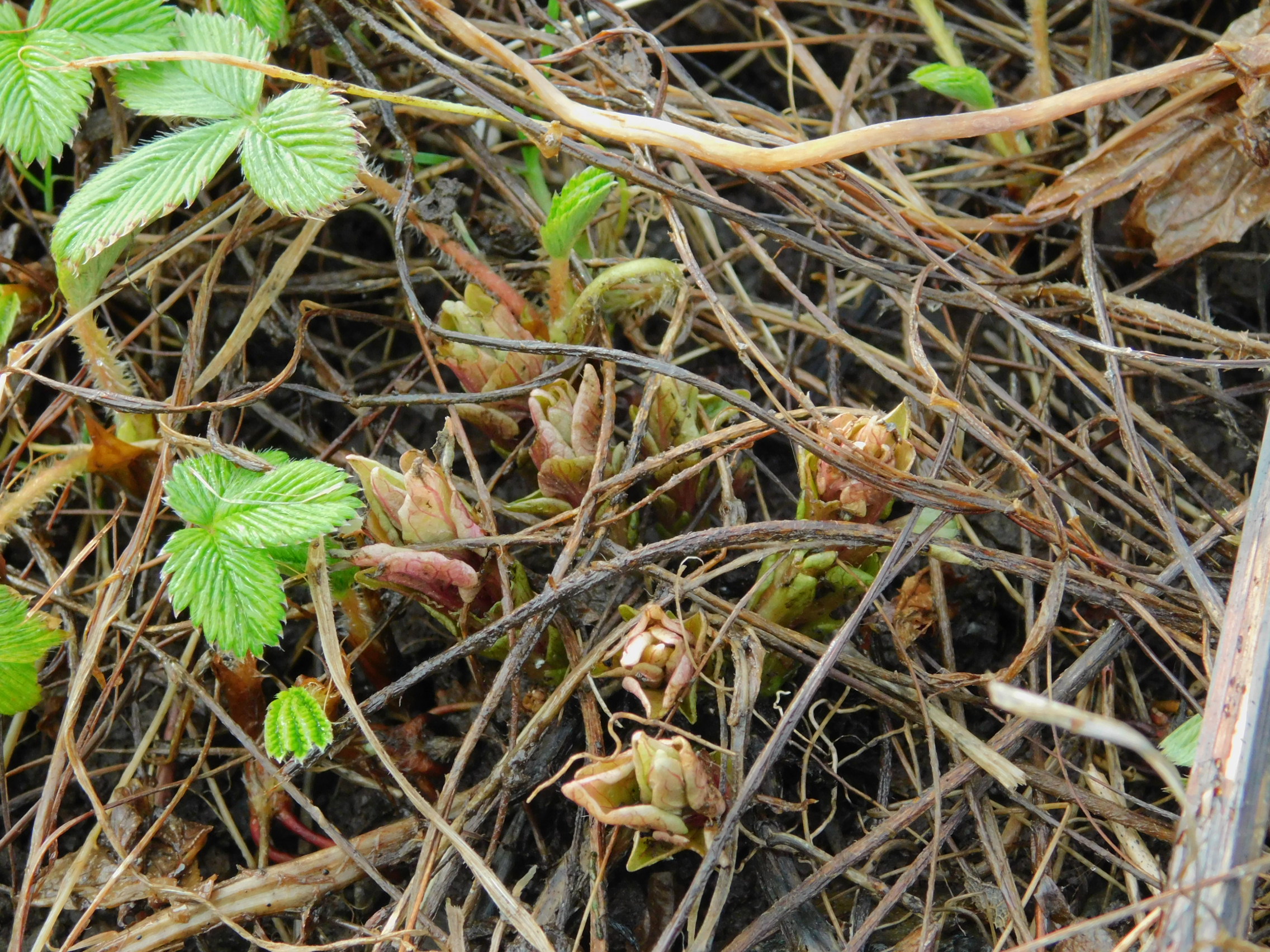
I know there's some perennials - I planted a bunch of rhubarb this spring, and some asparagus, and discovered that hosta shoots are apparently edible. Plus there's wild forage stuff like fiddleheads and wild leeks. Anything else I should be planting?

What about annuals? Any annuals (other than kale!!!) I could be eating right now - without moving a few hundred km south?
 
gardener
Posts: 3074
Location: Central Texas zone 8a
827
2
cattle chicken bee sheep
  • Likes 1
  • Mark post as helpful
  • send pies
    Number of slices to send:
    Optional 'thank-you' note:
  • Quote
  • Report post to moderator
Asparagus is by far our first harvest. We have mild winters so brocolli,  cabbage, and cauliflower are technically early.
 
gardener
Posts: 1333
765
10
hugelkultur monies foraging trees composting toilet cooking bike solar wood heat rocket stoves ungarbage
  • Likes 2
  • Mark post as helpful
  • send pies
    Number of slices to send:
    Optional 'thank-you' note:
  • Quote
  • Report post to moderator
I just finished a post on my blog about a couple great perennial vegetables and some ideas on how I use them.  One of them probably represents my earliest non-greenhouse harvest, that being daylilies.  Their tender young shoots are some the first green things to appear around here in the late winter/early spring.  They are also putting out lots of edible buds and flowers now.  If interested here's a link to the blog post.  https://theartisthomestead.com/excellent-perennial-vegetables-you-cant-buy-in-stores/

Another early harvest for me are Jerusalem artichokes.  I dig the tuber up in the spring so they've had all winter for the difficult to digest starches to break down into easier to digest sugars.  This harvest can happen as soon as I can get a shovel into the soil.
 
pollinator
Posts: 1813
Location: southern Illinois, USA
367
  • Likes 2
  • Mark post as helpful
  • send pies
    Number of slices to send:
    Optional 'thank-you' note:
  • Quote
  • Report post to moderator
The humble radish is the fastest imaginable thing to grow from seed early in the season...they are frost hardy and don't mind chill and wet.  I try to grow a patch every year just for the greens.  Yes, radish greens are eminently edible....just cook them like turnip or mustard greens, they are practically indistinguishable from them when cooked.  The roots too can be cooked, especially in curries.  Radishes of the daikon type are major staple crops in much of Asia, almost all of them for cooked use.  When they go to seed, the young pods when still green and "snap-eable" make a tasty stir-fry!
 
pollinator
Posts: 316
Location: Yukon Territory, Canada. Zone 1a
83
transportation hugelkultur cat books cooking food preservation bike building writing rocket stoves wood heat
  • Likes 1
  • Mark post as helpful
  • send pies
    Number of slices to send:
    Optional 'thank-you' note:
  • Quote
  • Report post to moderator
Rhubarb.  It's perennial so you don't have to do any thing, except split it every couple of years to get more plants.
It loves abuse. I don't feed, water, or protect it from freezing. It just comes back, year after year after year.
 
steward
Posts: 16155
Location: Northern WI (zone 4)
5268
9
hunting trees books food preservation solar woodworking
  • Likes 1
  • Mark post as helpful
  • send pies
    Number of slices to send:
    Optional 'thank-you' note:
  • Quote
  • Report post to moderator
I like sorrel for a really early perennial green.  Lovage is pretty fast to put up leaves in the spring too.  They're a bit strong for a salad just by themselves but it's a start...
 
Catie George
gardener
Posts: 979
Location: Ontario - Zone 6a or 4b, depending on the day
690
dog foraging trees tiny house books bike bee
  • Mark post as helpful
  • send pies
    Number of slices to send:
    Optional 'thank-you' note:
  • Quote
  • Report post to moderator
Post a late night question on permies, get half a dozen really good answers by morning :)

David - thanks for sharing that useful blog post ! I knew you could eat daylily tubers, but never wanted to kill the plants. But the shoots and the flowers? That I didn't know, and we have hundreds. I will be trying your spring roll recipe tonight, and the shoots (from those, and our hundreds of hostas) next spring.

Alder - had no idea I could eat the greens and the seed pods from radish. Will be trying that too, so hopefully I get at least some food out of the daikons I planted. I am not a huge radish fan, but love cooked daikon.

I planted 5 asparagus crowns and 6 brilliantly red rhubarb plants divided from my grandmother's house this year (what? have you ever actually had TOO MUCH rhubarb?) - I have high hopes for the next few years.

I forgot the perennial herbs too - haven't tried sorrel, but love my mint, chives, etc... I guess I also forgot lambsquarters - I've been staying with my mother, who doesn't like it, but could have boiled up "a mess of greens" with vinegar like my grandmother does a few times already. Yum!
 
pollinator
Posts: 1455
Location: BC Interior, Zone 6-7
521
forest garden tiny house books
  • Likes 3
  • Mark post as helpful
  • send pies
    Number of slices to send:
    Optional 'thank-you' note:
  • Quote
  • Report post to moderator
False Solomon's seal (Maianthemum racemosum) comes up earlier than asparagus where I live. It's always described as tasting like asparagus, but I don't think it tastes anything like. To me, it's got kind of an oniony or garlicky taste with some funk. Good funk :) I ate a lot of it chopped up in chickpea flour pancakes this spring.

I sometimes seed my peas in the fall so they'll come up extra early. If we have good snow cover right through the winter, sometimes fall peas will survive under the snow and be super extra early the next year. You can get a good harvest of pea greens before the plants start flowering, too.

My radishes always bolt too, so I grow rat tail radishes which are bred for extra big, tender seed pods.

Another vote for sorrel. That's the absolute first thing that starts growing here in the spring.

Mache/corn salad is supposed to be really early. If youve never had it, it's a very mild green with a bit of a floral taste. This fall I'm determined to actually get some planted to see if it works here or just bolts.
 
pollinator
Posts: 2339
Location: Denmark 57N
603
fungi foraging trees cooking food preservation
  • Likes 2
  • Mark post as helpful
  • send pies
    Number of slices to send:
    Optional 'thank-you' note:
  • Quote
  • Report post to moderator
My last frost date is 1st June and we're harvesting Potatoes, spinach, carrots(baby) radishes, onions, dill, coriander, parsley, lettuce, peas, broad beans and sugar snap peas all direct seeded and chinese cabbage, kale, broccoli, pointed cabbages, courgettes and cucumbers transplanted. Here this is a very late year so that might be part of the problem.
 
pollinator
Posts: 205
Location: Gulf Islands, Canada
79
hugelkultur cat books medical herbs homestead ungarbage
  • Likes 3
  • Mark post as helpful
  • send pies
    Number of slices to send:
    Optional 'thank-you' note:
  • Quote
  • Report post to moderator
Miner's lettuce is very cold hardy and comes up super early for me, and it's low maintenance. I can have miner's lettuce salads for weeks and weeks before the lettuce is ready.
 
Posts: 51
Location: SW Ohio, 6b, heavy clay prone to hardpan
18
  • Likes 2
  • Mark post as helpful
  • send pies
    Number of slices to send:
    Optional 'thank-you' note:
  • Quote
  • Report post to moderator
Asparagus is usually our first harvest, along with some sorrel and sea kale.  At first I was conflicted about harvesting the early leaves of the kale, but the plants were so huge (six feet across), that I realized I needed to slow them down a bit by eating the early leaves.  Some years the older leaves of the kale get too bitter (but this year they are just as good as the young leaves) and the sorrel loses it's lemony flavor as the season progresses.

After that, it's usually peas, and then the other brassicas (besides the kales)

Here, people usually advise holding off until Mother's Day to plant vegetables, but we monitor the weather closely and often plant two week before, if frost seems unlikely.
 
Posts: 502
Location: West Midlands UK (zone 8b) Rainfall 26"
142
  • Likes 1
  • Mark post as helpful
  • send pies
    Number of slices to send:
    Optional 'thank-you' note:
  • Quote
  • Report post to moderator
Nettles for soup are one of the earliest things I harvest.  Corn salad will have been pickable all winter, musk mallow sulks a bit over winter but then sprouts pretty early.  Overwintered kale and sprouting broccoli will be ready early too.  And onions or garlic that I've missed the previous harvest will shoot and be dug up as spring onions, and wild garlic leaves chopped in soups.  
 
steward
Posts: 2154
Location: Sunshine Coast, BC
661
hugelkultur forest garden fungi trees books chicken bee
  • Likes 1
  • Mark post as helpful
  • send pies
    Number of slices to send:
    Optional 'thank-you' note:
  • Quote
  • Report post to moderator
Many mustard greens are very cold hardy. I planted in mid March, and was eating it before the end of April. Pac Choi as well. Radish has already been mentioned. Cilantro is also a cool weather crop. As is arugula. Mix all those together and you've got a pretty tasty salad!

Happy gardening!

Tracy
 
Hester Winterbourne
Posts: 502
Location: West Midlands UK (zone 8b) Rainfall 26"
142
  • Mark post as helpful
  • send pies
    Number of slices to send:
    Optional 'thank-you' note:
  • Quote
  • Report post to moderator
Land cress will overwinter too and start cropping very early if not all winter.
 
Catie George
gardener
Posts: 979
Location: Ontario - Zone 6a or 4b, depending on the day
690
dog foraging trees tiny house books bike bee
  • Likes 1
  • Mark post as helpful
  • send pies
    Number of slices to send:
    Optional 'thank-you' note:
  • Quote
  • Report post to moderator
I am learning a lot! Miners lettuce,  corn salad, rattail radishes ! Never heard of them but will have to investigate.

I really need to look into snow peas. I have always planted garden peas but I guess I could eat snow peas earlier. And pea greens! Had no idea. Also need to start looking at the other brassicas.... the last three years I haven't known I would have a garden until April or may at the earliest, so haven't gotten to grow anything from seed indoors, and brassica starts arrive at the garden centre at the same time as tomatos, long after they probably should be planted.  Any time I plant bought curcubit starts before late June they get eaten by something. Seed grown curcubits seem to escape whatever it is.

I am dreaming of being able to garden over the winter like some of you! We had snow until at least early April-and I have pictures to prove it! I guess looking at it, we have a really short spring before full blown summer. Perhaps I should work on extending fall plantings instead, as we do have a long fall with a few months of bare ground not always freezing. Oh well.... it's an improvement over my childhood garden, where no sane gardener would plant before June 10th, and there was still snow this year til early May!

For other impatient gardeners.... I planted subarctic maxi tomatos this year, and it looks like it may produce at the same time or earlier than my cherry tomatos. Yay.
 
Tracy Wandling
steward
Posts: 2154
Location: Sunshine Coast, BC
661
hugelkultur forest garden fungi trees books chicken bee
  • Likes 3
  • Mark post as helpful
  • send pies
    Number of slices to send:
    Optional 'thank-you' note:
  • Quote
  • Report post to moderator
Don't wait for brassica starts! Direct seeding works great for brassicas. Plant some really early - just a small patch, so that if you get some nasty weather, you won't lose much - and then plant them at 2 or 3 week intervals, so you have a continual harvest, instead of them all being ripe at the same time.

And you can direct seed most brassicas right up until September. This will give you a longer harvest window, in the spring and in the fall.  Most brassicas are very hardy, and some get even sweeter with light fall frosts.

Hope this helps!
 
Mike Haasl
steward
Posts: 16155
Location: Northern WI (zone 4)
5268
9
hunting trees books food preservation solar woodworking
  • Mark post as helpful
  • send pies
    Number of slices to send:
    Optional 'thank-you' note:
  • Quote
  • Report post to moderator
I don't know what I'm doing wrong but I can not get brassicas to grow from seed in the ground very well at all.  This year I planted brussels sprouts twice and only a couple germinated (my uncle did one batch so maybe it's not me).  I struggle with kale as well.  I do just find growing them in seedling flats so I'm just going to do kale and brussels that way in the future (along with cabbage, broccoli and cauliflower).
 
pollinator
Posts: 413
Location: Hamburg, Germany
132
  • Mark post as helpful
  • send pies
    Number of slices to send:
    Optional 'thank-you' note:
  • Quote
  • Report post to moderator

Jan White wrote:
My radishes always bolt too, so I grow rat tail radishes which are bred for extra big, tender seed pods.


Specifically look for "Münchner Bier" or Muncher Beer, or Munich Bier, or other variant.  The pods meant to be nibbled on at a bar, with your beer, like you would peanuts. :)  Do pick them early, as they get woody later in the season.  You'll figure it out from the texture.  And if you let them go they'll reseed all over, probably crossing in unexpected ways with other radishes, but all the pods are edible.

Peas are usually an early crop for me, but this year the weather got weird and then the rabbits took them all.  Plant more than you need as the tendrils are tasty, too!

Nettles are absolutely the first green thing in the garden.  All the cookbooks say just to take the young, very tips.  They don't explain that's because the bigger leaves get gritty and weirdly over-filling.  Kind of like liver, I have to chew long enough that something in my body decides it's not a good idea and I'm done.  But the tender greens are lovely!
 
Steward of piddlers
Posts: 7777
Location: Upstate New York, Zone 5b, 43 inch Avg. Rainfall
4410
monies home care dog fungi trees chicken food preservation cooking building composting homestead
  • Likes 5
  • Mark post as helpful
  • send pies
    Number of slices to send:
    Optional 'thank-you' note:
  • Quote
  • Report post to moderator
I consistently harvest peas early in my growing season which starts the itch to start growing more veggies. I did not get my fava beans in early enough (first year trying) but I could see the potential for them to be another early harvest.
 
steward and tree herder
Posts: 13295
Location: Isle of Skye, Scotland. Nearly 70 inches rain a year
7172
6
transportation dog forest garden foraging trees books food preservation woodworking wood heat rocket stoves ungarbage
  • Likes 7
  • Mark post as helpful
  • send pies
    Number of slices to send:
    Optional 'thank-you' note:
  • Quote
  • Report post to moderator
Perennials are definitely my earliest vegetable harvest. Hablitzia is incredibly early, and the taste of the early shoots is growing on me. My perennial kale can be harvested a little through the winter, although it does get a bit tatty. The only trouble I have with the spring perennial shoots, is that the season can be so short that you blink and miss it!
DSCN1014.JPG
February shoots of Hablitzia tamnoides
 
Posts: 10
Location: North Texas
1
  • Likes 7
  • Mark post as helpful
  • send pies
    Number of slices to send:
    Optional 'thank-you' note:
  • Quote
  • Report post to moderator
overwintered carrots and collards are my favorites. Carrots that have been in the ground through the cold winter are sweeter.
 
pollinator
Posts: 3499
Location: Meppel (Drenthe, the Netherlands)
1189
dog forest garden urban cooking bike fiber arts
  • Likes 9
  • Mark post as helpful
  • send pies
    Number of slices to send:
    Optional 'thank-you' note:
  • Quote
  • Report post to moderator
What do you mean by 'earliest'? I have some vegetables I can harvest all winter long. So in January or February I can harvest them too. These are 'winter purslane' AKA miner's lettuce (Claytonia perfoliata) and lamb's lettuce (Valerianella locusta). And I don't even have to sow or plant them, they are self-seeding.
If sunchokes (Jerusalem artichokes, Helianthus tuberosus) counts as a vegetable, I can harvest those tubers all winter long too (and in spring).
 
Posts: 45
Location: Half acre on a hill in Central Alabama, Zone 8a and 8b
32
hugelkultur fungi foraging
  • Likes 7
  • Mark post as helpful
  • send pies
    Number of slices to send:
    Optional 'thank-you' note:
  • Quote
  • Report post to moderator
We look forward to chickweed, which starts creeping in as early as December, but really hits its stride by February. The wild garlic chives and walking onions do well all winter, so we always have tasty greens for omelettes. But nothing beats the anticipation of March asparagus.
 
pollinator
Posts: 1631
Location: zone 4b, sandy, Continental D
443
  • Likes 7
  • Mark post as helpful
  • send pies
    Number of slices to send:
    Optional 'thank-you' note:
  • Quote
  • Report post to moderator
Radishes can be planted in fairly cold weather and will give you an edible root in 21 days, so it would be hard to find better for an early crop that you plant in the spring.
My first vegetables that sprout out of the ground in the spring are my asparagus and my rhubarb: It's hard to beat perennials because they are already planted, so they come out as soon as they are ready.
In that category, I'd put also garlic chives: They come out early and can be harvested all the way through fall. I prefer garlic chives/ Chinese chives to conventional chives that flower pink in the spring: (once chives flower, the flower stem is hard, so no so good). The garlic/Chinese chives flower white in the fall, often after the first frost.
Otherwise, we can eat sunchokes all through the winter, so I'm not sure when to draw the line. I picked some from an old patch that I want planted in something else as soon as the ground allowed.
 
pollinator
Posts: 238
78
2
  • Likes 4
  • Mark post as helpful
  • send pies
    Number of slices to send:
    Optional 'thank-you' note:
  • Quote
  • Report post to moderator
You can find miner's lettuce, rat-tail radish, and corn salad at Baker Creek:  https://www.rareseeds.com/lettuce-miner-s
also at Nichol's Garden Nursery (they have a nice array of herbs, too):  https://nicholsgardennursery.com/

I like mizuna, choy sum, or bok choy as a fast-growing crop.  They withstand humidity and heat better than some of the above, more temperate-climate plants.

Actually, most of the Asian greens grow faster.  I get tired of waiting 2 months to eat kale.  While it is still a tiny seedling, the Asian greens are almost bolting already.

And if you can get your hands on some ong choy, aka water spinach or kangkung, you can put a cutting in water and get roots in 2 days, and greens in a couple weeks if you plant that cutting in the ground...then continued harvests from that thereafter.  (they have hollow stems, if you need help identifying them)

They like water, will grow in water-logged soil.  Jack Spirko grows tubs of this to have food security and duck fodder.

It doesn't like cold climates, though.  It also will grow from seed, although not as quickly as a cutting.
 
Posts: 2
  • Likes 3
  • Mark post as helpful
  • send pies
    Number of slices to send:
    Optional 'thank-you' note:
  • Quote
  • Report post to moderator
We are in West Sonoma County, CA.  Crucifers grow all winter -  Picked a big load of purple and also green broccoli, there are Collards and kale.  Asparagus.  Tons of lettuce and arugula. Spring onions (red) by the bucket and white onions.  Carrots, bumper crop as well. Some potatoes already.
Cabbage moths are a problem and kale grown outside the netting are holey, having been chomped on.

Blueberries are on their way, just a few ripe ones now.  Raspberries are producing already. Strawberries producing as well. Garlic is usable, but wierd.  Possibly witches broom?  Peppers are not looking great and growing slowly.  Same with cucumbers.  Maybe planted too early.

We ate all the radishes in February - March.

In hotter areas, I have reports of plums already!  Not mine.  
 
Or we might never have existed at all. Freaky. So we should cherish everything. Even this tiny ad:
grow your own garden and build your own home in the gardening gardeners program
https://wheaton-labs.com/bootcamp
reply
    Bookmark Topic Watch Topic
  • New Topic