|

|
|
|
|

|

|

|

|

|
 10
10


 12
12
r ransom wrote:I thought perhaps I could learn to read music by learning to play an instrument. Makes sense, right? Well, it turns out, it's extremely easy to learn ukulele without reading music. Many books from the library discouraged it, in favour of ukulele short hand.
Without investing in a new instrument, is there some way for my dyslexic brain (that is resistant to all languages) to learn to read music?
My theory is, if I can find out the normal way to learn to read music, I might be able to adjust it to work around the defects in my brain.
"Them that don't know him don't like him and them that do sometimes don't know how to take him, he ain't wrong he's just different and his pride won't let him do the things to make you think he's right" - Ed Bruce (via Waylon and WIllie)
3
One can never be too kind to oneself or others.
Never our fault, always our responsibility


 11
11
How Permies works: https://permies.com/wiki/34193/permies-works-links-threads
My projects on Skye: The tree field, Growing and landracing, perennial polycultures, "Don't dream it - be it! "
5
"Them that don't know him don't like him and them that do sometimes don't know how to take him, he ain't wrong he's just different and his pride won't let him do the things to make you think he's right" - Ed Bruce (via Waylon and WIllie)
6
11
Life's too short, eat dessert first! [Source of quote unknown]
You have to be warped to weave [ditto!]
6
One can never be too kind to oneself or others.
Never our fault, always our responsibility
7
6
r ransom wrote:Mmmmmm, fudge.
I am a bit nervous to admit, but I don't know enough yet to understand many of the words and phrases used here. I feel this is an area I definitely need to work on.
Why do some notes not have sharps or flats? Is this only European music tradition? And how do we know which? Is it always the same ltters or is there a logic?
"Them that don't know him don't like him and them that do sometimes don't know how to take him, he ain't wrong he's just different and his pride won't let him do the things to make you think he's right" - Ed Bruce (via Waylon and WIllie)
4
"Them that don't know him don't like him and them that do sometimes don't know how to take him, he ain't wrong he's just different and his pride won't let him do the things to make you think he's right" - Ed Bruce (via Waylon and WIllie)
3
4
r ransom wrote:Why is there no E-sharp?
Was he a bad little letter and didn't eat all his vegetables?
Why are there so many sounds missing kn European music?
"Them that don't know him don't like him and them that do sometimes don't know how to take him, he ain't wrong he's just different and his pride won't let him do the things to make you think he's right" - Ed Bruce (via Waylon and WIllie)
8
r ransom wrote:Why is there no E-sharp?
Was he a bad little letter and didn't eat all his vegetables?
Why are there so many sounds missing in European music?
How permies.com works
What is a Mother Tree ?


 6
6
r ransom wrote:Why is there no E-sharp?
Was he a bad little letter and didn't eat all his vegetables?
Why are there so many sounds missing kn European music?
7
r ransom wrote:Why is there no E-sharp?
Was he a bad little letter and didn't eat all his vegetables?
Why are there so many sounds missing kn European music?
 5
3
6
5
3
6
 7
7
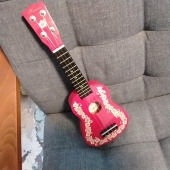
![[Thumbnail for IMG_3718.jpeg]](/t/368253/a/283667/IMG_3718.jpeg "Filename: IMG_3718.jpeg
Description:")
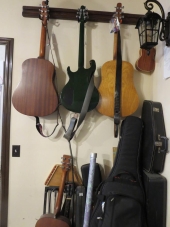
![[Thumbnail for IMG_3720.jpeg]](/t/368253/a/283668/IMG_3720.jpeg "Filename: IMG_3720.jpeg
Description:")
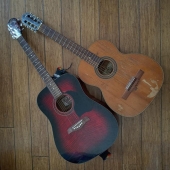
![[Thumbnail for IMG_3721.jpeg]](/t/368253/a/283669/IMG_3721.jpeg "Filename: IMG_3721.jpeg
Description:") 4
4
r ransom wrote:Mmmmmm, fudge.
I am a bit nervous to admit, but I don't know enough yet to understand many of the words and phrases used here. I feel this is an area I definitely need to work on.
Why do some notes not have sharps or flats? Is this only European music tradition? And how do we know which? Is it always the same ltters or is there a logic?
9
r ransom wrote:.....Without investing in a new instrument, is there some way for my dyslexic brain (that is resistant to all languages) to learn to read music?
3
7
3
I find it's beneficial to learn to read rhythm independent of melody (the rising and falling of notes)
6
5
One can never be too kind to oneself or others.
Never our fault, always our responsibility
8
8
3
6
2
r ransom wrote:
To my untrained ear, they sound identical.
And then we have 9/8 .
2


 9
9
Some places need to be wild
4
1
"The only thing...more expensive than education is ignorance."~Ben Franklin. "We can easily forgive a child who is afraid of the dark; the real tragedy of life is when men are afraid of the light." ~ Plato
3
7
r ransom wrote:The history is so interesting.
Music music used to be a big part of everyday life. Even into the 1950s in our non-musical family, there were always musical instruments in a house. It was part of evenings together.
The ukulele books like to talk about why TAB is best and how much older it is to modern musical notation. Long history there and very interesting stuff.
But I need to learn modern music music writing so I can move notes and stuff about and get a better feeling of time. Maybe even make learning new instruments easier.
I suspect music is going to be a big part of my life moving forward. If only I could read the darn thing.
3
2
![[Thumbnail for Screenshot_20260217_140204_Chrome.jpg]](/t/368253/a/283840/Screenshot_20260217_140204_Chrome.jpg "Filename: Screenshot_20260217_140204_Chrome.jpg
Description:")

|
He's dead Jim. Grab his tricorder. I'll get his wallet and this tiny ad:
Come Visit Wheaton Labs!
https://permies.com/wiki/367505/Visit-Wheaton-Labs
|