• Post Reply Bookmark Topic Watch Topic
  • New Topic
permaculture forums growies critters building homesteading energy monies kitchen purity ungarbage community wilderness fiber arts art permaculture artisans regional education skip experiences global resources cider press projects digital market permies.com pie forums private forums all forums
this forum made possible by our volunteer staff, including ...
master stewards:
  • Carla Burke
  • Nancy Reading
  • r ransom
  • John F Dean
  • paul wheaton
  • Jay Angler
stewards:
  • Timothy Norton
  • Pearl Sutton
  • Tereza Okava
master gardeners:
  • Christopher Weeks
  • M Ljin
gardeners:
  • Jeremy VanGelder
  • Matt McSpadden
  • thomas rubino

Guerilla Gardening some Fruit Trees? Worth it?

 
Posts: 86
8
  • Likes 1
  • Mark post as helpful
  • send pies
    Number of slices to send:
    Optional 'thank-you' note:
  • Quote
  • Report post to moderator
My property is out on a remote part of a lake that is adjacent to a tract of private timber land. The tract is about 250 acres and essentially consists of a valley floor (just wild grass and a few trees grow here and is otherwise unused) surrounded by Douglas fir trees on both sides of the mountains. There is probably 40+ acres (or more) of unused meadow on the valley floor. There are no roads to it and the hillsides will most likely not be logged for another 10+ years (or more).

I'm considering getting some apple trees and planting them in the meadow. Basically just subsistence for myself, 2-3 trees. I would plant them on my property but I don't want the fruit trees in my immediate area drawing the attention of the local black bears.  

I have found apple trees growing wild (assumably seeds dropped from birds or the wind, etc) around the lake before, so they do grow here. There is plenty of water, the winters in these meadows are pretty moist. Close to the lakeshore the water creeps up quite a ways 1-2 ft high.  

I would not be spraying these trees. They would be planted and let go to let nature do the rest and I would just pick the fruit once they started producing.

The question is: is it worth it for fruit trees? Don't apple trees take typically 10+ years to establish themselves? I do not have much experience with them. Don't they have to be consistently sprayed and maintained? Personally I'm thinking my efforts would be better spent doing intensive gardening on my lot with vegetables and just buy the occasional bag of apples at the store.

Thoughts?

IH
 
Posts: 169
  • Mark post as helpful
  • send pies
    Number of slices to send:
    Optional 'thank-you' note:
  • Quote
  • Report post to moderator
2-3 year old apples trees or other fruit trees that are already 3-5 ft tall can usually begin producing g apples within a few years.

It will likely take 10 years or more to be producing a crop that is providing meaningful gful sustenance.

You can buy them at the store, as long as the store has some for sale, but there is something nice about having YOUR OWN!

If it's a plus for you, you will also likely draw in the elk, deer, and most with fruit trees

But that also means you might have to fence them for the first 5 years until they are strong and established.

It is definitely  a personal decision  to invest in trees and caring for them, I'd  say worth it, but that's just me.
 
master pollinator
Posts: 5617
Location: Canadian Prairies - Zone 3b
1584
  • Mark post as helpful
  • send pies
    Number of slices to send:
    Optional 'thank-you' note:
  • Quote
  • Report post to moderator
My random thoughts:

If you create a black bear problem on an adjacent 250 acre plot, then you will have a black bear problem. Bears never forget a food source, and once they start hanging around they will check for additional easy pickings in the area. And they will teach their young to do the same.

If you start from seedlings it will take many years before you see substantial production. I guess it depends on what varieties you plant, and what time frames you are thinking about. Without tending, they will grow slowly, and will focus on foliage rather than fruit. Perhaps these trees will be more of a gift for the next generation (which is not all bad).
 
pioneer
Posts: 263
Location: SF Bay, California Zone 10b
138
6
forest garden fungi foraging cooking
  • Likes 6
  • Mark post as helpful
  • send pies
    Number of slices to send:
    Optional 'thank-you' note:
  • Quote
  • Report post to moderator
I've read that Sepp Holzer takes mash left over from cidermaking and spreads it in areas where he wants apple trees to grow. The fermented mash provides good fertilizer, and he doesn't spray or coddle the trees beyond that.

Direct seeding methods will reduce the labor and costs on your end. If you take the approach that you'll just plant and then forget it completely, then any fruits you get from them will just be an added bonus, rather than something you rely on. With guerilla gardening, you can never be certain when they'll decide to clearcut the area, so I prefer high volume low effort methods. You don't want a yield on someone else's land to be a crop you depend on.
 
Isaac Hunter
Posts: 86
8
  • Likes 2
  • Mark post as helpful
  • send pies
    Number of slices to send:
    Optional 'thank-you' note:
  • Quote
  • Report post to moderator

Malek Beitinjan wrote:
Direct seeding methods will reduce the labor and costs on your end. If you take the approach that you'll just plant and then forget it completely, then any fruits you get from them will just be an added bonus, rather than something you rely on. With guerilla gardening, you can never be certain when they'll decide to clearcut the area, so I prefer high volume low effort methods. You don't want a yield on someone else's land to be a crop you depend on.


I agree with you and this is where I was leaning to begin with. I'm certain they will not clear cut for several years, though even when they do they will not cut anything down on the Valley floor as it is too close to the lake (prohibited by law). There are even two spurs between my property and where they start cutting because it's too close.  

But, despite that, there's no telling what the logging company people would do wen they get down there and start mucking around. As I suspected, fruit trees seem to take active maintenance which I don't think this is something that would be worthwhile for me to do. My time would be better spent with a pole in the water and a salad growing in my garden plot.

Thanks for the info.

IH
 
Isaac Hunter
Posts: 86
8
  • Likes 1
  • Mark post as helpful
  • send pies
    Number of slices to send:
    Optional 'thank-you' note:
  • Quote
  • Report post to moderator

Douglas Alpenstock wrote:My random thoughts:

If you create a black bear problem on an adjacent 250 acre plot, then you will have a black bear problem. Bears never forget a food source, and once they start hanging around they will check for additional easy pickings in the area. And they will teach their young to do the same.

If you start from seedlings it will take many years before you see substantial production. I guess it depends on what varieties you plant, and what time frames you are thinking about. Without tending, they will grow slowly, and will focus on foliage rather than fruit. Perhaps these trees will be more of a gift for the next generation (which is not all bad).


I think you are absolutely right about this. The bears are not typically a problem in my immediate area. 100 miles north and they are a nightmare (because people were feeding them). I already have bears passing through my property. I've picked them up on trail cameras on a few occasions. Thankfully I keep a pretty clean camp so they just pass through. I think adding fruit trees is just an additional finger in the eye of fate.  

I know my aunt and uncle have an orchard of fruit trees and they are constantly complaining about all the work that goes into them. And it appears as if letting them go wild is not really an option. I know the apple tree I found when I was kid grew along the shoreline of the lake and had a lot of apples, but they were very small. Right now a bag of apples at Walmart is $4. But inflation might send that to $8-$10 in the next few years. But there are plenty of fish to be had for free and once I plant the garden it just grows on its own.  

IH
 
Isaac Hunter
Posts: 86
8
  • Likes 1
  • Mark post as helpful
  • send pies
    Number of slices to send:
    Optional 'thank-you' note:
  • Quote
  • Report post to moderator

Derek Dendro wrote:If it's a plus for you, you will also likely draw in the elk, deer, and most with fruit trees But that also means you might have to fence them for the first 5 years until they are strong and established.


There are plenty everywhere here already. The valley in question has elk herds that come down at night and lay down in the grass. That was one of my next questions was how to protect the trees without being able to fence them. My garden on my own property has cold frames with screen netting on them since I get a lot of deer and even had a few elk caught on the trail camera rooting around on my flat area. How those guys maneuver through the thick underbrush with those antlers I'll never know.

It seems as if apple farming is not in my future. Thanks for the tips.

IH
 
master steward
Posts: 14904
Location: Pacific Wet Coast
9239
duck books chicken cooking food preservation ungarbage
  • Likes 3
  • Mark post as helpful
  • send pies
    Number of slices to send:
    Optional 'thank-you' note:
  • Quote
  • Report post to moderator
Personally, I vote in favor, although I admit I don't live in black bear country.
1. I have 4 apple trees and for the last 20 years they've received minimal pruning and no other above ground care.
2. The deer clean up the windfalls. If they don't, it would be a good idea to try to in an effort to keep diseases and pests away.
3. I have lots of wild-ish areas that support insects and pollinators.
4. The trouble with apples is they tend to all come at once, so I've just planted 2 more trees that are late fall producers which are supposed to store well, which actually brings me up to 6 total now, and one more to find a place for.
5. I do protect young trees with fencing due to deer. If I had a way to make Sepp Holzer's bone salve, that's supposed to do the trick. If I didn't have the fencing already, I would have used bamboo to fashion a cage around them.

If you were prepared to buy a wide variety of apples and save all the seeds and spread them all over the valley, there's a good chance some would survive. If you saw young trees starting and gave them a little protection, the odds would go way up. Apples aren't a substitute for quality veggies, as they are not as nutritious as blackberries, blueberries, Saskatoon berries, or currents, but they are easy to pick, easy to dry, and have all sorts of culinary uses.
 
Posts: 34
Location: East Texas
12
  • Likes 12
  • Mark post as helpful
  • send pies
    Number of slices to send:
    Optional 'thank-you' note:
  • Quote
  • Report post to moderator
Plant all the apple seeds in all the spots that you think they'd do well. I've been stomping apple cores into the ground all Winter at the river while I wait for ducks to fly by. I've been starting apples from seed for 3 years... some will have a lot of vigor, some won't have any. You'll never know what's gonna do well until you get it out there. That 10+ year wait (some apples can produce in half that and if you graft you can have apples in a few) can start right now. If you have any shortage of apple seeds or just need someone to encourage and uplift you when it comes to planting trees from seed, please don't hesitate to reach out. I have a Royal Gala seedling that's 10 ft. tall and I put it in the ground in Fall 2019. By next year I'll have it framed out and grafted to a few different varieties. In a few years it'll be covered in fruit. Nothing beats knowing you planted that fruit tree in the ground yourself.

I told a fellow apple enthusiast about planting the cores on the river bank and he told me about an apple called "Hackworth" that was found on a river in AL.
If you're not feeding yourself, you'll be feeding the wildlife and they'll be shitting out the seeds in natures best fertilizer. They'll do the work for you. Let nature sort it out.

I'm protecting one of my mulberries with the top of a cedar tree. I've just laid it sideways so deer can't reach their necks over and nip it. I'm certain you could come up with a practical way to protect those young trees without bringing in a bunch of materials. Good luck!

This is my first post, by the way. It took a thread about starting apples from seed to bring me out of a couple years of lurking this forum when I'm bored. Bless y'all.
 
Isaac Hunter
Posts: 86
8
  • Likes 1
  • Mark post as helpful
  • send pies
    Number of slices to send:
    Optional 'thank-you' note:
  • Quote
  • Report post to moderator

Jay Angler wrote:Personally, I vote in favor, although I admit I don't live in black bear country. 5. I do protect young trees with fencing due to deer.  If I didn't have the fencing already, I would have used bamboo to fashion a cage around them.

Apples aren't a substitute for quality veggies, as they are not as nutritious as blackberries, blueberries, Saskatoon berries, or currents, but they are easy to pick, easy to dry, and have all sorts of culinary uses.


Luckily I don't have grizzly bears here. Or wolves. But we do have black bears and cougars, though the food available for them is slim and so they are spread out more than in other areas. I've caught both on trail cameras on my property, even right up next to my lower deck. I also found bear prints in fresh dirt I had piled up when digging the hole for the dugout. BUT they don't seem to come around when I'm present on the property and they haven't touched anything in the several years I've had a camp here.

That's not necessarily true. I do have a garbage can I use for storage (generator, tarps, etc) that was dumped over after one holiday when I was away. But, I'm leaning more toward bored kids running around on the lake causing trouble than animals.  

I didn't realize blackberries were more nutritious than apples. I just like apples as a snack even as a stable for lunch, etc. I knew I didn't want them on site with the bears in the area. But, maybe it's a bad idea to even given them more of an excuse to come into the valley at all.

As to the bamboo. I've also considered planting some of this over in the fields. I would love to have a quick growing forest of building material in 5 years in the valley.

IH
 
Douglas Alpenstock
master pollinator
Posts: 5617
Location: Canadian Prairies - Zone 3b
1584
  • Likes 2
  • Mark post as helpful
  • send pies
    Number of slices to send:
    Optional 'thank-you' note:
  • Quote
  • Report post to moderator
FWIW, I was playing Devil's Advocate. I love the idea of stomping apple cores into the ground and having them grow. Apple trees in my harsh climate take a lot more work. Just keep in mind that no good deed goes unpunished.
 
Jay Angler
master steward
Posts: 14904
Location: Pacific Wet Coast
9239
duck books chicken cooking food preservation ungarbage
  • Likes 2
  • Mark post as helpful
  • send pies
    Number of slices to send:
    Optional 'thank-you' note:
  • Quote
  • Report post to moderator
Isaac Hunter wrote:

But we do have black bears and cougars, though the food available for them is slim and so they are spread out more than in other areas. I've caught both on trail cameras on my property, even right up next to my lower deck. I also found bear prints in fresh dirt I had piled up when digging the hole for the dugout.


Douglas Alpenstock wrote:

I love the idea of stomping apple cores into the ground and having them grow. Apple trees in my harsh climate take a lot more work. Just keep in mind that no good deed goes unpunished.


I agree there are risks involved in everything - the risk of no food, the risk of feeding bears, the risk of having no pollinators, because bears are an important support for bees and their ecosystems are shrinking.
As with all risks, the problem is the solution if you think far enough out of the box. If you really like eating an apple a day, your body's telling you something, and I'd far prefer you eat an apple from a semi-wild tree, than be exposed to the things apple orchards tend to be treated with.
 
steward and tree herder
Posts: 12626
Location: Isle of Skye, Scotland. Nearly 70 inches rain a year
6542
6
transportation dog forest garden foraging trees books food preservation woodworking wood heat rocket stoves ungarbage
  • Likes 5
  • Mark post as helpful
  • send pies
    Number of slices to send:
    Optional 'thank-you' note:
  • Quote
  • Report post to moderator
I found an old thread about not pruning fruit trees:

https://permies.com/t/2590/prune-technique-holzer-fukuoka

I seem to remember that Sepp Holzer leaves his fruit trees unpruned so getting more branches lower down that the deer and mice can browse, eventually protecting the main trunk for winter 'barking'
 
Douglas Alpenstock
master pollinator
Posts: 5617
Location: Canadian Prairies - Zone 3b
1584
  • Likes 2
  • Mark post as helpful
  • send pies
    Number of slices to send:
    Optional 'thank-you' note:
  • Quote
  • Report post to moderator

Jay Angler wrote:
I agree there are risks involved in everything - the risk of no food, the risk of feeding bears, the risk of having no pollinators, because bears are an important support for bees and their ecosystems are shrinking.


That's a fair comment. I am always concerned about keeping bears truly wild, though. Habituation and conflicts usually happen through human actions, and the bears always lose, so it's reasonable to consider "what if" on a new project.

I'm a bit confused by "because bears are an important support for bees.". What does that mean?
 
Isaac Hunter
Posts: 86
8
  • Likes 1
  • Mark post as helpful
  • send pies
    Number of slices to send:
    Optional 'thank-you' note:
  • Quote
  • Report post to moderator

Douglas Alpenstock wrote:
That's a fair comment. I am always concerned about keeping bears truly wild, though. Habituation and conflicts usually happen through human actions, and the bears always lose, so it's reasonable to consider "what if" on a new project.


Personally I'm a little bit more concerned about waking up one morning to a bear rooting around in my shelter with me still in it. ;-)
 
pollinator
Posts: 3987
Location: 4b
1459
dog forest garden trees bee building
  • Likes 7
  • Mark post as helpful
  • send pies
    Number of slices to send:
    Optional 'thank-you' note:
  • Quote
  • Report post to moderator

Isaac Hunter wrote:...tract of private timber land...
IH


My thoughts are, do what you like on your own land, and leave other people's land alone.  You don't even have any business being on the land, let alone planting something on it, unless of course you have the permission of the owner, in which case, it isn't "guerilla gardening".  I don't understand why people think they have the right to go on someone else's land and plant something, because it is "unused".  Maybe it is being used for exactly what the owner wants to use it for, even if that is just leaving it alone.  I have 80 acres, and much of it is "unused".  That's just the way I want it.  If I wanted it to be used, I would use it.  Maybe the owner of that land feels the same.
 
Jay Angler
master steward
Posts: 14904
Location: Pacific Wet Coast
9239
duck books chicken cooking food preservation ungarbage
  • Likes 2
  • Mark post as helpful
  • send pies
    Number of slices to send:
    Optional 'thank-you' note:
  • Quote
  • Report post to moderator
Douglas Alpenstock wrote:

I'm a bit confused by "because bears are an important support for bees.". What does that mean?

I read in a book about west coast forests (can't remember which one) that one of the benefits of bears marking trees with their claws, is that the tree exudes sap in response and it is an important source of bee forage in forested areas at certain times of the year. Apparently, timber harvesters don't want bears marking the trees, so they tend to kill the bears and therefore indirectly kill their pollinators. (so maybe it was a book about bears - I don't think so - if you want more info, try google, as I really just don't remember where I read it and don't want to send you the wrong way)
 
Isaac Hunter
Posts: 86
8
  • Likes 5
  • Mark post as helpful
  • send pies
    Number of slices to send:
    Optional 'thank-you' note:
  • Quote
  • Report post to moderator

Trace Oswald wrote:

Isaac Hunter wrote:...tract of private timber land...
IH


My thoughts are, do what you like on your own land, and leave other people's land alone.  You don't even have any business being on the land, let alone planting something on it, unless of course you have the permission of the owner, in which case, it isn't "guerilla gardening".  I don't understand why people think they have the right to go on someone else's land and plant something, because it is "unused".  Maybe it is being used for exactly what the owner wants to use it for, even if that is just leaving it alone.  I have 80 acres, and much of it is "unused".  That's just the way I want it.  If I wanted it to be used, I would use it.  Maybe the owner of that land feels the same.


Guerilla indicates I do not have explicit permission to use the land in question. I have also not been given explicit denial of access to the land, given that the actual ownership of the land is in a gray area between the private owner (a corporation back east) and the State. States often claim any land below high water and, thus, technically, the land in question is in a flood zone and owned by the State. Of course, I doubt the corporation would say the State owns the property, but I also can guarantee you the State would say they do own it - if there was an issue that they wanted to argue over.

This is why I claim the land is abandoned.
1. Neither party really cares at all about the land in question.
2. Both parties only act in self-interest when it interests them.

The State has no use for the land. They simply claim the high water mark to end endless squabbling between land owners and recreational people (fisherman, campers, etc). Landowners on the lake used to own out to the middle of the lake, but no longer.  

The corporation has no use for the land or they would be using it, since they are a for-profit corporation and operate to maximize profits. In actuality, they would probably plant the entire valley floor with trees if the State would allow, but they will not so they do not.  

I'm not interested in grazing livestock on the land, or turning the field for hay or moving onto the land and building a cabin. I'm taking about planting a few trees that will never be noticed by anyone since, again, no one uses this land for any reason (and never will = hence, abandoned). But, if it's going to have an adverse effect on wildlife or someone else, then I would not want to do anything. I certainly would not walk onto your property and plant trees because your land is not abandoned. You are using it in the way you see fit. You are also an individual and not a corporation that has a specific purpose for the land they own and are maximizing that purpose. What I would be using does not factor into their purpose or use at all.  

But, because I think it would adversely change the dynamics of the habitat, I would not want to introduce these fruit trees.  

In actuality, because the land can be considered State owned, I could, technically, move onto the land, throw up a yurt and take possession of the land and the authorities would not remove me. This is the new law of the land. I would not do this, but, theoretically, there is precedent.  

IH
 
Douglas Alpenstock
master pollinator
Posts: 5617
Location: Canadian Prairies - Zone 3b
1584
  • Likes 3
  • Mark post as helpful
  • send pies
    Number of slices to send:
    Optional 'thank-you' note:
  • Quote
  • Report post to moderator

Jay Angler wrote: I read in a book about west coast forests (can't remember which one) that one of the benefits of bears marking trees with their claws, is that the tree exudes sap in response and it is an important source of bee forage in forested areas at certain times of the year.


Interesting! I'll try to track it down.
 
Jay Angler
master steward
Posts: 14904
Location: Pacific Wet Coast
9239
duck books chicken cooking food preservation ungarbage
  • Likes 2
  • Mark post as helpful
  • send pies
    Number of slices to send:
    Optional 'thank-you' note:
  • Quote
  • Report post to moderator

Douglas Alpenstock wrote:

Jay Angler wrote: I read in a book about west coast forests (can't remember which one) that one of the benefits of bears marking trees with their claws, is that the tree exudes sap in response and it is an important source of bee forage in forested areas at certain times of the year.


Interesting! I'll try to track it down.


If you succeed, it might be nice to start a thread in the bee forum? PM me with the info if you don't want to do that yourself!
 
gardener
Posts: 1051
Location: Zone 6 in the Pacific Northwest
538
2
homeschooling hugelkultur kids forest garden foraging chicken cooking bee homestead
  • Likes 3
  • Mark post as helpful
  • send pies
    Number of slices to send:
    Optional 'thank-you' note:
  • Quote
  • Report post to moderator
I read the whole thread and see that you've decided not to plant any fruit trees but for anyone who is thinking about doing something similar and reads this thread, I thought I'd add my two cents.

We've been growing apples from seed for about 12 years but only in the last six years have we lived in one place long enough to see fruit, literally. Since living here we've plants a dozen trees from seed and the ones that survive utter neglect, grow really well and survive being eaten by deer, elk, rabbits and voles. We've had only one tree actually bear fruit so far. It was about 3-4 years old when it finally blossomed profusely and ended up with buckets of sweet crab apples. It is also multi-stemmed and the most vigorous of all the trees we have. The other trees that haven't bloomed yet also are very healthy and offer us an opportunity to easily graft named varieties of we want some fruit fast.  So as long as someone is not determined to grow honey crisp or some other persnickety named variety, apples can be very low/no maintenance (in the right climate, of course).

My opinion about planting in a no-man's abandoned land is that is want to make sure it's not a critically sensitive environment and I'd try be mindful of the native flora and fauna. If there is a ton of invasive growth that is crowding out native species, I think it would be good to go in there and pull that junk out and replace it with plants that more closely mimic the original native growth. For example I live where there lots of native crabapples so I wouldn't feel bad planting another type of crabapple in place of an invasive tree. But if the environment was a healthy native grassland/prairie that was doing well, I think it would not be a good idea to start adding trees. My first impulse when reading the original post was, "Sure, go ahead! Why not!" thinking mostly of whether someone should plant things on a corporation's unused land. But thinking it over more, it isn't an easy yes/no question, since the environmental impact should be considered.
 
Isaac Hunter
Posts: 86
8
  • Likes 3
  • Mark post as helpful
  • send pies
    Number of slices to send:
    Optional 'thank-you' note:
  • Quote
  • Report post to moderator

Jenny Wright wrote:We've been growing apples from seed for about 12 years but only in the last six years have we lived in one place long enough to see fruit, literally. Since living here we've plants a dozen trees from seed and the ones that survive utter neglect, grow really well and survive being eaten by deer, elk, rabbits and voles. We've had only one tree actually bear fruit so far. It was about 3-4 years old when it finally blossomed profusely and ended up with buckets of sweet crab apples. It is also multi-stemmed and the most vigorous of all the trees we have. The other trees that haven't bloomed yet also are very healthy and offer us an opportunity to easily graft named varieties of we want some fruit fast.  So as long as someone is not determined to grow honey crisp or some other persnickety named variety, apples can be very low/no maintenance (in the right climate, of course).


Hey Jenny. Thanks for the reply. My first question would be for you is: do you live in bear country, specifically black bears? All the other critters you mentioned would not be an issue for me at this location. But, even though bears are not currently a problem in this area (meaning they do not do damage or show up when I'm on my property) they can quickly become a problem. Less than 100 miles away people get cited for feeding the bears off their back porch because they think they're pets. It has caused a tremendous problem for everyone else who tries to go out in public spaces.  

Personally, I was looking at the feasibility of the question based on overall ROI. It's virtually free to plant (minus the initial cost of the trees - or grow from seed so essentially free) and with no maintenance I was looking for a possible future return of fruit that would cost me just the time of going out and picking it. But, the risk of drawing in the bears is more than I'm willing to venture for the possible outcome. Apples are not essential to my diet and there are possibly alternatives that I can grow on my own property in a way that would not attract bears that I would like to try instead. I'm not personally picky when it comes to what kind of apple. Edible and maybe even a little tasty would be my benchmarks.

Jenny Wright wrote:My opinion about planting in a no-man's abandoned land is that is want to make sure it's not a critically sensitive environment and I'd try be mindful of the native flora and fauna. If there is a ton of invasive growth that is crowding out native species, I think it would be good to go in there and pull that junk out and replace it with plants that more closely mimic the original native growth....But if the environment was a healthy native grassland/prairie that was doing well, I think it would not be a good idea to start adding trees. My first impulse when reading the original post was, "Sure, go ahead! Why not!" thinking mostly of whether someone should plant things on a corporation's unused land. But thinking it over more, it isn't an easy yes/no question, since the environmental impact should be considered.


This is an interesting consideration. It is a peculiar piece of land in question, given that it is private property so there is no frequent public use (or the public chooses not to use it because of natural access restriction - i.e. no roads, difficult to get to), the immediate environment is rather "healthy" depending on your definition. Of course, since the foresters came through 100 years ago and clear cutter the entire valley from stem to stern and then replanted a mono tree crop in place of the natural forest diversity, planting trees so close that it blocks out nearly 100% of the sun and kills everything on the group (except for the trees) reducing literally the entire tract of land to a "tree farm," the actual health would be in question. So I'm not certain the introduction of a half dozen non-native apple trees would really make a difference on land that no one uses or cares about and that will essentially never be used for anything but maybe as a tax right off on a ledger somewhere back east.  

But, again. When I sit back, I really don't take environmental impact into question, given all the variables. I guess you could consider how planting the trees would impact the bear population and then environment would be a consideration. Now if I were to plant bamboo in the field that would certainly be something to consider. Is it going to take over the whole field? Certainly. Will it encroach and take over the already established forest on the sides of the valley? I've received differing opinions. Is the payoff to have free building material in the future if there is a potential to damage a forest company's raw product? I would say no, they have lots of lawyers and deep pockets, of which I have neither. Plus, there are plenty of naturally occurring building material (maybe not at nice as bamboo) already growing "naturally" on my property or on the abandoned property that I can harvest already (bracken, ferns, cattails, mud, fallen trees, etc). Plus, for the structures I desire to build, it would be more cost effective to me to have peace of mind with no risk of the timber company coming after me and just buy my lumber instead.  

There are tradeoffs. The issue really boiled down to: do I need apple trees to survive or would I just like to have apple trees?  

IH
 
Jenny Wright
gardener
Posts: 1051
Location: Zone 6 in the Pacific Northwest
538
2
homeschooling hugelkultur kids forest garden foraging chicken cooking bee homestead
  • Likes 3
  • Mark post as helpful
  • send pies
    Number of slices to send:
    Optional 'thank-you' note:
  • Quote
  • Report post to moderator

Isaac Hunter wrote:

Hey Jenny. Thanks for the reply. My first question would be for you is: do you live in bear country, specifically black bears? All the other critters you mentioned would not be an issue for me at this location. But, even though bears are not currently a problem in this area (meaning they do not do damage or show up when I'm on my property) they can quickly become a problem. Less than 100 miles away people get cited for feeding the bears off their back porch because they think they're pets. It has caused a tremendous problem for everyone else who tries to go out in public spaces.  

Personally, I was looking at the feasibility of the question based on overall ROI. It's virtually free to plant (minus the initial cost of the trees - or grow from seed so essentially free) and with no maintenance I was looking for a possible future return of fruit that would cost me just the time of going out and picking it. But, the risk of drawing in the bears is more than I'm willing to venture for the possible outcome. Apples are not essential to my diet and there are possibly alternatives that I can grow on my own property in a way that would not attract bears that I would like to try instead. I'm not personally picky when it comes to what kind of apple. Edible and maybe even a little tasty would be my benchmarks.  


We do have bears but they are rare. My neighbor saw one at the kids' bus stop a few years ago and last year there was a bear sighting a few miles away. But that's all. We are about an hour drive away from a national park and the mountains where they live so it is not impossible to see them but there are plenty of places closer to their preferred habitat that my trees aren't attracting them. The deer and elk however are very much attracted to my trees. I think they stop by for dessert after having dinner and breakfast in the many hayfields that surround my neighborhood. I'd definitely have a different opinion about my own property if I had to worry about attracting bears. I had panic attacks when we first moved in thinking that something might decide to snack on one of my small children. But the biggest thing I've personally seen is a bobcat. ... Though I still don't let the smaller children play in the woods by themselves without some larger people with them. ๐Ÿ˜ฌ

Isaac Hunter wrote: This is an interesting consideration. It is a peculiar piece of land in question, given that it is private property so there is no frequent public use (or the public chooses not to use it because of natural access restriction - i.e. no roads, difficult to get to), the immediate environment is rather "healthy" depending on your definition. Of course, since the foresters came through 100 years ago and clear cutter the entire valley from stem to stern and then replanted a mono tree crop in place of the natural forest diversity, planting trees so close that it blocks out nearly 100% of the sun and kills everything on the group (except for the trees) reducing literally the entire tract of land to a "tree farm," the actual health would be in question. So I'm not certain the introduction of a half dozen non-native apple trees would really make a difference on land that no one uses or cares about and that will essentially never be used for anything but maybe as a tax right off on a ledger somewhere back east.  ...

There are tradeoffs. The issue really boiled down to: do I need apple trees to survive or would I just like to have apple trees?  

IH


Yeah I don't think in your case apple tree would make a negative impact, especially if you grew from seed.

I think people look at "untouched" land sometimes and think that that's the way it's supposed to stay, forgetting how quickly things grow. Our own land has giant trees (to me) that are actually only 50 years old and before that this was all farmland, and before that this was old growth forest that was clear cut and before that it was probably actively managed by the Native American tribes who lived here. I only recently learned that my area has several critical environments, a prairie and an oak forest... habitats that I have rarely seen around here because people either build house developments on the land or if they replant, it's a monoculture of (Douglas fir or cedar) timber that you mentioned.
 
author & steward
Posts: 7472
Location: Cache Valley, zone 4b, Irrigated, 9" rain in badlands.
3723
  • Likes 10
  • Mark post as helpful
  • send pies
    Number of slices to send:
    Optional 'thank-you' note:
  • Quote
  • Report post to moderator
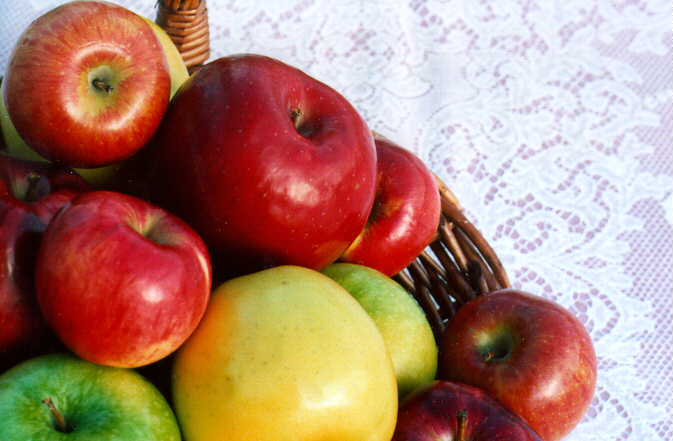
Apple trees make a wonderful feral species. They are a great addition to a guerilla food forest. They don't need any care.

150 years ago, when the irrigation canals were dug in my community, the manual laborers, buried the apple seeds, from their lunches, in the freshly dug soil beside the canal. Today, the entire length of the canal system is lined with those trees and their descendants.

The apples live, grow, and fruit year after year, decade after decade, century after century. Taking care of themselves without fuss. Sometimes humans eat some of the fruit, sometimes they don't. It's lovely to have a food crop that is available, in the background, to be used whenever it would be most useful.

COVER.JPG
apples
apples
 
pollinator
Posts: 759
Location: SE Indiana
437
dog fish trees writing
  • Likes 9
  • Mark post as helpful
  • send pies
    Number of slices to send:
    Optional 'thank-you' note:
  • Quote
  • Report post to moderator
Most of my seed grown apple trees are too young to be producing much but I've noticed that many of them are way less damaged by the foliage diseases that affect the named varieties. Some show no damage at all, odd since the seeds came from some of those same named varieties. Sometimes I go to what I call the "used food" department of a large grocery store and buy up a bunch of the past prime fruit to get the seeds.  

I plant apple, pear and peach seeds all over the place, but my biggest guerilla gardening plantings are grapes and pecans. I buy wine and table grape starts in bulk from a place in New York, I pot up and sell enough to get my money back and plant the rest along the back roads in my neighborhood. Now I've managed to start some from seeds too. My hope is they will cross up with the several wild strains and end up with wild vines that make larger grapes.

With pecans I gather them up in bulk from large trees in the little towns in my neighborhood and dump them by the bucket full for the squirrels to plant. In the immediate vicinity of my house many of the pecans are already producing and I see little trees growing along the trails on the state-owned hunting land nearby.

I don't know who or what will ever benefit from the things I've planted like that and I'm fine if it's a what, rather than a who. I don't really care that much; I just like doing it.
 
Isaac Hunter
Posts: 86
8
  • Likes 3
  • Mark post as helpful
  • send pies
    Number of slices to send:
    Optional 'thank-you' note:
  • Quote
  • Report post to moderator

Mark Reed wrote:Some show no damage at all, odd since the seeds came from some of those same named varieties


As I understand it (and I could be terribly wrong here), the fruits (especially apples) from the grocery store are often hybrids or genetically modified and so they are either sterile or you never really know what you'll actually get if you plant their seeds. I used to think all the fruit "seeds" from the grocery store were sterile, but I've heard several people over the years have successfully planted from them.

Mark Reed wrote:I plant apple, pear and peach seeds all over the place, but my biggest guerilla gardening plantings are grapes and pecans.


I would love to have grapes growing wild around here. They are a summer treat for me at the store. My biggest issue, though, is the two predators I have in this area. Cougars are somewhat of a concern, though they do not east fruit (just the deer and elk and rodents and the occasional human), but the bears do eat, well, depending on the time of year, pretty much everything. They are definitely here in the area. The signs of them are all over the fields in question and I've got trail cam pics that caught them "passing through" my property when I'm not there. The temptation is to plant everything everywhere. But, in 5-10 years, how will that specifically change the ecosystem for the bear population? Will their numbers increase because they are being drawn in by the apples and grapes, etc? The people in the region who now have a terrible bear problem did not plant fruit trees, they left baskets of rotting apples and bought huge bags of grapes and left them out in the backyard for the bears. Now there are a ton of bears, they have problems with them at the dump, people have problems with them hiking on the local trails - it's a terrible mess.  

I always found it better to be cautious when I'm making plans and taking actions because an innocent act today can have devastating consequences down the road. The bears now are content to pass through, leave me and my camp alone, and strike a balance on their own. They don't typically break into cabins because they have just enough to survive out in the wild and they are not over populated (probably a little underpopulated because of local hunters). I don't want to throw gas on an already smoldering fire.

I asked a coworker who lives about 50 miles away who has a relatively new orchard if she has trouble with the bears. She stated that once the fruit started producing the bears came right in. They race to see who will get the fruit first, her or the bears. I don't want this to happen here as well.

IH
 
pollinator
Posts: 2339
Location: Denmark 57N
601
fungi foraging trees cooking food preservation
  • Likes 1
  • Mark post as helpful
  • send pies
    Number of slices to send:
    Optional 'thank-you' note:
  • Quote
  • Report post to moderator

Isaac Hunter wrote:

As I understand it (and I could be terribly wrong here), the fruits (especially apples) from the grocery store are often hybrids or genetically modified and so they are either sterile or you never really know what you'll actually get if you plant their seeds. I used to think all the fruit "seeds" from the grocery store were sterile, but I've heard several people over the years have successfully planted from them.


All apples are hybrids but a hybrid is not generally sterile, you just don't know what you will get when it grows.  There are GMO apples for sale, but they will also produce viable seed should you wish to grow them.
It is not possible to plant an apple seeds and know what will come up, (other than an apple) which is why they are all grafted. Every single apple  tree of a named variety came originally from the same tree.
Staff note :

Lots of discussion on https://permies.com/t/998/growing-apples-seeds-cloning about growing apples from seed.

 
Mark Reed
pollinator
Posts: 759
Location: SE Indiana
437
dog fish trees writing
  • Likes 1
  • Mark post as helpful
  • send pies
    Number of slices to send:
    Optional 'thank-you' note:
  • Quote
  • Report post to moderator
Yep, I think pretty much all commercial apples are hybrid, so they don't breed true but about all the seeds I've ever planted grow just fine.  From what I understand, because they don't breed true, every newly sprouted seed is a new variety. Grapes are like that too. I like them though because they are free, and I also like that they are growing on their own roots. It's just my guess but I estimate that about 25% will be lesser quality than the parent, about 25% will be better and 50% about the same but none will be exactly like the parent.

We don't have bears or other such large critters so no issues there. We do have bobcats; I wish I knew a way to encourage them in my neighborhood to help counter the rabbits but a lot of people around here trap or shoot them, I don't know why.  
 
Isaac Hunter
Posts: 86
8
  • Likes 1
  • Mark post as helpful
  • send pies
    Number of slices to send:
    Optional 'thank-you' note:
  • Quote
  • Report post to moderator

Mark Reed wrote:We don't have bears or other such large critters so no issues there. We do have bobcats; I wish I knew a way to encourage them in my neighborhood to help counter the rabbits but a lot of people around here trap or shoot them, I don't know why.  


Well I can tell you from experience that predator cats are trouble. When I was a kid, I would run around all day and night on this same ridge with my dog (my parents had a cabin about a mile from where my camp is now). I was 10 or 11 when I started and did this every summer until I went into the military. There was never a discussion about cougars or bears or anything like that. Now, there is talk about it all the time. Signs are posted at trailheads to watch out for them. People all over the PNW are being killed and stalked by them (cougars, not bobcats). Farm animals are slaughtered by them and their bodies just left in the field.  

I always wondered if my parents were just ignorant of the risk I took going into the woods like that all the time. But then I did some research and found out at that time (when I was 10-11) the population of cougars in this region was around 250. Today it's well over 5000. This is all because hunters are no longer allowed to use dogs to hunt cougar. Laws like this were put in up and down the west coast and now populations have soared, resulting in overpopulation and pressure for these predators to venture into "human" habitat. They are also reintroducing wolves and there is even talk of Grizzlies.

I personally think there should be less people. I'm lucky that in this area (so far) because of the terrain (limiting the number of predators within this area to only a few) and the abundance of natural food (elk and deer), the cougars have not been an issue (I've never seen one face to face on my property or out on a walk but I do have pics from a trail camera of cougars and bobcats hunting while I was away - I also heard a bobcat or cougar kill "something" one night just after sundown after I had just climbed into bed in the previous shelter. It was down by the water's edge and the creature it got made some really strange sounds just before the cat attacked and then the cat mades one godawful sounds as it killed it's dinner - I will never forget that experience), but I do know with certainty that these cats hunt on my property, and do so when I'm there. I can only imagine what's crept by me on the deck at night when I'm hanging in my hammock fast asleep!

It's a bizarre experience walking through the woods and knowing there's a good chance something is out there looking back at you. It's not as bad as in Alaska or Montana where there are Grizzlies and wolves. I'm still at the top of the food chain in this area, but my woods have four footed ghosts and I personally hope I never actually see them in person.

IH
 
Jenny Wright
gardener
Posts: 1051
Location: Zone 6 in the Pacific Northwest
538
2
homeschooling hugelkultur kids forest garden foraging chicken cooking bee homestead
  • Likes 1
  • Mark post as helpful
  • send pies
    Number of slices to send:
    Optional 'thank-you' note:
  • Quote
  • Report post to moderator

Isaac Hunter wrote:

Mark Reed wrote:We don't have bears or other such large critters so no issues there. We do have bobcats; I wish I knew a way to encourage them in my neighborhood to help counter the rabbits but a lot of people around here trap or shoot them, I don't know why.  


Well I can tell you from experience that predator cats are trouble. When I was a kid, I would run around all day and night on this same ridge with my dog (my parents had a cabin about a mile from where my camp is now). I was 10 or 11 when I started and did this every summer until I went into the military. There was never a discussion about cougars or bears or anything like that. Now, there is talk about it all the time. Signs are posted at trailheads to watch out for them. People all over the PNW are being killed and stalked by them (cougars, not bobcats). Farm animals are slaughtered by them and their bodies just left in the field.  

I always wondered if my parents were just ignorant of the risk I took going into the woods like that all the time. But then I did some research and found out at that time (when I was 10-11) the population of cougars in this region was around 250. Today it's well over 5000. This is all because hunters are no longer allowed to use dogs to hunt cougar. Laws like this were put in up and down the west coast and now populations have soared, resulting in overpopulation and pressure for these predators to venture into "human" habitat. They are also reintroducing wolves and there is even talk of Grizzlies.

I personally think there should be less people. I'm lucky that in this area (so far) because of the terrain (limiting the number of predators within this area to only a few) and the abundance of natural food (elk and deer), the cougars have not been an issue (I've never seen one face to face on my property or out on a walk but I do have pics from a trail camera of cougars and bobcats hunting while I was away - I also heard a bobcat or cougar kill "something" one night just after sundown after I had just climbed into bed in the previous shelter. It was down by the water's edge and the creature it got made some really strange sounds just before the cat attacked and then the cat mades one godawful sounds as it killed it's dinner - I will never forget that experience), but I do know with certainty that these cats hunt on my property, and do so when I'm there. I can only imagine what's crept by me on the deck at night when I'm hanging in my hammock fast asleep!

It's a bizarre experience walking through the woods and knowing there's a good chance something is out there looking back at you. It's not as bad as in Alaska or Montana where there are Grizzlies and wolves. I'm still at the top of the food chain in this area, but my woods have four footed ghosts and I personally hope I never actually see them in person.

IH


We always have a pretty good idea when a predator cat is in the neighborhood. The missing pet posters go up in a flurry!

Seriously, I noticed a lot more predators (and less deer and elk) when we had chickens, geese, and turkeys. They really drew in the predators. A trail of feathers and no body meant an eagle or owl. A trail of feathers and mangled body parts meant coyotes. No signs of a struggle and a perfectly intact body with a neat little slit minus the "goodies" (heart and liver) meant a bobcat. And a completely missing animal with no signs that I could see... not sure. I hope there's never been a cougar! I'm in the PNW and I agree with you Issac, cougars are scary. But we decided to stop having birds until we could get a sturdier enclosure. I know poultry draw in bears too if they are around. My dad has a bear that frequents his backyard and his chicken enclosure is like Fort Knox.
 
Isaac Hunter
Posts: 86
8
  • Likes 1
  • Mark post as helpful
  • send pies
    Number of slices to send:
    Optional 'thank-you' note:
  • Quote
  • Report post to moderator

Jenny Wright wrote:
We always have a pretty good idea when a predator cat is in the neighborhood. The missing pet posters go up in a flurry!

Seriously, I noticed a lot more predators (and less deer and elk) when we had chickens, geese, and turkeys. They really drew in the predators.


That makes sense. It would help me tremendously with my goals if I could have chickens or even a milking sheep. But, they are a magnet for the cougars. Same with pets. I would have a small dog if I thought I could get away with it, but that sucker would just be cougar bait. Either at night when I'm alseep or when I'm out hiking, or whenever I happened to turn my back. Extended family members don't get it (because they've always lived in the city). They say, "Oh you need a little dog to go with you!" Nope. I'm not interested in raising a snack for wild animals.

Jenny Wright wrote: A trail of feathers and no body meant an eagle or owl. A trail of feathers and mangled body parts meant coyotes. No signs of a struggle and a perfectly intact body with a neat little slit minus the "goodies" (heart and liver) meant a bobcat. And a completely missing animal with no signs that I could see... not sure. I hope there's never been a cougar! I'm in the PNW and I agree with Issac cougars are scary.


I didn't realize they were so predictable. I have no real open spaces on my property or in the surrounding woods so I don't see the kills most of the time (if something falls to the ground its instantly covered in thick ferns or underbrush). I stumbled onto the carcass of a deer once when I was in my 20's while out exploring on the opposite side of the lake. The vultures had it ripped open. I never once considered it to be a cougar kill, but now that I think back on it I would wager it was a fresh kill or it died from disease. It was full size. There is also a completely skeletonized deer about half a mile into the valley (along one of my trails). It's in a little clearing that has lots of overhead canopy and little underbrush. It looks as if it just laid down and died there. At first I thought it was from a hunter or poacher, but everything is in tact. No bones scattered. Still had some hide on its ankles.  

If your kill identification categories are accurate I surprisingly came across the remains of an eagle or owl kill one day on the trail. There was a scattering of blue feathers but no body or pieces anywhere. I thought it was a bobcat, but there are tons of owls and hawks in the area and a few bald eagles as well. The owls typically hoot me to sleep in the summers. They hoot back and forth at each other from across the cove. That and the frog choruses that seem to form out of nowhere. First they croak in the immediate area of my shelter, then up into the bowl (southward), then off into the valley (eastward). It's quite impressive.

IH

 
Jenny Wright
gardener
Posts: 1051
Location: Zone 6 in the Pacific Northwest
538
2
homeschooling hugelkultur kids forest garden foraging chicken cooking bee homestead
  • Likes 1
  • Mark post as helpful
  • send pies
    Number of slices to send:
    Optional 'thank-you' note:
  • Quote
  • Report post to moderator

Isaac Hunter wrote: They say, "Oh you need a little dog to go with you!" Nope. I'm not interested in raising a snack for wild animals.


If you did ever want to get a dog, have you heard of Karelian bear dogs? Over a dozen years ago I was a cub scout leader and we had one with his handler come visit from the state wildlife department. The dog was bigger than the kids. They use them to scare off cougars and bears when they get too comfortable around highly populated areas.
https://wdfw.wa.gov/about/enforcement/KBD

Isaac Hunter wrote: .  

If your kill identification categories are accurate I surprisingly came across the remains of an eagle or owl kill one day on the trail. There was a scattering of blue feathers but no body or pieces anywhere. I thought it was a bobcat, but there are tons of owls and hawks in the area and a few bald eagles as well. The owls typically hoot me to sleep in the summers. They hoot back and forth at each other from across the cove. That and the frog choruses that seem to form out of nowhere. First they croak in the immediate area of my shelter, then up into the bowl (southward), then off into the valley (eastward). It's quite impressive.


I've seen bobcats, coyotes, eagles, and owls on my property and either witnessed an attack or seen the predator before or soon after so I'm pretty confident about those ones. I've never seen a cougar or a bear and I'm happy to remain in ignorance of those personal experiences! ๐Ÿ˜‚

One day we were eating lunch and looked out the window and a giant eagle was having a chicken lunch. We had about a five second sadness for the chicken and then we in awe of seeing just how big bald eagles are. He was only about 10' from our back door but then he got tired of having an audience and decided to take his lunch to go.

I love listening to the owls. It's fun when we hear them during the day because that means they have babies that they are caring for.
 
Jenny Wright
gardener
Posts: 1051
Location: Zone 6 in the Pacific Northwest
538
2
homeschooling hugelkultur kids forest garden foraging chicken cooking bee homestead
  • Likes 1
  • Mark post as helpful
  • send pies
    Number of slices to send:
    Optional 'thank-you' note:
  • Quote
  • Report post to moderator
A little more detail if you are interested...
The eagles use their beaks to pull off the feathers on the belly and then rip it open, thus feathers everywhere. The bobcat (which is similar to a house cat only so much more skilled) there is usually a bite wound in the neck to kill it quickly and a clean cut up the belly, like with a knife, so they can get to the organs. My chickens that were gotten by a bobcat were so clean that I had to look up close to see why they were dead. And the coyotes chew up their prey like a dog with a dog toy. And they do not kill quickly. I've had to kill some birds that were partly eaten by coyotes but still alive and flopping around when I came out in the morning (the coyotes got scared of by a neighbor's dog before they were done eating.)
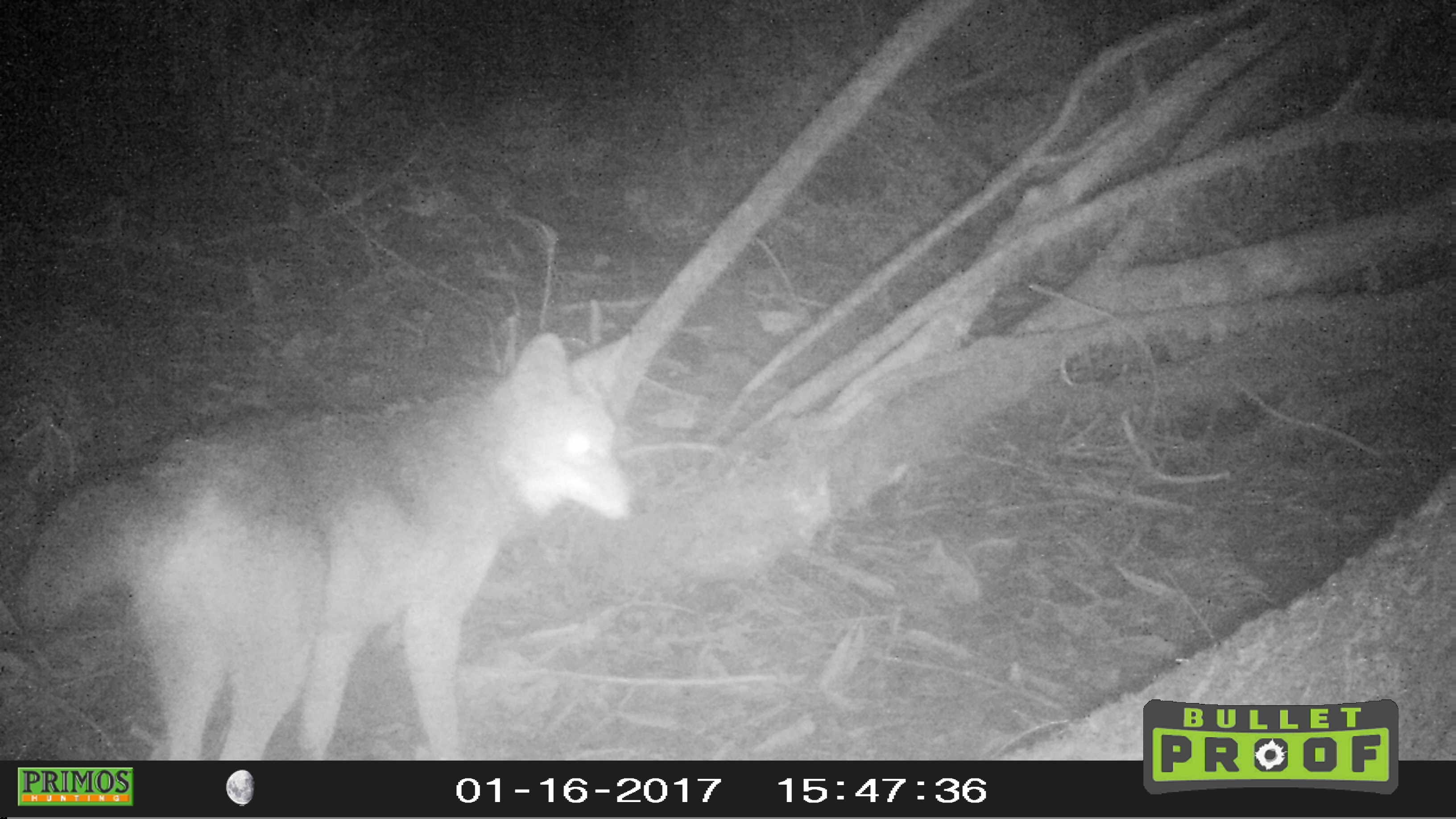
 
Isaac Hunter
Posts: 86
8
  • Likes 4
  • Mark post as helpful
  • send pies
    Number of slices to send:
    Optional 'thank-you' note:
  • Quote
  • Report post to moderator

Jenny Wright wrote:A little more detail if you are interested...
The eagles use their beaks to pull off the feathers on the belly and then rip it open, thus feathers everywhere. The bobcat (which is similar to a house cat only so much more skilled) there is usually a bite wound in the neck to kill it quickly and a clean cut up the belly, like with a knife, so they can get to the organs. My chickens that were gotten by a bobcat were so clean that I had to look up close to see why they were dead. And the coyotes chew up their prey like a dog with a dog toy. And they do not kill quickly. I've had to kill some birds that were partly eaten by coyotes but still alive and flopping around when I came out in the morning (the coyotes got scared of by a neighbor's dog before they were done eating.)


Creatures are amazing. I never would have thought they came down to my property except I caught a coyote on a trail cam a few years ago in the middle of the night in the dead of winter. Also caught a bobcat in the middle of the day strolling through my garden area as if he owned the place.  Also on a return trip out last summer I turned the corner in my kayak to find a bald eagle sitting on a log only a few yards away from me. It was surreal seeing him at my same level. I couldn't get to my phone to take a pic though before I drifted too close and he flew away. This is one of the reasons I bought land where I did. I can remember in my 20's living at my parent's cabin and hiking up to then top of the hill and finding a porcupine on top of a blackberry bush. I must have stood there for over and hour watching him slowly and carefully climb around on the vines (I was shocked the bush held his weight), as he ate the new leaves off the vines. He hadn't a care in the world and either didn't know I was there or could care less. Either way, experiences like that really stick with me. He was just a no named porcupine out in the middle of nowhere, in a corner of the world that no one really could care about. But things like that are my world. I relish stepping foot in places that people have not been in several years if not decades.  

The natives had a few small villages on the shores of this and the surrounding lakes. But my property is on a section of the lake that the Indians refused to stay the night on since the water was so dark they were convinced monsters would come out of the darkness at night and drag them into the water and drown them. That hasn't happened to me yet, but you never really know, right?

I've attached both pics below.

IH
HUNT0002.jpg
coyote-trail-cam-night
HUNT0018.jpg
bobcat-day-garden
 
pollinator
Posts: 1608
Location: NW California, 1500-1800ft,
502
2
hugelkultur dog forest garden solar wood heat homestead
  • Likes 7
  • Mark post as helpful
  • send pies
    Number of slices to send:
    Optional 'thank-you' note:
  • Quote
  • Report post to moderator
I have lived in and worked in the densest cougar country on earth for most of my life. While I try to be alert for them, I do not fear or worry about them at all. I walk and water my trees alone at night often, and a fall or vehicle accident is far more likely to get me than any predator. If one is unwilling to accept the risk of walking in the woods due to fear of being attacked by a cougar, then it would only be consistent to never travel by car to a trailhead, or ever. If you see a cougar, it is not hunting you (you don't see the one that gets you;), so enjoy the fortunate and beautiful experience.
 
What we think, we become. - Buddha / tiny ad
Looking for cold-climate growers to join a GOOF livestream panel (Missoula)
https://permies.com/t/369111/cold-climate-growers-join-GOOF
reply
    Bookmark Topic Watch Topic
  • New Topic