

|

|

|

|

|

|
|
|
|
|
|
|
|
|
|
|

|

|

|
 6
6


Ulla Bisgaard wrote:Why can’t you grow sweet potatoes in the same spot? We are in grow zone 10b, and treat the sweet potatoes as a self seeding crop.
I have grown mine in the same two raised beds for 6 years. I do a 2 year cycle for harvests. Let’s call my beds an and b.
The first year I only harvest from bed A, but leave the smaller sweet potatoes in the soil. Then I plant beets, parsnips and leeks to grow during the cold season. Once springs come around, the small sweet potatoes I left, starts sprouting and puts out leaves. At this point I harvest the beets, but leave the leeks, as they deters the wildlife from eating the sweet potatoes.
The first year, I don’t harvest bed B. I just leave it alone until fall of the second year. The second year I harvest, but again leave the smallest of the sweet potatoes in the soil. The sweet potatoes have grown huge at this point, with many tubers at 5 pounds each. After the harvest, I grow beets, diakon radishes and leeks for the cold season, until spring, when the small sweet potatoes set out leaves.
Using this method produces a lot of large sweet potatoes and other crops, without me having to deal with starting sweet potato slips every year. It also gives us access to sweet potato leaves all year round, though I never harvest more than 20%, since anything more will stunt the growth of the sweet potatoes.
I do top off the beds after harvesting, with compost, rabbit pellets, phosphorus and potassium.
"The only thing...more expensive than education is ignorance."~Ben Franklin. "We can easily forgive a child who is afraid of the dark; the real tragedy of life is when men are afraid of the light." ~ Plato
5
Nancy Reading wrote:
Thom Bri wrote:I am getting 50-60 bushel/acre using open-pollinated seed with no added fertilizer. Northern Illinois. Conventional ag can produce 200 bushel/acre of corn here.
Am I right thinking you get other crops from the same space though Thom, you have a three (plus) sisters plot going on?
14
Josh Warfield wrote:Saying flat out that grains aren't worth it is a little intense, compared to what Mr. Lawton actually said in the video. .
How permies.com works
What is a Mother Tree ?


Josh Warfield wrote:Saying flat out that grains aren't worth it is a little intense, compared to what Mr. Lawton actually said in the video. I thought he seemed quite careful to clarify that he wasn't making a universal statement, only one based on his specific context, and suggesting that most small-scale producers would find their context to be similar to his.
Of course, he did say something more nuanced. But I liked the punch of the video.
I tried to grow oats back in the colder climate, and the rats ate it. The same with the corn.
But I had a huge success with amaranth but the processing was a bit difficult.
I think that the main problem with grains is the processing and not the growing, but I will see how my trials go this year (rats, birds, kangaroos, deer)
I use seeds from the supermarket or the Indian grocery store., they germinate just fine.
With the sweet potatoes, I found there is a decline in yield after a while. I planted them in our sandy garden.
Medicinal herbs, kitchen herbs, perennial edibles and berries: https://mountainherbs.net/ grown in the Blue Mountains, Australia
4
Joseph Lofthouse wrote:Grains!? What a huge topic.
The grain called corn produces huge yields with minimal labor. A simple, hand cranked, hundred year old sheller can process hundreds of pounds per hour.
The grain rye grows wild in my community without irrigation, without weeding, without planting. It self-grows as a feral food. Harvest goes quickly.
A 13 foot long row of wheat provides 5 pounds of grain for me, which could feed me bread for a week. It takes me an hour to harvest and clean with simple tools like a stick, tarp, and a couple of buckets. So in 50 hour week, I could harvest and clean enough wheat to feed myself for a year.
I grow oats, but haven't fallen in love with productivity or processing.
Barley seems hard for me.
I can't grow rice.
I might could grow sorghum, millet, amaranth, or kinwa grains, but I didn't grow up with them as part of my social indoctrination.
.
Medicinal herbs, kitchen herbs, perennial edibles and berries: https://mountainherbs.net/ grown in the Blue Mountains, Australia


 14
14
 12
12
Burra Maluca wrote:
Josh Warfield wrote:Saying flat out that grains aren't worth it is a little intense, compared to what Mr. Lawton actually said in the video. .
I went to watch the video, and you are absolutely right!
In the blurb under the video, it says this...
Key Takeaways
Grains easily fit in places like the deserts and cold climates where there is dormancy and time to process everything. Outside of these climates, grain is inefficient. There are a lot of easier foods to grow in terms of nutrition for the labor required. Grains are a high-quality food that stores, which was good for military needs and aided in the rise of grains agriculturally speaking. However, usually, the amount of work necessary for the food gained just isn’t worth it. But, mass agriculture has thrived in the grain game because its production is easily industrialized: machine harvested, processed, stored, and shipped.
So somewhere that there is a dormant period, grains are good because you have the time to process the grain, and food to eat until dormancy is over.
Which isn't quite the same as saying that grain is not worth while.
Nothing ruins a neighborhood like paved roads and water lines.


 12
12
Josh Warfield wrote:Does [corn] have less micronutrients than broccoli or carrots or something? I dunno, probably.


 15
15
Christopher Weeks wrote:
Josh Warfield wrote:Does [corn] have less micronutrients than broccoli or carrots or something? I dunno, probably.
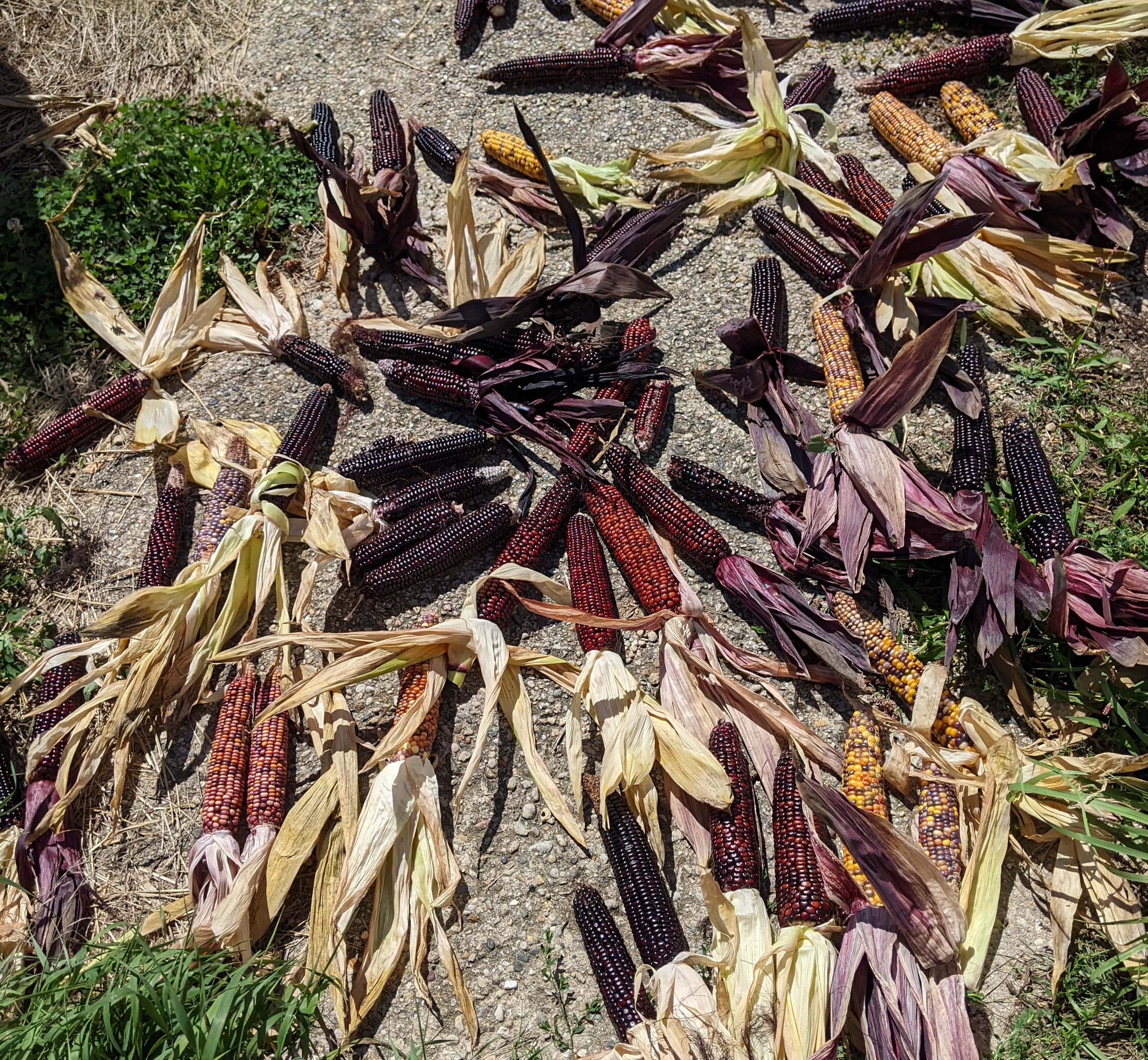
My impression is that there are something like 10,000 phytonutrients and we know a little about how 130 of them work in the body. This is probably genuinely unknown. But if you're into corn and into micronutrients, start your journey by selecting for a mix of deep colors.
 11
11
Christopher Weeks wrote:
Josh Warfield wrote:Does [corn] have less micronutrients than broccoli or carrots or something? I dunno, probably.
My impression is that there are something like 10,000 phytonutrients and we know a little about how 130 of them work in the body. This is probably genuinely unknown. But if you're into corn and into micronutrients, start your journey by selecting for a mix of deep colors.
If you want to try homesteading/permaculture/whatever-you-wanna-call-it, and the only thing stopping you is the price tag on land, PM me. I have more space than I need and I'm willing to share 
11
Mark Reed wrote:That sounds sensible to me except I don't know what processing oats and barley means.
If you want to try homesteading/permaculture/whatever-you-wanna-call-it, and the only thing stopping you is the price tag on land, PM me. I have more space than I need and I'm willing to share
13
"Ah, but a man's reach should exceed his grasp,
Or what's a heaven for?"
Andrea del Sarto by Robert Browning
5
Nicola Bludau wrote:[
What do you think?
How do you go about the processing procedure of grains, which is the biggest hurdle?
What are your yields per m2? Is it really more efficient to grow starchy root crops in terms of starch output?
Rosa👩🏻🌾
Find me on Instagram
https://www.instagram.com/mio__giardino/
or YouTube
https://m.youtube.com/channel/UCgT4hhBabRo1TyG-MT3G05g
9
8
Passionate advocate for living at a human scale and pace.
Check in on me at Willow Acre: https://permies.substack.com
Help me grow the permaculture presence in Indiana https://permies.com/t/243107
Concise Guide to Permies' Publishing Standards: https://permies.com/wiki/220744


 11
11
Mark Reed wrote:
I like rice a lot, especially wild rice and although I doubt I could ever grow it in serious quantity, I'd like to give it a try in my little garden pond but not sure where to find seeds.
Weeds are just plants with enough surplus will to live to withstand normal levels of gardening!--Alexandra Petri
4
Mk Neal wrote:
Mark Reed wrote:
I like rice a lot, especially wild rice and although I doubt I could ever grow it in serious quantity, I'd like to give it a try in my little garden pond but not sure where to find seeds.
There is actually a variety of wild rice that is native to the river ways of Indiana, but had almost died out. Some of the Myaamia folks in Ft Wayne area had found some a few years back and were working to reintroduce it in that area. I heard about this from Dani Tippmann at a Miami Heritage Days event in Ft Wayne some years ago.
It’s not a garden plant, though. Needs to grow in flowing water and needs seasonal fluctuations in depth, is what I heard.
Passionate advocate for living at a human scale and pace.
Check in on me at Willow Acre: https://permies.substack.com
Help me grow the permaculture presence in Indiana https://permies.com/t/243107
Concise Guide to Permies' Publishing Standards: https://permies.com/wiki/220744
7
Jim Garlits wrote:I’m interested in Permies in Indiana. I’m SW of Fort Wayne.
Check out my signature line.
Jim
Mk Neal wrote:
Mark Reed wrote:
I like rice a lot, especially wild rice and although I doubt I could ever grow it in serious quantity, I'd like to give it a try in my little garden pond but not sure where to find seeds.
There is actually a variety of wild rice that is native to the river ways of Indiana, but had almost died out. Some of the Myaamia folks in Ft Wayne area had found some a few years back and were working to reintroduce it in that area. I heard about this from Dani Tippmann at a Miami Heritage Days event in Ft Wayne some years ago.
It’s not a garden plant, though. Needs to grow in flowing water and needs seasonal fluctuations in depth, is what I heard.
"Ah, but a man's reach should exceed his grasp,
Or what's a heaven for?"
Andrea del Sarto by Robert Browning
13
Doug McEvers wrote:Kevin Olson,
Your post on winter wheat productivity is quite noteworthy. My neighbors in western MN planted winter wheat the fall of 2024. The stand was very good and they harvested a large crop in 2025. They did an incorporation of the wheat stubble and got a nice volunteer crop in the fall of 2025, made a great winter cover. Now this spring they are working in the green winter wheat to plant corn. They essentially had 4 soil building crops from just one seeding and they also took some straw from the 2025 harvest. Not much winter wheat planted around here and I am not sure why. Will likely plant some on this farm in the fall, I like what my neighbors did.
Hard red winter wheat is much different than hard red spring wheat in terms of straw production. Spring wheat has become very short and does not produce much straw. In the total equation one must include the straw (brown carbon) as part of the yield. Winter wheat is much like winter rye in terms of soil building and biomass. A winner I believe if you are looking to raise your soil organic matter.
"Ah, but a man's reach should exceed his grasp,
Or what's a heaven for?"
Andrea del Sarto by Robert Browning
12
7
Medicinal herbs, kitchen herbs, perennial edibles and berries: https://mountainherbs.net/ grown in the Blue Mountains, Australia
8
Nicola Bludau wrote:
Has anyone done the nixtamal so far? How much work is it?
10
9
Nicola Bludau wrote:
Josh, your corn harvest looks amazing! I grew something white, and it looks way more boring. How about usability and taste? Does the red corn taste more interesting? Corn has a huge advantage: the birds are less likely to get into it, but rats like it, though. This should be a cornerstone of home-grain production.
Has anyone done the nixtamal so far? How much work is it?
10
Thom Bri wrote:Birds are the main seed predator in my area, raccoons and deer less a problem, rodents hardly at all. If I leave the corn ears uncovered, birds will destroy at least half. They peck the husks open and eat the grain in the milk to dough stage. Then insects and mold get in and the whole ear is wasted. I either wrap the ears with large leaves, or put plastic drink bottles over them once pollination is done.
6
--
John Schinnerer, MA Whole Systems Design
Eco-Living Whole Systems Design services
9
How permies.com works
What is a Mother Tree ?
9
Medicinal herbs, kitchen herbs, perennial edibles and berries: https://mountainherbs.net/ grown in the Blue Mountains, Australia
9
Blazing trails in disabled homesteading
 3
3
Doug McEvers wrote:The soil building properties of small grains must be part of the equation.
Praying my way through the day
8
Matthew Nistico wrote:...unless one is shooting for self-sufficiency way, way off the grid - like homesteading alone in the deep Alaskan bush - or else one is prepp'ing for the apocalypse, I don't see how storing grain for years is truly that important. Many of us permies are not much more than hobby farmers, if we're honest. By that, I mean that we may delight in money saved and nutrition enhanced in our gardens, but it isn't our livelihood and we still have the continental food distribution system to rely on. I for one place a higher premium on low maintenance, easy to grow, easy to harvest crops vs crops that would "see me through the winter."
Blazing trails in disabled homesteading
7
George Ingles wrote:
Disasters like Floods, Fires, Volcano, etc. have the potential to wipe out perennial tree crops or make crop-growing difficult for an extended time. Having a surplus of grains in storage that last for several years may have kept human settlements alive during multi-year bad weather episodes in the past. On the other hand, during extreme times, stored grains are more vulnerable to desperate thieves than in-ground potatoes/roots or tree crops…
7
Jerry McIntire wrote:
Doug McEvers wrote:The soil building properties of small grains must be part of the equation.
Where is this Doug? What climate and growing zone? As Geoff pointed out, it depends on your location and the weather you have.


 8
8
I wish auto-correct would fix my car.
8
William Bronson wrote: I think grain has the advantage when it comes to storage duration.
How many roots can be stored for years and still be edible?
.
I wish auto-correct would fix my car.
15
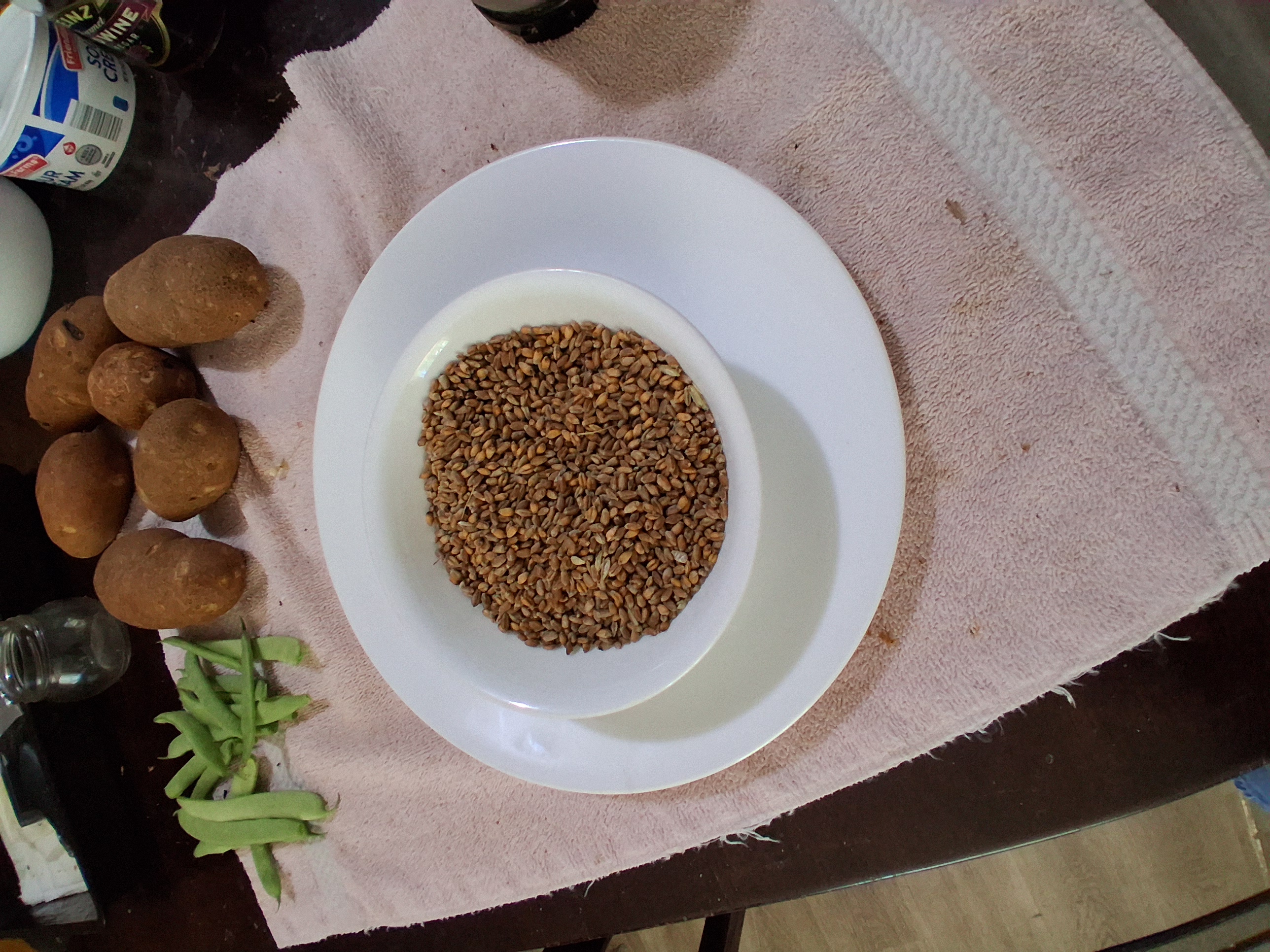
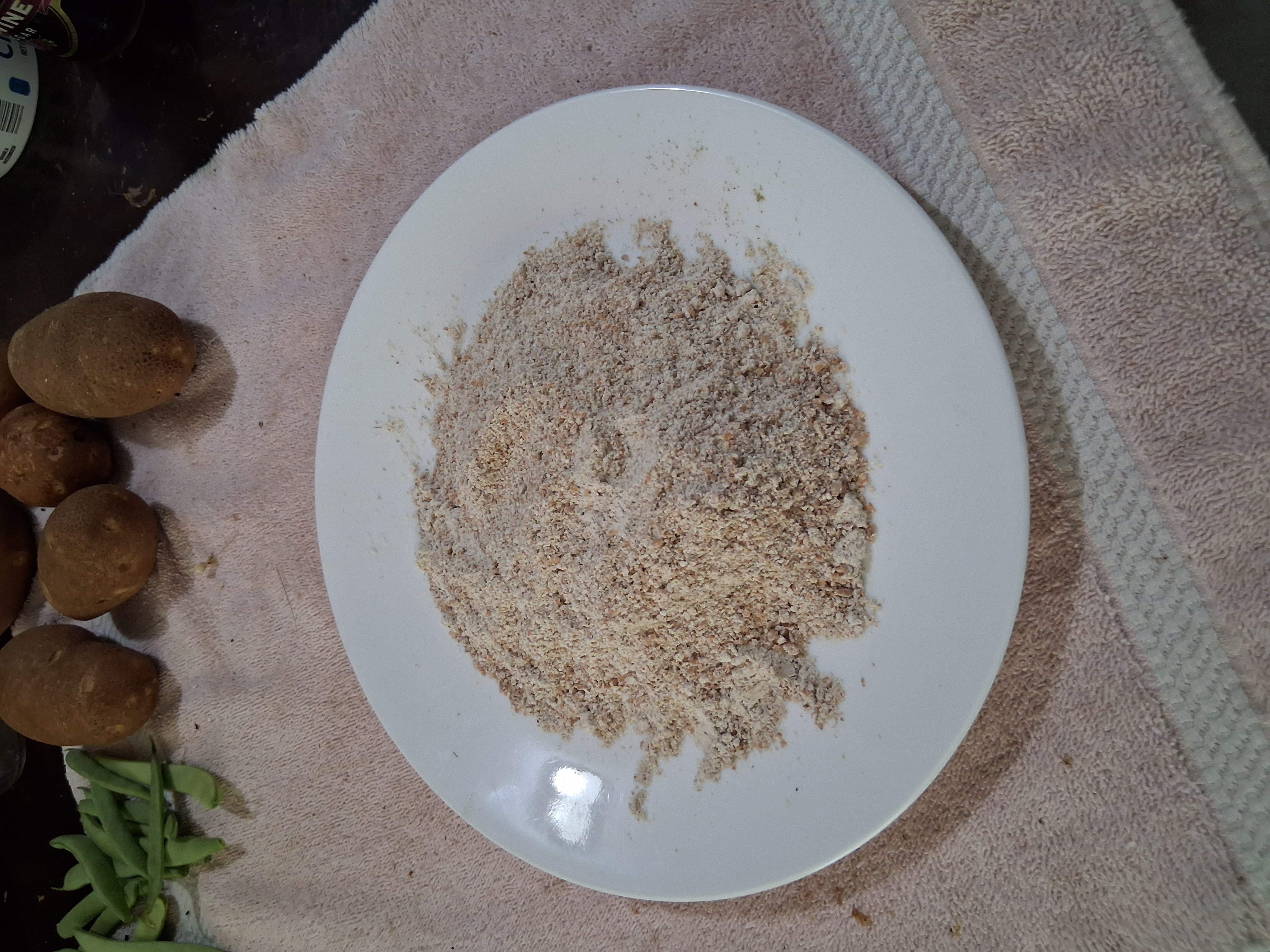
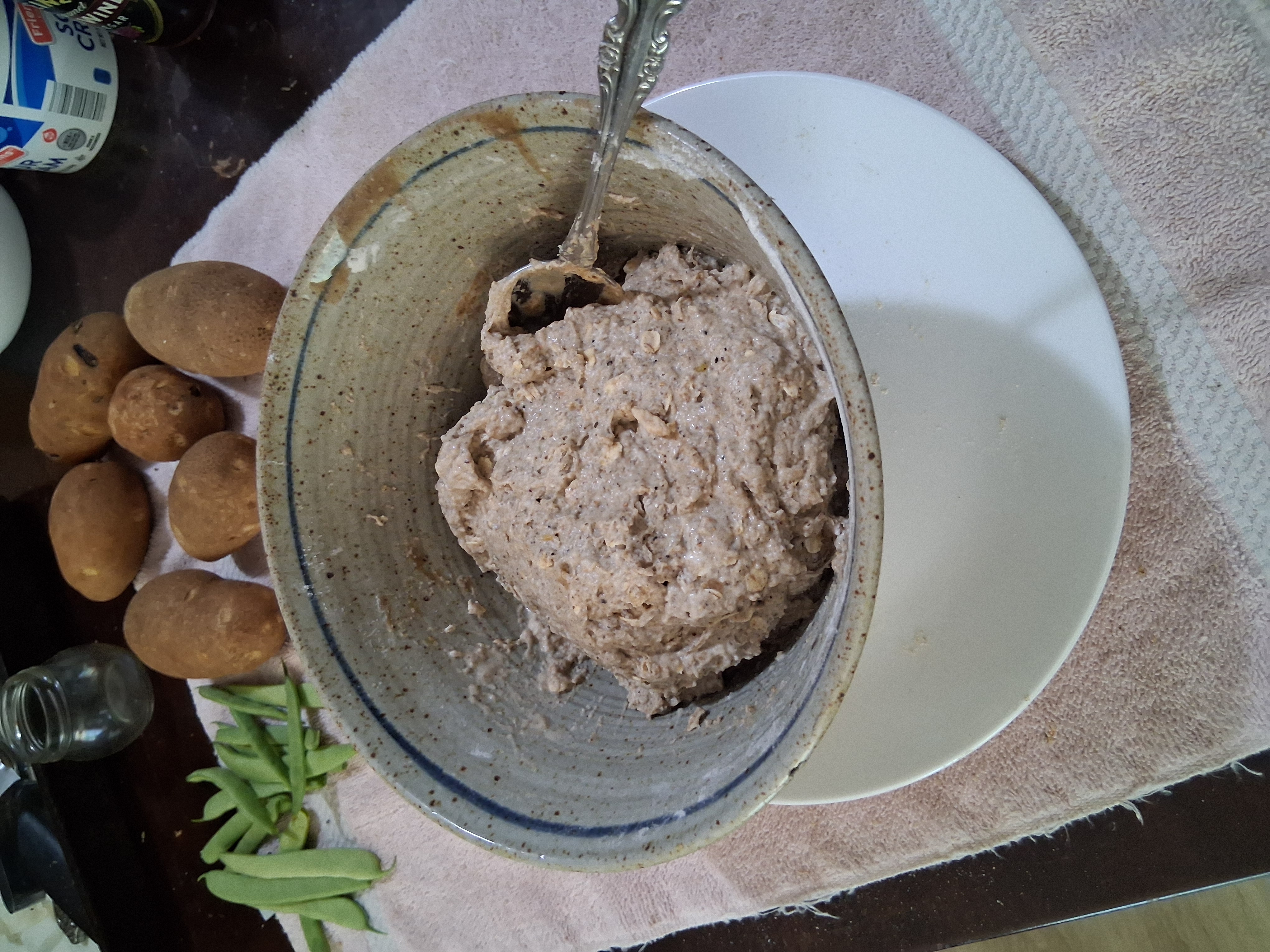
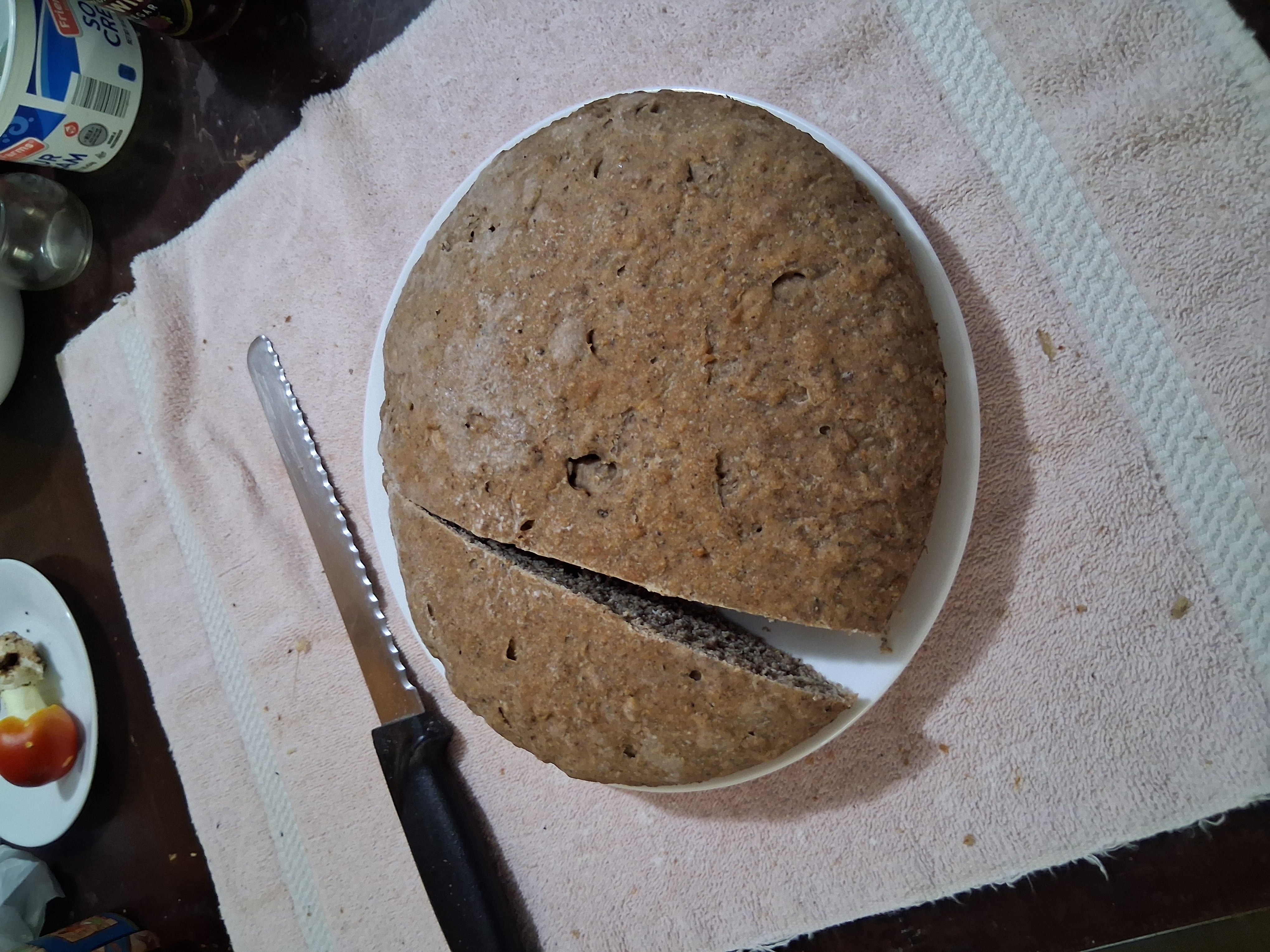
Yeardly Arthur wrote: I'll grind up the berries and add it to the big jar of plantain and curly dock flour, my go-to for recipes calling for extra whole grain.
I wish auto-correct would fix my car.
8
William Bronson wrote: I think grain has the advantage when it comes to storage duration.
How many roots can be stored for years and still be edible?
This allows surplus to be built up, year over year.
This kind of surplus can equate to food security, but also translate into wealth, with all that comes with that.
8
John Schinnerer wrote:Mr. Lawton is a bit late to the party. John Jeavons researched this as much as 40-50 years ago in the Ecology Action research gardens. His focus was of course on temperate climate annual crops, grown French Intensive/Biointensive style. Different options in other contexts - context is everything. In the temperate-climate intensive horticulture context, Jeavons claims, for the labor required vs. calories and nutrition gained, as well as space required (outputs per area of input), grains are not very efficient, a relatively poor choice. Beans (dry) are not so great either, in terms of output per area of input. By his findings, potatoes win hands down in that context. Especially in that they provide both significant calories and significant nutrition in less space than most other crops, not a very common trait in human food crops.

 10
10
William Bronson wrote: I think grain has the advantage when it comes to storage duration.
How many roots can be stored for years and still be edible?
How Permies works: https://permies.com/wiki/34193/permies-works-links-threads
My projects on Skye: The tree field, Growing and landracing, perennial polycultures, "Don't dream it - be it! "

|
The moustache of a titan! The ad of a flea:
A rocket mass heater is the most sustainable way to heat a conventional home
http://woodheat.net
|





![[Download SeedThresher-Plans.pdf]](https://permies.com/templates/default/betaview/images/download-attachment.gif)