• Post Reply Bookmark Topic Watch Topic
  • New Topic
permaculture forums growies critters building homesteading energy monies kitchen purity ungarbage community wilderness fiber arts art permaculture artisans regional education skip experiences global resources cider press projects digital market permies.com pie forums private forums all forums
this forum made possible by our volunteer staff, including ...
master stewards:
  • Carla Burke
  • Nancy Reading
  • John F Dean
  • r ransom
  • Jay Angler
  • Timothy Norton
stewards:
  • paul wheaton
  • Pearl Sutton
  • Tereza Okava
master gardeners:
  • Christopher Weeks
  • M Ljin
gardeners:
  • thomas rubino
  • Jeremy VanGelder
  • Megan Palmer

What medicinal herbs do you recommend beginners start with?

 
Steward of piddlers
Posts: 7534
Location: Upstate New York, Zone 5b, 43 inch Avg. Rainfall
4171
monies home care dog fungi trees chicken food preservation cooking building composting homestead
  • Likes 12
  • Mark post as helpful
  • send pies
    Number of slices to send:
    Optional 'thank-you' note:
  • Quote
  • Report post to moderator
Okay, I know, what a loaded question!

Certain types of herbs grow in only certain kinds of areas so I understand there may not be many truly universal herbs that everyone can get ahold of but there must be some common medicinal herbs out there that are beginner friendly.

I suppose a definition might be beneficial. By beginner, I mean someone who is new to the world of taking advantage of the benefits of medicinal herbs. What are your most commonly utilized herbs? How do you use them?

I'm really interested in learning more and trying but I feel like I'm lacking confidence to proceed.

Thanks!
 
pollinator
Posts: 67
Location: Zone 7b, 600', Sandy-Loam, Cascadian Maritime Temperate
47
  • Likes 20
  • Mark post as helpful
  • send pies
    Number of slices to send:
    Optional 'thank-you' note:
  • Quote
  • Report post to moderator
Plantain! (Plantago spp.)

It is found in myriad places and has a great many uses.

My first herbal medicine I consciously adopted was using chewed up plantain leaf to cure bee stings.
I used to swell up a lot from just a single honeybee sting, until I learned the power of the plantain poultice.
If I get it applied right away, there is basically no swelling or itching.

This same chewed poultice approach is great for helping any kinds of surface wounds, I've found.  
I have used it to help pull out deep splinters/slivers/thorns and ingrown hair situations.
I've used Honey infused with the plantain leaves as an excellent remedy for sore throats and bronchial colds.  
I also frequently chew on the leaves and keep them in my mouth like chaw, though I was never a tabaccy chewer.
The seeds are good food at various stages - and I think bulk fiber supplements are often made with seeds from the genus.

I find if I want to use Plantain poultice as an herbal bandage it works better by including some common Mallow leaves with the Plantain and chew it up together.  If I get the right mix, it will dry and stay glued on like a patch over a cut or wound.
Plantain has many other uses, but those are the main ways I enjoy this herb.
As always, be sure to properly identify plants... and the above is not medical advice.

 
master pollinator
Posts: 5335
Location: Due to winter mortality, I stubbornly state, zone 7a Tennessee
2296
7
forest garden foraging books food preservation cooking fiber arts bee medical herbs
  • Likes 11
  • Mark post as helpful
  • send pies
    Number of slices to send:
    Optional 'thank-you' note:
  • Quote
  • Report post to moderator
Hmmm.... Let me think....

PLANTAIN!

Green Deanne's article on plantain.
 
master gardener
Posts: 2152
Location: Zone 5
1184
ancestral skills forest garden foraging composting toilet fiber arts bike medical herbs seed writing ungarbage
  • Likes 12
  • Mark post as helpful
  • send pies
    Number of slices to send:
    Optional 'thank-you' note:
  • Quote
  • Report post to moderator
I think that sumac bark is a good one to collect for any sort of intestinal bothers, stomach bugs, etc.  The pieces of bark, if peeled right, can make a good pasta substitute or dried as chips.

Nettle is a very good beginner herb because of its nourishing and health supporting properties more so than any special particular use. It is a good blood purifier as well.

Boneset is good to have around in case of flus, colds, Covid, etc. My father thinks it helped him get over the latter, at least.

Ground ivy is supposed to chelate and prevent lead poisoning. Very useful!!

What else… Burdock seeds are easy to collect (hard not to collect!)

I’d recommend keeping some mugwort around for smaller cuts—dried leaves can be rubbed into a fluff that is excellent for staunching wounds, and have some effect on the nervous system. They are also a digestive bitter, and extensive use of them as a seasoning and spring vegetable are found throughout Eurasia. In one book mugwort is said to have been called the “mother of herbs”.

Yarrow is of course the most famous and very helpful for staunching wounds. I recommend keeping some around always (them or mugwort).

That is just a few of them…I might be missing some more of them.  All of these are relatively safe and edible, except maybe boneset, which might be toxic in large quantities (some say). But the old folks always stored up lots of boneset in case of colds, and it’s been used that way for many generations, so has stood the test of time.  I also wouldn’t overdo mugwort or yarrow because of the thujone (though you’d have to eat quite a lot for it to amount to anything), and mugwort causes vivid dreams and dream recollection if taken near bedtime. I don’t mind that, though it’s not my preferred dream herb, and doesn’t cause much in the way of sleep disturbance.
 
M Ljin
master gardener
Posts: 2152
Location: Zone 5
1184
ancestral skills forest garden foraging composting toilet fiber arts bike medical herbs seed writing ungarbage
  • Likes 14
  • Mark post as helpful
  • send pies
    Number of slices to send:
    Optional 'thank-you' note:
  • Quote
  • Report post to moderator
Oh! Liver & blood purifiers! A lovely category of herbs everyone would benefit from knowing a bit about.

I think cleavers are good for the liver and the lymphatic system and I like to keep some for tea. They are also 100% edible.

Red clover is another plant considered a blood purifier. They are full of mineral nutrients and contain an estrogen-like  component that supposedly helps with breast cancer.

Burdock seeds I mentioned before—they can bring up toxins from within the body and begin the process of expelling them. The first time I tried them it caused my skin to break out, but after that it settled down. I saw this as a good sign. They are apparently a winter food for different birds, too. Burdock is also considered a diuretic (though mild in my experience) so help by that route too. I say burdock seeds because the roots can be a pain to dig (though the small ones make excellent additions to meals) and the leaves are extremely, extremely bitter. Though the flower stalks are good to eat too after they’re peeled.

There are many more different kinds of blood purifying herbs, some more toxic, many edible, and some further still, both—I’m focusing on some of the safer edible ones. Nettle also goes in this category as they help the body expel waste in multiple ways.

Catnip is easy to grow…supposedly good for colds and sleep. I gave someone catnip recently for a cold and they fell asleep very quickly and stayed asleep for many hours. (Clearly they needed it.) Hopefully it helps with the cold too!
 
steward
Posts: 18650
Location: USDA Zone 8a
4724
dog hunting food preservation cooking bee greening the desert
  • Likes 11
  • Mark post as helpful
  • send pies
    Number of slices to send:
    Optional 'thank-you' note:
  • Quote
  • Report post to moderator
I agree with the others about plantain.

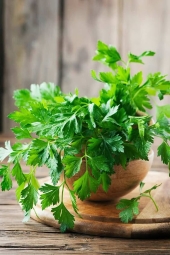
Next I would suggest nettles, then maybe parsley since parsley has a lot of uses.
 
gardener
Posts: 419
Location: Southern Ontario, 6b
311
cat forest garden food preservation cooking writing ungarbage
  • Likes 14
  • Mark post as helpful
  • send pies
    Number of slices to send:
    Optional 'thank-you' note:
  • Quote
  • Report post to moderator
Oregano and thyme are pretty easy to grow in most of the northern hemisphere. They are easy to use culinary herbs so are also easy to try as medicinals.

For us, doing a turmeric/ginger paste has been our first major medicinal herb for regular use. It has worked really well for reducing my mothers inflammation. I was able to grow both in containers last year and then processed and froze.
 
pollinator
Posts: 234
77
2
  • Likes 14
  • Mark post as helpful
  • send pies
    Number of slices to send:
    Optional 'thank-you' note:
  • Quote
  • Report post to moderator
Hahaha, I hit reply to say, "plantain!" and there were already the above posts mentioning it.  With good reason.  My chickens will also eat it, so that's another benefit.

I'd add cayenne to the list.  Since I personally have used it as a styptic, to stop bleeding of a nasty large gash sliced by a broken jar, I can vouch for its usefulness in that specific regard.  The cut, which I'm sure would have required stitches, healed without a hitch nor a stitch.

It purportedly has other uses, like regulating blood pressure, eliminating worms, increasing blood circulation.

Tastes good, too, so, if we think like our ancestors, grow stuff that's multipurpose.

Before 1904 and the p-harmaceutical system in place now, everyone used plant medicine, and they survived to create us, so I'd say that is proof enough for me that it works.

Besides, with what's coming soon, we'll need to keep costs minimal, and a chili pepper is affordable.  And weeds (like plantain) are, well...even cheaper!
 
pollinator
Posts: 840
Location: Clemson, SC ("new" Zone 8a)
199
11
  • Likes 14
  • Mark post as helpful
  • send pies
    Number of slices to send:
    Optional 'thank-you' note:
  • Quote
  • Report post to moderator
To address the OP's question, probably the first plant medicine most people will attempt is aloe vera gel - from a fresh leaf, or it can be bought in even mainstream stores - applied to a sunburn or skin rash.  Perhaps rivalled in popularity among novices by chamomile tea for inducing relaxation and sleep.

Otherwise, I have to agree with several posters above: a spit poultice of plantain applied to an insect bite is doubtless the "gateway drug" herbal medicinal for many people.

But I am surprised nobody has yet mentioned comfrey.  This was my own first (semi)serious venture into herbal medicine.  Probably because I already grew lots of comfrey.  People debate the wisdom of comfrey tea, based on toxicity concerns.  I would not hesitate to take it when treating a specific internal problem for a limited duration, such as mending a broken bone, but that is only when I would take it internally.  Nonetheless, a spit poultice of comfrey leaf can easily and safely be applied to just about any surface cut, abrasion, scratch, or mild burn to accelerate healing.  In fact, they warn not to use comfrey on a deep puncture wound because it can heal too fast!  (If the skin heals over before the deeper wound heals, it could form an abscess.)

I believe comfrey root is more potent, but also more trouble to harvest.
 
pollinator
Posts: 273
Location: Middlebury, Vermont zone 5a
86
  • Likes 13
  • Mark post as helpful
  • send pies
    Number of slices to send:
    Optional 'thank-you' note:
  • Quote
  • Report post to moderator
All of the above, but also lemon balm.  I use this as a tea and as a tincture.  I keep a little bottle upstairs in my bathroom and if I can't get to sleep, this will do the trick every time.

I'd ordered some hawthorn capsules after reading about how fantastic it was for the heart.  I then went to my doctor, where I was able to cut my medicine in half because of how well the hawthorn worked.  Since, I've planted a Hawthorn tree and bought a capsule maker!  I look forward to the day when I can use my own freshly dried plant matter.

I also have elderberry bushes out back from which I make a tincture.  I haven't had a cold since starting to take this.  The trick is to start it before you start having any symptoms.  It is easy to take because it tastes quite good, as does the hawthorn in tincture form.

Gardening and herbalism go hand-in-hand.  If you're willing to grow the plants, the hard part is done.  I have a good sized area by the back door covered in cardboard and mulch where I plan to extend my herb growing.  I plan to try planting a knob of turmeric and ginger.  I know that if I get it at the co-op, it should be pesticide free.  I know it won't survive the winter, but I can either carry some over inside or just start fresh when running low.

I grow peppermint, but honestly, that's mainly for mojitos!  I know that it is supposed to be great for upset stomachs, but it never appeals to me when I do have an upset stomach, so there's that...but, there is nothing easier to grow than any form of mint.  Contain it in a planter so it doesn't bully the rest of your plants!
 
steward & author
Posts: 45814
Location: Left Coast Canada
18332
10
art trees books chicken cooking fiber arts
  • Likes 14
  • Mark post as helpful
  • send pies
    Number of slices to send:
    Optional 'thank-you' note:
  • Quote
  • Report post to moderator
If I was starting again, the medicinal herbs I would start with are the same culinary herbs we already use in the kitchen.

Mostly because our body is used to these plants.  Herbs can be powerful stuff and take a while to acclimatize to them.  Starting with what our body already knows, but stronger, reduces the shock of a new substance.

It also helps us see how powerful culinary herbs can be for healing.  And if we already have them in the kitchen or garden, it's a smaller expense to get started with medicinal herbology.  

From there, I would move to weeds that grow locally, because free.  
 
pollinator
Posts: 200
Location: More D'Ebre, Tarragona, Spain Mediterranean zone
94
8
hugelkultur forest garden solar
  • Likes 8
  • Mark post as helpful
  • send pies
    Number of slices to send:
    Optional 'thank-you' note:
  • Quote
  • Report post to moderator

Dian Green wrote: For us, doing a turmeric/ginger paste has been our first major medicinal herb for regular use. It has worked really well for reducing my mothers inflammation.


I'm interested in how you prepared your paste and how you used it as my mother suffers terribly from arthritis and old post operative wound sensitivity.
 
author & steward
Posts: 7496
Location: Cache Valley, zone 4b, Irrigated, 9" rain in badlands.
3737
  • Likes 13
  • Mark post as helpful
  • send pies
    Number of slices to send:
    Optional 'thank-you' note:
  • Quote
  • Report post to moderator
I routinely use mints—peppermint, spearmint. They make great de-congesting teas that work great with my body and way of walking through the world.

I grow garlic and onions as medicinal herbs.

I grow lots of other medicinal herbs, but I don't use them. I pick them for the local medicine women, or leave them in the field—just in case.
 
gardener
Posts: 1782
Location: Proebstel, Washington, USDA Zone 6B
1162
4
wheelbarrows and trailers kids trees earthworks woodworking
  • Likes 13
  • Mark post as helpful
  • send pies
    Number of slices to send:
    Optional 'thank-you' note:
  • Quote
  • Report post to moderator
I started with cottonwood oil. Not as simple as a spit poultice of plantain. But still really simple. Pick some cottonwood buds (they are in season right now in my climate), soak them in olive oil for a month, strain and use.

Did I mention they are in season right now? Maybe I can show a friend how to do it this year.
 
M Ljin
master gardener
Posts: 2152
Location: Zone 5
1184
ancestral skills forest garden foraging composting toilet fiber arts bike medical herbs seed writing ungarbage
  • Likes 13
  • Mark post as helpful
  • send pies
    Number of slices to send:
    Optional 'thank-you' note:
  • Quote
  • Report post to moderator

r ransom wrote:If I was starting again, the medicinal herbs I would start with are the same culinary herbs we already use in the kitchen.

Mostly because our body is used to these plants.  Herbs can be powerful stuff and take a while to acclimatize to them.  Starting with what our body already knows, but stronger, reduces the shock of a new substance.

It also helps us see how powerful culinary herbs can be for healing.  And if we already have them in the kitchen or garden, it's a smaller expense to get started with medicinal herbology.  

From there, I would move to weeds that grow locally, because free.  


I agree—new herbs are very powerful. Often the tiniest tiniest amount is enough to show their medicinal properties, and that is what I would suggest when trying anything new. Try a little bit and observe closely how your body reacts. Slowly add more if it feels beneficial and nourishing, but not all the time.
 
Posts: 30
Location: NC zone 7a
12
chicken
  • Likes 10
  • Mark post as helpful
  • send pies
    Number of slices to send:
    Optional 'thank-you' note:
  • Quote
  • Report post to moderator
*First consideration is how will you use/take them? Tea, tincture, capsules or otherwise?
*Tea seems to be easiest process. But when I figured out all the things I wanted herbs to help me with, it seemed I'd be drinking tea sun up to sun down. And I hate tea!
*So it's tinctures for me. Easy to make and take. Here's what I started with: Tulsi (Holy Basil), Lemon Balm, Greek Oregano, Lemon Thyme, Camomile, Rosemary. I'm in zone 7 and they're all doing very well.
*There are several things growing wild here. I'm still researching all this. And I hope to harvest some of them this year. Specifically wild lettuce (Latuca). It helps calm your brain, mild pain relief, and sleep aid. We also have boneset, Hawthorne, Yarrow, dandelions, several mushrooms, wild cherry, black walnut and so much more.
*So pick something you’ll use that will grow in your area. Start with 2 or 3. Even up to 6 depending on your gardening experience.  
*There are great websites and books on growing and benefits of medicinal herbs.
Have fun and good luck!
 
pollinator
Posts: 3449
Location: Meppel (Drenthe, the Netherlands)
1167
dog forest garden urban cooking bike fiber arts
  • Likes 12
  • Mark post as helpful
  • send pies
    Number of slices to send:
    Optional 'thank-you' note:
  • Quote
  • Report post to moderator
I agree with many here that the herbs you already use in the kitchen are a 'gateway' to the medicinal use of herbs. You already know them, you grow/forage them (possibly. If you don't you can start doing it), you are used to the taste of them.

So you can start to get to know more on these herbs. Read about their medicinal use. Change the way you view the specific herbs. F.e. you know basil gives a nice taste to your salad. When you know about the medicinal properties of basil you understand when to use more of it and when not to use it. And you can start to use it in different ways, like making a tea of it.

My favourite medicinal herb is Yarrow (Achillea millefolium). It can be used in many ways and it grows abundantly as a native plant in the region I live in. I keep some dried leaves of it in a handkerchief in my bag for 'first aid' in case of cuts. It stops the bleeding and works as antiseptic. But it can be used in a tea too.

 
pollinator
Posts: 70
58
forest garden fungi homestead
  • Likes 11
  • Mark post as helpful
  • send pies
    Number of slices to send:
    Optional 'thank-you' note:
  • Quote
  • Report post to moderator

Once I started down the path of medicinal herbs, it became evident that just about every plant underneath my feet or winking at me from garden or field has a medicinal use; some of the more potent medicines can even be considered poison - whether or not is all in the dose. Talk about overwhelming!

I would say that the most important herbal medicinal ally is the one (or ten) in front of you right now!

Just now it is early spring in my neck of the woods, winter’s frozen grasp showing first cracks, and my body is craving minerals, vitamins and green things.

Dandelion is there for me: roots, leaves, crowns. Highly medicinal, it is also especially delicious in early spring. If you have never tasted the crowns simply roasted in salt and good fat, well - you have a real treat in store, for both taste buds and health. When I add dandelion to my spring routine, it feels like I’ve been walking the desert for miles, dying of thirst, but have at last found water. I cannot get enough.

Stinging Nettle is there for me: tender young plants bursting with health supporting nutrients. My body laps it up the same as dandelion. I pick, blanch and freeze many pounds, and eat it anytime I feel run down.  Later when it grows taller (but before it flowers) I harvest the leaves and dry them for tea. The immature seeds are truly a wonder. I hear the roots are too, but I can't bring myself to kill my beloveds, prolific as they are.

Burdock Root - I have found this to be a wonderful tonic in springtime, especially. It is known as a lymphatic system and blood purifying aid. A pain to dig up perhaps, but those roots mine deeply for the good stuff - I had a health event last spring (sudden onset extreme joint pain and inflammation) from a tick bite - burdock was heavily influential in my recovery - I kept a pot on the stove and drank daily. When I went back in for blood tests ten days after the event, my markers in all categories were better than they had been, not just before the event, but in years.

Cottonwood bud is there for me. Before the leaves come the buds, with the loveliest scent and heavy-hitting pain and inflammation help. I have also found it to be a potent preservative: salves that contain it do not seem to go bad, while the same salve without it will have rancid notes to the oil orders of magnitude earlier.


Alina Green
pollinator
Posts: 234
77
2
  • Likes 6
  • Mark post as helpful
  • send pies
    Number of slices to send:
    Optional 'thank-you' note:
  • Quote
  • Report post to moderator

K Carpenter wrote: Here's what I started with: Tulsi (Holy Basil),...


That will grow easily here, too.  What do you take that tincture for, and how much/how often?
 
Posts: 13
1
9
  • Likes 7
  • Mark post as helpful
  • send pies
    Number of slices to send:
    Optional 'thank-you' note:
  • Quote
  • Report post to moderator
Start your natural medicine quest with homeopathic medicines.
Homeopathy is nano-dose medicine made from highly diluted natural substances.
With homeopathy, there's no concern about the quality of the herb or potential for toxic overdose.
It's a system of medicine with 250 years of history and a truly amazing track record.

A good place to start information gathering is joettecalabrese.com.
 
pioneer
Posts: 244
Location: Wisconsin Zone 5a
97
cat forest garden chicken building medical herbs wood heat
  • Likes 10
  • Mark post as helpful
  • send pies
    Number of slices to send:
    Optional 'thank-you' note:
  • Quote
  • Report post to moderator
I'd start with dandelion because of its success with cancer, calendula because its pretty and it is good for wound healing, yarrow for wound healing and in tea, lemonbalm for anti-stress tea, rosemary for anti-inflammatory and memory care, and for heart health- grow a hawthorn shrub. Lemongrass is also good for killing off cancer. In Wisconsin it does not over-winter. The others I am able to cover in the winter and they came back.
 
Elanor Gardner
pioneer
Posts: 244
Location: Wisconsin Zone 5a
97
cat forest garden chicken building medical herbs wood heat
  • Likes 10
  • Mark post as helpful
  • send pies
    Number of slices to send:
    Optional 'thank-you' note:
  • Quote
  • Report post to moderator
My medicinal garden and cherry tree. I forgot to recommend mullein as it is good for lungs. Its roots can be harvested in year two. The leaves and flowers can be harvested in years one or two. Use any part of the plant in a tea or tincture.
0612242108b_HDR.jpg
[Thumbnail for 0612242108b_HDR.jpg]
 
Posts: 54
8
  • Likes 6
  • Mark post as helpful
  • send pies
    Number of slices to send:
    Optional 'thank-you' note:
  • Quote
  • Report post to moderator
Totally agree with starting from what you already cook with. Rosemary and thyme are the ones I reach for most, both in the kitchen and when I feel a cold coming on. Thyme tea is surprisingly decent for a sore throat. The jump from culinary to medicinal feels a lot less intimidating when you already know the plant.
 
Inge Leonora-den Ouden
pollinator
Posts: 3449
Location: Meppel (Drenthe, the Netherlands)
1167
dog forest garden urban cooking bike fiber arts
  • Likes 7
  • Mark post as helpful
  • send pies
    Number of slices to send:
    Optional 'thank-you' note:
  • Quote
  • Report post to moderator

S Windlass wrote:Start your natural medicine quest with homeopathic medicines.
Homeopathy is nano-dose medicine made from highly diluted natural substances.
With homeopathy, there's no concern about the quality of the herb or potential for toxic overdose.
It's a system of medicine with 250 years of history and a truly amazing track record.
...


Homeopathic medicine works well. But the problem is: you can't make it yourself.
 
Inge Leonora-den Ouden
pollinator
Posts: 3449
Location: Meppel (Drenthe, the Netherlands)
1167
dog forest garden urban cooking bike fiber arts
  • Likes 9
  • Mark post as helpful
  • send pies
    Number of slices to send:
    Optional 'thank-you' note:
  • Quote
  • Report post to moderator

Elanor Gardner wrote:I'd start with  ... calendula because its pretty and it is good for wound healing ...


Yes, Calendula. I forgot to mention. Nice flowers in the garden, then soaking in oil (looks nice too). Then you can use the Calendula-oil as it is, or make a salve. All doable in the kitchen, not very difficult.
 
M Ljin
master gardener
Posts: 2152
Location: Zone 5
1184
ancestral skills forest garden foraging composting toilet fiber arts bike medical herbs seed writing ungarbage
  • Likes 3
  • Mark post as helpful
  • send pies
    Number of slices to send:
    Optional 'thank-you' note:
  • Quote
  • Report post to moderator
Inge, I think it is possible. If you take a very tiny amount and use a lot of water for the infusion, that can be a simple homeopathic dilution, especially by only taking a small sip. I think maybe the only reason it seems so inaccessible may be the tedium of preparing it the traditional way.

Usually, I try new herbs this way, but especially powerful herbs still get made this way, like burning bush.
 
Dian Green
gardener
Posts: 419
Location: Southern Ontario, 6b
311
cat forest garden food preservation cooking writing ungarbage
  • Likes 6
  • Mark post as helpful
  • send pies
    Number of slices to send:
    Optional 'thank-you' note:
  • Quote
  • Report post to moderator

Sarah Joubert wrote:

Dian Green wrote: For us, doing a turmeric/ginger paste has been our first major medicinal herb for regular use. It has worked really well for reducing my mothers inflammation.


I'm interested in how you prepared your paste and how you used it as my mother suffers terribly from arthritis and old post operative wound sensitivity.


Hi Sarah,
I did a full write up of the ginger/turmeric paste process in this Thread about osteoarthritis care options. It's on the second page of replies and I've been updating on how it's going for us. Your question reminded me that I needed to add on to it!
I hope it helps you out and works as well for your mother since it has been great for mine.

 
Inge Leonora-den Ouden
pollinator
Posts: 3449
Location: Meppel (Drenthe, the Netherlands)
1167
dog forest garden urban cooking bike fiber arts
  • Likes 7
  • Mark post as helpful
  • send pies
    Number of slices to send:
    Optional 'thank-you' note:
  • Quote
  • Report post to moderator

M Ljin wrote:Inge, I think it is possible. If you take a very tiny amount and use a lot of water for the infusion, that can be a simple homeopathic dilution, especially by only taking a small sip. I think maybe the only reason it seems so inaccessible may be the tedium of preparing it the traditional way.

Usually, I try new herbs this way, but especially powerful herbs still get made this way, like burning bush.


Hi M. In the past I read books on homoeopathic medicine. In many cases the herb (or mineral) used in the dillution is not the herb that works against some health problem, but the contrary. Something causing the health problem is dilluted (1:100, or even more), stimulating the body to act against the problem with its own force.

What is the right plant (or mineral) to use is very hard to tell if you haven't studied this very thoroughly.
Because this is what I know, my choice was to keep using the ordinary herbalism.
 
Rusticator
Posts: 9669
Location: Missouri Ozarks
5306
7
personal care gear foraging hunting rabbit chicken cooking food preservation fiber arts medical herbs homestead
  • Likes 9
  • Mark post as helpful
  • send pies
    Number of slices to send:
    Optional 'thank-you' note:
  • Quote
  • Report post to moderator
Homeopathy is unique, complex and it's own thing, separate from classic herbalism. The solutions are so very dilute that it comes down to something like a drop in an Olympic sized pool. The premise is that "like cures like", but only at these extreme dilutions.
 
Posts: 5
Location: Mason County, WA USA:Ha; Harstine gravel ashy sandy loam
  • Likes 11
  • Mark post as helpful
  • send pies
    Number of slices to send:
    Optional 'thank-you' note:
  • Quote
  • Report post to moderator
What a delightful conversation about herbs!  Thanks to everyone who has chimed in here to share their favorites! Heck yeah to the ones mentioned so far -
Plantain makes a fantastic 'spit poultice' (chew up a few leaves to make a mash and pack it onto an ingrown nail or infected nail bed for relief).
Calendula is so useful for wounds and infection.... I gather the flowers, dry them, pack them into a mason jar, cover with olive oil, and leave in a sunny window for several weeks to steep. The strained oil is a lovely golden yellow, and eases pain, speeds repair of broken tissue, and discourages infection.
Nettle is an excellent tonic for a leaky or overactive urinary system in microdoses of 1-2 drops of tincture in half cup of water daily for 3-4 weeks.

Arnica, another in the Compositae family is also a great friend in my garden, to make a tincture or salve that eases bruising, speeds healing and engenders stamina. In Roman times so so long ago, the soldiers would hunt for arnica plants in the meadows where they camped, and rub them on the soles their feet to ease them after a days march.

Valerian is also a valued plant in my medicinal garden. There is so much value in offering a calming to those who are agitated in a tumultuous world... It was widely used in the US Civil war, and given to soldiers who had 'shell shock'. It was included in the US pharmacological medicinary until stronger medications overtook longstanding herbal preparations.  More info here for those who like to get the backstory:  https://www.civilwarmed.org/valerian/  Can be used in tea, tincture, salve, as an ammoniated herb (very helpful for insomnia).

New Jersey tea (ceanothus americanus) is another favorite - used in microdose of the tincture, it strengthens immunty, spleen, lymph - great in winter time for those whose tonsils were removed in the past, and have indications of spleen / immune weakness.

Another favorite is Goldenseal (hydrastis canadensis) - it has so many uses, but of all of them, the one I value the most is ease from gall bladder colic - 3-5 drops of tincture in a quarter cup of hot water (not boiling, just perfect-cuppa-to-sip-hot) taken ever 10-15 minutes can relieve pain and help pass stones or sludge.

And great to ssee the discussion including homeopathy....  there are valuable tools in herbs and homeopathics - so I do not feel any need to choose between them. I use both often and have for 30+ years. I find it works very well for humans, livestock, plants, crops. Here is some more backstory along with some 'how to" for using it in the garden:  https://arizonahomeopathic.org/treat-the-plant-not-the-pest/

Looking forward to hearing about other herbs that any of you have to share...


gardener
Posts: 1187
Location: France, Burgundy, parc naturel Morvan
538
forest garden fish fungi trees food preservation cooking solar wood heat woodworking homestead
  • Likes 8
  • Mark post as helpful
  • send pies
    Number of slices to send:
    Optional 'thank-you' note:
  • Quote
  • Report post to moderator
This is a what's your favorite used herb topic. Everybody... Plantain

This aside i would like to show this route because i've noticed not everything works the same on everybody...just see what your ailments are and try different herbs for that and see what sits best, you can also do mixes in some cases. I don't mind digging up roots if i need to, but that's a thing i'd look into if time/physical wise you're capable of doing that.

Personally i went another route, i just tried to grow as many herbs as i can that are known medicinals, cause if it doesn't help me, it will help someone else and if not at least it will add to diversity and some specified insect might just like it...
 
K Carpenter
Posts: 30
Location: NC zone 7a
12
chicken
  • Likes 6
  • Mark post as helpful
  • send pies
    Number of slices to send:
    Optional 'thank-you' note:
  • Quote
  • Report post to moderator
Alina,
I use dried Tulsi as an adaptogen to work with other things I use. But mostly to help with stress and arthritis issues.

HOWEVER, this is one of very few herbs I'll use as tea. Yep, me drink tea? I mix Tulsi and Lemon Balm ( about 1 tablespoon each per cup of tea)which is also a calming herb. It actually tastes good. I use no sweeteners.

In my opinion Tulsi stinks. Don't expect the smell of cooking/eating basil. To me it smells like a$$.

I also have a hard time finding plants. And I need to grow more this year! I know, I know. I should grow from seed.

Patience is not my virtue. Plus I'm a 'live or die' gardener. I give them what they need and tell em to live or die.

 
Posts: 225
Location: Washington DC area (zone 7a)
35
forest garden trees medical herbs building seed greening the desert
  • Likes 9
  • Mark post as helpful
  • send pies
    Number of slices to send:
    Optional 'thank-you' note:
  • Quote
  • Report post to moderator
When I studied medicinal herbs, Oh so long ago, my teacher suggested that I start by studying herbs that would help myself day to day (it helps motivate you to undestand it deeply).  What types of illnesses and/or injuries would I be expected to have, or have family/friends to have?  For myself, I used to have nasty issues with allergies, and arround that time I served apprentiships with a master blacksmith and a tool and die machinist -- suggesting a focus on herbs that deal with allergies, inflimation, burns and cuts.  For someone on permies, I am guessing that we are talking about typical gardening, forestry, and animal husbandry issues.  I am guessing that would include the allergies, inflimation, burns and cuts mentioned befure plus different infections (both fungal and bacterial)...

Early on in my studies, my teacher held up a couple of "herb books" (each with 100's of herbs in them).  She explained that traditionally even experienced healers never knew more than a dozen or two plants, and maybe a hundred or so preparations from those.  So, start with a couple of plants, and see how deep you can go.

On last thing - start with things that are not dangeriously toxic (like digitalis and mistletoe - whose dosage calculations are life and death critical).  Also start with something you can grow in your garden (or a container), so that you become familiar with every stage of the plant (including harvesting and preparation).  

While this is not a list of "try these", I hope my comments help.
 
Ebo David
Posts: 225
Location: Washington DC area (zone 7a)
35
forest garden trees medical herbs building seed greening the desert
  • Likes 6
  • Mark post as helpful
  • send pies
    Number of slices to send:
    Optional 'thank-you' note:
  • Quote
  • Report post to moderator
"Homeopathy is unique, complex and it's own thing, separate from classic herbalism."  Quite true.  Also, up until the 1990's or so, almost every medicine you find at the pharmacy started as a plant, animal, or something natural -- the active incredients would then be isolated, and synthasized...  The couple of times I tried homeopathy, it did not seem to work at all, but that was me.  Your milage may varry.  

A couple of extra points on classical herbalism, the "active ingredient" extracted by modern medicine in pill form is only one small part of a plant.  Many times there are other ingredients which buffer or provide some support.  It is part of why I prefer herbal medicine when I can sort myself out.
 
Kara Ann
Posts: 5
Location: Mason County, WA USA:Ha; Harstine gravel ashy sandy loam
  • Likes 8
  • Mark post as helpful
  • send pies
    Number of slices to send:
    Optional 'thank-you' note:
  • Quote
  • Report post to moderator

K Carpenter wrote:

Patience is not my virtue.


SO well said K Carpenter!!   Patience is harder than it looks!
SnailMushroomBerry.jpg
[Thumbnail for SnailMushroomBerry.jpg]
 
Bring out your dead! Or a tiny ad:
Learn Permaculture through a little hard work
https://wheaton-labs.com/bootcamp
reply
    Bookmark Topic Watch Topic
  • New Topic