|

|

|

|
|

|
|
|
|
|
|
|
|

|
|

|

|
|
 14
14


 12
12
Leaftide - garden planner w/ 1228 plant types. Need permaculture testers for fruit trees & perennials. Free Pro month for detailed feedback, even just suggesting plants
16
17
19
How permies.com works
What is a Mother Tree ?


 10
10
Invasive plants are Earth's way of insisting we notice her medicines. Stephen Herrod Buhner
Everyone learns what works by learning what doesn't work. Stephen Herrod Buhner


 16
16
How can we create fertilizer for commercial use without chemicals and help grow crops quickly into autumn?
- Tim's Homestead Journal - Purchase a copy of Building a Better World in Your Backyard - Purchase 6 Decks of Permaculture Cards -
- Purchase 12x Decks of Permaculture Cards - Purchase a copy of the SKIP Book - Purchase 12x copies of Building a Better World in your Backyard


 14
14


 11
18
14
11
18
14


 16
16
Some places need to be wild
9
17


 12
6
12
12
6
12
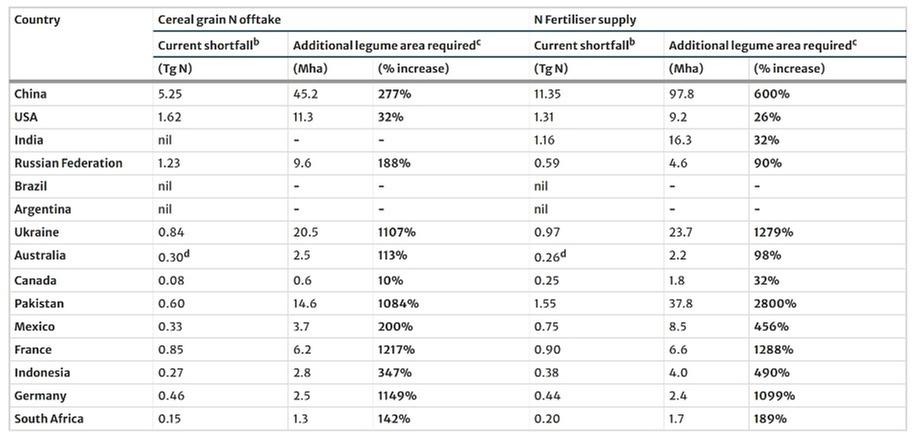
Blake Lenoir wrote: Why are American farmers planting more soybeans? What's the value of them?
Visit Redhawk's soil series: https://permies.com/wiki/redhawk-soil
How permies.com works: https://permies.com/wiki/34193/permies-works-links-threads
17
6
11
Blake Lenoir wrote: Why are American farmers planting more soybeans? What's the value of them?
7
9
Blake Lenoir wrote: Are there plants out there that help give corn more nitrogen to aid its commercial growth?
How permies.com works
What is a Mother Tree ?
12
Burra Maluca wrote: Anyone want to start an Eat More Beans thread about the best recipes we could use to increase our consumption of the types of beans most likely to be grown more?
Visit Redhawk's soil series: https://permies.com/wiki/redhawk-soil
How permies.com works: https://permies.com/wiki/34193/permies-works-links-threads

 13
13
Country oriented nerd with primary interests in alternate energy in particular solar. Dabble in gardening, trees, cob, soil building and a host of others.
15
And I urge you to please notice when you are happy, and exclaim or murmur or think at some point, 'If this isn't nice, I don't know what is.'
-Kurt Vonnegut
8
C. Letellier wrote:Because it is readily available I would suggest pond moss for this year and possibly cattails for next year.
4


 6
6
Douglas Alpenstock wrote:
C. Letellier wrote:Because it is readily available I would suggest pond moss for this year and possibly cattails for next year.
Don't forget the pond muck the cattails are growing in. Potentially the best fertilizer ever! Stinky stuff though.
EDIT: By "pond moss" I assume you mean aquatic plants (water weeds)? These are very high in nitrogen (which is why they decompose with a massive stench) and would be brilliant as a compost additive.
13
7
10
12
Blake Lenoir wrote: Huge advocate of urine! Love to use it all the time and will always have. Was wondering if we could use any type of animal poop for decomposing for our soil.
I wanna find out if we could use horse poop, but without food particles that in turn germinate seed.
Are there any in stores that are without food particles?
9
9
Leaftide - garden planner w/ 1228 plant types. Need permaculture testers for fruit trees & perennials. Free Pro month for detailed feedback, even just suggesting plants
7
In modern times the only right way forward is to come back to nature.
9
12
William Bronson wrote:Hers an episode of Propaganda By The Seed where the host interviews representatives from the Rich Earth Institute, an organization that researches, promotes and practices the use of urine for fertilizer.
[Propaganda By The Seed] Peecycling with The Rich Earth Institute 🅴
https://podcastaddict.com/propaganda-by-the-seed/episode/200123107 via @PodcastAddict
They are actively collecting urine, pasteurizing it and applying it to hayfields.
7
4
Blake Lenoir wrote: Good evening folks! How are you? I'm looking for ways to combat higher fertilizer prices in an organic fashion without the chemical types and help others cope with the uncertainty in the world right now.
How can we create fertilizer for commercial use without chemicals and help grow crops quickly into autumn? I wanna help my community and others as much as possible. Please reach me on this forum if you need me. Good night!

|
Something must be done about this. Let's start by reading this tiny ad:
Heat your home with the twigs that naturally fall of the trees in your yard
http://woodheat.net
|