• Post Reply Bookmark Topic Watch Topic
  • New Topic
permaculture forums growies critters building homesteading energy monies kitchen purity ungarbage community wilderness fiber arts art permaculture artisans regional education skip experiences global resources cider press projects digital market permies.com pie forums private forums all forums
this forum made possible by our volunteer staff, including ...
master stewards:
  • Carla Burke
  • Nancy Reading
  • John F Dean
  • r ransom
  • Jay Angler
  • Timothy Norton
stewards:
  • paul wheaton
  • Tereza Okava
  • Nicole Alderman
master gardeners:
  • M Ljin
  • Christopher Weeks
gardeners:
  • Jeremy VanGelder
  • thomas rubino
  • Megan Palmer

Slugs & Snails

 
Posts: 110
Location: South coast of England
8
  • Likes 2
  • Mark post as helpful
  • send pies
    Number of slices to send:
    Optional 'thank-you' note:
  • Quote
  • Report post to moderator
Morning all,

Any advice on dealing with slugs and snails? I would like to grow some annual veg this year but in the past my crop has always been decimated by slugs and snails.

Does copper tape really work? I'm thinking of making some raised planters with feet for the veg and putting copper tape around the feet. Any idea how much copper tape a slug/snail would need to cross for it to be a deterrent (10cm? More/less?).

Are there any genuinely eco-friendly slug pellets? I read that all pellets include substances that persist and kill other animals/organisms, but I can't remember where I read it

Thanks!


My main post is here:
https://permies.com/t/154597/Garden-Scratch-ADVICE
 
steward and tree herder
Posts: 13229
Location: Isle of Skye, Scotland. Nearly 70 inches rain a year
7097
6
transportation dog forest garden foraging trees books food preservation woodworking wood heat rocket stoves ungarbage
  • Likes 2
  • Mark post as helpful
  • send pies
    Number of slices to send:
    Optional 'thank-you' note:
  • Quote
  • Report post to moderator
Given that this is a US forum, there tends to be a bit less discussion on slugs than you'd expect as a Brit here, or maybe it's taken as one of those problems no one likes to talk about.  Slugs are one of the reasons I moved away from growing annuals when I came here, but I'm trying again this year so if you find a magic solution let us know! I rarely see slugs in my field, yet as soon as I put 'food' down for them baby slugs appeared out of nowhere.

I prefer not to kill slugs. I'm still hoping that some way a magic balance between pests and predators will happen. Unfortunately no one gardens in a vacuum and you will still have neighbours doing their stuff and potentially disturbing the balance. My favoured method is growing stuff they don't like, or perennials that will grow robustly and survive the onslaught. Failing that ,then barrier methods have worked for me in the past. I used to have a bit of scaffolding in the garden which I used to keep my seedlings on and I'm sure that the galvanised legs kept the slugs at bay. In a damp climate I believe dry prickly things do not work as a barrier. I did an experiment with eggshells once and they were almost useless for me here (but may work for you or others!). Cut off plant pots without copper tape worked just as well as collars with tape. I gather you can make sort of an electric fence against slugs. The trouble is that given any bridge over it leaves etc. then this will not work either.  Ground beetles are your friend and I did wonder whether a sunken bed to collect beetles might help tip the balance.

I found a few threads that may be of use:
https://permies.com/t/28583/slug-Solutions
https://permies.com/t/167068/slugs
https://permies.com/t/159815
https://permies.com/t/17655
https://permies.com/t/139528
https://permies.com/t/161108
https://permies.com/t/154976

Good luck!
 
G Prentice
Posts: 110
Location: South coast of England
8
  • Mark post as helpful
  • send pies
    Number of slices to send:
    Optional 'thank-you' note:
  • Quote
  • Report post to moderator

Nancy Reading wrote:Given that this is a US forum, there tends to be a bit less discussion on slugs than you'd expect as a Brit here, or maybe it's taken as one of those problems no one likes to talk about.  Slugs are one of the reasons I moved away from growing annuals when I came here, but I'm trying again this year so if you find a magic solution let us know! I rarely see slugs in my field, yet as soon as I put 'food' down for them baby slugs appeared out of nowhere.

I prefer not to kill slugs. I'm still hoping that some way a magic balance between pests and predators will happen. Unfortunately no one gardens in a vacuum and you will still have neighbours doing their stuff and potentially disturbing the balance. My favoured method is growing stuff they don't like, or perennials that will grow robustly and survive the onslaught. Failing that ,then barrier methods have worked for me in the past. I used to have a bit of scaffolding in the garden which I used to keep my seedlings on and I'm sure that the galvanised legs kept the slugs at bay. In a damp climate I believe dry prickly things do not work as a barrier. I did an experiment with eggshells once and they were almost useless for me here (but may work for you or others!). Cut off plant pots without copper tape worked just as well as collars with tape. I gather you can make sort of an electric fence against slugs. The trouble is that given any bridge over it leaves etc. then this will not work either.  Ground beetles are your friend and I did wonder whether a sunken bed to collect beetles might help tip the balance.

I found a few threads that may be of use:
https://permies.com/t/28583/slug-Solutions
https://permies.com/t/167068/slugs
https://permies.com/t/159815
https://permies.com/t/17655
https://permies.com/t/139528
https://permies.com/t/161108
https://permies.com/t/154976

Good luck!


Thanks - I'll check out the links for more tips!
 
steward & manure connoisseur
Posts: 5108
Location: South of Capricorn
3075
dog rabbit urban cooking writing homestead ungarbage
  • Likes 1
  • Mark post as helpful
  • send pies
    Number of slices to send:
    Optional 'thank-you' note:
  • Quote
  • Report post to moderator
I agree with Nancy on several points, namely eggshells being useless....
I have major slug problems (we're wet 9 months of the year, at varying temps). I also like to mulch, and I think the mulch gave the slugs/snails too many places to hide. Reading Charles Dowding's web page recently I came across something that made me think-- mulch needs to have anything "fresh" composted down, so my next batch of mulch (shredded garden waste) is currently cooking in a barrel in the sun along with urine soaked wood shavings and rabbit manure. We'll see if it helps.
What I usually do, when things are bad, is get a flashlight and go outside on a rainy night and hand pick as many of the little varmints as I can (into a jar with vodka, since I don't have animals that would appreciate them as snacks).
 
G Prentice
Posts: 110
Location: South coast of England
8
  • Mark post as helpful
  • send pies
    Number of slices to send:
    Optional 'thank-you' note:
  • Quote
  • Report post to moderator

Tereza Okava wrote:I agree with Nancy on several points, namely eggshells being useless....
I have major slug problems (we're wet 9 months of the year, at varying temps). I also like to mulch, and I think the mulch gave the slugs/snails too many places to hide. Reading Charles Dowding's web page recently I came across something that made me think-- mulch needs to have anything "fresh" composted down, so my next batch of mulch (shredded garden waste) is currently cooking in a barrel in the sun along with urine soaked wood shavings and rabbit manure. We'll see if it helps.
What I usually do, when things are bad, is get a flashlight and go outside on a rainy night and hand pick as many of the little varmints as I can (into a jar with vodka, since I don't have animals that would appreciate them as snacks).


Thanks!

Does anyone know if frogs make a noticeable dent in slug/snail numbers? I've added quite a big pond and a few smaller ones to my garden in the hope that I might get some amphibians (and other wildlife benefits)...
 
pollinator
Posts: 413
Location: Hamburg, Germany
132
  • Mark post as helpful
  • send pies
    Number of slices to send:
    Optional 'thank-you' note:
  • Quote
  • Report post to moderator
Salt water is cheaper than vodka, though I suppose if you're putting them in your compost later it's not optimal.

I put in hip-high beds last year and it seemed to help (I also have rabbits and other rodents so keeping them out may be the difference).  I'm planning two things I hope will help this year:  A toad pond and nematodes.

I put in a tiny (1x2 meter) pond that I'm hoping will bring more toads to the garden in general.  I did see a couple in the pond last year.

I'm also buying https://www.re-natur.de/shop/nemaslug-mini-gegen-nacktschnecken-fuer-40-m.html for just the raised beds.  I know I bought from a UK site before Brexit so you should be able to get it locally.

Oh, and I'm hoping hedgehogs will show up this year.  I have a couple of places for them to nest - fingers crossed!
 
gardener
Posts: 586
Location: Pembrokeshire, UK
440
2
dog forest garden gear fungi foraging trees building medical herbs woodworking homestead
  • Likes 2
  • Mark post as helpful
  • send pies
    Number of slices to send:
    Optional 'thank-you' note:
  • Quote
  • Report post to moderator
The only real slug "solution" that I've heard of is to let poultry pick over the growing area each day. A smallholding I know of down here - Gardd Darna - run their ducks across the veggies in the morning on the way to the pond. They lose a bit of veg due to leaves being pecked but they keep the slugs right down. If you don't have poultry, perhaps encouraging wild birds with feeders might help. As you say, frogs are supposed to be helpful too.

In my experience, copper tape does nothing. Egg shells don't seem to do much either. Beer traps do work but you need to be very consistent with them (and I usually end up drinking all the beer and not having any left to make traps with! it was easier when I had more parties...)

My last house was in a very damp climate and had a stone wall along the length of the garden. This was the ultimate slug hiding place and, every evening, they wrought havok on my vegetables. I found that growing seedlings in-situ (rather than in pots and then planting out) led to a better survival rate (but a shorter growing season). Any seedlings that made it past the first few weeks were largely ignored by the slugs and snails. Strange.
 
G Prentice
Posts: 110
Location: South coast of England
8
  • Likes 1
  • Mark post as helpful
  • send pies
    Number of slices to send:
    Optional 'thank-you' note:
  • Quote
  • Report post to moderator
Thanks both.

So it looks like a battle to be fought on many fronts. Interesting that you haven't had much help from copper tape. I'll still give it a go as i'm not using it extensively. Eggs shells didn't work for me in the past. Will try beer traps again, and hopefully my ponds and amphibians will help.
 
pollinator
Posts: 2339
Location: Denmark 57N
603
fungi foraging trees cooking food preservation
  • Likes 1
  • Mark post as helpful
  • send pies
    Number of slices to send:
    Optional 'thank-you' note:
  • Quote
  • Report post to moderator
A list of what doesn't work should start with frogs and toads, I'm sure they eat some slugs but in my last very damp house we had thousands upon thousands of frogs and toads and millions of slugs. Lawn mowing was mass murder of baby frogs and I had to improvise a system to let toads crawl back out of the septic tank covers, otherwise one had to rescue 3 or 4 every day just from there.  The problem with trying for "natural" control is that is cannot work to an acceptable standard, the predators will not eat all the prey if they did they would die. and at the other end of the system you are growing unlimited food for the prey.

In my new property we had almost no slugs the first year after converting the field from grass to vegetables, there were also very few toads, the next year there were thousands of slugs and a few hundred toads, last year we were up to buckets of slugs and swarms of toads, and even a few frogs. One cannot coexist with slugs, they don't leave you anything to eat at all.

Another major problem in most of Europe and in the UK is the slug that is causing the problem the so called "Spanish slug" isn't native and doesn't have predators, it (apparently) tastes really bitter so frogs, hedgehogs etc don't eat it, and it gets to big for our native ground beetles or lizards to kill.

My chickens wouldn't touch slugs or snails, but they did love frogs.. counter productive i suspect.


So what have I found does help?

No coarse mulch anywhere, slugs and snails love it.
No rubbish lying around the growing area, (sticks, stones, buckets etc)
Clear up all old plant debris and keep compost areas away from growing areas.
Ducks, they are of limited help, they love slugs yes, but they cannot be allowed in food production areas (illegal if you wish to sell and a health hazard even if you don't want to)
Keep a clear area, either closely mown or plastic mulch around the growing area, it's easy to spot slugs coming in this way
Hand picking, yes eww but an hour every couple of days will help, it won't exterminate them but it will bring the damage to manageable levels.
Avoid edges, so no stone edging, or plank edges for raised beds, these provide wonderful slug habitat.
Slug pellets (the iron phosphate ones) If you have spanish slugs then start using these NOW I did my first trip round today (26th Jan) we've had a mild winter and I can already see the baby slugs appearing. hitting them now and up until March will control them for the entire season. If you wait until you start to see full grown slugs they are to big to be killed by the pellets.


G Prentice
Posts: 110
Location: South coast of England
8
  • Mark post as helpful
  • send pies
    Number of slices to send:
    Optional 'thank-you' note:
  • Quote
  • Report post to moderator

Skandi Rogers wrote:A list of what doesn't work should start with frogs and toads, I'm sure they eat some slugs but in my last very damp house we had thousands upon thousands of frogs and toads and millions of slugs. Lawn mowing was mass murder of baby frogs and I had to improvise a system to let toads crawl back out of the septic tank covers, otherwise one had to rescue 3 or 4 every day just from there.  The problem with trying for "natural" control is that is cannot work to an acceptable standard, the predators will not eat all the prey if they did they would die. and at the other end of the system you are growing unlimited food for the prey.

In my new property we had almost no slugs the first year after converting the field from grass to vegetables, there were also very few toads, the next year there were thousands of slugs and a few hundred toads, last year we were up to buckets of slugs and swarms of toads, and even a few frogs. One cannot coexist with slugs, they don't leave you anything to eat at all.

Another major problem in most of Europe and in the UK is the slug that is causing the problem the so called "Spanish slug" isn't native and doesn't have predators, it (apparently) tastes really bitter so frogs, hedgehogs etc don't eat it, and it gets to big for our native ground beetles or lizards to kill.

My chickens wouldn't touch slugs or snails, but they did love frogs.. counter productive i suspect.


So what have I found does help?

No coarse mulch anywhere, slugs and snails love it.
No rubbish lying around the growing area, (sticks, stones, buckets etc)
Clear up all old plant debris and keep compost areas away from growing areas.
Ducks, they are of limited help, they love slugs yes, but they cannot be allowed in food production areas (illegal if you wish to sell and a health hazard even if you don't want to)
Keep a clear area, either closely mown or plastic mulch around the growing area, it's easy to spot slugs coming in this way
Hand picking, yes eww but an hour every couple of days will help, it won't exterminate them but it will bring the damage to manageable levels.
Avoid edges, so no stone edging, or plank edges for raised beds, these provide wonderful slug habitat.
Slug pellets (the iron phosphate ones) If you have spanish slugs then start using these NOW I did my first trip round today (26th Jan) we've had a mild winter and I can already see the baby slugs appearing. hitting them now and up until March will control them for the entire season. If you wait until you start to see full grown slugs they are to big to be killed by the pellets.


Thanks - very useful! Have you ever tried nematodes? I was wondering if they are more eco-friendly than pellets, but I have never tried either.
 
Luke Mitchell
gardener
Posts: 586
Location: Pembrokeshire, UK
440
2
dog forest garden gear fungi foraging trees building medical herbs woodworking homestead
  • Mark post as helpful
  • send pies
    Number of slices to send:
    Optional 'thank-you' note:
  • Quote
  • Report post to moderator
+1 for the iron phosphate pellets. Last year I resorted to them as everything I put in the ground was being demolished and they did seem to work. A very clued-in (eats solely organic food) chemist friend of mine assures me that they are safe to use and are unlikely to be detrimental to wildlife (apart from slugs). I still used them very sparingly.
 
Skandi Rogers
pollinator
Posts: 2339
Location: Denmark 57N
603
fungi foraging trees cooking food preservation
  • Mark post as helpful
  • send pies
    Number of slices to send:
    Optional 'thank-you' note:
  • Quote
  • Report post to moderator

G Prentice wrote:

Thanks - very useful! Have you ever tried nematodes? I was wondering if they are more eco-friendly than pellets, but I have never tried either.


No but purely due to the cost, I need to keep an area of about an acre roughly clear.
 
pollinator
Posts: 3940
Location: Kent, UK - Zone 8
746
books composting toilet bee rocket stoves wood heat homestead
  • Likes 1
  • Mark post as helpful
  • send pies
    Number of slices to send:
    Optional 'thank-you' note:
  • Quote
  • Report post to moderator
Wet UK climate here. Perpetual battle, with no clear wins.

I have been investing in plants that the slugs don't bother. Fruit trees and bushes are a good starting point. Beans do well, once they grow past the slug range. Courgettes, again once they get through the small and vulnerable phase. Leeks and bunching welsh onions have done well. Potatoes were a disaster.

I think a combination of hand picking while plants are small and vulnerable, and picking plants that are not so prone to damage in the first place, is a recipe for success. At least in part.
 
G Prentice
Posts: 110
Location: South coast of England
8
  • Mark post as helpful
  • send pies
    Number of slices to send:
    Optional 'thank-you' note:
  • Quote
  • Report post to moderator
I'm hoping that growing the annuals in fairly high planters will help. Perhaps I can put the feet of the planters in beer traps? Is it overkill? Excuse the pun haha

Isn't it incredible that creatures that don't even have legs can cause so much damage in a garden...
 
Nancy Reading
steward and tree herder
Posts: 13229
Location: Isle of Skye, Scotland. Nearly 70 inches rain a year
7097
6
transportation dog forest garden foraging trees books food preservation woodworking wood heat rocket stoves ungarbage
  • Likes 2
  • Mark post as helpful
  • send pies
    Number of slices to send:
    Optional 'thank-you' note:
  • Quote
  • Report post to moderator

G Prentice wrote: Perhaps I can put the feet of the planters in beer traps? Is it overkill? .


If the liquid was deep/wide enough that might actually work! I think the slugs would drown. A side benefit would be protecting the plants from vine weevil, if they are likely to be a problem, since they can't swim either.
 
Nancy Reading
steward and tree herder
Posts: 13229
Location: Isle of Skye, Scotland. Nearly 70 inches rain a year
7097
6
transportation dog forest garden foraging trees books food preservation woodworking wood heat rocket stoves ungarbage
  • Likes 3
  • Mark post as helpful
  • send pies
    Number of slices to send:
    Optional 'thank-you' note:
  • Quote
  • Report post to moderator
I was sent a nice link on slugs and permaculture that you may enjoy. It is a little long, but quite interesting:
earthways.co.uk
 
gardener
Posts: 534
Location: WV
177
kids cat foraging food preservation medical herbs seed
  • Likes 1
  • Mark post as helpful
  • send pies
    Number of slices to send:
    Optional 'thank-you' note:
  • Quote
  • Report post to moderator
Oddly eggshells seemed to work for me last year.  My direct-seeded cucumbers were decimated by slugs so I grew some as transplants.  I surrounded each plant with a generous course ring of eggshells and they survived.  However I do agree about not using course mulch as it seems to provide the little buggers with habitat during the day.  Hand-picking is a bit gross but I find it the most successful.   Leaving pieces of boards in my paths (don't do this in beds as you don't want to invite any more in) Have been successful as you can simply lift the board every morning and pick them off.  I've never tried the beer traps yet.
 
gardener
Posts: 811
Location: Semi-nomadic, main place coastal mid-Norway, latitude 64 north
529
  • Likes 2
  • Mark post as helpful
  • send pies
    Number of slices to send:
    Optional 'thank-you' note:
  • Quote
  • Report post to moderator
I heard about something cool on the predator side of slug control (second-hand info, so can't cite a source unfortunately, but still): Supposedly, blackbirds somewhere in Europe (possibly Sweden?) have found a method for eating the invasive Spanish slugs. The reason nothing normally wants to eat them is the thick layer of nasty slime that they surround themselves with, so what the blackbirds have started doing is peck a hole in the slime layer, then wipe their beak to get rid of the slime, then eat through the de-slimed hole. Pretty cool, hope the knowledge spreads among them...
 
Posts: 57
Location: Belgium, alkaline clay along the Escaut river. Becoming USDA 8b.
33
forest garden foraging cooking
  • Likes 6
  • Mark post as helpful
  • send pies
    Number of slices to send:
    Optional 'thank-you' note:
  • Quote
  • Report post to moderator
Hello,
I am also using the plank and soap bucket method every other morning.
For now my onions are surviving.
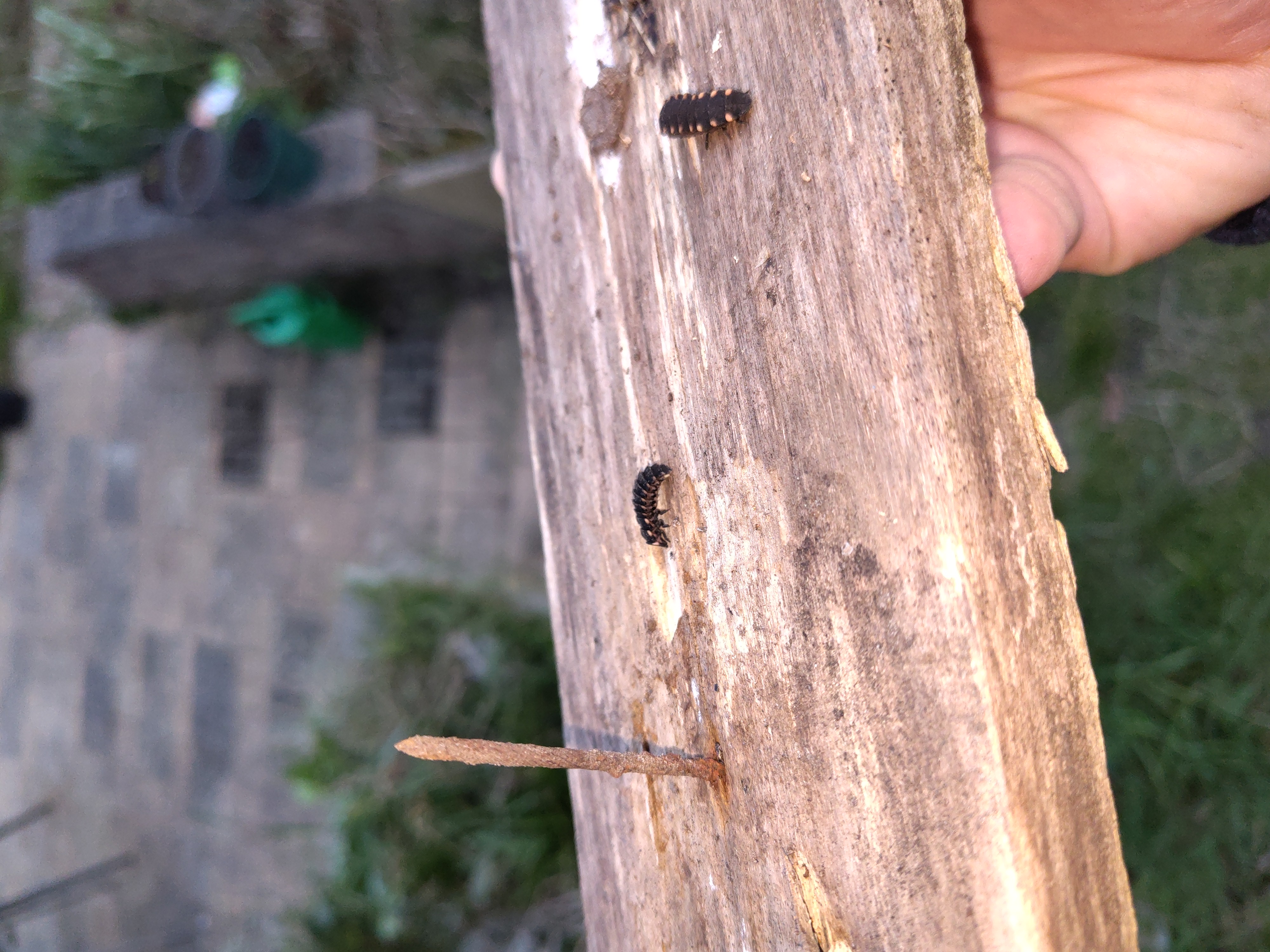
Another benefit of the method is providing housing to predators - I had never seen centipedes and velvet mites this early in the season.
And then ... glow worms !
I do not know if they like spanish slugs, we will see.
Have a nice evening,
Oliver
IMG_20250322_185953.jpg
Glow worms hidden under a plank
 
pollinator
Posts: 1504
Location: Milwaukie Oregon, USA zone 8b
181
  • Likes 3
  • Mark post as helpful
  • send pies
    Number of slices to send:
    Optional 'thank-you' note:
  • Quote
  • Report post to moderator
Here we have slugs too.  I find them when I'm checking on my plants in their pots, and I'm on a balcony and yet they somehow come up the wall or something to get to the second floor of the apartment building.  When I find them I toss them over the railing.  
 
author & steward
Posts: 7529
Location: Cache Valley, zone 4b, Irrigated, 9" rain in badlands.
3785
  • Likes 11
  • Mark post as helpful
  • send pies
    Number of slices to send:
    Optional 'thank-you' note:
  • Quote
  • Report post to moderator
When I visited Europe, people heckled me constantly. "Sure, that works great for you in the desert, but we have SLUGS!!!"

So I started interviewing every farmer that I visited about how to deal with slugs. In the end, they taught me that the more life a garden contains, the more biodiversity, the fewer problems with slugs.

No till farmers report that if their are tons of plants growing in the garden, that the slugs prefer the dead or less healthy plants. If a garden looks like a moonscape, with absolutely nothing to eat, and some seeds or transplants are added, the the poor starving slugs will devour whatever is offered.

Gardens with the fewest problems with slugs had the most other species living in them, of many different kinds: plants, animals, fungi, microbes. For example, one farmer showed me a "dead hedge" that was a pile in the center of the garden where branches were tossed, or old weeds, or garden refuse. It ended up teeming with life: beetles, fungi, creepy-crawlies, flies, molds, slimes, wasps, birds, hedgehogs, wildflowers, pollinators, fungi, etc., including many predators of slugs and snails.
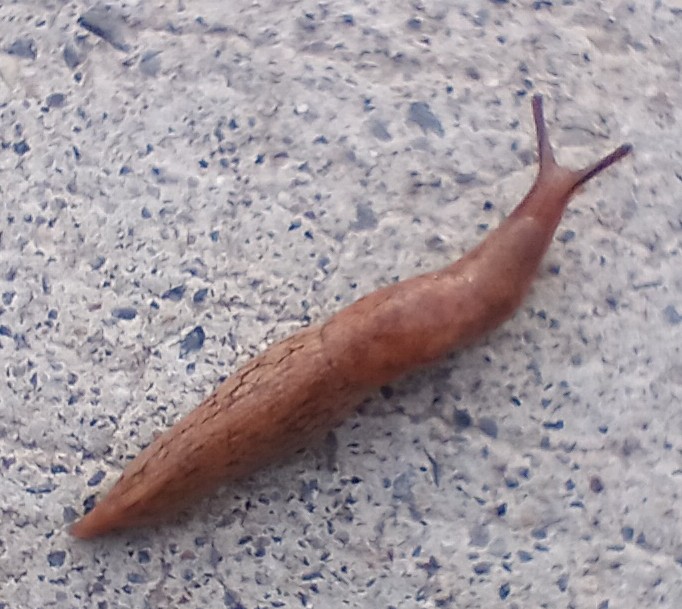
deroceras-reticulatum.jpg
 Milky Slug (Deroceras reticulatum)
Milky Slug (Deroceras reticulatum)
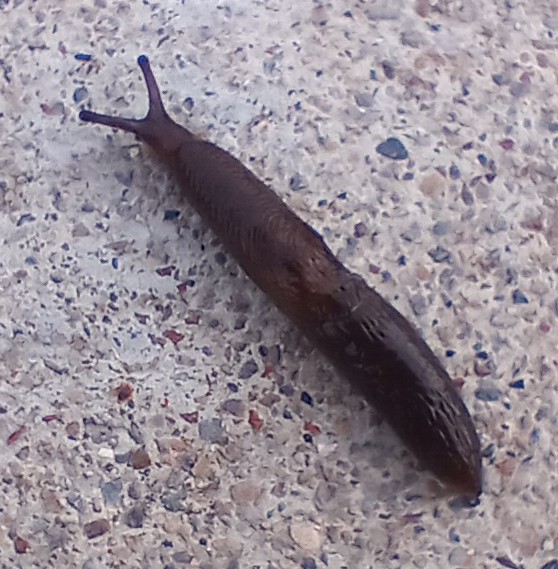
slug-080843.jpg
slug
slug
 
pollinator
Posts: 454
Location: Zone 8b: SW Washington
84
forest garden trees food preservation bee solar
  • Likes 6
  • Mark post as helpful
  • send pies
    Number of slices to send:
    Optional 'thank-you' note:
  • Quote
  • Report post to moderator
I live in western Washington state, which has the ideal climate for slugs. Our native slugs eat mostly mushrooms, fungi and decaying plant matter. It is all the invasive slugs that are pests.

I have been gardening in this climate since 1970. The most effective methods I have found are:
1) don't grow the plants that they love;
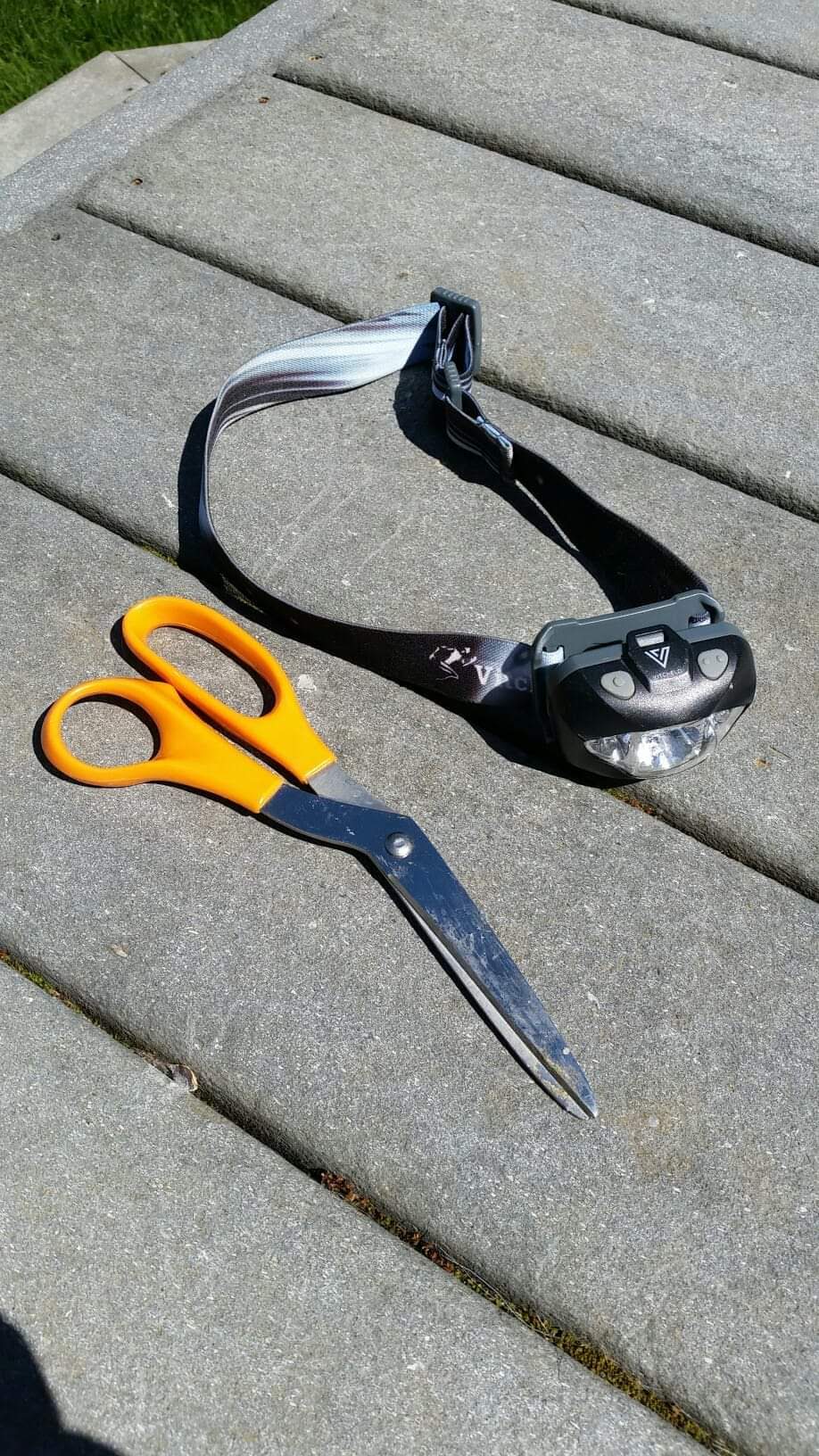
2) become their predator. By this I mostly mean go out at night with a headlamp and an old pair of scissors, and cut them in half. This allows you to kill them no matter if they are on the ground or 4 feet up in your plant. And you really just need to nick their skin, full bifurcation isn't necessary (but is very satisfying). I don't kill any native slugs. In the spring I go out every night until it becomes hard to find any.

Yes it is gross, but this is by far the most effective method I have found.
FB_IMG_1587923541979.jpg
Slug weaponry
Slug weaponry
  • Likes 7
  • Mark post as helpful
  • send pies
    Number of slices to send:
    Optional 'thank-you' note:
  • Quote
  • Report post to moderator
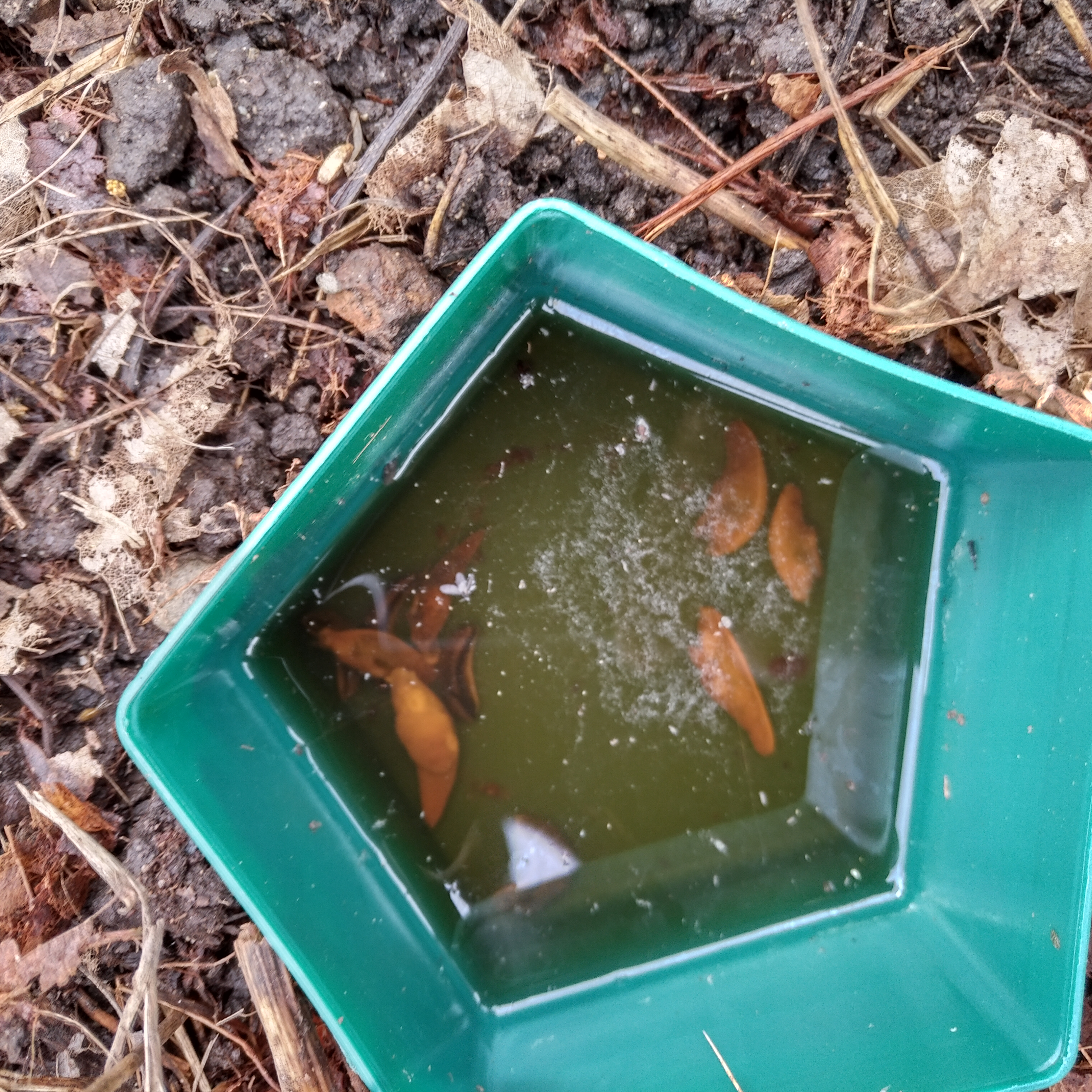
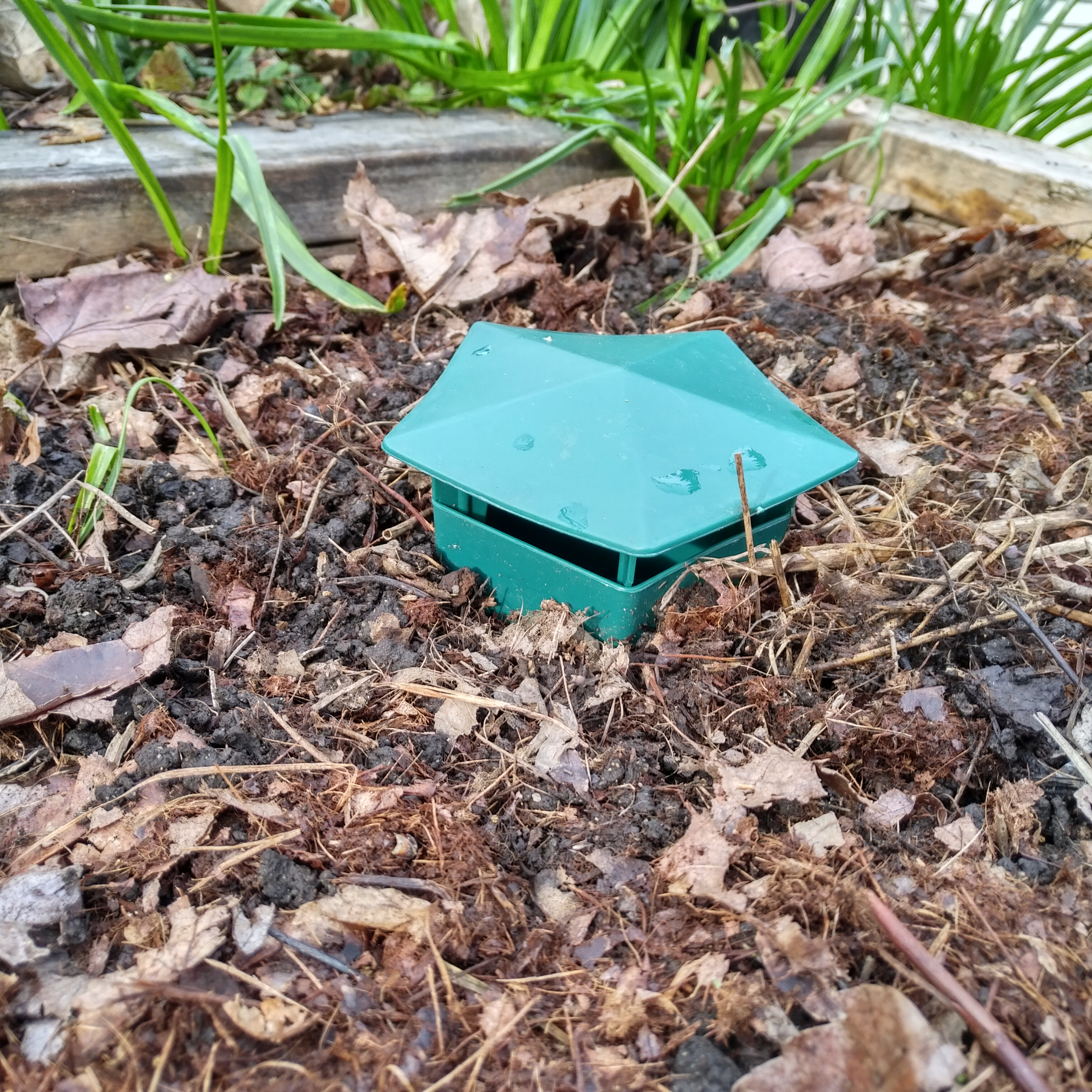
I 've been there! Happily, the solution was ridiculously simple, easy & cheap. BEER TRAPS (tip: buying beer is not actually necessary - any fermented liquid will do - they are attracted to fermented smells). They have readily and completely eliminated the problem ). I am in Vancouver, by the way, Wet Pacific Northwest!).

You can buy nice pretty-looking ones at Amazon, but now I simply make them out of empty milk jugs. I refill them every 2-3 weeks, decimating successive generations of slugs.
An easy substitute for beer is a fermented dilution of a bit of flour, a bit of sugar and a bit of yeast. I make it in the afternoon, let it sit until dusk to ferment, then fill the traps... Bam! in 2-3 days I have enough drowned slugs to fill a bag.

IMG_20230418_1702362.jpg
Catch of the day!
Catch of the day!
IMG_20230418_1703112.jpg
Pretty ones from Amazon
 
pollinator
Posts: 255
54
  • Likes 5
  • Mark post as helpful
  • send pies
    Number of slices to send:
    Optional 'thank-you' note:
  • Quote
  • Report post to moderator
I like to sprinkle wood ashes around all my garden plants. You'll need to reapply after it rains...Also for you fisherfolks out there, slugs make great fish bait!
 
Joseph Lofthouse
author & steward
Posts: 7529
Location: Cache Valley, zone 4b, Irrigated, 9" rain in badlands.
3785
  • Likes 10
  • Mark post as helpful
  • send pies
    Number of slices to send:
    Optional 'thank-you' note:
  • Quote
  • Report post to moderator

My upcoming book Adaptation Gardening contains an entire story-chapter about dealing with slugs, because I encountered the same concern over and over while visiting gardens in Europe. Some gardeners fought slugs constantly—with traps, copper, pellets, fences, scissors, and endless vigilance. Others seemed to have very few slug problems at all.

What interested me most wasn’t a product or trick. It was the ecology of the garden itself.

The gardeners with the fewest slug problems tended to grow in messy, biologically rich systems—dead hedges, logs, fungi, beetles, birds, frogs, centipedes, groundcovers, no-till, mixed plantings, and plenty of habitat for predators. In those gardens, slugs still existed, but they rarely became overwhelming.

I’ve started using more of that approach on my own farm—less “war against pests,” more “invite a larger community into the garden.”

Not an overnight answer, unfortunately. More of a long-term shift in relationship with the garden ecosystem.

 
Posts: 159
37
kids urban seed
  • Likes 5
  • Mark post as helpful
  • send pies
    Number of slices to send:
    Optional 'thank-you' note:
  • Quote
  • Report post to moderator
Nematodes have been the only thing that's actually made a dent for me. Everything else just slows them down for a bit. The beer traps work but you're basically just drowning a fraction of them while the rest carry on. Nematodes at least hit the population in the soil where they breed.
 
pollinator
Posts: 88
Location: SE France
27
fungi trees food preservation medical herbs wood heat composting
  • Likes 5
  • Mark post as helpful
  • send pies
    Number of slices to send:
    Optional 'thank-you' note:
  • Quote
  • Report post to moderator
Hello Fellow Gastropod Hosts,
 
https://agriculture-de-conservation.com/Gestion-holistique-des-limaces.html
Really worth watching.

Yes, I know, the link is to a talk on slug containment given by a French Franciscan monk, Herve Coves, mycologist, scientist in agriculture, in French.
He refers to slug assassins with a smile.
Taking a slug down doesn t address the issue.
Just as Elaine Ingham, RIP, referred to an imbalance in soil, bacteria v. fungi, so Herve Coves refers to soil and its inhabitants, as a huge digestive system, more or less. Slugs ingest and digest and so do Fungi.
It s rather interesting. Lots of slugs indicates an imbalance, amongst possible reasons and everything has a reason for its existence.

He cites a slug research example involving truffles, black gold.
Slugs are partial to truffles and in this experiment they had a control truffle patch and the researchers created a slug free truffle patch.
in the 1st year, the difference in truffle volume was large.
The slug free area produced large, whole fungi.
However, the following year, the slug free area was truffle free, something to do with truffle spores going through the slug digestive system, then some earth worm involvement, without which, no more truffles.

If I understand the system correctly, an imbalance in the large digestive system favours the proliferation of one particular group.
No surprise to a permie perspective.

I feel so much better knowing that the slugs are chomping on already weakened salads, clearing infection.
In spring, the critters are hungry having spent the cold period fasting underground.
Lush new growth of brassicas, a favourite, is irresistable, obviously.

So what can I do, as I am the intruder with my plantings etc, to help redress the balance at least a bit,
introduce well rotted fungi infused woodchip,
be counter intuitive,
interfere less to let a greater diversity flourish.....
How often I thank local market gardeners for having available veg as my garden has been eaten, without mayo.

Your thoughts and comments most welcome and yes I have been down the egg shell, hair, ash, DE etc route and am prepared to trust, one day.
Hedgehogs have largely disappeared and this tragedy has been mentioned on other fora.

We had some vicious hail last week. The potato plantings look very sad indeed so I am expecting a slug platoon to arrive to clean up and while they are in the area ....... I am not supplying more fodder for them

One last thing, many exchanges suggest that direct sowing is less attractive than transplanted seedlings, what say you

Thank you all, a bientot, with slimey blessings
MH

 
marie-helene kutek
pollinator
Posts: 88
Location: SE France
27
fungi trees food preservation medical herbs wood heat composting
  • Likes 3
  • Mark post as helpful
  • send pies
    Number of slices to send:
    Optional 'thank-you' note:
  • Quote
  • Report post to moderator
Sorry, me again,
Forgot to mention that I get organic beer for the slugs, beer slops from our community cafe.
I supply the containers and I also get their used coffee grounds.

AND in support of the slugs valiant contribution, they clean up the inappropriately positioned cat and and dog poo.

That s all folks
Blessings
MH
 
pollinator
Posts: 3494
Location: Meppel (Drenthe, the Netherlands)
1187
dog forest garden urban cooking bike fiber arts
  • Likes 7
  • Mark post as helpful
  • send pies
    Number of slices to send:
    Optional 'thank-you' note:
  • Quote
  • Report post to moderator

Joseph Lofthouse wrote:When I visited Europe, people heckled me constantly. "Sure, that works great for you in the desert, but we have SLUGS!!!"

So I started interviewing every farmer that I visited about how to deal with slugs. In the end, they taught me that the more life a garden contains, the more biodiversity, the fewer problems with slugs.

No till farmers report that if their are tons of plants growing in the garden, that the slugs prefer the dead or less healthy plants. If a garden looks like a moonscape, with absolutely nothing to eat, and some seeds or transplants are added, the the poor starving slugs will devour whatever is offered.

Gardens with the fewest problems with slugs had the most other species living in them, of many different kinds: plants, animals, fungi, microbes. For example, one farmer showed me a "dead hedge" that was a pile in the center of the garden where branches were tossed, or old weeds, or garden refuse. It ended up teeming with life: beetles, fungi, creepy-crawlies, flies, molds, slimes, wasps, birds, hedgehogs, wildflowers, pollinators, fungi, etc., including many predators of slugs and snails.


That's my opinion too, and my way of dealing with slugs and snails.
There isn't much difference in climate between the UK and the Netherlands. So we have slugs and snails too. And there is a difference: the Netherlands are more densily populated and has less 'real nature'. So there are less predators around. I.m.o. it's the obligation of everyone with a garden (large or small) to help nature, to create as much biodiversity as possible in the garden.

Annual vegetables grown indoors and then planted in 'clean' soil ... that's inviting slugs!
Permaculture teaches us what are better ways to grow edible plants and have a 'yield' for yourself too.
 
I agree. Here's the link: http://stoves2.com
reply
    Bookmark Topic Watch Topic
  • New Topic