• Post Reply Bookmark Topic Watch Topic
  • New Topic
permaculture forums growies critters building homesteading energy monies kitchen purity ungarbage community wilderness fiber arts art permaculture artisans regional education skip experiences global resources cider press projects digital market permies.com pie forums private forums all forums
this forum made possible by our volunteer staff, including ...
master stewards:
  • Carla Burke
  • Nancy Reading
  • r ransom
  • John F Dean
  • paul wheaton
  • Jay Angler
stewards:
  • Timothy Norton
  • Pearl Sutton
  • Tereza Okava
master gardeners:
  • Christopher Weeks
  • M Ljin
gardeners:
  • Jeremy VanGelder
  • Matt McSpadden
  • thomas rubino

The great big thread of sunchoke info - growing, storing, eating/recipes, science facts

 
pollinator
Posts: 1602
Location: zone 4b, sandy, Continental D
433
  • Likes 9
  • Mark post as helpful
  • send pies
    Number of slices to send:
    Optional 'thank-you' note:
  • Quote
  • Report post to moderator

Stephen B. Thomas wrote:I'd posted our latest video about the length of the sunchoke harvesting season. Things grew wonderfully through the month of October. I think it will be even more impressive at the end of November.

If I were to be somewhat technical about it, I would say all those sunchokes came from about three square feet of surface area on a hugelkultur garden bed.


That's quite impressive, Stephen. I'm impressed especially by the fact that they were all clustered close to the parent plant: That is usually a problem with sunchokes (Have roots, will travel 10 ft)
It seems to me that more than the 'fartiness', it is really the bad habit sunchokes have of wandering too deep and where they are not wanted that is preventing them from becoming as popular as potatoes.
Did you use a special cultivar? I know OIKOS had some that they have selected for their ability to stay close to the mother plant.
 
gardener
Posts: 2149
Location: Zone 6b
1347
forest garden fungi books chicken fiber arts ungarbage
  • Likes 16
  • Mark post as helpful
  • send pies
    Number of slices to send:
    Optional 'thank-you' note:
  • Quote
  • Report post to moderator
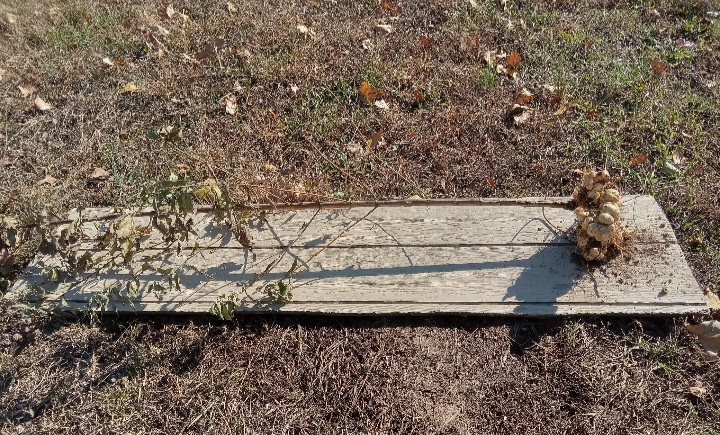
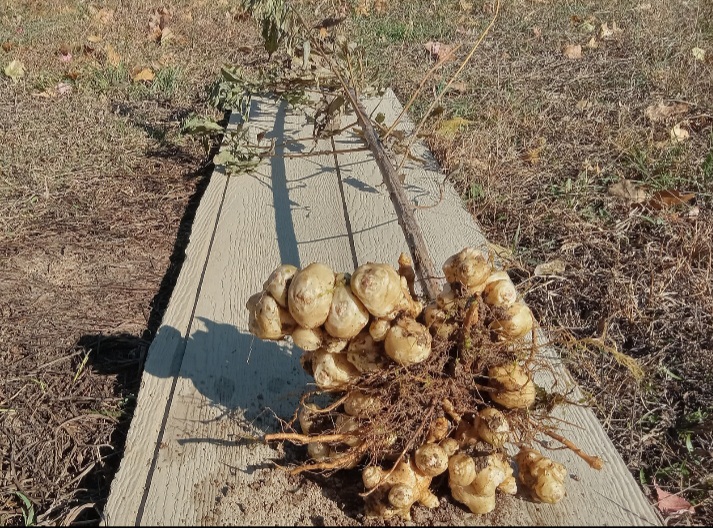
We had a hard freeze three days ago and killed the sunchoke tops. I pulled one up and this is how the tubers look like. I don't think it's a trait to stay jammed. More likely because the top soil is shallow and subsoil is rock hard, plus I watered or mulched just around the base in summer drought. Another plant in a shadier spot with better soil had roots traveling much farther and deeper.
20251113_122049_Gallery.jpg
Sunchoke from single tuber
20251113_122108_Gallery.jpg
Packed
Packed
 
gardener
Posts: 413
Location: Southern Ontario, 6b
301
cat forest garden food preservation cooking writing ungarbage
  • Likes 14
  • Mark post as helpful
  • send pies
    Number of slices to send:
    Optional 'thank-you' note:
  • Quote
  • Report post to moderator
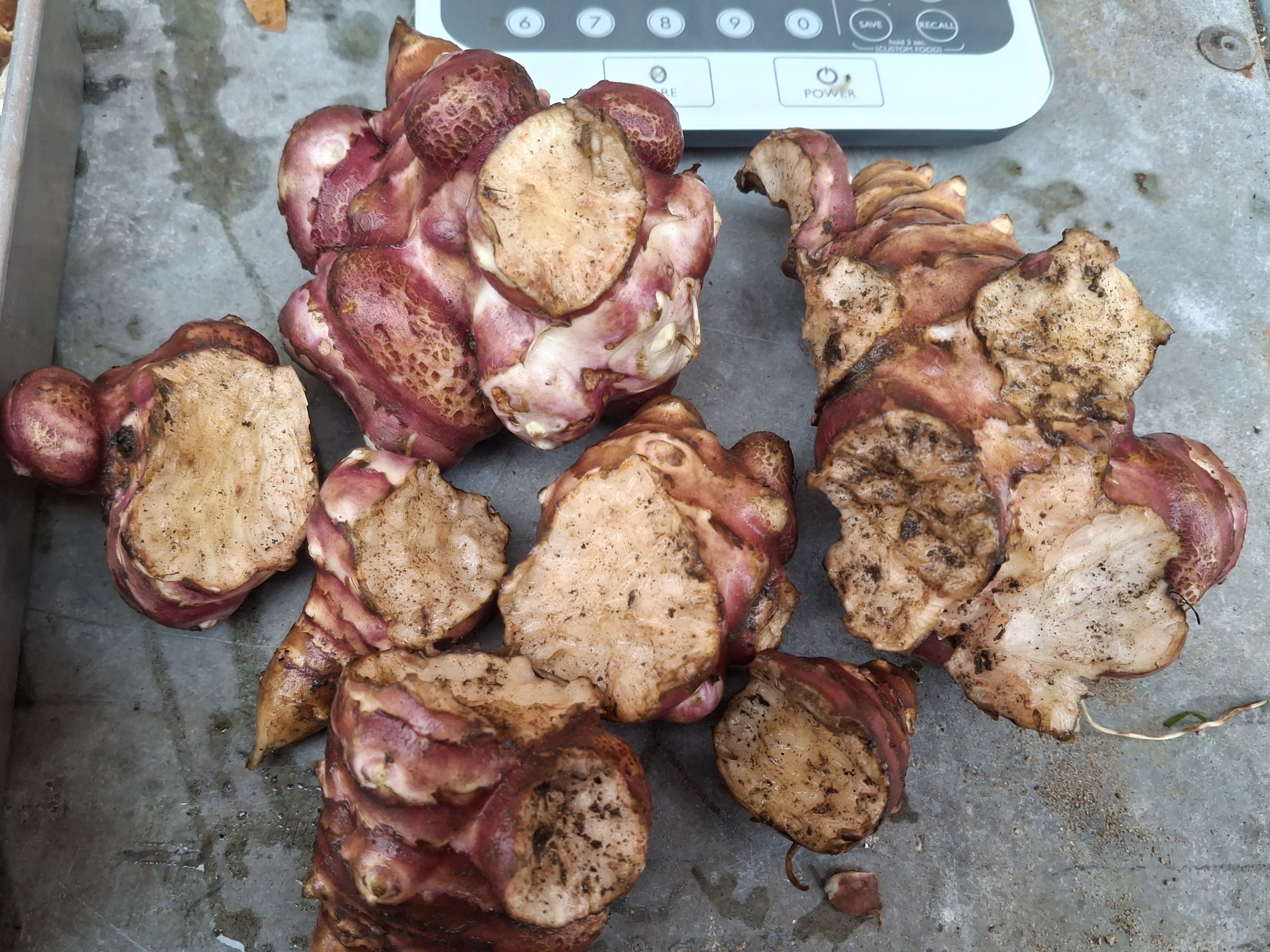
We've had hard frost so I dug out the sunchokes from my gamcod plot.
Got a bit over 10 kg.
Most were lovely, but as I went to the south end of the patch, several were showing damage.
The ground was not disturbed, so not likely rodents, and I didn't see any bugs around them that could be the cause.
We do have white grubs in large numbers and I could smell ants as I was digging.  
Anh ideas what could be the cause and any suggestions on how to help them next year?
At least they seem to handle the damage well and don't all rot or anything.
20251115_131210.jpg
2025 sunchokes with damage
20251115_131219.jpg
close up of tubers with damage
 
pollinator
Posts: 141
Location: Memphis (zone 7b/8a)
57
  • Likes 8
  • Mark post as helpful
  • send pies
    Number of slices to send:
    Optional 'thank-you' note:
  • Quote
  • Report post to moderator
Looks like vole damage to me.
 
Posts: 162
22
  • Likes 9
  • Mark post as helpful
  • send pies
    Number of slices to send:
    Optional 'thank-you' note:
  • Quote
  • Report post to moderator
I intentionally planted them in several places around my property under different conditions, but it’s hard to tell what they like due to the deer and wood chucks always eating the stalks. But hey, both those animals are edible. I heard lacto fermenting them in a simple salt brine yields good results and it’s easiest to just keep them in the ground, Mabie loosen the soil before a hard frost so they can still be dug up easy enough or keep a black tarp over them. I’m planning on spreading them in some open areas nearby where I live to have a wild back up and to help the bees in the late summer with their flowers.
 
pollinator
Posts: 1493
Location: Wheaton Labs, Montana, USA
2968
11
home care trees books wofati food preservation bike bee building writing seed
  • Likes 11
  • Mark post as helpful
  • send pies
    Number of slices to send:
    Optional 'thank-you' note:
  • Quote
  • Report post to moderator

Cécile Stelzer Johnson wrote:Did you use a special cultivar? I know OIKOS had some that they have selected for their ability to stay close to the mother plant.


I think our current stock is the equivalent of a landrace version. Every year, we grab some from a plant and then drop them in areas that had no sunchokes that season.

Sunchokes have been growing here since before I arrived (over 3.5 years ago), and I don't recall Paul or any other gardeners here ordering any from elsewhere. There are so many here at this stage that it seems silly to even consider purchasing any, ever. It might be to the point that we have separate cultivars growing at Basecamp versus those growing at the Lab. Those parcels of property are about 2 miles from each other, and some microclimate differences may have emerged over the years.

All the sunchokes from this current video series were grown at Basecamp, while all those in the GAMCOD project videos are grown at the Lab. It would be interesting to see if there were any noticeable differences between the plants' yields based on where they were harvested, but just from a casual glance I haven't observed any.
 
Cécile Stelzer Johnson
pollinator
Posts: 1602
Location: zone 4b, sandy, Continental D
433
  • Likes 11
  • Mark post as helpful
  • send pies
    Number of slices to send:
    Optional 'thank-you' note:
  • Quote
  • Report post to moderator

Dian Green wrote:We've had hard frost so I dug out the sunchokes from my gamcod plot.
Got a bit over 10 kg.
Most were lovely, but as I went to the south end of the patch, several were showing damage.
The ground was not disturbed, so not likely rodents, and I didn't see any bugs around them that could be the cause.
We do have white grubs in large numbers and I could smell ants as I was digging.  
Anh ideas what could be the cause and any suggestions on how to help them next year?
At least they seem to handle the damage well and don't all rot or anything.


So, 10 Kgs out of 200 square feet, so a plot that is about 14 ft X 14 ft, if square. That's not too bad. I don't grow the pink kind as they are really gassy and give me cramps. The white kind isn't nearly as bad.
I suspect if the damage was due to white grubs or ants, you would have found some when digging them out,  but you do not mention that.
If you look really close, I think you will find small, narrow, gnawing teeth marks by a rodent. My bet is also voles.
https://fox-pest.com/pest-files/voles/
Know thy enemy! This article will give you a leg up when fighting these nasty little critters. They reproduce very fast, too.
One saving grace is that although they can climb trees, they can't climb smooth surfaces. That is why I grow mine in half 55 gallon plastic barrels. Even on trees, they are not good climbers. (But they will girdle any young tree to death if allowed to get close! - Ask me how I know!)
If you want to grow sunchokes in the presence of voles, your best bet is to establish a barrier. Tight mesh that they cannot get through, under or over would be best, or grow them in containers, like me. An advantage of growing them in containers is that at the end of the season, you can collect every little bit of sunchoke without having to dig to Timbuktu. You can then select your biggest ones for eating and replant your smallest ones immediately, just like garlic,
That is one less crop you won't have to plant next spring!
The bad part about planting them in a container is that they are then totally dependent on you for watering and enriching the soil... I do the same for sweet potatoes to keep voles away and not having to dig too far.
 
Sam Shade
pollinator
Posts: 141
Location: Memphis (zone 7b/8a)
57
  • Likes 8
  • Mark post as helpful
  • send pies
    Number of slices to send:
    Optional 'thank-you' note:
  • Quote
  • Report post to moderator

Cécile Stelzer Johnson wrote:

Dian Green wrote:We've had hard frost so I dug out the sunchokes from my gamcod plot.
Got a bit over 10 kg.
Most were lovely, but as I went to the south end of the patch, several were showing damage.
The ground was not disturbed, so not likely rodents, and I didn't see any bugs around them that could be the cause.
We do have white grubs in large numbers and I could smell ants as I was digging.  
Anh ideas what could be the cause and any suggestions on how to help them next year?
At least they seem to handle the damage well and don't all rot or anything.


So, 10 Kgs out of 200 square feet, so a plot that is about 14 ft X 14 ft, if square. That's not too bad. I don't grow the pink kind as they are really gassy and give me cramps. The white kind isn't nearly as bad.
I suspect if the damage was due to white grubs or ants, you would have found some when digging them out,  but you do not mention that.
If you look really close, I think you will find small, narrow, gnawing teeth marks by a rodent. My bet is also voles.
https://fox-pest.com/pest-files/voles/
Know thy enemy! This article will give you a leg up when fighting these nasty little critters. They reproduce very fast, too.
One saving grace is that although they can climb trees, they can't climb smooth surfaces. That is why I grow mine in half 55 gallon plastic barrels. Even on trees, they are not good climbers. (But they will girdle any young tree to death if allowed to get close! - Ask me how I know!)
If you want to grow sunchokes in the presence of voles, your best bet is to establish a barrier. Tight mesh that they cannot get through, under or over would be best, or grow them in containers, like me. An advantage of growing them in containers is that at the end of the season, you can collect every little bit of sunchoke without having to dig to Timbuktu. You can then select your biggest ones for eating and replant your smallest ones immediately, just like garlic,
That is one less crop you won't have to plant next spring!
The bad part about planting them in a container is that they are then totally dependent on you for watering and enriching the soil... I do the same for sweet potatoes to keep voles away and not having to dig too far.


I just plant sweet potatoes and the voles leave the Jerusalem artichokes alone to decimate the sweet potatoes.
 
Dian Green
gardener
Posts: 413
Location: Southern Ontario, 6b
301
cat forest garden food preservation cooking writing ungarbage
  • Likes 6
  • Mark post as helpful
  • send pies
    Number of slices to send:
    Optional 'thank-you' note:
  • Quote
  • Report post to moderator
I agree that it does look like gnawing of rodent teeth but they must be good diggers since there was no signs of the dirt being moved.
Voles are about but this is the first Ive seen of damage to anything I want. ( just saw one today when I was out moving leaves) There are 2 other stands of sunchokes I didn't dig, so I'll see how those do through the winter. We had no issues the last 2 winters.

The sunchokes were only in about a 2' x 10' strip along one end so I'm very happy with how much they produced. I think it was a around a pound that was planted in the spring.
 
Posts: 20
3
  • Likes 8
  • Mark post as helpful
  • send pies
    Number of slices to send:
    Optional 'thank-you' note:
  • Quote
  • Report post to moderator
I get the impression Paul is super keen on folks growing sunchokes as a main survival crop. I've found that I can eat a limited amount without side effects only IF I lacto-ferment it first.

So this entails a workstep that crops like potatoes don't have to go through. If I'm treating sunchokes as a main calorie-source, the fermentation would have to be done in big batches. The process can go wrong (mould) and I would expect it results in a rather high-sodium vegetable to consume as a main calorie source?

And could I really get serious calories (without side effects) eating it as a potato substitute? The inulin conversion would never be close to 100% (I may be wrong about this?) and while some people may adapt to tolerate inulin more with exposure, it's the gastro-bugs that reap most of the calories, right? Maybe some of it is released in a human-digestible form, but it can't compare with eating potatoes and directly getting the starch, I would think..?

If I have a good source of acid (lemon juice is generally said to be ideal) to cook the sunchokes in, that can help, but in a survival situation, I would need to come up with a LOT of it if sunchokes are my main staple?

I'm not here to blow raspberries at the concept; I like growing them and the taste of them! I would love for this to work out somehow!
 
master gardener
Posts: 5968
Location: Carlton County, Minnesota, USA: 3b; Dfb; sandy loam; in the woods
3492
8
forest garden trees books chicken food preservation cooking fiber arts seed woodworking homestead ungarbage
  • Likes 6
  • Mark post as helpful
  • send pies
    Number of slices to send:
    Optional 'thank-you' note:
  • Quote
  • Report post to moderator

Gordon Blair wrote:If I have a good source of acid (lemon juice is generally said to be ideal) to cook the sunchokes in, that can help, but in a survival situation, I would need to come up with a LOT of it if sunchokes are my main staple?  


Paul says they don’t bother his gut anymore. I haven’t ever eaten enough to reach that, but I also don’t mind farting. As for acid, I think you can generate bulk vinegar low-tech about anywhere.
 
steward and tree herder
Posts: 12626
Location: Isle of Skye, Scotland. Nearly 70 inches rain a year
6542
6
transportation dog forest garden foraging trees books food preservation woodworking wood heat rocket stoves ungarbage
  • Likes 7
  • Mark post as helpful
  • send pies
    Number of slices to send:
    Optional 'thank-you' note:
  • Quote
  • Report post to moderator
Hi Gordon - have a look at this thread There are various strategies to improve the digestibility of sunroots, including letting your gut adapt to them gradually.
 
Sam Shade
pollinator
Posts: 141
Location: Memphis (zone 7b/8a)
57
  • Likes 8
  • Mark post as helpful
  • send pies
    Number of slices to send:
    Optional 'thank-you' note:
  • Quote
  • Report post to moderator

Gordon Blair wrote:...

And could I really get serious calories (without side effects) eating it as a potato substitute? The inulin conversion would never be close to 100% (I may be wrong about this?) and while some people may adapt to tolerate inulin more with exposure, it's the gastro-bugs that reap most of the calories, right? Maybe some of it is released in a human-digestible form, but it can't compare with eating potatoes and directly getting the starch, I would think..? ...


Inulin tolerance would suggest that your body was digesting the inulin and not leaving so much for the bacteria, hence the lower production of gas. Even if not 100%, that's still a big boost to its caloric value.

 
author and steward
Posts: 59689
Location: missoula, montana (zone 4)
hugelkultur trees chicken wofati bee woodworking
  • Likes 10
  • Mark post as helpful
  • send pies
    Number of slices to send:
    Optional 'thank-you' note:
  • Quote
  • Report post to moderator
At this moment, I think there are two big things to get past the sunchoke comedy:


      - harvest after a hard frost


      - build your gut biome to digest this new thing


That's it.  

David the good (one of the staff here at permies.com) just posted  a video bashing sunchokes


Note that david is in alabama.  Warmer climate.  Does he ever get a hard frost?  I also wonder if he goes easy on getting started each year?  


Sam Shade
pollinator
Posts: 141
Location: Memphis (zone 7b/8a)
57
  • Likes 10
  • Mark post as helpful
  • send pies
    Number of slices to send:
    Optional 'thank-you' note:
  • Quote
  • Report post to moderator

paul wheaton wrote:At this moment, I think there are two big things to get past the sunchoke comedy:


      - harvest after a hard frost


      - build your gut biome to digest this new thing


That's it.  

David the good (one of the staff here at permies.com) just posted  a video bashing sunchokes


Note that david is in alabama.  Warmer climate.  Does he ever get a hard frost?  I also wonder if he goes easy on getting started each year?  


He's right that the gas effect is a big barrier to mass adoption. And I don't think it's a climate thing, as I believe (long time watcher of his youtube channel) he first grew them when he was in TN.

But I think his PTSD from going to big on eating them all at once is clouding his judgement here. From my anecdotal experience, the gut adjusts to gradual exposure over longer periods of time. And the flavor is so good (I think they are superior to potatoes, sweet potatoes and yams in flavor) that I think people will come back to them if they can moderate the amounts initially.

Further, their extreme utility as an animal feed should keep them around long enough for every homesteader to figure out many culinary uses for them.
 
Posts: 254
52
  • Likes 6
  • Mark post as helpful
  • send pies
    Number of slices to send:
    Optional 'thank-you' note:
  • Quote
  • Report post to moderator

paul wheaton wrote:At this moment, I think there are two big things to get past the sunchoke comedy:


      - harvest after a hard frost


      - build your gut biome to digest this new thing


That's it.  

David the good (one of the staff here at permies.com) just posted  a video bashing sunchokes


Note that david is in alabama.  Warmer climate.  Does he ever get a hard frost?  I also wonder if he goes easy on getting started each year?  


I think trying different varieties might help as well. Everyone is different.

I planted 2 varieties very late spring not expecting to get much but was surprised with how many tubers I got anyways.

Some I planted in containers and have left them in the containers to see if they overwinter in the yard and left about a foot of stalk attached and I've just noticed that the squirrels and rabbits have eaten the entire stems down into the soil and have even dug down and harvested some of one variety. The other variety only has a few nibble marks on the stems and otherwise seem untouched.

I think both kinds are delicious. I have not had any problems but I did heed the warning to go slow so far.

As far as the video goes, youtubers gotta youtube as they say. I couldn't watch the whole "controversy" though.
 
Gordon Blair
Posts: 20
3
  • Likes 6
  • Mark post as helpful
  • send pies
    Number of slices to send:
    Optional 'thank-you' note:
  • Quote
  • Report post to moderator
Hey Paul

I watch David's channel sometimes, but his situation isn't always applicable to mine, as I am growing in Scotland. No shortage of frost here...

It's not sufficient to make even moderate amounts tolerable for me and my wife. We do have to process them for digestibility.

From what I've read, humans can't digest inulin, period. Would building up a tolerance just mean happier and more gastric bugs, but not calories for the human..?

paul wheaton wrote:At this moment, I think there are two big things to get past the sunchoke comedy:


      - harvest after a hard frost


      - build your gut biome to digest this new thing


That's it.  

David the good (one of the staff here at permies.com) just posted  a video bashing sunchokes


Note that david is in alabama.  Warmer climate.  Does he ever get a hard frost?  I also wonder if he goes easy on getting started each year?  


Christopher Weeks
master gardener
Posts: 5968
Location: Carlton County, Minnesota, USA: 3b; Dfb; sandy loam; in the woods
3492
8
forest garden trees books chicken food preservation cooking fiber arts seed woodworking homestead ungarbage
  • Likes 6
  • Mark post as helpful
  • send pies
    Number of slices to send:
    Optional 'thank-you' note:
  • Quote
  • Report post to moderator

Gordon Blair wrote:From what I've read, humans can't digest inulin, period. Would building up a tolerance just mean happier and more gastric bugs, but not calories for the human..


That’s a trillion-dollar crop, if so! Tastes good, satisfies your hunger, and doesn’t cause weight-gain?!? Maybe it just hasn’t been marketed right.
 
Les Frijo
Posts: 254
52
  • Likes 9
  • Mark post as helpful
  • send pies
    Number of slices to send:
    Optional 'thank-you' note:
  • Quote
  • Report post to moderator

Christopher Weeks wrote:

Gordon Blair wrote:From what I've read, humans can't digest inulin, period. Would building up a tolerance just mean happier and more gastric bugs, but not calories for the human..


That’s a trillion-dollar crop, if so! Tastes good, satisfies your hunger, and doesn’t cause weight-gain?!? Maybe it just hasn’t been marketed right.


From what I've been reading some peeps are taking inulin as a supplement to improve their gut health. It sound like it's just one of those things that some people can't tolerate and others tolerate to different degrees. Like lots of things.

If bacteria inside your body do the digesting for you is that still you digesting or is it more like farming the bacteria and consuming them without having to slaughter and store the pig so to speak?
 
gardener
Posts: 2045
912
14
homeschooling hugelkultur trees medical herbs sheep horse homestead
  • Likes 14
  • Mark post as helpful
  • send pies
    Number of slices to send:
    Optional 'thank-you' note:
  • Quote
  • Report post to moderator

Sun-chokes are my favorite garden plant.    They survive all my mistakes.  

 
Cécile Stelzer Johnson
pollinator
Posts: 1602
Location: zone 4b, sandy, Continental D
433
  • Likes 11
  • Mark post as helpful
  • send pies
    Number of slices to send:
    Optional 'thank-you' note:
  • Quote
  • Report post to moderator

Gordon Blair wrote:I get the impression Paul is super keen on folks growing sunchokes as a main survival crop. I've found that I can eat a limited amount without side effects only IF I lacto-ferment it first.

So this entails a workstep that crops like potatoes don't have to go through. If I'm treating sunchokes as a main calorie-source, the fermentation would have to be done in big batches. The process can go wrong (mould) and I would expect it results in a rather high-sodium vegetable to consume as a main calorie source?
And could I really get serious calories (without side effects) eating it as a potato substitute? The inulin conversion would never be close to 100% (I may be wrong about this?) and while some people may adapt to tolerate inulin more with exposure, it's the gastro-bugs that reap most of the calories, right? Maybe some of it is released in a human-digestible form, but it can't compare with eating potatoes and directly getting the starch, I would think..?
If I have a good source of acid (lemon juice is generally said to be ideal) to cook the sunchokes in, that can help, but in a survival situation, I would need to come up with a LOT of it if sunchokes are my main staple?


Like Paul, sunchokes used to bother me more than they do now. In the spring, I dig some out and eat them like radishes. Being raw, and early in the season, they are a bit more "farty", so I don't eat many of them. But after 2-3 meals, I'm immune. (Same thing with mosquitoes: The first bites get annoyingly scratchy, but later, they don't bother me at all.)
The reason they should be considered as a staple is that there is a fair amount of calories in them,  and they grow very easily. They are actually hard to kill unless deer come and visit your early plants. My mom and dad owe their survival during WWII to sunchokes. There was no meat and practically no potatoes, but the Germans didn't take their sunchokes (which they considered to be food for pigs)
Here is a nutritional comparison: sunchokes versus white potatoes:
https://versus.com/en/jerusalem-artichokes-vs-white-potato
 
paul wheaton
author and steward
Posts: 59689
Location: missoula, montana (zone 4)
hugelkultur trees chicken wofati bee woodworking
  • Likes 8
  • Mark post as helpful
  • send pies
    Number of slices to send:
    Optional 'thank-you' note:
  • Quote
  • Report post to moderator

Samantha Lewis wrote:
Sun-chokes are my favorite garden plant.    They survive all my mistakes.  


This is an amazing vid!  Thanks for sharing!  Apples and pie for you!
 
Gordon Blair
Posts: 20
3
  • Likes 8
  • Mark post as helpful
  • send pies
    Number of slices to send:
    Optional 'thank-you' note:
  • Quote
  • Report post to moderator
Yeah, for me, that's the big question here. I understand that this is what cows do? There is also evidence that inulin-consuming bacteria release short-chain fatty acids that are digested by the human for energy. So there are two potential means to extract calories from indigestible inulin. Maybe that process is turbocharged for Paul.

I love onions and have eaten an almost inordinate amount of them for many years. They are considered relatively high in inulin, but this has not conferred Paul's superpowers upon me.

Les Frijo wrote:

Christopher Weeks wrote:
If bacteria inside your body do the digesting for you is that still you digesting or is it more like farming the bacteria and consuming them without having to slaughter and store the pig so to speak?

 
Gordon Blair
Posts: 20
3
  • Likes 10
  • Mark post as helpful
  • send pies
    Number of slices to send:
    Optional 'thank-you' note:
  • Quote
  • Report post to moderator
That's quite a story, Cécile! Lends anecdotal credence to the idea that sunchokes can provide serious human-available calories without breaking up the inulin into sugar first.

I have tried to acclimate to them, but perhaps it would need to be done more consistently and built up gradually.
 
Posts: 80
Location: West-central Pennsylvania
37
  • Likes 12
  • Mark post as helpful
  • send pies
    Number of slices to send:
    Optional 'thank-you' note:
  • Quote
  • Report post to moderator
Question:   If bacteria inside your body do the digesting for you is that still you digesting or is it more like farming the bacteria and consuming them without having to slaughter and store the pig so to speak?
Answer: The colon is the last stage of digestion and in a normal, or healthy gut system where the bacteria and fungi that 'should' be there to ferment the remainder of what you eat and the result is a ferment that can be absorbed into your blood. This is the normal digestive process. When your gut flora are affected by the excess fats and sugars in our 'modern' diet or by antibiotics that creates an imbalance in the flora which can allow undesirable bacteria and fungi to mix with the desirable flora. This throws off the ferment products which can cause inflammation in the gut and in your blood. I just had a procedure on Monday which needed an oral antibiotic. My gut is very much unbalanced now. Today I started taking Kefir with a 12 number culture of desirable bacteria and I started back on Inulin to feed that mix. Tonight I have moderate diarrhea which should ease in less than 24 hours. For the past two days, waiting for the antibiotic to pass I've had terrible constipation caused by the antibiotic. This diarrhea is due to my hurrying the re-population process. This is the same reaction that anyone with an unhealthy gut would experience if they were to jump on the bandwagon too quickly. Any one with IBS, Leaky Gut, Crohns or the like would have this result but much more pronounced and with much more unpleasantness, to the point of possibly needing emergency medical care. I've taken Inulin for 20 years, had a few antibiotic treatments during that time and I know what to do and what to expect. My doctors are on board with what I'm doing.
As an aside, another function of the colon is to remove excess water and make the stool firm. That excess water is absorbed by the blood with means your blood system has a bunch of poop water in it. When someone tells you that you're full of it, you really are! Imbalances cause constipation or diarrhea. Either one can cause inflammation of the colon.
20 years ago at age 50, my first colonoscopy showed heavy inflammation and a possibly precancerous polyp. I started Inulin then and every 'scope since has shown zero inflammation and no polyps. I get a double-whammy on the chances of colon cancer from both Mom and Dad so the results are very welcome and impress my doctors.
 
Every noble work is at first impossible. - Thomas Carlyle / tiny ad
Our PIE page has been updated, anybody wanna test?
https://permies.com/t/369340/PIE-page-updated-wanna-test
reply
    Bookmark Topic Watch Topic
  • New Topic